Malta: Streets, Sea and the Real Price of Lifestyle
Malta pairs compact Mediterranean living with steady price growth; match neighbourhood character to liquidity, verify deeds and planning, and visit off-season to test true daily life.
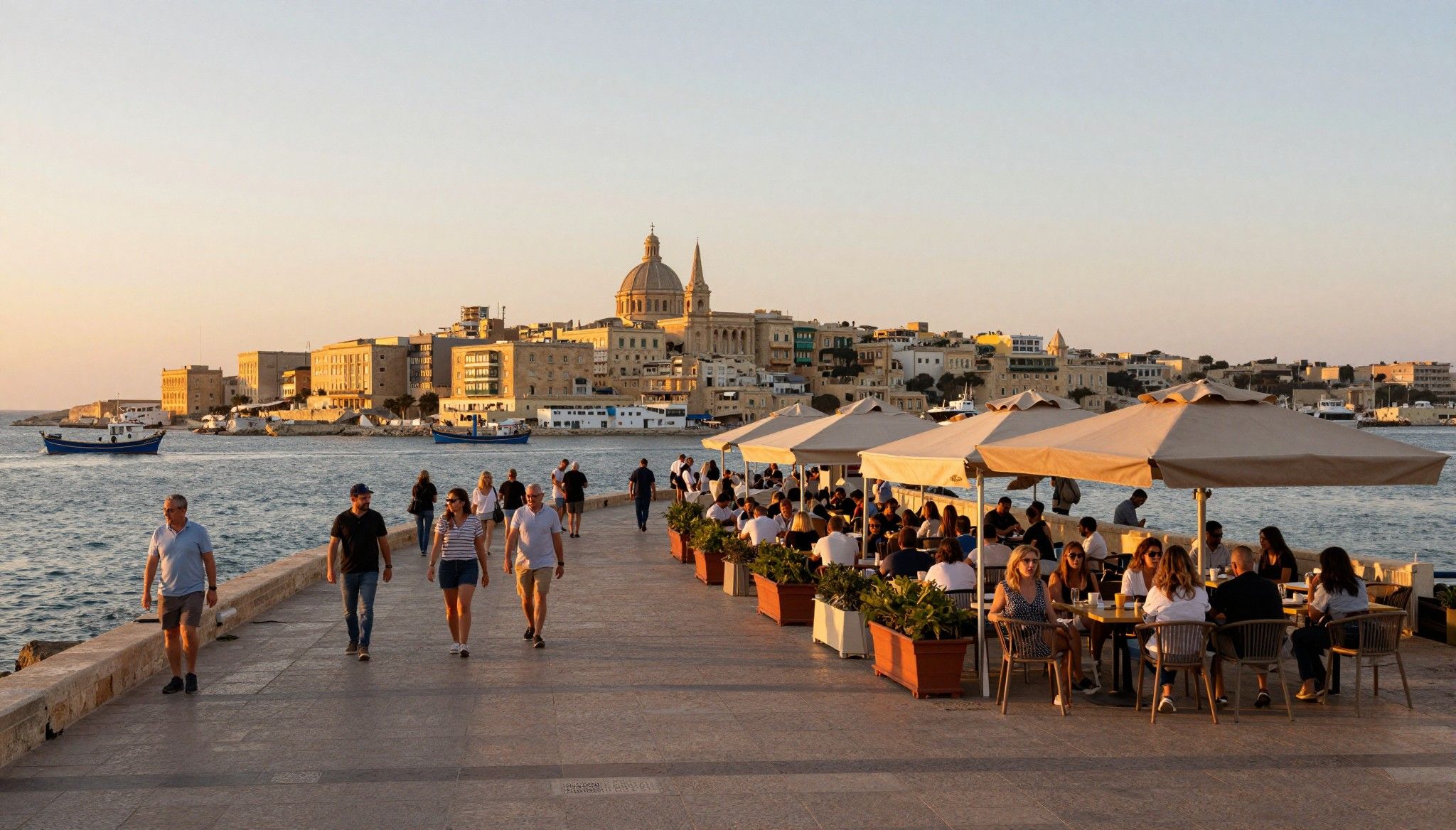
Imagine stepping out at dawn onto Valletta’s narrow limestone streets, espresso steam in the air and fishermen hauling small yellow boats at Marsaxlokk’s market by mid-morning. That contrast — baroque city lanes that fold into small fishing harbours — is Malta’s lived choreography: compact, social, sunlit and immediate. For international buyers the island sells a rhythm as much as square metres: year-round usability, English as an official language and tightly drawn neighbourhood characters. But beneath the romance, buyers face a compact market with measurable price momentum and regulatory quirks; understanding both is what turns a dreamy move into a confident investment.
Living the Malta life
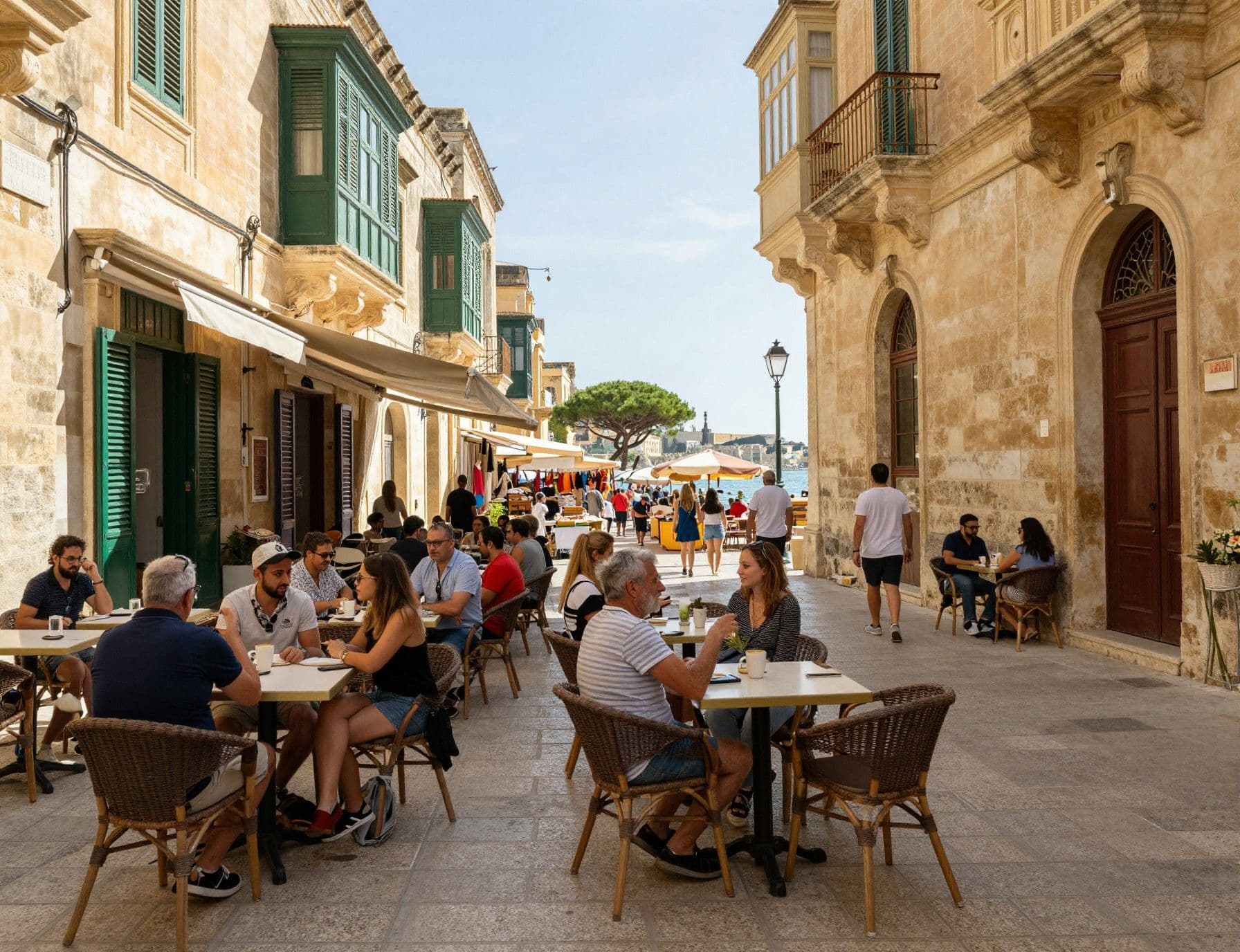
Malta is built for walking and small pleasures: quick market runs for ġbejniet and fresh bread, terraces that fill at sunset, and neighbourhood bars where languages mix. Sliema and St Julian’s pulse with sea promenade life, Valletta hums with theatres and government offices, while quieter southern towns like Birżebbuġa and fishing villages such as Marsaxlokk offer slower, local-led rhythms. The island’s compactness means your daily radius is small — 20–30 minutes can take you between seaside swims and a city opera — which changes how you buy: location trades mobility for character. If you crave immediacy — cafés, social life, and short commutes — Malta's neighborhoods deliver a dense, lived-in experience.
Valletta, Sliema & St Julian’s: seaside urban energy
Picture sipping morning coffee on Sliema’s Tower Road, window-shopping boutiques and watching ferry traffic into Valletta; evening brings terrace dinners in St Julian’s Spinola Bay. Sliema offers a blend of seafront apartment living and practical city amenities — supermarkets, international schools and ferries — which explains why many internationals orient here. Valletta’s narrow streets reward culture lovers: galleries, small concert venues and a surprising number of intimate cafés. For buyers, that means premium per-square-metre but high rental demand and predictable short-term lets in tourist season.
Marsaxlokk, Gozo & the quieter coast: small‑town rhythms
If you want fisherman’s nets, quiet bays and slower Sundays, Marsaxlokk and Gozo shift tempo: long lunches, weekend markets and community festivals define life here. Properties tend to be older stone houses or low-rise developments; outdoor space — terraces, courtyards, small gardens — becomes the differentiator for lifestyle value. Many expats buy in Gozo for retirement-style calm or families seeking a child‑friendly pace, accepting longer commutes to Malta’s main employment hubs. From a buying perspective, these locations offer lower entry prices but require patience for resale liquidity versus central urban pockets.
Lifestyle highlights
Early morning espresso in Valletta’s Merchant Street; evening passeggiata on Sliema’s promenade.
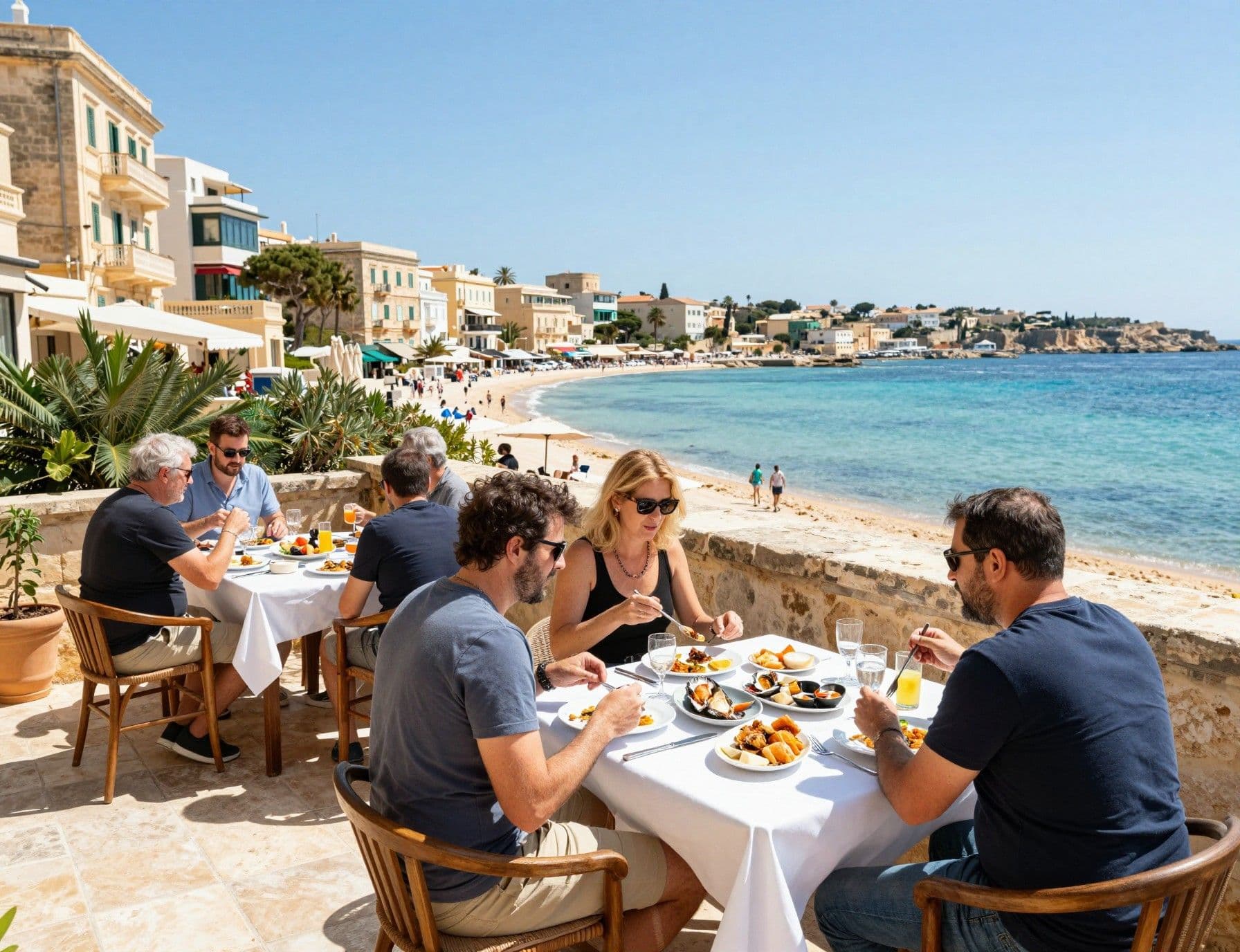
Sunday fish market at Marsaxlokk followed by seaside lunch at tiny family-run restaurants.
Swimming off rocky coves at St Peter’s Pool or the sandy stretches on Gozo, depending on wind direction.
Evening culture in Valletta: small-scale concerts, contemporary theatre and neighbourhood festivals.
Making the move: practical considerations
Malta’s market has shown consistent growth: national indices recorded mid-single-digit annual increases in recent years, reflecting limited land, steady demand and active transactions. The National Statistics Office and Central Bank highlight increasing transaction values and a crowded short-term let market in central areas. That picture means buyers must weigh lifestyle premium against longer-term price momentum; busy neighbourhoods are liquid but expensive, while quieter towns trade up-side potential for lower entry cost. Before making offers, match the lifestyle you want (seafront walks, markets, nightlife) to likely liquidity and rental demand.
Property styles and what they mean for living
Traditional Maltese maisonettes and townhouses come with high character — internal courtyards, thick limestone walls and small terraces — but often need modern systems upgrades. New developments deliver modern layouts, lifts and better energy performance, which suit buy‑to‑let and remote‑work buyers who prioritise convenience. Expect tradeoffs: historical fabric vs. running costs and renovation complexity. Practical advice: prioritise outdoor space and sun exposure (terraces and roof access) because Malta’s social life spills outdoors year-round.
Working with local experts who know the lifestyle
Local agencies are essential for matching street‑level life to legal realities: they know which streets have evening noise, which blocks flood in heavy storms, and which suburbs attract families or students.
Ask agents for recent comparable sales (final deeds) not just asking prices; Malta’s RPPI is transaction‑based and gives a clearer picture of realised prices. See the NSO RPPI for quarter-on-quarter trends.
Confirm planning history and any conservation restrictions before offers — Valletta and other historic cores have strict controls that affect renovations and long-term value.
Insider knowledge: what expats wish they'd known
Many expats say the easiest integration step is to accept Malta’s tempo: shops close for short midday lulls, festivals fill squares unpredictably and life centres around eating outside. Rental demand is highly seasonal in central locales, so owners who expect steady high yields year-round can be surprised. Practical insiders suggest living like a local for a month — shop the same market stalls, use local cafés, try ferry commutes — and ask how neighbourhood life changes across seasons. These lived details often reveal which streets match your rhythm before you commit.
Cultural integration, language and community
English is widely used in business, schooling and daily life, which lowers language barriers for many buyers and renters. Yet Maltese culture prizes local ties: neighbours, festa committees and family-run shops are the nodes of social life. Joining a local association — a church festa committee, sports club or volunteer group — accelerates belonging more than attending a formal expat meetup. For practical living, learn a few Maltese phrases as a courtesy; it opens doors and signals long-term intent to neighbours and tradespeople.
Long-term lifestyle and hallmarks of sustainable ownership
Sustainable ownership in Malta pairs lifestyle fit with practical durability: choose properties with good sun orientation, reliable water/sump systems and permitted roof access for terraces. Pay attention to energy efficiency upgrades that lower long-term utility and improve resale attractiveness. Expect that popular neighbourhoods will remain resilient — transaction volumes and values rose notably in recent years — but plan refurbishment budgets and consider professional property management if you won’t live on-island year-round. That mix preserves lifestyle while cushioning against market shifts.
If Malta feels like the life you pictured, take three immediate steps: (1) visit in shoulder season to see daily life beyond high-summer crowds, (2) ask agents for recent final-deed comparables and planning searches, and (3) meet a local architect or builder about typical renovation costs for properties you like. The island’s compact pleasures — cafés, short commutes, and year-round sea access — pair well with careful, street-level due diligence. With the right local partners you won’t just buy a property; you’ll buy into a very particular Mediterranean way of life.
British investor turned advisor after buying in Costa del Sol since 2012. Specializes in cross-border compliance and data-driven investment strategies for UK buyers.