Malta: Streets, Sea and What Buys You More Than Price
Malta’s charm is daily life—choose streets that match your rituals. Combine lifestyle scouting with transaction data and local experts for confident buys.
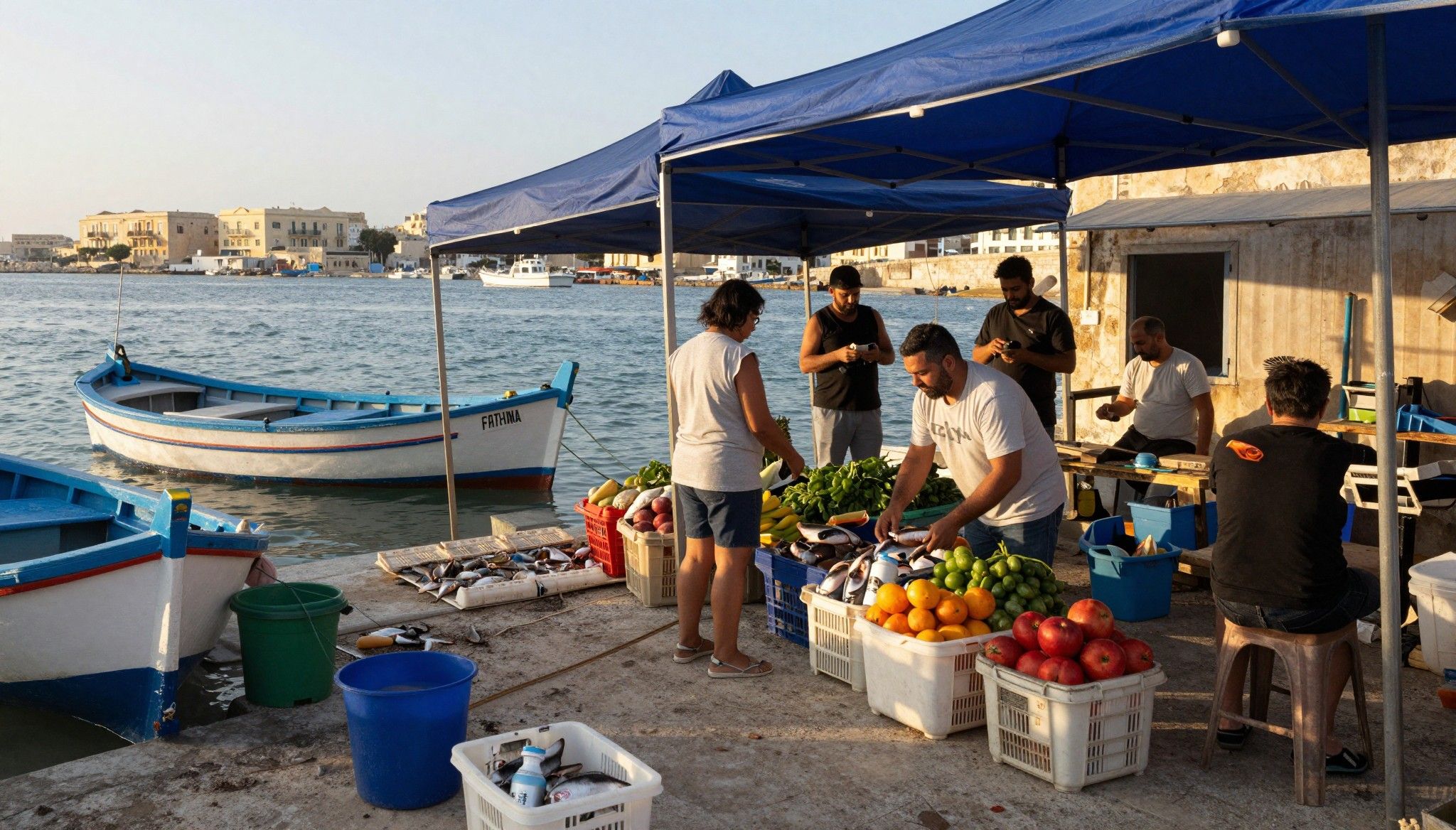
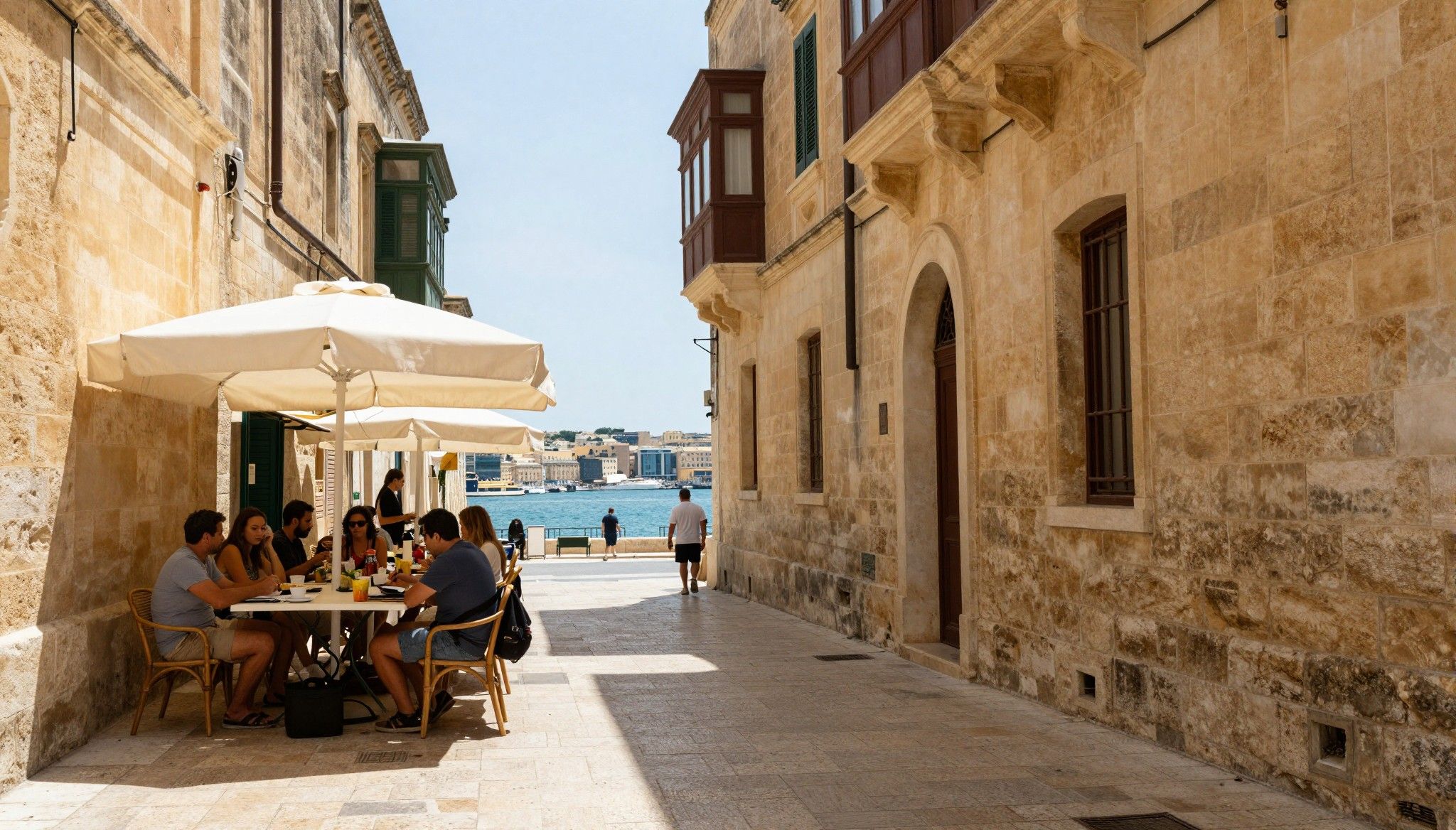
Imagine wandering a narrow Valletta lane at 08:30: a baker pulls fresh ftira from a stone oven, café tables steam, and the harbour fills with fishermen readying their boats. In Malta, daily life is built around small rituals—market visits, late lunches, and water-side promenades—that shape where people want to live. For international buyers, that rhythm matters as much as price per square metre; the right street can convert a sound investment into a daily joy. Below I compare the island’s lifestyle corridors with the property realities you’ll face, using local data and on-the-ground details to challenge assumptions and offer clear next steps.
Living the Malta lifestyle
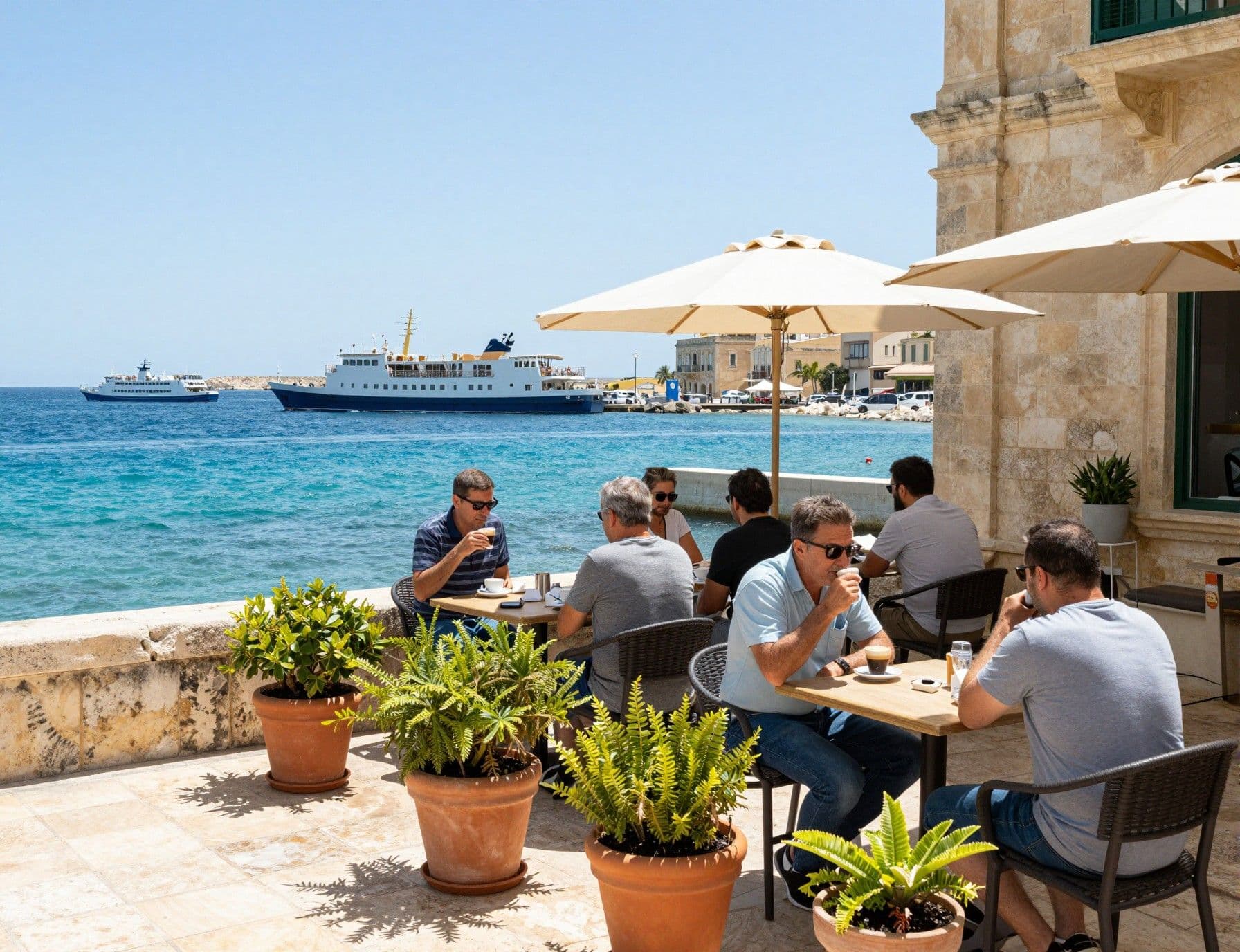
Malta’s compact scale means life is intimate: you can walk from a quiet garden in Għargħur to a lively café in Sliema within 20 minutes. Coastal towns like Sliema and St Julian’s hum with seaside terraces, boutique shops, and a strong expat café culture, while Valletta and Mdina offer history-soaked evenings near baroque churches and quiet piazzas. Seasons matter—summer brings festival energy and busy harbours, autumn cools the crowds and reveals the island’s quieter charms. Choosing where to live here is as much about daily sensations—light at a terrace table, ferry timetables, Sunday markets—as it is about headline prices.
Sliema & St Julian's: coastal life with convenience
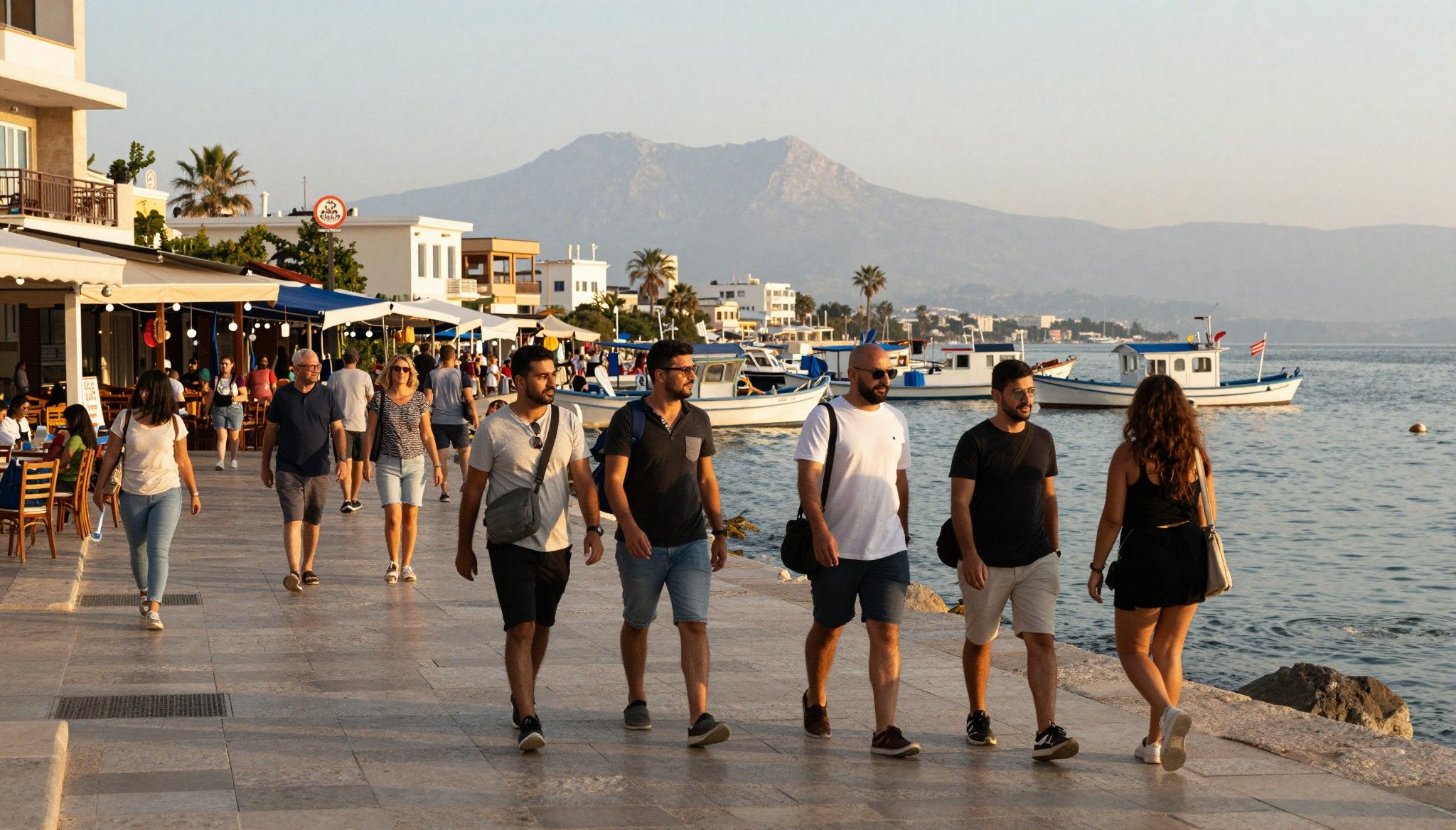
Walk Sliema’s seafront at dawn and you’ll meet joggers, café owners prepping pastries, and ferries crossing to Valletta—an every-day scene that explains the premium these neighbourhoods command. St Julian’s tilts younger, with bars and modern apartment blocks that attract short-term rentals and professionals, while Sliema blends shopping streets with quiet residential lanes. Data show these northern harbour areas typically command the highest €/m², but they also deliver consistent rental demand and year-round amenities. If you want immediate urban energy and reliable returns, these are the neighbourhoods to prioritise.
Valletta, Mdina & the heritage pulse
Valletta’s baroque streets and fortified edges make it a different proposition: smaller apartments, strong cultural life, and a sense of being inside history. Buyers here trade square metres for character—high ceilings, sash windows, and stonework that costs to maintain but rewards with uniqueness. Mdina and Rabat offer tranquillity and panoramic views inland; they suit buyers prioritising long-term lifestyle over short-term liquidity. Recent transaction data indicate Valletta remains a prestige pocket with stable demand from buyers who value place as much as price.
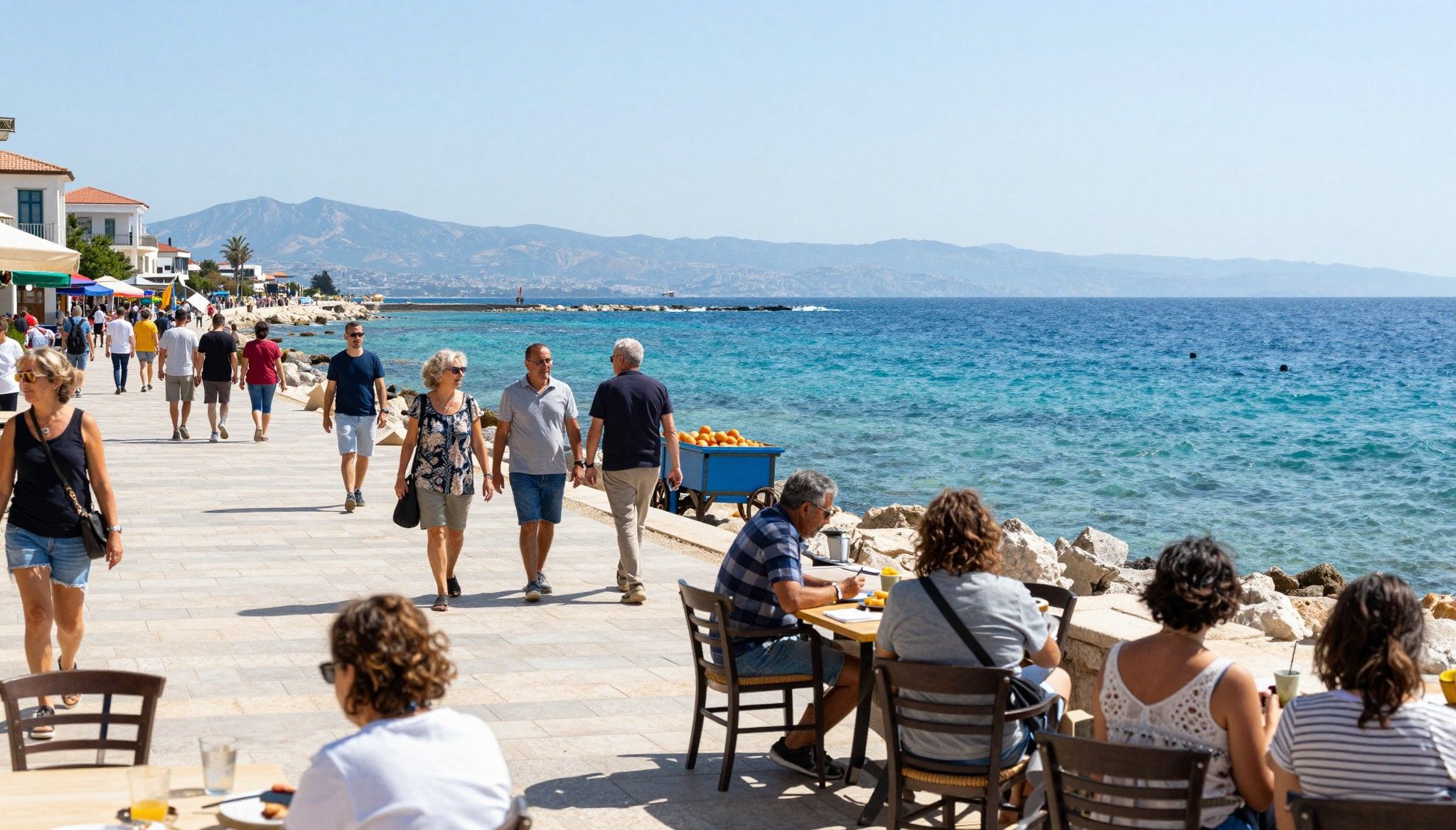
Cafés and promenades: Sliema Front for morning coffee and people-watching
Harbour walks: Marsamxett and Grand Harbour ferries connect daily life to Valletta
Market rituals: Marsaxlokk’s Sunday fish market and Valletta’s Valletta Market food stalls
Hidden bays: Għajn Tuffieħa and Għadira for weekend swims away from the crowds
Making the move: lifestyle-led practicalities
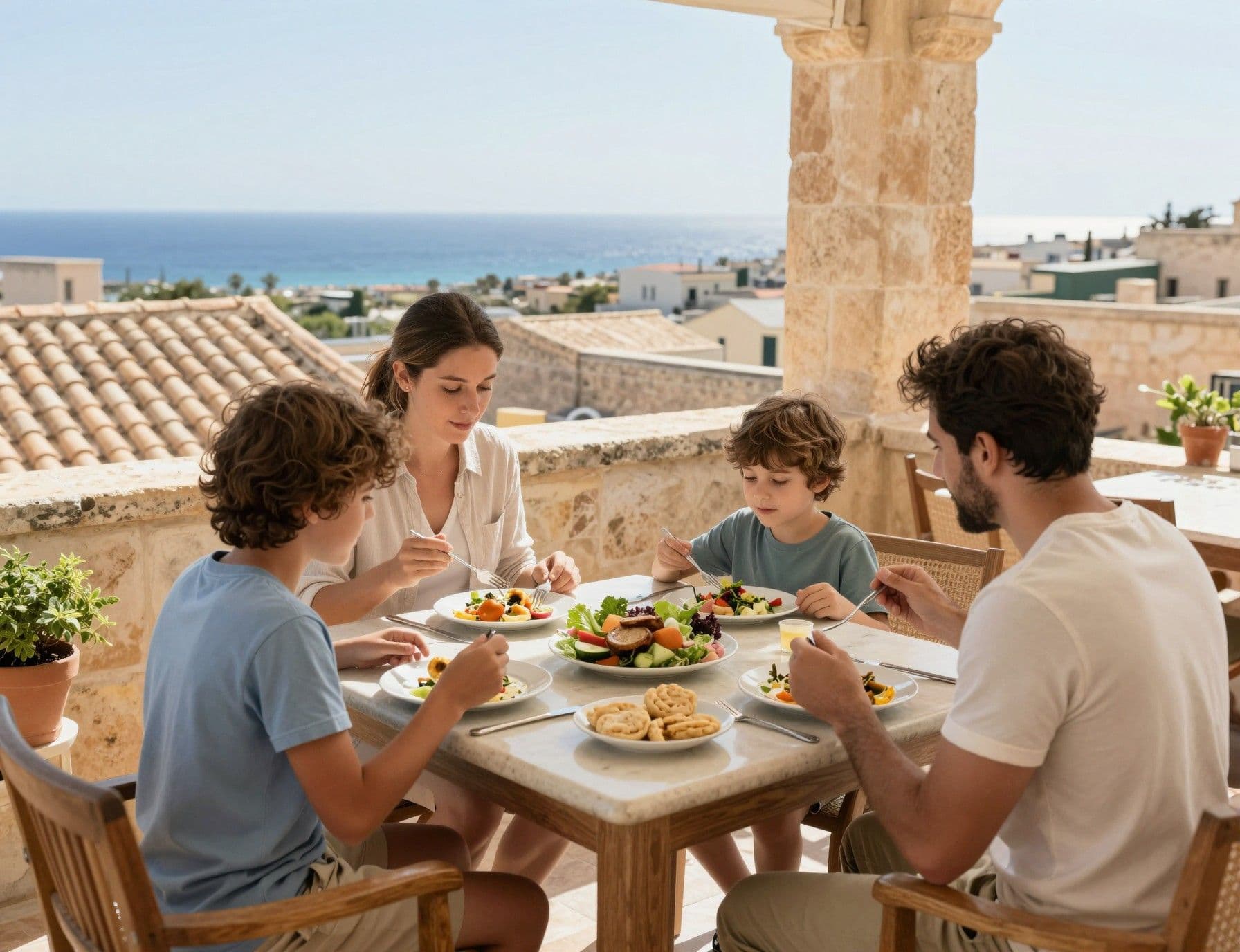
Turning a love of Malta into a purchase requires matching lifestyle priorities with market facts: supply is concentrated, demand from international buyers stays strong, and price movement is uneven across districts. The IMF and local reports highlight steady price growth but caution that concentration in prime coastal pockets can produce headline numbers that don’t reflect the whole island. That means your advisor should map lifestyle requirements—walkability, light, sea access—onto real market signals like transaction volumes and recent €/m². A local specialist saves time by filtering off-market opportunities and clarifying which streets deliver the life you want.
Property styles and what they mean for daily life
Most international buyers in Malta choose apartments: they fit the island’s density, offer easier maintenance, and suit seasonal renting if that’s part of your plan. Townhouses and maisonettes deliver terraces and character but often need renovation and carry higher upkeep costs tied to historic fabric. New-builds in Pembroke or smart conversions in Valletta are a trade-off between contemporary comfort and location authenticity. When you picture weekday mornings and weekend swims, pick the property type that supports those routines rather than one that only looks good in a listing photo.
Working with the right local experts
Choose an agent who blends lifestyle sensitivity with legal know-how: they should identify streets that match your rhythm and explain residency options tied to property investment, where applicable. For buyers considering the Malta Permanent Residence Programme or other residence routes, specialised legal advice is essential early in the process to align property selection with eligibility rules. A solid local team includes a buyer-focused agent, a notary experienced in Maltese conveyancing, and a surveyor who understands stonework and older building fabric. That combination protects your lifestyle investment as well as your capital.
Ranked checklist to marry lifestyle and pragmatics 1. List daily rituals (market, commute, sea access) and weight them. 2. Shortlist neighbourhoods by those rituals and visit at three different times of day. 3. Ask agents for recent transaction comparables within a 100 m radius, not just town averages. 4. Commission a structural survey on older stone properties before bidding. 5. Confirm residency or rental regulations that affect your intended use.
Insider knowledge: what expats wish they'd known
Expat owners often tell the same stories: falling for a sea view and later missing a quiet street, underestimating maintenance on old limestone façades, or misreading tourist season noise as permanent vibrancy. A common contrarian insight is that some neighbourhoods residents avoid for tourists—like parts of Marsaxlokk outside summer—offer calmer year-round living and lower entry prices. Local networks and time on the ground reveal these quieter value corridors more reliably than headline €/m² tables do.
Cultural integration and everyday logistics
English is an official language, which smooths many practical steps—from utilities to local bureaucracy—and helps expats plug into communities quickly. That said, social life often orbits extended family and local clubs; making neighbours your allies speeds renovation approvals and practical help. Public transport is functional between hubs, but owning a car unlocks quieter beaches and inland villages. Expect island-sized problems: tight lanes, parking near older buildings, and seasonal spikes in service demand during peak months.
Long-term lifestyle and investment considerations
Malta’s housing market shows steady long-term appreciation but with concentrated hotspots; diversifying across neighbourhood type—heritage streets, coastal promenades, quieter inland towns—balances lifestyle with resilience. Think in terms of 5–10 year horizons: a home near reliable amenities and transport will outperform a marginal sea-view that’s costly to maintain. Local planning rules and sustainability requirements are tightening; budget for compliance and factor that into renovation timelines.
Practical red flags to watch for • Incomplete planning approvals on conversions—insist on documentation. • Poor insulation and stone erosion in older buildings—get a specialist survey. • Over-reliance on seasonal rental income—stress-test cashflow for low-season months. • Service charge surprises in managed apartment blocks—request recent statements. • Unclear access rights for terraces and roof spaces—confirm in title deeds.
If Malta’s daily rhythms have captured you, take a short reconnaissance trip focused on lifestyle discovery—spend mornings on a promenade, afternoons in a local market, and evenings at a neighbourhood bar to test the lived reality. Bring a shortlist of streets rather than towns and work with an agent who will show you comparable sales within walking distance. That approach turns romantic impulse into repeatable, data-backed decisions.
Next steps: define the life you want first, then ask agents for three real examples of homes that match it within your budget. Insist on recent transaction evidence and a local survey before offers. If residency, rental yield, or renovation flexibility matter, get specialist legal counsel early. With the right local team, Malta can offer a compact, richly textured life where everyday pleasures—coffee, sea, and close community—justify the purchase as both investment and home.
Conclusion: Malta rewards buyers who prioritise lived experience. Choose streets that match your rituals, verify the facts, and build a local team to protect both lifestyle and capital. The island’s concentrated premiums are real—but so are quieter corridors and character-rich homes that deliver the everyday life international buyers tell us they came for.
Swedish strategist who relocated to Marbella in 2018. Specializes in legal navigation and tax planning for Scandinavian buyers.