When Coastal Hype Masks Cyprus’s Quiet Value Corridors
Cyprus's coastal headlines mask pockets of lifestyle-rich value inland and off the prime parade; combine local streetside scouting with RPPI and transaction data for smarter buys.
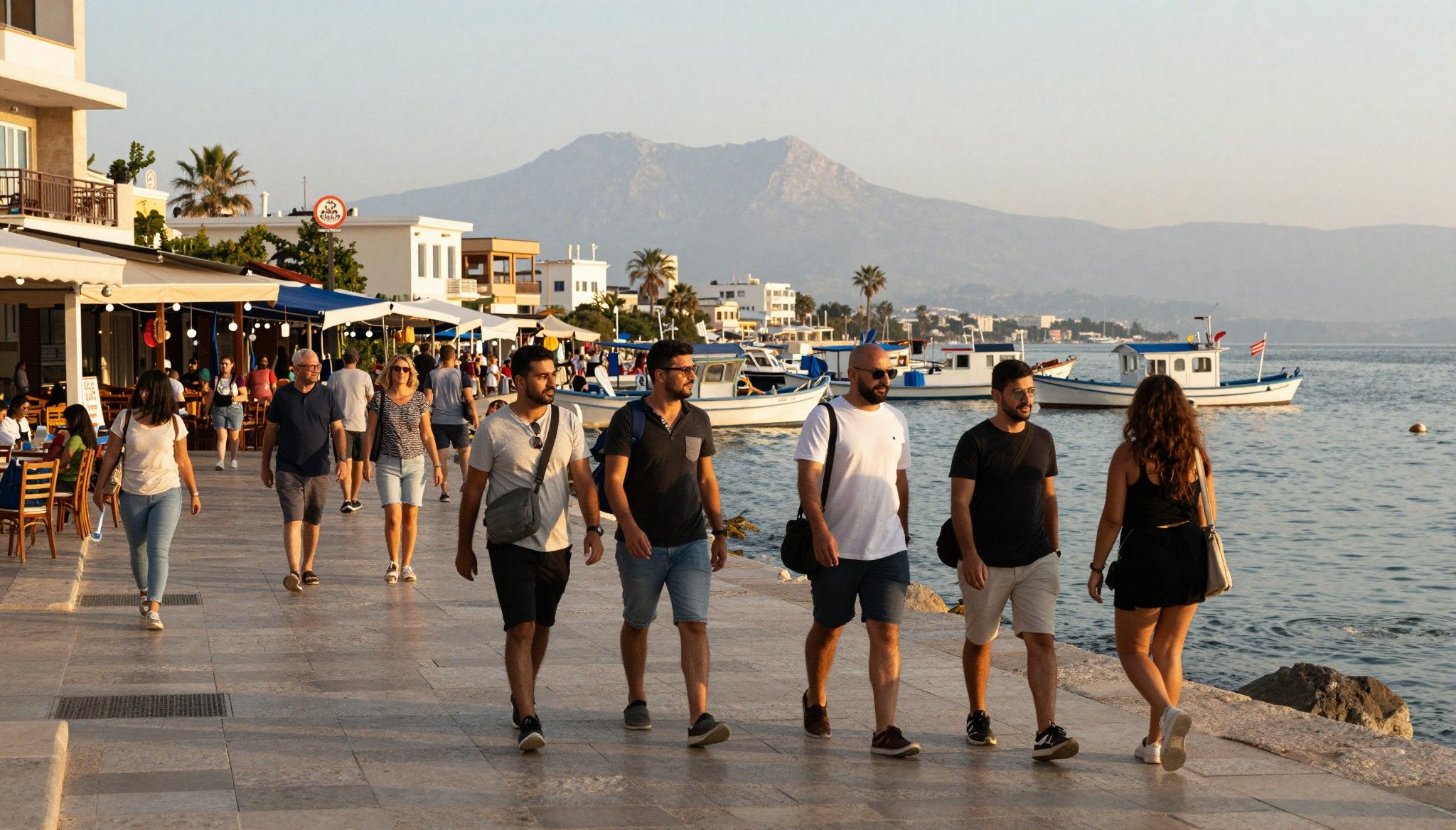
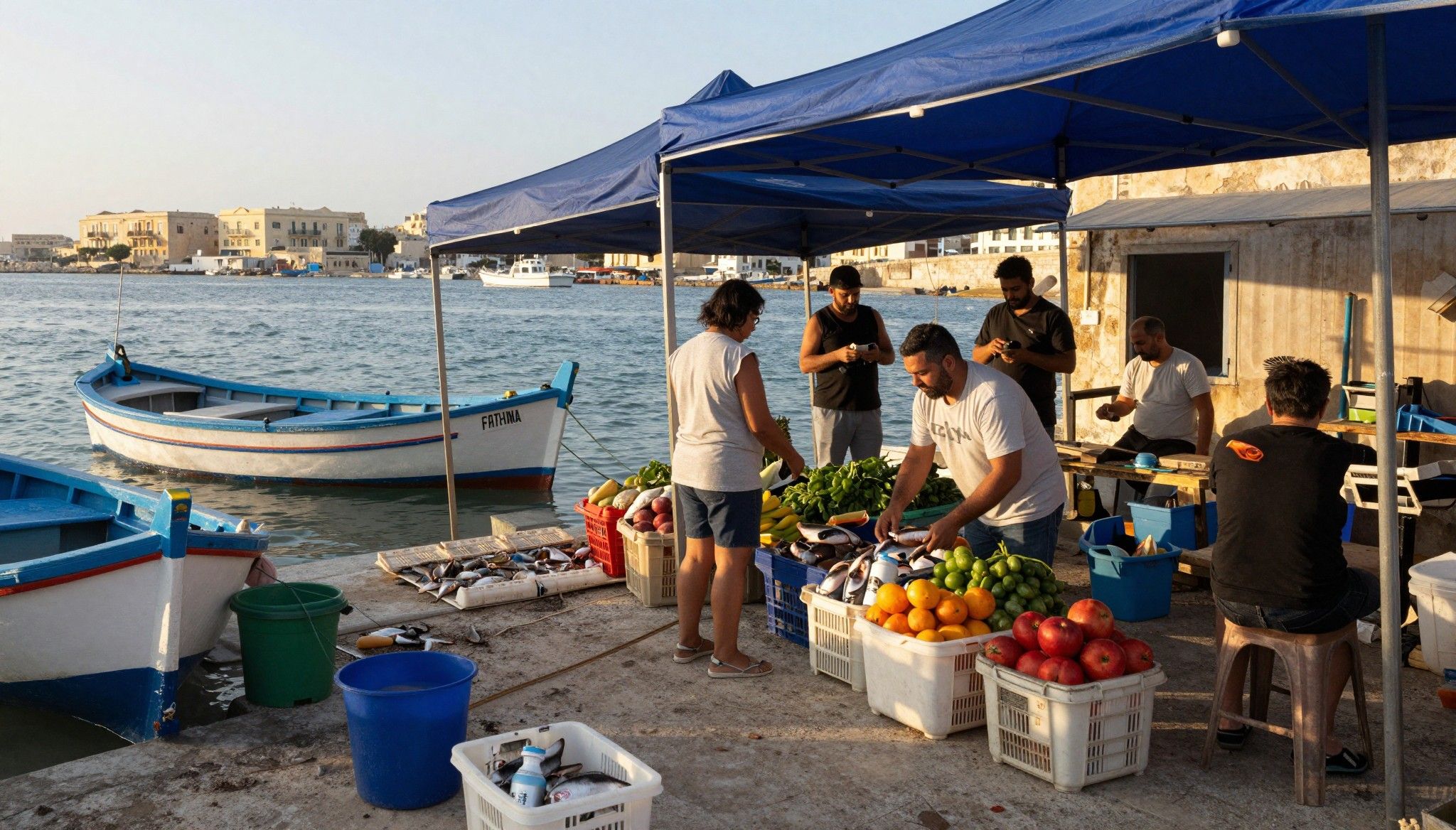
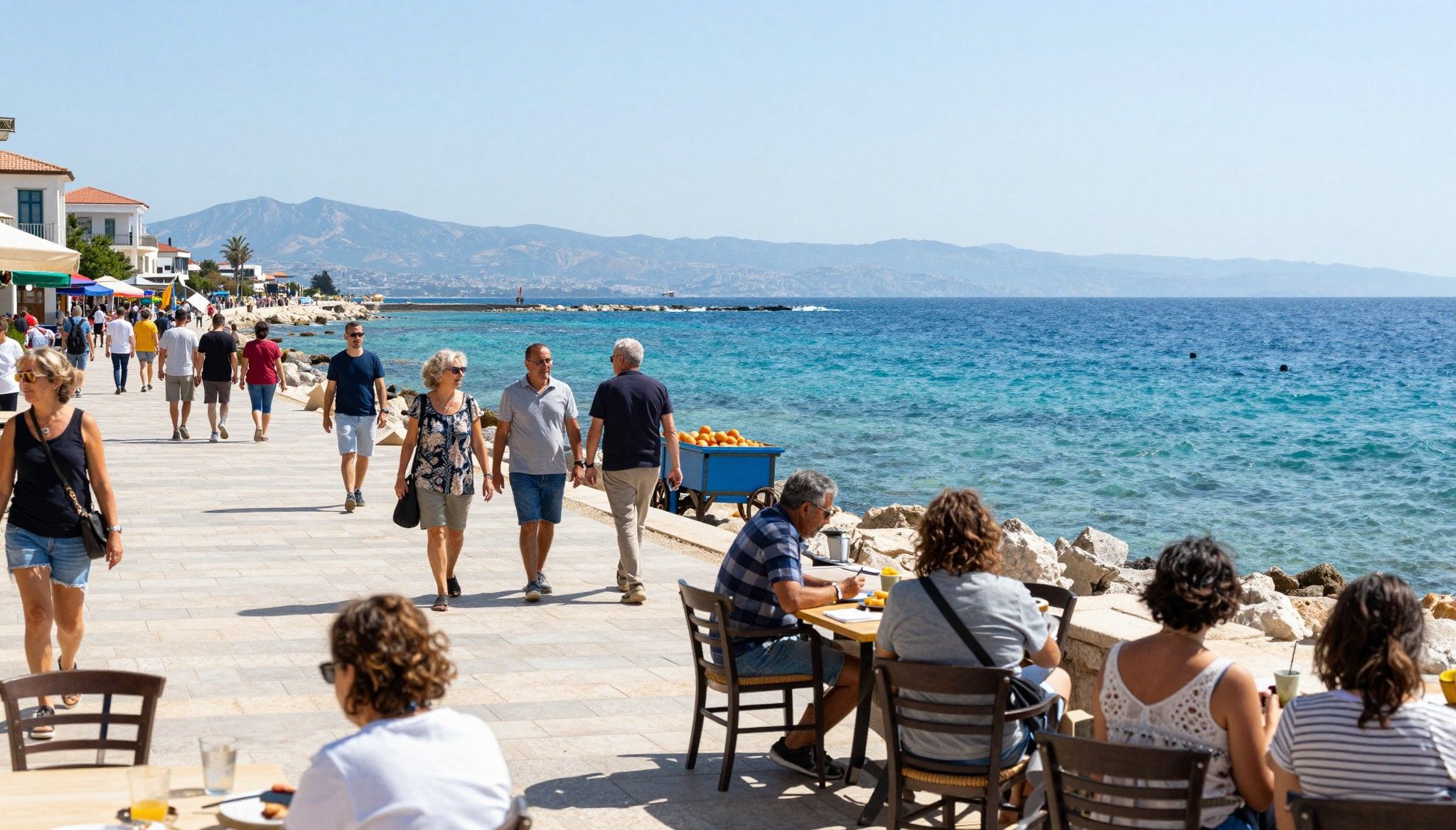
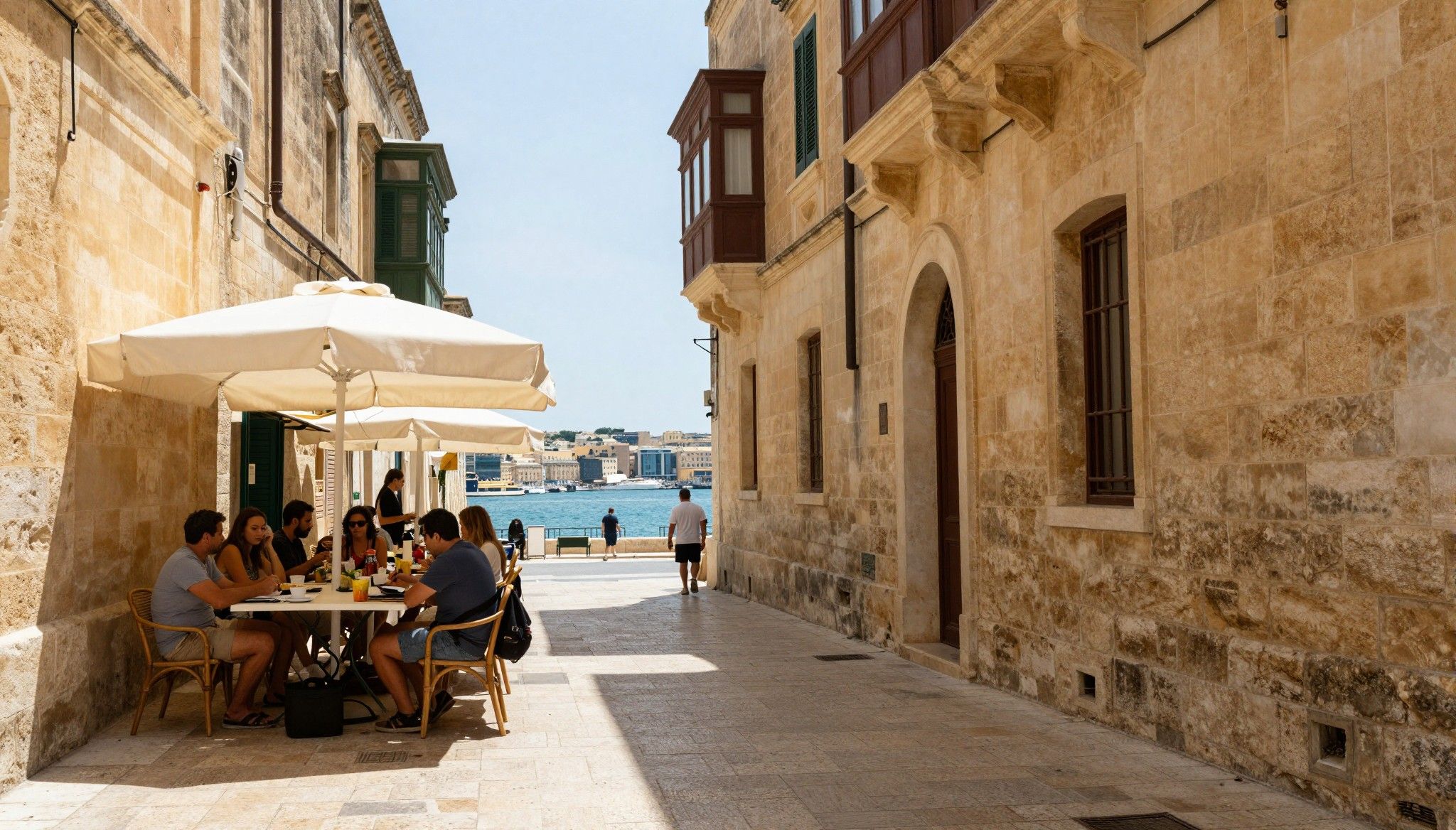
Imagine sipping an espresso on a narrow Limassol side street at 09:00, then walking 10 minutes to a rocky cove where locals swim year-round. Cyprus feels small and lived-in: bougainvillea spilling over stone walls, chatter at the municipal market, and a rhythm set by sea, mountain and festival. Yet headline prices and coastal hype make many international buyers assume the island is uniformly expensive — that assumption hides practical buying opportunities if you know where to look and when to act.
Living Cyprus: rhythm, neighbourhoods, and the unexpected

Life in Cyprus is sunlit and seasonally textured: bright, dry summers for swimming and alfresco dining; cool, green winters in Troodos where villages smell of wet pine. Property demand concentrates along coasts, but everyday life varies between Limassol's energetic marina and Nicosia's slower, café-lined streets. Recent price indices show growth overall, yet the pattern is uneven across districts — the data helps explain where lifestyle and value diverge.
Limassol: coastal cosmopolitan with a split personality
Limassol is where new towers, marinas and luxury deliveries concentrate demand; it accounted for a large share of transaction value in recent reports. But that doesn’t mean every street is expensive. Walk inland from the seafront to neighbourhoods such as Agios Nikolaos or Old Germasogeia, and you'll find quieter blocks with older apartments, village-like cul-de-sacs and lower price per square metre — the lifestyle is still coastal but the price signals differ.
Paphos and Larnaca: unexpected momentum
Paphos has quietly attracted strong foreign interest for years and pockets of genuine value remain for buyers who prioritise community life over skyline views. Larnaca is also moving up — airport proximity, a revitalised seafront and rental demand make it a pragmatic choice for those balancing lifestyle and returns. Recent transaction data shows non‑EU buyers accounted for a significant share of sales, concentrated in these coastal districts.
- Market-verified lifestyle highlights
- Morning coffee at Fig Tree in Old Town (Nicosia) then a midday stroll through the municipal market;
- Sea swims off Pissouri Bay followed by fresh fish at a taverna on the headland;
- Weekend hikes and chestnut festivals in Troodos, then village hall dinners where locals sing and trade produce;
- Limassol marina nights — restaurants and galleries — contrasted with quieter inland lanes where families still meet at the kafeneio;
Making the move: how lifestyle choices shape where you buy
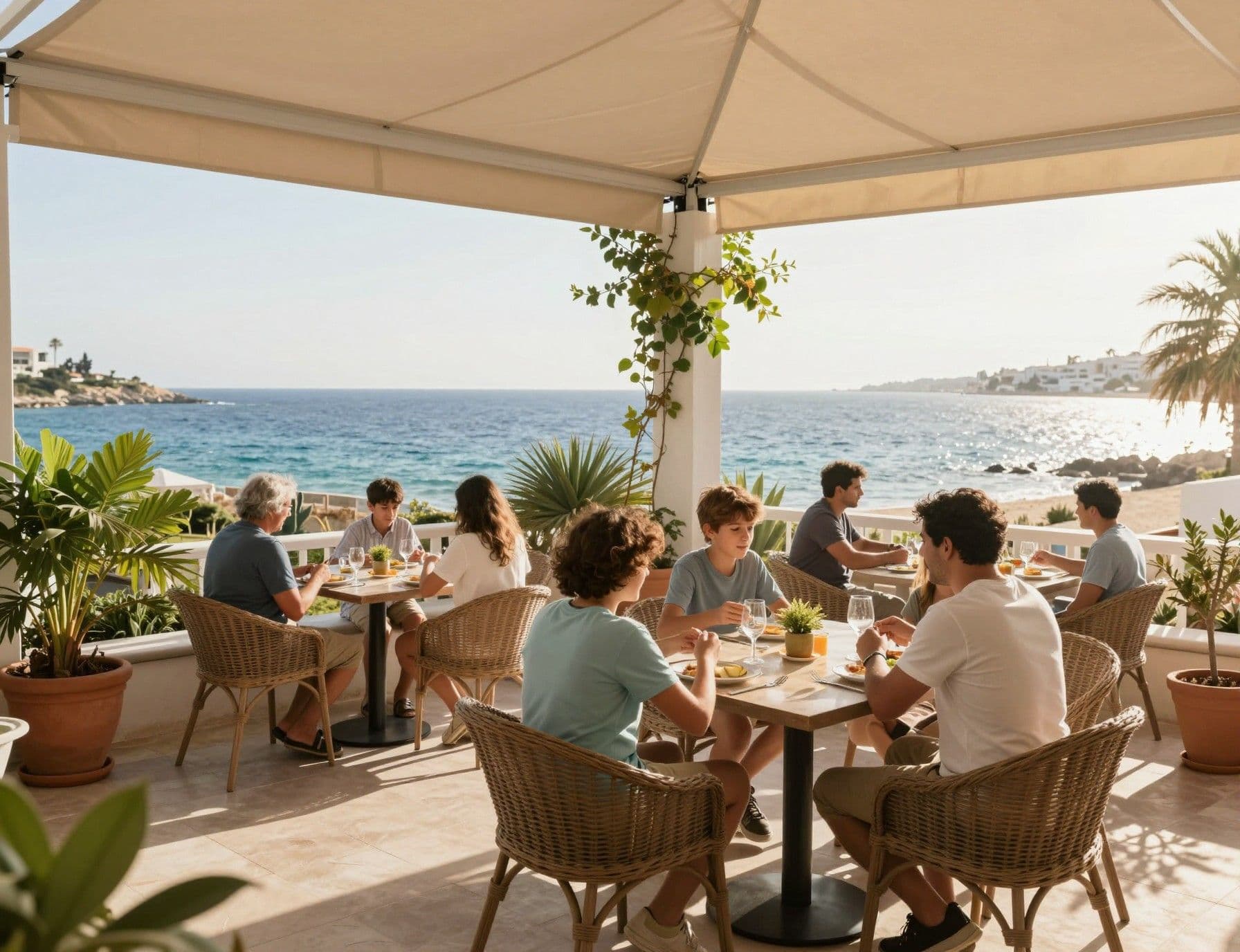
Dreams of beach mornings should be matched with practical checks: seasonality of rental demand, micro-neighbourhood supply and local infrastructure. Cyprus’ market is driven by both lifestyle buyers and investors seeking residency-linked purchases, so understanding local demand drivers — airport access, school choice, medical facilities — affects both daily life and resale prospects.
Property types and how they fit real life
New coastal developments offer lock‑up‑and‑leave convenience and amenities, ideal for seasonal owners and rental management. Traditional village houses in the interior provide space, gardens and quieter community life but require renovation budgets and local utility checks. Match property type to lifestyle: if year‑round local life matters, explore town centre apartments or renovated village homes; if convenience and services are priority, look to managed developments near Limassol or Larnaca.
Work with local experts who translate lifestyle into value
- 1. Ask agencies for micro-market reports highlighting streets (not just towns) where price growth outpaced headline averages;
- 2. Request recent rental data for the exact building or block you like — coastal parade addresses can show sharp seasonality;
- 3. Inspect utility provisioning and winter drainage in village homes — lifestyle appeal can be undermined by practical maintenance costs;
- 4. Evaluate resale pathways: Limassol sells well for short‑term returns, while Paphos and Larnaca can offer steadier, lower‑volatility demand;
Insider knowledge: myths, mistakes and expat truths
Myth: Cyprus is 'too expensive' for value buyers. Truth: headline prices reflect concentrated demand in specific hotspots; elsewhere, pockets of affordability and high lifestyle value exist. Expat buyers who rush to the marina because of glossy images often miss quieter streets where community life, safer parking and local bakeries create a better daily experience — and a better total cost of ownership.
What expats wish they'd known
Expat lessons are practical: learn a few Greek phrases, join local social clubs, and ask neighbours about winter water pressure and internet reliability. Small lifestyle checks — where the nearest clinic is, whether the local kafeneio still opens at 08:00 — often matter more than square metre comparisons. These details shape living quality and maintenance costs over time.
Longer-term scenarios to plan for
Scenario A — steady growth: continued foreign demand and limited new supply keep coastal prices stronger than inland; Scenario B — rebalancing: construction rises and inland refurbishments narrow the gap, offering buying opportunities; Scenario C — local-cooling: regulatory changes or tourism swings slow demand, rewarding buyers who prioritized lifestyle over speculation. Use data-driven scenario checks (price indices, transaction shares) before committing.
- Red flags to spot on viewings
- Unfinished common areas or absent title deed documents;
- Signs of seasonal-only neighbours (empty blocks for 6 months), which can hit rental yields;
- Poor winter road access or unreliable drainage in hillside villages;
- Ambiguous service-charge regimes in managed developments.
Conclusion — Cyprus rewards buyers who prioritise lived experience over headline metrics. Use official indices and local reports to test assumptions, pair lifestyle scouting (cafés, markets, beaches) with micro-market data, and work with agencies that translate island rhythms into long-term value. Start by shortlisting two neighbourhoods that match your daily life and ask for street-level transaction histories; that small step separates dreamy browsing from wise buying.
Swedish strategist who relocated to Marbella in 2018. Specializes in legal navigation and tax planning for Scandinavian buyers.