France’s Quiet New‑Build Shortage: Where Value Hides
France’s limited new‑build pipeline means the best lifestyle-led developments are scarce; pair market rituals (markets, cafés, transport) with planning data to choose wisely.
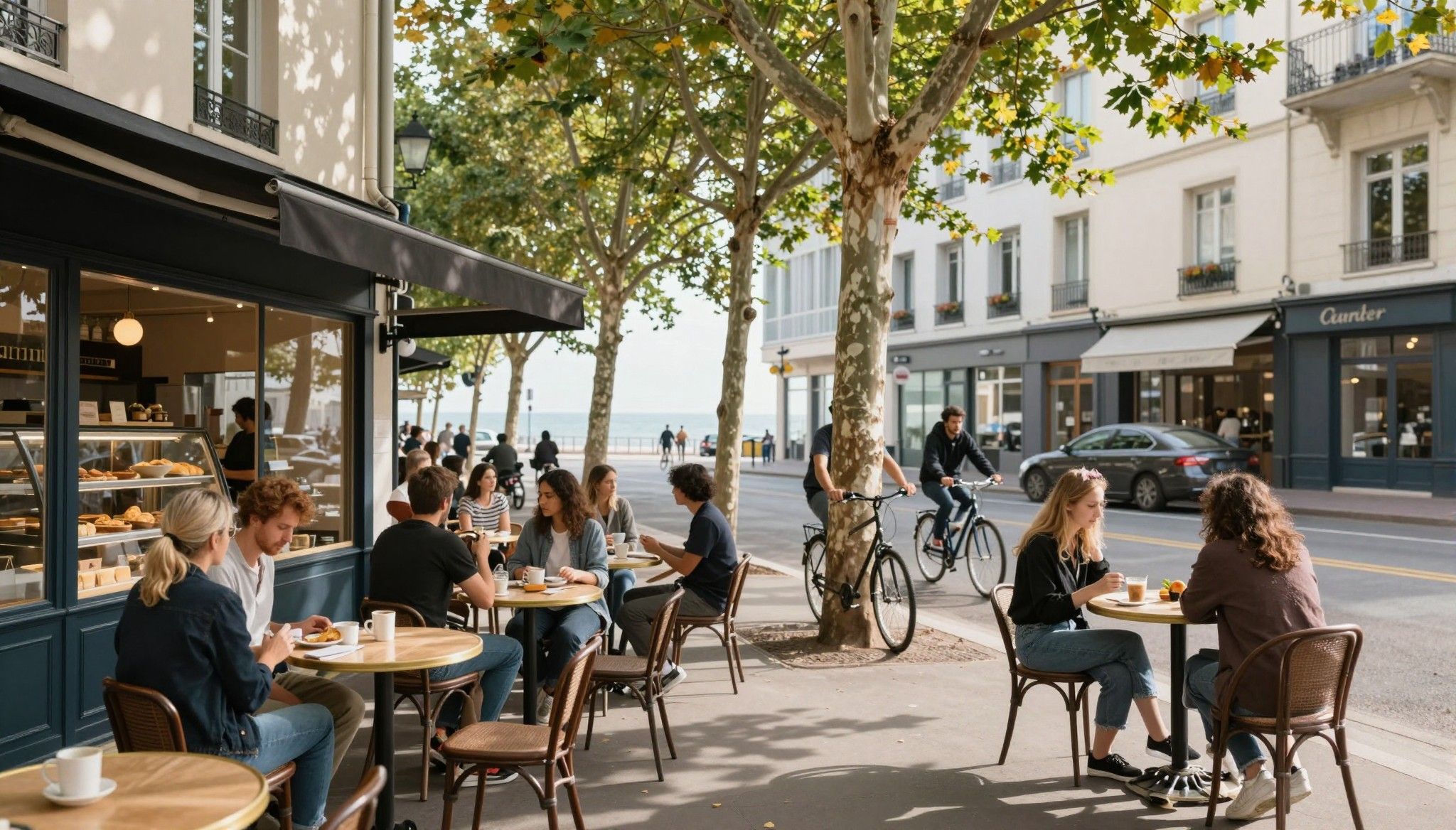
Imagine a slow, bright morning in Aix‑en‑Provence: a baker pulls warm fougasse from a stone oven on Rue Thiers, cyclists thread between plane trees, and scaffolding on a nearby rue hints at a new-build courtyard home arriving next year. That contrast — timeless street life beside fresh developments — is exactly why France’s development pipeline matters to buyers: it determines where the life you want will be real, and where it will be aspirational.
Living French Life — the mood that new builds must match
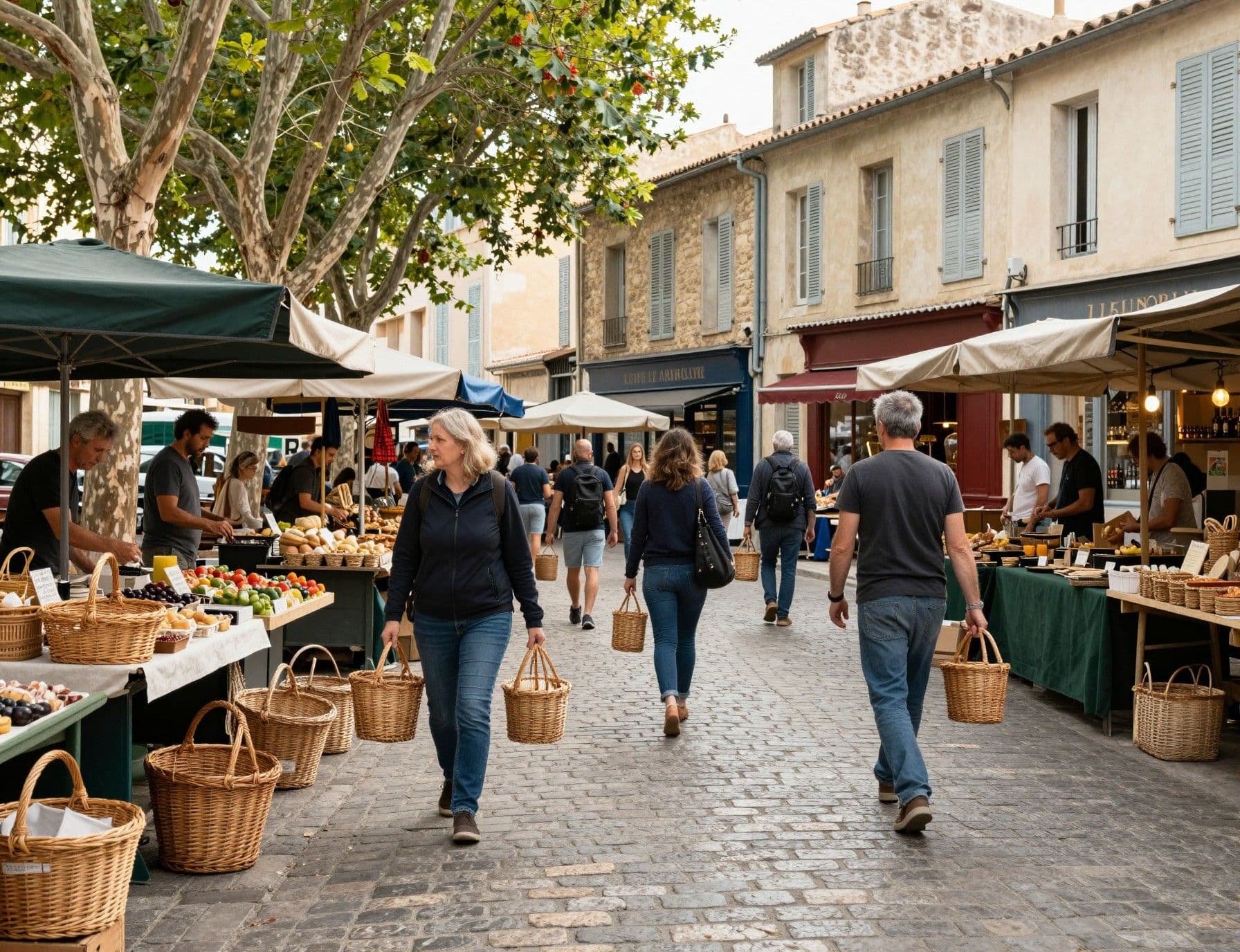
France is a mosaic of daily rhythms: market mornings in Lyon’s Croix‑Rousse, beachside aperitifs on the Côte d’Azur, slow café afternoons in Bordeaux. New developments that succeed here are the ones that fit that rhythm — ground-floor cafés, shaded terraces, courtyards for late summer dinners — not sterile blocks set apart from street life. Recent construction data show a fall in authorised and started housing in some regions, which means the successful new projects are selective and location-savvy rather than plentiful. (See INSEE construction summaries.)
Neighbourhood spotlight: Marseille’s La Joliette to Cours Julien
Walk from La Joliette’s redeveloped docks toward Cours Julien and you cross an urban seam where contemporary lofts and new-build terraces meet bohemian markets and intimate bistros. For buyers chasing both value and authentic life, this edge is instructive: developments here command a premium when they restore street level commerce and connect to transport — but less successful schemes that turn inward lose their market quickly.
Food, markets and the weekly ritual
From the covered market at Les Halles de Narbonne to the organic stalls along Paris’s Marché d'Aligre, local markets shape where French life happens. Developers who program ground-floor market stalls or flexible retail spaces into schemes tap into immediate lifestyle demand; Notaires data show buyers prize proximity to amenities and local commerce when deciding between new and existing homes.
Making the move: how pipeline realities affect what you buy
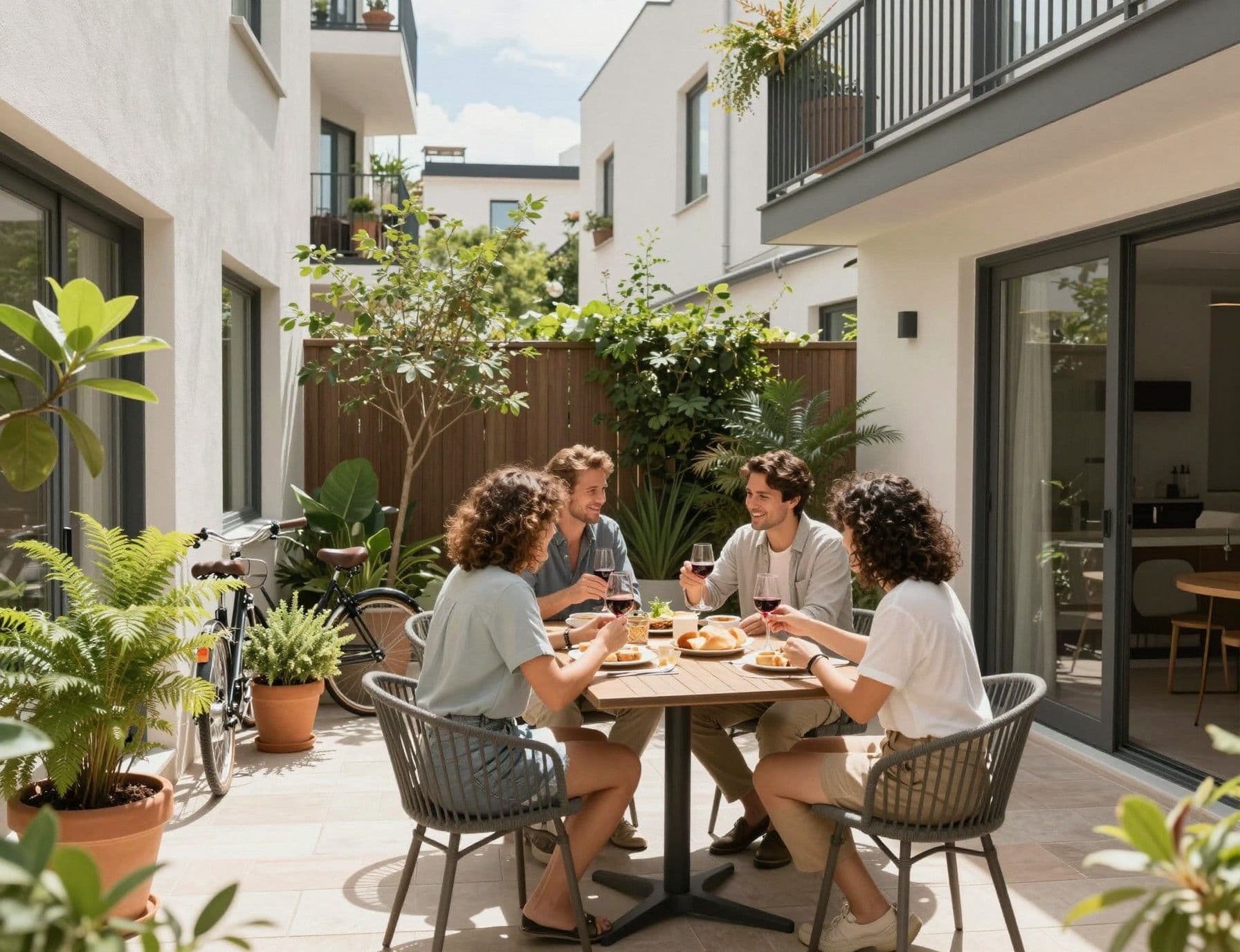
Dreams meet planning realities: fewer starts and authorisations in 2024–25 mean developers are choosier about where they build. That scarcity changes the playbook for international buyers: instead of chasing volume, look for projects that restore street life, reuse brownfield land, or are part of municipal regeneration — these are likelier to complete and to hold long‑term value. French public stats outline the slowdown in authorised housing and explain why top-quality pipeline opportunities are concentrated and competitive.
Property types that suit French life
Think courtyard apartments in historic cores, light-filled duplexes in smaller cities, and low-rise terrace housing along coastal towns. New builds that mimic traditional block‑and‑courtyard patterns tend to integrate faster with neighbourhood life and attract both owner‑occupiers and long-term renters. Match property typology to desired rituals: if you want market breakfasts and evening promenades, prioritise small blocks with active street frontages over isolated gated complexes.
Working with local experts who understand lifestyle fit
An agent with local pipeline intel can tell you which developments are achieving planning, which have realistic completion dates, and which will deliver the kind of street life you expect. Savills and other advisory reports flag that consented land does not automatically become homes — developers need demand and financing. Use specialists to read promises in brochures against planning dossiers, delivery schedules and local authority agendas.
- Quick checklist to assess a new development’s lifestyle fit
- Street frontage or active ground-floor use (cafés, shops, market stalls)
- Public transport within 800 m (walking distance) and clear completion timetable
- Local authority regeneration plans or brownfield conversion (reduces planning risk)
Insider knowledge: the things expats often only learn later
Expat buyers often discover that small mismatches — the lack of storage for weekly market runs, a narrow balcony where you expected a terrace, or no nearby boulangerie — compound into daily friction. The best projects anticipate those details. Local residents explain them candidly: buy a lifestyle, not a view. Practical integration, from parking for a weekly Carrefour run to secure bike storage, equates to lived value.
Language, community and how to belong
You don’t need perfect French to live well, but neighbourhood involvement depends on small signals: say bonjour at the corner shop, learn weekend market times, and join local associations. New-build resident committees often become the quickest route to integration — pick projects with active community programmes and flexible communal spaces that host language exchanges or markets.
Long-term: where the pipeline points for value
With nationwide completions reduced in recent years, value growth will favour locations where supply is constrained but demand is durable: mid-sized regional cities with university or tech hubs, coastal towns with regulated planning, and Parisian suburbs benefitting from transport projects. Use public construction statistics to triangulate where completions are falling fastest — those gaps often create the strongest demand for thoughtfully designed new homes.
- Six steps to evaluate a French new‑build before you commit
- Request the planning permis and check conditions; confirm any phased delivery dates with the notaire or developer.
- Ask for comparable apartment sales nearby (not just developer comparables) and developer references for past delivery performance.
- Visit at different times (market morning, weekday evening, weekend) to feel the real neighbourhood life.
- Check communal spaces and storage — small layouts need generous external storage or else everyday life degrades.
- Verify transport: a 10–15 minute walk to a tram or TER station will materially improve rental and resale prospects.
- Engage a bilingual notaire and a local agent familiar with the project pipeline to translate planning-speak into delivery risk.
Conclusion: Fall in love with living here first, then back it with data. Treat brochures as moodboards; treat planning documents and national statistics as the reality check. With supply tighter than many expect and delivery concentrated in well‑connected, regeneration-led schemes, the smartest international buyers pair lifestyle fit (markets, cafés, walkability) with pipeline scrutiny (permits, developer track record, completion timings). Engage local specialists early — they turn a dream street into a verified address.
Dutch investment strategist with a Portugal-Spain portfolio. Expert in cross-border financing, rights, and streamlined due diligence for international buyers.