Italy: Streets, Seasons and Property Truths
From Milan laneways to Puglia trulli: how Italy’s real rhythms—season, street life and micro‑markets—should shape where and when international buyers buy.
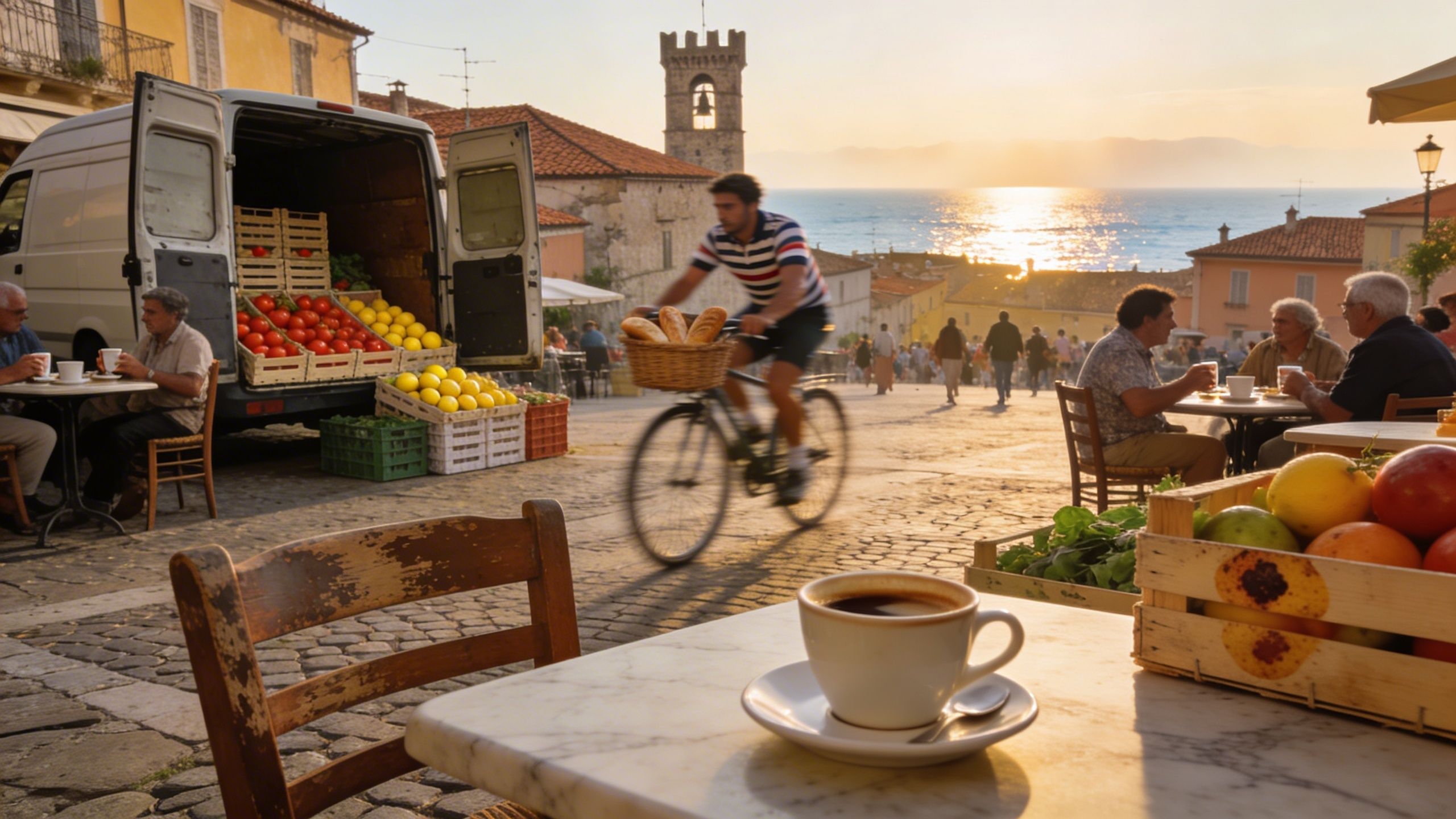
Imagine stepping out at 08:30 to a piazza where a barista knows your name, a market vendor saves the first peaches for you, and a scaffolded palazzo across the way promises a renovation story. That sensory rhythm—coffee, conversation, craft—defines much of Italy, from Milan’s cobbled Brera alleys to Puglia’s sun-baked white towns. This piece pairs those daily scenes with the realities international buyers should meet: when lifestyle becomes a property brief, which neighbourhoods actually deliver, and what market signals to trust. Along the way I push back on a few myths: Italy isn’t uniformly expensive, and summer listings often hide more than they reveal.
Living the Italy life: streets, seasons and small pleasures
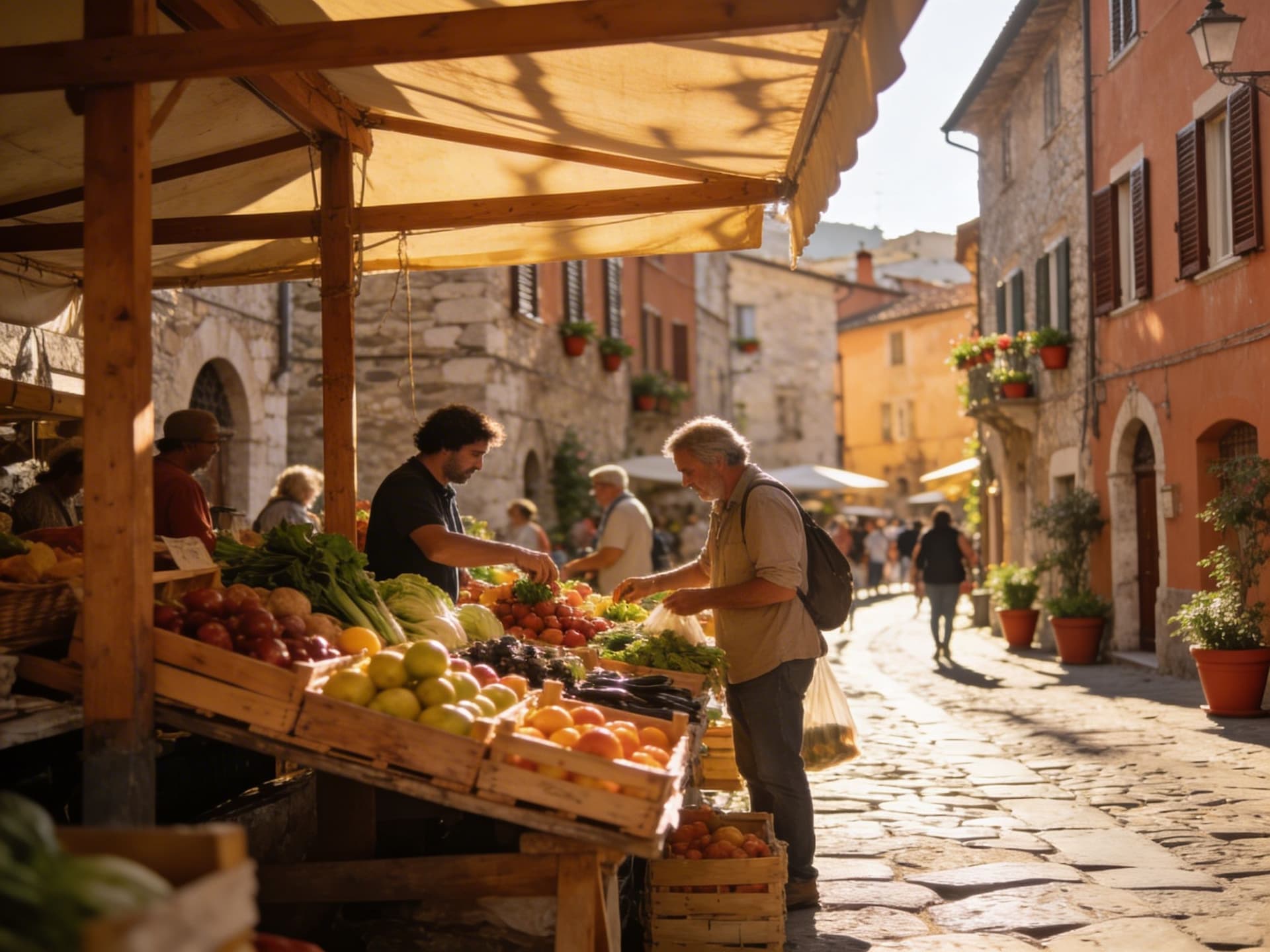
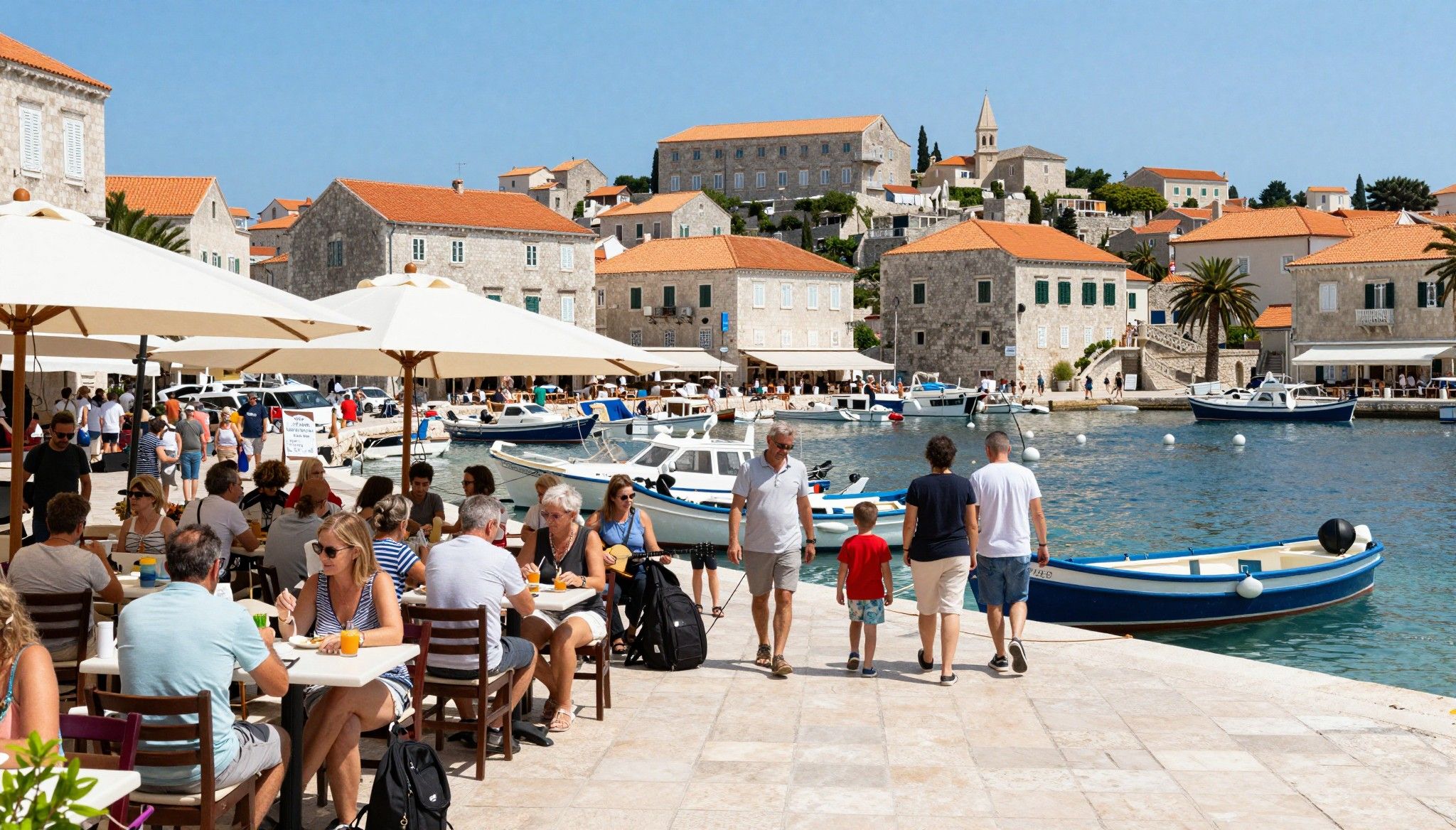
Italy’s daily life is territorial: neighbourhoods set the tempo and each piazza has its role—weekday cafés for the elderly, aperitivo canals for the young, and a Sunday mercato that defines local produce cycles. Mornings smell of espresso and fresh focaccia; afternoons bring siesta-adjacent quiet in smaller towns and a second life in city bars. If you buy here you’re buying into rhythms—market days, festival weeks, the timing of building works—that shape both enjoyment and value. Learn the rhythm first; the property follows.
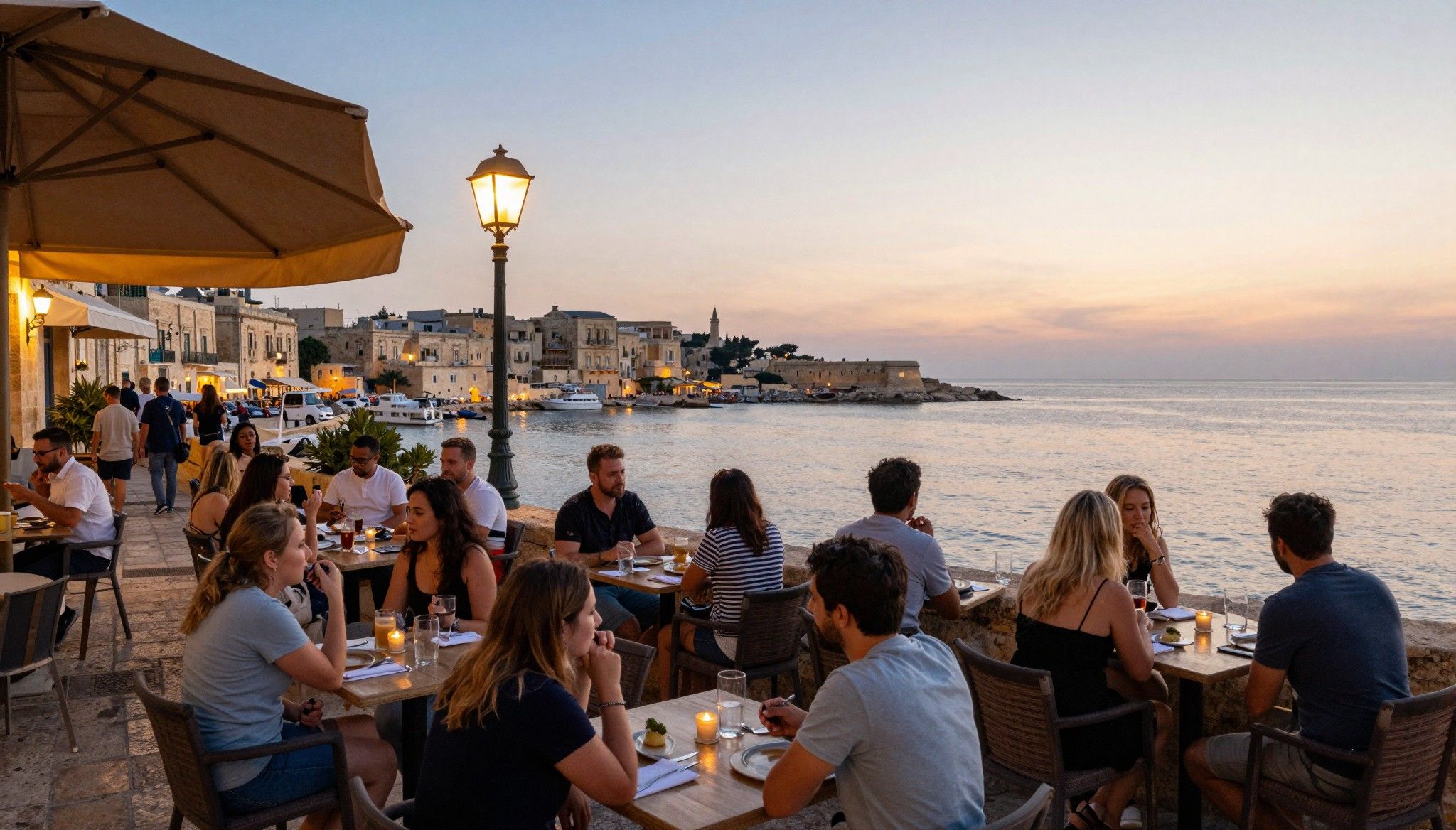
Milan’s Brera and Navigli feel like two different promises: Brera offers gallery openings, quiet courtyards and long-term rental appeal for professionals; Navigli is canal-side energy, weekend markets and stronger short-term rental demand. For buyers wanting culture plus cashflow, Brera’s scarcity supports stability while Navigli rewards lifestyle-first owners who accept swings. Walk the streets in late afternoon to judge noise levels, small grocery choices and evening light—these micro-factors rarely appear in listing photos but determine daily happiness.
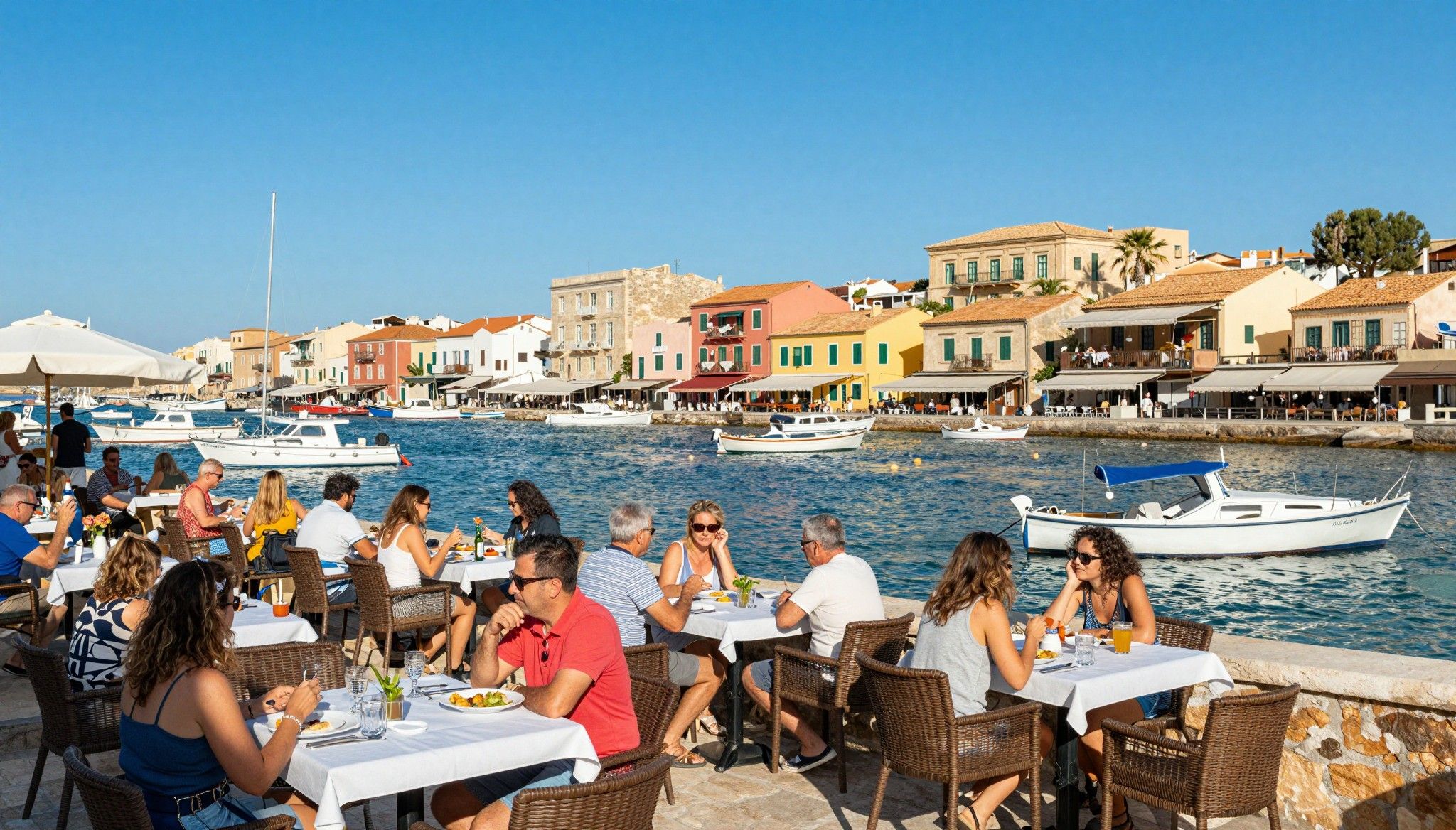
Head south and Tuscany is a patchwork of hilltop towns and serviced villas; Florence’s Oltrarno is artisan life with immediate museum access, while Lucca and Lucca-adjacent villages offer quieter village rhythms with competitive prime prices. Meanwhile, Puglia’s rising profile gives you seaside life, restored trulli and a lower entry price compared with classic Tuscan villages—appeal that shows in growing enquiry and price rises. These are not abstract comparisons: they change how you furnish, rent, and renovate—the brick thickness, insulation needs, and even shutters matter.
Puglia’s recent surge is a reminder that ‘‘undiscovered’’ Italy can flip quickly; enquiries and prime price growth there outpaced some longstanding markets in recent years, driven by renovation projects and lifestyle seekers. If you love sun, sea and renovation potential, Puglia can be both lifestyle-pleasing and value-aware—but be realistic about project timelines, local permit rules and seasonal occupancy. Visit in shoulder season to see the real tempo: winter light and quiet streets reveal infrastructure and community more honestly than August.
- Lifestyle highlights to look for on the ground: 1) morning markets that run 2–3 times weekly (fresh produce and neighbours); 2) a mix of small bakeries and a reputable grocery within 400–800 m; 3) an evening square or canal-side walk where residents meet; 4) local cafés that close mid-afternoon and reopen—this signals authentic local life; 5) nearby transport node with regional rail under 30 minutes for weekend mobility.
Making the move: properties, agents and timing that match life
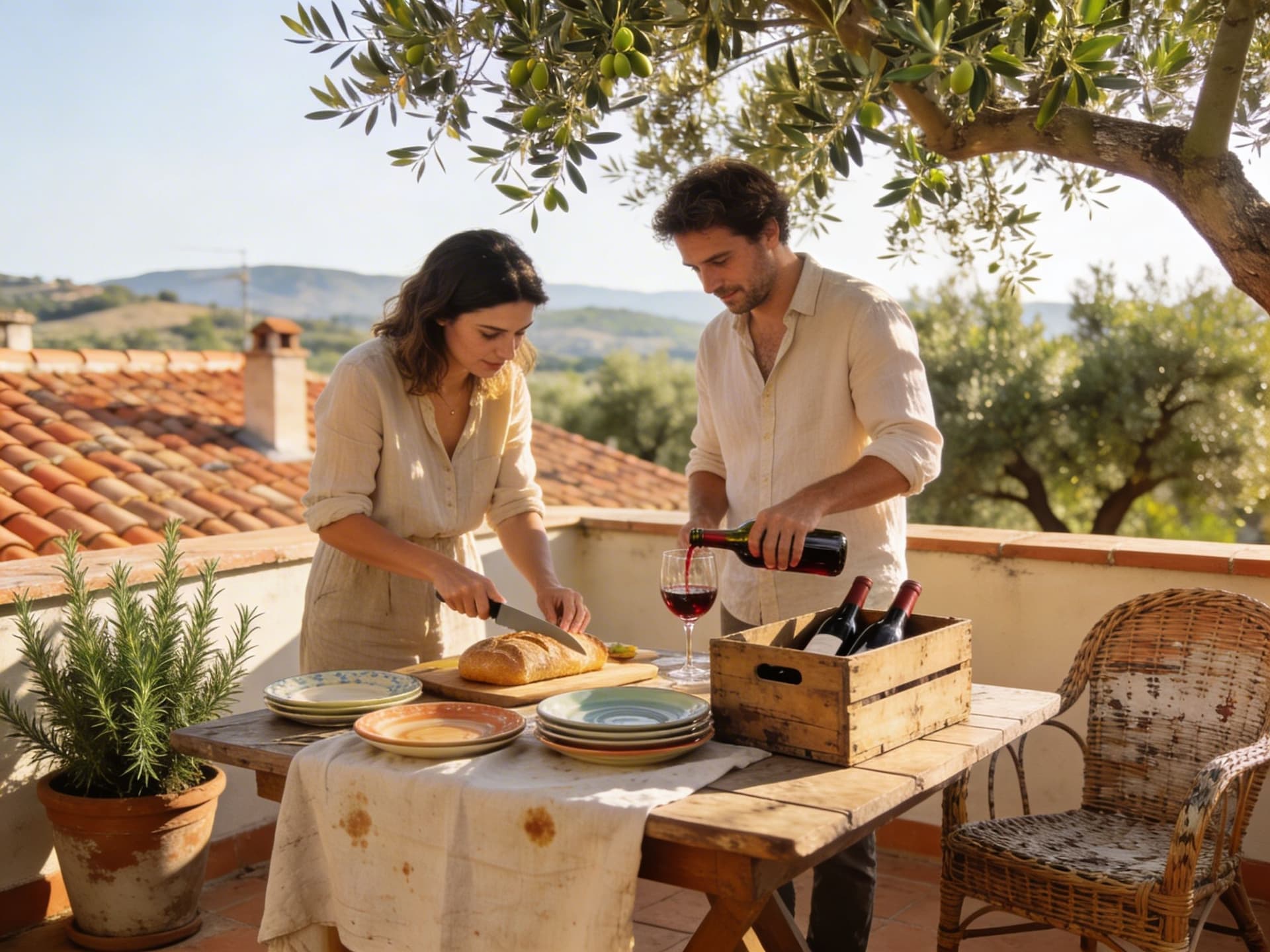
Dreams are shaped by light and timber, but the property search must account for architecture, seasonality and local practice. Italy’s recent national house price data shows modest upward movement year-on-year for existing dwellings, with transaction volumes also rising—evidence that demand remains healthy. That means competition in popular pockets and opportunity in places where regeneration or improved connectivity is underway. Combine lifestyle priorities with a market map: pick a primary wish (sea, city, vineyard) and a stretch of streets where the daily life you want actually happens.
Property styles and how they change your life
Historic centre apartments usually mean thick walls, smaller windows and higher restoration needs but priceless location; coastal villas offer indoor-outdoor living and higher maintenance; new-builds in suburban nodes give modern systems and parking but less immediate atmosphere. Choose by how you want to live: if you want morning walks to a market, prioritise central neighborhoods over square metres. Also consider season-driven systems: insulation, shutters and heating matter for winter comfort in hill towns, while ventilation and shade are essential on the coast.
Working with local experts who know the rhythm
- 1) Choose an agent with explicit experience in the micro‑area you love—ask for 3 recent transactions in the street or square. 2) Use a bilingual notary network early; Italian contracts hinge on technical checks a notary must sight before signing. 3) Ask an architect to survey before you bid—many heritage properties carry undocumented works. 4) Check utility maps and local planning—what looks like a quiet lane today can be a future link road. 5) Time visits in shoulder seasons to see real life and seasonal maintenance patterns.
Insider knowledge: myths, seasonal surprises and what expats wish they'd known
Myth: Italy is uniformly expensive. Reality: prices are deeply local. Prime central Milan and Florence command high per‑m² premiums, while Genoa, parts of the south and many inland towns offer meaningful entry points—often with regeneration plans that attract buyers. Expat buyers commonly tell me they underestimated renovation timelines and overestimated short‑season rental yields; good local counsel prevents both mistakes. Festivals and harvest weeks lift local life and sometimes prices—use them to sample communities rather than buy during peak demand.
Cultural integration and everyday logistics
Learning a few phrases, attending the mercato regularly and joining a local association or cooking class accelerates belonging. Italians value local presence—if you plan frequent rentals, neighbours will notice turnover; being transparent and appointing a local property manager eases relations. Healthcare and schooling vary regionally: larger cities offer more international school options, while smaller towns demand acceptance of local schooling norms or longer commutes.
- Long-term lifestyle considerations to weigh: 1) seasonal maintenance budgets for coastal salt air and rural wells; 2) resale liquidity—city centres trade faster than remote hamlets; 3) community durability—does the town have year-round residents or is it purely seasonal?; 4) connectivity—rail and regional airports matter if you’ll commute; 5) energy efficiency—look for modern boilers or scope to retrofit.
Italy offers a living tapestry—urban culture, coastal ease, and village calm—that rewards buyers who choose life first, then house. Use shoulder-season visits, local agents with street-level records, and pre-purchase technical surveys to match the life you imagine with the home that sustains it. If you’d like, we can map three neighbourhoods matching your lifestyle and show recent comparable sales so you can see where emotion meets evidence.
Norwegian market analyst who relocated to Mallorca in 2020. Focuses on data-driven market insights and smooth relocation for international buyers.