When France’s New‑Build Pause Becomes Opportunity
France’s new‑build slowdown creates lifestyle-led buying opportunities: secure better terms on VEFA projects, prioritise neighbourhood fit, and insist on delivery guarantees.
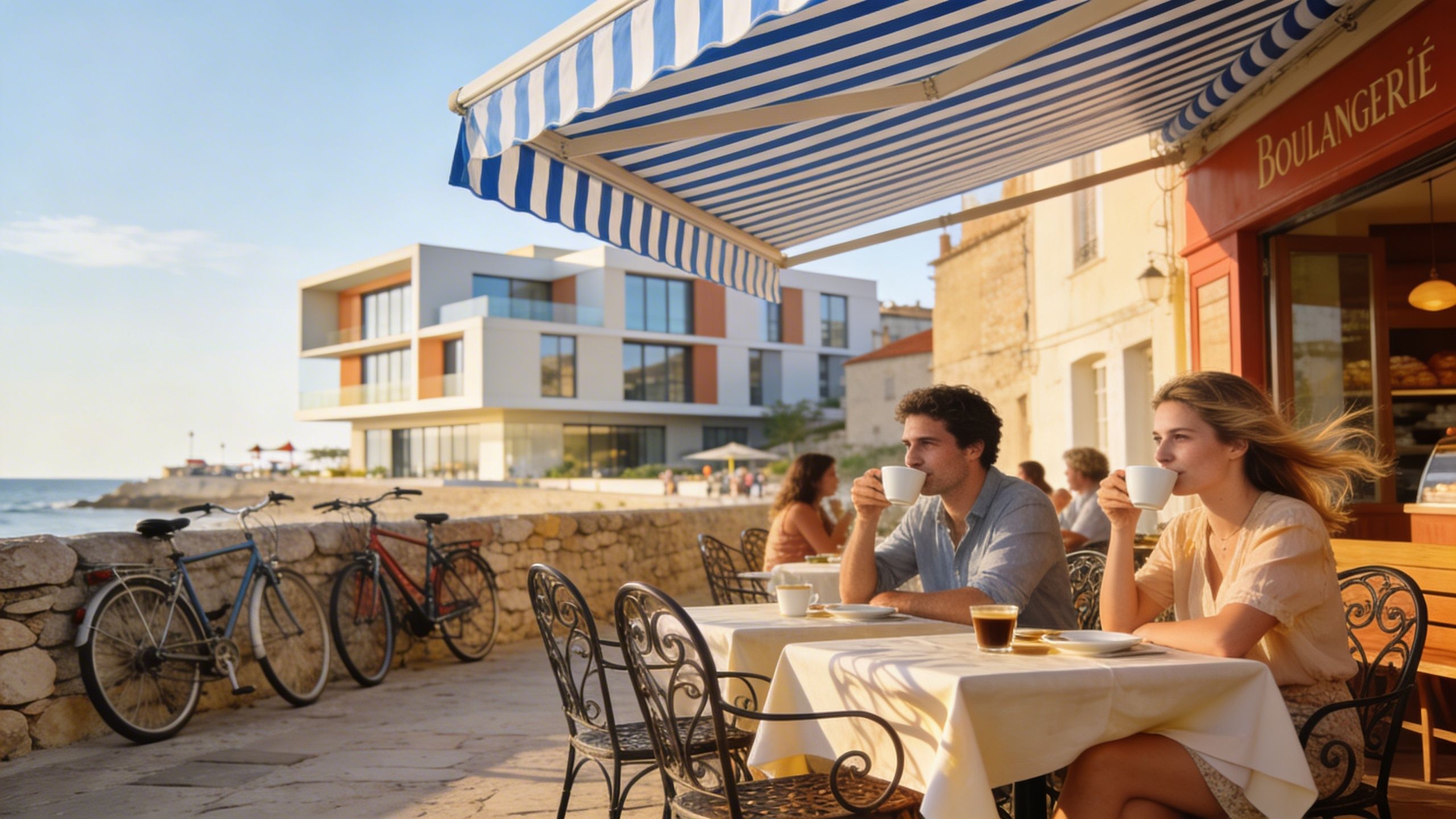
Imagine an early morning in Aix‑en‑Provence: boulangeries steaming, bikes clattering on cobbles, and a developer’s banner three streets away promising contemporary apartments with terraces. In France that moment—where daily life and the new‑build pipeline intersect—defines opportunity for buyers who want both the lived‑in charm and the efficiencies of modern construction. This guide shows why the current slowdown in new builds is revealing unexpected lifestyle-led openings across Paris, Provence and the Atlantic coast, and how international buyers can convert scarcity into advantage.
Living the France life: what you actually wake up to
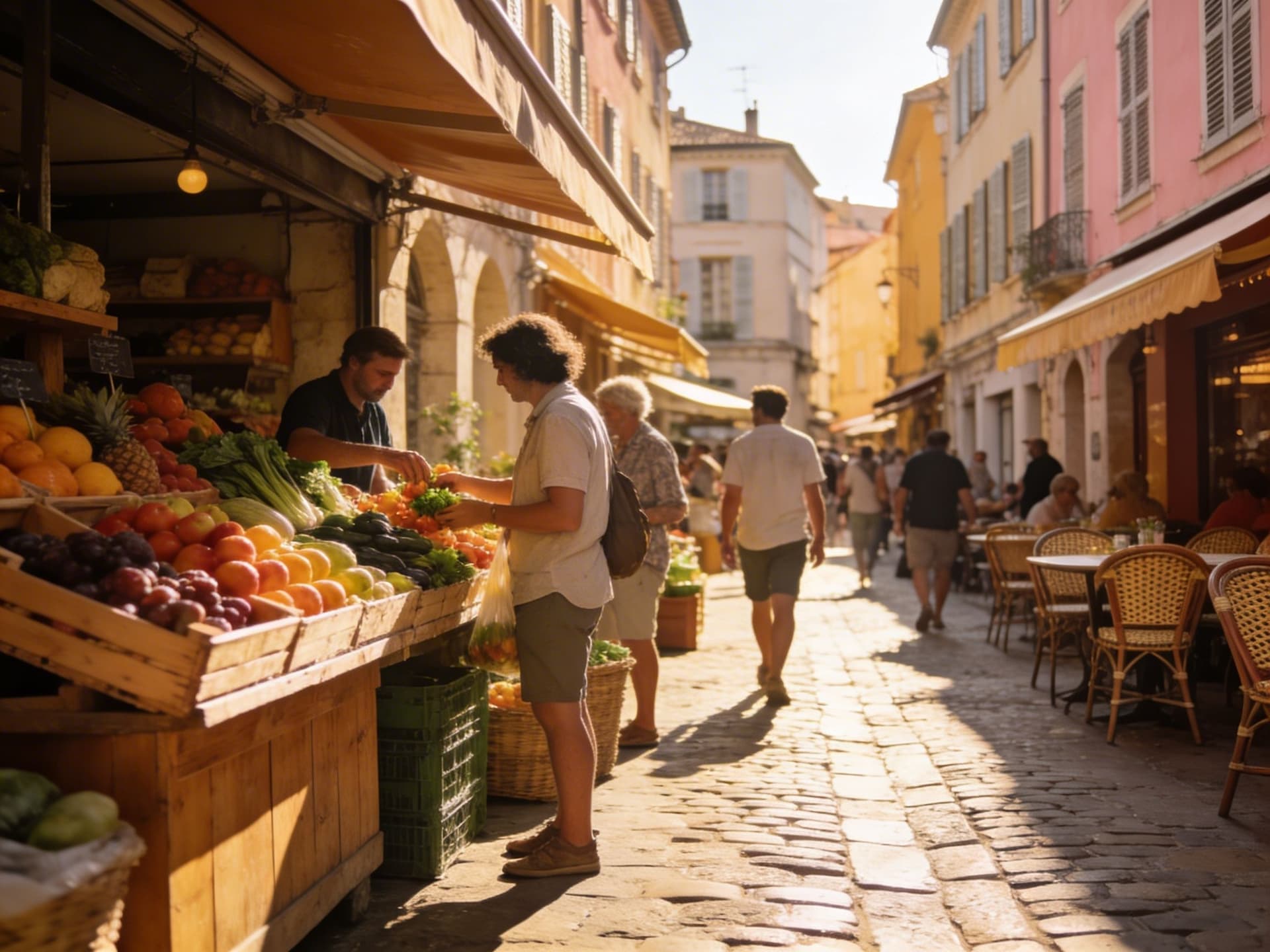
France isn’t one rhythm but many: Parisian mornings punctuated by espresso and métro announcements; Bordeaux afternoons drifting between market stalls on Rue Sainte‑Catherine; coastal evenings on the Côte d’Argent where surfers pack the sand at dusk. For buyers, lifestyle translates directly into property choice—old stone in Dordogne for slow weekends, compact Haussmann flats in Paris for culture and commute, and sunshine‑oriented apartments on the Riviera for outdoor living. These everyday textures matter when assessing new developments: orientation, balcony depth, insulation and proximity to markets shape whether a place feels French, not just functional.
Neighbourhood spotlight: Aix‑en‑Provence and Marseille’s Vallon des Auffes
Aix’s Cours Mirabeau hums with terraces and weekly markets; new developments there often trade on integrating courtyards and shaded loggias to fit Provençal life. Across the coast, Vallon des Auffes in Marseille keeps its fisherman's scale and evening seafood spots—new builds that respect that scale command premiums because they promise authentic neighbourhood life, not just a view. Look for projects that preserve local streetscape, offer ground‑floor commerce and include mature planting—those are the ones that age into the neighbourhood rather than replace it.
Food, markets and the micro‑decision that matters
If your morning ritual includes a market run, proximity to a covered market or weekly marché will influence daily satisfaction more than a sea view. Recent coverage shows Parisians increasingly buying regionally where food culture and transport create weekend rhythms. For new developments, ask whether the scheme includes retail units, how delivery logistics are handled, and whether planners required community facilities—these small features determine whether you live like a neighbour or like a visitor.
Making the move: how the new‑build pause reshapes choices
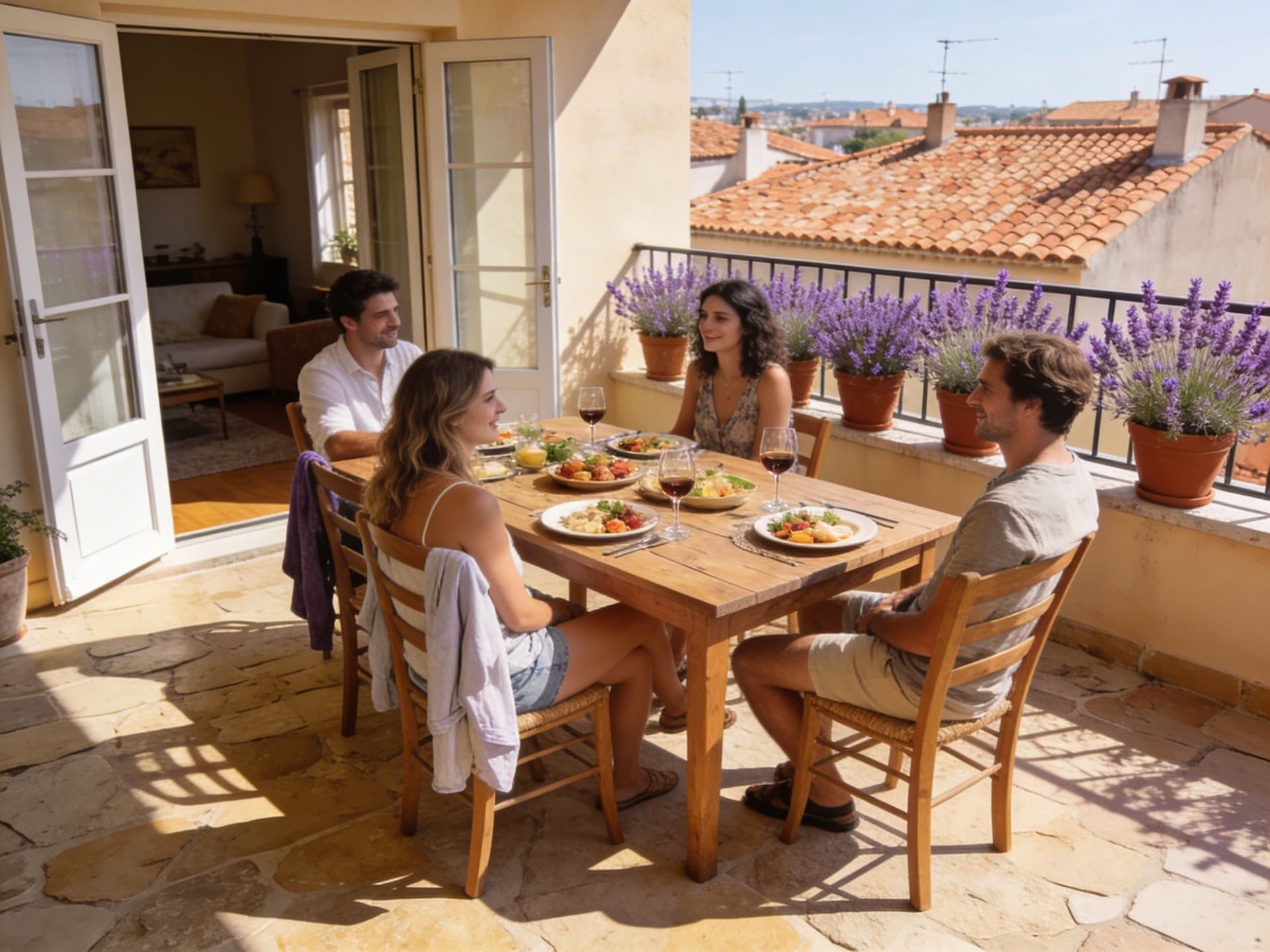
Construction starts in France have weakened in recent cycles, slowing the supply of new housing and tightening delivery schedules. That pause—driven by higher borrowing costs and planning delays—turns the market calculus: shorter supply horizons make well‑located new projects more valuable, but also raise the risk of late delivery or scope changes. For international buyers, the effect is twofold: stronger negotiating leverage on unsold units, and a need for rigorous due diligence on timelines, contractor guarantees and contingency clauses.
Property styles and what they mean for daily life
New‑build apartments deliver better insulation, contemporary layouts and lift access—appealing if you value low maintenance and energy efficiency. Historic restorations offer character, high ceilings and neighbourhood rootedness but often require more investment in upgrades. In France, look at the Étiquette Énergie (DPE) and ask developers for predicted running costs; buyers who prize seasonal flexibility—renting in high season—should favour projects with easy service management and concierge options to support holiday lets.
- Practical steps to pair lifestyle with the right new build
- Check delivery certainty: request bank guarantees and an exact delivery date clause.
- Inspect mobility: proximity to TER/TGV stations for weekend escapes or Paris commutes.
- Assess amenity fit: does the project include shops, outdoor space and secure storage for bikes and surfboards?
Insider knowledge: what expats wish they’d known
Expats often underestimate how French daily rituals shape property value: shutters for summer privacy, a true boulangerie within walking distance, and a mairie that enforces façade rules. Data shows foreign buyer interest concentrating in diverse pockets—from the Alpes‑Maritimes down to rural Dordogne—so personal priorities must outvote broad headlines. The smartest buyers translate lifestyle priorities into contract terms: allowance for furniture, flexible handover dates aligned to school terms, and clear clauses for defect rectification.
Cultural integration and everyday practicalities
Learning a few phrases, joining a local marché circle and using a neighbourhood agent will accelerate belonging. Agencies that specialise in new builds—those who understand permis de construire, VEFA (vente en l’état futur d’achèvement) contracts and syndic operations—turn lifestyle goals into durable reality. Expect to rely on local networks for school placement, medical registration and navigating the rhythm of municipal approvals.
- Long‑term considerations: how your life changes the property you need
- If work becomes hybrid, prioritise reliable fibre and a quiet room that doubles as an office; ask developers about broadband wiring and shared co‑working space.
- If you plan to rent seasonally, verify rental restrictions in the commune and demand professional property management options from the developer or agency.
- For retirement or second‑home pivoting to primary use, check accessibility, lift access, and nearby healthcare provisions before committing.
France’s new‑build slowdown is not a single‑sentence risk; it’s a nuanced signal. For the international buyer who values life rhythms—markets, cafés, beaches, cultural weekends—the pause can be a chance to secure better terms, cherry‑pick projects that embed into local life, and avoid speculative towers that look good on paper but feel foreign on the street. Work with agencies experienced in VEFA, insist on warranty and delivery guarantees, and let lifestyle checkpoints drive your offer, not just price per square metre.
If France feels like a mosaic of neighbourhoods, think of your purchase the same way: a piece of daily life, not just an asset. Start with where you want to have coffee at 09:00, and then bring in data: delivery certainty, energy ratings, and the local developer’s track record. When lifestyle and diligence align, a French home becomes the kind of place you don’t just visit—you belong.
Norwegian market analyst who relocated to Mallorca in 2020. Focuses on data-driven market insights and smooth relocation for international buyers.