Where French Life Meets Price Signals (Neighbourhood by Neighbourhood)
France’s national price headlines hide strong local differences; match neighbourhood life to market signals and use INSEE, notaires and local agents to time your move.
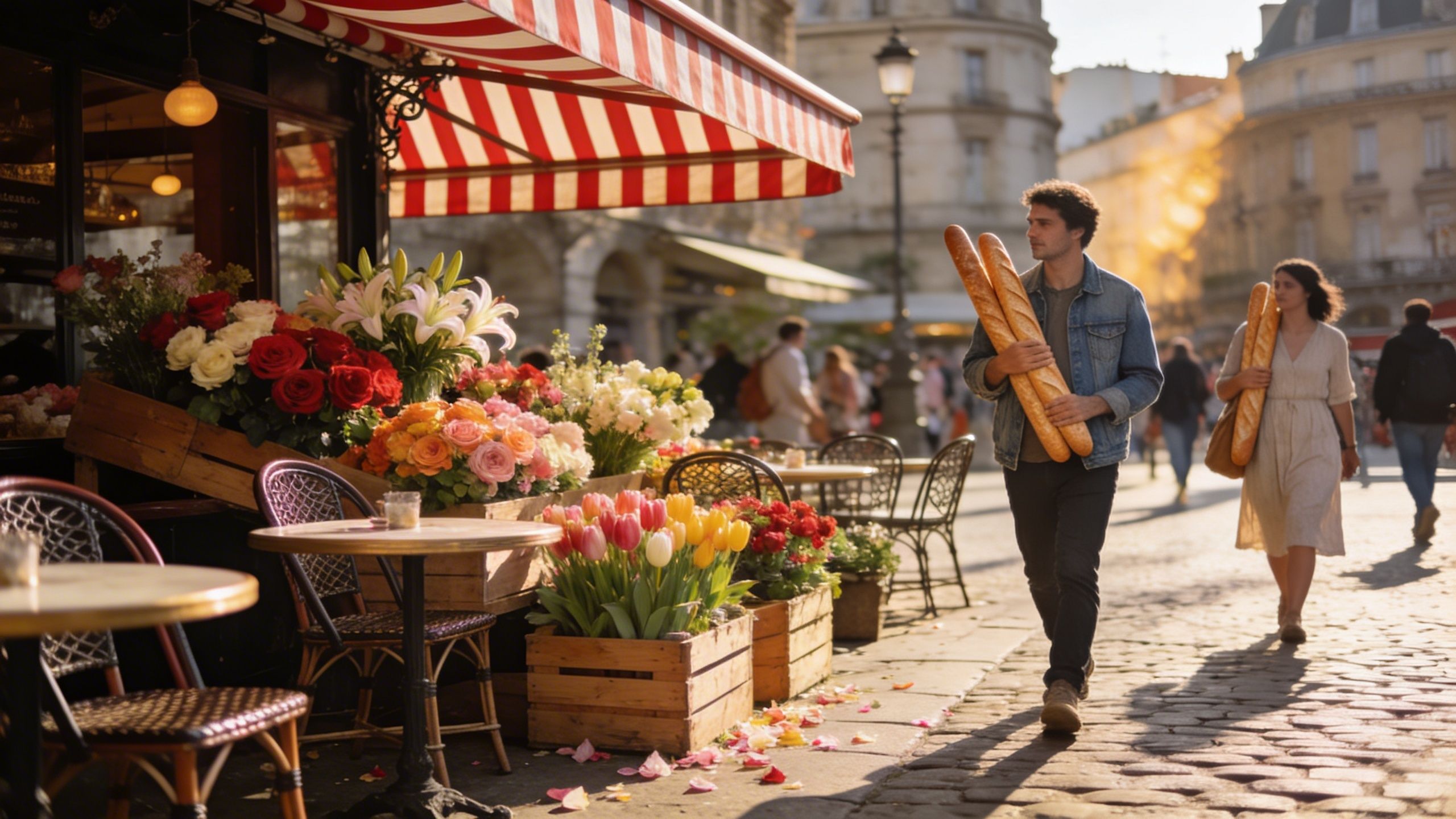
Imagine waking on a Saturday in Aix‑en‑Provence: an early market hum, the smell of fresh fougasse, and a narrow street where an owner‑built terrace catches the late sun. That same week you could be sea‑bathing at Plage du Mourillon in Toulon or drinking espresso at a rue Cler table in Paris. France sells a life as much as a postcode — and that life shapes how prices move, neighbourhood by neighbourhood. According to recent market analysis, national price momentum is fragile but far from uniform, which makes local understanding essential for international buyers.
Living the France lifestyle
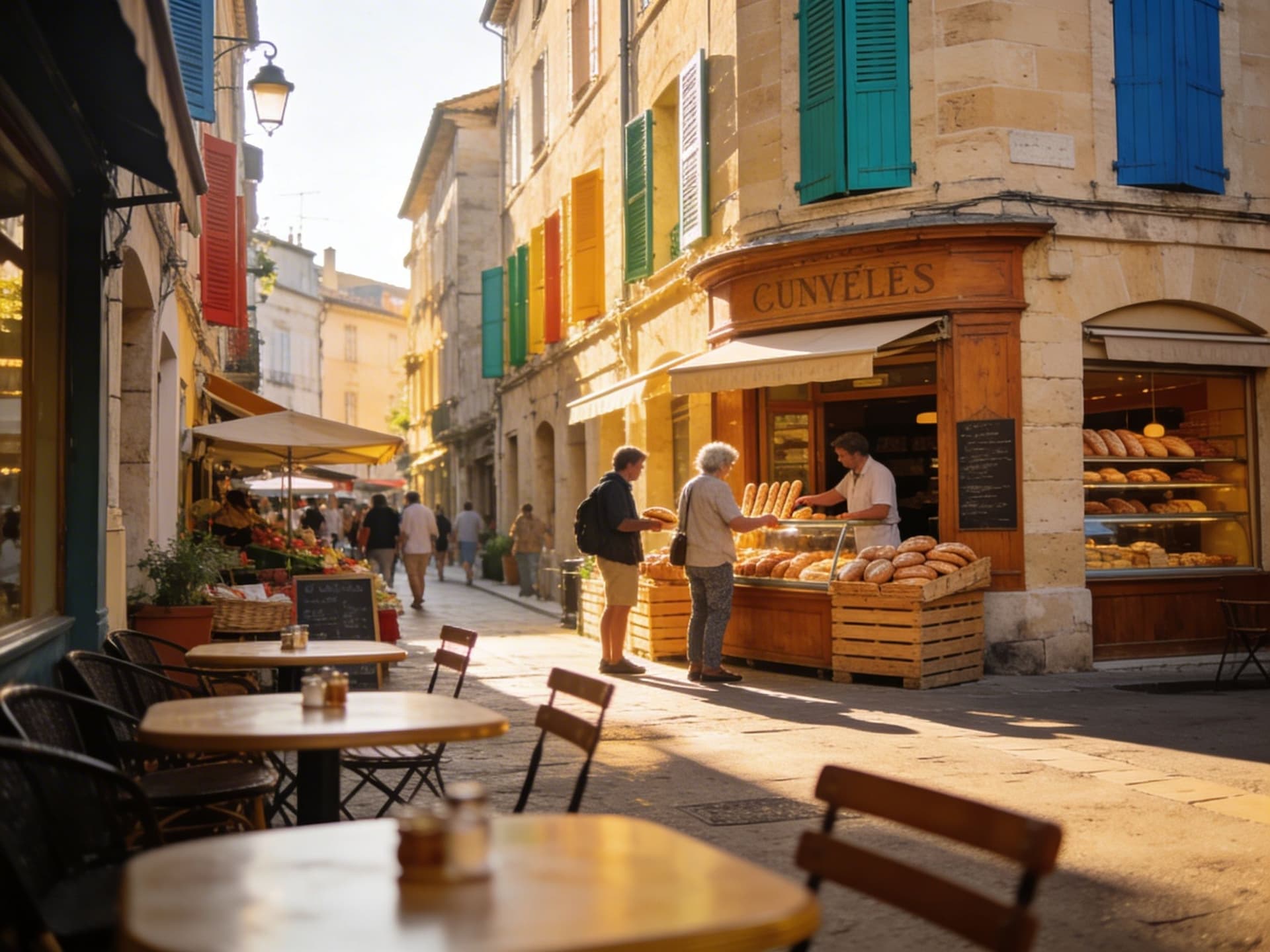
France is a quilt of distinct rhythms: Paris moves in measured, café‑table conversations and museum nights; the Côte d’Azur wakes early for markets and closes late with seaside terraces; and provincial towns like Rennes or Dijon have a weekly market culture that structures family life. These rhythms are what buyers sign up for — not just square metres — and they explain why price trends in France are locally driven, with cities like Rennes and Grenoble showing different long‑term patterns than Paris or Bordeaux.
Paris: the layered market
Picture a late afternoon in the 7th arrondissement — boulevards, boulangeries and 19th‑century facades. Paris remains atypical: high price per square metre, but very different liquidity by arrondissement and building type. For buyers focused on lifestyle — short walks to museums and school runs that are a metro stop — the premium can be worth it. From a market angle, Paris showed sharper corrections in recent years but also early signs of stabilization as transaction volumes adjust and buyer profiles shift toward long‑term owners and foreign residents.
Provincial towns & the slower rhythm
In cities such as Reims, Grenoble or Saint‑Étienne you often trade headline prestige for space, community and lower entry prices. These towns have seen modest price increases or resilience driven by affordability, local employment and quality of life factors — think weekly markets, smaller cafés where names are known, and shorter commutes. For international buyers, this means more house for your money and easier rental or long‑stay options for the shoulder seasons.
- Lifestyle highlights to experience before you buy: Marché d’Aligre (Paris), Plage de la Croisette (Cannes), Rue des Trois Piliers (Bordeaux), Cours Mirabeau cafés (Aix‑en‑Provence), Sunday market in Saint‑Germain‑en‑Laye
Making the move: lifestyle meets market signals
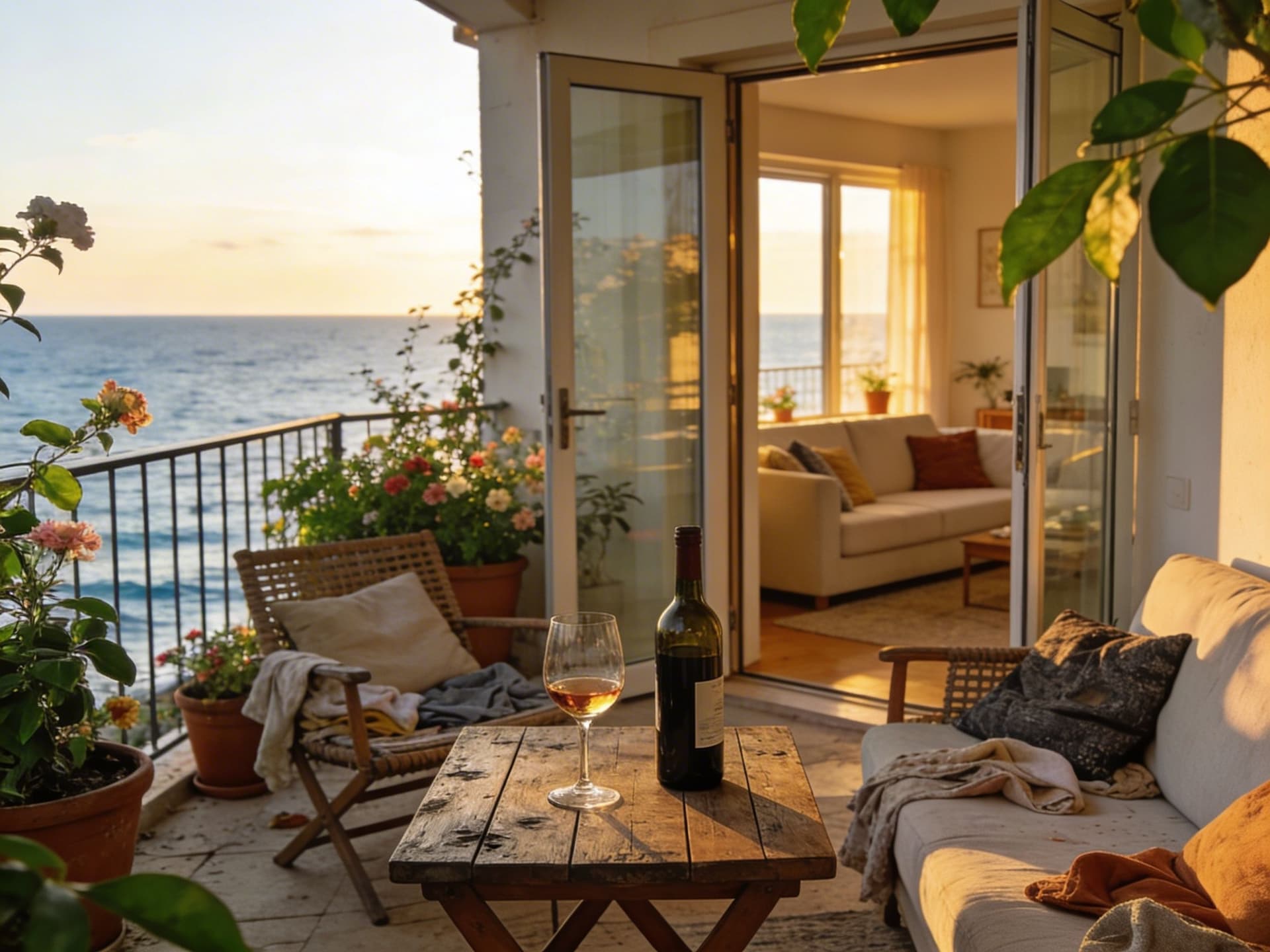
Dreams meet data when you start property hunting. National indices (INSEE) show that aggregate prices have recently oscillated between modest declines and small rebounds — the headline masks strong local divergences. That matters: seasonality, new‑build pipeline, and regional demand drivers (tourism, student populations, corporate relocations) will determine whether you pay a premium or find a tactical entry point.
Property styles and how they shape daily life
A Parisian Haussmann apartment delivers walkable streets and classic proportions but smaller interiors. A renovated stone farmhouse in Dordogne offers land and quiet mornings but longer drives for services. New builds on the Côte d’Azur grant terraces and parking — useful for summer rentals — while coastal townhouses in Brittany prioritise insulation and storm resilience. Match the property type to how you want your days to look: market lazing, school runs, remote work, or hospitality hosting.
Working with local experts who know the life
Agencies that understand neighbourhood rhythm — local agents, notaires, renovation contractors — convert lifestyle briefs into realistic search criteria. They flag seasonal rental demand, renovation constraints, and micro‑price drivers. Given recent monetary easing and shifting rates reported by the Banque de France, mortgage conditions are evolving; a local mortgage broker helps translate national policy into your personal affordability picture.
- Practical steps to align life and purchase: 1. Shortlist three neighbourhoods and spend a weekend in each to test daily routines. 2. Compare entry prices and expected running costs (energy, local services) for equivalent properties. 3. Check new‑build pipeline and planning permissions near your target streets — future projects change sunlight and noise. 4. Secure a local mortgage pre‑approval and verify cross‑border tax implications with a French fiscal adviser.
Insider knowledge: what expats wish they’d known
Expats often expect a single market; the surprise is how local cultural patterns drive value. For example, proximity to a marché or boulangerie can outweigh proximity to a train station for daily happiness. Eurostat and national reports also show France’s annual price movement differs from some neighbours, so long‑term buyers should prioritise neighbourhood durability over short‑term headline returns.
Cultural integration and daily practicalities
Learn a few phrases, join a market stall conversation and you’ll be surprised at how quickly doors open. Local associations (associations de quartier), municipal events and small clubs are where neighbours meet; these matter for quiet enjoyment and for solving small practical problems, like arranging local trades or understanding bin days. Social fluency shapes the lived experience more than the floorplan.
Long‑term lifestyle and resale signals
Think five to ten years ahead: will a town attract remote workers, families or retirees? Investment in transport, schools and healthcare often precedes price resilience. Watch for local regeneration projects and planning consents — they are the quiet signals that turn an ordinary street into a sought‑after address.
- Red flags international buyers should watch for: • Heavy seasonal rental dependence (towns that empty outside summer) • Excessive renovation restrictions in protected zones (Monuments historiques) • Overheated peripheral suburbs with poor connectivity • New‑build blocks with large developer discounts that hide density issues
France offers an everyday life that can quickly feel yours: weekend markets, small‑plate restaurants, neighbourhood fêtes and coastal swims. But to convert affection into a confident purchase you need local data and a lifestyle lens. Book exploratory visits, work with agents who live in the district you love, and use national sources (INSEE, notaires, Banque de France) to ground your timing and budget. When lifestyle and market intelligence align, you’re not just buying a property — you’re buying the mornings, meals and neighbourhood that will shape your days.
Danish relocation specialist who has lived in Barcelona since 2016. Helps families move abroad with onboarding, schooling, and local services.