Buy the Street, Not the Postcode: Italy’s Real Choice
Italy’s lifestyle is regionally diverse — choose the street and season first, then use block‑level market data and local experts to turn romance into a resilient property choice.
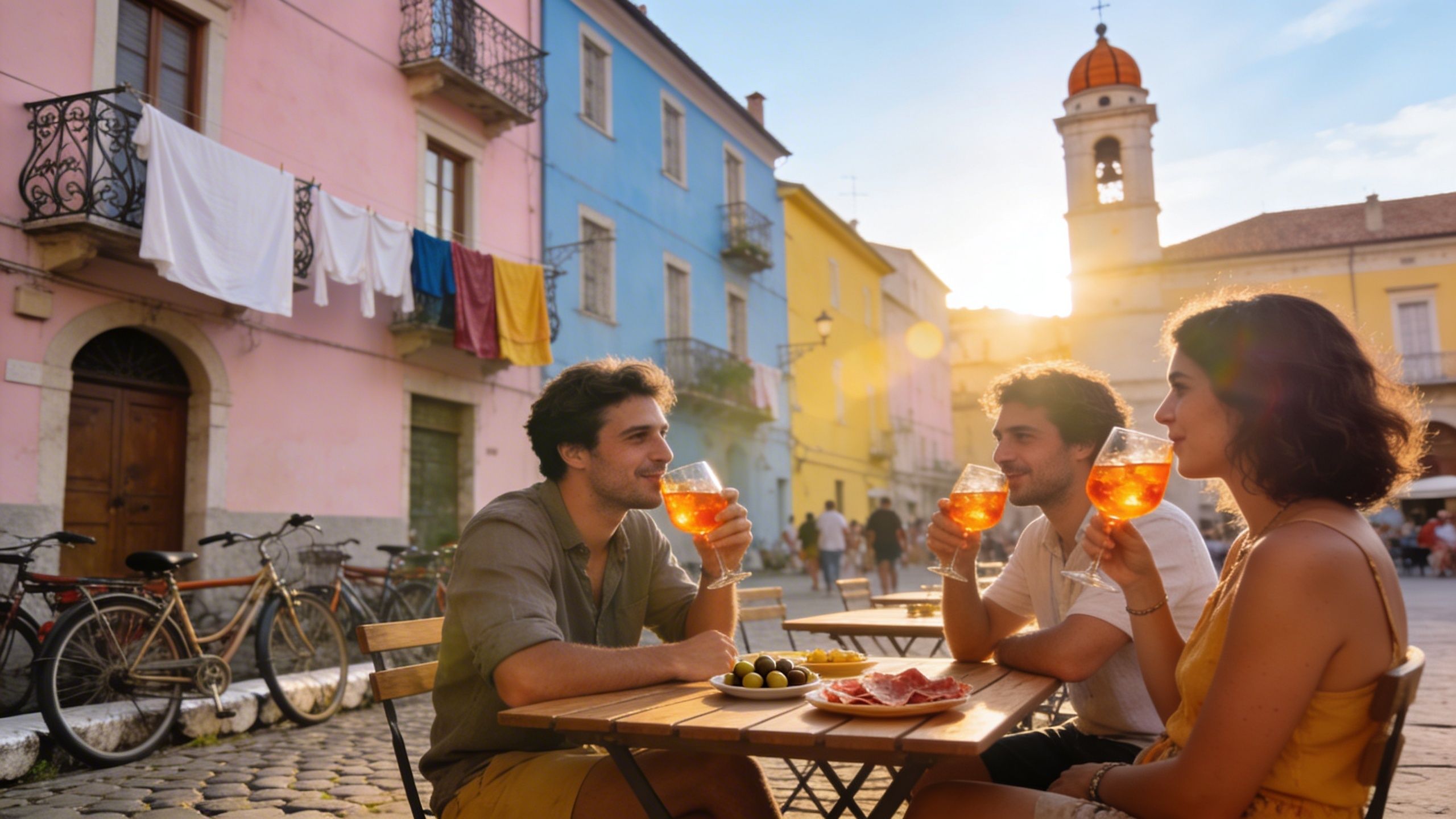
Imagine stepping out at 08:30 on a November morning in Trastevere, espresso in hand, as delivery vans weave past laundry-draped balconies and a fishmonger’s shouts mix with church bells. Italy lives in layered rhythms — slow lunches and precise mornings, piazzas that convert from playgrounds to aperitivo scenes by sunset. For international buyers the romance is immediate, but the smart decision is to match that romance to streets, seasons and market signals so your dream home works as a life, not a postcard. Recent national data from ISTAT and market reports show modest, uneven price growth — the story is regional, not national, and that matters when you compare Lisbon/Algarve thinking to Italian opportunity.
Living the Italy lifestyle
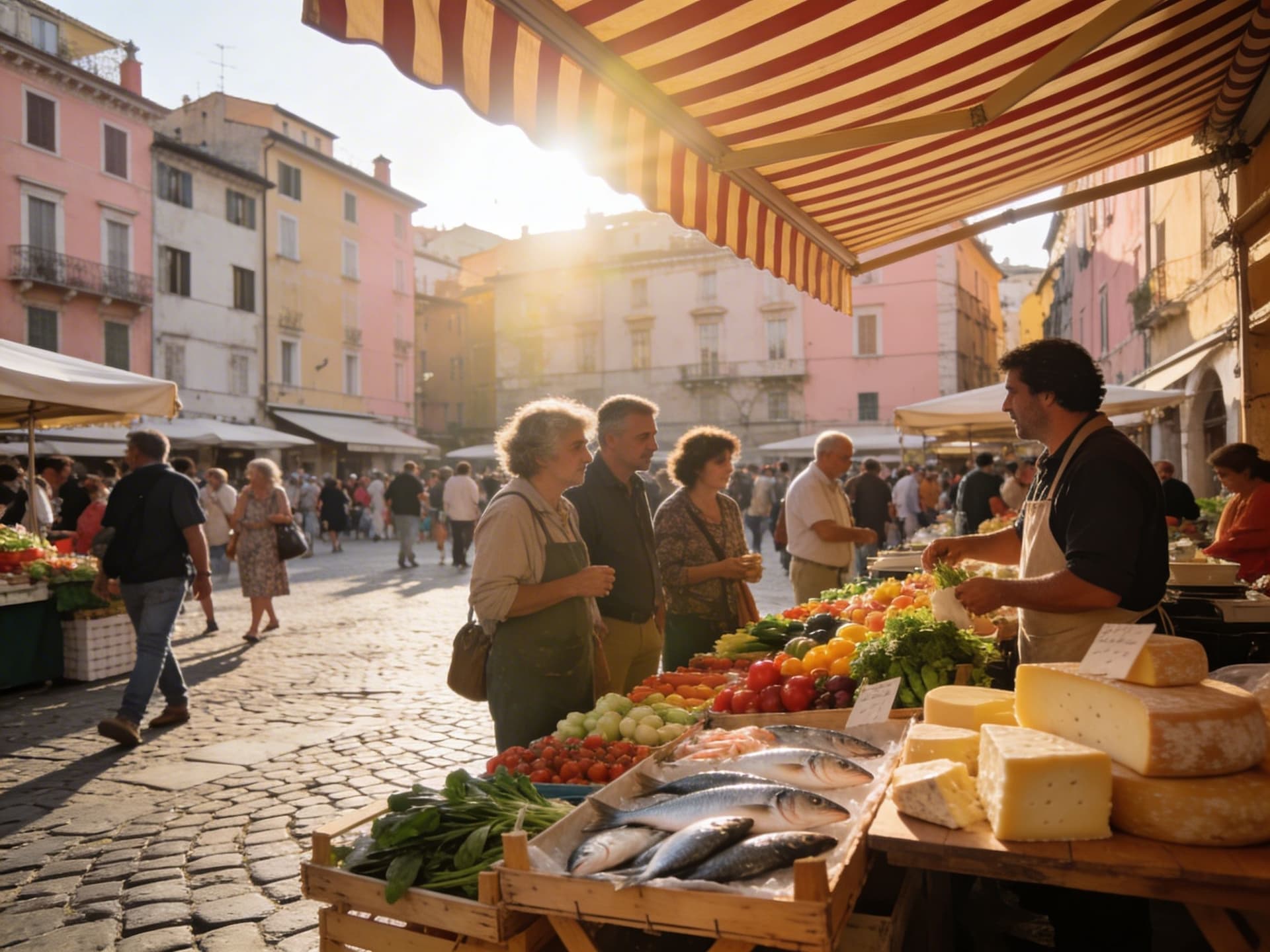
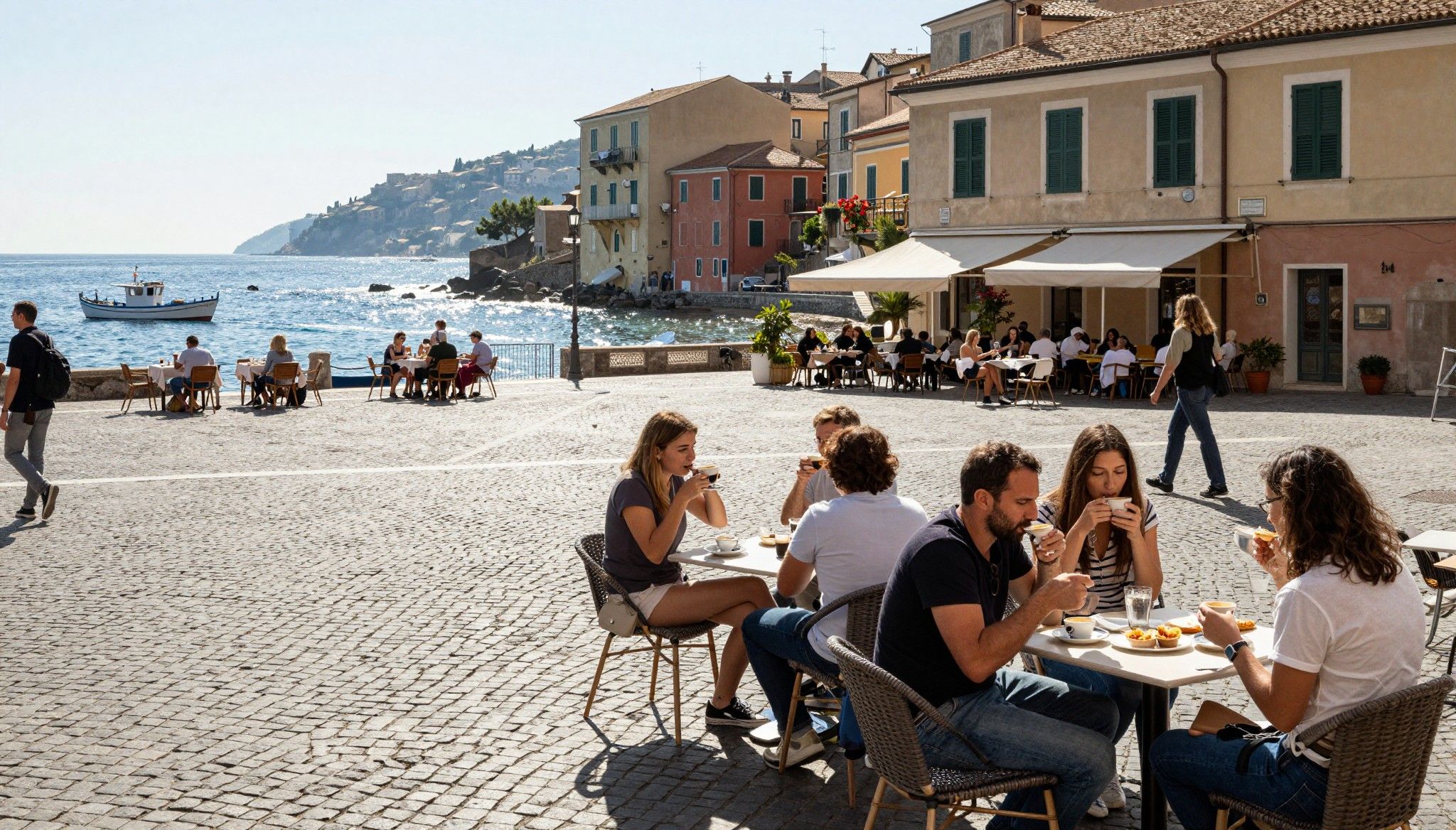
Italy is a collection of distinct daily lives: Milan’s brisk, design‑minded mornings; Naples’ theatrical street markets; Liguria’s seaside promenades; and Umbria’s slow farm rhythms. Picture mornings at Bar Borsari in Verona, afternoons on the Lungomare in Salerno, and weekends at the Mercato di Porta Palazzo in Turin. These patterns shape what kind of property suits you — a compact historic flat with shutters in an old centro, a sea-facing apartment with modest outdoor space, or a restored farmhouse with land. The cultural texture — language cadence, local associations, municipal festivals — changes how quickly you integrate and how you’ll use a property across the year.
Neighborhood spotlights: Rome, Milan and the coast
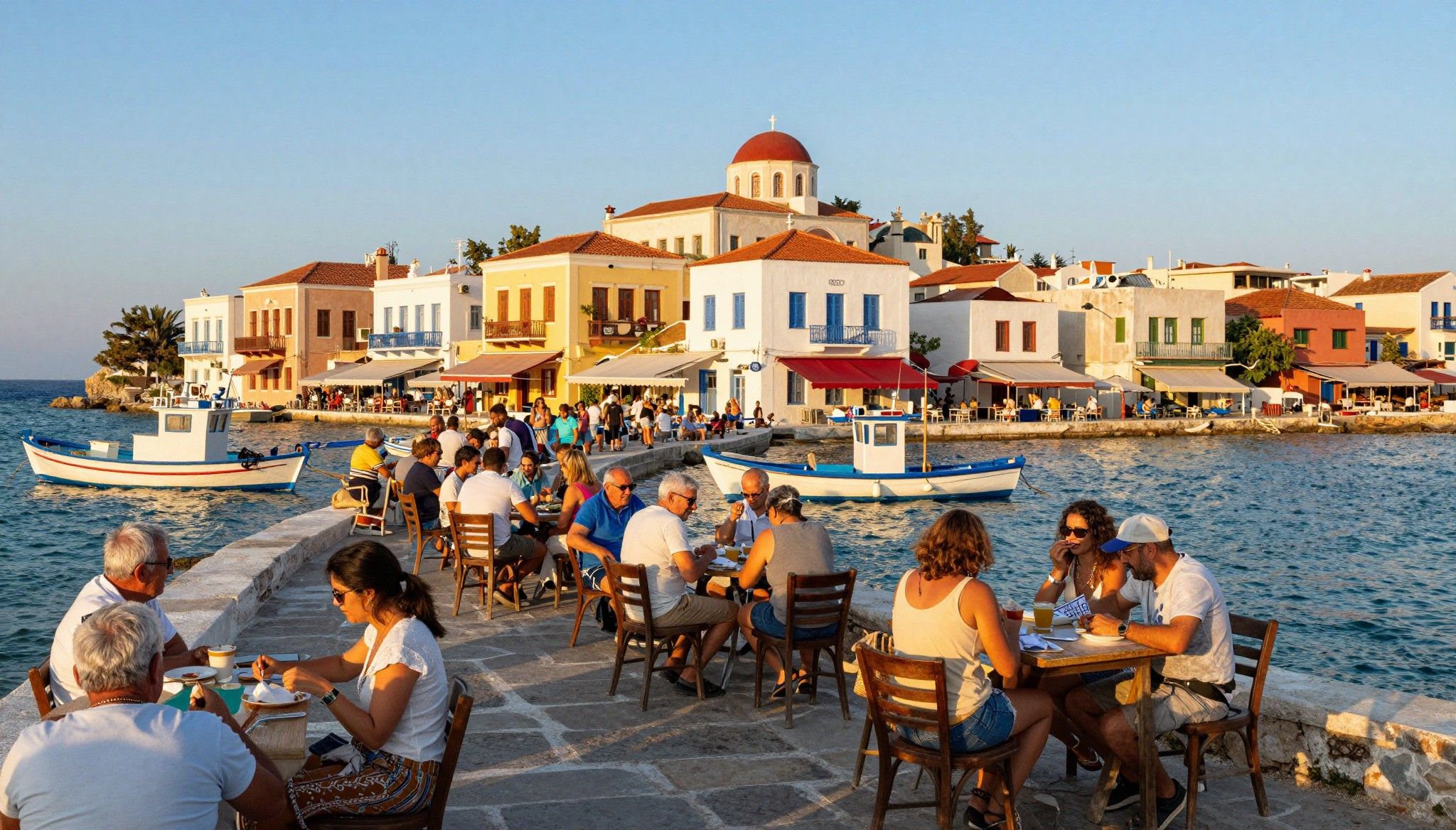
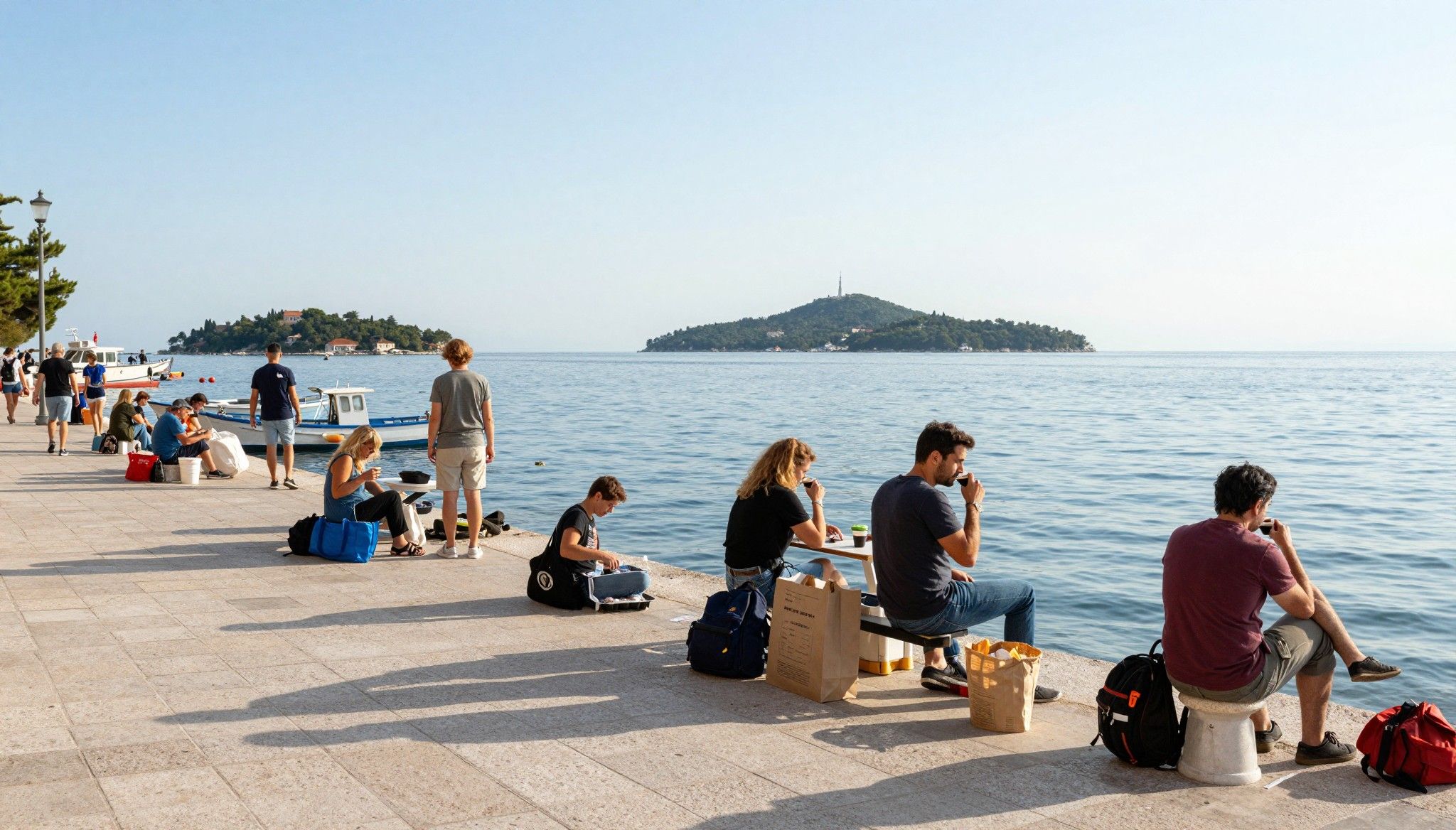
In Rome, Trastevere and Monti deliver authentic street life, narrow alleys, and restaurateurs who know your name; prices vary block-by-block, so buy the street, not the postal code. Milan’s Brera and Navigli blend galleries and nightlife with strong rental demand from professionals — expect higher per‑m² prices but dependable liquidity. On the Ligurian and Amalfi coasts, places such as Levanto, Camogli and Sorrento trade off tourist seasonality for dramatic everyday views and quieter winters; coastal homes often need climate‑proofing and maintenance budgets for humidity and salt exposure.
Food, markets and social life that define where you’ll live
You’ll choose a neighborhood partly by where you want to buy groceries and where you’ll spend Sunday afternoons. Markets like Florence’s Mercato Centrale or Palermo’s Ballarò are daily reminders why location is lifestyle first. Chefs, artisans and neighbourhood trattorie are also economic signals: where new restaurants open, renovation follows and rental interest rises. Prime neighbourhoods listed in market reports show consistent buyer interest; read them as cultural heatmaps as much as price guides.
Making the move: practical considerations
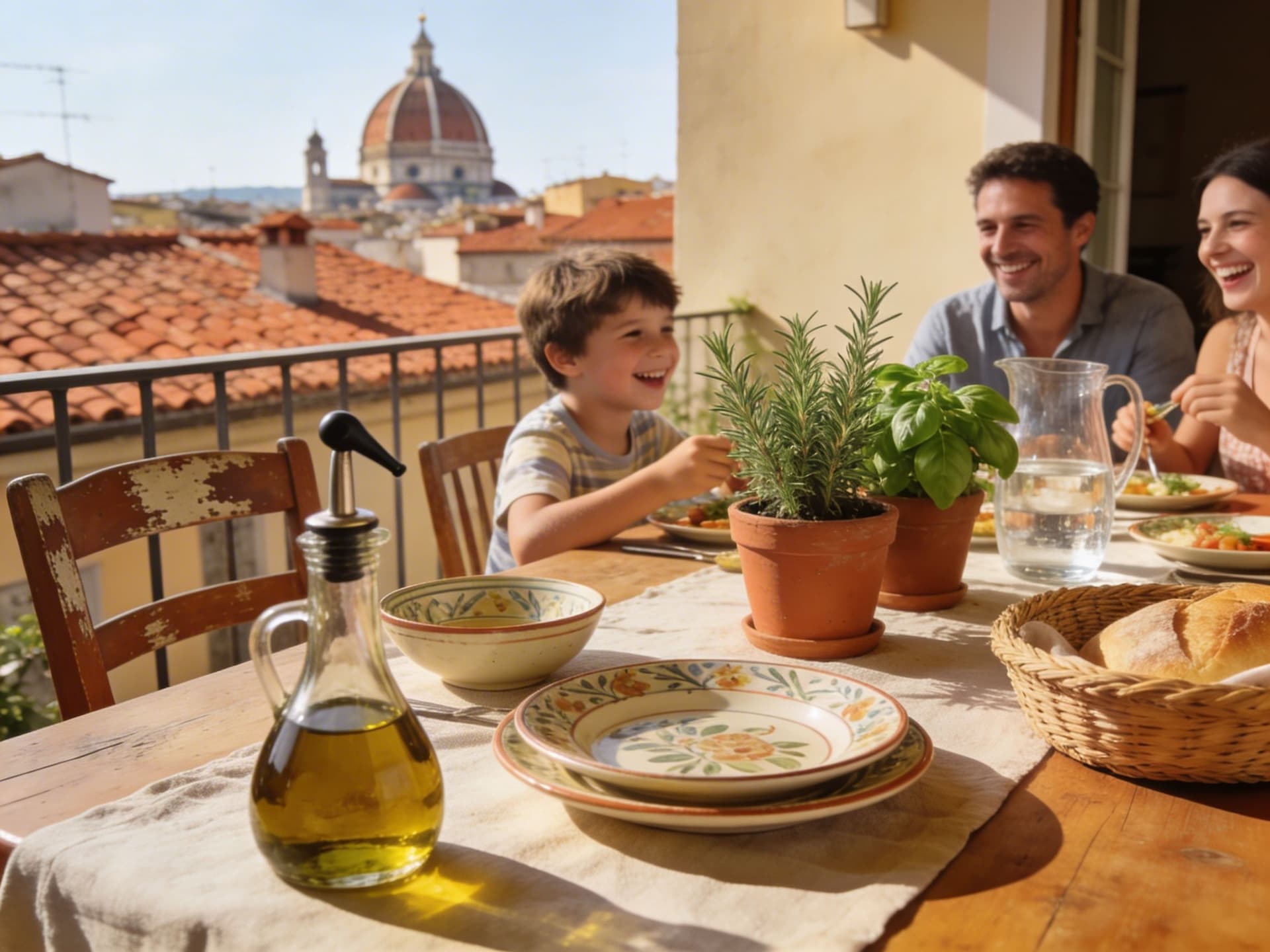
Turning affection into a purchase in Italy means aligning lifestyle wants with market realities: regional price dispersion, mortgage availability, and evolving rental rules. National statistics show steady house‑price growth in recent quarters, but momentum is local — Milan and Florence move differently to Calabria or Puglia. Work with agents who can show time‑series pricing on the street level and who understand seasonal rental regulation shifts that affect yield potential.
Property types and how they shape daily life
Historical centro flats deliver walkable life and strong seasonal short‑lets but often come with higher restoration complexity and condominium rules. New‑build apartments on city edges offer lifts, parking and modern insulation — better for year‑round comfort and remote working. Rural properties and farmhouses give space and land, but expect infrastructure work (septic, roads, broadband) and slower resale cycles. Use the property type to decide whether you’re buying a lifestyle or an asset — many buyers want both, so plan for flexible use.
How a local agency helps you match life to property
Engage a multilingual local agent who scouts streets, not just online listings. They should: verify building plans and condominium minutes; explain seasonal rental rules; introduce you to architects and builders if renovation is needed; and provide comparable sales on the block rather than the postcode. A good agent also alerts you to micro‑risks — planned municipal works, local permit backlogs, or tourist‑tax changes that can affect returns and daily life.
Insider knowledge: what expats wish they'd known
Expats often underestimate the role of seasonality and local social calendars — a seaside town that hums in July can be a different country in November. Short‑term rental rules and taxation have tightened in recent years, so revenue assumptions based on summer peak months must be stress‑tested. Practical tips from long‑term residents: learn basic Italian phrases for official procedures, build relationships with neighbours early, and budget 5–10% of purchase price for immediate upgrades in older buildings.
Cultural integration and community
Integration is slower where communities are tight; in towns with active associazioni (local clubs) you’ll find invitations to festivals, food fairs and volunteer efforts quickly. Learning municipal etiquette — shop closure hours, local recycling rules, and Sunday norms — changes daily comfort. Many neighborhoods offer expat meetups and international schools, but true belonging often comes from small interactions: the barista who knows your order, the market seller who tips you off about seasonal produce.
Hidden costs and red flags to watch
1) Condominio arrears and extraordinary works that can trigger large one‑off bills. 2) Heritage constraints on façades that limit renovation. 3) Broadband gaps in rural areas impacting remote work. 4) Seasonal rental regulation changes and tax enforcement affecting yield projections. 5) Coastal maintenance costs from salt and humidity.
Conclusion — imagine the life, then test the numbers. Walk the street at breakfast and at night; sit in the piazza and observe who uses it. Use local market data (ISTAT and leading market reports) to validate price expectations and ask agencies for block‑level comparables, not averages. If you want both lifestyle and investment resilience, prioritise neighbourhoods with year‑round life — university towns, mixed residential-commercial streets, and small cities with good transport links. When you’re ready, an experienced local agent and a short list of vetted professionals (notaries, architects, property managers) will turn the Italian dream into a sustainable life.
Norwegian market analyst who relocated to Mallorca in 2020. Focuses on data-driven market insights and smooth relocation for international buyers.