Cyprus: Love the Life, Check the Tax
Fall for Cyprus’s seaside rhythm — but pair the feeling with concrete tax checks: VAT, transfer fees, title searches and local HPI trends shape the true cost and resale outlook.
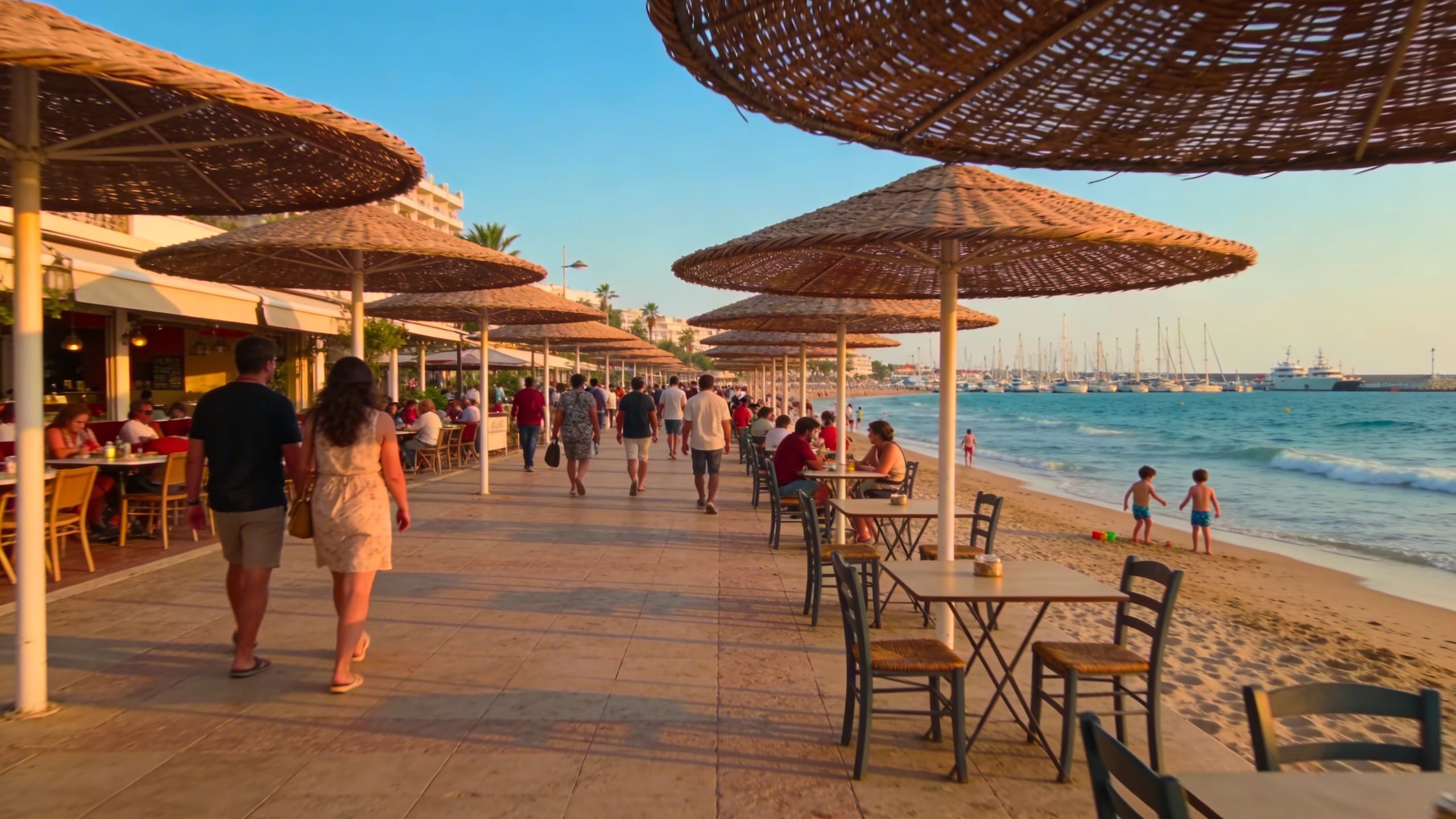
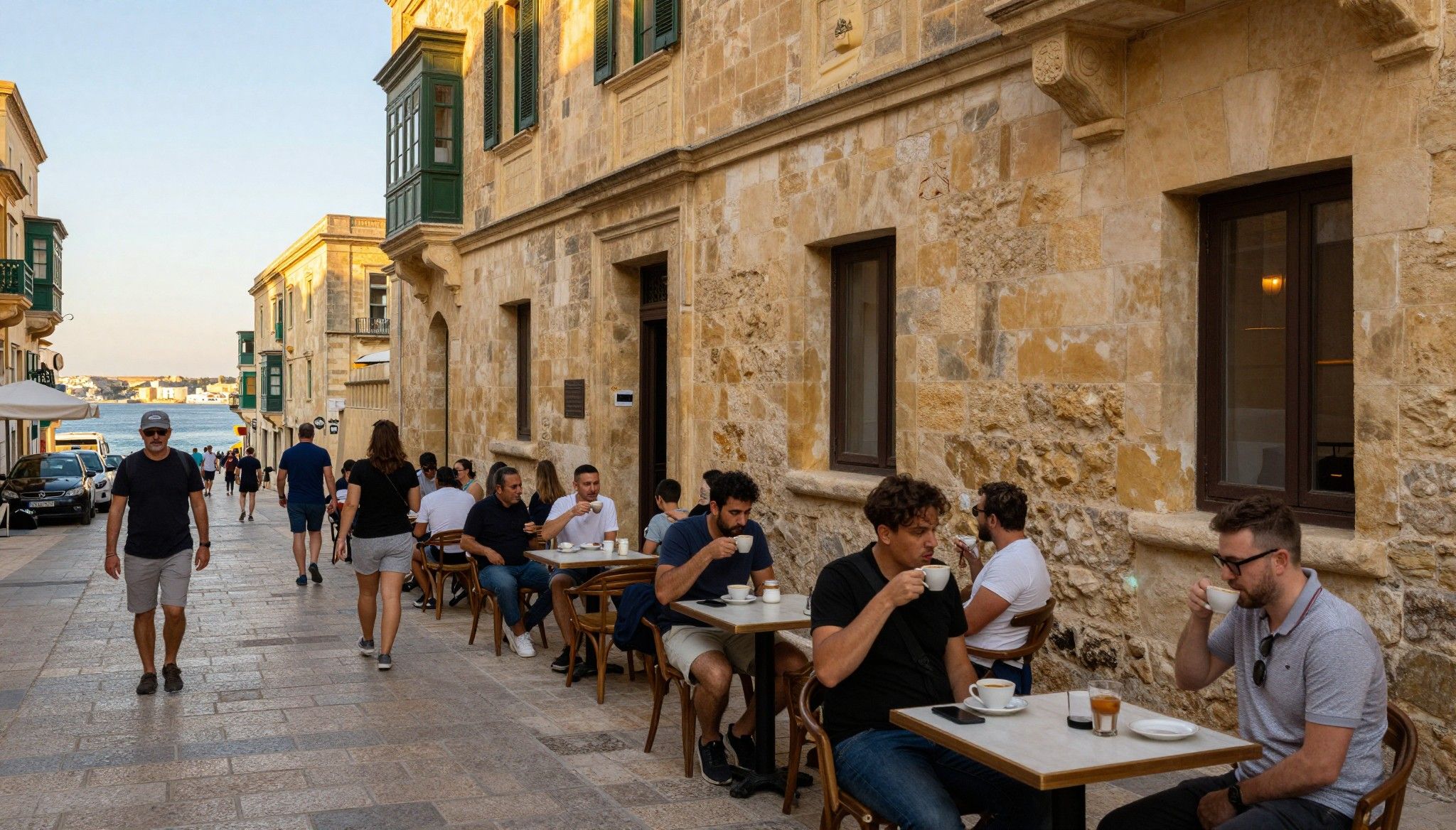
Imagine waking to the scent of baking halloumi and coffee, then walking to a sunlit café on a narrow street in Larnaca before heading for an afternoon swim at a nearly empty cove. Cyprus feels Mediterranean but moves at its own pace: bustling coastal promenades, sleepy mountain villages where Sundays stretch on, and expat pockets where English is as easy as Greek. That rhythm matters when you buy: lifestyle is what makes a house into a home here, and small local differences — the market near Limassol marina versus a village near Paphos — change tax exposure, rental appeal and long‑term value. Recent house‑price data show the market is active but uneven across districts, so falling in love should be paired with a plan.
Living Cyprus: sun, streets and small rituals
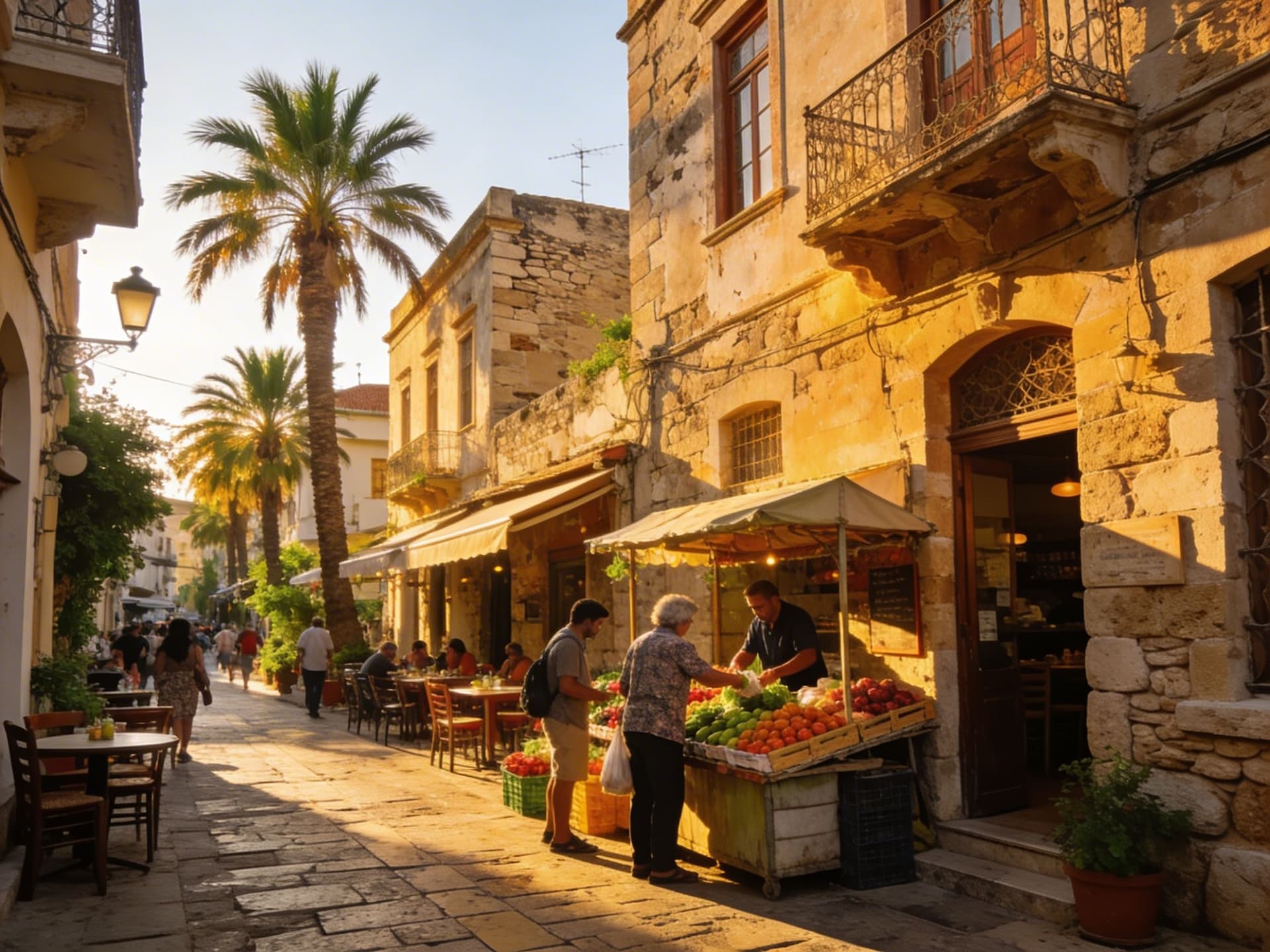
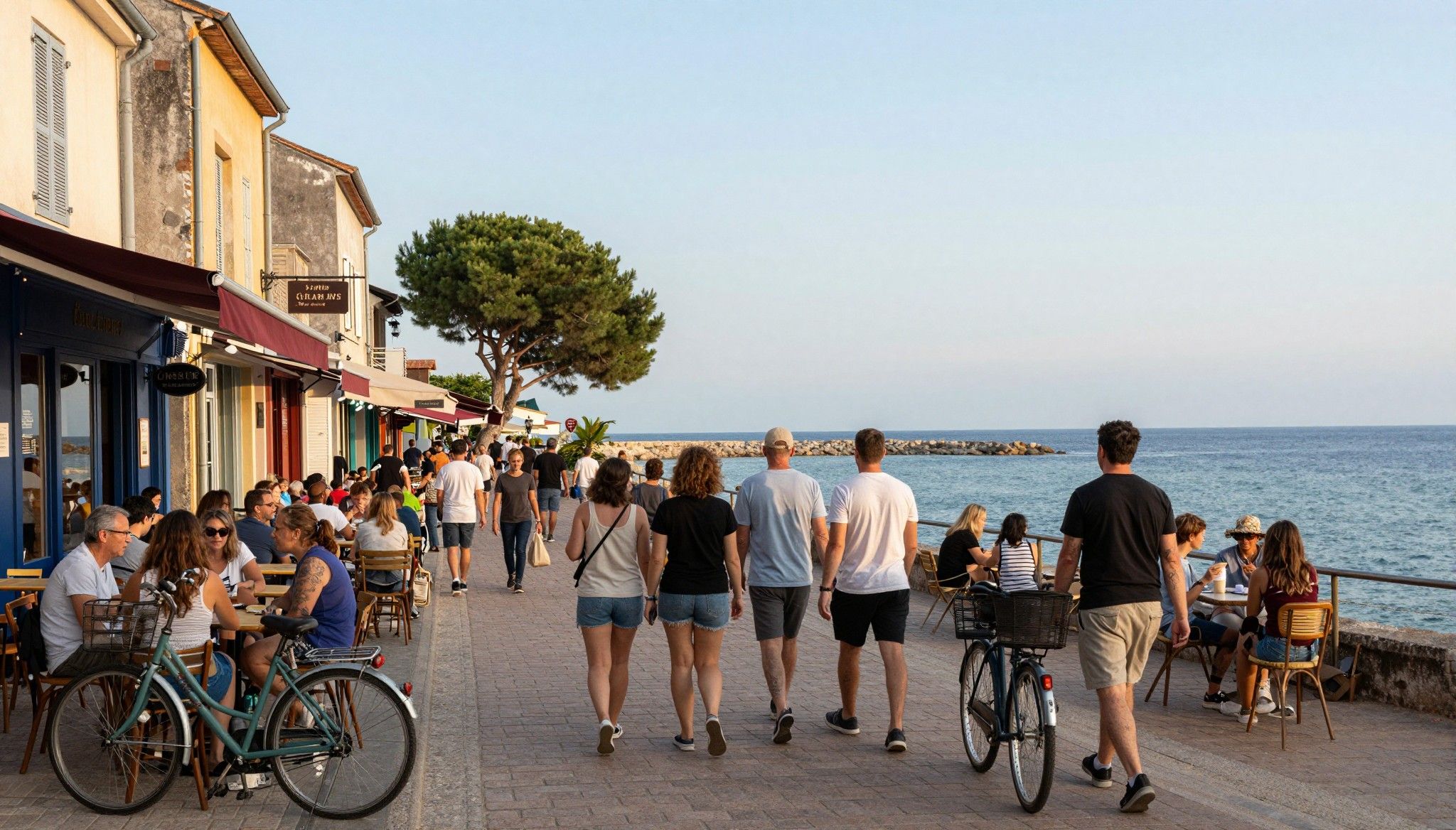
Days here are tactile: morning markets where traders shout the best catch, siestas in shaded courtyards, and evenings filled with tavernas and slow conversation. Coastal towns — Limassol, Larnaca, Paphos — offer seaside promenades, international restaurants and yacht moorings; inland villages like Omodos and Platres trade sea views for vine terraces and cooler summers. Paphos has become a favourite for families and retirees because of its balance of services and coastal lifestyle, while Limassol’s café culture and tech hub attract professionals.
Neighborhood spotlight — Limassol marina to Agios Tychonas
Picture weekdays at the Limassol marina: developers, boutique cafés and families strolling beside superyachts. Walk five minutes inland and you find quieter streets of Agios Tychonas with low villas, small beaches and neighbourhood bakeries — the kind of place that sells as much on lifestyle as on square metres. For buyers who want urban energy plus easy sea access, this stretch blends high‑end new builds with older homes ripe for renovation, and it’s precisely where local transfer‑fee mechanics and VAT rules can change whether a property feels ‘expensive’ or reasonable.
Food, markets and social life — where dinner sets the neighborhood tone
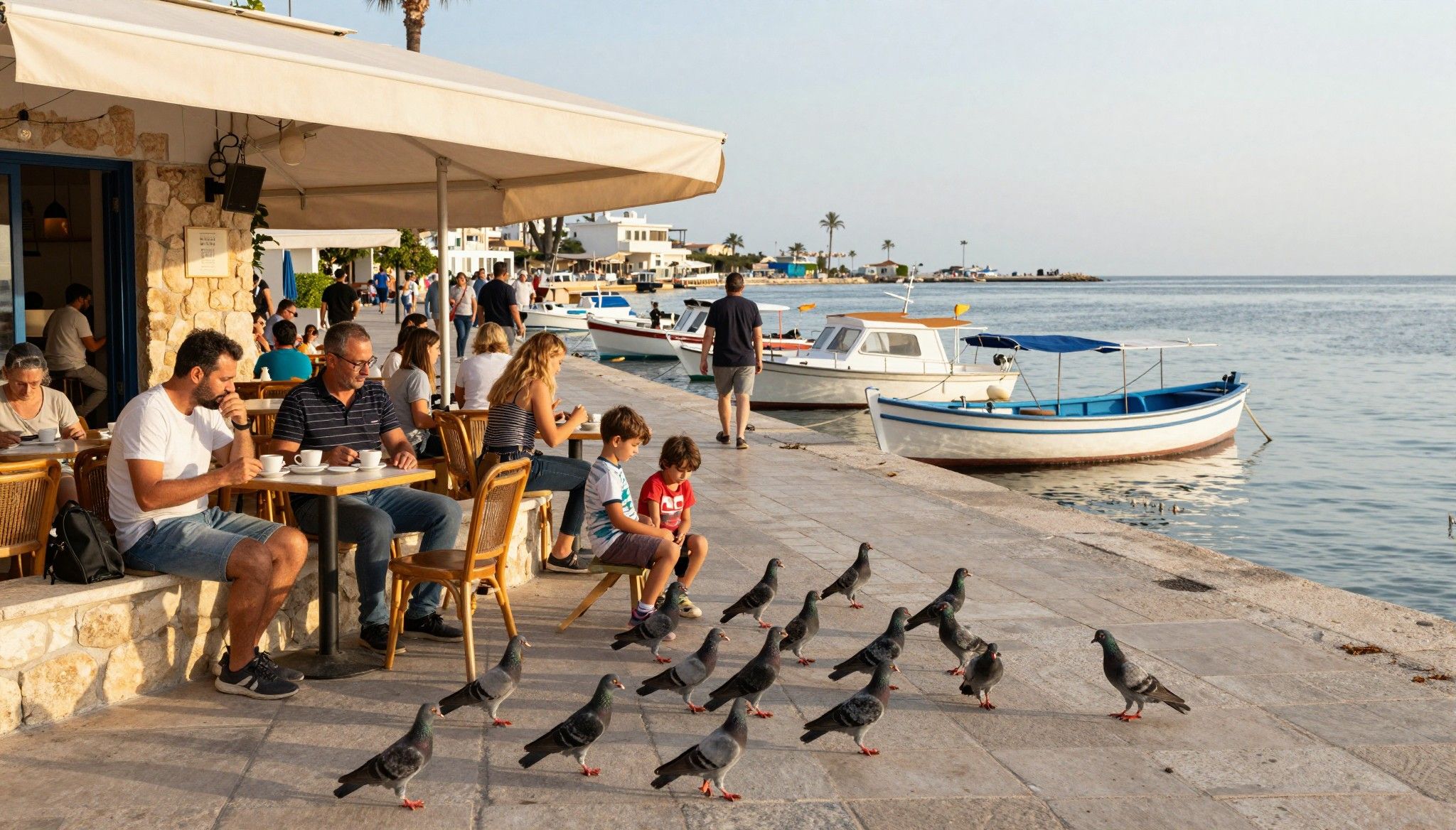
Weekends pivot on food: a slow breakfast in Mackenzie Beach cafés, a fish lunch on the Paphos harbour, or a market run in Nicosia for seasonal fruit and village cheeses. These rituals drive where expats choose to live — proximity to markets and tavernas often beats a sea view for everyday happiness. Seasonal festivals and village panigiria rewire demand briefly: properties near summer festival routes can command short‑term rental premiums during peak months.
Lifestyle highlights to scout on visits: • Sunrise walk on Fig Tree Bay (Protaras) before the crowds arrive • Coffee and people‑watching on Ayia Napa’s old harbour • Sunday morning market at Laiki in Larnaca for fresh halloumi • Vineyard trail tasting near Omodos in Troodos • Early evening mezze in a family taverna in Paphos
Making the move: how lifestyle choices shape tax and regulation

You can fall for Cyprus in one weekend, but the practicalities take longer: taxes, transfer fees, residency status and whether a sale is VAT‑able. Property transfers and market value trends are published regularly and show stronger activity in coastal districts; that matters because regional pricing affects transfer fees, stamp duty exposure and rental expectations. Before you make an offer, align the lifestyle you crave (sea‑front terrace, village garden) with the tax reality — a wrong assumption about VAT or residency can add tens of thousands of euros to the final cost.
Property styles and ownership implications
New‑build apartments in Limassol often carry VAT while resale homes typically do not; that distinction affects both upfront cost and transfer‑fee calculations. Country houses and village stone homes may avoid VAT but bring renovation needs and different municipal obligations. Think like a resident: if you want indoor‑outdoor Mediterranean living, prioritise properties with terraces and shaded courtyards — these features can influence rental demand and tax treatment when classified for tourism use.
Working with local experts who understand life and law
Practical steps your local team should deliver: 1. Clear VAT and transfer‑fee breakdown by property (is VAT charged; what are the exact transfer percentages?) 2. Title search and encumbrance checks with the Lands Office 3. Residency and tax residency planning (timing your stay, residency permits) 4. Realistic operating cost projections (utilities, municipal rates, property management) 5. Short‑term rental compliance if you intend to let seasonally 6. Exit planning: likely resale timelines and local demand drivers
Insider knowledge: myths, red flags and expat truths
Buyers often assume Cyprus is uniformly cheap or uniformly expensive — the truth sits between. Limassol commands premium per‑metre prices; Paphos and Larnaca offer pockets of relative value. A common red flag: off‑plan projects without clear completion guarantees or conditional VAT clauses. Expats I speak with regret not checking micro‑factors: a noisy summertime street, the lack of reliable winter heating in mountain areas, or a confusing ownership share of communal spaces.
Cultural adjustments that affect property life
Cyprus blends British administrative habits with Greek social rhythms: many services operate in English, yet local bureaucracy still values original Greek documents and in‑person visits. Expect friendly informality in neighbourhood interactions — a baker who remembers your order, neighbours who share fruit from their trees — and build those small connections early. Language helps, but community membership often comes from attendance at local events, markets and tavernas.
Longer‑term view: how this life evolves
Expect the island to change slowly: new developments will continue near marinas and airports, while inland villages grow through boutique tourism and seasonal residents. For buyers seeking sustainability, focus on areas with municipal investment and clear infrastructure plans — those are likeliest to preserve lifestyle quality and resale value. A local agent should show you municipal plans and permit histories so you can see the future neighbourhood as clearly as the present one.
Smart due‑diligence checklist before committing: • Confirm VAT status and exact transfer fees with the developer or seller • Obtain a current title deed extract from the Department of Lands • Check historical HPI growth for the district (gov.cy publishes quarterly updates) • Review municipal development plans near the property • Model running costs and seasonal rental yields with conservative occupancy • Ask neighbours about noise, flooding or roadworks — locals tell truths agents sometimes don’t
If you want to move from dreaming to a confident offer, follow these steps: 1. Spend at least two long weekends in different seasons (one in winter, one in summer) 2. Engage a bilingual lawyer and a buyer‑focused agent before viewing offers 3. Request a VAT and transfer fee memo in writing from the seller 4. Run a 5‑year cashflow (mortgage, management, insurance, taxes) and a 2‑year occupancy stress test 5. Make an offer conditional on a clean title and a completion guarantee for off‑plan buys
Cyprus is sensual — the food, light, and community are what buyers remember. But sentiment without structure becomes regret. Pair the sensory decision (which street makes you smile) with rigorous, locally anchored checks: HPI trends, Lands Office searches and VAT clarity. A local team that understands both the taverna and the tax form turns love into a safe investment.
Next step: book a targeted visit — choose the exact neighbourhood you can imagine daily life in, and ask an agent to show comparable sales and the local tax breakdown in writing. If you’d like, we can point you to vetted local lawyers and agents who work in English and live the lifestyle they sell. Bring curiosity; bring a checklist. Let local facts protect the feeling.
Danish relocation specialist who has lived in Barcelona since 2016. Helps families move abroad with onboarding, schooling, and local services.