Cyprus’ Tax Myths: What Buyers Actually Pay
Cyprus offers Mediterranean life and residency paths, but transfer fees, VAT and residency rules change the real cost; plan with concrete fee forecasts and local experts.

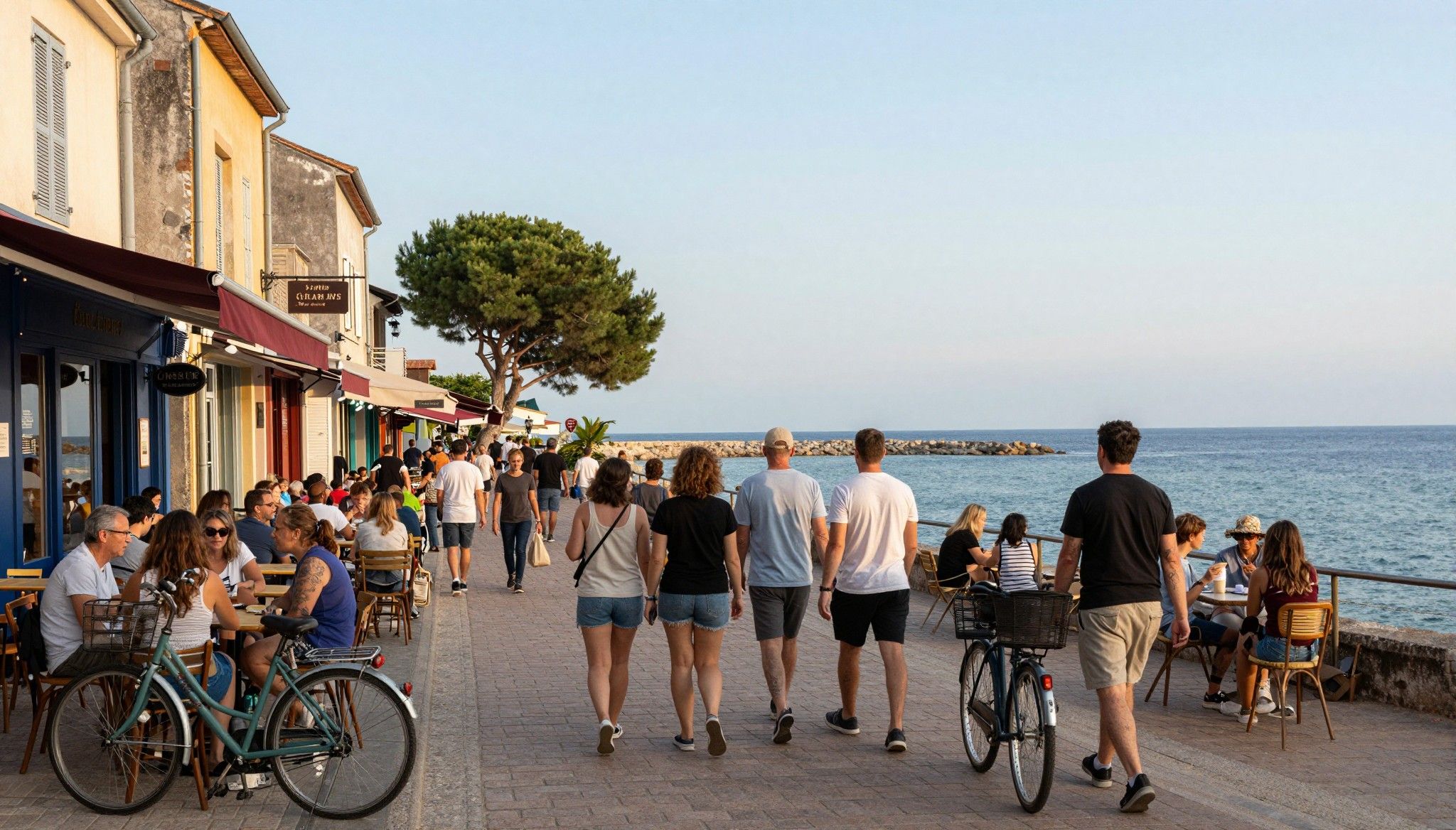
Imagine sitting at a small marble table in Limassol's Old Port as fishermen untangle nets and a café pours a late‑morning espresso. The light hits limestone façades and, for a moment, the idea of moving here feels inevitable: sea, tavernas and a slower rhythm. But the paperwork — taxes, transfer fees, residency rules — can shift that dream if you don't know which costs are visible and which are hidden. This guide lifts the local curtain: lively neighborhood colour first, then the exact fiscal and regulatory details international buyers should plan for.
Living Cyprus: daily life, seasons and small pleasures

Cyprus moves on Mediterranean time but with sharp seasonal changes that shape neighbourhood life. Summers are full of beach cafes and late dinners in Ayia Napa and Paphos, while winters draw people inland to the Troodos mountains for hiking and village feasts. For international buyers, this rhythm affects what you’ll value: a sea‑view balcony for summer rentals, or a centrally heated villa near a village square for year‑round living. Understanding these patterns helps match a property’s features to real use — not just postcard imagery.
Neighborhood snapshots: Limassol, Nicosia, Paphos and Larnaca
Limassol blends cosmopolitan marinas and narrow streets: think refurbished warehouses near Germasogeia, mornings at Artima Café and evenings on the Molos promenade. Nicosia offers a quiet, layered city life with cafés on Ledra Street and restored townhouses in the walled city — excellent for buyers after culture and services. Paphos is lower‑cost and island‑historic; properties close to Kato Paphos Castle and the harbour trade well for holiday rentals. Larnaca is the understated choice: salt lake walks, Finikoudes promenade and an accessible airport make it a pragmatic pick for frequent travellers.
Food, markets and weekend rituals that matter when you buy
Picture Saturday mornings at the Nicosia municipal market buying halloumi and wild greens, or Sunday meze with neighbours in a seaside taverna near Ayia Napa. These rituals influence property choice: proximity to weekly markets, a kitchen that handles fresh produce, and outdoor dining spaces increase everyday happiness. For rental yield strategies, properties within walking distance of popular markets and tavernas tend to maintain steady demand across seasons.
Making the move: how Cyprus taxes and charges really hit your budget

Buying in Cyprus looks straightforward until the line items add up: stamp duty, transfer fees, VAT on new builds, legal fees and occasional municipal levies. Transfer fees, charged by the Land Registry, are tiered (3% / 5% / 8% based on value bands) and — crucially — can be halved if two buyers register the purchase jointly or be exempt when VAT applies. Stamp duty is modest but unavoidable on many resale deals, and legal fees typically range from 1%–2% of price; together these costs change the all‑in budget and the effective per‑square‑metre you pay. Planning with exact figures — not estimates — is essential before you make an offer.
Transfer fees, VAT and a common buyer mistake
A frequent surprise: buyers see a 'no transfer fee' line on a developer price and assume there are no purchase taxes. In many new‑builds VAT (usually 19%) is charged instead of transfer fees — so the upfront cost may be higher but Land Registry fees are exempted. Conversely, older resale homes avoid VAT but attract transfer fees based on the market value at transfer. Structuring the purchase — joint names, use of corporate ownership, or timing with building permits — can halve transfer costs; your lawyer should run the exact scenario for you before contract signing.
Residency paths that affect tax and lifestyle choices
Cyprus no longer offers immediate citizenship for investment, but residency routes remain relevant to buyers who plan extended stays. A common route requires investment of roughly €300,000 in approved real estate and proof of stable foreign income, while other long‑stay visas (category F) accept lower asset thresholds with minimum declared foreign income. Residency status impacts healthcare access, tax residency tests, and whether worldwide income becomes taxable in Cyprus — so consider immigration strategy alongside the property transaction itself.
Insider knowledge: cultural, practical and agent‑level advice expats wish they'd had
Expat communities are welcoming, but integration takes intention: learn basic Greek greetings, attend a village festival and you’ll unlock social invitations faster than waiting for friends to find you online. Practical habits matter: many local services close for a long lunch, and outdoor spaces are where neighbourhood life happens. From a property perspective, ask about water supply (some mountain properties use tanks), energy insulation for summer heat, and the quality of broadband — these small details affect comfort and rentalability.
Working with local experts: what a good Cyprus agent and lawyer do differently
Top local agents combine lifestyle knowledge with precise paperwork: they’ll point you to the cafés where expats gather, the streets that rent year‑round, and the developers who reliably deliver. Your lawyer should provide a precise fee forecast, run title searches, confirm planning permissions and calculate transfer/VAT outcomes under different ownership structures. Expect agents to coordinate surveyors, property managers and tax advisors — this network prevents small mistakes that cost time and money.
Six practical steps before you sign
1. Get a written breakdown of all taxes and fees from your lawyer and the seller; do not rely on verbal estimates. 2. Confirm whether VAT applies and how that affects transfer fees and timing. 3. Ask for recent Land Registry valuations to estimate transfer fee bands accurately. 4. Run residency scenarios with an immigration adviser to understand tax residency implications. 5. Inspect seasonal access (is the road passable in winter?) and utilities for long‑term comfort. 6. Factor in 1%–2% legal fees and a contingency of 3%–5% for unexpected municipal or utility charges.
Conclusion: how to keep the dream and avoid budget shock
Cyprus offers an attractive Mediterranean life, diverse neighbourhood personalities and practical routes to residency — but the island’s fiscal rules change how a price translates into real cost. Start with lifestyle: walk the streets you imagine living in and test the rhythm; then lock in numbers with a local lawyer and agent who can show transfer fee calculations, VAT consequences and residency options in writing. With the right local team, your move to Cyprus can feel less like a leap and more like stepping into a familiar, well‑planned life.
Practical takeaways • Ask for a written tax and fee schedule before offer • Consider joint ownership to reduce transfer fees • Verify VAT status for new builds vs resale • Run residency scenarios to understand tax residency • Budget legal fees (1%–2%) and a contingency for municipal charges
Danish relocation specialist who has lived in Barcelona since 2016. Helps families move abroad with onboarding, schooling, and local services.