Winter Advantage: How France’s Low Season Reveals Value
A contrarian case: France’s winter low season reveals true neighbourhood life, motivated sellers and practical property signals — use it to buy smarter.
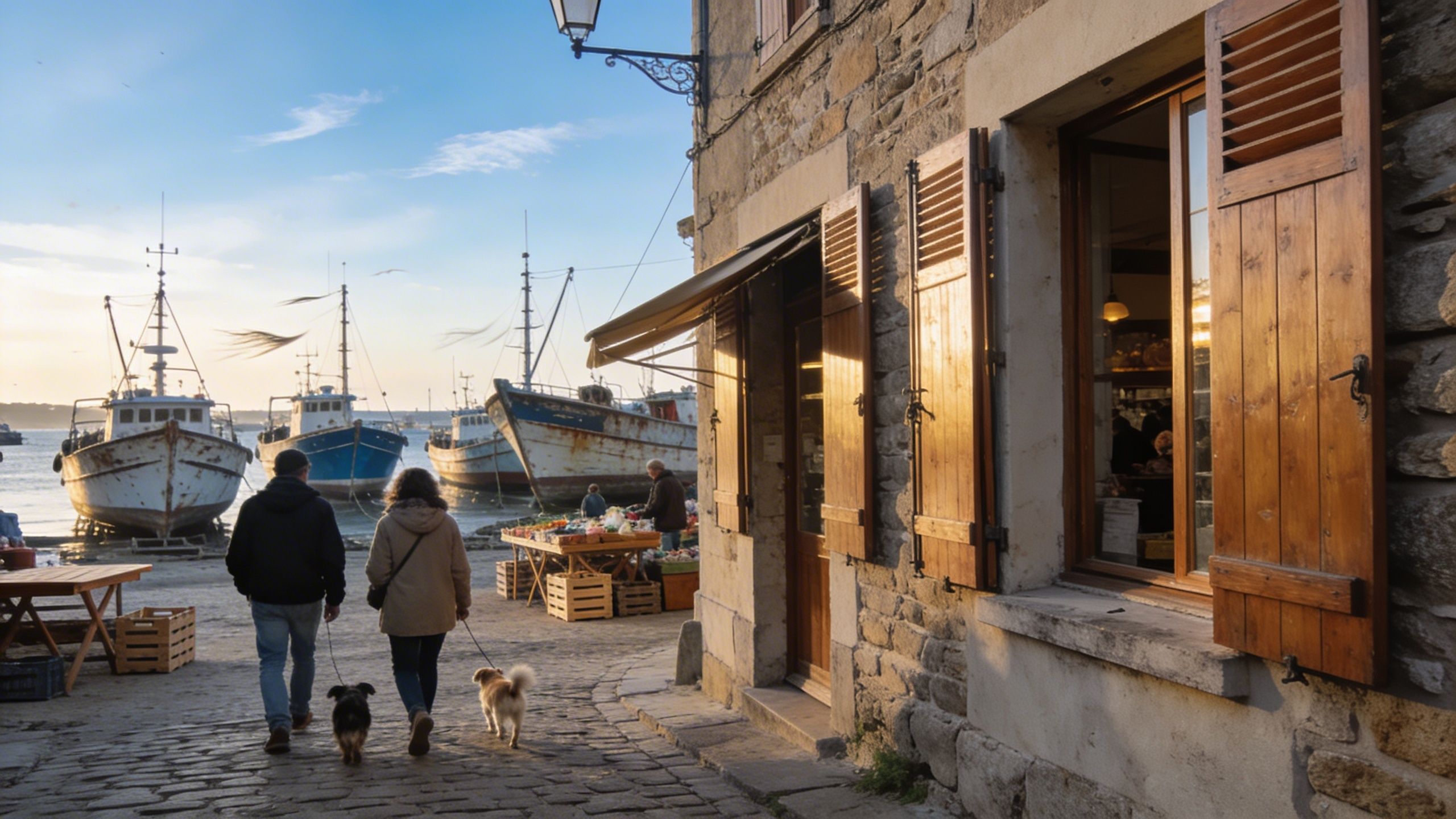
Imagine a January morning in Aix‑en‑Provence: steam rising from café cups, market stalls arranging citrus and truffles, narrow streets emptying of tourists and filling instead with neighbours. That hush — shorter queues at notaires, motivated sellers, clearer negotiation windows — is a market signal many buyers miss. This guide argues a contrarian case: France’s winter low season is often where lifestyle opportunity and price rationality meet, if you know where to look and how to move.
Living France in Low Light: Why winter feels like belonging
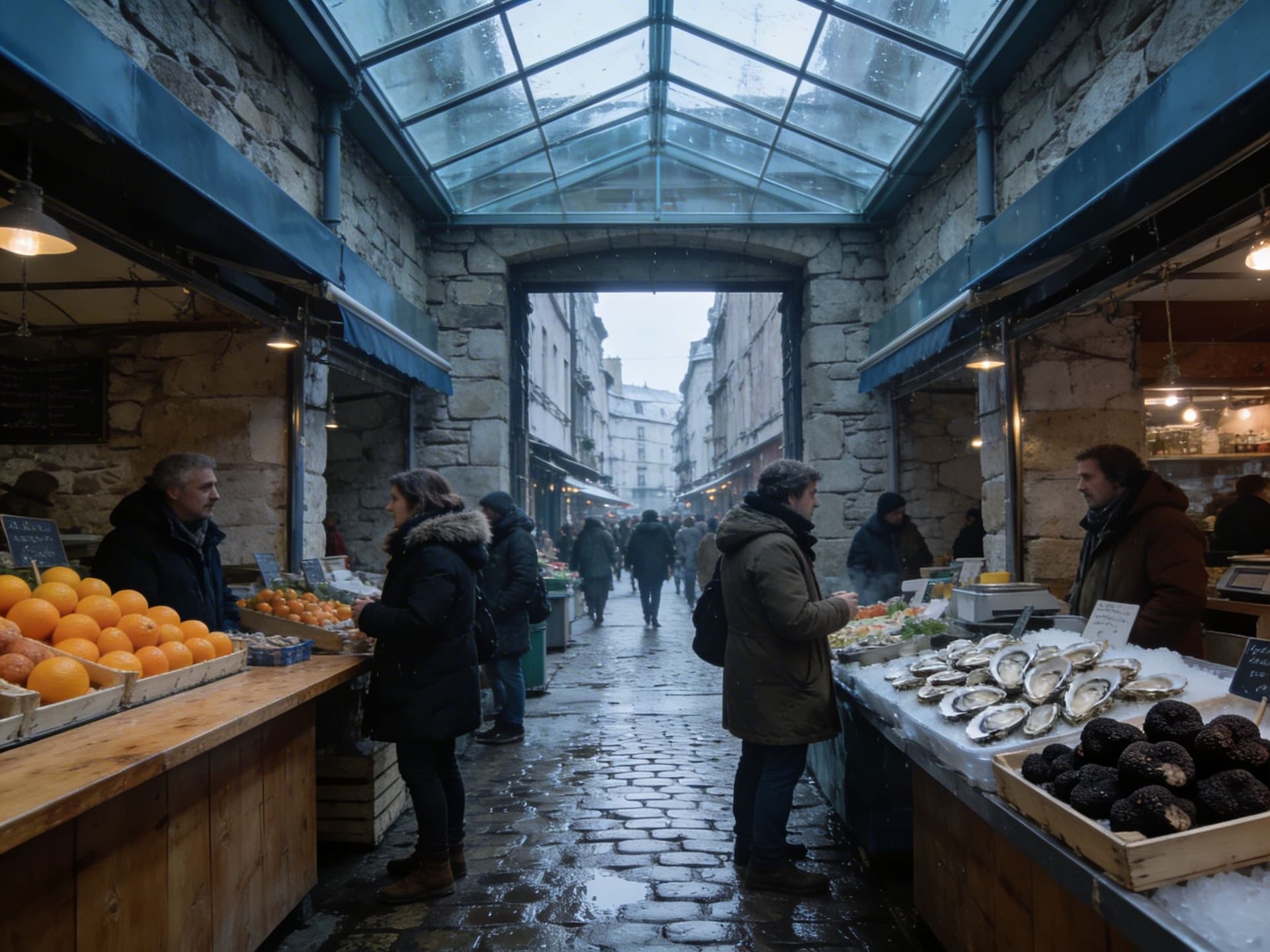
Winter in France is not a monochrome slowdown — it’s a different tempo. Coastal towns like Biarritz trade sunbeds for long surf sessions and quiet bistros; Paris tightens into theatre seasons, neighbourhood wine bars and weekly marchés; Provençal villages show their true rhythm around covered markets and village fêtes. For an incoming buyer, those months reveal everyday life rather than the postcard version.
Neighbourhood spotlight: Marseille’s Cours Julien and Le Panier
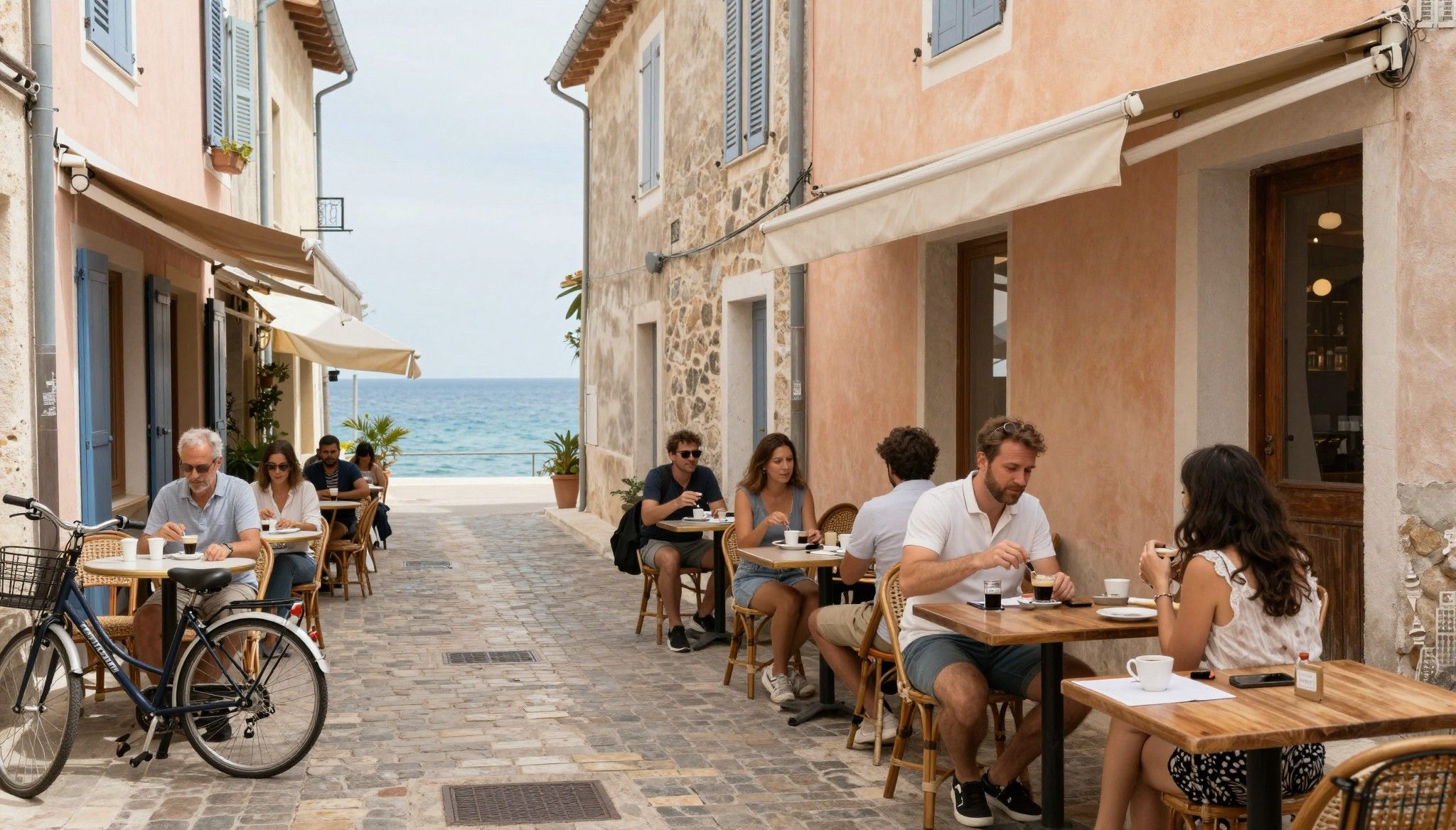
Walk Cours Julien in February and you’ll meet artists, regulars and market traders — not just summer visitors. That reality changes what you buy: smaller apartments with flexible layouts and local shops on the ground floor become worth more to you than a soulless seafront studio. Look for rue‑level life, laundries, and honest cafés like Café des Épices — these signposts show sustainable neighbourhood demand.
Food, markets and micro‑rituals that define lifestyle
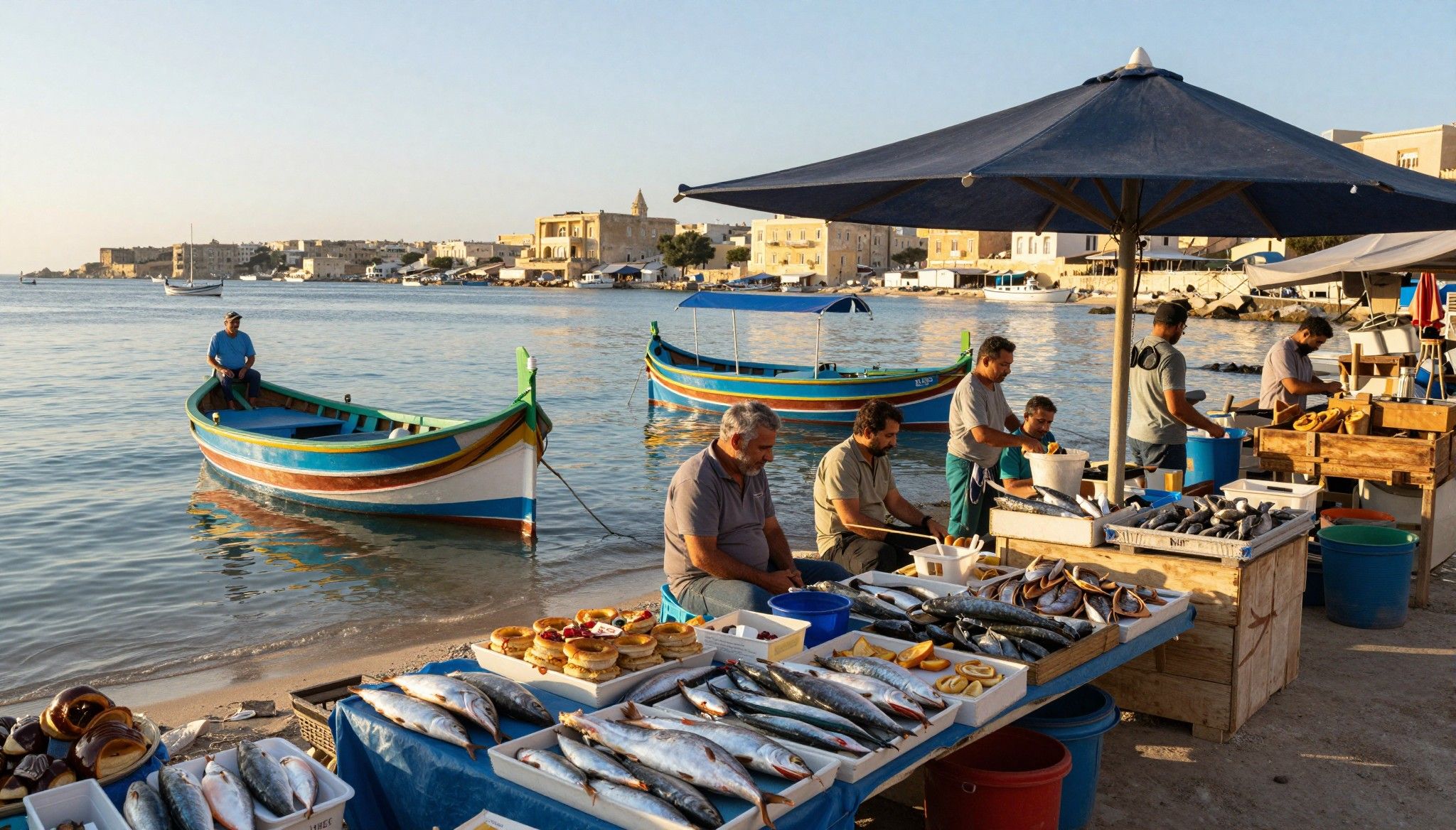
From the covered Les Halles de Narbonne to the fish stalls at Capbreton, the winter market calendar in France drives weekly life. Buying in winter lets you test where you’ll shop and who you’ll meet. That knowledge steers you away from tourist‑dependent streets and toward blocks where everyday commerce — boulangeries, butcheries, local transport links — will keep your property desirable year‑round.
- Lifestyle highlights to scout during winter
- Visit covered markets (marchés couverts) to test food culture and crowd patterns
- Check local winter transport (trams, regional trains) at off‑peak times for real commute impressions
Making the move: how winter affects price and process
Data shows regional variation: national averages hide pockets of opportunity. INSEE reported a pause then modest recovery in prices through 2024 and early 2025, meaning sellers in some locations shifted from wait‑and‑see to motivated. For international buyers, winter can compress the timeline: fewer competing offers, clearer comparative visits, and a better negotiating position — especially outside the biggest hotspots.
Property styles that win in winter
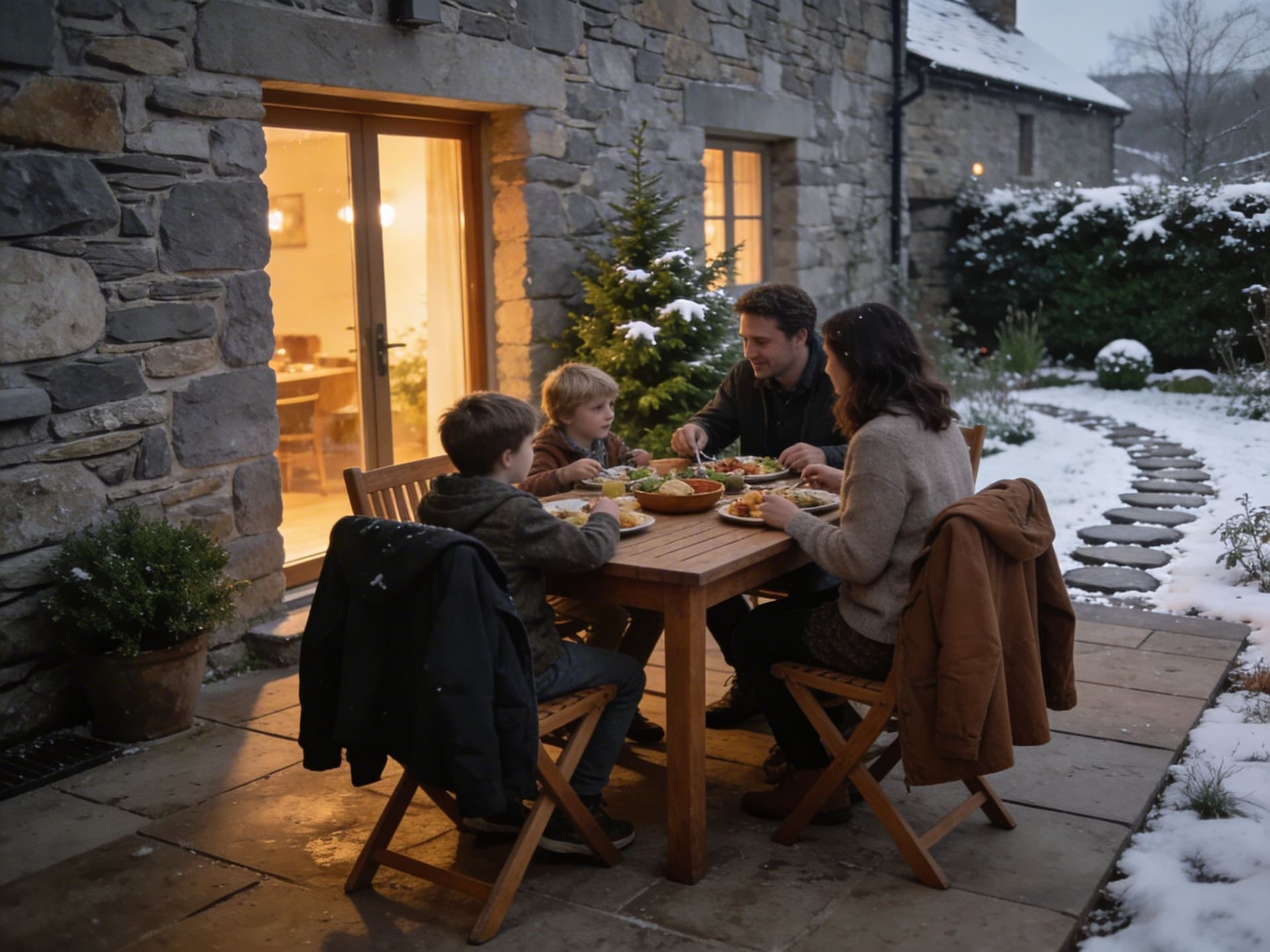
Stone village houses with efficient heating, compact city apartments with double glazing, and small houses with south‑facing terraces are more useful than showpiece outdoor pools in January. Prioritise thermal performance, storage for seasonal gear, and well‑insulated windows — these features affect running costs and comfort across seasons and are often undervalued in summer viewings.
Work with experts who understand seasonality
Choose agents and property hunters who show real winter comparables, not just glossy summer photos. Insist on recent heating bills, evidence of insulation upgrades, and a list of local year‑round tenants or long‑term residents. A local notaire or bilingual lawyer with winter transaction experience will flag seasonal considerations in contracts, such as condition reports that look different when gardens are dormant.
- Steps to use winter as your tactical advantage
- 1) Book focused deep visits over 3–5 days to simulate daily life (market, commute, services).
- 2) Request six months of utility bills and recent copropriété (condominium) meeting minutes to spot recurring winter costs.
- 3) Negotiate with winter comparables and allow time for sellers to respond after holidays — many make decisions in February–March.
Insider knowledge: what expats wish they’d known
Expats often tell us they underestimated the social microhabits that shape belonging: a regular after‑work apéritif in a local bar, a winter pétanque group by the port, or a neighbourhood crêpe stall that becomes the weekend ritual. These rituals are clearer in low season and are a true measure of whether you’ll feel at home.
Language, community and local rules
Basic French will transform winter here: shopkeepers, tradespeople and neighbours are more available to chat and explain practicalities off‑season. Learn local customs — formal greetings, Saturday market rhythms, school pickup times — and you’ll spot whether a neighbourhood is a long‑term community or a seasonal façade.
Long‑term lifestyle questions to answer in winter
Ask: does the area have year‑round services (medical centre, pharmacy, grocer)? Is public transport reliable in winter? Are nearby rental markets active outside summer? Answers to these shape resale and rental resilience.
- Red flags spotted more easily in winter
- Cold spots on walls, slow heating recovery, and winter‑only road closures
- Closed off‑season businesses that reveal a tourism‑dependent economy
- Lack of covered markets or winter community spaces
Conclusion: winter is not merely cheaper — it’s clarifying. By buying when the place is living its off‑season life you learn what year‑round living looks like. Use data (INSEE price trends), local notarial comparables and a winter‑savvy agent to convert that clarity into confident offers. If you want a property that fits your life in France, start by seeing it in its most honest season.
Danish relocation specialist who has lived in Barcelona since 2016. Helps families move abroad with onboarding, schooling, and local services.