Island Rhythm, Urban Returns: Malta’s Real Estate Trade‑Offs
Malta’s appeal is sensory and compact — long outdoor seasons and walkable neighbourhoods — but buyers must balance lifestyle choices with modest rental yields and evolving residency rules.
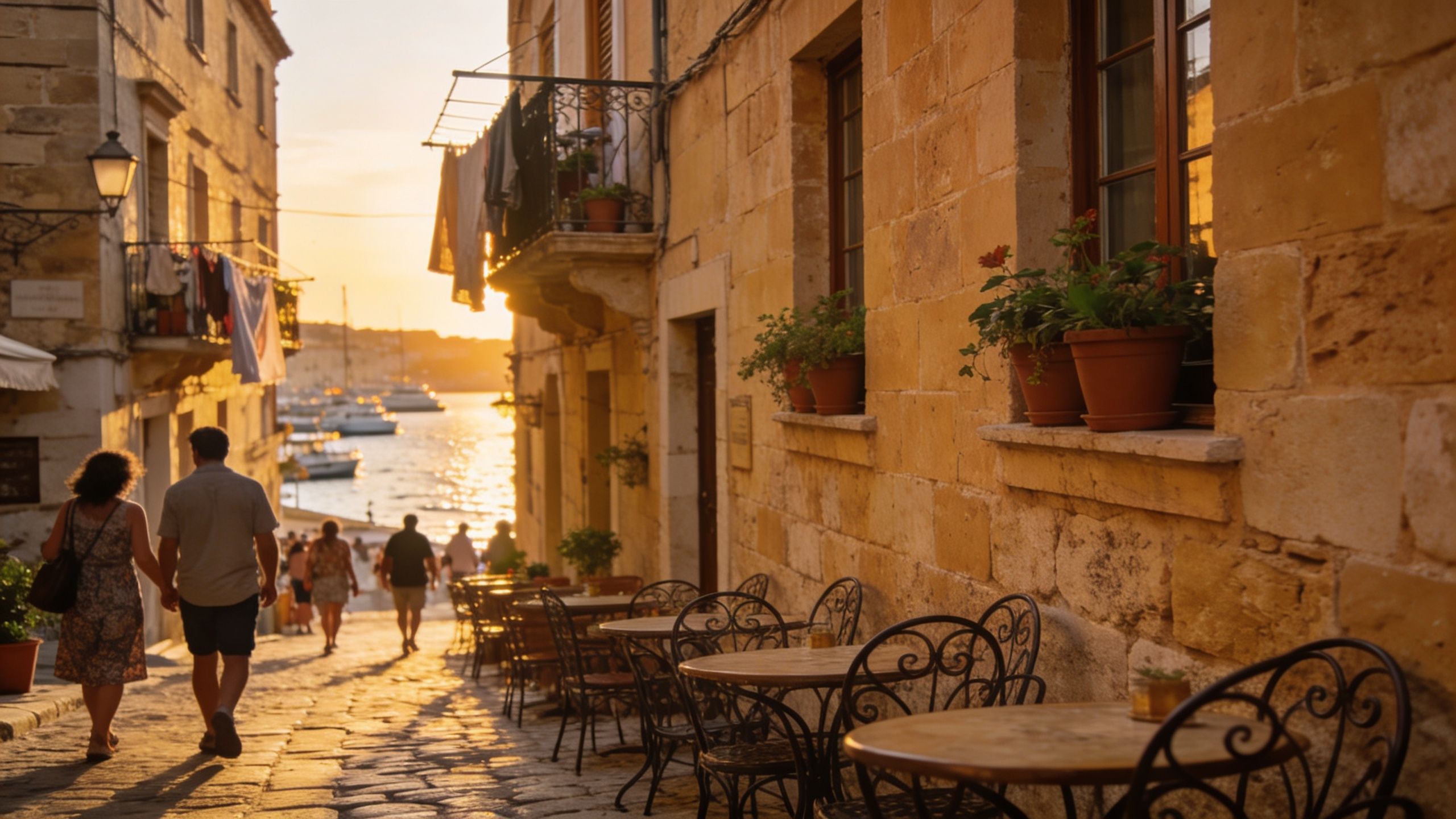
Imagine an island where a barista at a Sliema café greets you in English, where limestone staircases lead down to hidden harbours, and where the Mediterranean winter feels like spring elsewhere in Europe. That compactness creates an intimacy — streets feel lived-in, neighbourhood rhythms are visible from a single terrace, and choice of street matters more than square metres. But intimacy brings trade-offs: liquidity, seasonal demand and a market shaped by local planning and short supply. This piece blends that lived-in picture with the market signals every international buyer should meet before they fall in love.
Living the Malta lifestyle
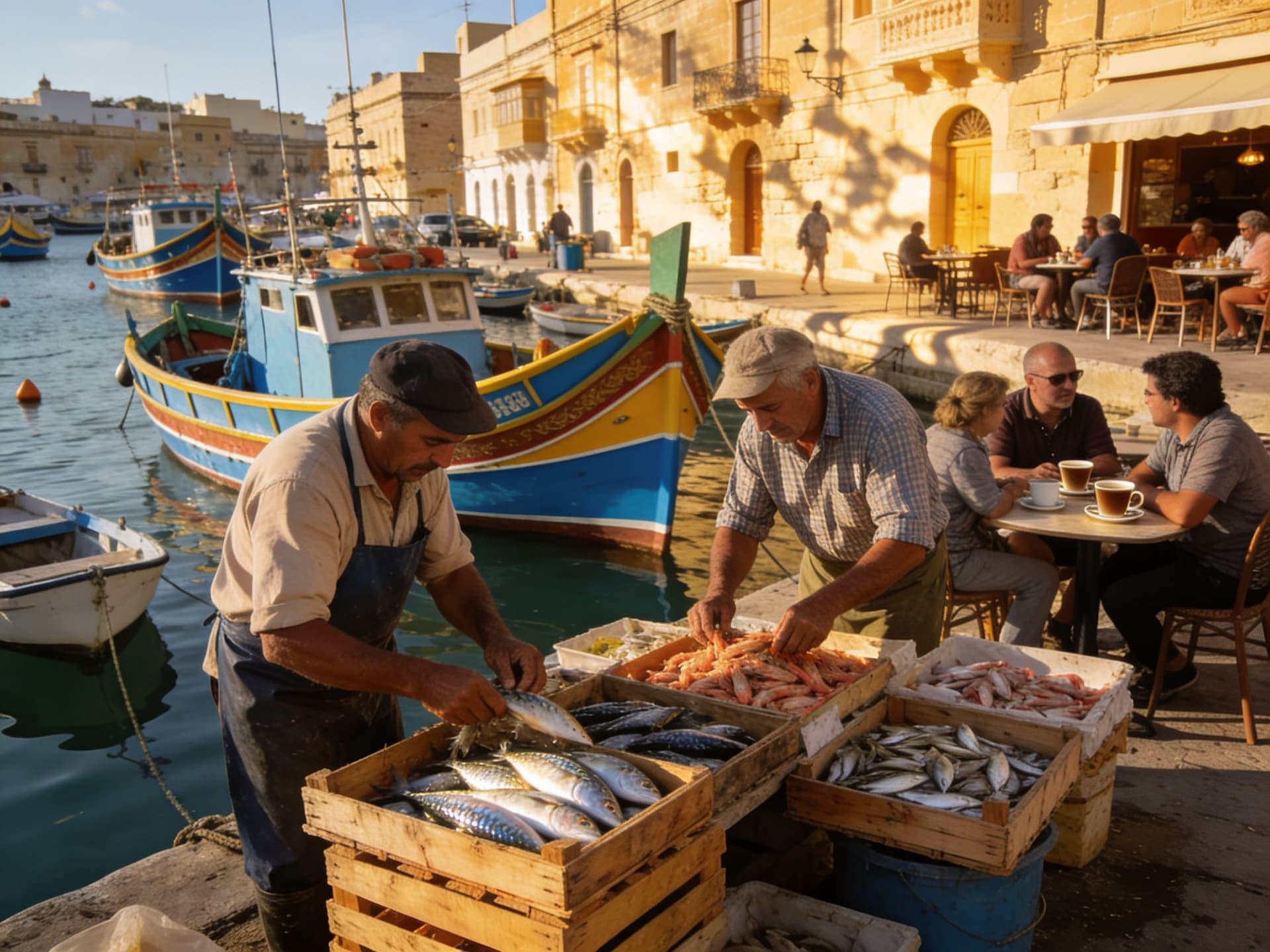
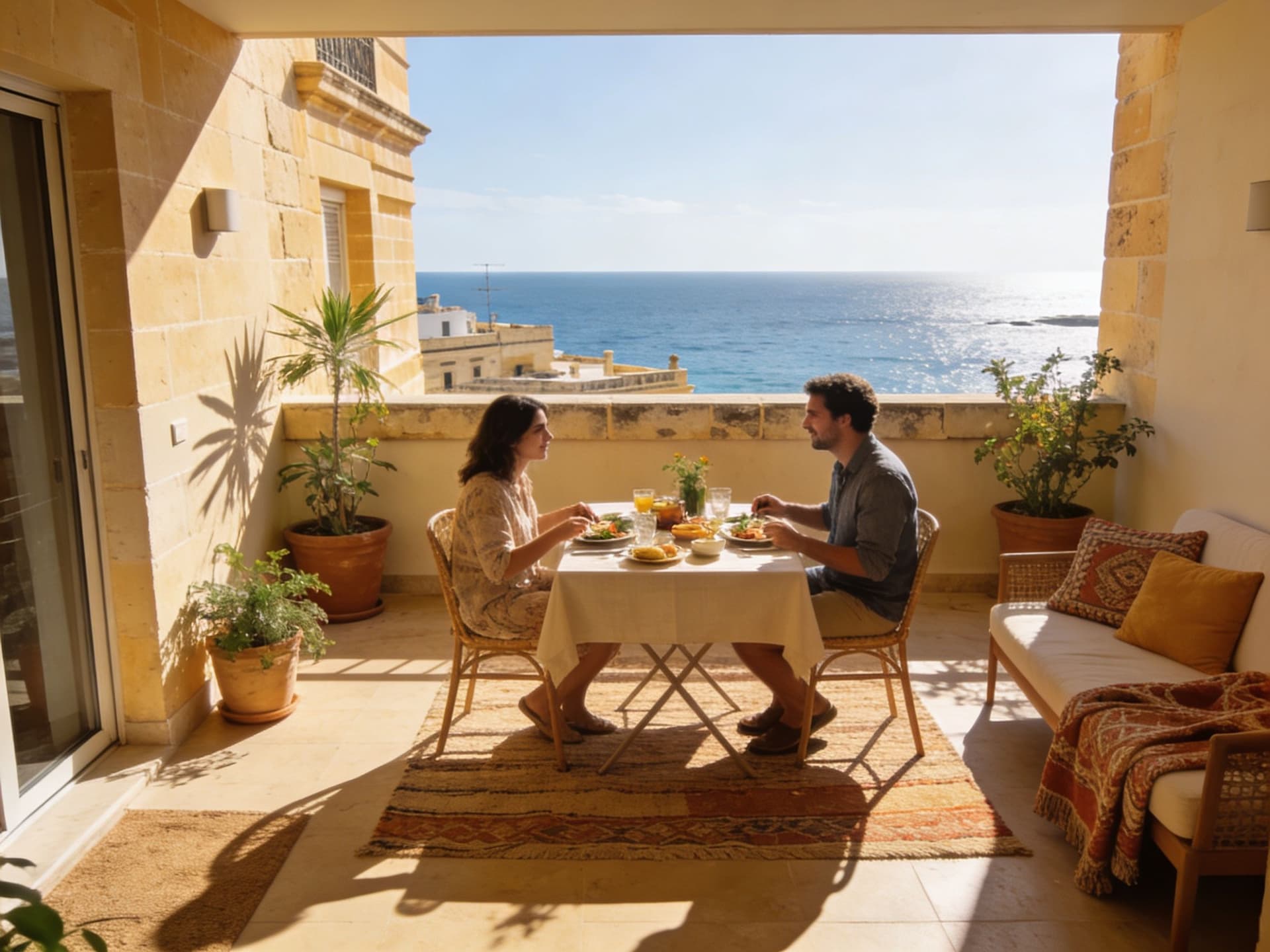
Days in Malta are organised around light: morning markets, long lunches, and evenings that move outdoors. Summers run long and dry, while winters are mild and compact, which means outdoor life — terraces, rooftop dinners and weekend swims — is possible for most of the year. That climate shapes how Maltese homes are built (thick limestone walls, shaded balconies) and how you’ll use a property: outdoor rooms often double living rooms during nine months of the year.
Valletta, Sliema and St Julian's: three different hearts
Walk Valletta at dawn and you’ll hear church bells mix with café grinders; the streets are a museum and a neighbourhood. Sliema is the island’s promenader—seafront cafés, renovated townhouses, and an expat social scene that favours convenience over solitude. St Julian’s (Paceville aside) is younger, denser and where rental demand concentrates during high season. These differences matter: Valletta attracts lifestyle buyers willing to accept lower rental yields, while areas like St Julian’s and northern coastal towns typically show stronger short-term rental demand and higher transactional activity. Understanding which heart matches your idea of daily life is the first decision you make about liquidity and use.
Food, markets and the weekend ritual
Picture Saturday at Marsaxlokk fish market: fishermen sorting the catch, neighbourhood trattorias preparing lampuki (fish), and small grocery shops restocking. Maltese cuisine bridges Sicilian, North African and British influences, and this hybrid shows in neighbourhoods from Rabat’s bakeries to Mellieħa’s seaside trattorias. For buyers, proximity to these rhythms influences daily cost of living and the lived experience — choose a flat above a market for authenticity, a street-facing apartment for bustle, or an upper-floor duplex for quiet and views.
- Lifestyle highlights to scout in person
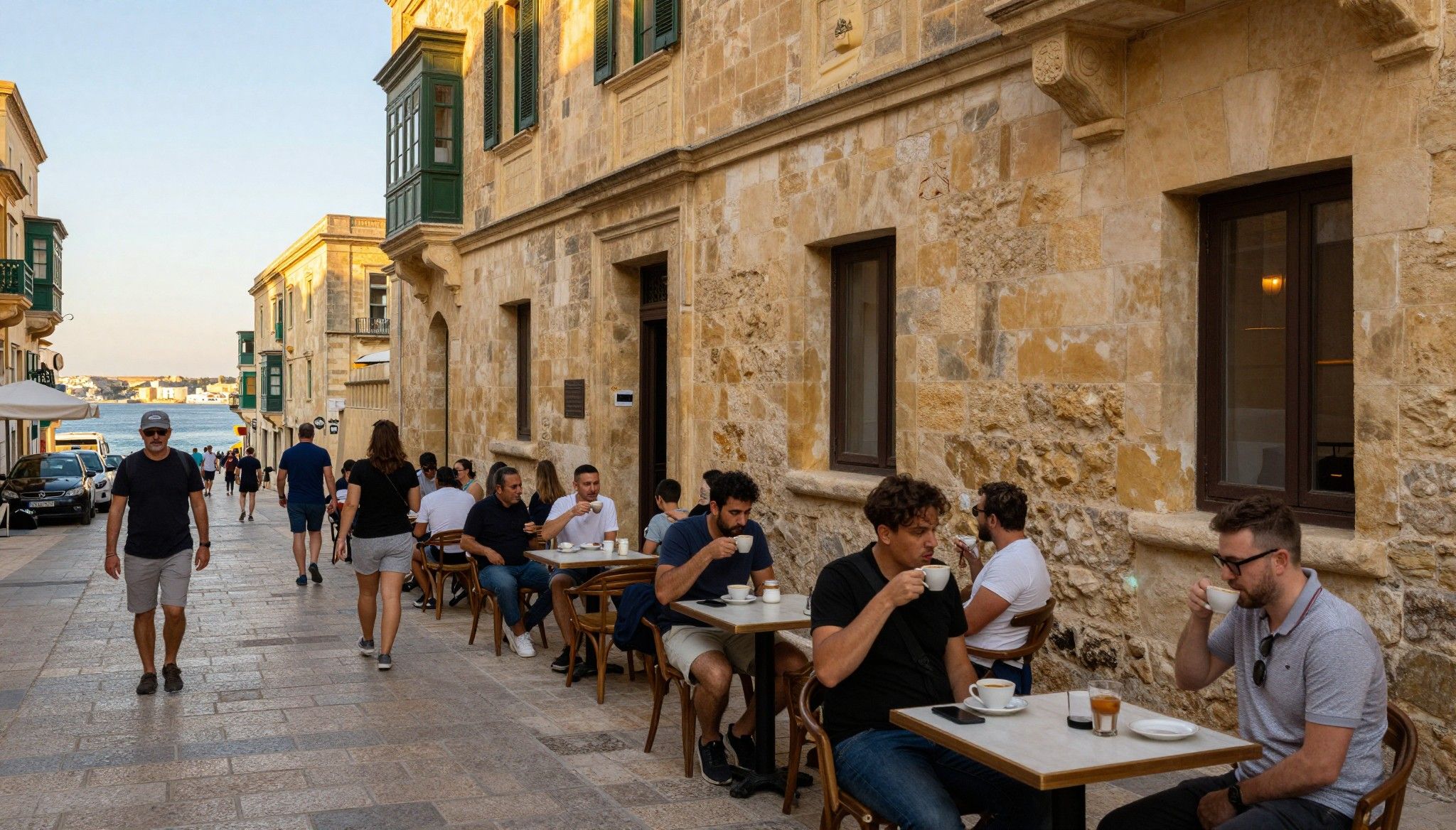
- Morning espresso on Sliema’s seafront promenade
- Sunday fish market at Marsaxlokk and waterfront dining
- Evening passeggiata through Valletta’s Merchants Street
- Coastal swims and cliffside strolls at Golden Bay and Għajn Tuffieħa
Making the move: practical considerations
Malta’s compactness sharpens practical trade-offs. Legal and residency frameworks have shifted in recent years — including rulings that ended former citizenship-for-investment schemes — so certainty and current legal advice matter more than headline promises. For buyers, that means planning around residence rules, clear title searches and realistic expectations on resale timing. Treat local regulation and planning policy as part of the neighbourhood — they determine what gets built beside you and how quickly you can exit.
Property types and how you'll actually live in them
Traditional townhouses in Mdina or Valletta offer high character — internal courtyards and vaulted ceilings — but they often need renovation and have age‑related maintenance issues. Modern apartments in Sliema and the northern suburbs provide elevator access, thermal glazing and balconies designed for year‑round outdoor use. For investors, small two‑bed apartments in demand tourist zones can show stronger short-term liquidity, but they also face regulatory scrutiny and seasonality. Match the property’s form to how you plan to use it: full-time living, seasonal escape, or short-rental investment.
How local experts turn lifestyle into listings
A good local agent is less a salesperson and more an interpreter of neighbourhood routines: they’ll tell you which streets fill with noise in summer, which blocks get planning permission for conversions, and where linen‑white façades hide chronic damp problems. Seek agents who show comparable, recent sales and who arrange neighbourhood walks rather than showroom visits. Ask to meet the property manager and a neighbour — real, local feedback beats glossy brochures.
- Steps to align lifestyle with purchase (practical + experiential)
- Stay a week in your preferred neighbourhood, using local cafés, buses and small shops to test daily routines.
- Commission a structural check and an island-specific damp/humidity inspection before exchange.
- Ask agents for a 12‑month cashflow scenario: running costs, likely seasonal rental income and maintenance.
- Confirm current residency/citizenship rules with a Maltese legal adviser — policy has changed recently and remains sensitive.
Insider knowledge: what expats wish they'd known
Expat stories often begin with the promise of weather and cafes and end at bureaucracy: council permits, utility hookups and seasonal traffic. Many newcomers underestimate humidity’s effect on interiors and the need for regular maintenance on limestone façades. Others misjudge social integration: English is widely spoken, but community ties form around long-term local routines, clubs and volunteering — getting involved speeds integration more than language classes alone.
Culture, language and daily neighbourliness
Maltese society mixes Mediterranean informality with a careful respect for ritual: church festas, local bars and family-run bodegas are social anchors. English and Maltese are both official languages, and English proficiency shortens practical friction in healthcare and utilities. But to feel at home, learn the local rhythms: shopkeepers’ hours, festa calendars and the informal rules for rubbish collection and recycling.
Looking forward, expect policy changes to keep evolving: citizenship and residency programs have been reformed and court decisions make future soft‑entry programs unlikely. Buyers who depend on fast-tracked residency should re-evaluate plans and treat residency as a separate, legal process rather than an embedded sales feature. Long-term lifestyle success in Malta follows planning around community, not shortcuts.
- Red flags local buyers watch out for
- Properties sold with ambiguous service-charge histories or unclear title limits on rooftop use
- Listings promising citizenship or residency as part of the sale — verify with a lawyer
- Over-optimistic rental income projections for peak summer months without year‑round demand evidence
A realistic read on returns: gross rental yields in Malta are generally moderate — often near 3–4% depending on area — so expect lifestyle value to drive many purchases more than pure yield. Buyers seeking liquidity should prioritise central neighbourhoods with year‑round demand and proven comparables rather than chasing short-season premiums. Where you stand on the yield‑vs‑lifestyle spectrum will determine your search criteria and financing needs.
Conclusion: marry the life you want with the market you’ll actually use. Begin with neighbourhood immersion — spend time in Valletta streets, Sliema cafés and the northern bays — then test a financial scenario that assumes conservative rental returns and explicit maintenance budgets. Work with an agent who insists on open sales histories and local references, a lawyer versed in Maltese conveyancing, and a property inspector who knows island‑specific issues like humidity and limestone repair. If Malta’s compactness and Mediterranean rhythm fit your life, you’ll find a home that rewards presence as much as price.
Swedish strategist who relocated to Marbella in 2018. Specializes in legal navigation and tax planning for Scandinavian buyers.