When France’s Lifestyle Trumps the 'Pricey' Myth
France’s coast-to-country variety rewards buyers who prioritise lived experience: sample neighbourhoods, vet seasonality and use local experts to match lifestyle with stable value.
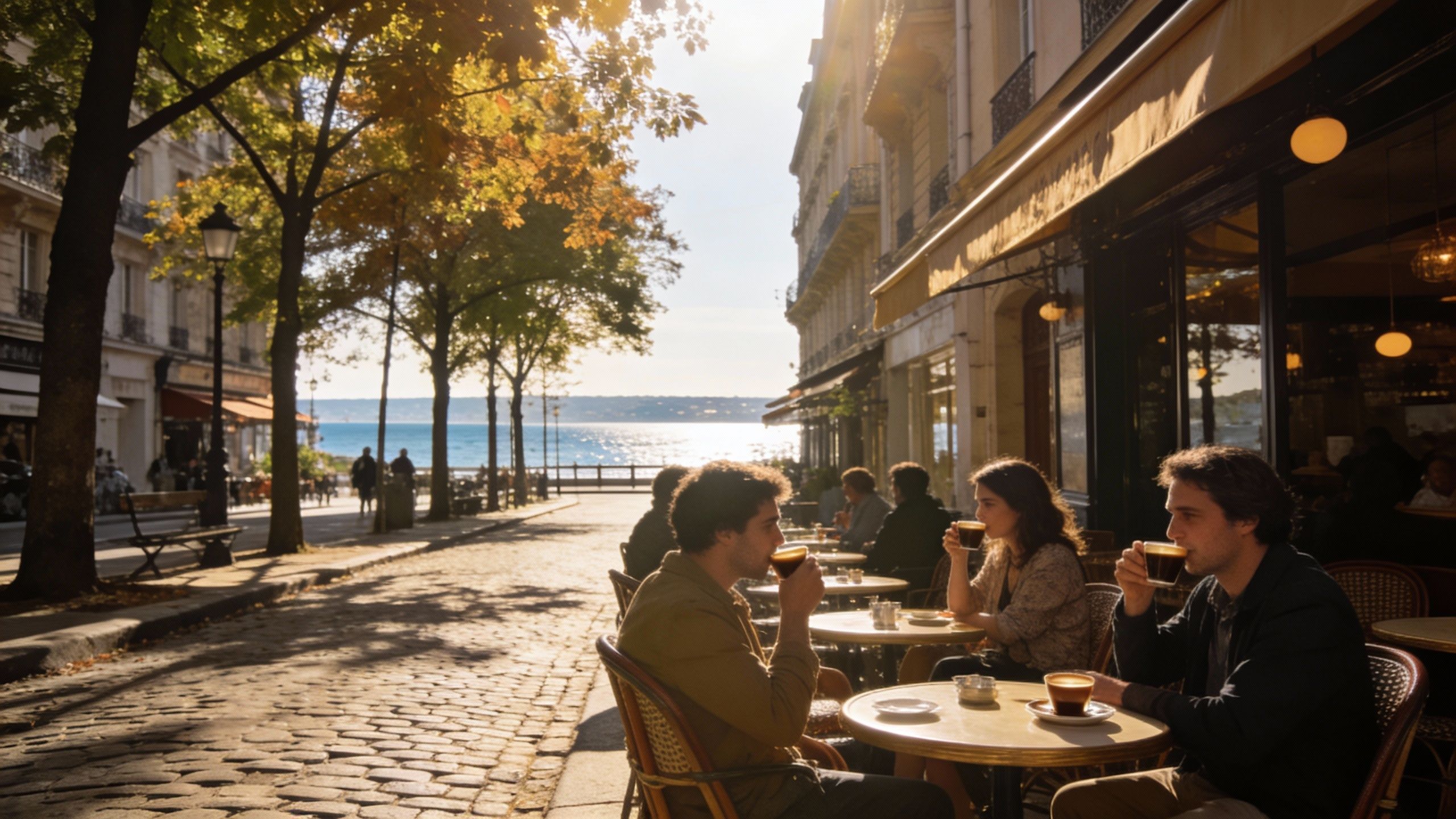
Imagine sipping a café allongé on Rue Cler, then driving 90 minutes to a sea-scented terrace on the Côte d'Azur. France folds urban culture, regional food rituals and a coastline of distinct personalities into a single weekend itinerary. For international buyers, that variety is the purchase driver — but it also means one decision in Paris is not the same as one in Provence or on the Riviera. Recent data shows the market is stabilising after a dip; knowing where lifestyle and liquidity meet is what makes a smart buy.
Living the French life — neighbourhoods that feel like home
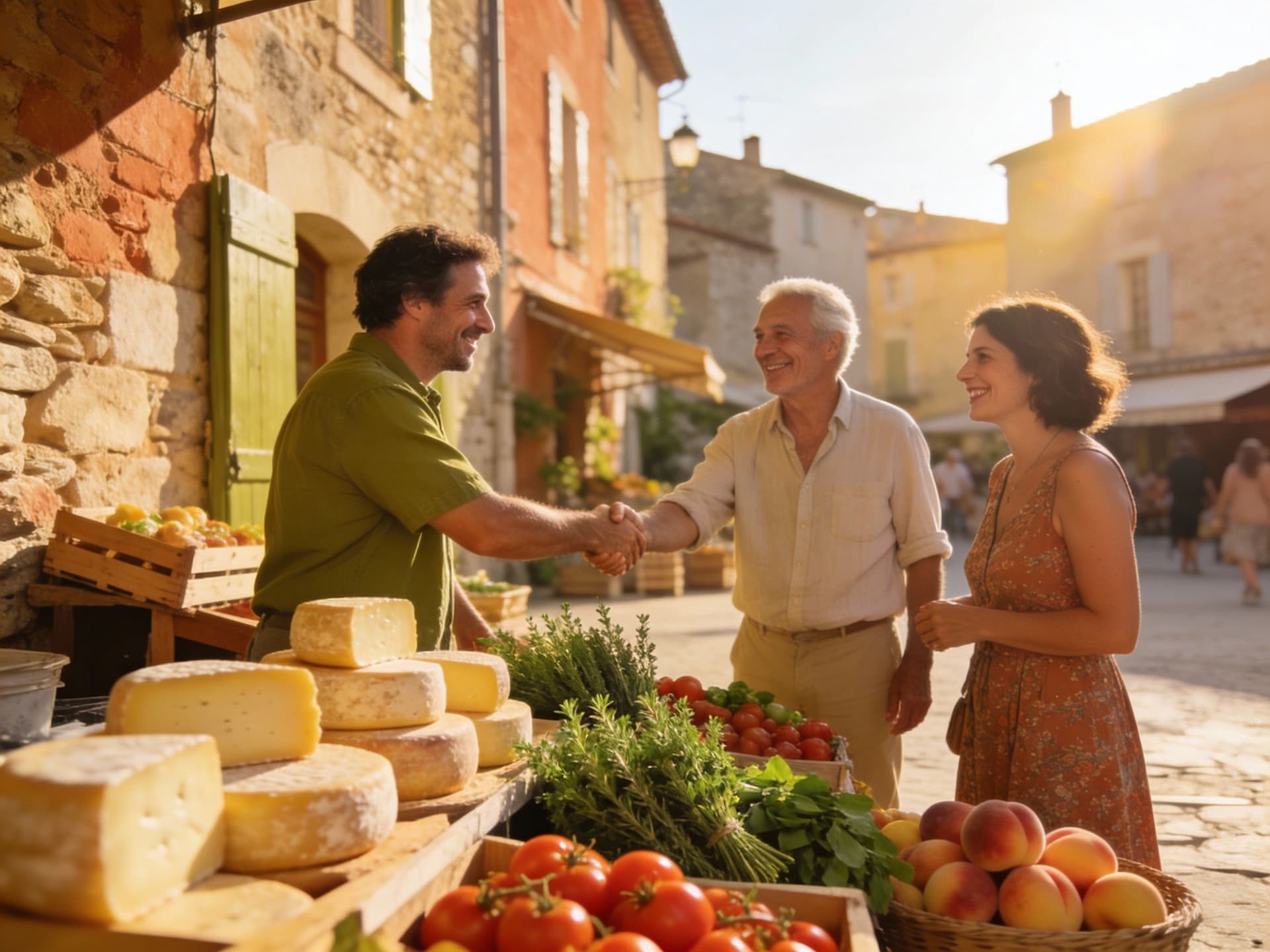
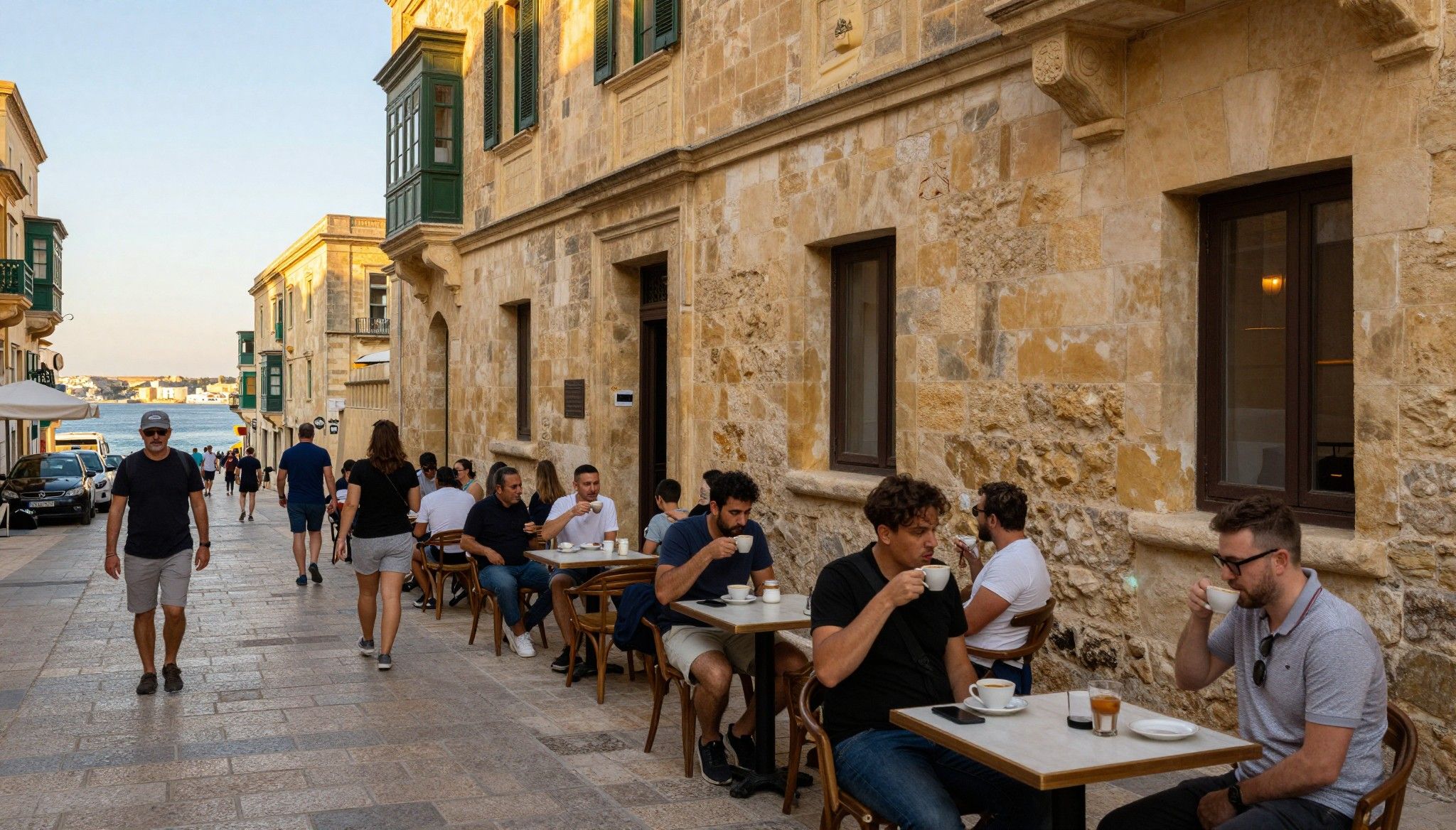
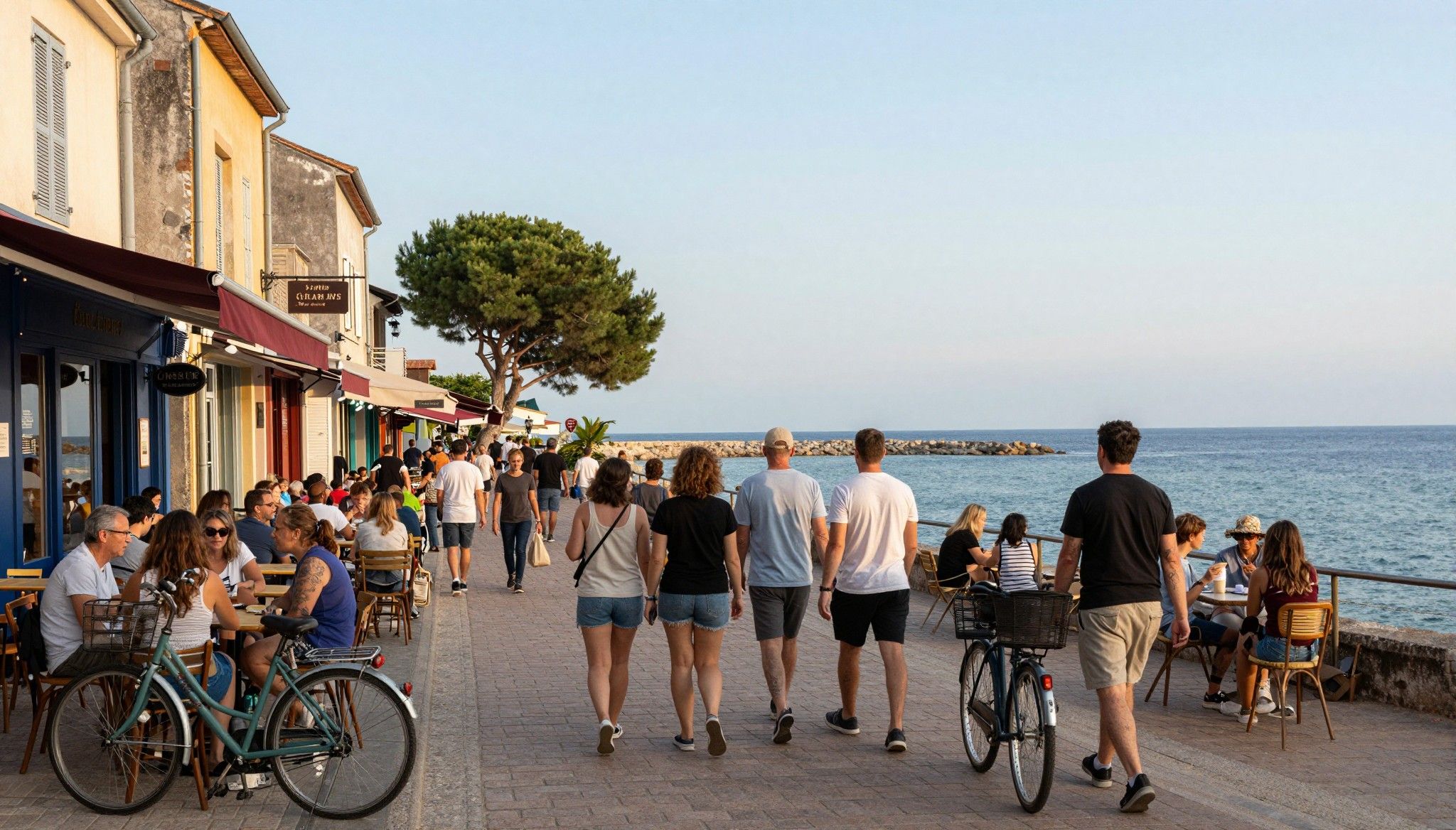
France is not a single lifestyle; it is dozens stitched together by markets, cafés and seasonal rituals. In Paris, mornings start with bakeries and short metro rides; on the Atlantic coast surfers time their coffee to the tides; inland Provence moves at market-time. Domestic buyers — notably Parisians — still dominate second‑home ownership, which shapes neighbourhood character and rental dynamics in hotspots. That domestic anchor is reassuring for international buyers seeking steadier demand beyond peak tourist weeks.
Riviera nuances: coastal glamour and inland calm
The Côte d'Azur reads like a collection of micro-markets: Antibes' ramparts and jazz nights, Cannes' festival calendar, and the quieter hill towns of Valbonne and Mougins where gardens and larger plots are more common. Savills notes persistent demand, limited supply and a global buyer pool that keeps prime coastal properties resilient. If you want sea-and-salon living, expect to trade compact urban convenience for views and outdoor space as you move east to west along the Riviera.
Paris, Loire, Normandy: city heat and country breathing space
Paris remains uniquely expensive and culturally dense; arrondissements vary wildly in tempo and price. The Loire Valley and Normandy offer large houses, riverlife and calmer rental markets driven by domestic tourism. Recent reporting shows transactions and prices are recovering nationally, but regional variation is pronounced — what looks affordable in one region may be rare or unsuited to your intended lifestyle in another.
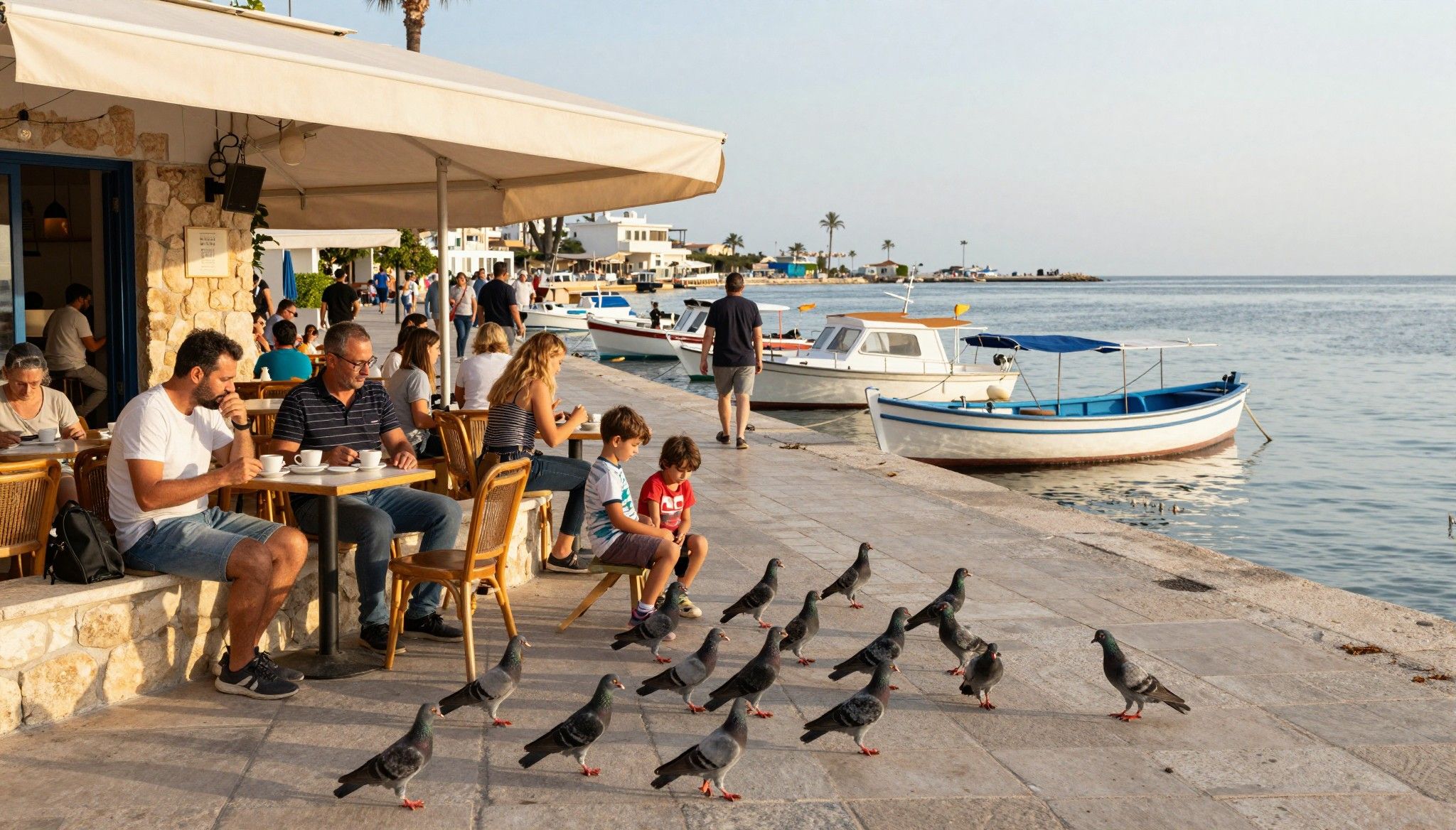
Lifestyle highlights to sample across France: • Morning markets: Rue Mouffetard (Paris) or Cours Saleya (Nice). • Beach rituals: Plage de la Garoupe (Antibes) and Plage de la Gravette (Antibes Old Town). • Food scenes: bouchons in Lyon, seafood stalls in Le Havre, Provençal markets in Aix‑en‑Provence. • Hill-town calm: Saint‑Paul‑de‑Vence and Mougins, good for larger plots and artist communities. • Outdoor culture: surf at Hossegor, hiking in the Alpilles, cycling Loire Valley routes.
Making the move: practical considerations that preserve lifestyle
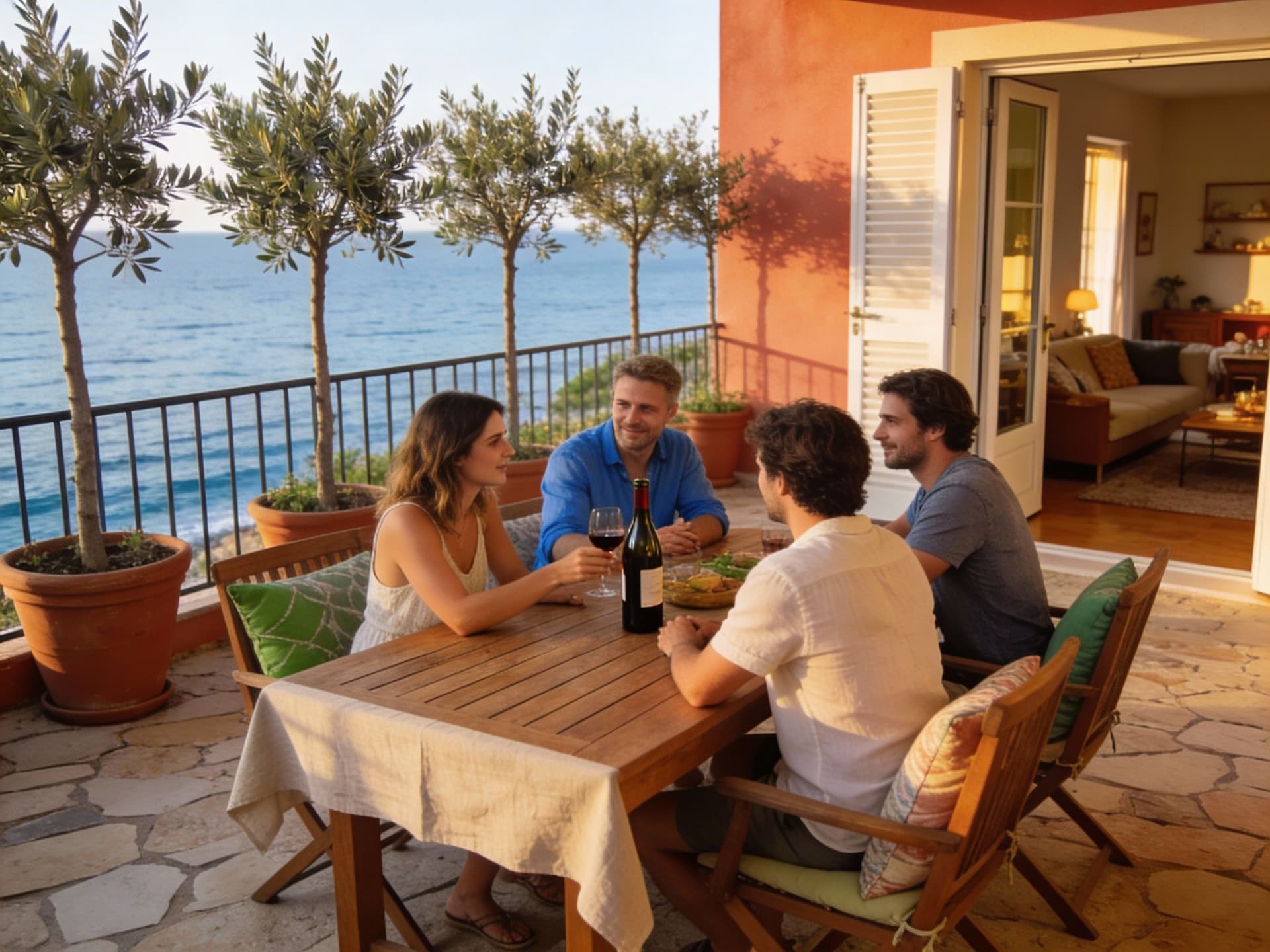
Dreams meet contracts when you decide on timing, type of property and location. INSEE data shows house prices in metropolitan France returned to modest growth in Q1 2025, signalling a market recovering from earlier softness. That national recovery masks regional differences and means negotiation power still exists in many towns — an advantage for buyers who research local rhythms rather than following headline prices.
Property styles and what they mean for daily life
A Parisian pied‑à‑terre trades private outdoor space for culture on the doorstep; a Provençal mas gives you olive trees, light and renovation work; a Riviera apartment offers rental potential but often limited outdoor footprint. Choose by asking: will you live year‑round, seasonally, or rent? That use case shapes acceptable maintenance budgets, tax exposure and renovation appetite more than any single market metric.
Working with local experts who protect both lifestyle and value
1. Start with a local notaire and an agency experienced in cross‑border sales to clarify purchase steps and timeline. 2. Ask agencies for recent comparable transactions, local rental demand data and planned developments that affect supply. 3. Visit in different seasons — a summer preview of the Riviera hides winter quiet and inland demand patterns. 4. Factor in renovation timelines: older rural properties often need structural work; get local contractor quotes before bidding.
Insider knowledge: what expats wish they'd known before buying
Expats often tell the same story: they fell for sunlit images, then learned that seasonality, local networks and small‑print regulations mattered more than the photo. The inland hill towns of the Riviera, for instance, can offer more space and negotiation room than the immediate seafront, without sacrificing access to beaches and culture. That trade‑off is why a lived-in visit and conversations with neighbours are indispensable.
Cultural integration and everyday logistics
Learning basic French opens doors beyond bureaucracy — it changes where you shop, who you meet and how quickly you are accepted into community rituals. Local social life revolves around markets, school runs and village fêtes; active participation accelerates belonging. Practical matters like garbage collection days, syndic rules for apartments and parking norms differ by commune, so local advice saves time and money.
Long‑term lifestyle and property factors to watch: • Infrastructure: rail and regional airports determine how often you can visit from abroad. • Rental seasonality: coastal holiday lets spike in summer; inland areas have steadier off‑season demand. • Maintenance: older stone houses need moisture checks and roof inspections. • Community: look for active municipal programming — it signals long‑term livability. • Planning: local PLU (land use plans) can limit extensions or pool installations.
If France feels inevitable after reading this, start small and intentional: choose one neighbourhood, spend a month there, and gather three offers on any property you like. Use local experts — an English‑speaking notaire, a seller-side agency familiar with international transactions, and a contractor who can cost renovation realistically. That combination preserves both the lifestyle you came for and the value you hope to protect.
Conclusion: France rewards buyers who pair curiosity with local knowledge. From café mornings in Paris to beachside evenings on the Riviera, the country offers layered lives more than single answers. Fall in love with a place first, then let measured research and trusted local partners turn that love into a confident purchase.
Dutch investment strategist with a Portugal-Spain portfolio. Expert in cross-border financing, rights, and streamlined due diligence for international buyers.