When Croatia's Summer Hype Costs You — A Seasonal Playbook
Croatia’s summer charm can inflate prices and urgency. Use off‑season data, 12‑month rental models and local experts to avoid paying the seasonal premium.
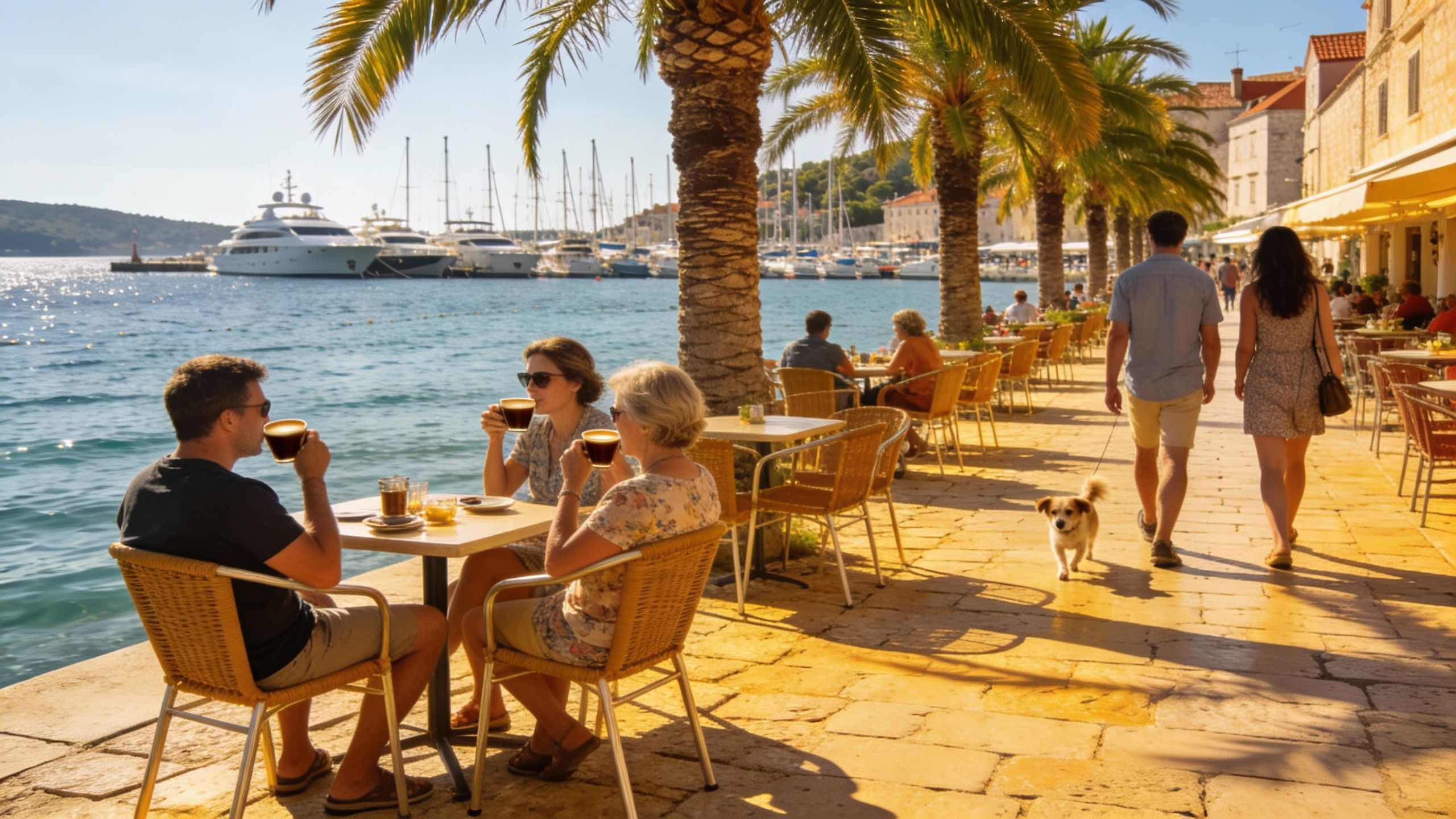
Imagine walking from a café on Split’s Marmontova into a lunchtime market where fishermen haggle over yesterday’s catch, then across a narrow street to an apartment you could own. Croatia’s summer feels cinematic: sunlit promenades, terraces full of laughter and yachts slipping into marinas. That same scenery is what turns casual interest into costly impulse buys during peak season.
Living the Croatian rhythm
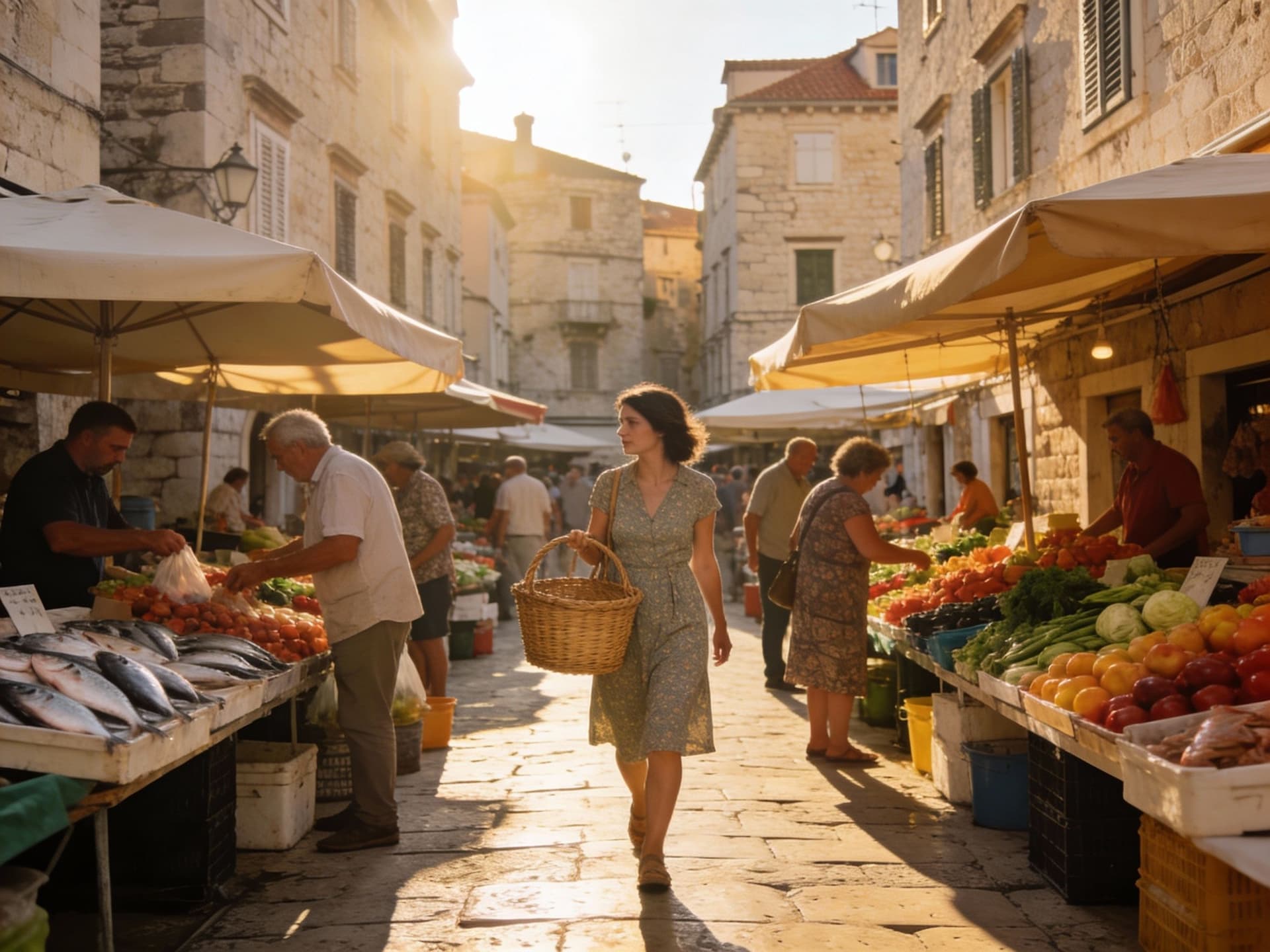
Daily life in Croatia shifts with the coastline and the calendar. Mornings bring slow espresso rituals in Rijeka’s Korzo or Dubrovnik’s Gundulićeva poljana; afternoons belong to beaches from Bacvice to Zlatni Rat; evenings are olive-oil rich and social, with family meals stretching into the night. For buyers, the sensory appeal is real — but so are seasonal distortions in supply, demand and price visibility.
Neighborhoods that promise different lives
Pick a base and you pick a tempo. Zagreb’s Donji Grad offers museum cafés and year-round services; Split’s Veli Varoš gives stone alleys and close-to-sea mornings; coastal Istria (Rovinj, Poreč) blends slow culinary life with inland truffle runs. Each area’s rhythm affects what property types work: historic townhouses suit lovers of stone and steps; new-builds on the Istrian plateau suit families wanting space and land.
Food, markets and seasonal life that shape value
Picture saturday at Dolac market in Zagreb or Pula’s fish stalls: these places pulse with local demand and predict short‑term rental desirability. Croatia recorded 20.2 million tourist arrivals and 93.7 million nights in 2024, concentrating activity on the Adriatic and amplifying peak‑season price signals. That same tourist gravity makes summer viewings feel urgent — and expensive. ([podaci.dzs.hr](https://podaci.dzs.hr/2024/en/76896?utm_source=openai))
- Lifestyle highlights to weigh before you buy
- Morning espresso and mercado rituals: Dolac (Zagreb), Pazar (Zadar).
- Salt‑air promenades: Riva in Split, Stradun in Dubrovnik.
- Hidden islands for weekend escapes: Šolta, Vis, Lastovo.
- Local kitchens and markets: Dolac (Zagreb), Pula market (Istria), Trogir fish market.
Making the move: practical considerations
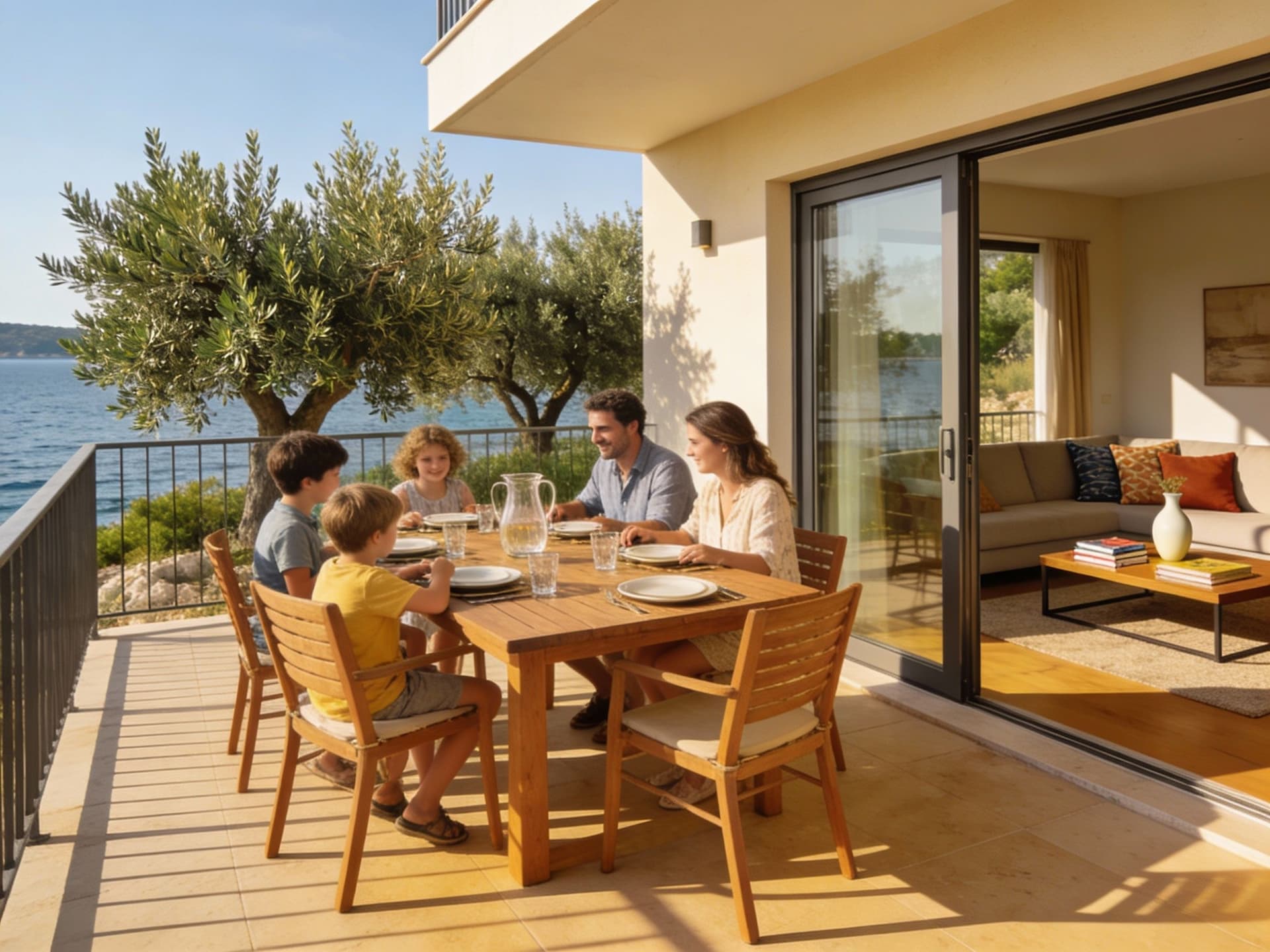
Romance tends to meet paperwork fast in Croatia’s high season. Agents, sellers and competing holiday renters are more active between May and September — which drives faster listings, shorter negotiation windows and inflated open‑house perceptions. Read the market rhythm before you make an offer: seasonal demand drives real price peaks, but off‑season data shows steadier, more negotiable pricing and clearer inspection opportunities.
Property styles and how you’ll really use them
Stone Adriatic homes have thermal mass and cool interiors for summer; their narrow staircases and small courtyards suit weekenders and boutique short‑lets but can be inconvenient for daily family life. New coastal developments offer elevators, parking and modern insulation — better for year‑round living. Decide first: will this be a seasonal bolt‑on investment or a year‑round home? The answer changes where to look and how to budget.
Work with local experts who know seasonal distortions
A good local agent gives you three things: accurate off‑season comparables, local service provider contacts (builders, property managers) and a realistic income scenario for rentals outside July–August. Agencies that track DZS statistics and municipal zoning changes will prevent seasonal hype from dictating your purchase choices.
- Checklist blending lifestyle and practical steps
- Visit the neighborhood both in high season and low season before bidding.
- Ask for rental performance across 12 months, not just July–August.
- Get an independent technical inspection focused on humidity and seawater corrosion.
- Confirm utility winterisation (heating, insulation) if you plan year‑round living.
Insider knowledge: what expats wish they'd known
Real estate in Croatia has been rising steadily: house price indices show double‑digit annual growth in many recent quarters, with the Adriatic rising alongside interest from foreign buyers. When we combine tourist seasonality with rising national prices, it explains why summer viewings can feel like a bidding war — it’s a confluence of tourists, investors and limited coastal supply. ([theglobaleconomy.com](https://www.theglobaleconomy.com/Croatia/house_price_index/?utm_source=openai))
Cultural and daily‑life realities
Expats often underestimate how tourism reshapes local housing: high short‑term rental demand can squeeze long‑term stock and raise prices in island and coastal towns. Local millennial housing pressure also signals limited workforce housing — an important consideration if you plan to renovate and staff a rental. These social currents affect community feel and long‑term neighbourhood stability. ([ft.com](https://www.ft.com/content/33db91bf-e428-4619-a84b-1adb090d832f?utm_source=openai))
Long‑term scenarios to model
Model three scenarios before you buy: conservative (steady occupancy off‑season), tourist‑heavy (high summer revenue, low winter use), and residency (year‑round life, higher operating costs). Use 12‑month occupancy and local utility costs in each model — short‑term summer yields look attractive but hide volatility and maintenance spikes.
- Red flags local buyers watch for
- Listings that show only July/August revenue — ask for full year accounts.
- Properties with no winterisation details (heating, insulation, plumbing).
- Neighbourhoods where short‑term lets dominate streets and services shrink off‑season.
Conclusion: love the light, but measure the season
Croatia’s coast sells a promise — sun, sea and a slower pace — and it delivers. But the smartest buyers separate the seasonal sensory from the structural facts: off‑season visits, 12‑month financials, and local‑expert guidance stop summer hype turning into regret. If the life here calls to you, plan for the year behind the postcard and use local data to make offers that reflect lasting value, not seasonal excitement.
Dutch investment strategist with a Portugal-Spain portfolio. Expert in cross-border financing, rights, and streamlined due diligence for international buyers.