The Street Locals Avoid — Where Italy’s Value Hides
Look beyond Italy’s postcard streets: neighbourhoods dismissed as ‘touristy’ often house the best year‑round lifestyle and value—visit off‑season, check municipal plans, and use local data.
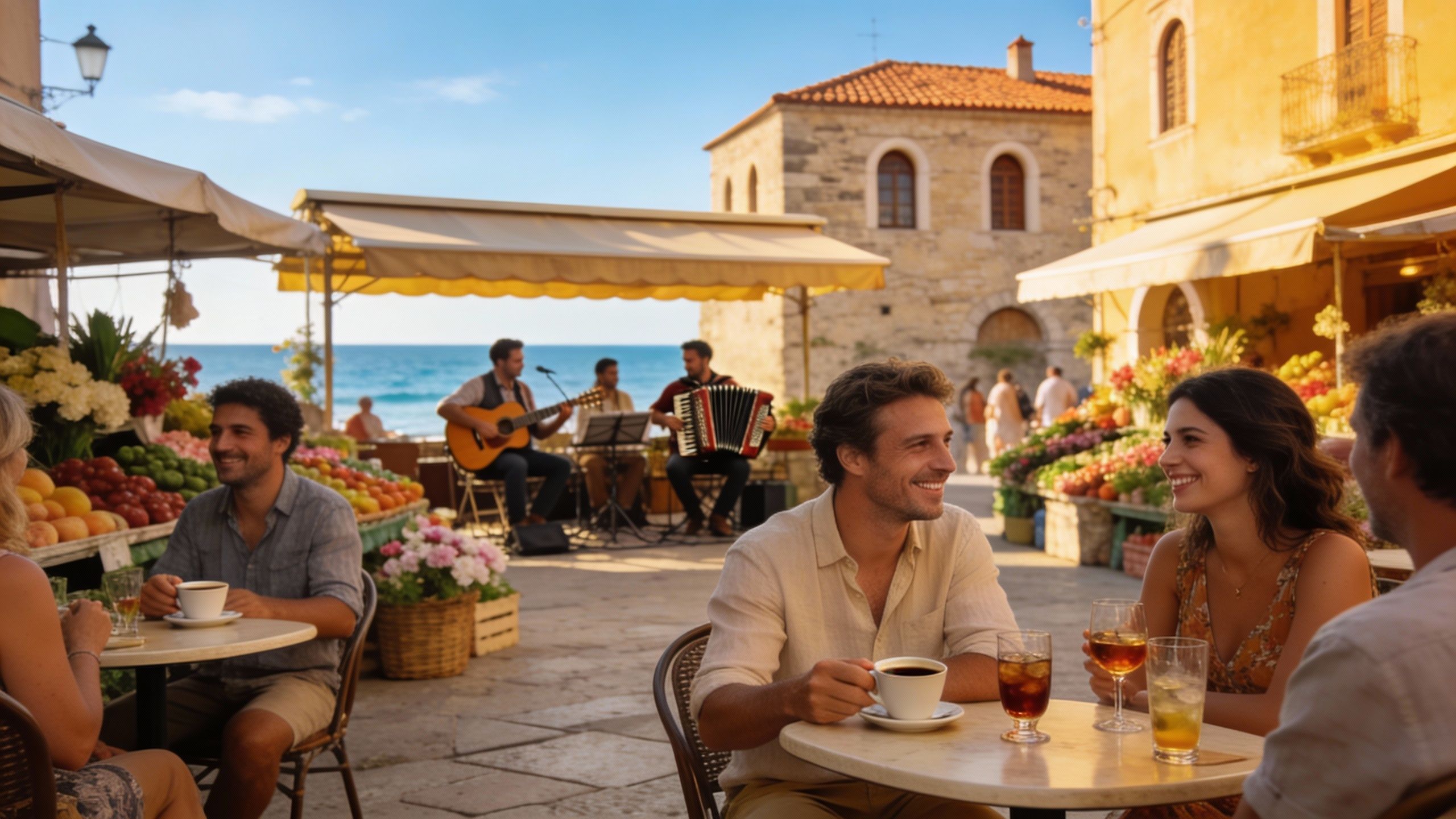
Imagine opening your window to the clatter of a morning market, the neighbor with the Vespa who knows every cafe owner, and a piazza that hums with contented small‑town life — yet this street is dismissed by buyers as “too touristy.” In Italy, the places most people avoid often hide the best combination of lifestyle and value, and smart buyers see what others miss. Savills data shows steady prime demand in cities and second‑home markets, but supply and local rhythms shape where value actually sits. ([savills.it](https://www.savills.it/research_articles/259274/372002-0?utm_source=openai))
Living the Italy life — not the postcard
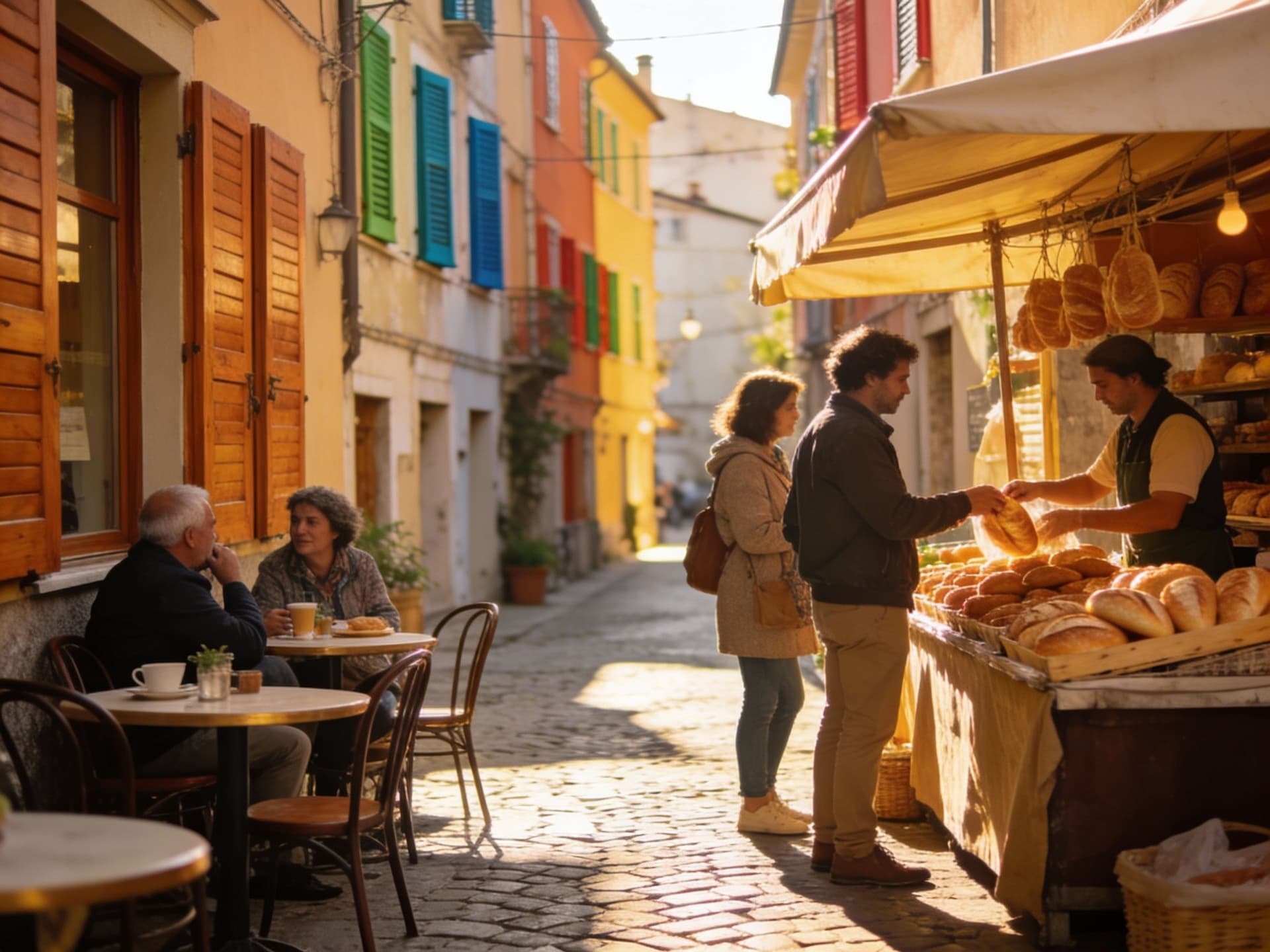
Italy is not a single mood: it’s a chorus of morning espressos, late aperitivi, coastal slow time and fiercely lived urban culture. Small piazzas, neighborhood bakeries and weekly markets form the rhythm of daily life; demographic shifts and growing foreign‑born households are quietly reshaping demand in towns and cities. For buyers this means lifestyle choices — proximity to market, a tree‑lined street, a sunny balcony — matter as much as headline price per square metre. ([istat.it](https://www.istat.it/en/press-release/demographic-indicators-year-2024/?utm_source=openai))
When the ‘tourist’ street feels alive — a neighborhood portrait
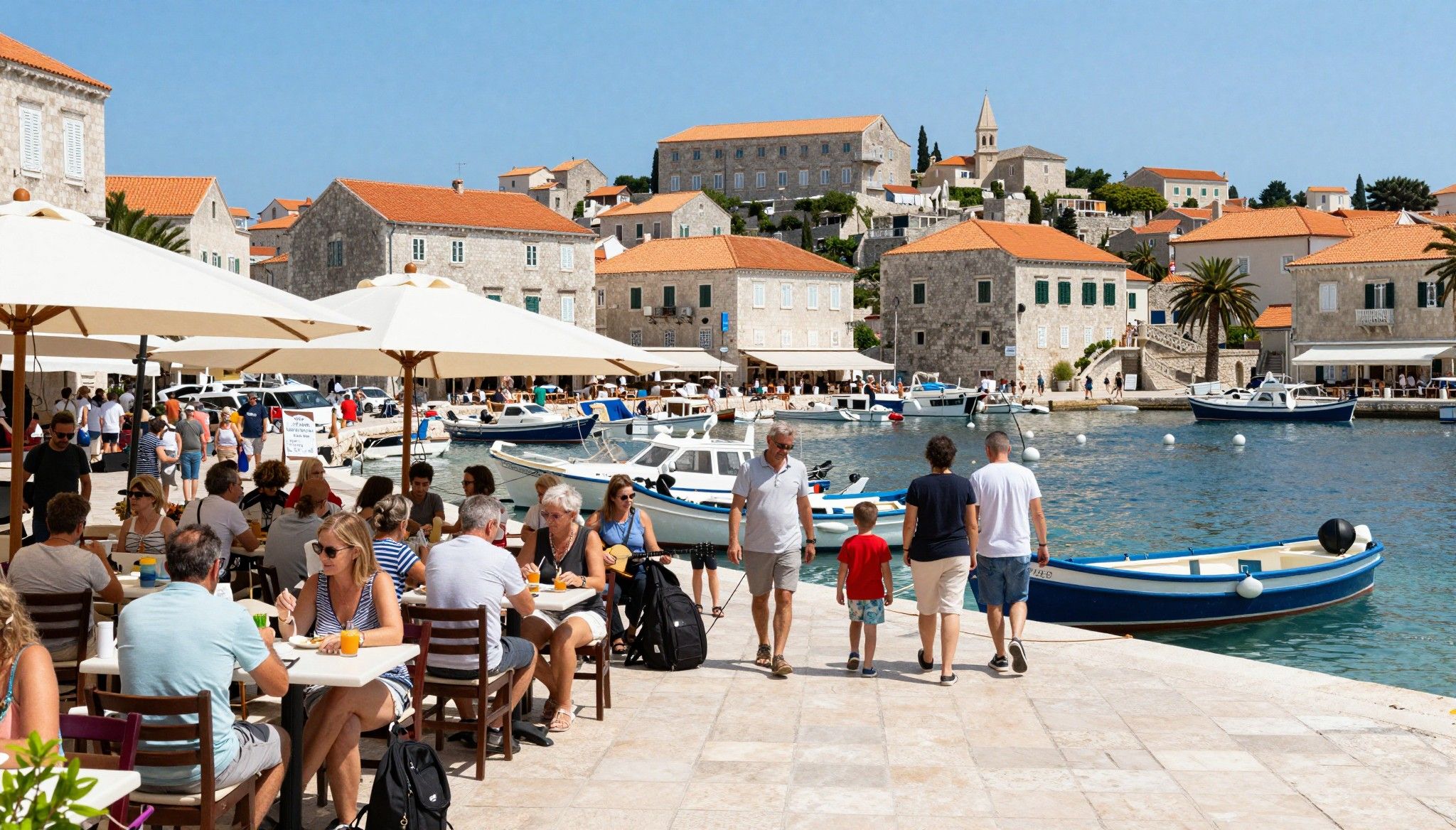
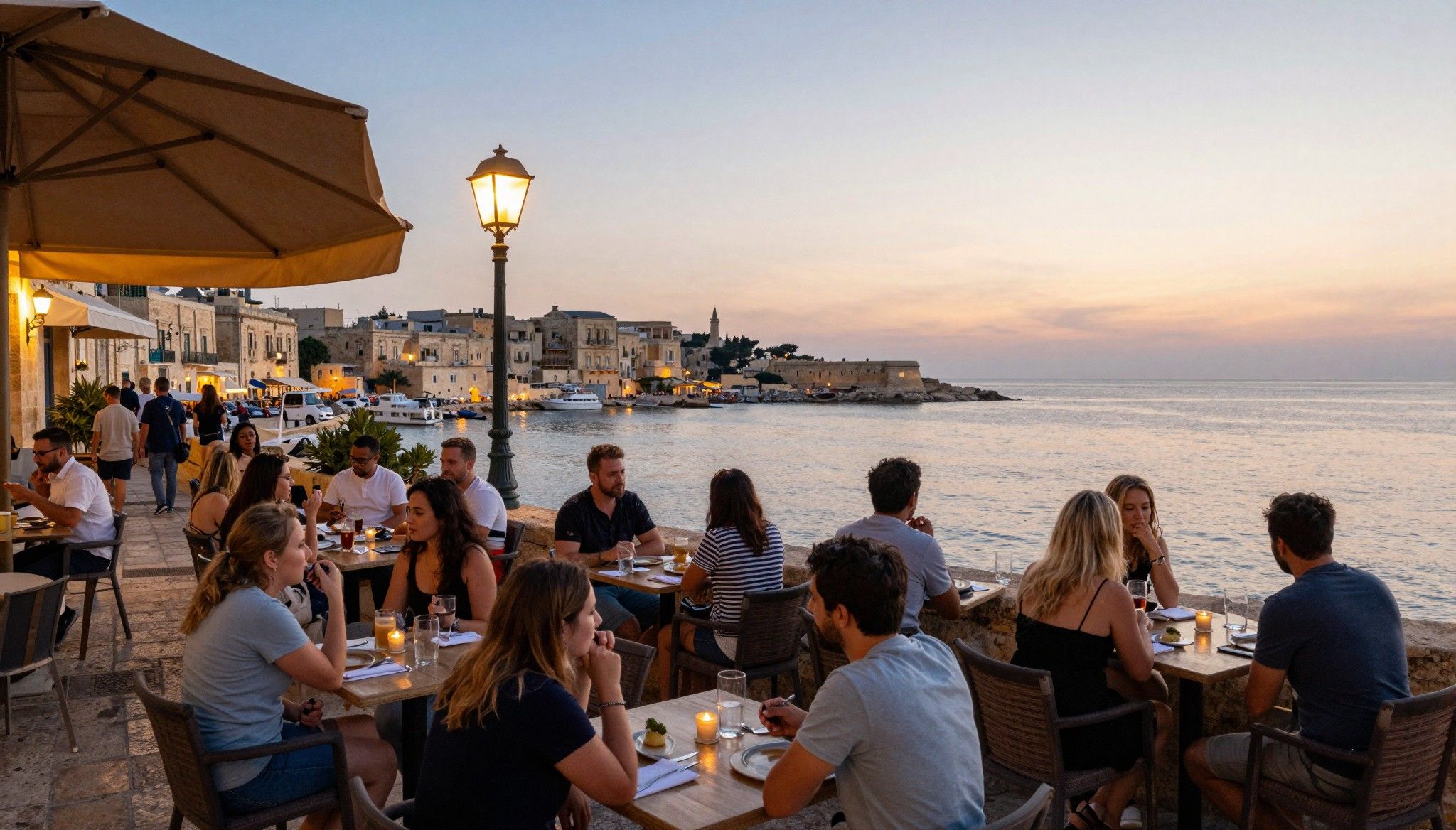
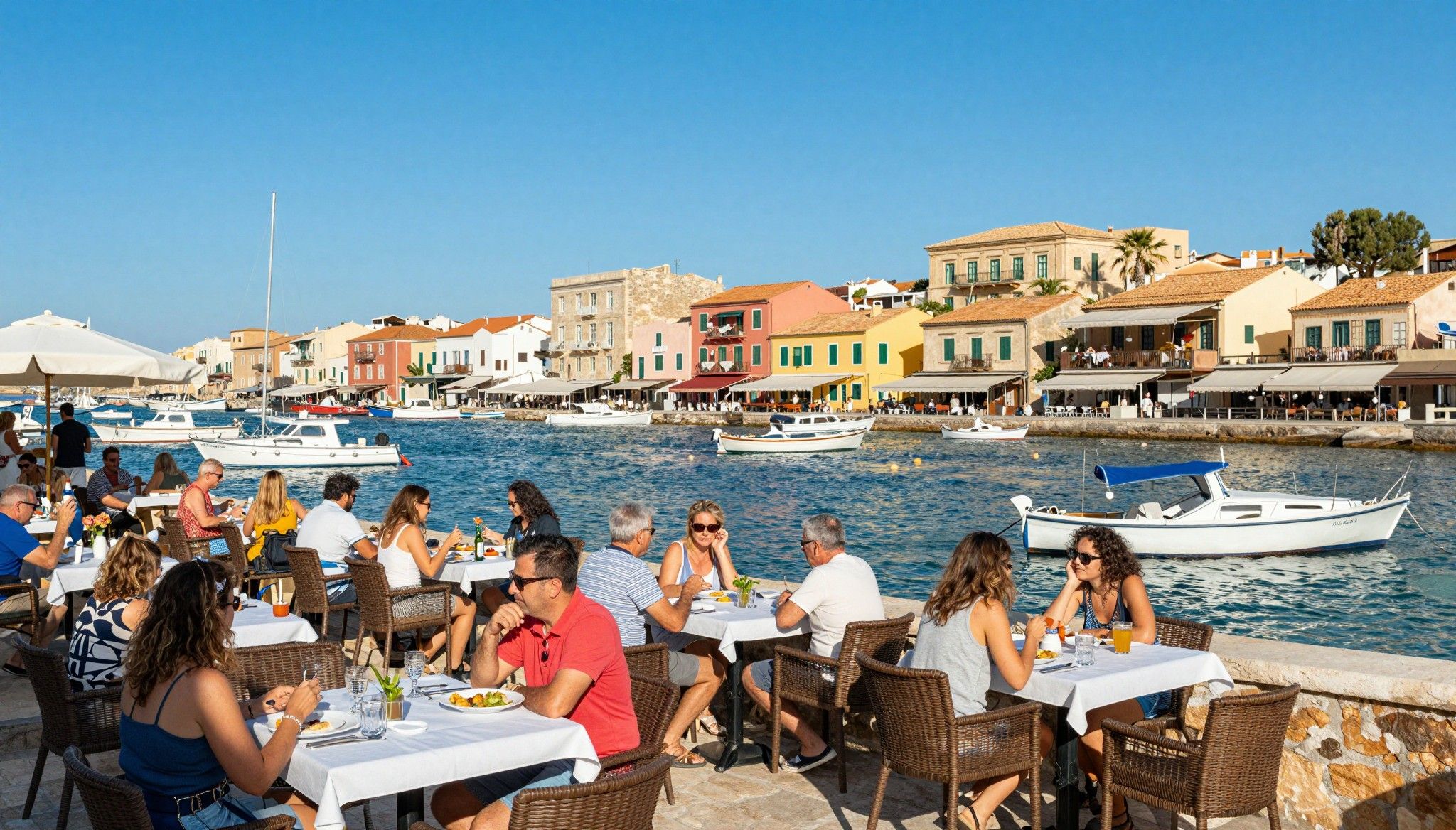
Take a narrow lane in a central neighborhood — think Rome’s Trastevere fringe, Naples’ Spanish Quarters edge, or a small square in Venice away from the Grand Canal. In the morning vendors set out vegetables and fresh bread; by noon families linger over long lunches; in the evening lights and chatter replace crowds of day‑trippers. Locals complain about peak‑season bustle, but outside of July and August that same lane delivers authentic daily life and rental demand for longer stays.
Food, markets and micro‑moments that define where you live
Picture buying where the fishmonger knows your name and the bakery saves the last sfogliatella for you. The best streets for lifestyle give you quick access to a weekly mercato, an evening aperitivo spot, and one serious trattoria. Those micro‑advantages translate to sustained rental interest from long‑stay visitors and appeal to expats who want a lived‑in neighbourhood rather than a curated postcard. Savills reports show second‑home and lifestyle areas recorded strong rental growth compared with broader city prime values. ([savills.com](https://www.savills.com/insight-and-opinion/savills-news/357541/italy-s-prime-reside?utm_source=openai))
- Morning market and food: Campo de' Fiori (Rome), Mercato di San Lorenzo (Florence), Mercato Orientale (Genoa)
- Cafes and bars: a corner espresso bar that doubles as a social hub
- Hidden squares: small, traffic‑calm piazzette with evening life
Making the move: practical rules for buying ‘avoided’ streets
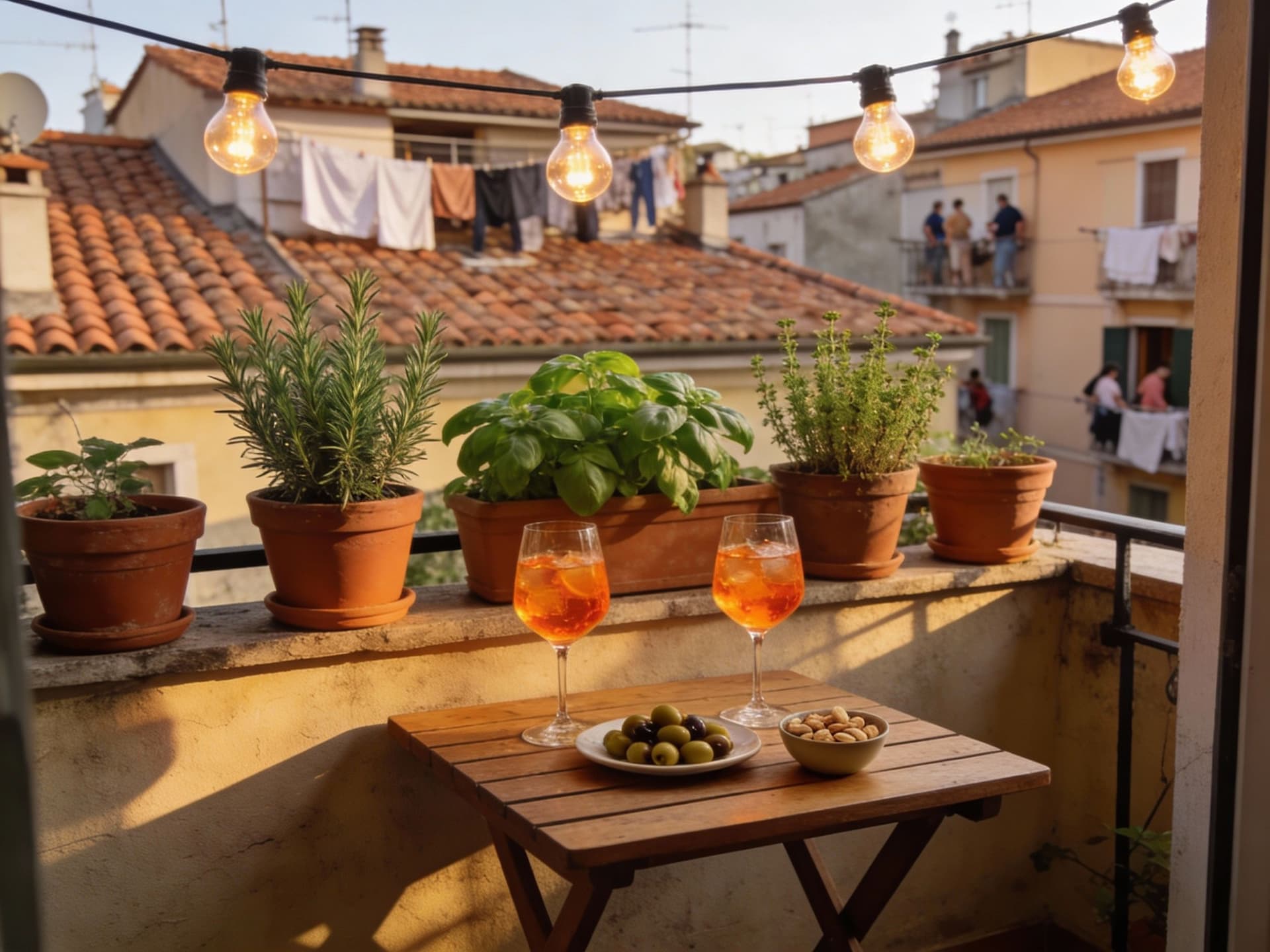
Turning a vibrant but maligned street into a good buy is about timing, due diligence and local knowledge. Prime price tags tell one story; supply dynamics and seasonal footfall tell another. Use data from market reports and local registers to separate temporary crowding from structural issues such as noise‑zoning, access problems or tourist‑only retail that weakens year‑round demand. Savills’ research highlights how second‑home and lifestyle locations can outperform when supply is restricted and rental demand rises. ([savills.com](https://www.savills.com/insight-and-opinion/savills-news/357541/italy-s-prime-reside?utm_source=openai))
Property types and what they mean for daily life
A 19th‑century flat with high ceilings offers light and cross‑ventilation — perfect for family life and long stays; a compact canal‑adjacent apartment may be ideal for a couple seeking instant atmosphere but expect higher maintenance and stricter building rules. Consider access to storage, laundry, and a private outdoor space: terraces and small gardens are rare and premium in Italian towns, and they often define long‑term satisfaction more than the view.
Work with local experts who read life, not just listings
- Set clear lifestyle priorities (quiet after 10pm, market on Saturday, twenty‑minute walk to school). Ask agents for neighbourhood‑level rental data and multi‑season occupancy estimates. Commission a local surveyor familiar with historical buildings and seismic rules. Check municipal plans for pedestrianisation, short‑stay regulation, or redevelopment that can change value.
Insider knowledge — what expats wish they’d known
Expat life in Italy is social and sensory: language opens doors, but everyday life is made by shared rituals — café greetings, market bargaining, and knowing which stores close for riposo. ISTAT shows the foreign‑born population has increased in recent years, which means expat communities are expanding beyond the obvious enclaves. That growth supports services and schools that make long‑term living easier. Plan for cultural integration: regular local engagement accelerates belonging and affects where you choose to live. ([istat.it](https://www.istat.it/en/tag/foreigners/?utm_source=openai))
Seasonal reality: when the street flips identity
Many streets behave differently in high season. A lane clogged with day‑tourists in July can be calm and community‑oriented in October. Use multi‑season visits or ask for anonymised booking calendars from local property managers to understand occupancy cycles. Buying when you’ve seen the street in low season prevents paying for an illusion and reveals genuine year‑round demand.
Long‑term life: how neighbourhoods evolve
Look for municipal investments — pedestrianisation, market refurbishment, transport links — these projects often precede value uplift. Conversely, a street that is commercially saturated with short‑stay tourist shops may signal longer‑term fragility. A good local agent will flag planned changes and offer comparables that reflect future, not just past, market realities.
- Red flags to watch on ‘tourist’ streets: predominance of souvenir shops, lack of daily services, transient retail leases, and poor access for deliveries or residents.
- Positive signs: a year‑round market, local schools, a cooperative cafe, recent façade restorations, and a balanced mix of residents and hospitality businesses.
- Visit the street at three different times (weekday morning, Saturday afternoon, late evening). Speak privately with residents and shop owners, not only agents. Request building minutes and condominium meeting notes to uncover recurring issues. Get rental projections from two managers (long‑stay and short‑stay) to compare realistic yields.
Conclusion: buy the life you want, not the postcard. The lane locals grumble about in August may be the place where you find year‑round life, better value, and the social fabric you crave. Combine sensory scouting with data (market reports, ISTAT demographics, local comparables) and you’ll uncover streets that surprise: lively yet liveable, atmospheric yet affordable. When you’re ready, work with a locally rooted agent who understands seasonal rhythms and municipal plans — they turn a charming street into a considered purchase. ([savills.it](https://www.savills.it/research_articles/259274/372002-0?utm_source=openai))
British investor turned advisor after buying in Costa del Sol since 2012. Specializes in cross-border compliance and data-driven investment strategies for UK buyers.