Greece: Where the Daily Life You Love Meets Real Liquidity
Greece blends island romance with urban liquidity; choose neighbourhoods where daily life, transport and recent rental rules support both living well and resale value.
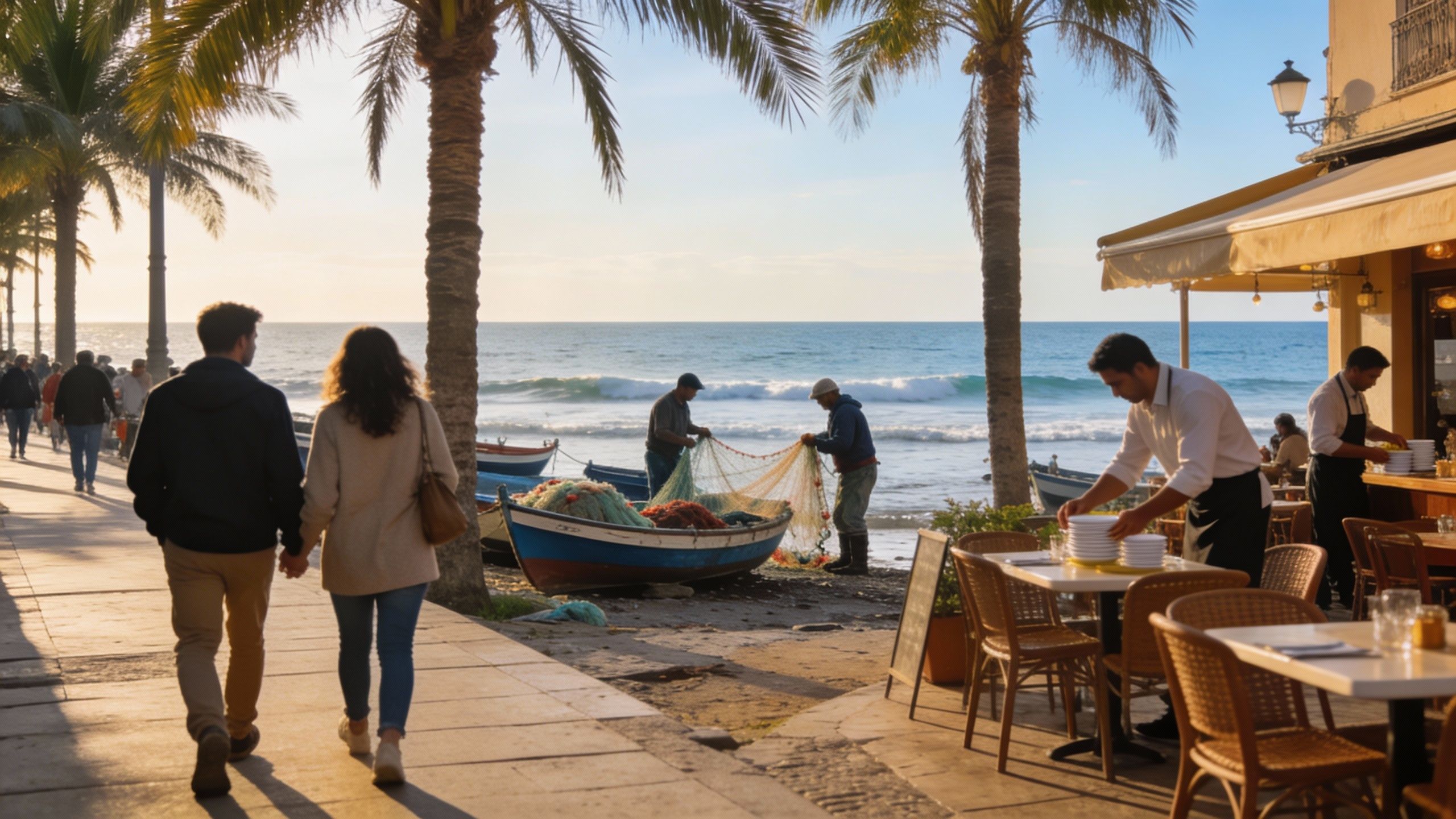
Imagine waking to a sunlit kafeneio on a narrow Athens side‑street, then cycling to a weekend market in Plaka before catching a ferry to an island with turquoise coves. Greece is a sensory country — the smell of baking loukoumades, church bells on Sunday, and late‑night plate‑breaking at tavernas — and these rhythms shape what international buyers want from a home here. But lifestyle lust can blur practical questions: where is liquidity real, which neighbourhoods hold value year‑round, and how do new short‑term rental rules change the calculus? This piece blends lived experience with up‑to‑date market signals to help buyers choose places that deliver both everyday joy and capital resilience.
Living the Greek life — mornings, markets and sea breezes
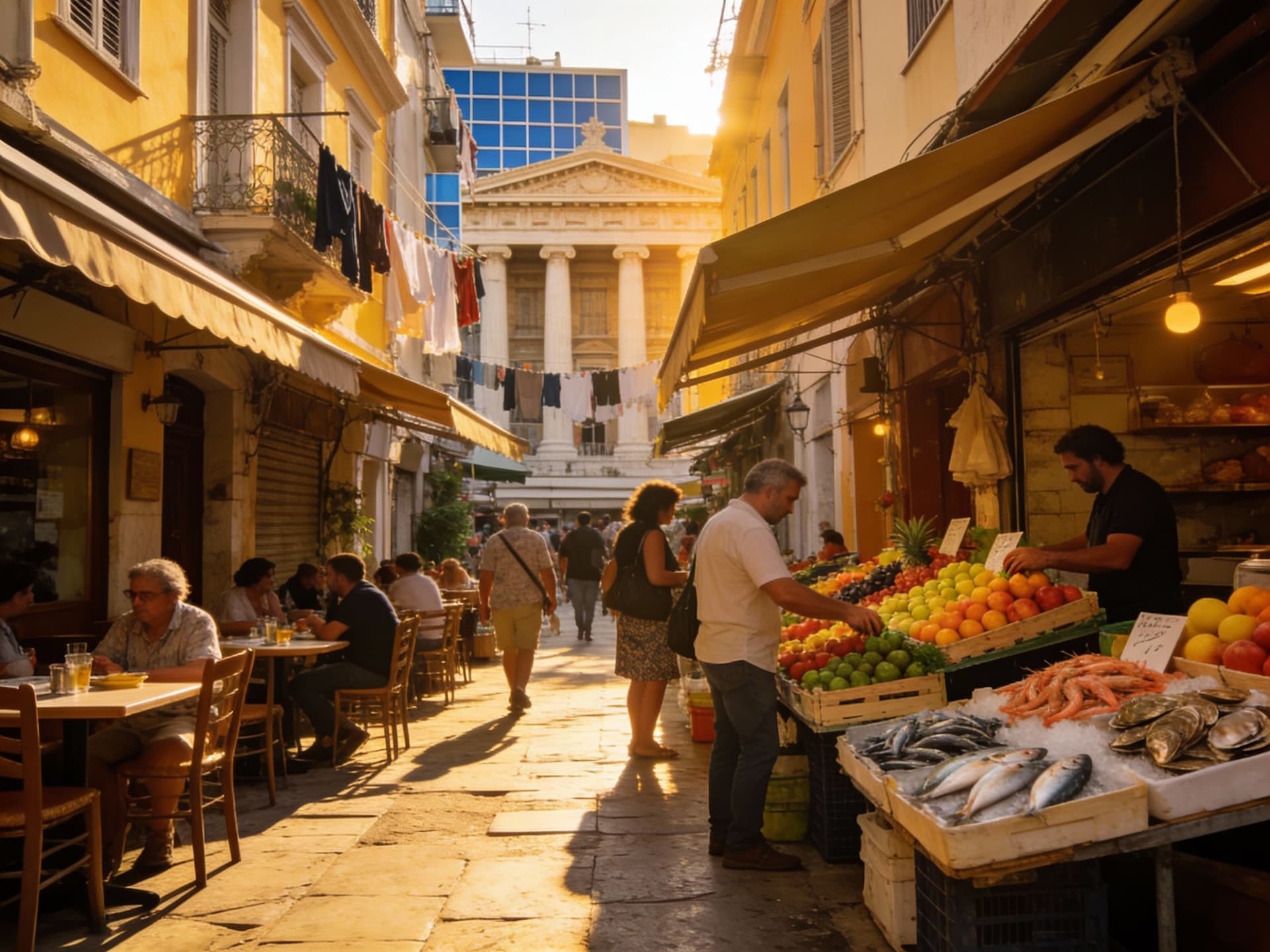
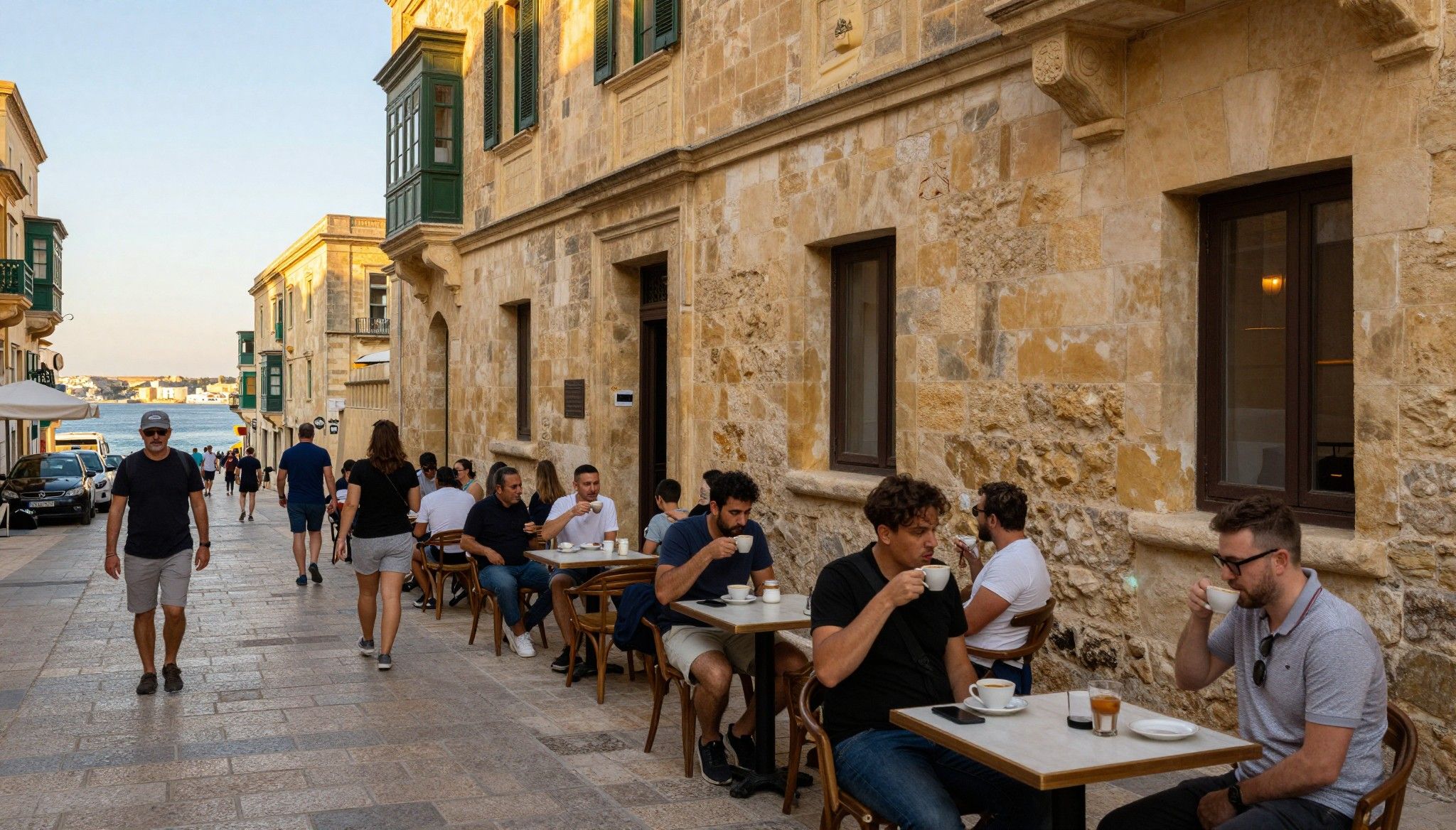
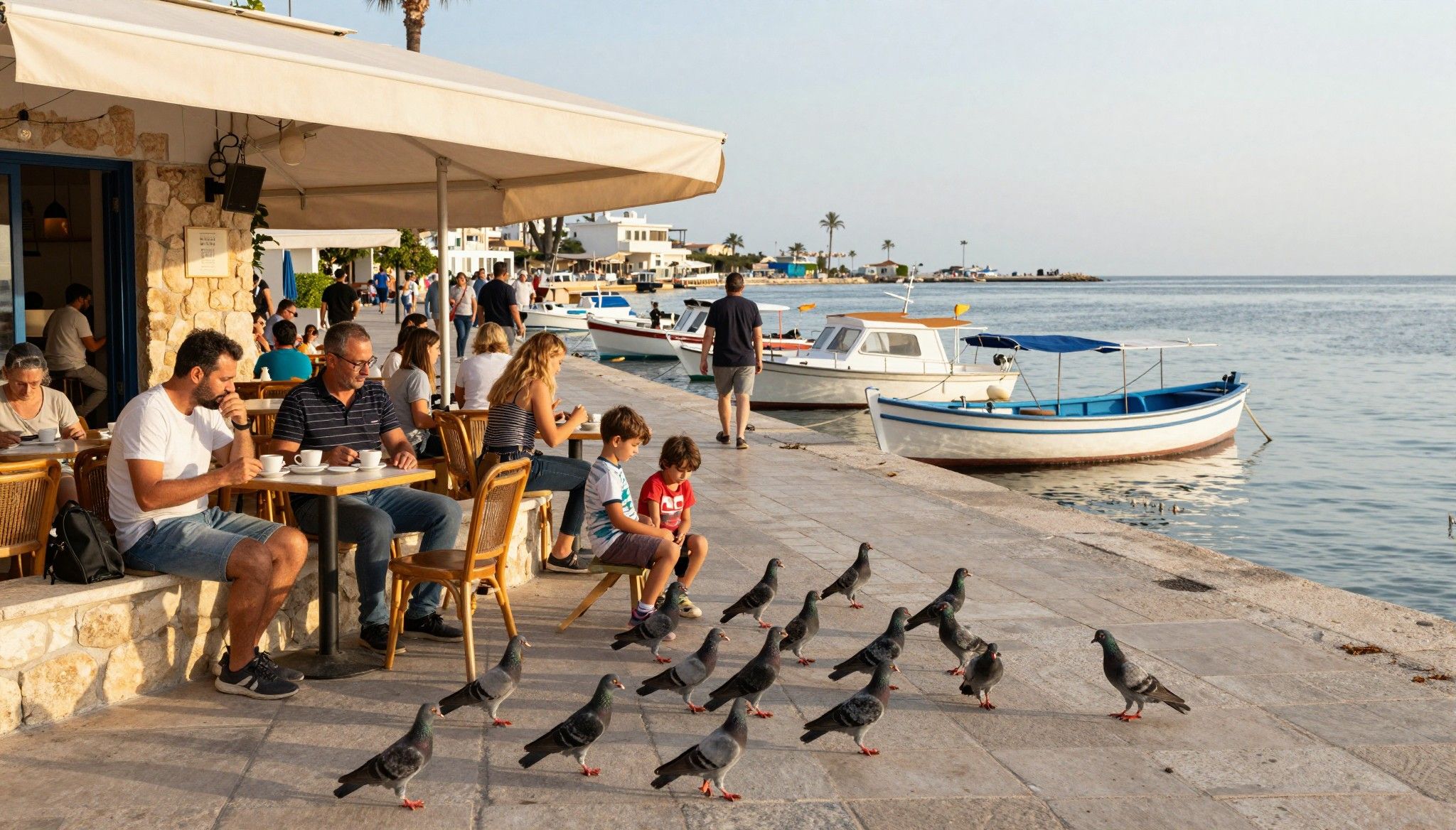
Mornings in Greece often begin slowly and locally: espresso at neighbourhood cafés, fresh bread from a boulangerie or kafeteria, and a walk past the bakery owner who knows your name. In Athens districts such as Koukaki or Mets, you'll find a mix of old‑style artisans and young restaurateurs; on the islands, life takes on a seaside cadence — beaches at 10:00, siesta‑paced afternoons, and late dinners by the water. These daily patterns matter when choosing a property: proximity to a market matters more than a panoramic view for weekday life, while good ferry or flight links determine whether an island property feels like a weekend escape or a logistical headache.
Neighborhood spotlight: Athens — Koukaki, Petralona and Glyfada
Koukaki is intimate and walkable, with tavernas tucked under Acropolis views; Petralona offers quieter streets and lower prices but an authentic community feel; Glyfada along the Athens Riviera trades an urban pulse for organised beaches and marinas. The Ellinikon project and improvements to the Riviera have lifted demand for well‑located coastal apartments, but they also concentrate liquidity in a handful of recognised pockets where developers and international buyers cluster. That concentration means resale is generally easier in these neighbourhoods — an important counterpoint to island romance.
Food, festivals and seasons: how life shapes property choices
Greece’s calendar is anchored by food and festivals: olive harvest season, Easter processions, and island festivals that fill villages in August. These events transform neighbourhoods — Athens hums in October and May, islands peak in July–August — and that seasonality affects rental demand and everyday privacy. Recent regulatory moves around short‑term rentals and minimum habitability standards are reshaping where short‑let income is dependable, making some previously lucrative locations less attractive for rentals but more stable for long‑term community living.
- Lifestyle highlights to look for in Greece
- Daily espresso culture — neighbourhood cafés where you become a regular
- Local markets — Central Market (Varvakios) in Athens or island morning markets
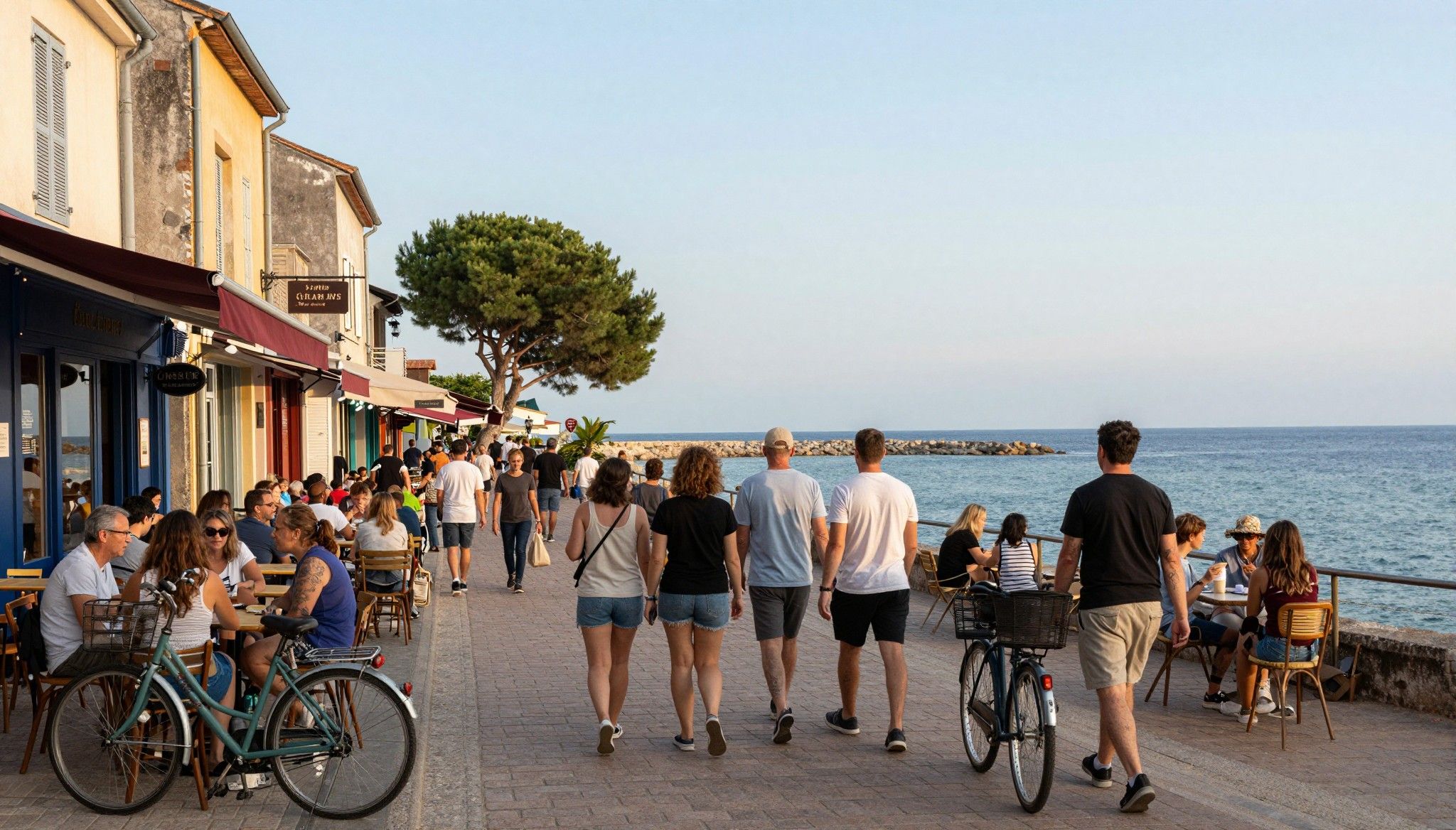
- Coastal promenades — Glyfada and the Athens Riviera for weekend beach life
- Hidden beaches and coves — beyond Santorini/Mykonos, look to Naxos, Paros or the Peloponnese
Making the move: practical considerations that preserve the lifestyle
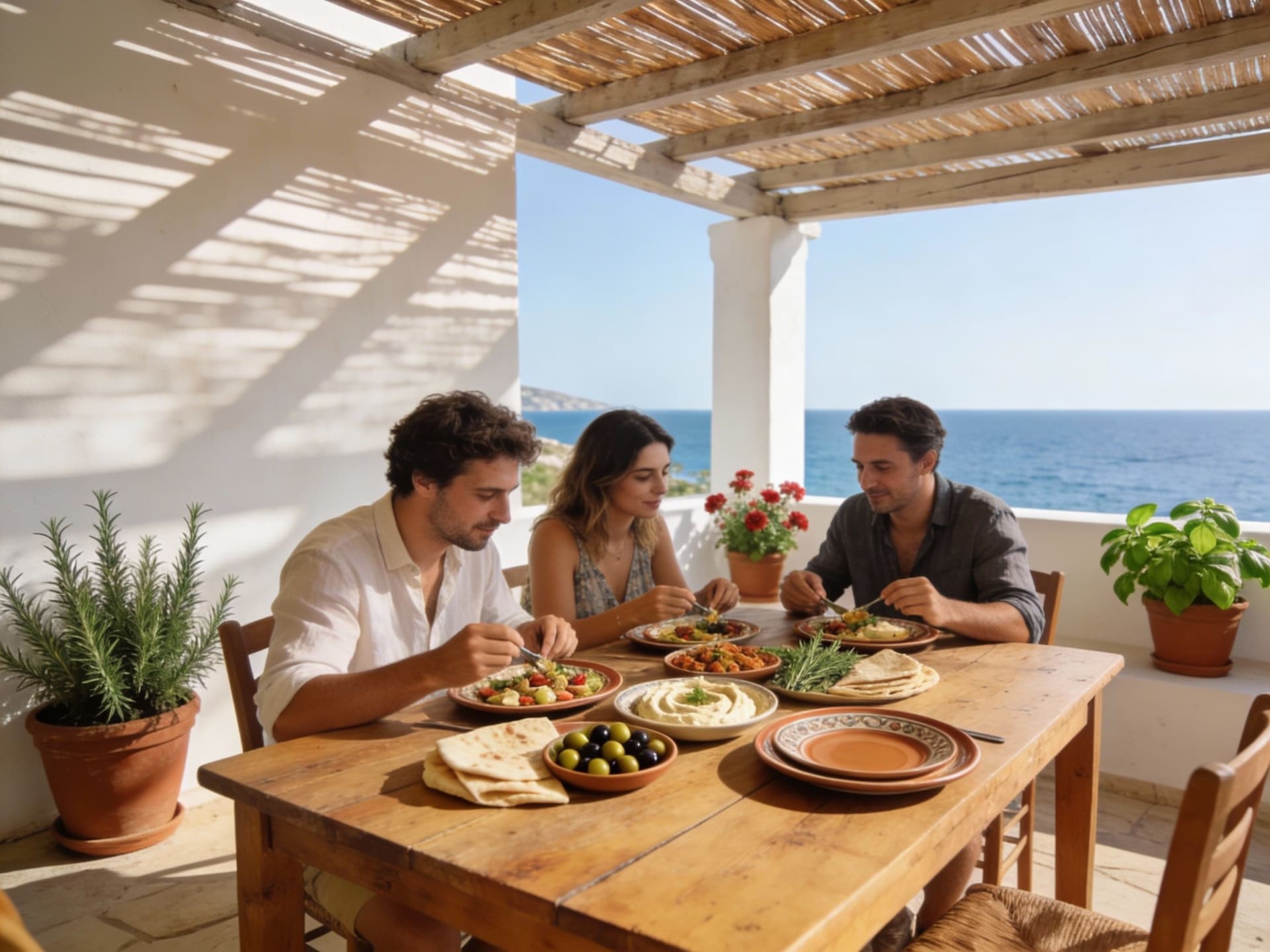
Property prices in Greece rose steadily into 2024 and 2025, particularly in Athens and Thessaloniki, and islands with strong tourist demand. Official data from the Bank of Greece and national networks show urban apartment prices increasing mid‑single digits year‑on‑year, while top island markets remain more volatile but higher‑priced. For buyers, that means tradeoffs: choose city neighbourhoods for predictable liquidity and rental yields, or island homes for lifestyle upside but more seasonal cashflows.
Property styles: what to buy depending on how you'll live
A compact Athens apartment suits buyers who want daily cafés, museums and short commutes; a renovated neoclassical in Exarchia or Koukaki gives character but can require careful refurbishment. On islands, modern penthouses and small villas near marinas are easier to rent, while inland stone houses offer tranquillity and lower purchase prices but higher renovation budgets. Consider insulation and AC for summer heat, and simple features like laundry space and storage — these small touchpoints define whether the home supports Greek life or frustrates it.
Working with local experts who protect the lifestyle you want
- How the right agent or adviser blends lifestyle and legal know‑how:
- 1. They map neighbourhood routines — where locals buy bread, which streets are noisy at night and which squares host festivals.
- 2. They check short‑term rental eligibility and recent moratoria so your income assumptions are realistic.
- 3. They verify habitability certificates, building permits and any recent planning proposals (for example, large projects like Ellinikon can alter neighbourhood dynamics).
Insider knowledge: the surprises expats learn the hard way
Expats often expect constant sunshine and endless tourists; the real surprise is the rhythm shift between high season and low season. Streets that buzz in August can be near‑empty in November, and services — small shops, doctors, specialist builders — can be sporadic outside peak months. That seasonality affects maintenance, community integration and the predictability of rental income, so plan for quieter months as part of the lifestyle equation rather than an afterthought.
Cultural integration: simple rules that change how you fit in
Learn a few Greek phrases, show up to local festivals, and respect communal rhythms like late dinners and siesta patterns. Joining a community team — a football club, a weekly language class or a market morning — accelerates neighbours turning into friends. Practical norms matter too: garbage days, building association (polyloxoi) rules, and municipal registration (dimotologio) can all influence whether you feel part of a place or permanently foreign.
Longer‑term thinking: when lifestyle and investment align
Look for areas where infrastructure and culture are improving together — metro extensions, restored markets, and new cultural venues are early signs of sustainable uplift. Athens neighbourhoods close to transport upgrades and islands investing in ports and airports tend to convert lifestyle demand into capital appreciation. Remember: buying a life you want often means buying into a neighbourhood’s future, not just its current charm.
Conclusion: Greece rewards buyers who prioritise everyday life as much as upside. Choose neighbourhoods where cafés, markets and transport match your daily habits, work with local experts who understand both culture and compliance, and budget for seasonality. If you want support aligning lifestyle with liquidity, talk to agencies that map both routines and regulations — that combination is where the best long‑term happiness lives.
Dutch investment strategist with a Portugal-Spain portfolio. Expert in cross-border financing, rights, and streamlined due diligence for international buyers.