When Croatia’s Charm Meets the Price Signal
Experience Croatia’s coastal rhythm while using county house‑price indices and neighbourhood signals to spot where lifestyle premiums meet real value.
Imagine waking to the smell of freshly baked burek, stepping out onto a narrow stone street in Split, and watching fishing boats return to the Riva as a café owner sweeps outside. Croatia offers that slow Mediterranean rhythm — summer festivals, autumn truffle hunts in Istria, seaside promenades and tucked-away olive groves — and these rhythms are what shape where people actually choose to buy. But behind the postcard scenes there are data-driven forces — rising demand, tight supply, and regional price divergence — that determine whether a dream purchase makes sense. This piece blends the lived, local Croatia with concrete price-trend signals so you can see both the life and the ledger.
Living the Croatia lifestyle
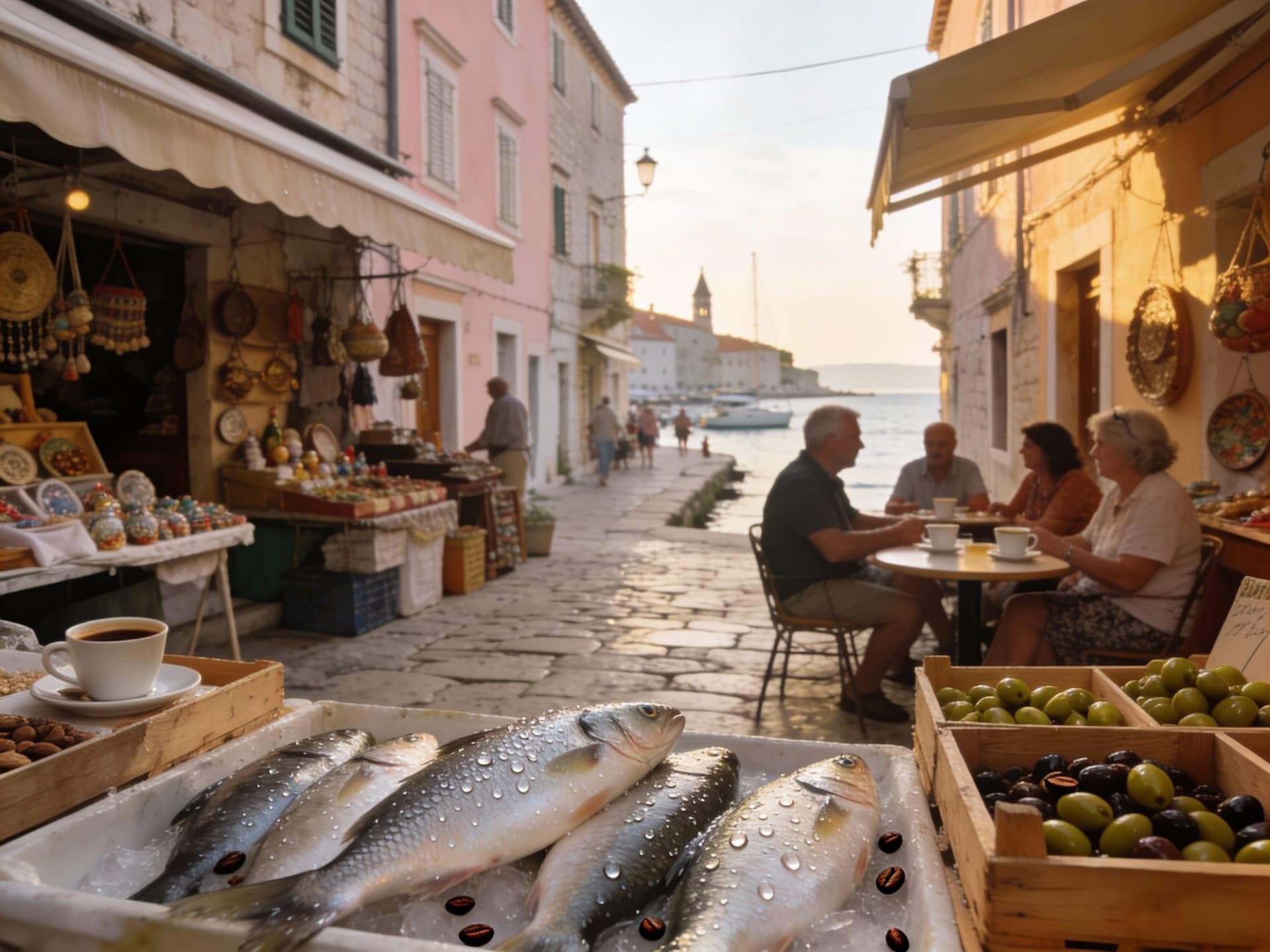
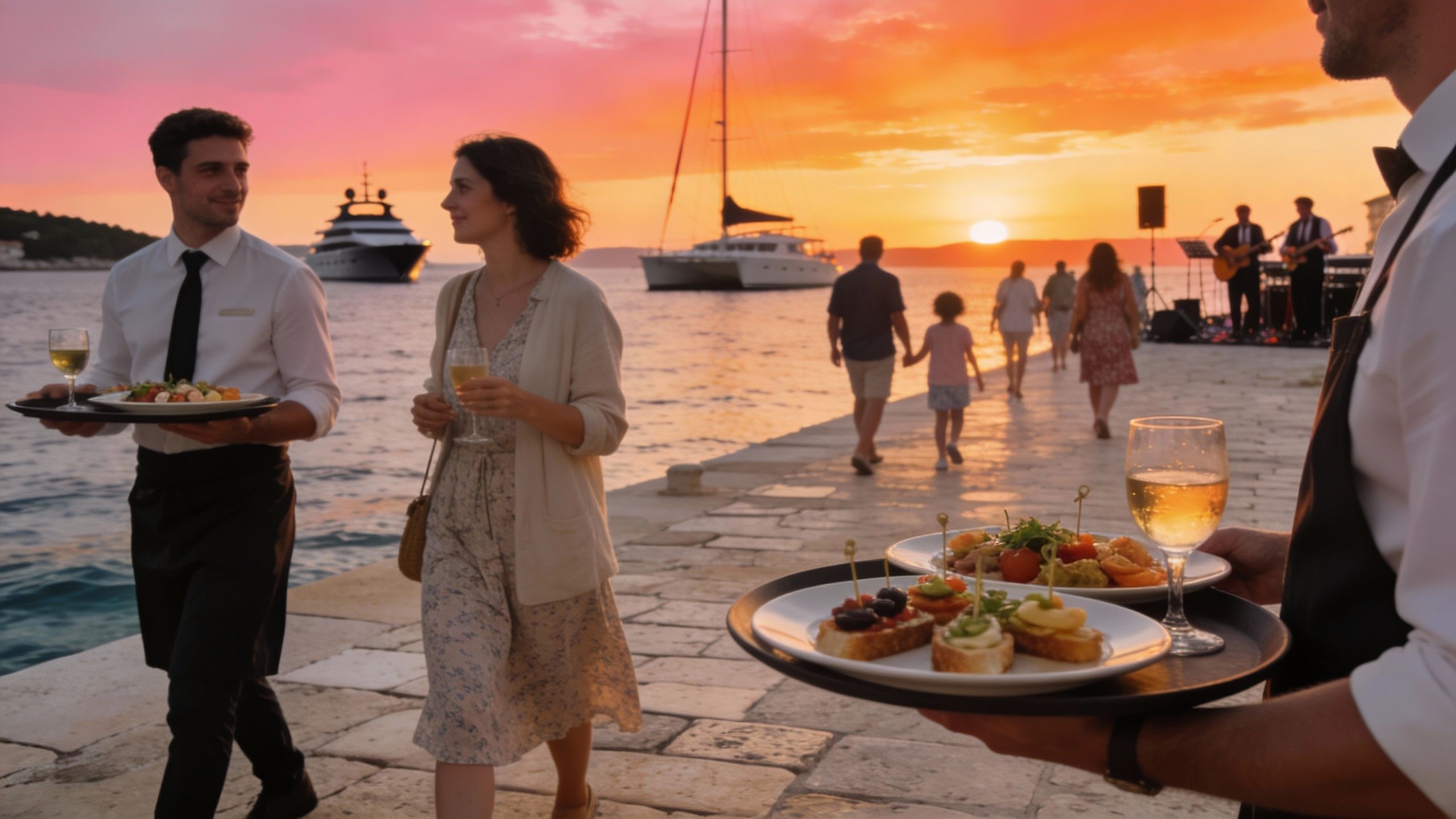
Days in Croatia move between markets and marinas. In Zagreb you’ll find morning espresso culture and late-night jazz on Ilica; along the Adriatic the mood shifts to sea-scented cafés, yachts docking at sunset, and weekend island escapes. This variety matters because price growth has not been uniform: city life, coastal hotspots and inland towns each follow different trajectories, and the lifestyle you choose will shape both the type of property that fits you and the market signals you should follow.
Split & the Dalmatian coast — daytime terraces, sunset harbours
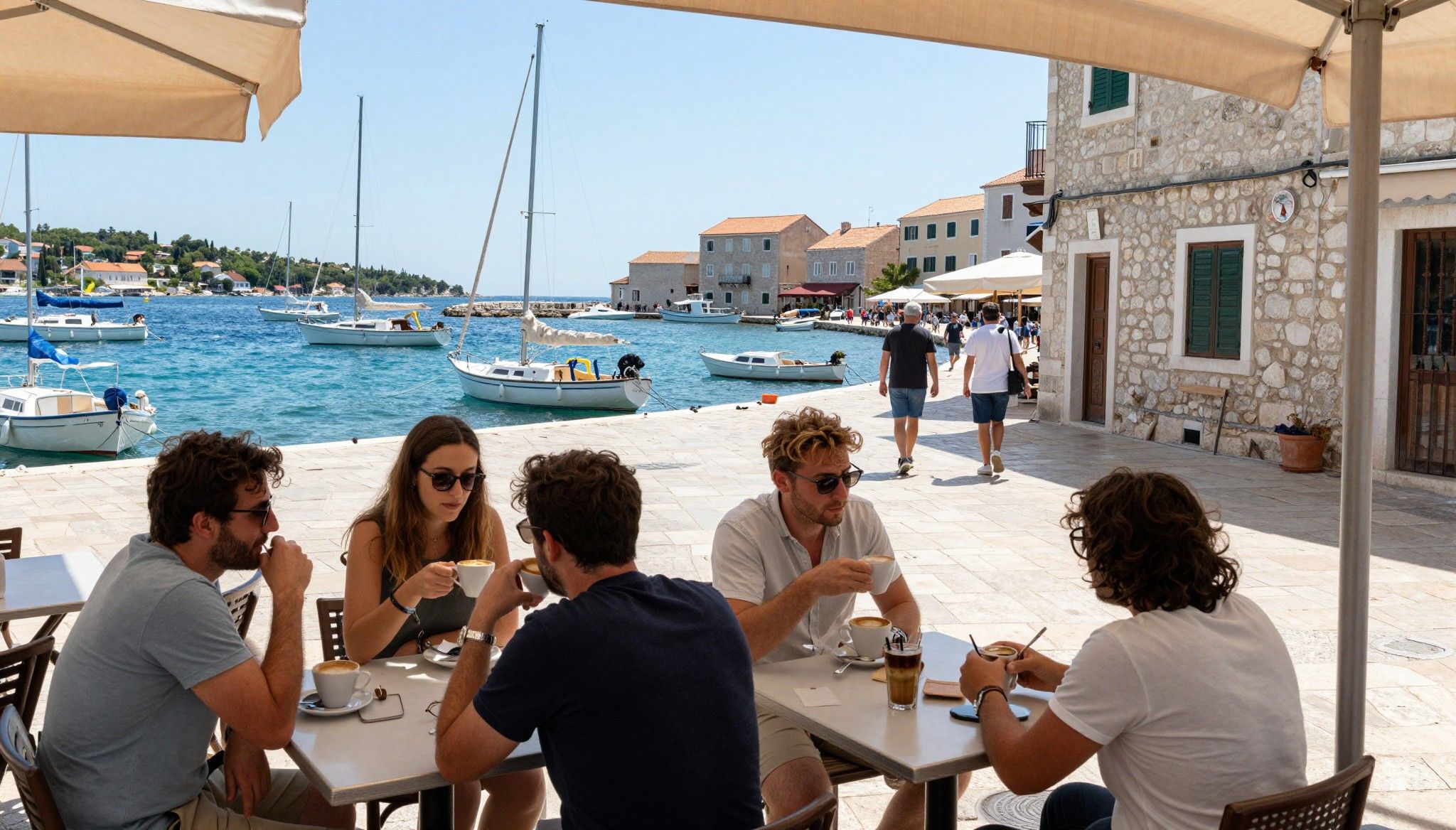
Picture Buža beach cliffs and the Diocletian palace alleyways where locals buy coffee between work shifts. Split-Dalmatia has seen strong asking-price growth, especially for flats within walking distance of the waterfront and for renovated stone houses on nearby islands. That premium reflects limited supply in historic cores and strong short‑term rental demand — both lifestyle features (sea access, cafe life) and price drivers. Local classifieds and market reports show coastal counties like Split and Dubrovnik consistently among the priciest per square metre in 2024.
Istria & Dubrovnik — food, festivals and concentrated premiums
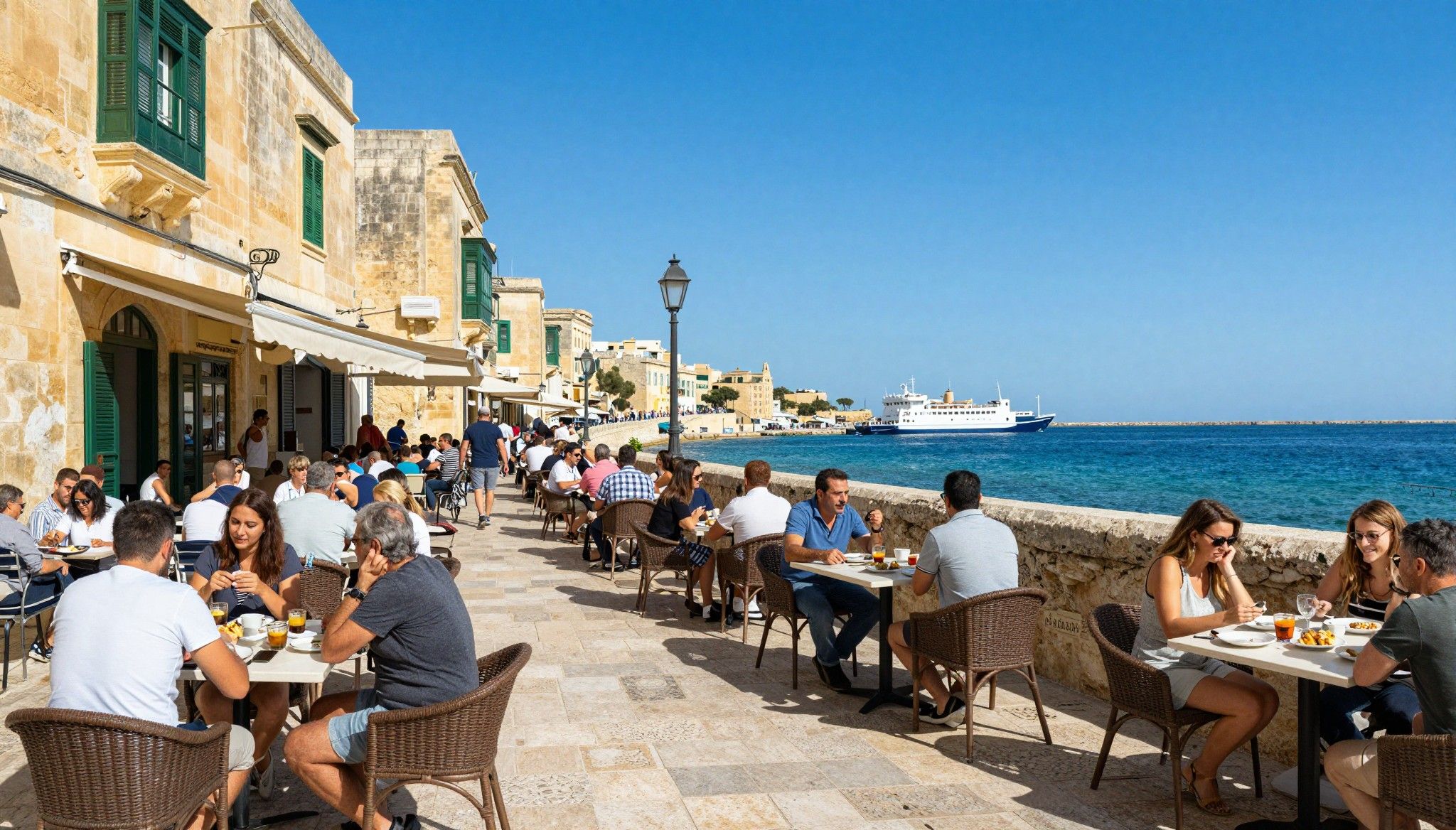
Istria’s truffle-rich hinterland and coastal hilltop towns draw lifestyle buyers looking for gastronomy and year-round charm, pushing prices in towns like Rovinj and Pula. Dubrovnik remains a special case: UNESCO-protected old town scarcity plus ultra‑high tourist appeal create concentrated premiums that outpace national averages. If you want town squares full of seasonal events and restaurants that close only in January, expect to pay for that convenience — and to find fewer listed options when you look.
- Morning markets in Dolac (Zagreb); sunset on the Riva (Split); truffle foraging in Motovun (Istria); Hvar nightlife and quiet winter coves; island ferry walks to local konobas.
Making the move: practical considerations
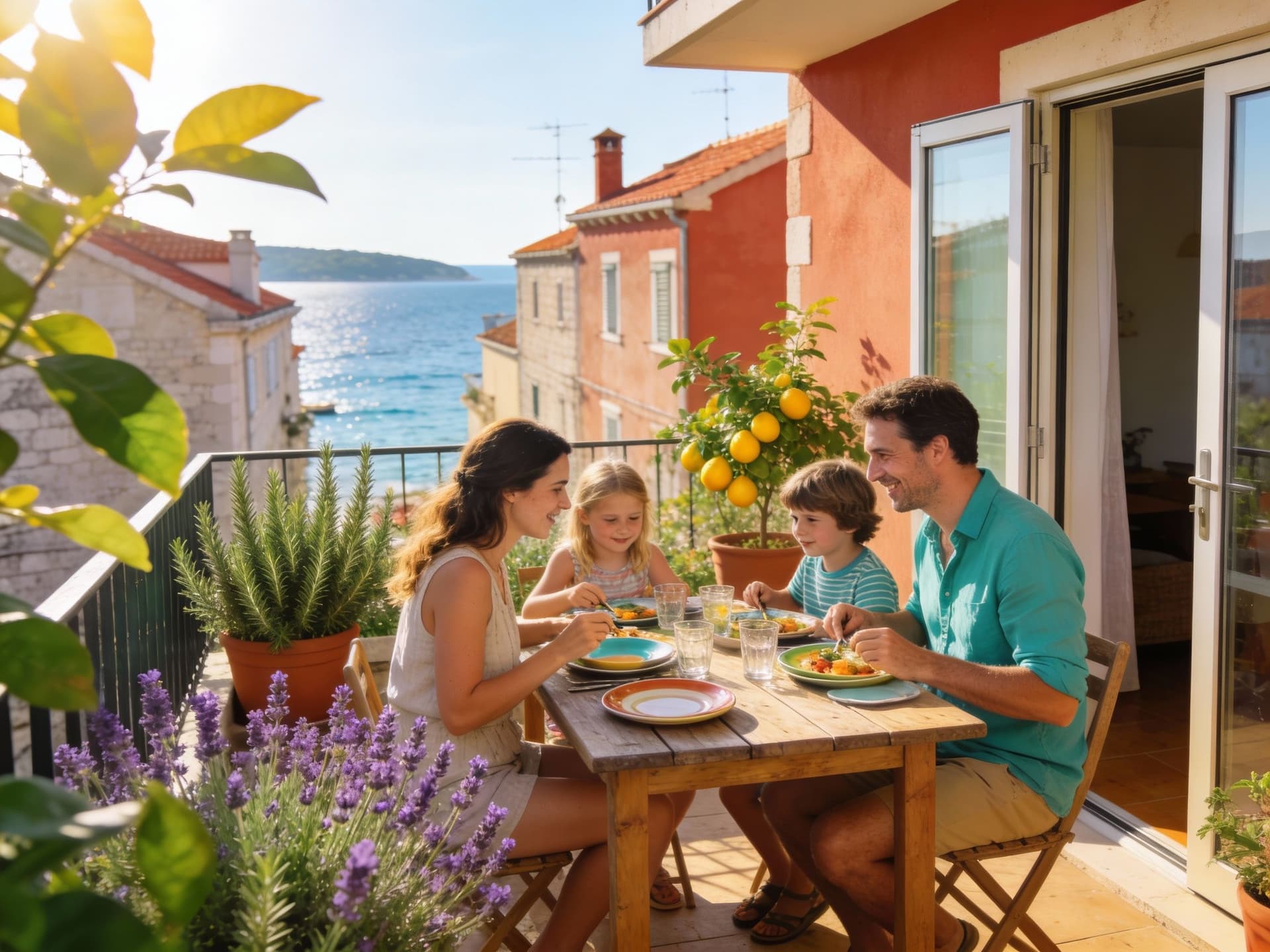
Lifestyle is the magnet; market data is the compass. Croatia’s official house price index shows double‑digit annual rises through 2024–2025 in many areas, driven by post‑pandemic demand, tourism rebounds and constrained supply. That means buyers who focus only on ‘sea‑view’ buzz can miss quieter value signals — like emerging inland towns or new‑build pockets near transport links. Use national indices to orient yourself, then layer county and neighbourhood micro-data for actionable decisions.
Property types and what they mean for living
Stone houses in old towns deliver immediate atmosphere and compact layouts; modern apartments provide year‑round comfort with better energy standards; and new developments near Zagreb or along the coast offer turnkey amenities but can command a premium. Choose the property form that matches daily life: if you crave walking to markets, pick a compact historic flat; if you want outdoor entertaining, prioritise terraces and gardens. Developers and agencies will frame options differently — insist on seeing utility performance, winter photos and neighbourhood activity across seasons.
Work with experts who live the life you want
- 1. Ask local agents for season‑by‑season occupancy and maintenance costs — not just summer booking averages. 2. Get recent comparable sales in the exact neighborhood (street or square), not county averages. 3. Request energy and building‑permit records for older stone houses — restoration surprises are common. 4. Check ferry or road schedules for island properties; access changes price and lifestyle meaningfully. 5. Factor in community services (grocer, clinic, school) if planning longer stays, and verify winter accessibility.
Insider knowledge: what expats wish they'd known
Expats often romanticise the summer: crystal water, open terraces and buzzing harbours. The reality is seasonal rhythms — many towns quiet down in winter and services change cadence — and that affects ongoing costs and rental potential. Locals value community ties and practical resilience: a friendly konoba owner can tell you more about a street’s year‑round life than a glossy listing. Integrating with local rhythms pays dividends both emotionally and financially.
Cultural integration, language and day-to-day life
Croatian social life is anchored in neighbourhood ritual: morning coffee, market runs on Saturdays, and seasonal festivals that knit communities together. Learn a few phrases, attend a local event, and you’ll see doors open — which matters for everything from renovation permits to reliable local tradespeople. For buyers, that social capital can reduce costs and speed processes more than any online review.
Long‑term lifestyle and investment outlook
Official indices indicate continued upward pressure through 2025, with Zagreb and many inland regions sometimes outpacing coastal growth. That suggests two pragmatic approaches: buy into lifestyle‑aligned locations where prices are stabilising, or identify emerging towns where infrastructure projects and new developments point to future appreciation. Think of property as a lifestyle anchor first; view capital returns as a secondary but measurable benefit supported by public data.
- Tip: Track three signals before you make an offer — local sales comps (past 12 months), developer completion timelines for new builds, and municipal plans for transport or utilities.
Conclusion: Croatia is both a place to fall in love with and a market to study. Let the smell of sea pines and summer markets guide your vision, but use county‑level indices, neighbourhood comparables and local agents who live the seasons to ground your decisions. If you want to move from dreaming to doing, talk to agencies with demonstrable local track records, request recent sales evidence for specific streets, and plan visits in both high and low season to feel the rhythm that your future home will keep.
Swedish strategist who relocated to Marbella in 2018. Specializes in legal navigation and tax planning for Scandinavian buyers.