Where Greeks Buy: Hidden Value Beyond the Islands
Look beyond postcard islands: Greeks buy walkable streets, quieter coastal towns and second‑city neighbourhoods where daily life and long‑term value converge.

Imagine sipping an espresso at 09:00 on a tree-lined Athens side street, then catching a late‑afternoon ferry to a near-empty Cycladic cove. That ease—city rhythm and near-island escape in one country—is what draws so many international buyers to Greece. Yet the markets that deliver this lifestyle are not always the headline-grabbing islands or central waterfronts; they are quieter neighborhoods and secondary coastal towns where daily life, community and value intersect. This piece shows where Greeks themselves buy, what foreign buyers miss, and how to translate lifestyle longing into a smart property move.
Living the Greek rhythm: mornings, markets, and neighbourhood life
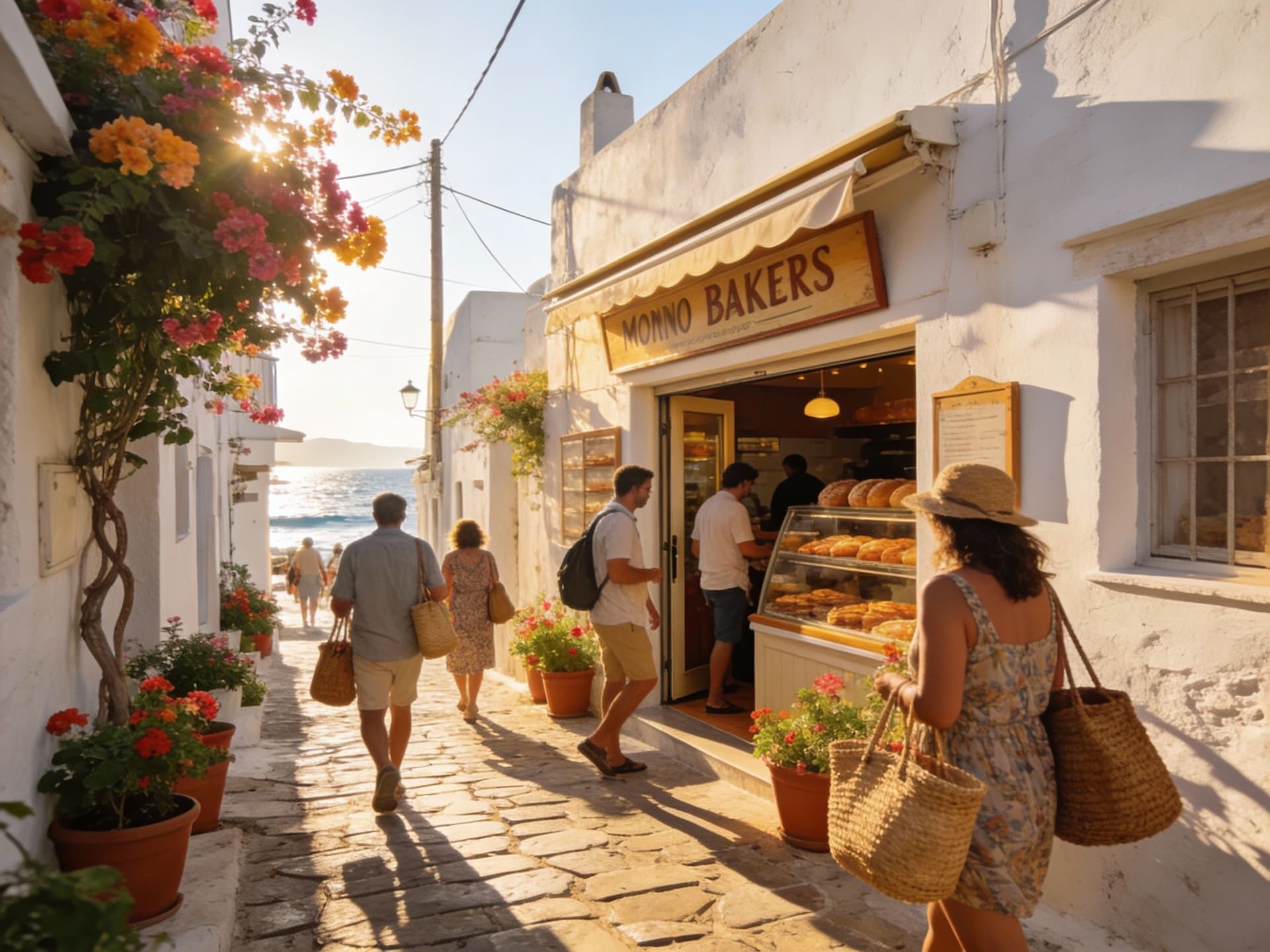
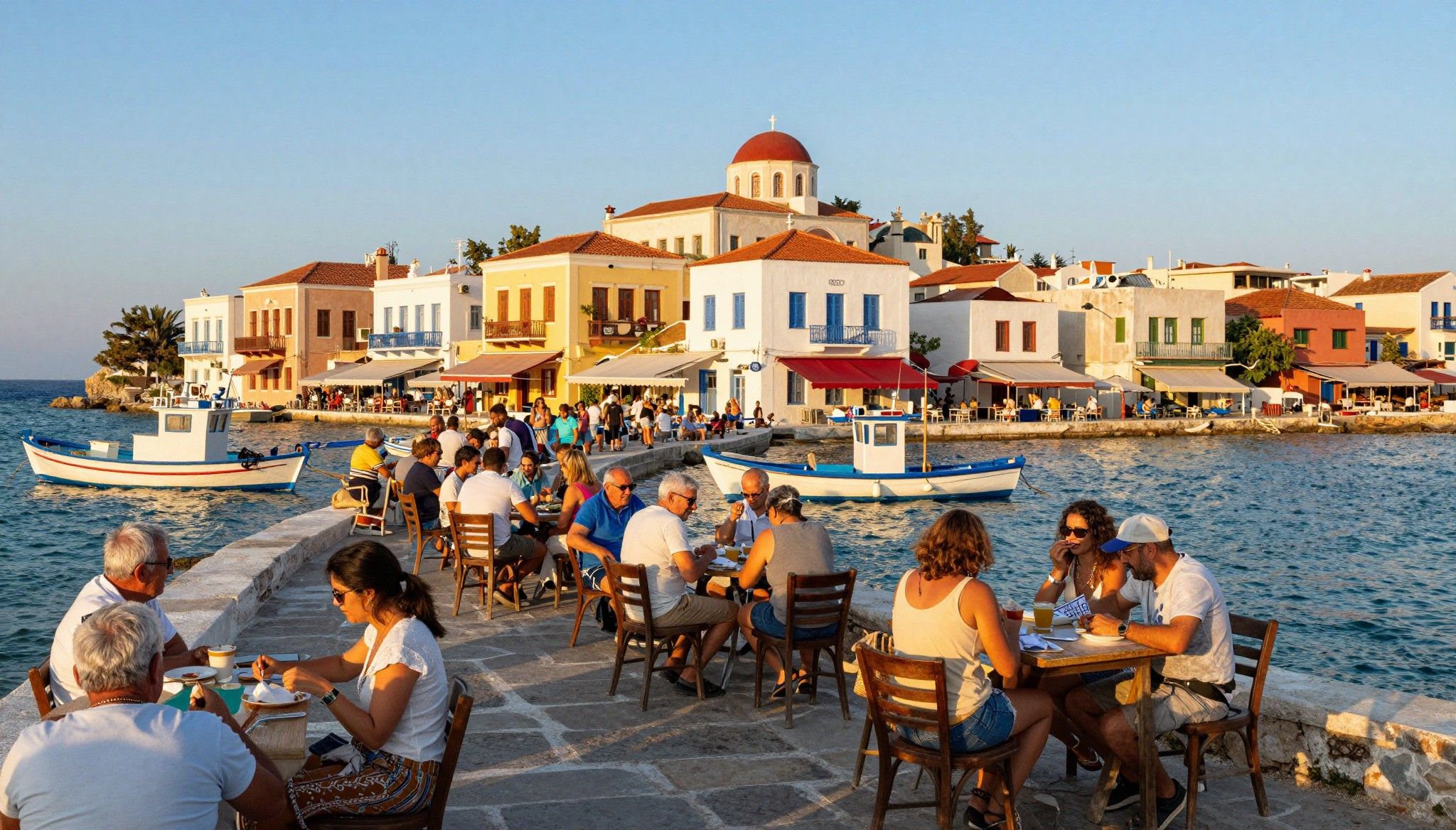
Life in Greece moves in clear rhythms: market mornings, slow midday pauses, and evenings on terraces. In Athens you can live a stone’s throw from high culture and still walk to a friendly kafeneio where neighbours discuss football and politics. On the mainland and islands alike, community is visible — children playing in squares, market vendors calling out the day’s catch, and small bakeries selling warm spanakopita. For buyers, this matters: you are buying into a pattern of life as much as a property type.
Athens beyond the Acropolis: pockets Greeks favour
The southern suburbs of Athens — Glyfada, Voula, Alimos — remain sought-after but the neatest local value often sits one or two streets inland. Greeks prize short walks to the sea, reliable neighbourhood bakeries and municipal gardens. Developers and local buyers recently pushed prices up in prime strips (Spitogatos shows high asking prices in southern Athens), but adjacent streets with older apartment blocks and potential for renovation are where long-term value lives.
A different coast: Thessaloniki and northern alternatives
Thessaloniki’s waterfront and Upper Town offer a more urban, year-round lifestyle than the Cyclades, and are attracting buyers priced out of central Athens. Regional centres — Chania on Crete, Kalamata in the Peloponnese, and parts of Corfu — combine market liquidity with everyday services and year‑round communities. Data shows price growth outside prime islands has outpaced expectations, reflecting this second-city and coastal-town appeal.
- Lifestyle highlights locals choose
- Morning visits to Varvakios Market (Athens) for fresh produce and seafood
- Weekend swims at quieter beaches — Vouliagmeni, Agios Dimitrios (local coves)
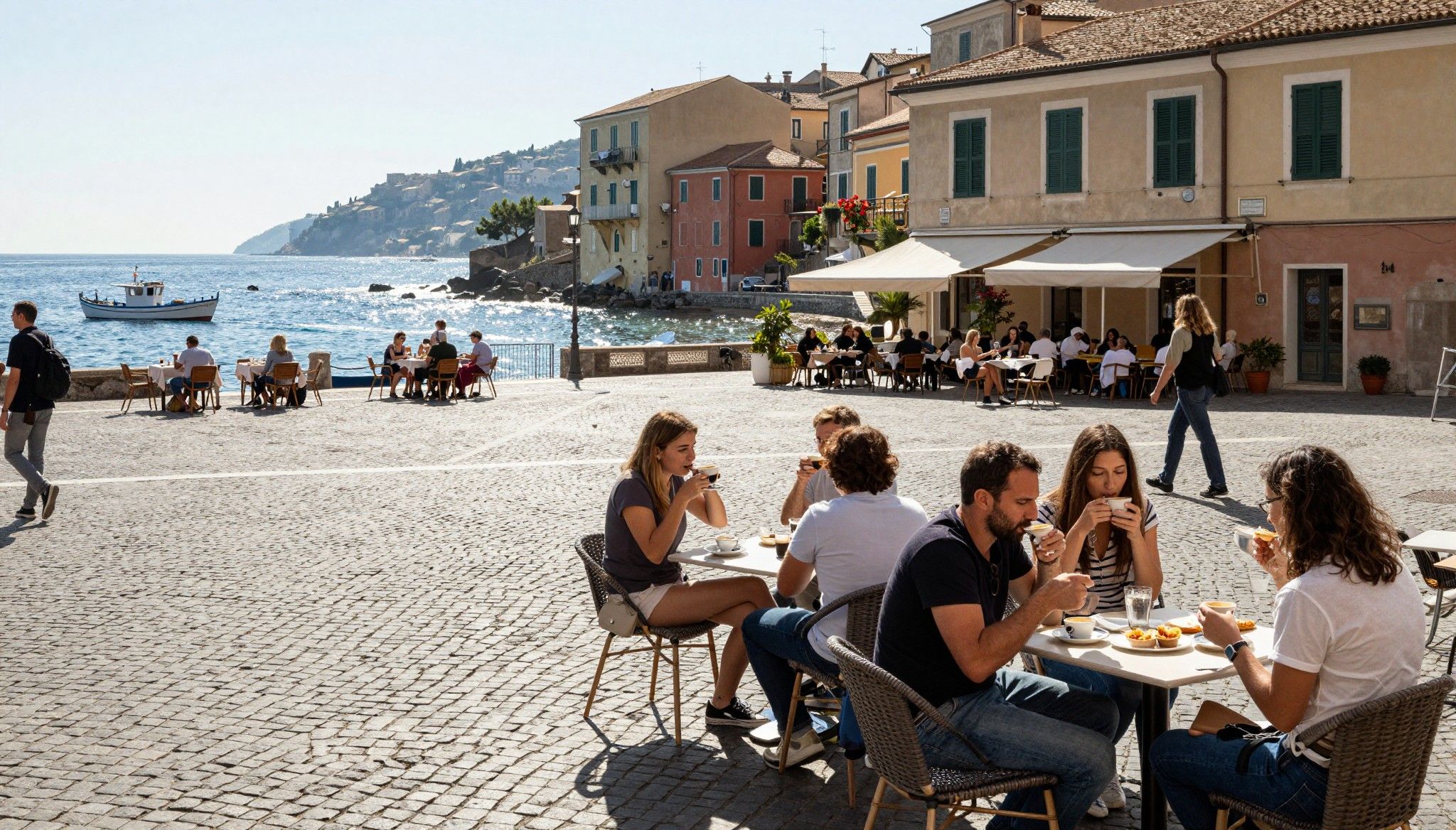
- Late-afternoon socialising at kafeneia and small tavernas — local gathering points
- Seasonal festivals in towns — local patron saint days and food fairs
Making the move: practical choices that preserve the lifestyle
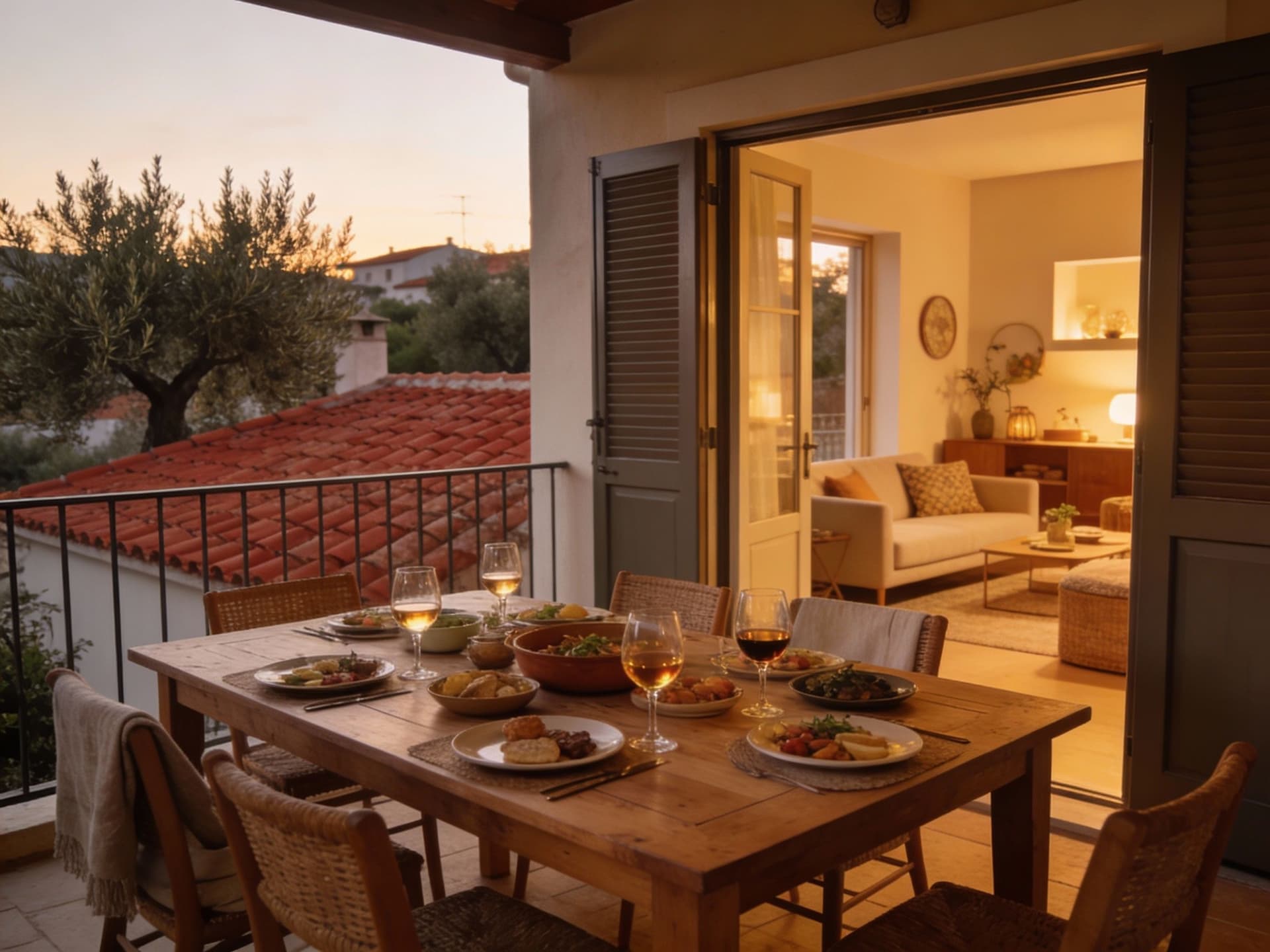
Turning desire into ownership requires aligning lifestyle with market realities. Greece has seen strong price growth and constrained new supply in recent years; the Bank of Greece and market trackers note rising prices alongside falling construction activity. That mismatch means buyers who prioritise everyday life over headline sea-views often find better value — but they need local expertise to spot it.
Property styles that match how you'll live
Older apartment blocks in Athens offer airy floorplans and large terraces if renovated; small neoclassical houses in Peloponnese towns provide garden living within short distances of markets. Coastal town flats often come with modest common areas but excellent walkability. Choose by routine: if you want daily market visits, prioritise a ground-floor flat near the town square; if ferry access matters, prioritise proximity to the port rather than a sea-facing price premium.
Work with agencies that know local life, not just listings
Good local agents translate lifestyle wishes into search criteria: they know which streets fill with holiday rentals, where municipal services are improving, and which neighbourhoods protect long-term residents. Recent policy shifts on short-term rentals and licensing underline why an agent familiar with municipal practice and local zoning is essential — they prevent surprises that can erode lifestyle ambitions.
- Steps to align lifestyle with buying decisions
- 1. Visit at least twice in different seasons to test daily rhythms and noise levels.
- 2. Prioritise walkability to markets, medical services and transport over headline views.
- 3. Ask agents for ownership history and short-term-rental registration checks.
- 4. Budget for renovation where the building fabric is good but finishes are dated — this often converts an okay buy into a cherished home.
Insider knowledge: what expats wish they'd known
Expats often tell the same stories: they underestimated the value of local networks, misread seasonal shifts, or overpaid for a 'sea-view' that came with tourist noise. The best adjustments are small: learn a few Greek phrases, accept midday pauses as part of the rhythm, and value a neighbourhood's daily services as much as its Instagram account.
Cultural cues that change where you buy
Local customs — market bargaining, lunchtime closures, and patron saint festivals — shape real life. Greeks choose properties near places they frequent: pastry shops, neighborhood squares, and multipurpose municipal parks. When evaluating a property, watch where neighbours stand in the morning and where kids play in the evening; those observations tell you more about future quality of life than glossy listings.
Long-term lifestyle signals: where growth will sustain daily life
Constrained construction and local investment in services indicate which neighbourhoods will remain livable. Areas where municipalities invest in parks, waste collection and ferry connections tend to maintain value and lifestyle quality even if headline prices rise. Look for streets near planned public works or improved transport links — these are the neighbourhoods Greeks prefer and tend to buy into.
- Red flags locals watch for
- Rapid deregulation of short‑term rentals in a street (signals touristification)
- Buildings with unclear ownership histories or many unpaid condominium fees
- Streets with heavy seasonal traffic but limited winter life (look for year‑round cafes)
Conclusion: Buy the life, not only the label — next steps
If Greece’s pull is its blend of daily neighbourhood life and escape to sea, then your best buys will reflect that balance: streets with shops and bakeries, short walks to transport, and properties that favour lived-in comfort over curated views. Start with targeted visits, commission local due diligence, and ask agents to map lifestyle drivers (markets, schools, ferries) as part of the search. That process turns a dream into a durable life.
Dutch investment strategist with a Portugal-Spain portfolio. Expert in cross-border financing, rights, and streamlined due diligence for international buyers.