Why Coastal Croatia’s 'Seasonal' New‑Builds Are Misread
Contrary to belief, Croatia’s new‑build pipeline and price growth run year‑round; shoulder‑season visits, verified delivery schedules and developer checks separate summer fantasy from durable value.
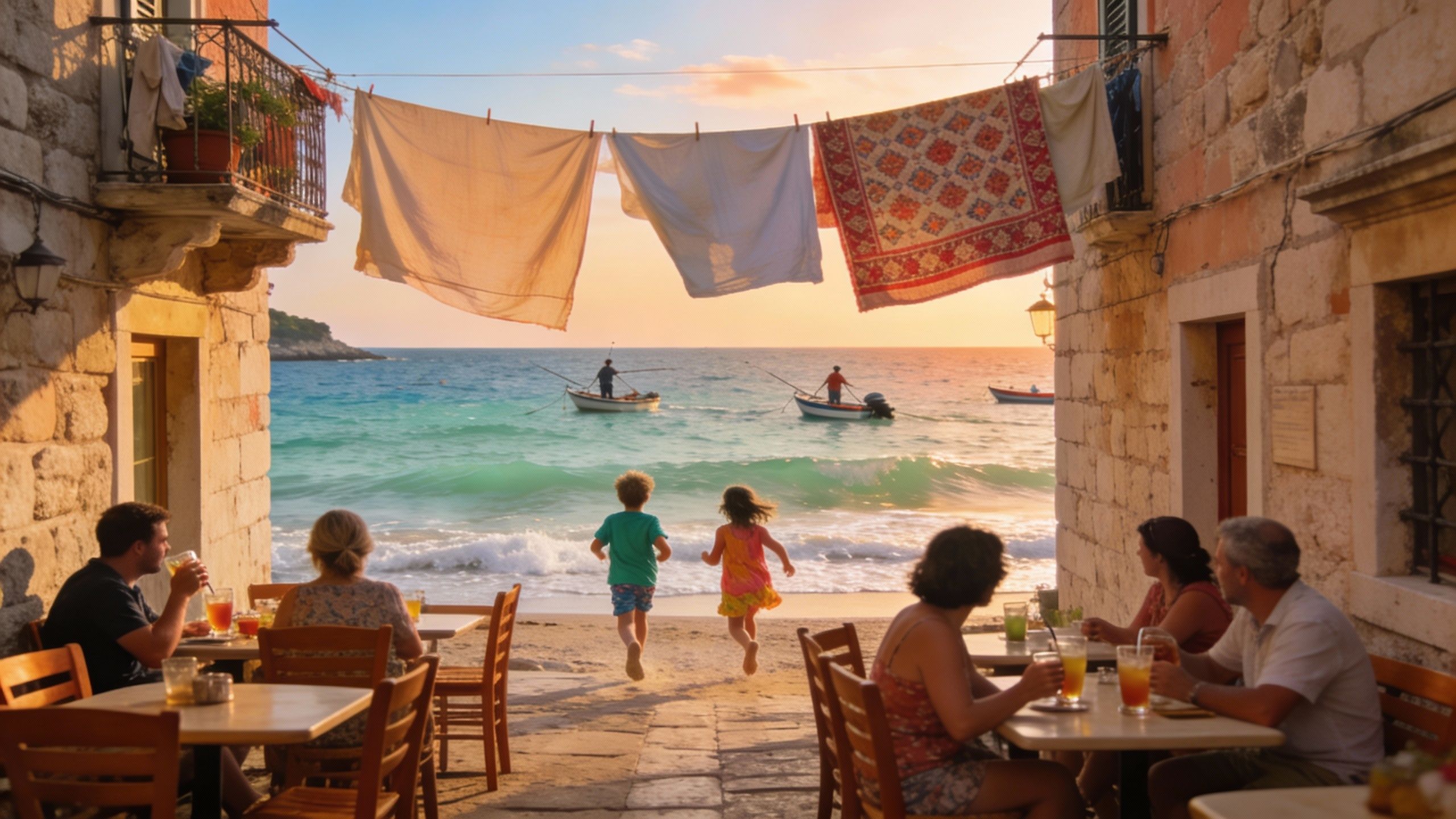
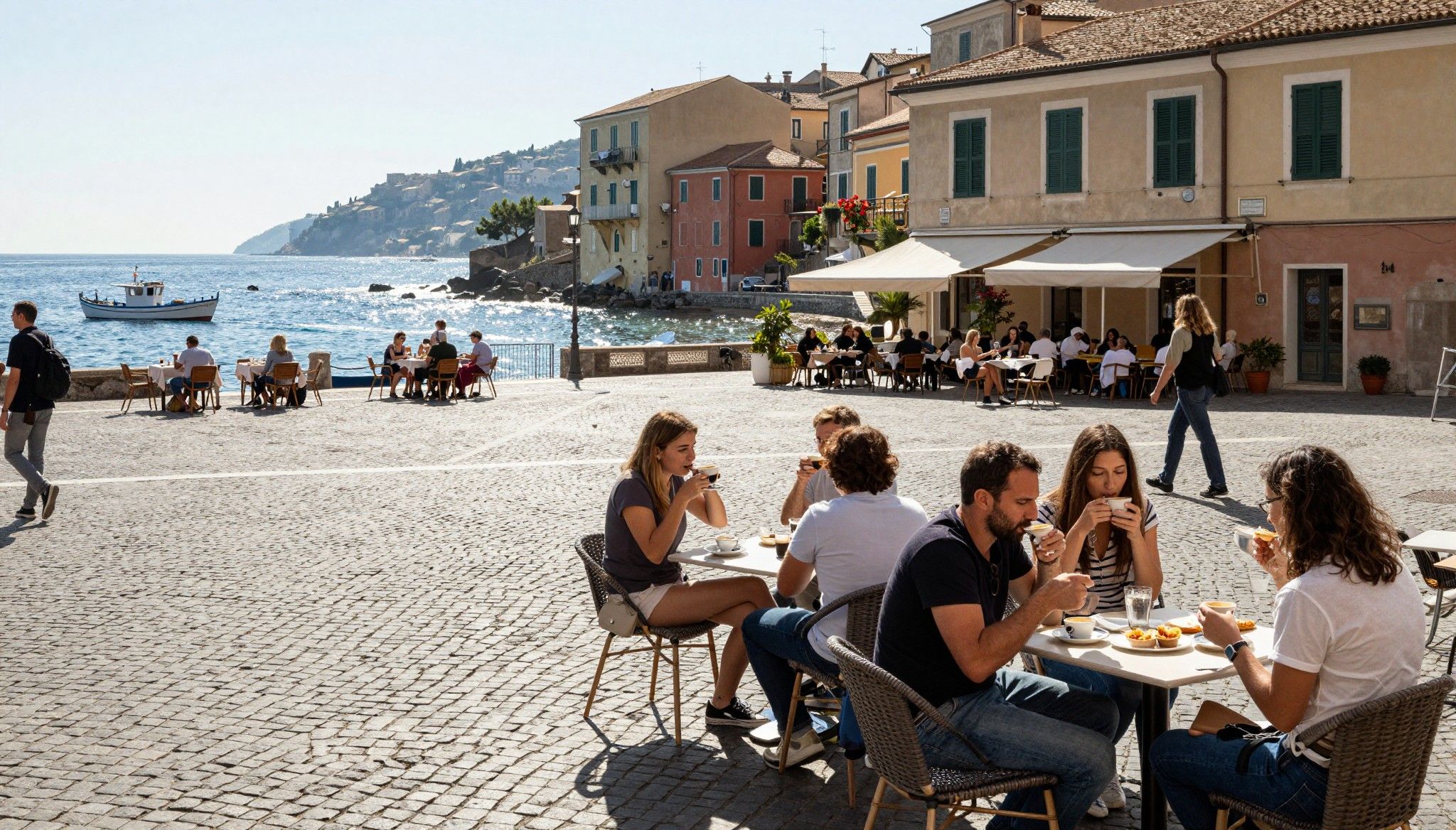
Imagine sipping espresso at a sunlit table on Split’s Riva in late October, the crowds thinned, fishermen mending nets, and a new-build condominium a ten-minute walk away. That scene explains a key misconception: Croatia’s property market isn’t only a high‑summer spectacle — development pipelines, buyer demand and price dynamics are active year‑round and often misunderstood. This guide pairs the Adriatic lifestyle you crave with data on new‑build supply, where pipeline activity is concentrated, and what experienced buyers actually do to secure the right home.
Living the Croatia lifestyle
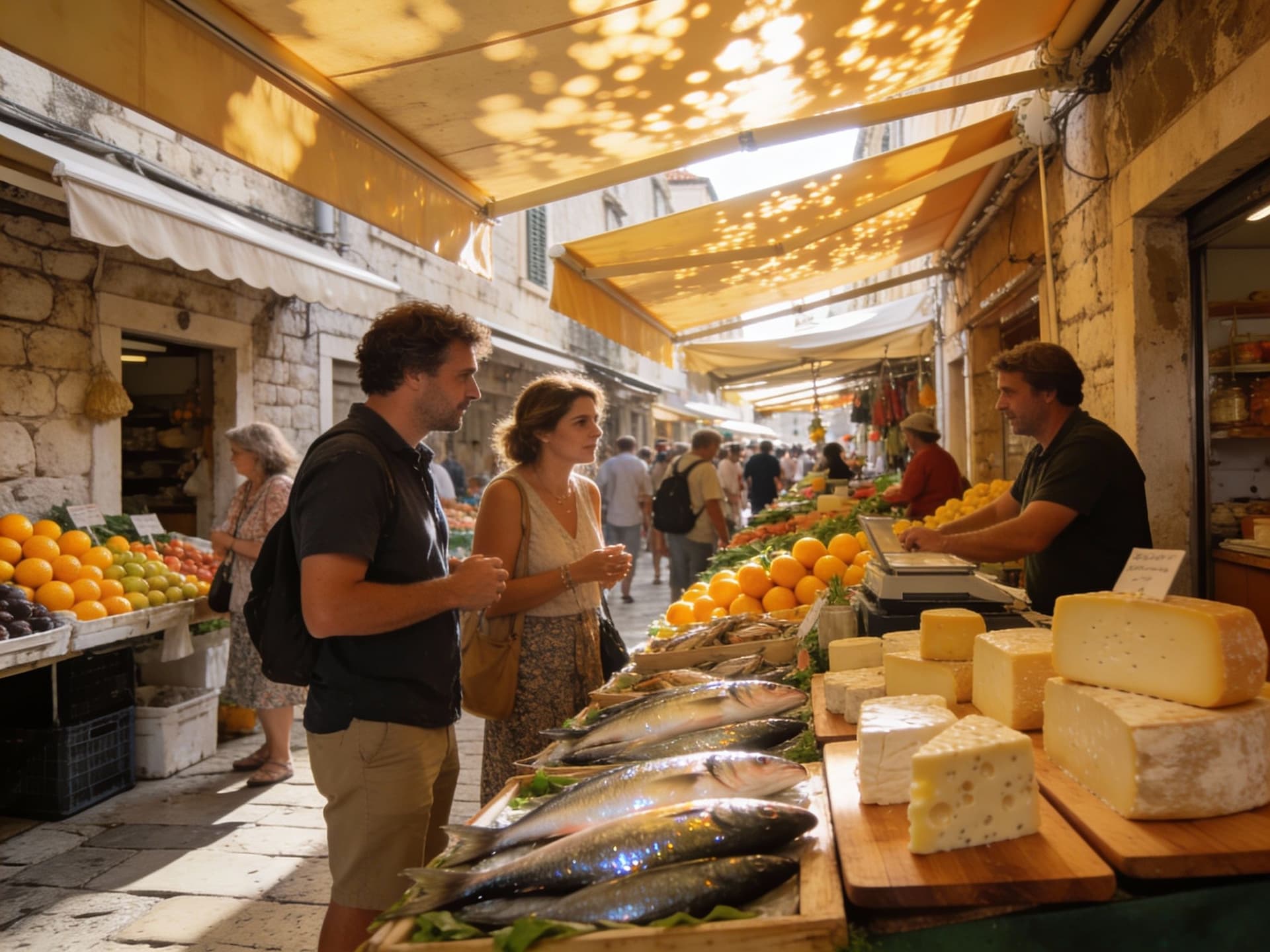
Croatia’s everyday rhythm blends coastal ease with Central European order: morning markets, late‑afternoon cafés, islands that empty midweek and hum on weekends. In coastal towns like Dubrovnik, Split and Rovinj you’ll find stone streets and sea terraces; in Zagreb the pace tightens into weekday cafés, cultural nights and lively farmers’ markets. The lifestyle you buy into changes with distance to the sea, local services and the season — and that should shape whether you choose a new development, a renovated stone house, or a mixed project.
Coastlines and neighborhoods that matter
If you want morning swims and espresso culture, neighborhoods like Split’s Varoš, Rovinj’s old town, or Bačvice in Split deliver immediate coastal life. For quieter island living, look to Brač (Supetar, Bol) where olive groves and pebble beaches set a slower tempo. Zagreb’s Pantovčak and Maksimir offer tree‑lined streets and easy airport access; they suit buyers seeking year‑round community life with robust city infrastructure. Each area’s appeal pairs with different development types — boutique low‑rise projects on islands, larger mixed‑use schemes in Zagreb — and that affects supply timing and pricing.
Food, market life and seasonal tempo
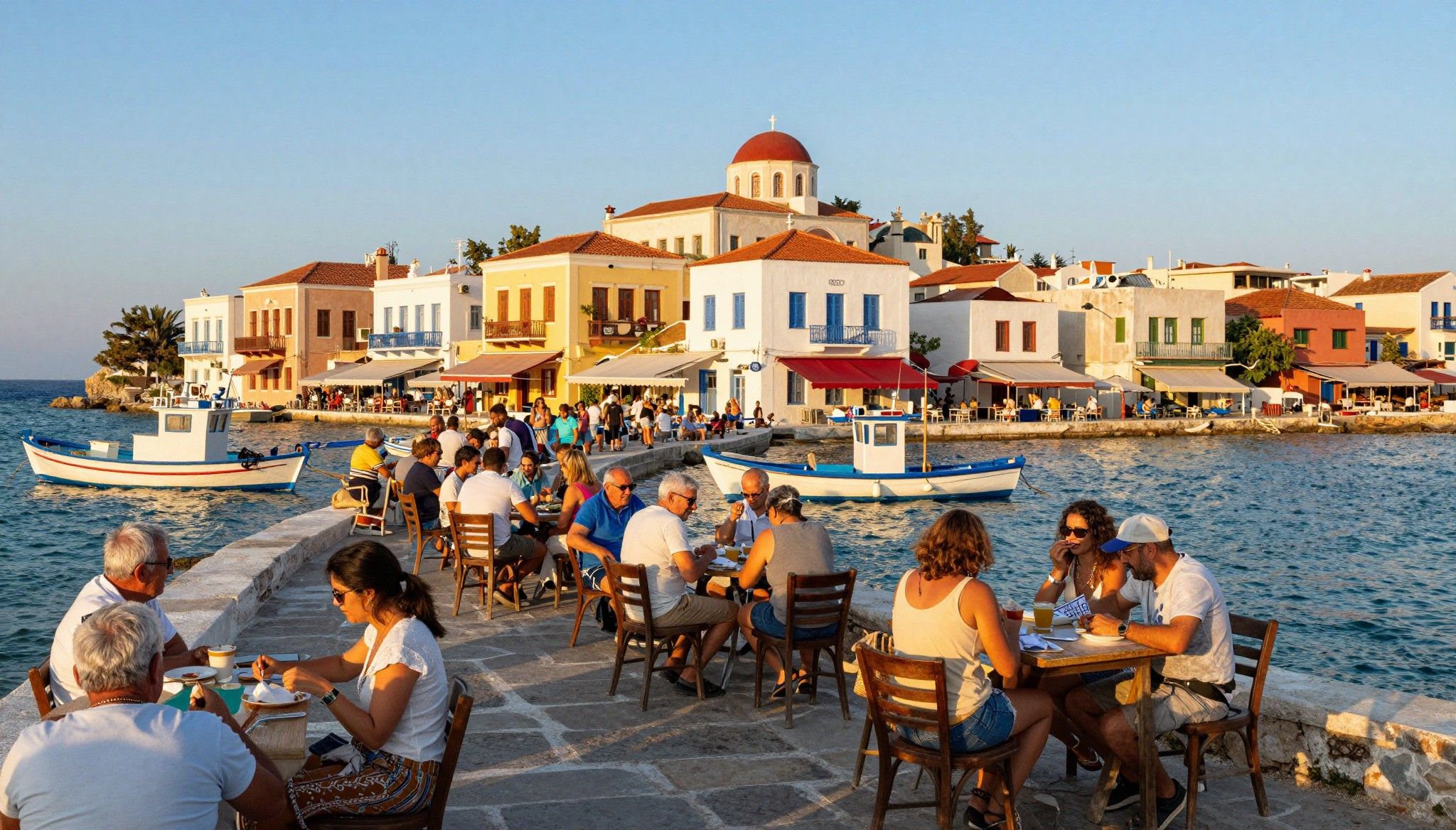
Picture a weekend: farmers’ markets in Zagreb on a rainy morning, grilled fish and local prosciutto at a konoba in Istria, and a seaside aperitivo at dusk on Hvar. Local gastronomy anchors community life and often dictates where new developments succeed — projects near weekly markets, good bakeries and year‑round restaurants retain both rental and owner demand. Seasonality matters: coastal towns swell in July and August but well‑connected developments that offer winter comfort keep occupancy and local services active through colder months.
- Split Varoš: walkable to old town, morning bakeries, good for year‑round rental
- Rovinj centre: Istrian charm, restaurants cluster around the harbour, premium price per m²
- Brač (Supetar & Bol): island pace, small new projects, strong second‑home market
- Zagreb (Maksimir/Pantovčak): urban amenities, schools, and stable year‑round demand
Making the move: practical considerations for new developments
Lifestyle comes first, but the numbers matter — average prices for new dwellings sold reached about €2,652/m² in late‑2024, and price indices rose year‑on‑year across regions. Pipeline activity is uneven: tourism hubs and Zagreb see concentrated quality projects, while inland areas show lower price points and slower development. Recent industry reports note strong demand for well‑specified projects, but also a slowdown in transaction volumes as higher financing costs weigh on buyers. Use supply data and local completion schedules to time offers rather than relying on seasonal intuition alone.
Property styles and how they shape daily life
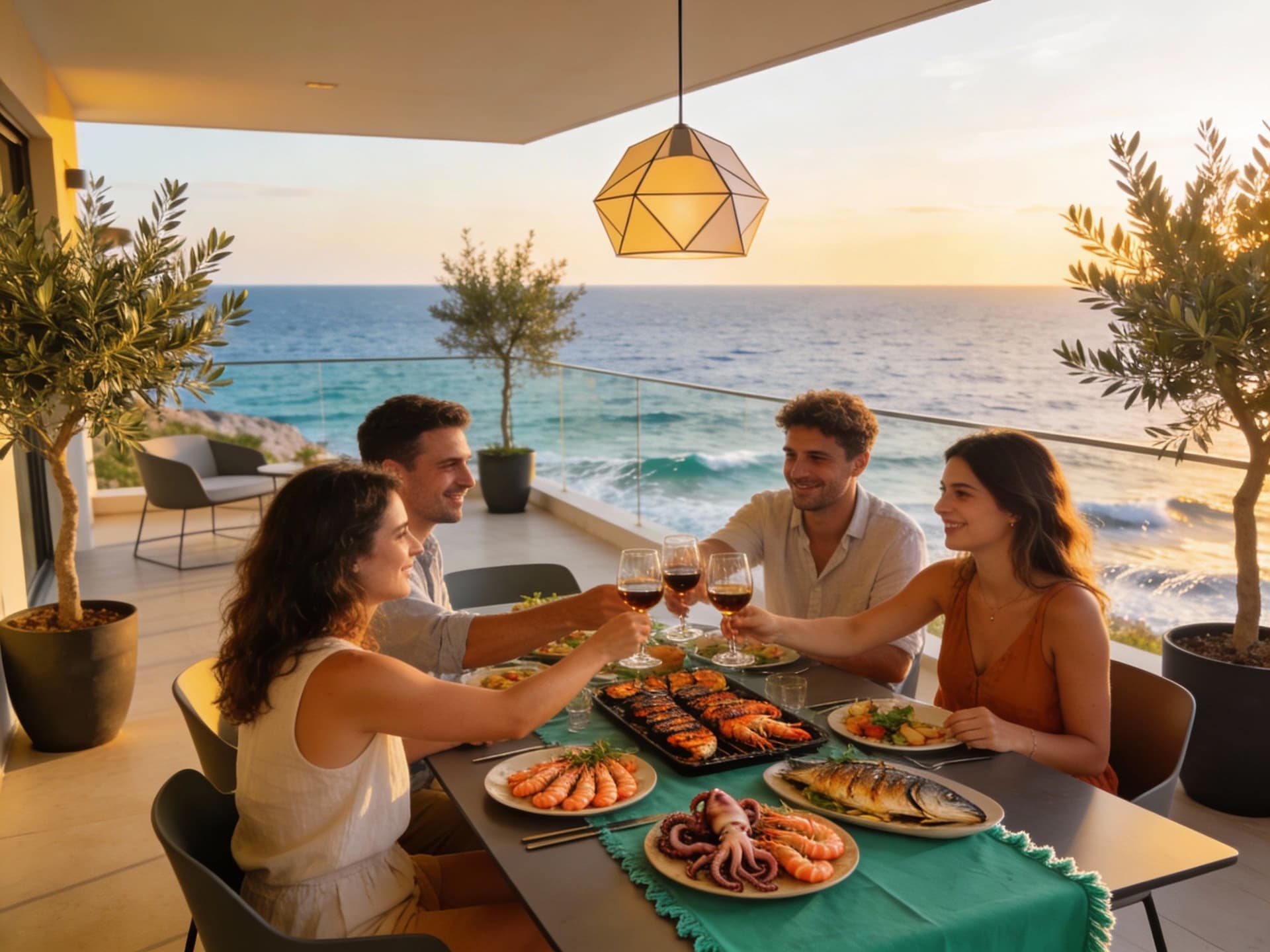
New coastal developments tend toward glass terraces, communal pools and concierge services — they suit buyers who want low‑maintenance living and short‑term rental potential. Stone restorations and small village projects deliver authenticity and lower supply churn, ideal for buyers prioritising privacy and connection to local life. In Zagreb and regional centres, mixed‑use complexes with retail at ground level offer everyday convenience that supports year‑round living. Think about maintenance, energy performance, and how communal amenities translate into running costs and community quality.
Working with local experts who know pipeline timing
- Hire a local agent who tracks permitting, completion dates and developer reputations. They help you avoid projects with delayed permits or speculative offshore developers unfamiliar with local construction norms.
- Insist on a developer delivery schedule and credible bank guarantees for buyer deposits. Croatian statistics show new dwelling prices rising, so project delays can compound costs.
- Request recent energy performance certificates and condominium rules; communal fees in coastal projects can double winter maintenance versus inland properties.
- Visit in shoulder seasons (April/May or October) to test year‑round life: services, daylight, and transport frequency often differ hugely from July.
Insider knowledge: what expats wish they'd known
Expats often tell a common story: they fell for a summer fantasy, bought near a popular beach, then discovered winter silence and higher-than-expected maintenance bills. Data shows asking prices surged across coastal counties, but inland counties remain more affordable; understanding local demand drivers — tourism, university towns, infrastructure — changes where value sits. Practical local knowledge — which baker opens in November, whether ferries run daily in winter — matters as much as price per square metre.
Cultural integration, language and everyday life
Croatians value directness and local relationships; join neighbourhood events, visit markets and learn basic phrases to smooth interactions. Many municipal offices have English‑speaking staff in tourist regions, but paperwork and neighbour conversations are easier with a translator or bilingual agent. Expat groups on islands and in Split or Zagreb provide a helpful social scaffold, but the quickest route to belonging is regular presence — a weekly market run, a favourite café, or volunteering for local festivals.
Long‑term lifestyle and the pipeline’s impact
Well‑executed developments can elevate a neighbourhood by adding shops, parks and reliable services; poorly planned schemes risk seasonal ghosting and maintenance shortfalls. Industry forecasts highlight active logistics and office pipelines in Zagreb and targeted luxury hotel projects on the coast, which support long‑term employment and service levels. If you view a purchase as lifestyle plus investment, prioritise projects with demonstrated developer experience, transparent timelines and local references.
- Red flags to watch for in coastal new builds: unverifiable delivery dates, opaque condominium rules, absence of local contractor references, and unclear waste/water infrastructure plans.
- Lifestyle plus checklist for evaluation: proximity to year‑round services, realistic running cost estimates, ferry/transport frequency in winter, and sightlines that preserve privacy and wind protection.
- 1. Book shoulder‑season visits (April/May or October) to experience daily life beyond the high season. 2. Request developer references and completion photos from recent projects. 3. Factor in communal fees and winter utilities when modelling total cost. 4. Confirm permit status with municipal planning offices before placing a deposit.
Croatia’s coastline offers an easy life of markets, sea air and small‑town rhythms, but the right new build depends on matching developer credibility to your lifestyle needs. Use public statistics to check price trends, lean on local agents for pipeline intelligence, and prioritise shoulder‑season vetting trips to separate summer fantasy from year‑round reality. When you pair the Adriatic lifestyle you want with the market data and local knowledge above, you’ll make choices that feel like home both in mood and in the balance sheet.
Next steps: Visit, shortlist, and verify. Start with a shoulder‑season visit, ask an agent to produce a delivery schedule and recent completion references, and cross‑check price and supply trends against national statistics. If you’d like, we can connect you to local specialists who track the new‑build pipeline and translate lifestyle signals into practical investment steps.
Dutch investment strategist with a Portugal-Spain portfolio. Expert in cross-border financing, rights, and streamlined due diligence for international buyers.