How France’s Taxes Shape the Lifestyle — and the Price
France’s lifestyle charms hide precise tax and transfer rules — from 7–8% acquisition costs to 19% capital gains and IFI thresholds — that shape whether a purchase is a dream or a cost.
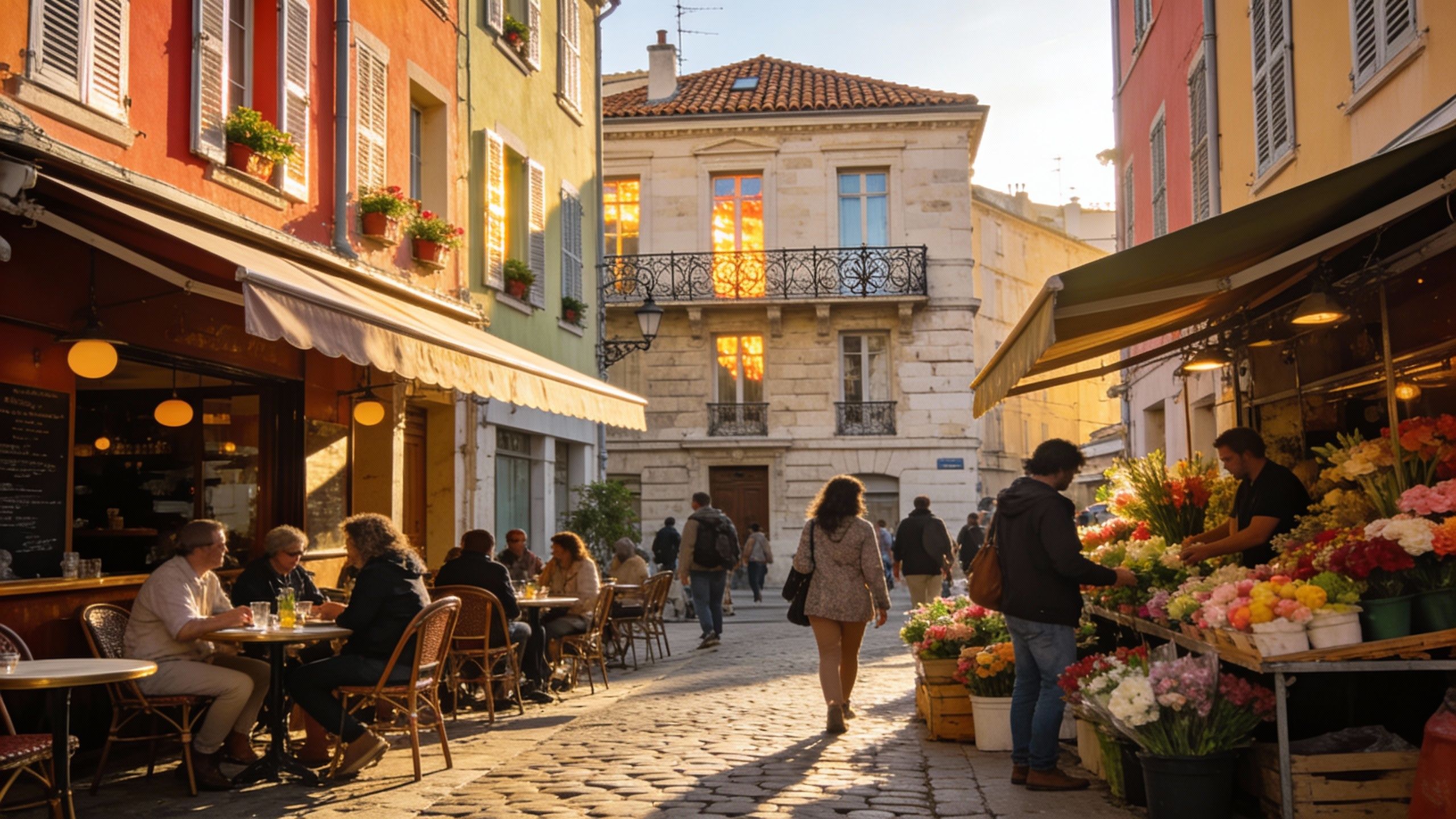
Imagine a Sunday morning in Aix‑en‑Provence: fresh pastries at Place Richelme, a dog walker on Cours Mirabeau, and a stone townhouse that looks affordable until you add the paperwork. France sells a life — café rhythms, weekly markets, coastal weekends — but its tax and transfer system rearranges the numbers in ways few overseas buyers expect. This guide pairs the sensory — morning light on limestone façades, market stalls of Provençal saffron and olives — with the concrete rules that shape the true cost of buying and owning property in France.
Living the French life: more than a view
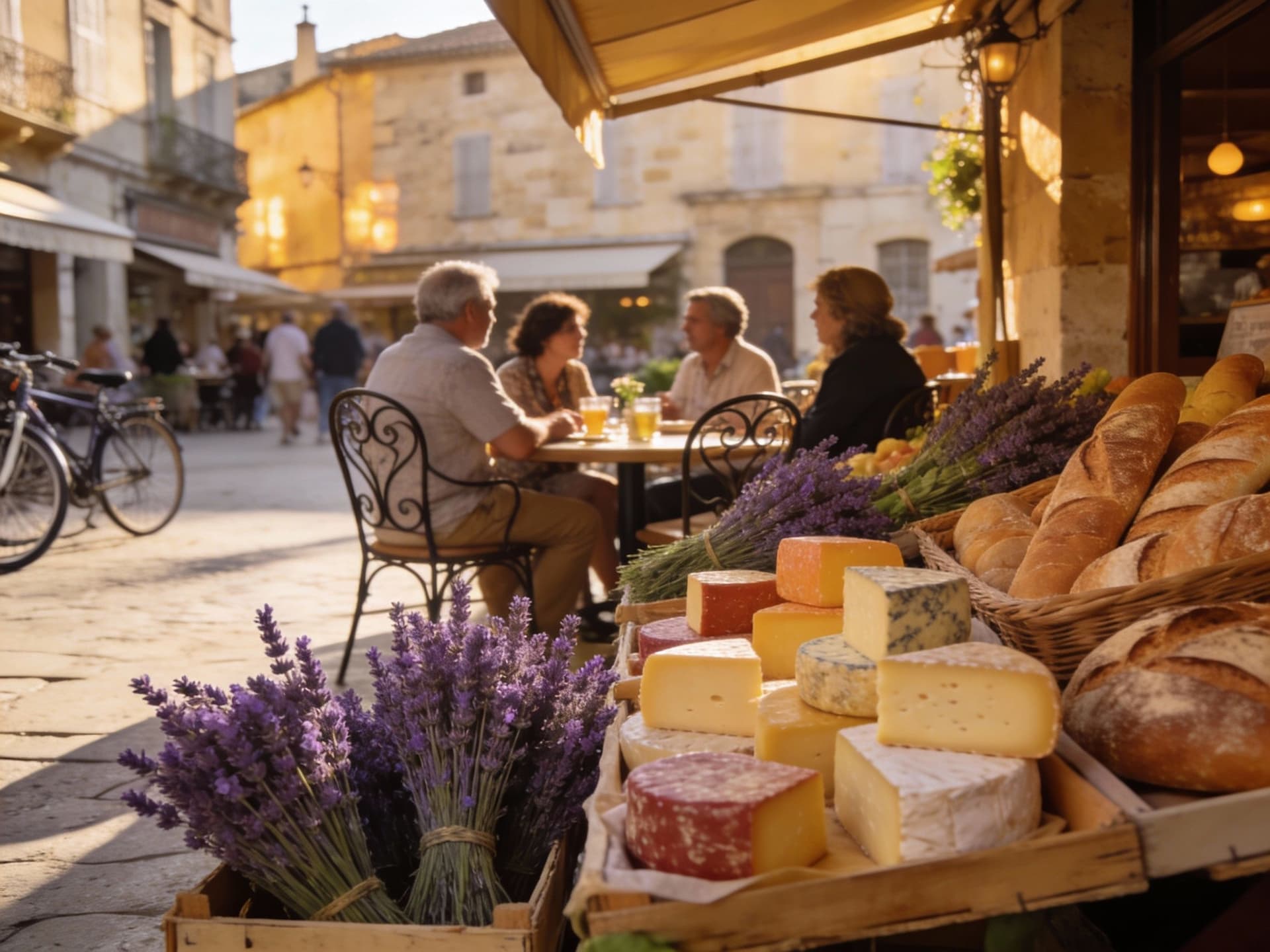
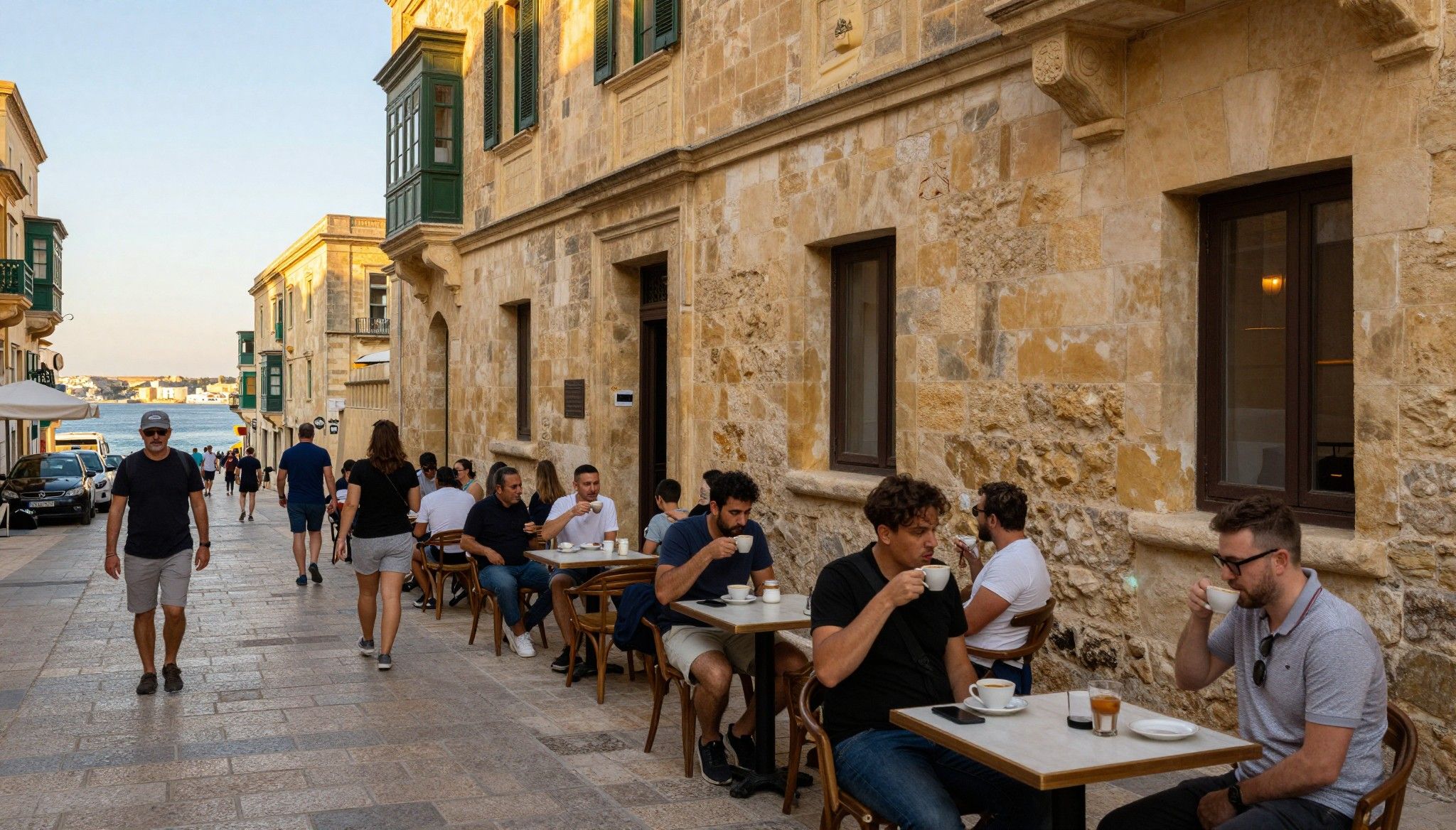
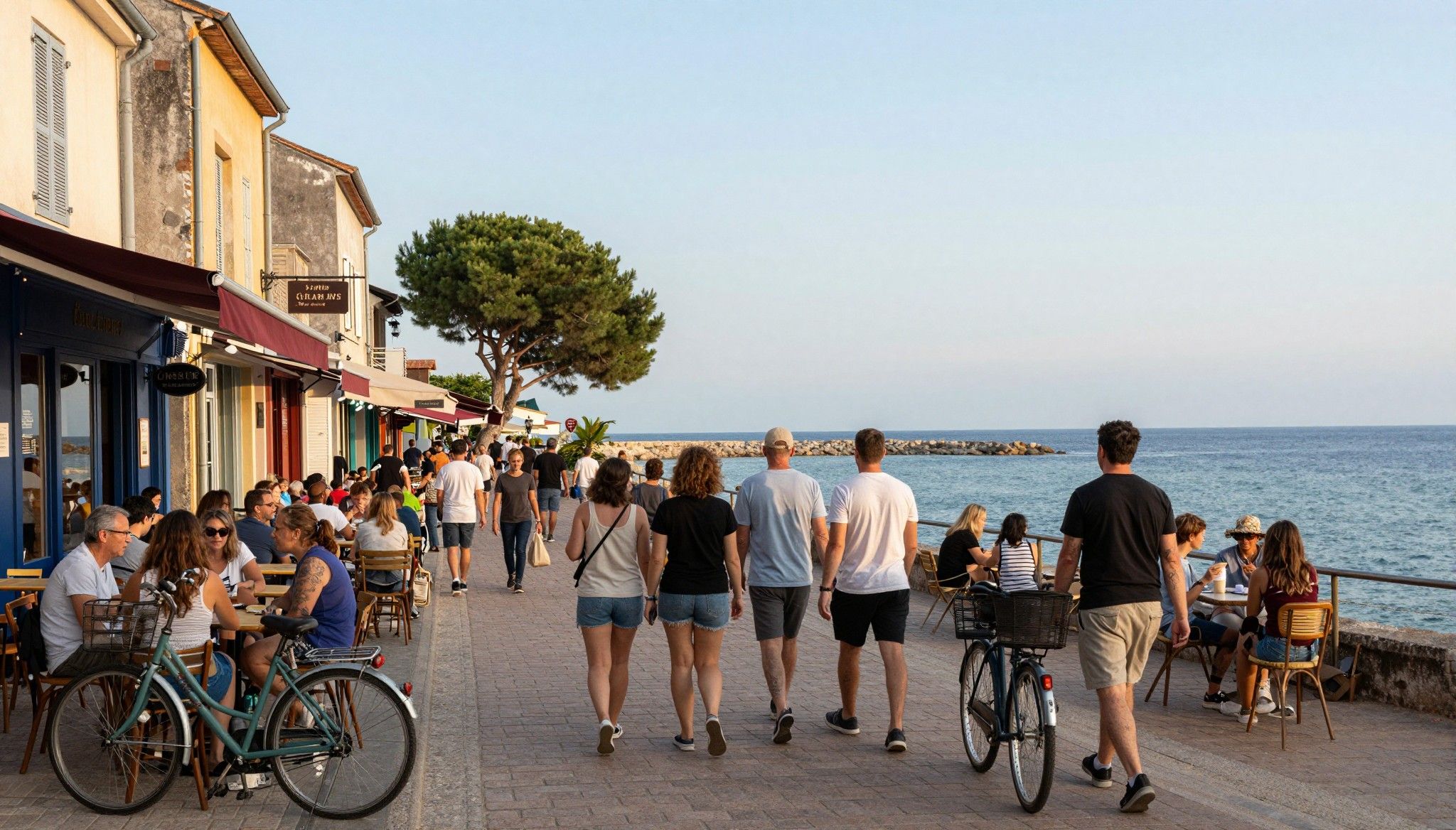
France is lived in neighborhoods rather than abstract locations. In Paris you slide between arrondissements for a café that matches your mood; on the Côte d’Azur the day can start at Plage de la Gravette in Antibes and end with a seafood dinner in Juan‑les‑Pins. Small towns like Uzès or Sarlat move at a different tempo: markets at dawn, boulangeries with permanent queues, and seasonal festivals that reshape life for weeks. These rhythms affect what you need from a property — storage for bicycles and surfboards, a second bedroom for visiting family, or a large kitchen built for long lunches.
Neighbourhood spotlight: Marseille’s Cours Julien to Le Panier
Walk Cours Julien on a Tuesday and you’ll meet artists, late‑night samba groups and green grocers; cross into Le Panier and the lanes tighten into mosaics of boutiques and bistros. Prices can vary street by street: a restored maison de ville near the port can cost less than a modern flat with concierge a kilometre from the centre. Lifestyle choices — proximity to trams, weekly market schedules, noise levels after 22:00 — should be treated like micro‑zoning that materially affects resale and rental demand.
Food, festivals and seasons: why timing changes everything
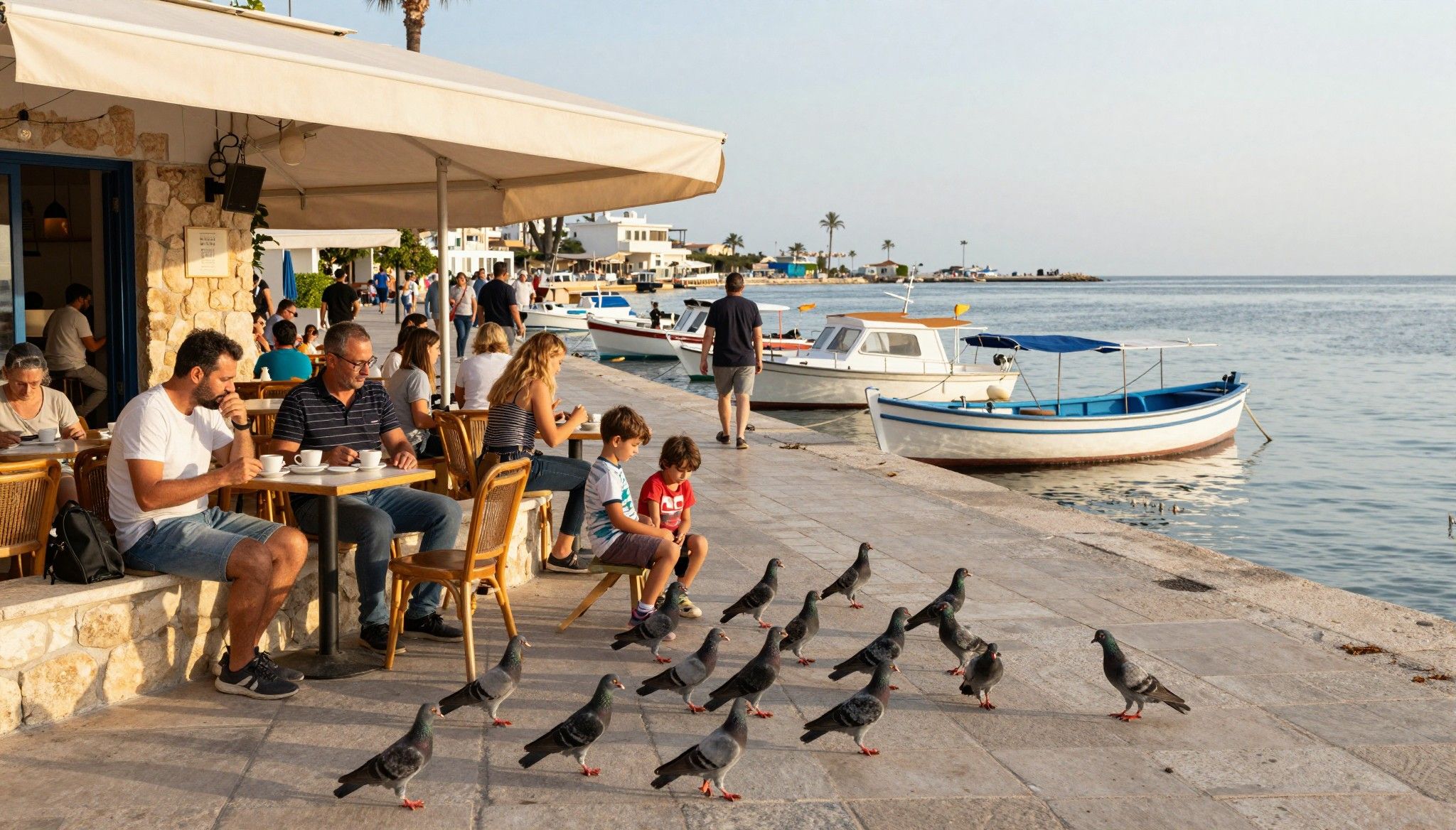
Seasons rewrite daily life in France: Riviera beaches surge in July, Alsace glows in winter markets, and harvest time in Bordeaux means temporary demand for short lets and weekenders. If you want a place that pays for itself in short‑term rentals, festival calendars and transport links matter as much as square metres. Conversely, if you’re buying for slow life, target towns with established year‑round communities — they resist tourist season volatility and fewer surprises land on your invoice.
Making the move: practical realities that shape the dream

Here’s the blunt practical pivot: taxes and transfer charges can add 7–8% at purchase for older homes, and selling too soon can trigger capital gains tax plus social levies that approach 36.2% on a gain. The headline numbers matter less than the timelines — for capital gains tax, exemptions and allowances are tied to years of ownership. Understanding how the French state counts ownership and residency will save you from surprise bills and help plan whether a property is a lifestyle purchase or an investment play.
Property styles and their hidden costs
A classical stone maison in Brittany may charm you, but older properties often carry higher transfer taxes (the so‑called « frais d’acquisition ») and renovation responsibilities. New builds have much lower acquisition charges (typically 2–3%) and often come with warranties that ease renovation risk. If you want character without renovation surprises, prioritise recently renovated buildings or apartments with documented works — the paperwork is as important as the beams.
How local experts match life to law
A trustworthy local agent and a bilingual notaire are more than conveniences: they translate municipal bylaws, local tax decisions and department‑level fee variations into actionable purchase strategies. Departments can now raise the transfer tax share, changing notaire costs by up to 0.5 percentage points in some areas since 2025, so where you buy in France can change acquisition costs materially. Use local experts to compare running costs — property tax (taxe foncière), insurance, and expected maintenance — not just the headline price per square metre.
Insider knowledge: the things expats wish they'd known
Expats frequently underestimate two linked realities: (1) property ownership in France can create ongoing filing obligations even if you live elsewhere; and (2) wealth‑style taxes like the IFI apply to property assets in France if net value exceeds thresholds (currently around €1.3m for taxable assets). These rules affect whether a coastal pied‑à‑terre is a simple pleasure or an administrative headache that demands annual declarations and careful mortgage structuring.
Cultural and legal quirks worth planning for
French transactions are document‑heavy and mediated by formalities — the notaire holds the title, collects taxes and archives deeds. Expect multiple certified documents, a cooling‑off period (délai de rétractation) after signing a promesse or compromis, and formal handovers that are less flexible than in some other markets. These procedures protect buyers, but they also make speedy, cash‑only flips harder; plan timelines and factor in waiting periods when synchronising sales and purchases.
- Practical tips expats say matter most
- 1. Check department DMTO rates before making an offer; a 0.5% difference can add thousands to acquisition costs. 2. If you plan to sell within a decade, get capital gains modelling from a French tax advisor — allowances kick in after specific ownership years. 3. Use a notaire to confirm if a property is subject to co‑ownership (copropriété) charges or major upcoming works — both hit budgets. 4. Consider new‑builds for lower upfront taxes and warranty cover if you dislike renovation uncertainty.
If numbers are your love language: capital gains for non‑residents are taxed at 19% with social levies that can total 17.2%, and allowances for duration of ownership phase out liability over 22–30 years depending on the charge. Acquisition charges on existing homes are often 7–8% of price, heavily composed of state and department taxes rather than the notaire’s fee. Use these published rules to stress‑test your purchase scenarios and decide if a property is a lifestyle expense or a long‑term holding.
Conclusion — how to keep the dream and shrink the surprises
France rewards patience: the right neighbourhood and the right ownership timeline protect both lifestyle and wallet. Start with a clear picture of daily life you want — the market, the market stall, the sunset walk — then match that to legal and tax realities. Partner with bilingual agents, a notaire and a tax advisor early; they translate lifestyle priorities into concrete protections (warranty windows, tax allowances, department fee checks). With the paperwork mapped, the baguette queue and marché zun‑zun will feel less like a whim and more like a sustainable way of life.
Next steps: compile a basic cost sheet (purchase price, departmental transfer tax, notaire fees, taxe foncière, expected maintenance), request capital gains modelling for your likely holding period, and ask a local notaire to confirm any co‑ownership or urban planning constraints. When you do, you’ll move from romantic idea to a purchase plan that keeps the spirit of France intact while limiting financial surprises.
British investor turned advisor after buying in Costa del Sol since 2012. Specializes in cross-border compliance and data-driven investment strategies for UK buyers.