Buy the Life, Not the Peak: Croatia’s Real Market Signal
Don’t buy Croatia’s summer headline — prioritise year‑round neighbourhoods, infrastructure and off‑season demand; tourism data shows the Adriatic is becoming less seasonal.
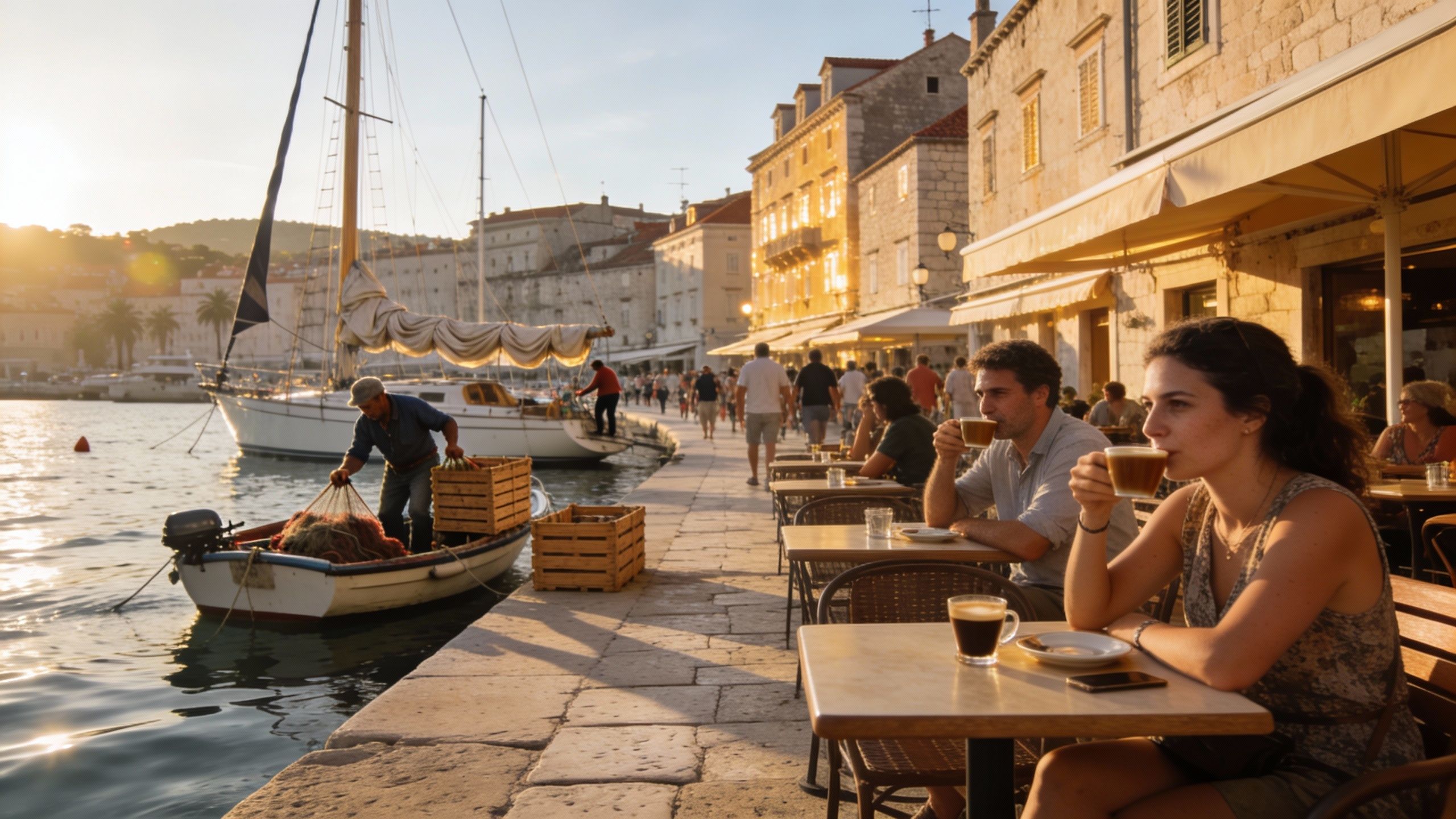
Imagine sipping an espresso on Split’s Riva at 08:30, then walking five minutes to a quiet stone lane where locals buy fresh fish — that contrast is Croatia. Beneath the postcard coast there’s a layered market: booming tourist traffic on one hand and local affordability pressures on the other. This guide argues that headline prices (the summer, the view, the island premium) often misread the real signal international buyers should follow: year-round demand, infrastructure change, and neighbourhood resilience. We use Croatian tourism and housing data to separate seasonal shimmer from long‑term value so you can buy a life, not a postcard.
Living the Croatia lifestyle
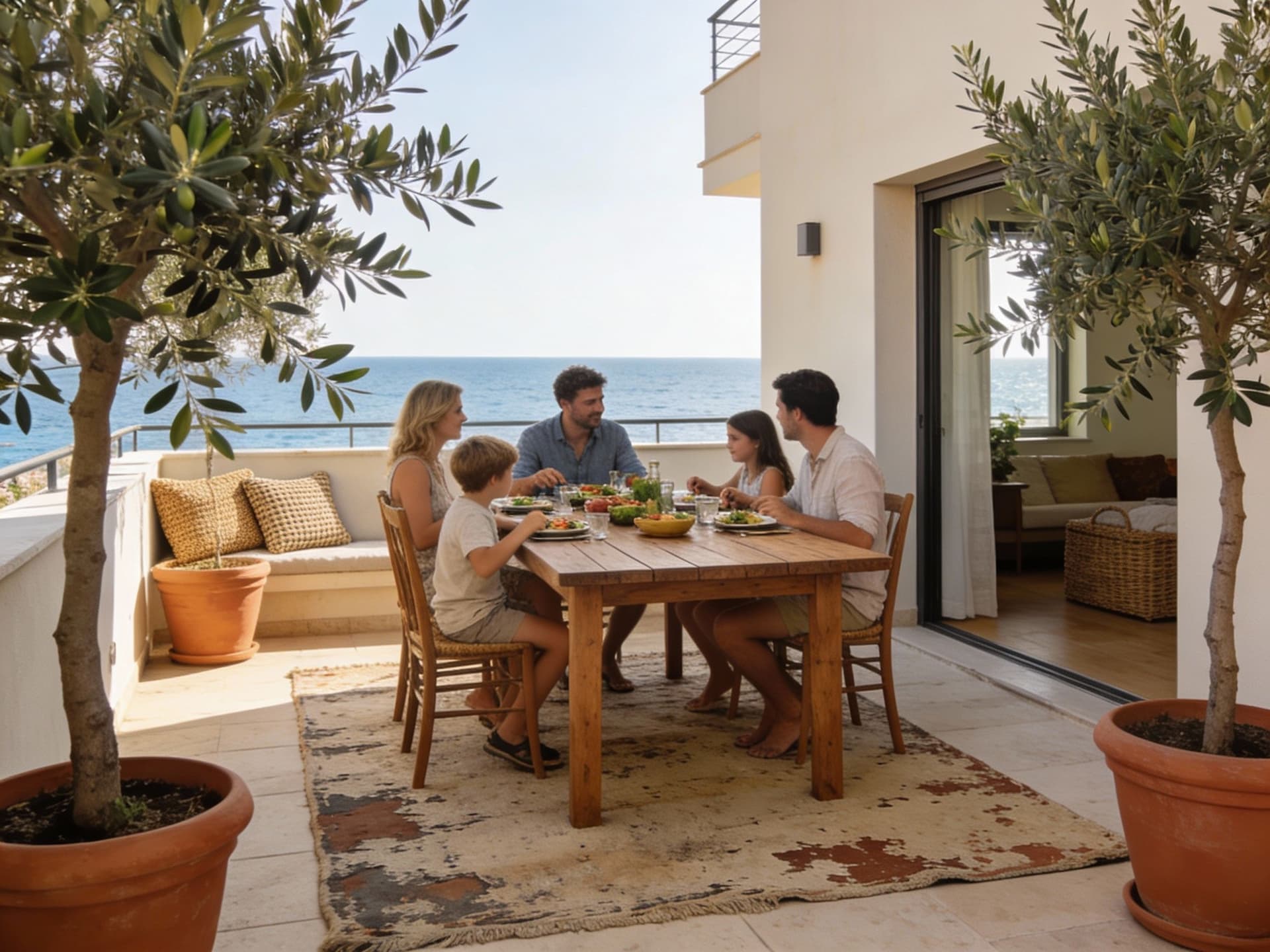
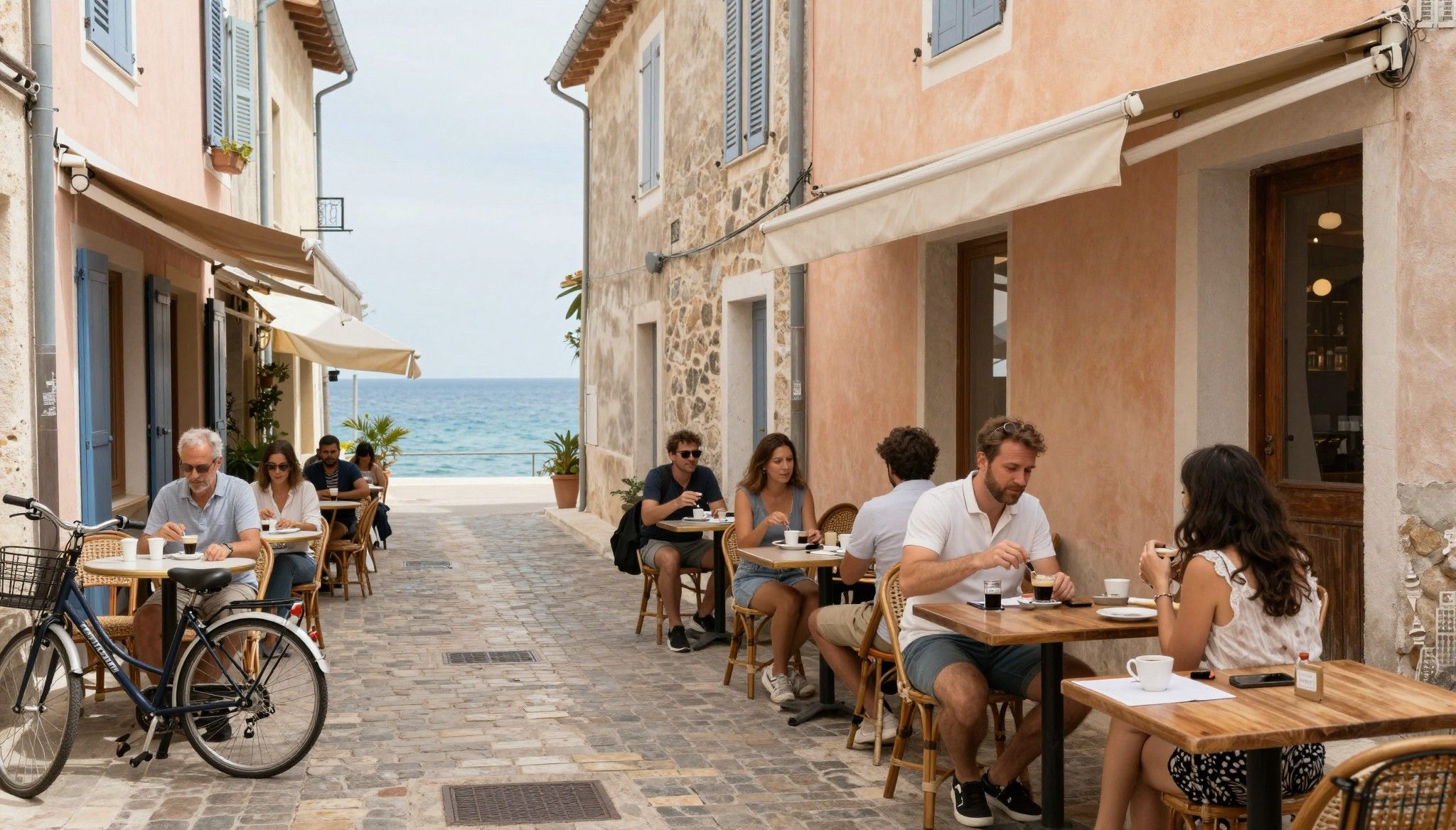
Croatia wakes differently depending on where you are: a café culture in Zagreb, a slow fishing rhythm in Komiža (Vis), and an energetic marina life in Trogir and Šibenik. Mornings are markets — Pazar stalls in Split and fish markets in Zadar — while afternoons carry the sea breeze along promenades. The soundscape blends church bells, café conversation, and the distant hum of private boats; the pace is Mediterranean, but cities have year-round life thanks to rising off‑season tourism and events. Knowing which rhythm you want should shape which neighbourhood you prioritise when buying.
Zagreb, Dalmatian riviera, and island life — different promises
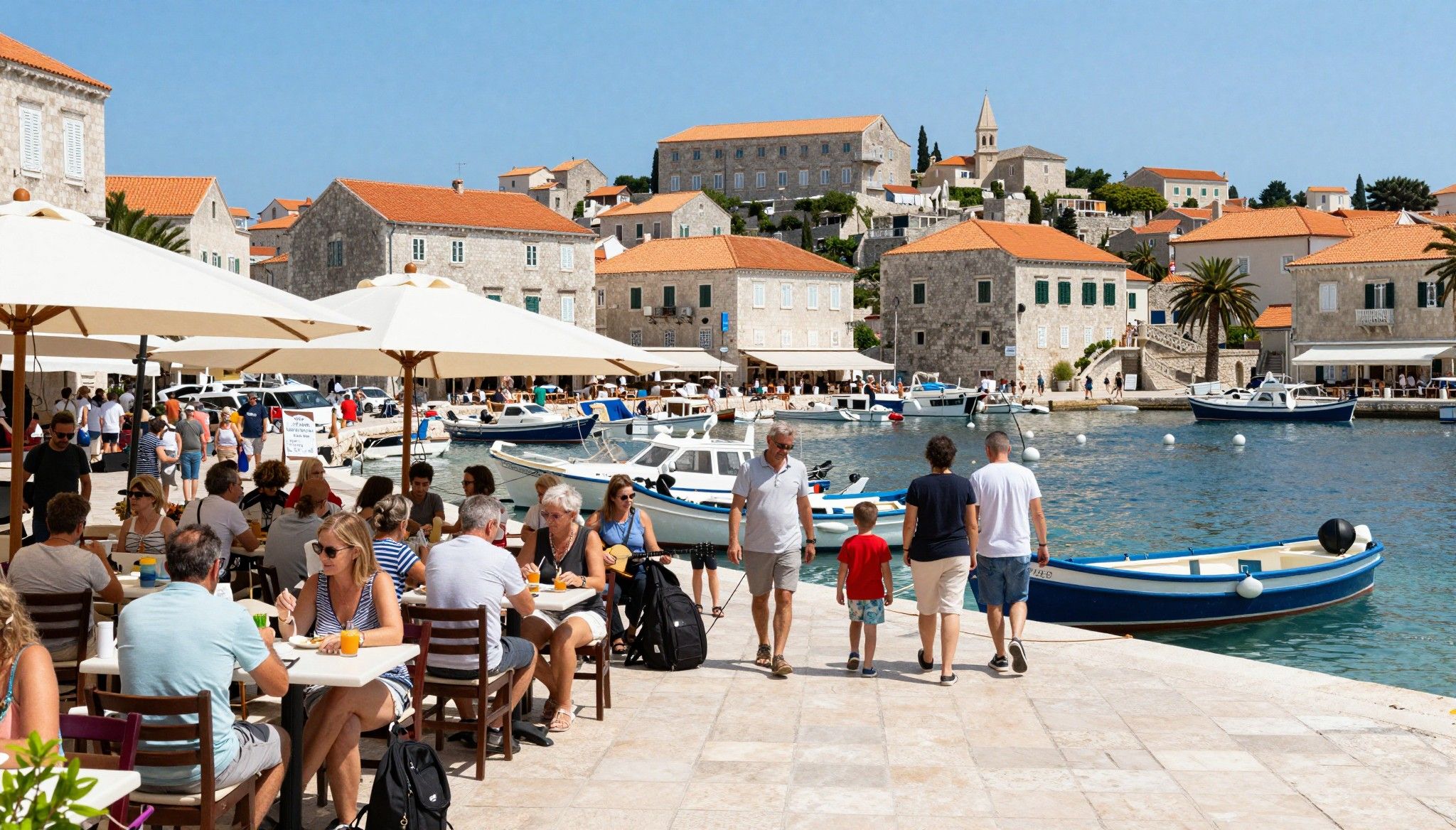
Zagreb offers city infrastructure, museums, and a winter social calendar that keeps rental demand steady outside summer. Split and Dubrovnik sell the coastal dream — cobbled old towns, promenades and yachting culture — but they also have pronounced seasonality in footfall and short‑term rental dynamics. Islands such as Brač and Hvar offer serenity and premium prices near harbours; inland Istria mixes wine country calm with growing villa demand. Each area promises a lifestyle and presents different cashflow and maintenance realities for owners.
Food, markets and weekly rhythms that shape where locals buy
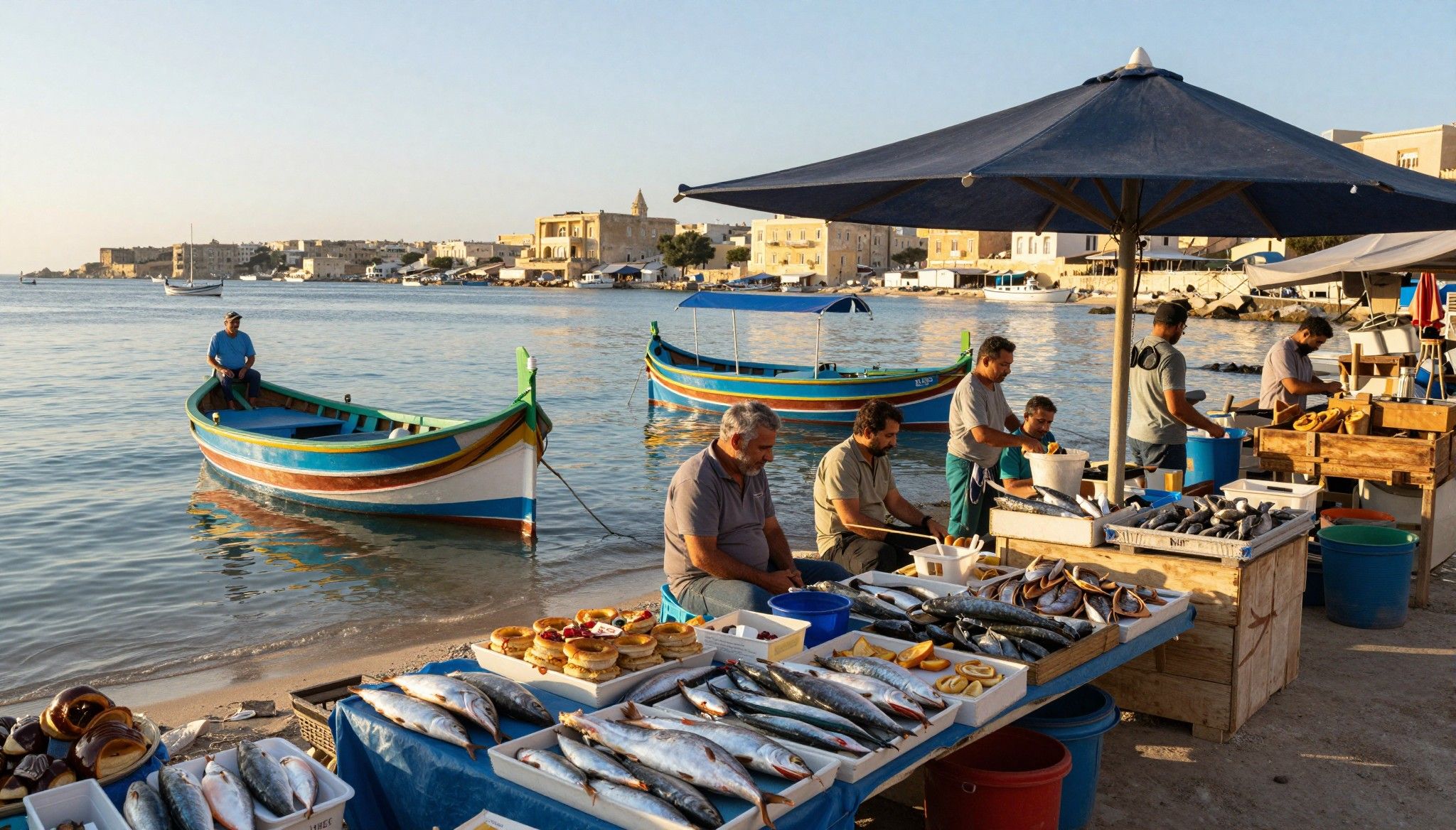
Weekends in Croatia are anchored by markets and konobas (family tavernas). In Split the fruit-and-veg market under Diocletian’s Palace sets the morning tempo; in Istria, truffle season redraws the map of desirable holdings near Motovun and Buzet. These weekly patterns mean properties near reliable local amenities — bakeries, markets, a year‑round café — deliver more than seasonal rental premiums: they support everyday life and resale appeal to buyers who want permanent residency rather than holiday income.
- Markets, cafés and lifestyle highlights
- Morning fish market, Split (Riva) — fresh supply and neighbourly rhythm
- Zagreb’s Tkalčićeva street — year‑round café and cultural life
- Istrian truffle routes — seasonal lifestyle that lifts inland villas
- Šibenik and national parks — proximity to Krka and Kornati changes weekend life
Making the move: practical considerations
Tourism has shifted from seasonal peaks to a stronger shoulder season: Croatia recorded more than 110 million overnights in 2025, with both pre- and post-season growth. That trend reduces pure summer dependency in many coastal towns and raises the appeal of properties that perform across months, not just weeks. Translating that into buying choices means prioritising transport links, municipal services and neighbourhoods that show steady occupancy rather than headline summer rates. Here are the property types and how they fit real life.
Property styles and how you’ll actually live in them
Stone apartments in old towns give immediate character and tourism pull but can carry high maintenance, stricter renovation rules, and less parking. Modern developments near marinas or on city outskirts offer insulation, parking and energy efficiency — they age better for permanent residents. Traditional stone houses inland or on smaller islands promise tranquillity and land, but factor in utilities and year‑round access. Match the property type to whether you want full‑time life, part‑time escape, or an investment with steady rentals.
Working with local experts who know lifestyle signals
A local agency that understands off‑season demand, municipal plans (new marinas, road upgrades), and renovation permitting can steer you away from summer‑only hotspots that look profitable on paper. Good agents will show you utility records, local school calendars, and municipal planning maps that reveal where year‑round infrastructure is improving. Ask for evidence: energy certificates, municipal master plans, and examples of recent off‑season occupancy. These documents help you convert lifestyle preference into a resilient purchase.
- Six lifestyle-plus-practical buying checks
- Confirm year‑round transport links (ferries, airports, highways) and check winter ferry schedules.
- Match property type to use: choose modern shells for full‑time living, stone flats for holiday rental focus.
- Request municipal masterplan extracts to spot upcoming infrastructure that lifts value.
- Review recent off‑season occupancy or long‑let contracts to avoid summer‑only yields.
Insider knowledge: what expats wish they’d known
Expats often arrive thinking coastal towns are uniformly affordable or uniformly expensive; reality is mosaic. Young Croatians face affordability issues and multi‑generational housing strategies in suburbs — a signal that local wages and supply dynamics matter for long‑term demand. Investors chasing short‑term rental yields can push prices in tiny hotspots; the catch is those locations may lack off‑season appeal, increasing vacancy risk. The locals’ tactics — building an extra floor at home, diversifying to inland properties — reveal practical, adaptable ownership models foreigners can learn from.
Cultural cues that change where you buy
Croatians prize community ties and seasonally flexible homes; properties near family services and local clubs often retain demand. Language matters less in tourist hubs but more in small inland towns where local networks run day‑to‑day life. Respecting local rhythms — market days, religious holidays, and summer festivals — makes integration smoother and affects rental patterns. Buyers who invest time in local life often gain access to off‑market opportunities that fit their lifestyle better than headline listings.
Long‑term lifestyle considerations
Think beyond the view: energy costs, winter heating, snow clearance inland, and summer water supply on islands all influence annual running costs. Properties that support year‑round life — reliable internet, insulation, and access to medical services — are more comfortable and easier to re‑let for longer contracts. As Croatia strengthens off‑season tourism and improves transport, neighbourhoods connected to this infrastructure will likely outperform purely seasonal hotspots.
- Red flags local buyers flag
- Properties with unclear renovation permits or unregistered additional floors
- Listings promising 'year-round rental' without off‑season occupancy data
- Houses on islands with poor winter ferry schedules
Conclusion: buy the life, not the peak
If your dream of Croatia is daily market walks, neighbours who know your name and a reliable winter community, prioritise neighbourhood resilience over headline summer yields. Use tourism and official statistics to test an area’s off‑season strength, inspect municipal plans, and work with agencies that document year‑round occupancy. The right purchase turns seasonal charm into a sustainable life — and that’s the difference between a holiday property and a home.
Danish relocation specialist who has lived in Barcelona since 2016. Helps families move abroad with onboarding, schooling, and local services.