Croatia: Taxes, Residency and the Real Lifestyle Tradeoffs
Fall in love with Croatia’s island rhythms — then plan smart: 3% transfer tax or 25% VAT, property won’t auto‑grant residency, and registry checks are non‑negotiable.
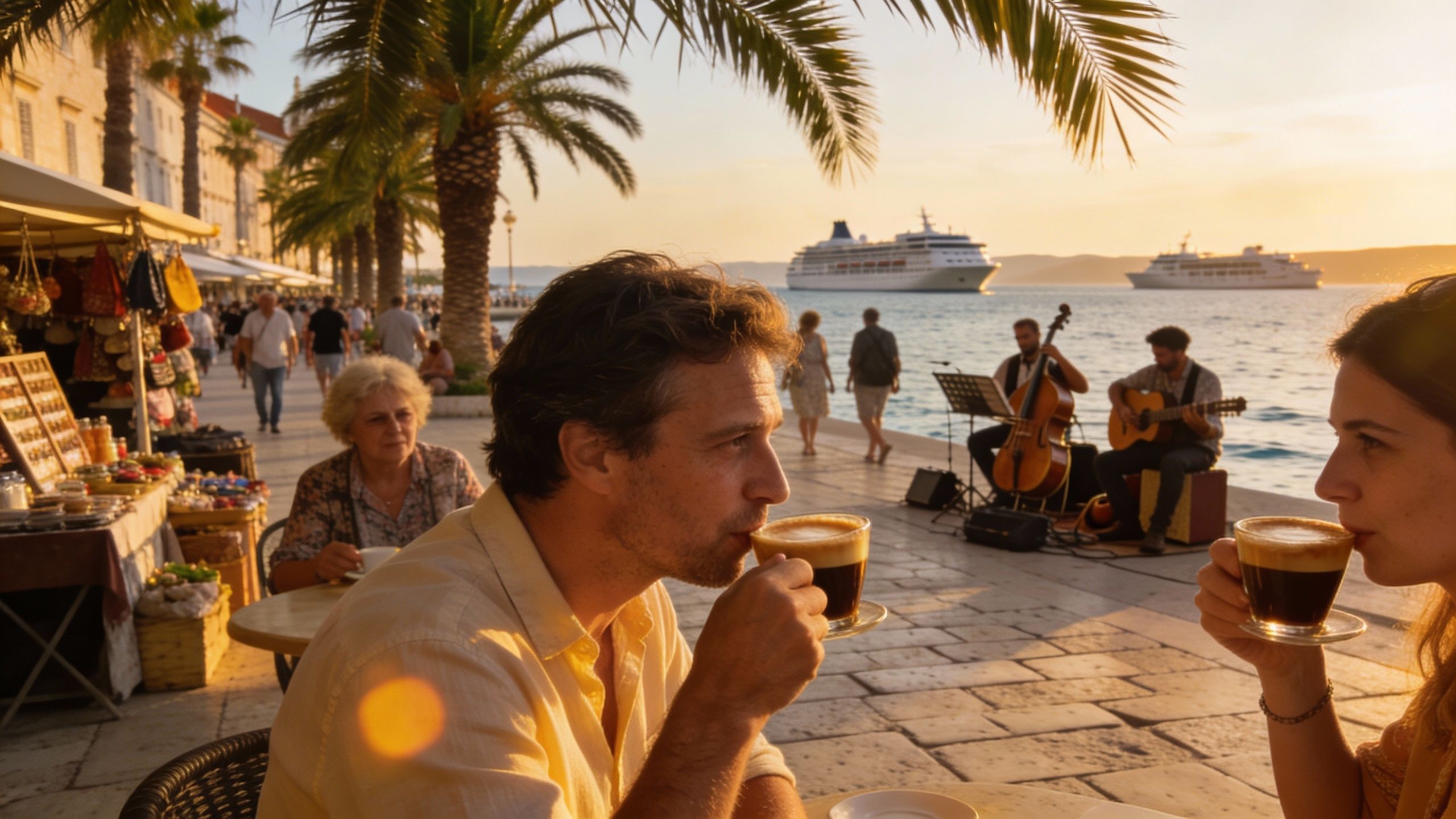
Imagine stepping out at dusk onto Split’s Riva with espresso steam in the air, or wandering a stone lane in Rovinj where laundry flutters above and neighbours call out the day’s catch. Croatia’s Adriatic rhythm shapes daily life — an easy, solar-tempered pace that turns weekends into markets, ferries and seaside lunches. For many international buyers that romance is why they look here; the practical truth about taxes, residency and transaction speed determines whether that romance becomes a lived life.
Living the Croatia lifestyle
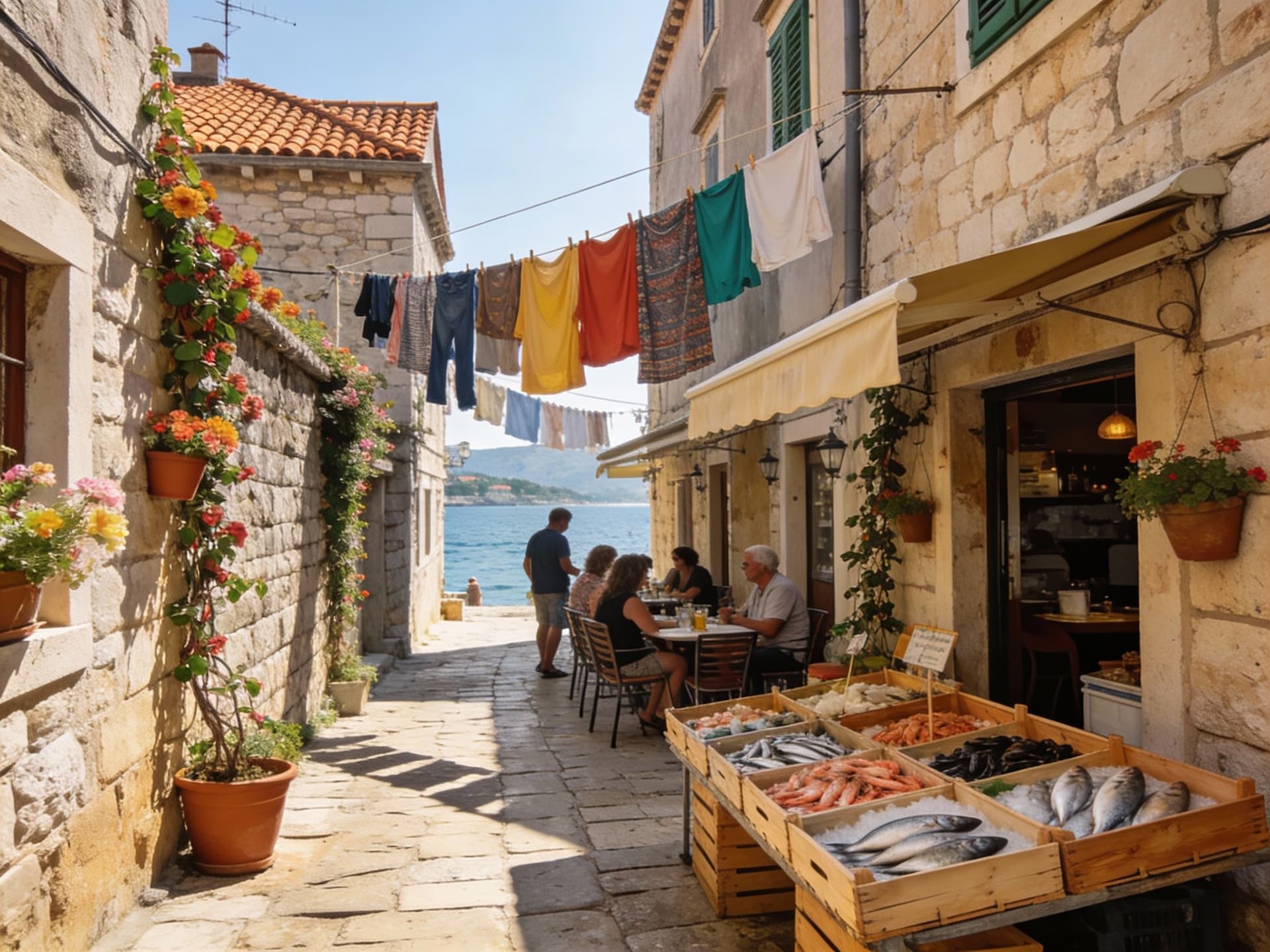
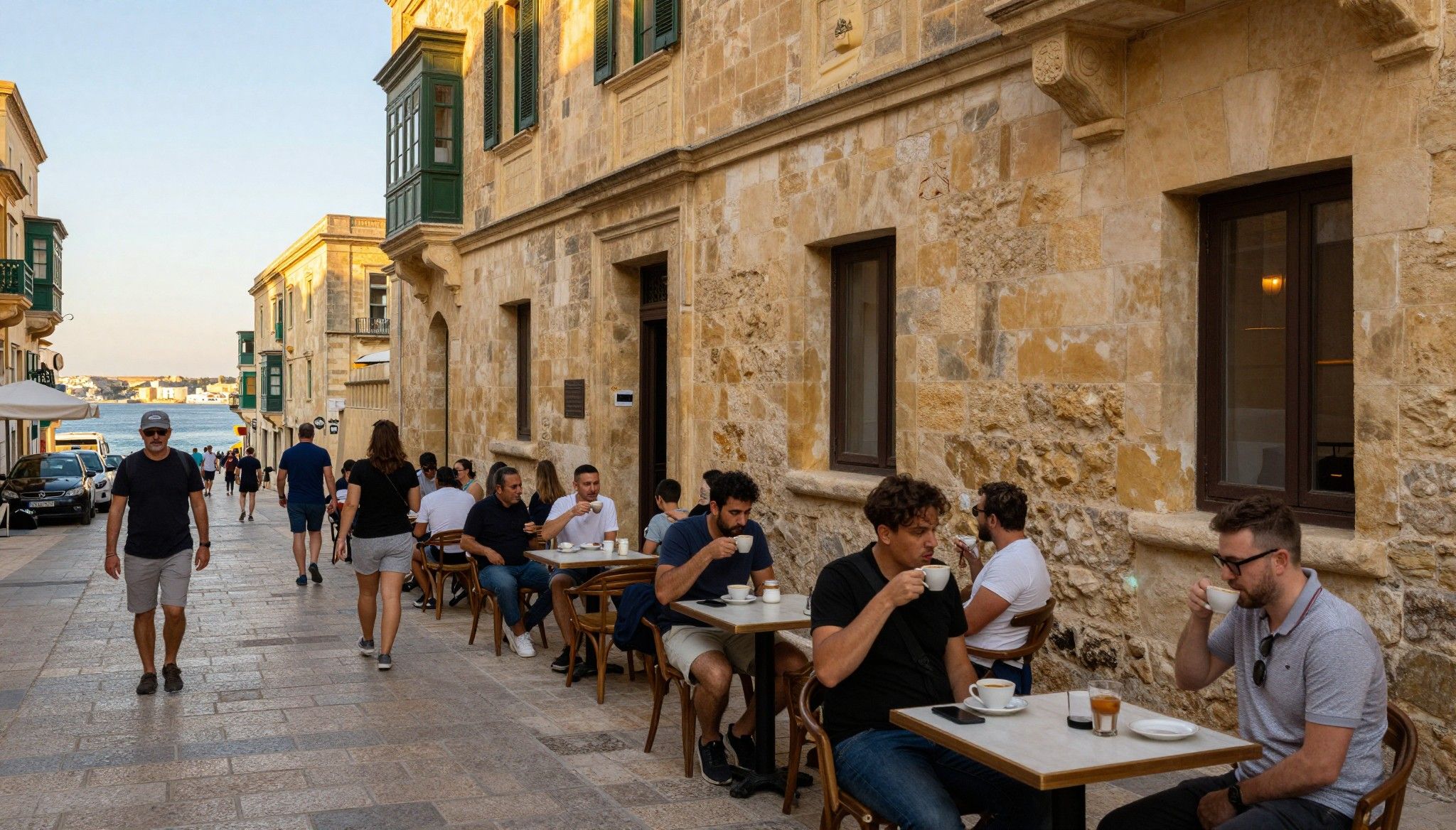
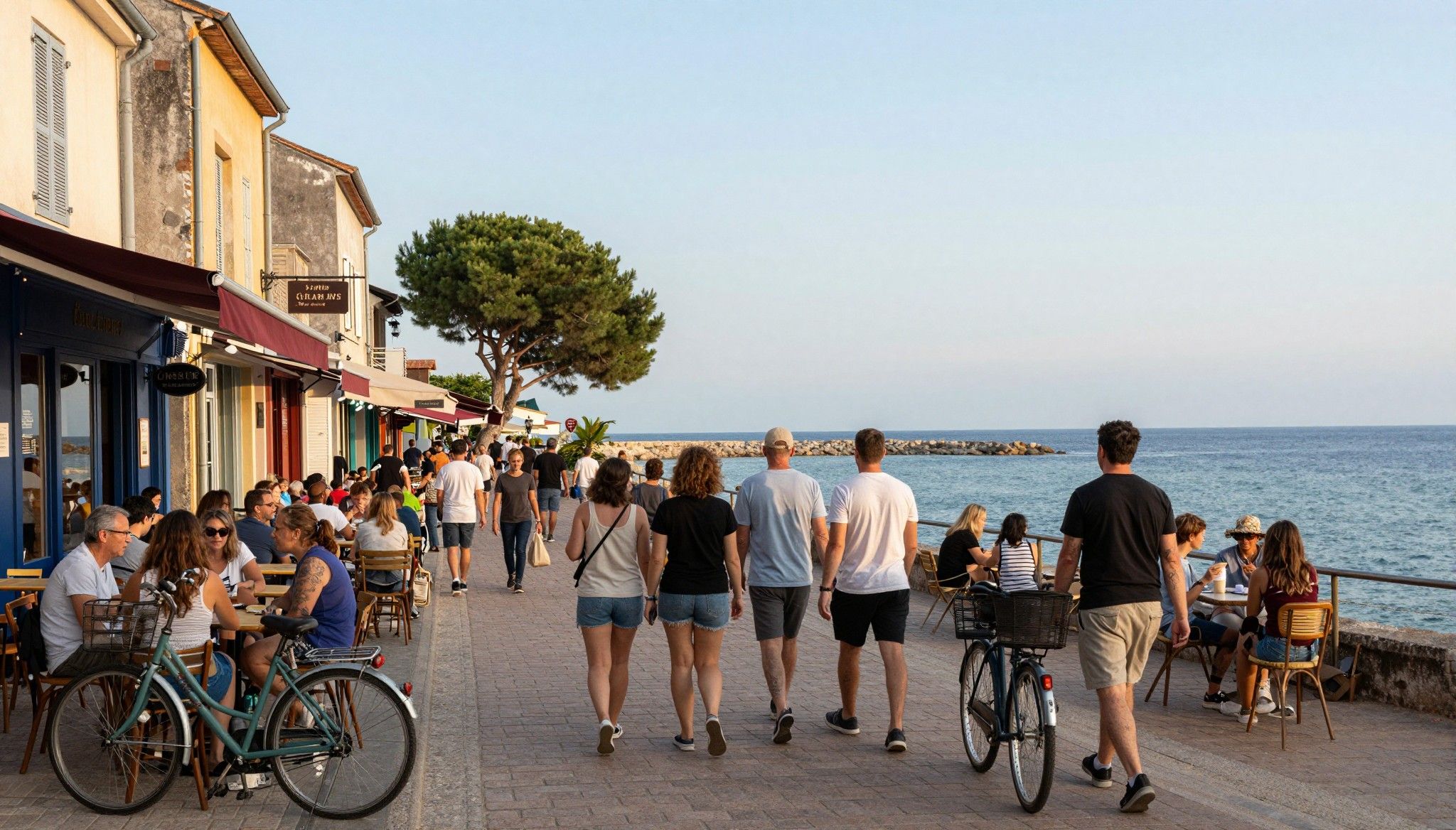
Living in Croatia is tactile. Mornings in Zagreb begin with strong coffee and tram clatter; on the coast, mornings are for markets and promenades. Summers bring al fresco dinners and island hopping; winters slow down to cosy konobas and olive‑oil tastings. That seasonal rhythm influences which property suits you — a stone apartment in a walled town feels intimate and year‑round, a modern seafront flat scales well for seasonal rental income.
Neighbourhood spotlights: Split’s Veli Varoš and Dubrovnik’s Ploče
Veli Varoš in Split is early‑morning fishermen and narrow alleys — perfect if you want local rhythm and quick access to the ferry. Ploče in Dubrovnik trades narrow charm for proximity to the Old Town walls and quieter terraces with sea breezes. Both reward buyers who prioritise walkability, cafés and neighborly life over manicured marina developments.
Food, markets and hidden rituals
From Špancirfest in Varaždin to oyster stands on Mali Ston, Croatia’s calendar is a practical buyer’s tool: festivals create micro‑markets for short‑term rentals, local harvests mean seasonal produce and community‑run sellers sustain neighbourhood life. Coffee culture is a daily ledger of relationships — your café owner will become both a friend and an informal source of local intel.
- Lifestyle highlights to look for
- Morning fish market in Split (Ribarnica), late‑afternoon aperitivo on Korčula’s harbour, Sunday farmers’ market at Dolac (Zagreb), the pebble beach tucked behind Punta Christo (near Pula), island ferry schedules that double as social timetables, konoba dinners with seasonal menus.
Making the move: practical considerations
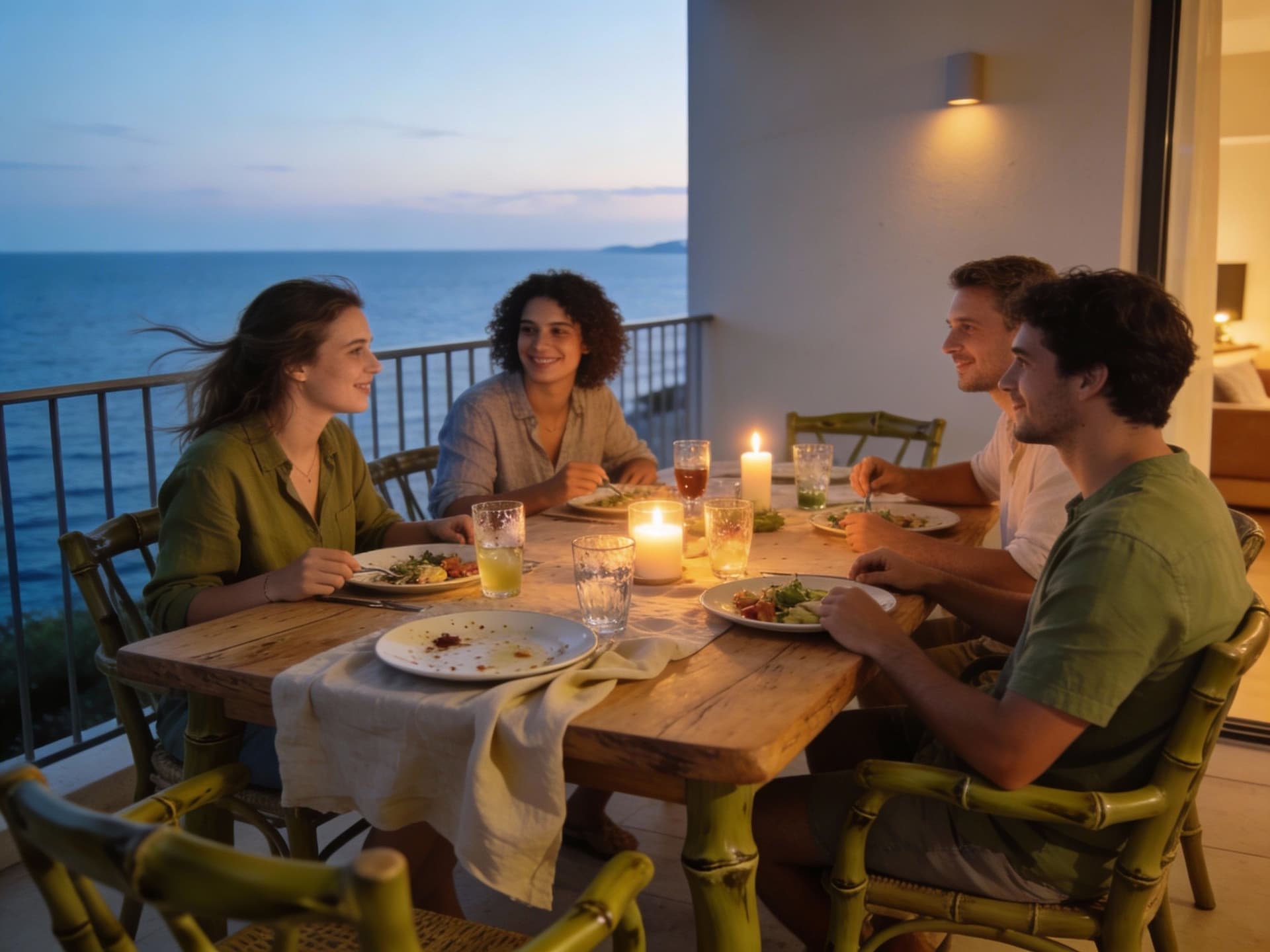
The romance is the reason; paperwork is how it becomes permanent. Croatia’s transaction taxes and residency rules are straightforward but specific: most resale purchases incur a 3% transfer tax, while many new builds carry 25% VAT instead (so you won’t pay both). Understanding which tax applies is essential for budgeting and negotiating the purchase price. Source: Croatian government guidance on transfer tax.
Property types and what they mean for daily life
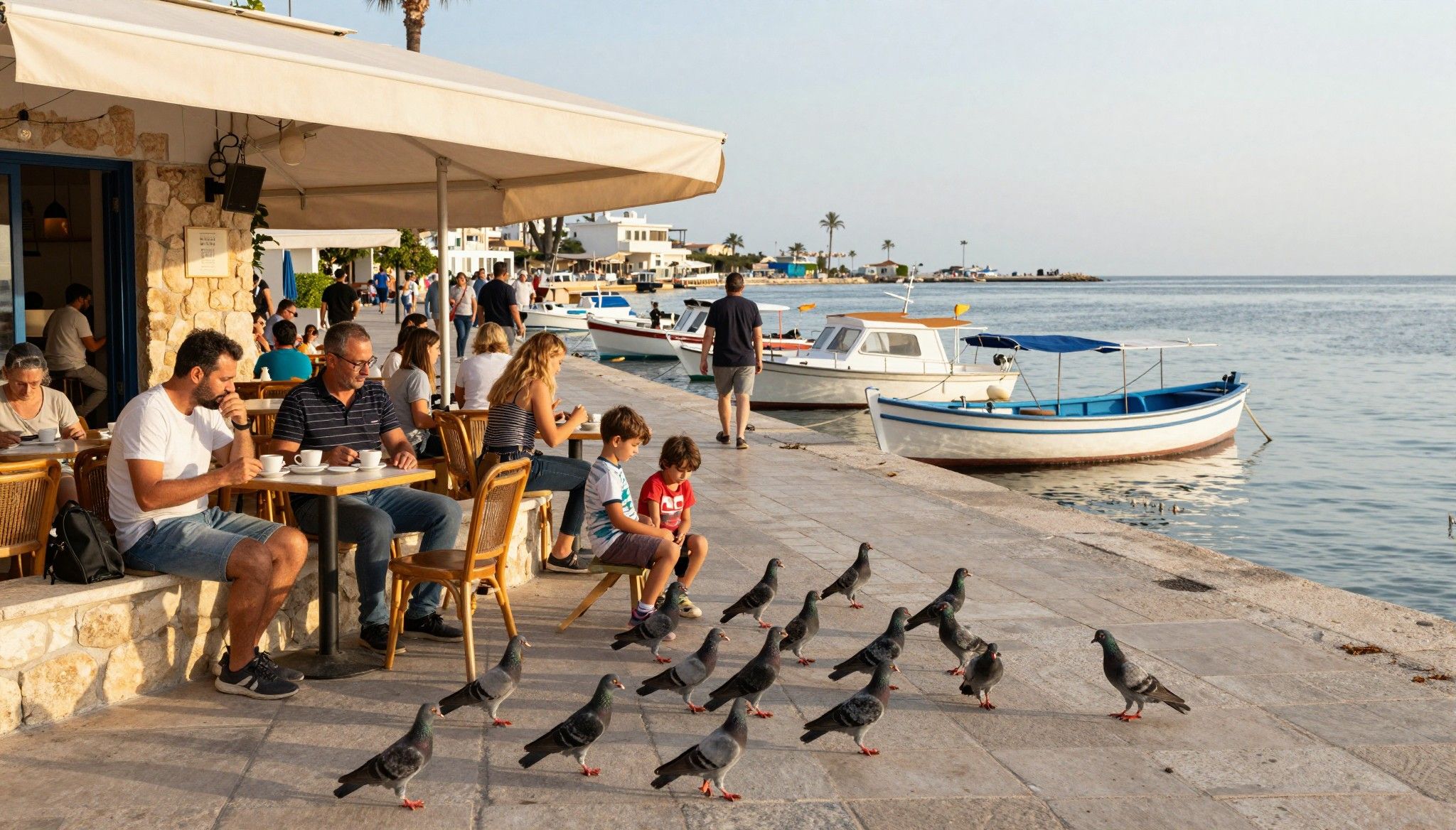
Stone apartments in UNESCO towns are intimate and highly walkable but often require careful HVAC and damp management; modern new builds offer insulation, parking and amenity clusters but can be farther from authentic street life. If you want island mornings, pick proximity to ferry lines; if school choices matter, look to Zagreb or Split suburbs.
Residency and what property ownership will actually get you
Buying a home does not automatically give you residency or citizenship. However, property can support a temporary‑stay application under “other purposes” (typically limited to one year and renewable under conditions). For reliable long‑term residence, many buyers use employment, long‑term permits or the digital‑nomad route. Check official guidance before relying on property alone.
- Steps to reduce tax and residency surprises
- 1) Confirm whether the seller is VAT‑registered (new build) or a private owner (transfer tax applies). 2) Obtain an OIB (Croatian tax ID) early — you can’t progress without it. 3) Commission a land‑registry extract and building permit check to avoid blocked transactions. 4) Budget 3–8% for closing costs (tax, notary, registration, legal fees). 5) Discuss residency options with an immigration adviser before contracting.
Insider knowledge: expat realities and red flags
Real buyers tell the same stories: check the registry carefully, don’t assume a signed contract is ironclad, and be wary of listings that omit annual charges or communal repairs. Small administrative mismatches between cadastre and land register can delay closing — in some regions up to several months — so speed-conscious buyers should budget for time.
Cultural and seasonal realities that change value
Seasonality is not just tourism; it shapes services, transport and neighbour dynamics. A seaside town that hums in July may sleep by November. That affects rental income predictability, utility availability and even basic food supply windows. If you want year‑round life, prioritise towns with hospitals, supermarkets and a resident community outside the tourist belt.
Common red flags (from buyer anecdotes)
- Seller can’t produce a clear land‑registry extract; VAT status is ambiguous for a “new” unit; communal maintenance reserve is zero; suggested rental yields are quoted without occupancy data; ferry timetables rely on summer schedules only.
Practical checklist before you sign
- 1) Get a local lawyer to verify title and permits. 2) Request copies of recent utility bills and communal meeting minutes. 3) Confirm the tax treatment (VAT vs transfer tax) in writing. 4) Verify guest‑registration obligations if you plan short rentals. 5) Run a five‑year cashflow scenario that includes off‑season vacancy.
Longer view: how life and value evolve here
Croatia is maturing from tourism‑led spikes to more stable, resident‑focused markets. Infrastructure upgrades, digital connectivity and improved air links are expanding year‑round appeal. For buyers seeking lifestyle and long‑term capital stability, blending a local neighbourhood with smart tax planning beats chasing short seasonal premiums.
Conclusion: make the romance practical
If Croatia’s light on paperwork seems romantic, pair that romance with a plan: confirm tax treatment (VAT vs transfer tax), secure a clear registry extract, and discuss realistic residency options early. Work with a bilingual lawyer and a neighbourhood‑savvy agent — they turn seaside afternoons from holiday dreams into everyday life.
Norwegian market analyst who relocated to Mallorca in 2020. Focuses on data-driven market insights and smooth relocation for international buyers.