Italy — The 'Expensive' Myth and Where Value Hides
National price headlines hide regional opportunity — visit in season, prioritise daily rituals and pair ISTAT data with local agents to find Italy’s best value.

Imagine waking to a street where a barista knows your order, cobbled alleys lead to a lunchtime market and the sea is a 45‑minute drive. That everyday intimacy is Italy — not an expensive postcard but a patchwork of neighborhoods, each with its own price rhythm. Recent market analysis shows national price growth that masks big regional differences, and that divergence is where opportunity lives for international buyers. This piece flips the “Italy is too costly” headline and maps where lifestyle and value actually meet.
Living the Italy lifestyle: more than a view
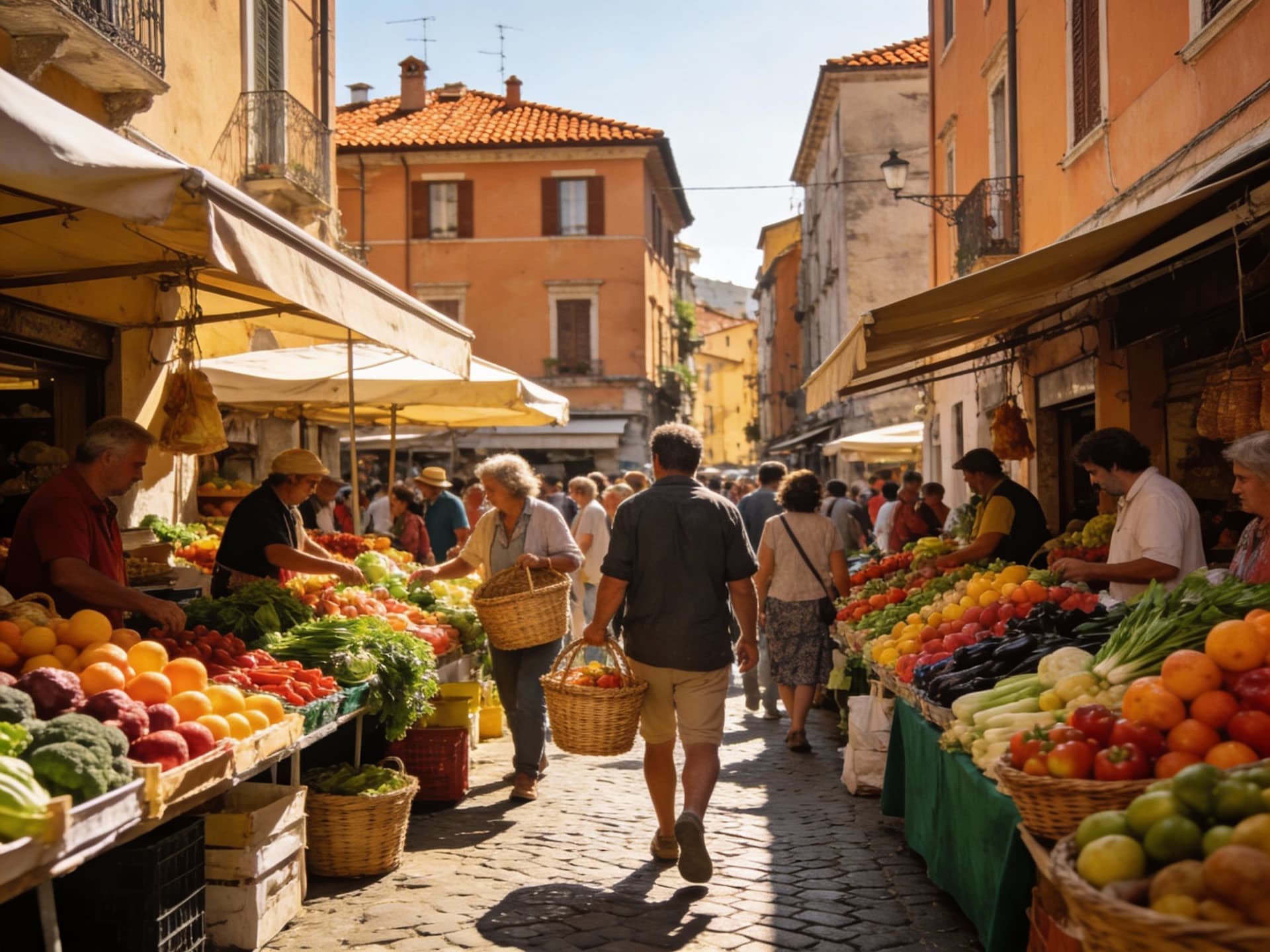
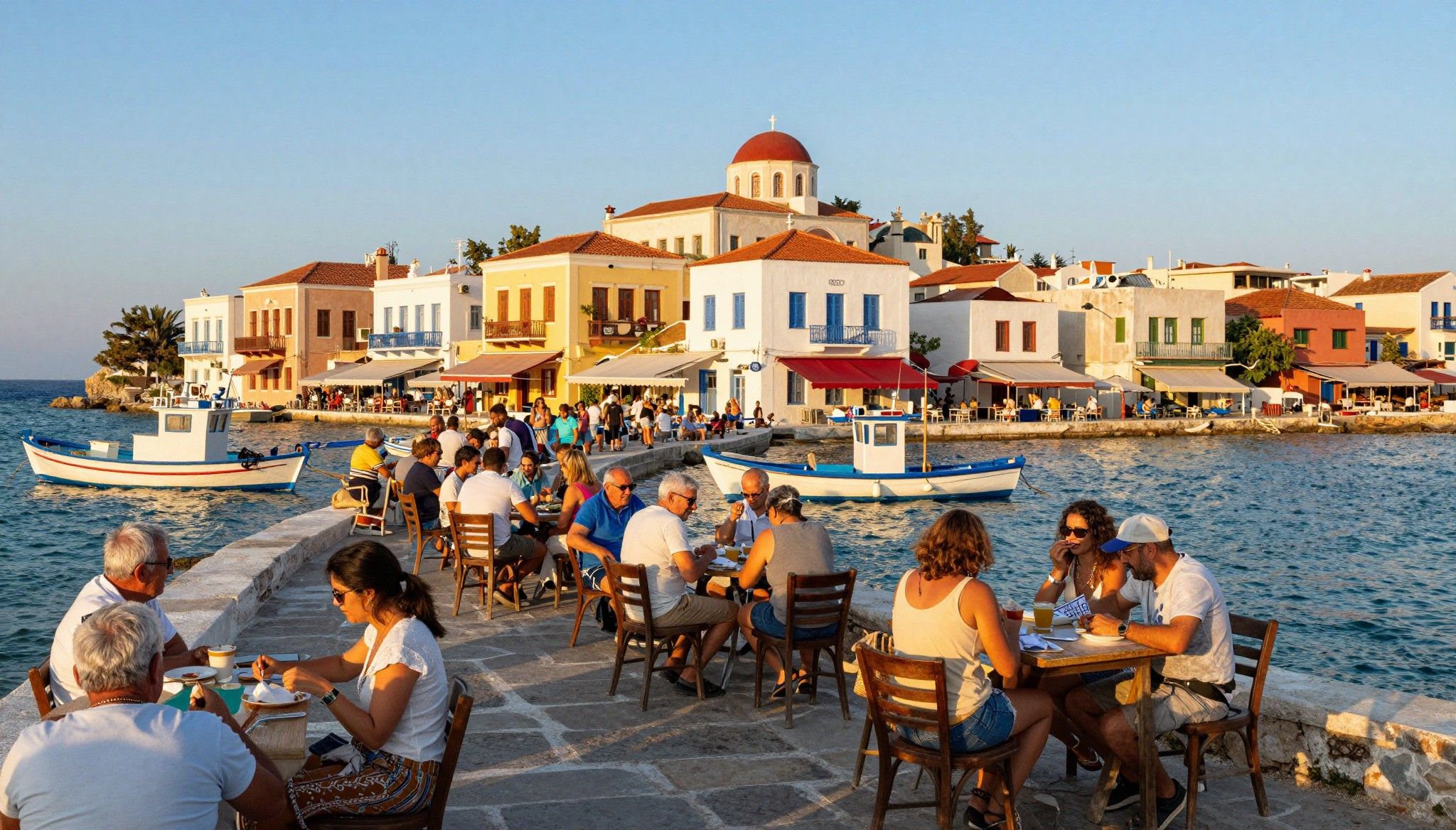
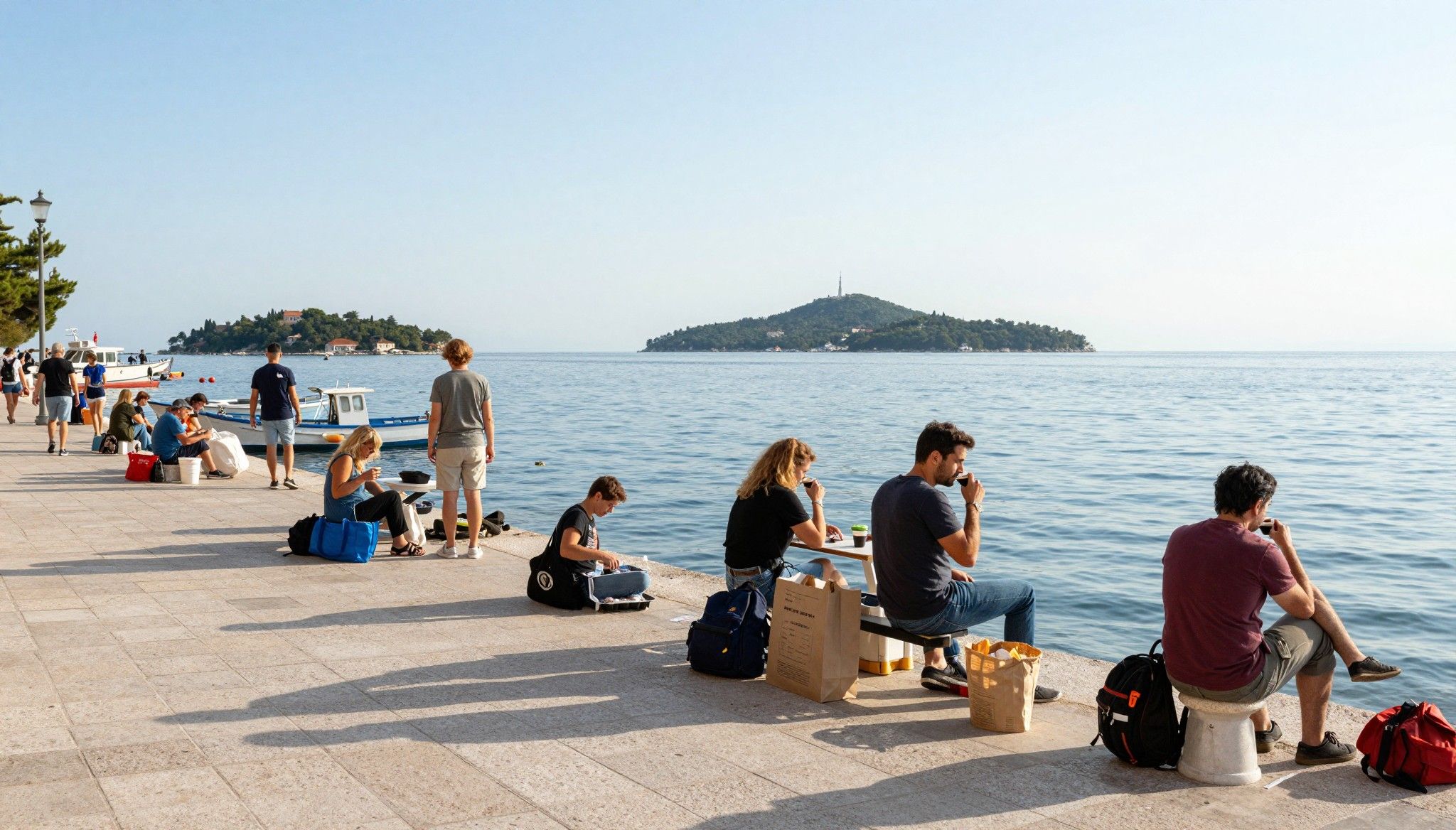
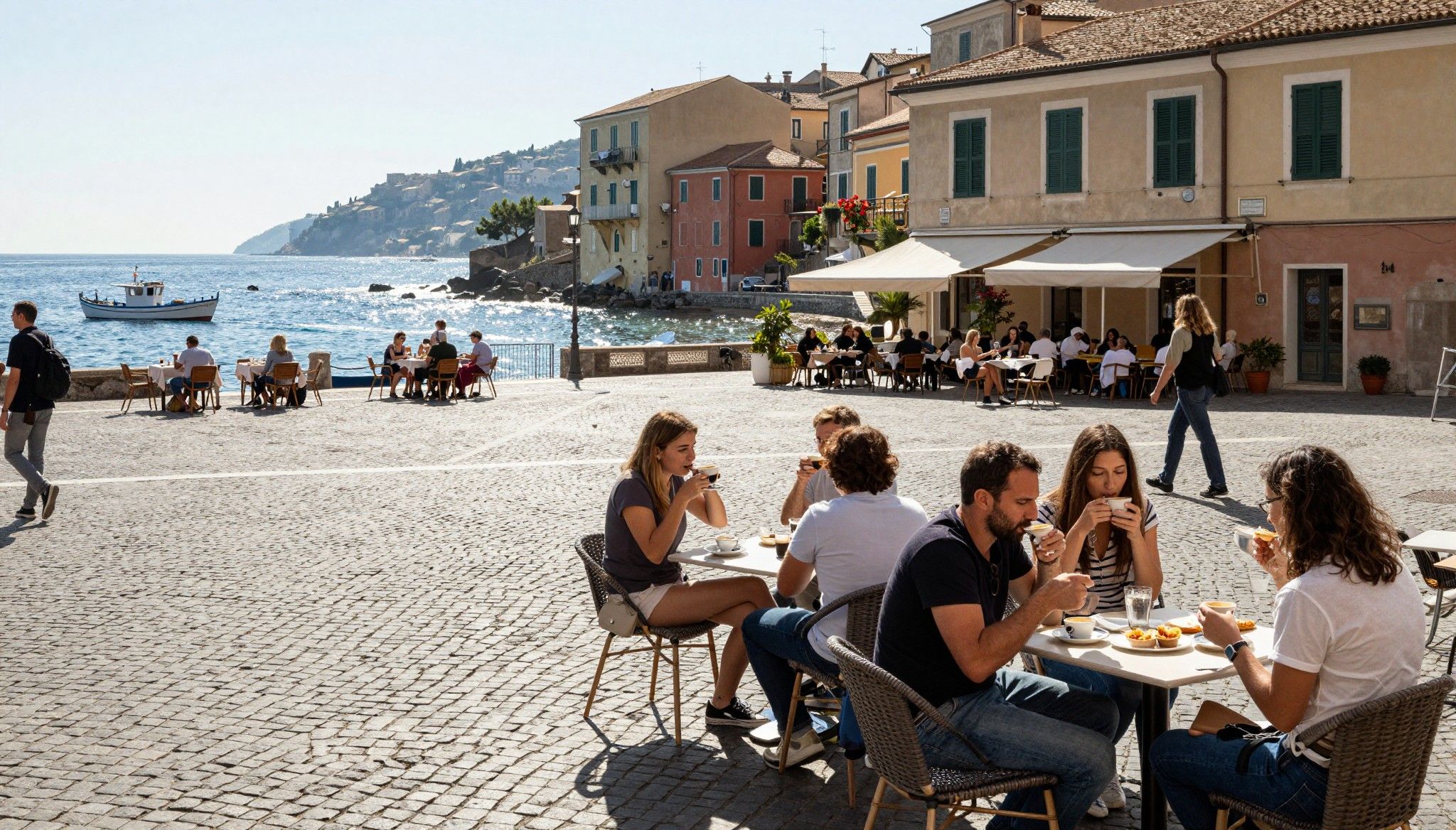
Italy’s daily tempo is sensory and seasonal: espresso at sunrise, a market run mid‑morning, aperitivo before a family dinner. In cities like Milan and Rome the rhythm is compressed — streets bustle, boutiques open early and coworking cafés fill by nine — while coastal towns and hilltop villages run to a slower, neighbourly clock. For buyers this variety matters: it determines what you pay, how you’ll live, and how easy integration will feel. On the ground, small differences — a market on Saturday, a weekly festival, a sea breeze — create the life you bought into far more than a view alone.
Neighborhood notes: where locals actually live
Look beyond city-center postcards and you find the streets Italians choose: Trastevere in Rome keeps a village feel despite tourists; Porta Romana and Isola in Milan mix ateliers and modern living; Oltrarno in Florence holds artisan workshops and evening passeggiatas. These are not always cheapest, but they offer lifestyle density — bakeries, greengrocers, small theatres — that sustains rental demand and long‑term value. Choosing a neighborhood means balancing daily rituals (where you buy coffee, how you commute) with market signals like rental yields and resale liquidity.
Food, markets and seasonality: how life shapes choice
Markets, restaurants and markets of produce set the weekly calendar — and they shape property desirability. Coastal towns fill in summer but many inland towns host harvest festivals that animate the calendar and boost off‑season appeal. Rental returns in some Italian cities remain attractive, with city averages showing differentiated yields that can support investment purchases. If you prioritise food culture, target neighborhoods around fresh markets and family trattorie; if you want quiet, look for residential pockets one tram stop from the centre.
- Daily‑life highlights buyers cite
- Morning market: Campo de' Fiori (Rome) or Mercato Centrale (Florence) for fresh food and social life
- Coffee culture: a corner bar in Milan’s Brera — espresso standing, conversations on the way to work
- Coastal pause: a weekday walk along Liguria’s promenade or a late afternoon dip on Sardinia’s quieter coves
Making the move: lifestyle meets market reality

The dream of an Italian life has to be matched with a clear view of market dynamics. National indices show modest annual growth, but that masks regional spreads and the stronger performance of existing stock versus new builds. Demand is returning in urban centres while peripheral and southern markets show mixed momentum, so where you look — and when — changes cost and liquidity. Use official data to set price expectations and prepare for different negotiating cultures across regions.
Property types and how they'll shape daily life
Historic apartments in city centres offer immediacy — small shops, fast walking commutes and classic interiors but may require restoration and carry higher maintenance overheads. New‑builds and conversions near transport nodes provide modern amenities, communal gardens and easier rentals but often at a premium in prime northern cities. Coastal villas give outdoor living and privacy yet operate seasonally; factor in year‑round maintenance, insurance and utility differences. Match property type to how you actually spend the day: if coffee shop mornings matter, a central flat beats a distant villa.
Working with local experts who know the life, not just the price
- A local agent who speaks your language and knows the neighbourhood bars will save you weeks of searching and dozens of missteps. Choose lawyers and notaries experienced with non‑EU buyers; they’ll translate local contract norms and tax timing. Use property managers with a track record for seasonal markets if you plan to rent. Ask agencies for comparable rental contracts, recent sale prices and references from international clients.
- Practical steps to align lifestyle with purchase (step‑by‑step)
- Visit in two seasons: experience high season and quiet months to judge true livability
- Map daily routes: grocery, healthcare, transport — measure commute times and noise at relevant hours
- Compare net yields: request recent rental data and factor in vacancy for seasonal spots
- Hire a bilingual lawyer early: local procedures and tax timing vary regionally and delay closings without proper counsel
Insider knowledge: what expats wish they'd known
Expat stories converge on a few truths: community matters more than square metres, public works can transform a district rapidly, and regional policy (from tax schemes to regeneration projects) changes value. Cities like Genoa show how investment in infrastructure and culture can revive interest and lift prospects beyond headline markets. Buy with patience and an eye for future catalysts — a new rail link, a university campus or a port regeneration can change liquidity within five years.
Cultural cues that change where you buy
Language is a gateway: simple courtesies at the bar, market bargaining and a few phrases will speed social acceptance. Neighbourhood committees and shopkeepers are informal gatekeepers — they influence safety, cleanliness and social life in ways agents won’t list on a spec sheet. Expect a slower administrative pace; residency registrations and utility setups often need patience. Practical social integration (joining a gym, language class or local association) accelerates settlement and often unearths off‑market opportunities.
Long-term view: how lifestyle evolves with your property
Initial buying choices matter: proximity to schools, transport and healthcare tends to determine long‑term resale and rental strength more than a single sea view. Over five to ten years, neighbourhoods with steady civic investment and lively street life outperform static, tourism‑dependent pockets. Plan for small renovations that improve liveability — better insulation, modern plumbing and adaptable layouts — because these upgrades yield both comfort and price resilience. Treat your purchase as a staged relationship with the place, not a one‑time transaction.
Italy asks you to choose a life, not just a price per square metre. If you prioritise morning markets and a walkable routine, target central residential pockets; if privacy and outdoor space matter, look to coastal or inland properties with year‑round infrastructure. Use official data from ISTAT and market platforms to set expectations, then let local experts translate those numbers into neighbourhood stories. Visit across seasons, speak with neighbours, and prioritise the small, everyday details — they become the reasons to stay.
Next steps: quick checklist before you call an agent
- Decide which daily ritual you won’t compromise (market, commute, sea) and use it as a filter
- Gather three comparable properties from different neighborhoods and ask for recent rental contracts
- Book two visits (one busy season, one quiet) and meet local shopkeepers or residents
Conclusion: Italy’s ‘expensive’ label is a headline, not a map. With regionally targeted research, seasonally informed visits and a local team that understands daily life, international buyers can find properties that deliver both the Italian rhythm and sensible market outcomes. Fall in love first with the life; use data and local expertise to turn that feeling into a resilient investment.
Swedish strategist who relocated to Marbella in 2018. Specializes in legal navigation and tax planning for Scandinavian buyers.