Cyprus: Seasonal Signals and Street‑Level Price Truths
Cyprus blends seaside life with measurable price patterns—houses have recently outpaced apartments. Use district-level RPPI, building permits and seasonal visits to match lifestyle to value.
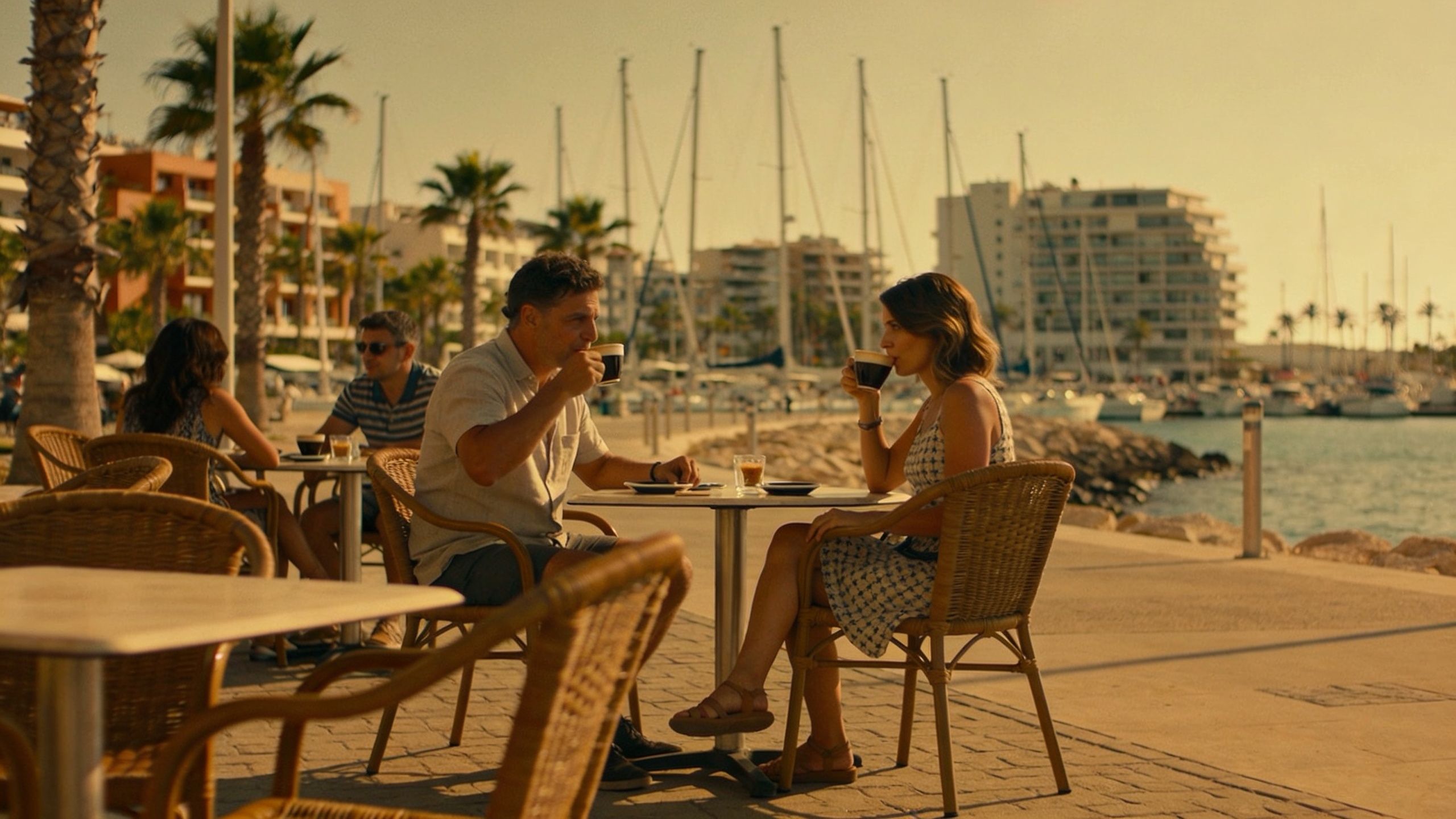
Imagine waking to the call of a fisherman’s motor outside Limassol Marina, then sipping strong coffee on a limestone balcony as orange taxis thread the palm-lined seafront. Cyprus smells of citrus and sea salt, moves at an easy Mediterranean tempo and folds modern marinas into ancient stone lanes. For many international buyers the island is a romantic package — sun, short flights to Europe, and English widely spoken — but the property market beneath that idyll has clear, measurable patterns. Understanding seasonal rhythms and district-level price signals (not myths) is the real shortcut to buying the lifestyle you want.
Living Cyprus: what everyday life actually feels like
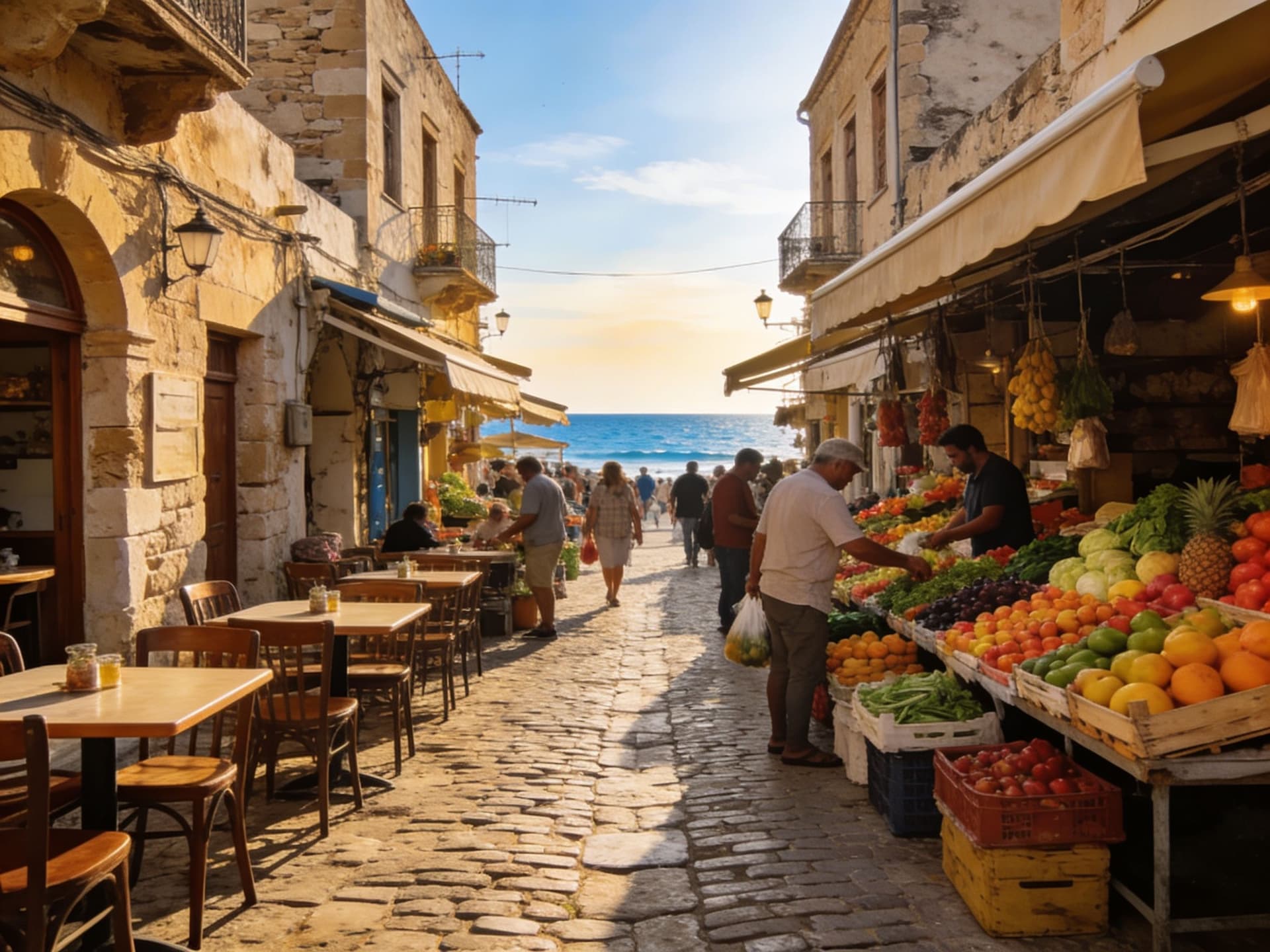
Cyprus is equal parts sea and village. Mornings in Larnaca’s old town mean markets and small bakeries; afternoons on the Akamas Peninsula are about hiking and empty coves; evenings in Paphos revolve around tavernas where families gather until late. The island’s compact scale—most services a short drive apart—makes weekend rhythms predictable: beaches and seafood in summer, mountain tavernas and chestnut festivals in winter. For buyers that matters: lifestyle choices (coast vs. mountains, nightlife vs. quiet) map directly onto price per square metre and resale demand.
Neighborhood snapshots: Limassol, Larnaca, Paphos, Nicosia
Limassol is cosmopolitan—marinas, international schools and glazed new developments—so expect a premium for seafront apartments and a strong rental market for short-term lets. Larnaca feels smaller and more authentic: Laiki Geitonia and Finikoudes offer daily life that’s walkable and affordable compared with Limassol. Paphos trades ancient character and larger plots for relative value—detached villas and holiday‑rental appetite make it attractive to both families and investors. Nicosia is an administrative and service centre, where townhouse stock and renovated town flats appeal to long-term residents rather than holiday renters.
Food, markets and the social calendar — how life shapes buying choices
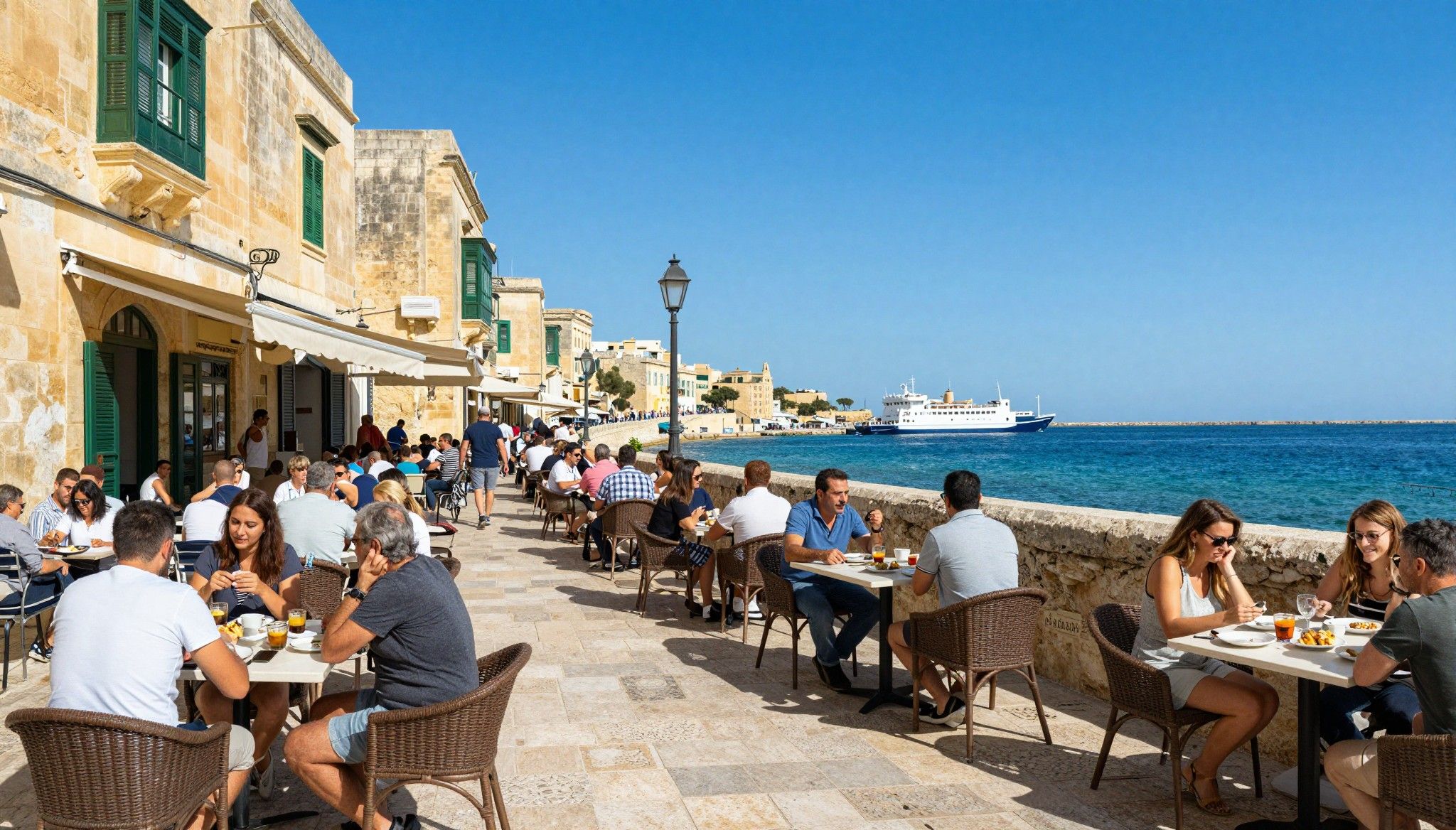
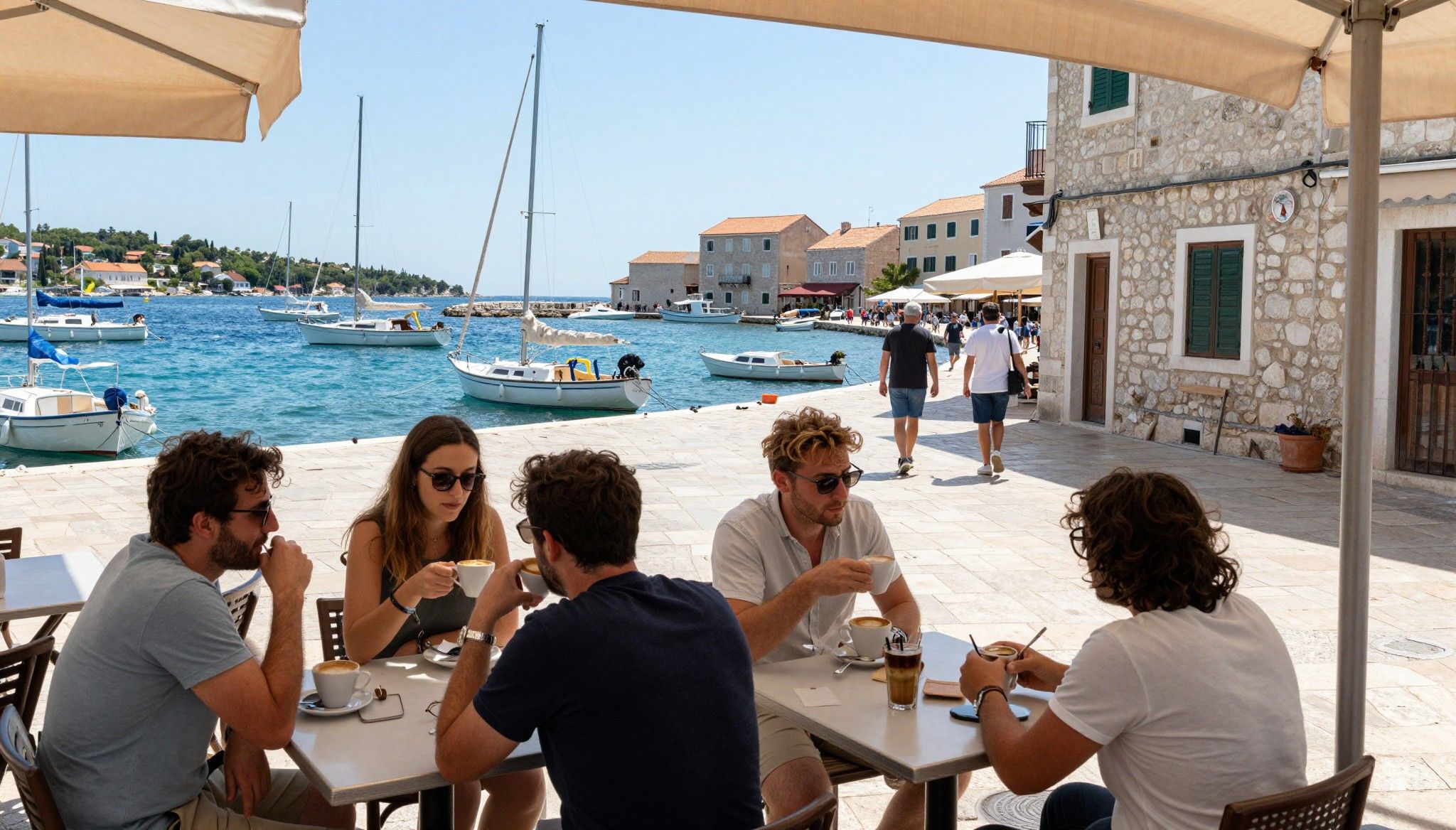
The island’s food scene helps define neighbourhood desirability: Larnaca’s fish tavernas, Limassol’s contemporary dining and Paphos’ mezze circuits each sustain pockets of year‑round demand. Seasonal festivals — chestnut festivals in Troodos, Limassol Carnival — change footfall and short-stay bookings, which in turn affect gross yields for certain properties. Buyers who prioritise daily life (a morning market, an evening promenade) often accept smaller square metres for better location; those chasing absolute floor area look inland where plot prices fall.
- Laiki Geitonia (Nicosia) — narrow lanes, restored townhouses; Finikoudes (Larnaca) — promenade cafés and compact apartments; Limassol Marina — international schools and marina-side new builds; Coral Bay (Paphos) — villa plots and holiday rental demand; Omodos (Troodos foothills) — village life and seasonal appeal; Germasogeia (between Limassol and Mesa Geitonia) — family neighbourhood with fast access.
Making the move: where lifestyle meets price signals
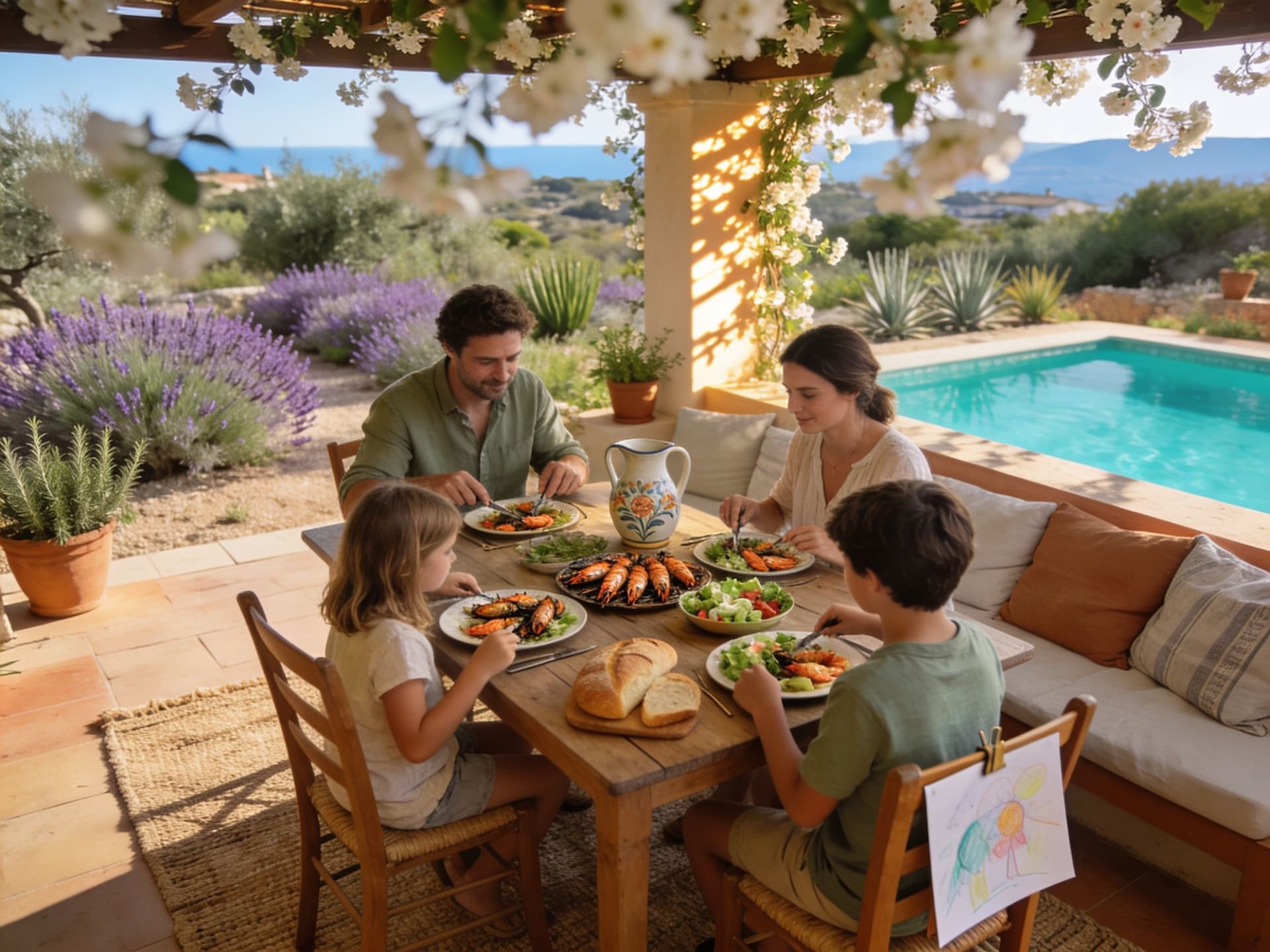
You’ll see two facts repeatedly in Cyprus market data: price growth is real but uneven, and house prices recently outpaced apartments. The Central Bank shows residential prices rising in early 2025, with houses increasing faster than apartments; PwC and industry reports confirm stronger transaction values in Limassol’s luxury strip and robust activity in regional hotspots. Those patterns mean your choice of property type (villa vs. apartment) can matter more than the town name when it comes to appreciation.
Property styles and the life they enable
Detached houses give outdoor space, privacy and better long‑term capital growth in suburbs and Paphos plots; apartments buy convenience, lower maintenance and proximity to services in Limassol and Larnaca. New developments around marinas emphasise indoor‑outdoor living and amenities that suit short‑term rentals, while renovated townhouses in older quarters offer cultural immersion. Match style to your daily needs: if mornings matter, choose walkable districts; if weekends matter, choose proximity to beaches or mountain trails.
How local experts translate lifestyle into deal terms
- 1. Ask an agent for micro-comps not broad district averages — street-level comparables reveal true asking vs sold prices. 2. Verify rental appetite by season — ask for occupancy data if you plan short-term lets. 3. Insist on building warrants and permit histories for seaside projects; coastal erosion and setback rules matter. 4. Negotiate phased payment schedules on off-plan units tied to construction milestones, not calendar dates. 5. Budget 5–8% above asking for immediate refurbishments if you prioritise lifestyle finishes like verandas or outdoor kitchens. 6. Use local lawyers who regularly close foreign-buyer sales to avoid surprises in title transfer timing.
Insider knowledge: red flags, counter-intuitive timing and expat truths
Expats often assume summer house‑hunting reveals market truth. In Cyprus that’s misleading: summer is high‑season for tourists and listings skew pricier. More realistic prices and negotiation room appear in late autumn and winter, when local buyers and developers recalibrate. Also, a neighbourhood that tourists avoid outside summer—like pockets of Paphos or inland Troodos villages—can be exactly where locals buy and where you’ll find larger plots and lower per‑m² prices.
Cultural nuances every buyer should know
Cypriots value community ties: introductions via local agents or neighbours speed paperwork and post‑purchase integration. English is widely used in business, but key documents and council interactions often use Greek — expect translations and allow time. Social life leans family-first; weekend invitations to tavernas are common and make a big difference to feeling settled. Respect for local rhythms—siesta times in villages, late dinners in summer—makes it easier to build the social capital that improves long‑term living.
Longer-term signals: what to watch before you buy
- Building permit trends — fewer permits with higher values hint at quality projects; Mortgage and lending trends — new housing loans and interest rates shape affordability; Foreign transaction share — shifts in international buyer interest can change demand pockets; Infrastructure projects — new marinas, roads or schools raise nearby values; Seasonal occupancy data — informs rental revenue expectations.
- 1. Check Central Bank RPPI district data to compare house vs apartment trends; 2. Request recent sales contracts and occupancy figures from your agent; 3. Visit the property in two seasons where possible (high and low); 4. Build a three‑year plan for occupancy, maintenance and resale; 5. Include a local property manager in your budget for at least the first year.
Cyprus offers an attractive mix of lived-in culture and measurable market opportunity. If you prioritise daily life—markets, cafés, short drives to beaches—you’ll pay a premium for walkability and proximity. If your priority is space, plot size and slower seasons offer better entry points. Use district-level data, street-level comparables and local advice to turn affection for the island into a durable investment rather than a seasonal impulse.
Ready to deepen the dream into action? Start with three local checks: verify recent sold prices on your chosen street, compare house vs apartment trends in Central Bank RPPI releases, and meet two agents—one developer-focused and one specialist in resale—to triangulate supply, demand and realistic timelines. With those pieces in place you’ll have both the sensory conviction and the data required to make a confident move to Cyprus.
Swedish strategist who relocated to Marbella in 2018. Specializes in legal navigation and tax planning for Scandinavian buyers.