Buy Beyond the Postcard: Where Italy’s Value Lives
Italy’s prices rise unevenly; pair ISTAT-backed market data with neighbourhood testing to buy the lifestyle you want, not just a postcode.
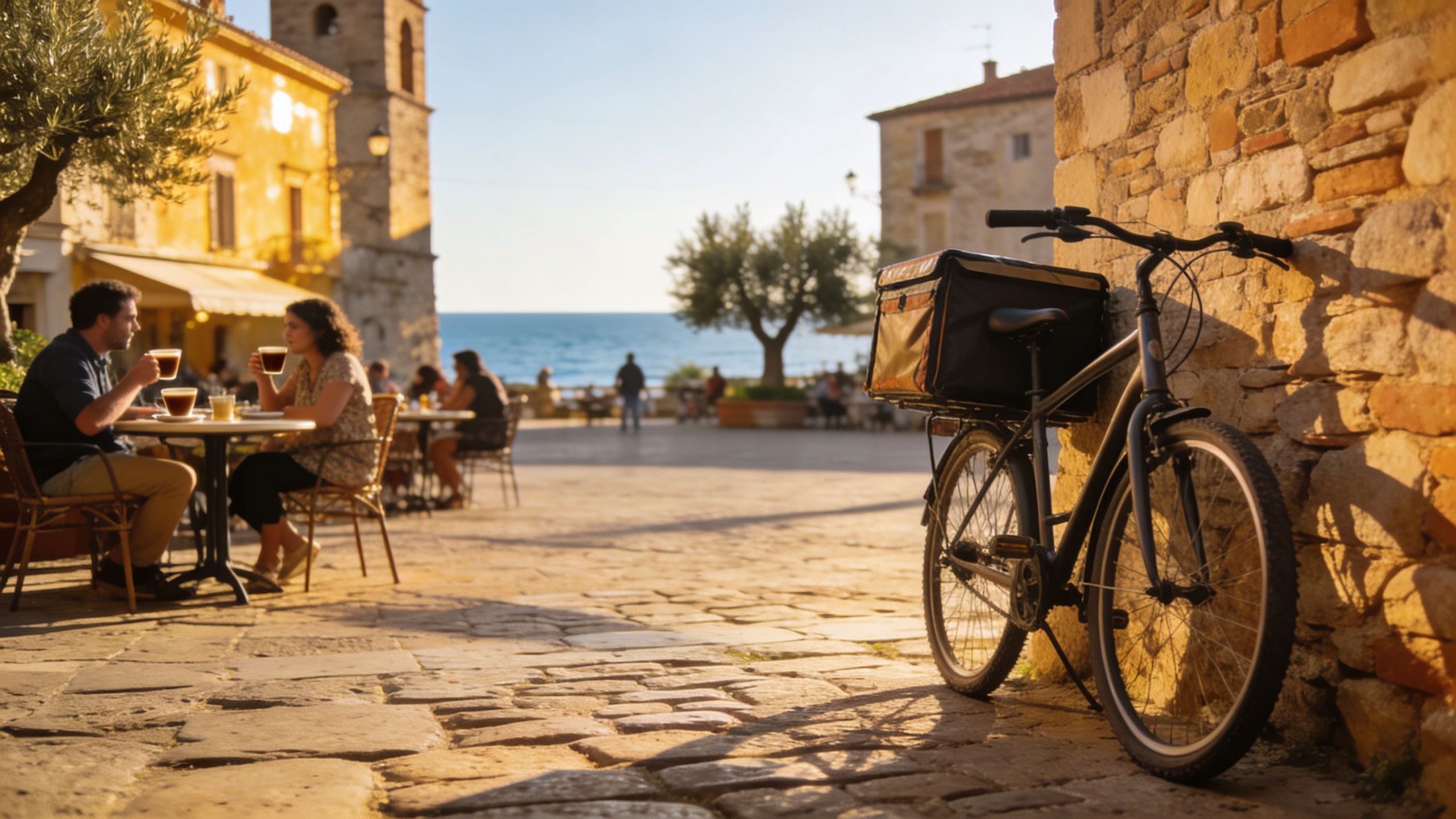
Imagine morning light on a narrow piazza in Lecce, coffee steam curling as a baker slides focaccia from a wood oven and a delivery van squeezes by. That scene is what draws international buyers to Italy — not just a photo but a daily rhythm: long lunches, lively markets, and neighbourhoods where shopkeepers remember your name. Yet the headlines about ‘expensive’ Italy flatten the nuance: prices are rising in pockets, but opportunity lives in less obvious streets and seasons. This piece shows where lifestyle meets value, anchored to recent market data and real neighbourhood colour.
Living the Italy lifestyle
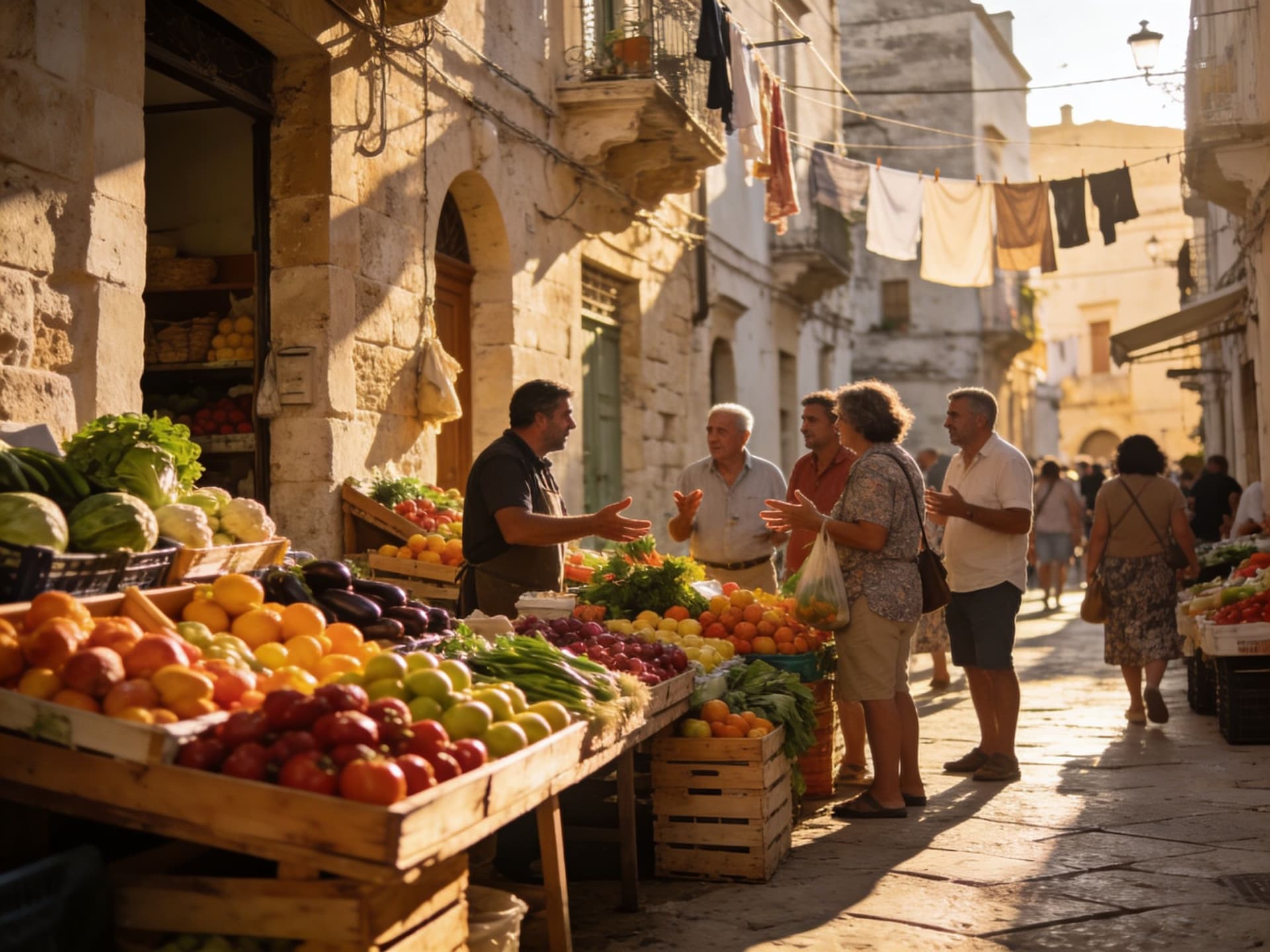
Italy is not a single rhythm but a chorus: coastal siestas in Liguria and Puglia, hurried espressos in Milan’s Navigli, and slow Sunday markets in Umbria. For an international buyer that means lifestyle choices — seaside walks, urban culture, or olive‑grove privacy — map directly to property type and price. Recent reports show national price growth yet big regional divergence; Milan and Florence sit near the top while many southern towns remain comparatively affordable. If you picture life first, market reality becomes a tool to reach it rather than a deal-breaker.
Neighbourhood spotlights: where locals really live
Look beyond postcards. In Milan, Brera and Navigli draw culture seekers; in Rome, Trastevere remains lively but San Lorenzo and Pigneto offer better value for younger buyers and creatives. In the south, Puglia’s towns—Ostuni, Monopoli and Lecce—combine restored historic homes with lower per‑square‑metre prices, drawing renovators and chefs. These are living neighbourhoods with markets, school choices, and cafés that shape daily life; they reveal how atmosphere, not prestige alone, determines suitability for long‑term living.
Food, seasons and daily rhythm
Food structures the week in Italy: market mornings, aperitivo hours, and family dinners that often start late. Buying in harvest season can reveal a place’s character—the truffle festivals in Piemonte or chestnut fairs in Tuscany give clues about community, noise and rental potential. Weather matters: winters are mild on the Amalfi coast but wetter inland; heating costs and insulation matter more in older stone homes. If you crave an everyday market or a quiet countryside life, test the calendar as much as the layout.
Making the move: practical considerations

Dreams meet contracts: practical realities in Italy are manageable if you prepare. National indices show house prices up year‑on‑year and transaction volumes recovering, but new‑build supply is proportionally small versus existing stock. That means most buyers will buy second‑hand and factor renovation, local permits, and energy upgrades into budgets. Use data to set expectations: macro trends point to steady demand, but micro conditions—neighbourhood supply, building condition, and seasonal rental dynamics—determine value.
Property types and how they shape life
A narrow historic flat in Florence places you steps from gelaterie and museums but limits car storage and outdoor space; a renovated trulli in Puglia offers acreage and tranquillity but may require regular maintenance. Coastal apartments near the Amalfi or Ligurian coasts trade premium location for seasonal noise and higher running costs. Match property type to the life you want: entertaining outdoors? Look for terraces and communal gardens. Want year‑round rental income? Prioritise transport links and local services.
How local agents turn lifestyle into listings
Good local agents do more than show homes: they map your daily routine to neighbourhood realities, introduce you to architects and builders, and explain municipal rules that shape restorations. For international buyers, bilingual teams and on‑the‑ground relationships with notaries and surveyors save time and reduce surprise costs. Choose agencies that specialise in your chosen lifestyle (coastal living, historic cores, renovation projects) rather than generalist brokers. That alignment transforms a transactional search into a curated selection of homes you can picture living in.
Insider knowledge: expat truths and red flags
Expat life in Italy often starts bright: friendly neighbours and food markets, but small practical surprises emerge quickly—local opening hours, layered bureaucracy, and seasonal businesses that shut for August. The real risks buyers report are overstating market liquidity in small towns and underestimating renovation cost timelines. Smart buyers meet locals, rent before buying, and insist on precise survey reports. These simple steps protect both lifestyle expectations and capital.
Cultural tips that change where you buy
Language opens doors: learning conversational Italian speeds up integration and access to local listings often shared by word‑of‑mouth. Social life centres around neighbourhood cafés, parish events and mercado days—not exclusive clubs—so choose a place with active daily life if community matters. Also respect local building customs: façades in historic centres are protected, and permit delays are common; that affects renovation feasibility and timing. These cultural contours are as important as price per square metre.
Longer‑term living: what evolves after year one
The first year often feels intoxicating; the third year reveals sustainability. Infrastructure improvements, new cafés, and improved rail links can lift a neighbourhood’s value, while seasonal tourism can erode everyday life if you expected calm. Consider community trends—is the area attracting young families, retirees, or second‑home investors? These demographic shifts shape local services, resale prospects, and whether the lifestyle you love will endure.
Practical checklist before you bid: • Rent the neighbourhood for a month to test daily rhythms and noise • Commission an energy and structural survey targeted at older buildings • Ask agents about recent comparable sales, not just asking prices • Confirm local permit rules for terraces, pools and renovations • Meet a local notary and accountant to outline tax implications
Step‑by‑step for a lifestyle‑first purchase: 1. List your non‑negotiable daily rituals (market, commute, outdoor life) 2. Shortlist neighbourhoods that deliver those rituals 3. Rent and meet locals for at least 30 days 4. Commission surveys and draft a renovation budget 5. Finalise offer with a specialized local agent and trusted notary
Conclusion: buy the life you want — with data and local sense. Italy’s market is layered: national indices point to steady growth, but lifestyle opportunity comes from looking beyond headline cities into streets where daily life still feels Italian. Use the data (ISTAT and market reports), meet locals, and work with agents who map lifestyle to listings. Do those things and you’ll not only own property in Italy — you’ll have a place where mornings, markets and neighbours make it home.
Dutch investment strategist with a Portugal-Spain portfolio. Expert in cross-border financing, rights, and streamlined due diligence for international buyers.