Malta: Lifestyle First, Market Facts Second
Malta offers compact, English‑friendly coastal living with steady price growth; pair neighbourhood visits and NSO data to match lifestyle priorities with smart buying.
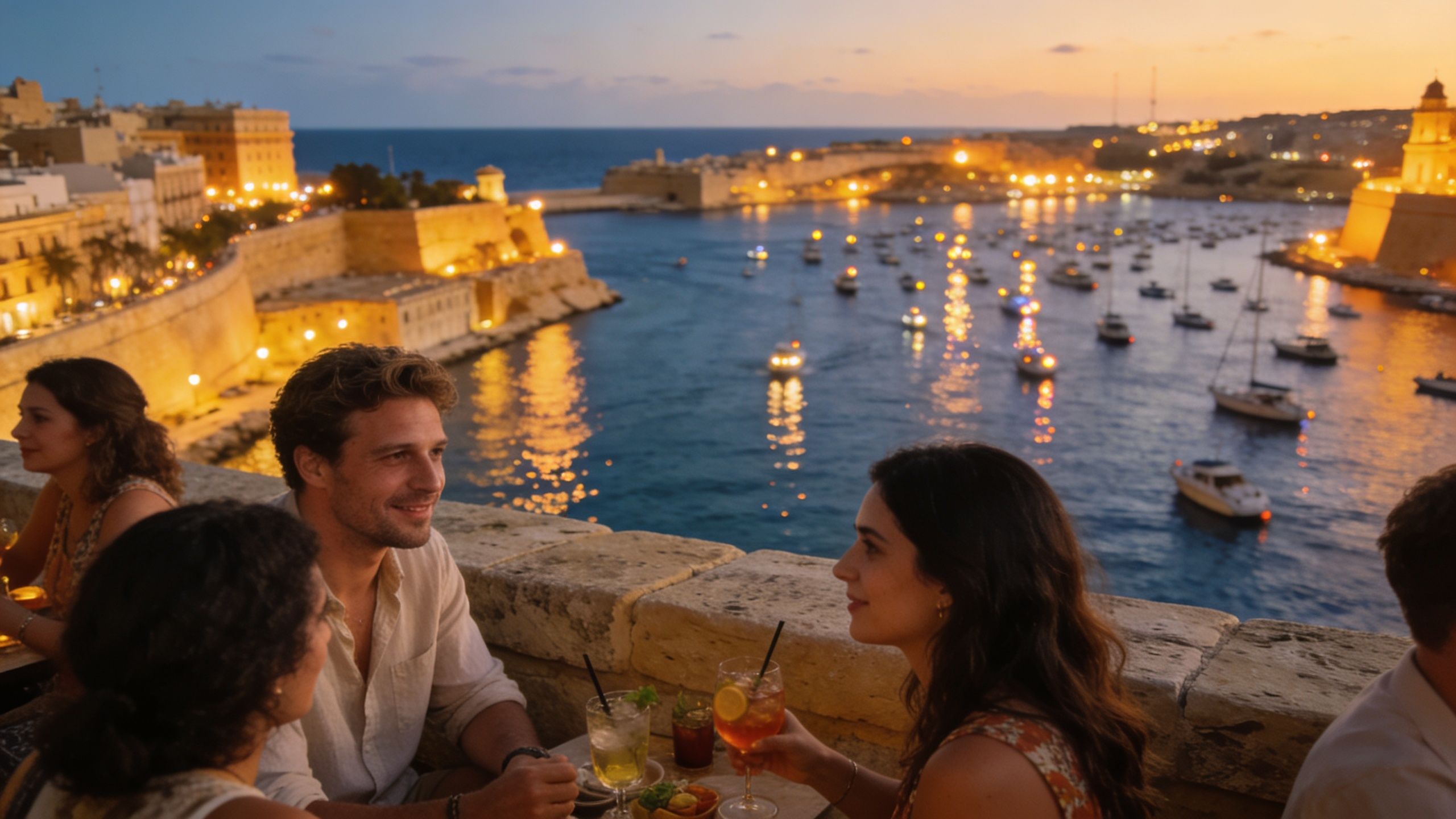
Imagine starting your morning with an espresso at Caffe Cordina, the limestone of Valletta warming underfoot, then walking five minutes to a terrace that looks over the Grand Harbour — that small, dense, lived-in island rhythm is Malta. Compact, sun-bathed and stubbornly historic, Malta blends baroque streets, café life and a coastline that makes you feel on holiday even after a month. For international buyers, that lifestyle is the sell; the practical puzzle is how to secure it without overpaying or misreading market signals.
Living the Maltese Life
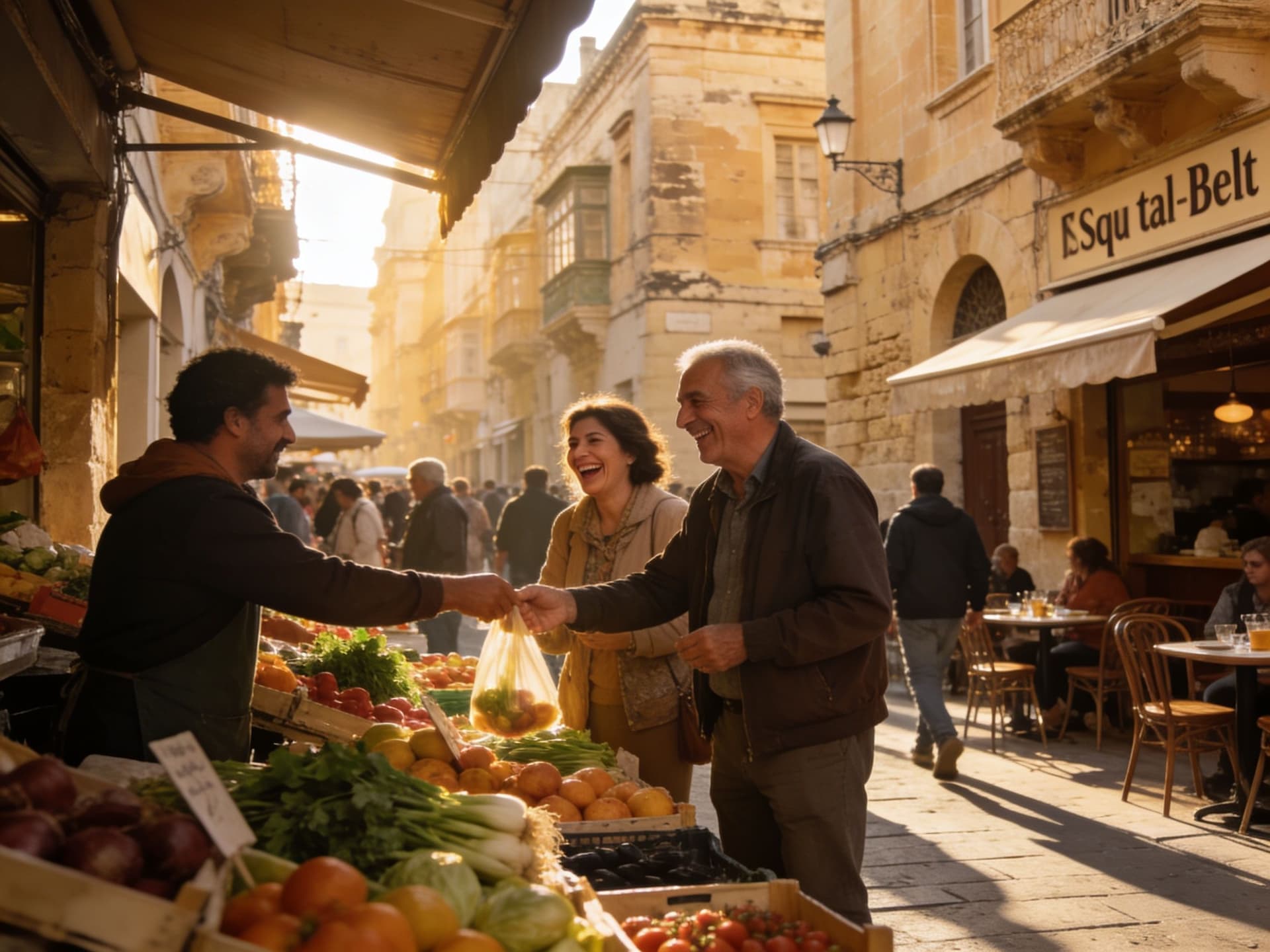
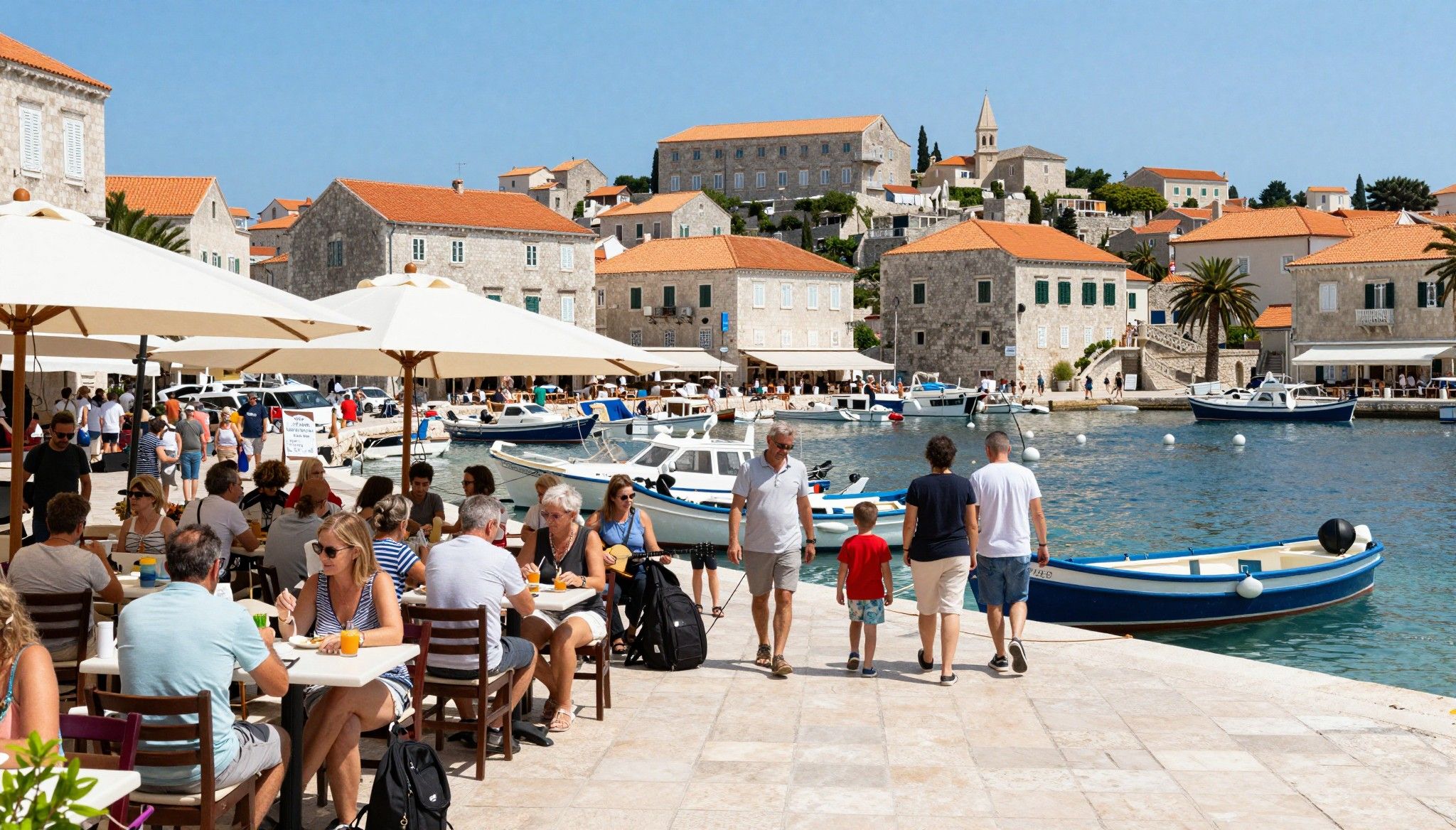
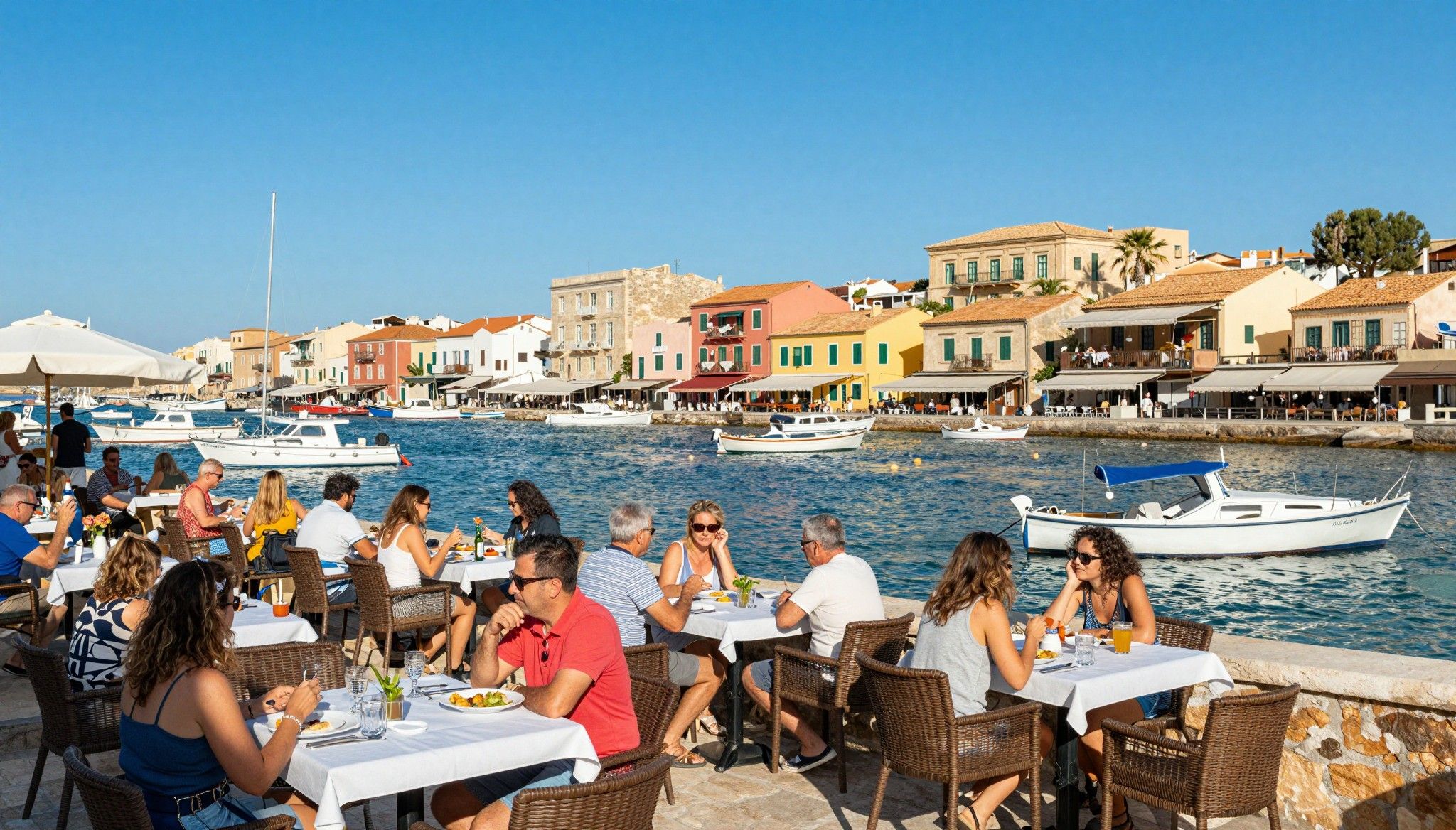
Daily life here feels intimate: narrow streets, shutters, church bells and neighbourhood cafés where the same faces gather. Valletta is ceremonial and walkable; Sliema and St Julian’s pulse with seafront cafés and evening crowds; Marsaxlokk still offers fish markets and fishermen’s lunch tables. Language is one advantage — English is an official language — which smooths everything from negotiating a sale to enrolling children in school. But the island’s small size intensifies trade-offs: every amenity is close, and every new development shifts neighbourhood dynamics.
Valletta & The Three Cities: History as a neighbour
Live in Valletta and you live with history: St John’s Co-Cathedral, Is-Suq tal-Belt market, narrow lanes that open to harbour views. Apartments are often in restored palazzini — characterful, lower ceiling heights, and an emphasis on interior renovation rather than new footprints. The Three Cities (Vittoriosa, Senglea, Cospicua) offer a quieter maritime community with traditional façades and easy boat links to Valletta.
Sliema & St Julian’s: Seafront living and social life
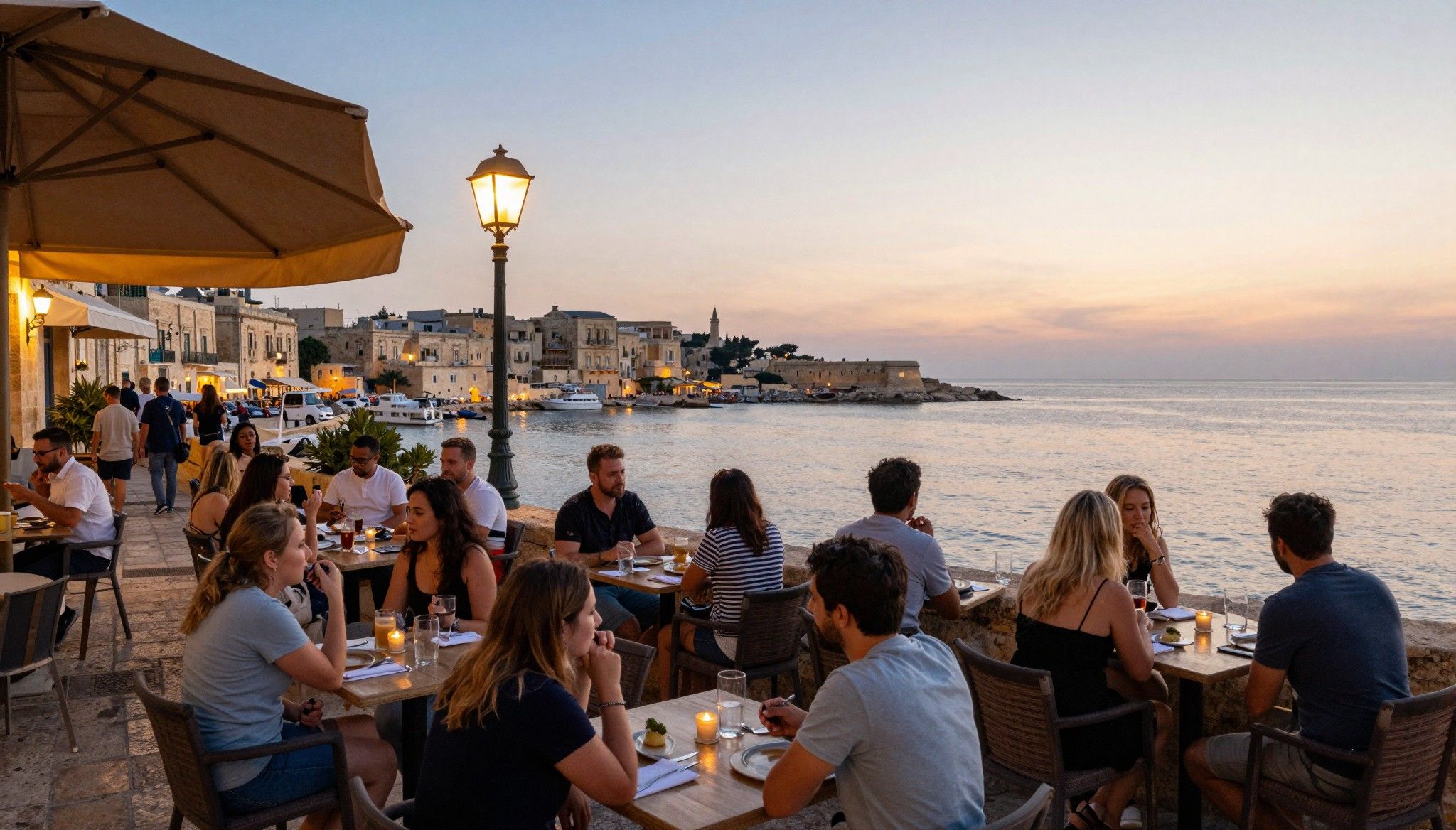
Sliema’s promenades and boutique cafés suit buyers who want an urban-coastal rhythm: morning markets, fitness classes on the seafront, and evenings at wine bars. St Julian’s (especially Paceville-adjacent areas) is livelier — restaurants, nightlife and modern apartments — appealing to short-term rental investors and younger expats. Expect higher asking prices per square metre here and a denser, noisier vibe than in the south.
- Lifestyle highlights
- Morning coffee at Caffe Cordina (Valletta), fish lunch in Marsaxlokk, weekend swims at Golden Bay, farmers’ produce at Ta’ Qali, evening aperitivo along Sliema promenade, ferry to Gozo for a day trip
Making the Move: Practical Considerations
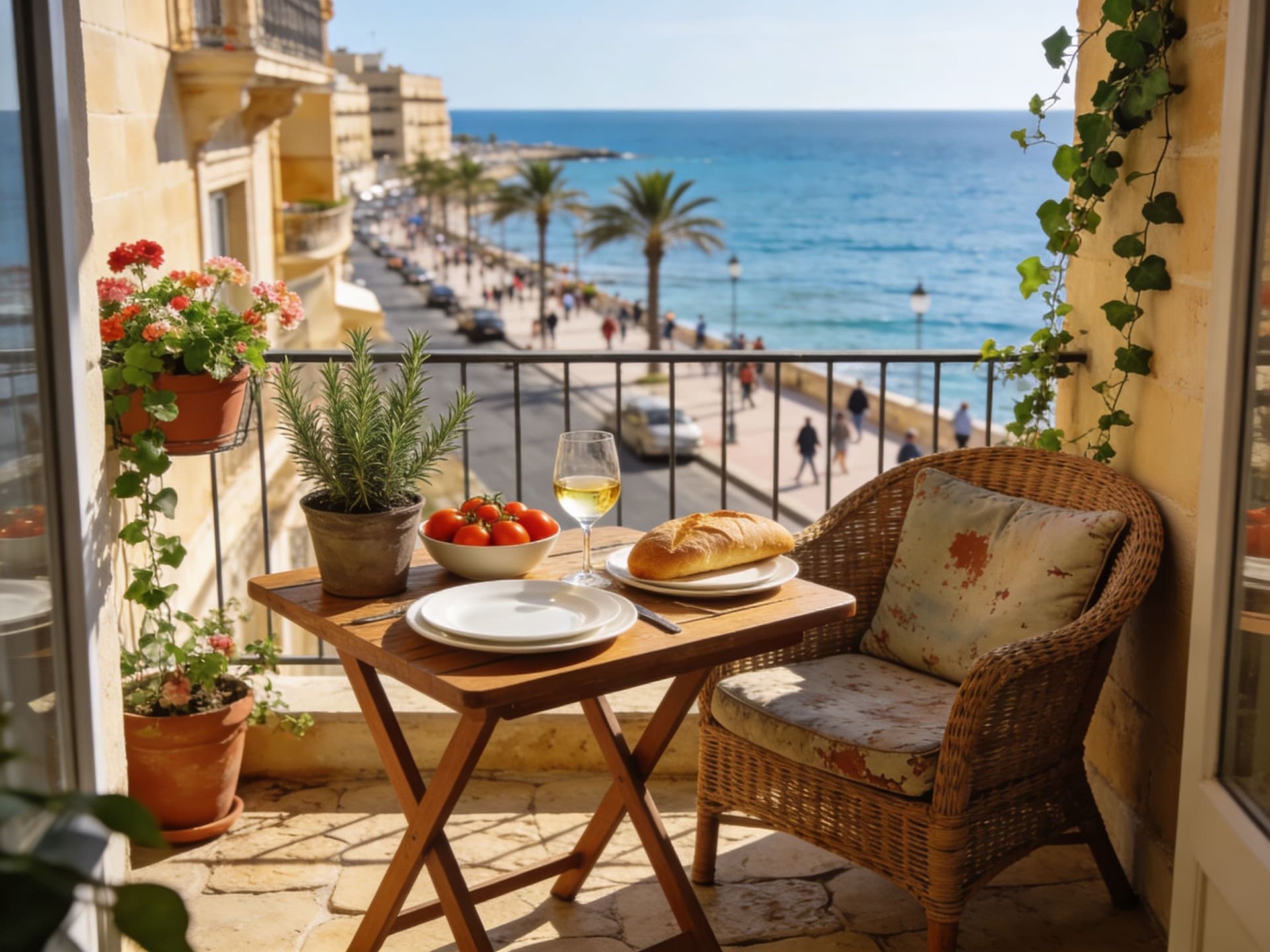
The daydream — café terraces, short commutes, English signage — meets concrete realities when you start viewing properties. Malta’s property market has shown steady price growth in recent years: the National Statistics Office’s Residential Property Price Index documents consistent annual increases that vary by district. That data matters: it defines affordability, realistic offer strategy and the timeline for renovations.
Property styles and the lifestyle they enable
Maisonettes and older apartments are Malta’s bread-and-butter: internal courtyards, balconies, and thick limestone walls that keep interiors cool. New-builds — often concentrated in Sliema, St Julian’s and Tigné/Portomaso — offer modern amenities, lift access and terraces, but they carry a premium. Choose by how you want to live: a palazzino for character and centrality, a new apartment for convenience and lower maintenance.
Working with local experts who speak lifestyle
Use agents who understand daily life, not just price per square metre. Good local advisers will map noise patterns (festival evenings in Paceville), sunlight (north-facing terraces vs south-facing courtyards) and community composition (long-term residents vs short-let blocks). They also know which streets have future planning restrictions and which redevelopment rumours are just that.
- Practical-lifestyle checklist
- Inspect at different times (weekday morning, Saturday evening), confirm lift access and utility capacity, ask about neighbouring short-let activity, verify sun orientation for terraces, request recent building permits and planned developments
Insider Knowledge: What Expats Wish They’d Known
Honest expat talk: Malta’s charm comes with small-island constraints. Expect limited supply in central pockets, a premium for seafront and renovated historic units, and quicker market moves than on larger European markets. Recent NSO figures show continued annual price upticks — a reality that makes timing and negotiation strategy important for international buyers.
Culture, language and daily integration
English eases bureaucracy, but social life is local. Join community clubs, visit weekly markets like those at Marsaxlokk and Ta’ Qali, and learn a few Maltese phrases — it changes conversations at the bakery. Neighborhood committees influence street life and small practical things (waste collection schedules, building upkeep), so invest time in meeting neighbours before you buy.
Long-term lifestyle and resale signals
Think five to ten years ahead: will surrounding warehouses become waterfront apartments? Is a nearby road earmarked for widening? Properties in established harbourside areas hold demand; peripheral new builds may face longer resale timelines. Factor in seasonal tourism rhythms if you plan to rent — short-let income can be strong but brings management needs and regulatory attention.
- Red flags local buyers watch
- Unresolved planning permissions, vague service charge records, unusually high short-let occupancy in the block, poor insulation in older stone walls, proximity to busy nightlife zones without soundproofing
Conclusion: If you fall for Malta’s rhythm, plan like a local. Start with neighbourhood visits at different hours, work with agents who map lifestyle trade-offs, and treat market data as your negotiation backbone — Malta’s RPPI and regional transaction trends show steady growth, so timing, due diligence and a clear lifestyle brief matter more than chasing a single 'bargain' street. When you pair the island’s daily pleasures with a disciplined buying process, Malta rewards both quality of life and portfolio resilience.
British investor turned advisor after buying in Costa del Sol since 2012. Specializes in cross-border compliance and data-driven investment strategies for UK buyers.