Malta: Lifestyle First, Market Trade‑offs Clear
Malta’s compressed Mediterranean lifestyle masks persistent price growth—choose neighbourhood first, then property: lifestyle tests, agent expertise and NSPP data guide smarter buys.
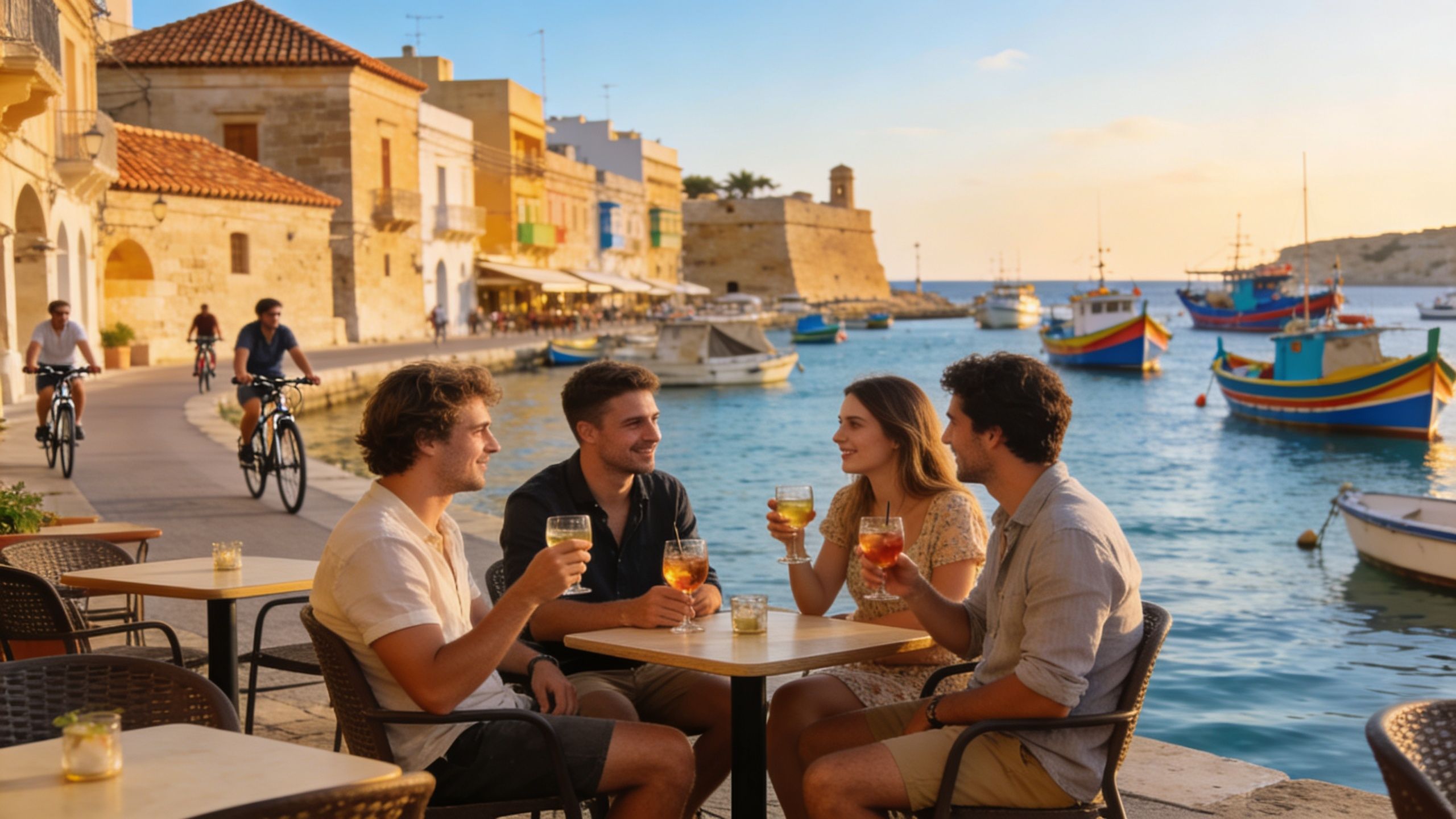
Imagine waking up to espresso steam on a limestone balcony in Sliema, then walking a 10–15 minute coastal promenade to a lively fish market at Marsaxlokk on the weekend. That contrast—compact city life one day, village beaches the next—defines Malta. For international buyers the romance is obvious: English widely spoken, compact scale, UNESCO heritage and Mediterranean light. But beneath the postcard scenes are powerful market forces shaping what you can buy and where; recent official data shows steady price growth that deserves your attention.
Living the Malta lifestyle
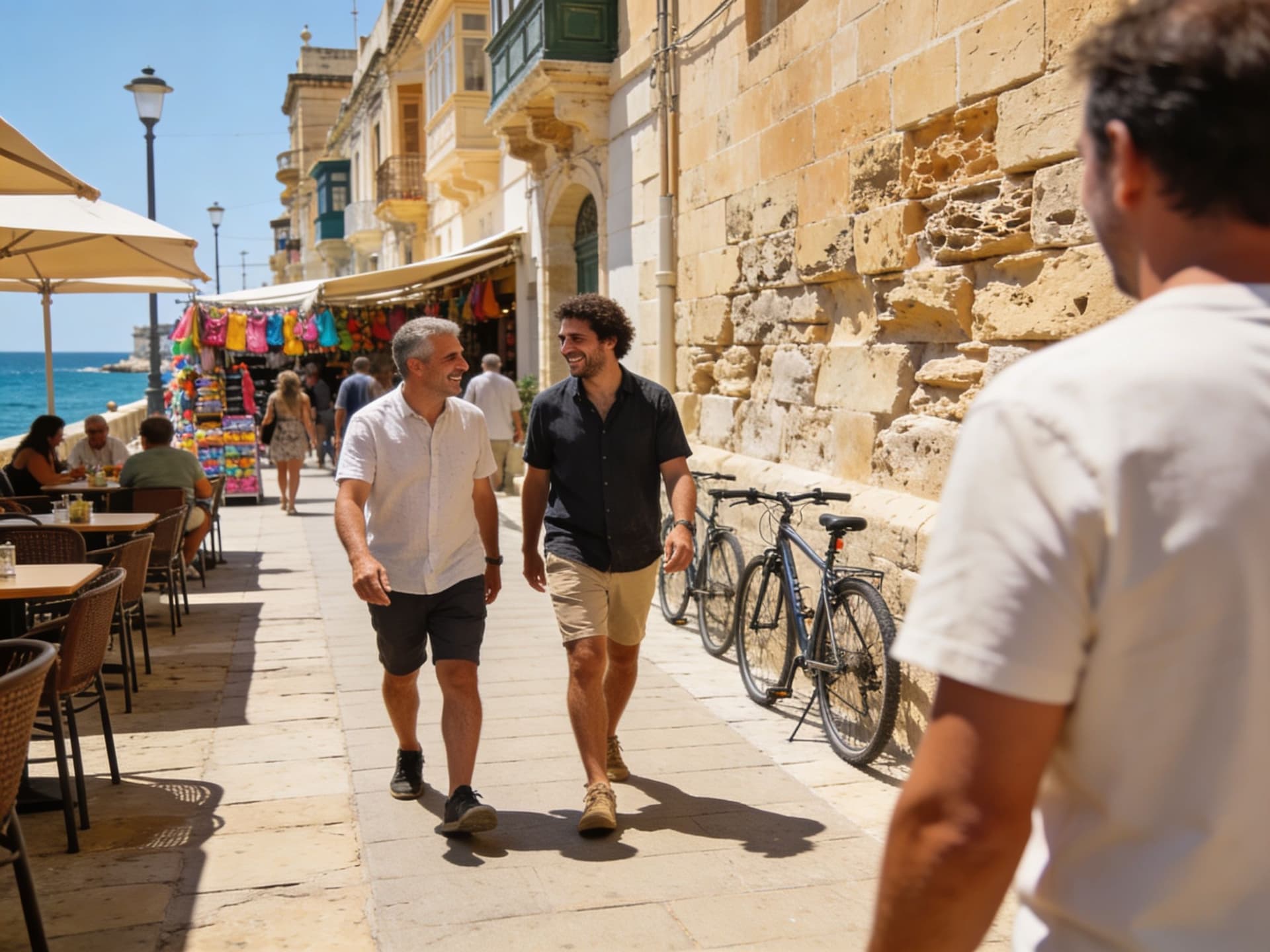
Life in Malta is sensory and compact. Mornings mean cafes in Valletta’s narrow streets and harbourside strolls in St Julian’s; afternoons are for open-air markets in Marsaxlokk or cliff swims off Għajn Tuffieħa. The island’s small size (about 316 km²) compresses variety: within 30 minutes you can swap baroque alleys for sand beaches. That compression matters for property choices—location changes lifestyle immediately, and your front door decides whether you live a coffee‑bar rhythm or a seaside slow pace.
Valletta, Sliema and St Julian’s — the urban pulse
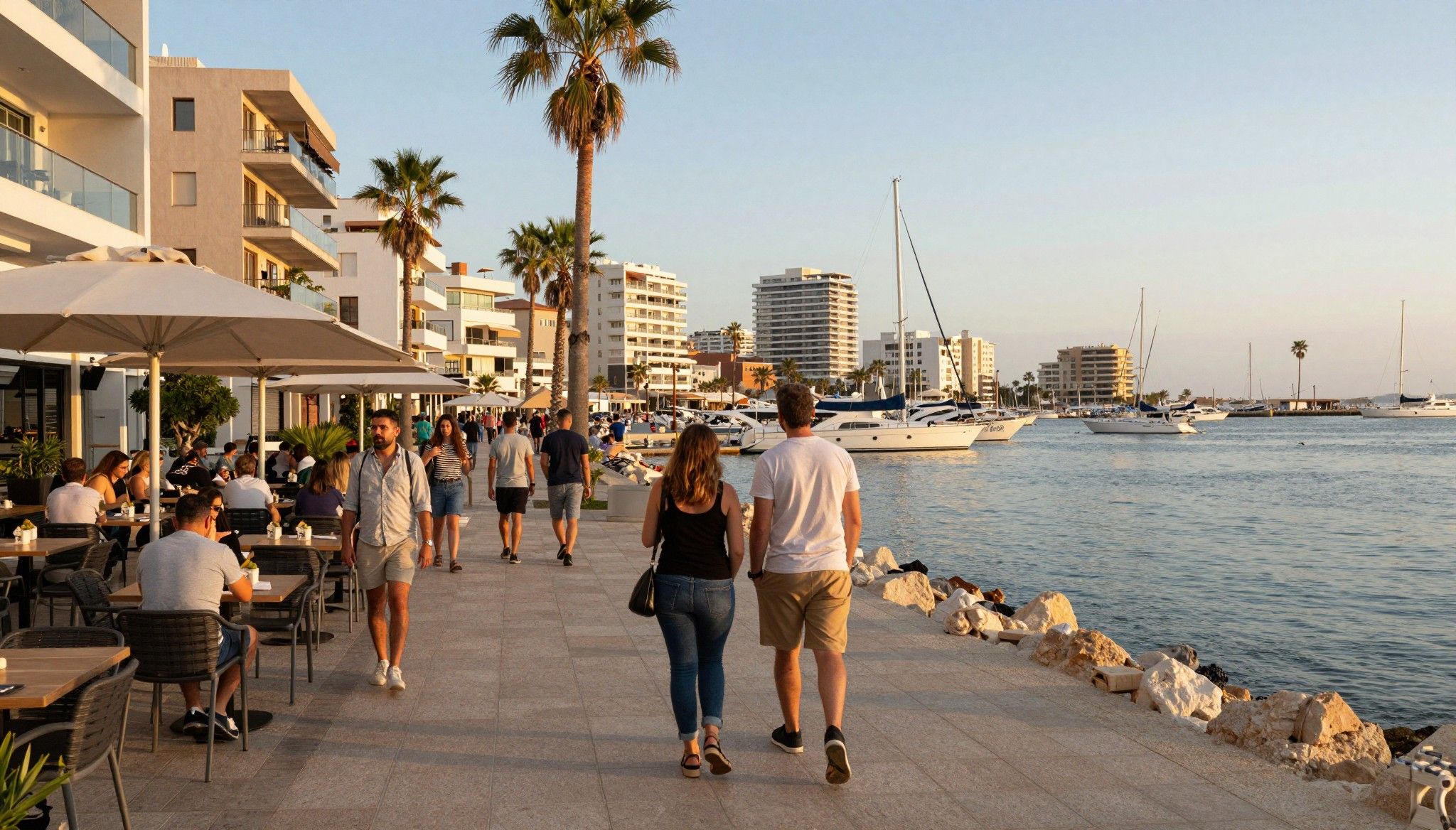
Valletta’s honey-coloured streets are theatre and municipal life in one: terraces spill with conversation, tiny grocers stock fresh ricotta and local ħobż tal‑maĦlut, and ferries thread the harbour. Sliema mixes promenade living and contemporary apartments with cafés like Caffe Berry and boutique grocery stores along Tower Road. St Julian’s—especially Spinola Bay—draws a younger, social crowd with waterfront bars and compact apartments that pivot between holiday rental and long-term living. If you want daytime calm and spirited nights within walking distance, these neighbourhoods deliver.
Marsaxlokk, Mellieħa and the quieter coast
For a more local rhythm, head to Marsaxlokk’s Sunday market for lampuki fish and salted caramel nougat; Mellieħa’s bay gives family-friendly sand and quieter residential streets. Gozo—smaller still—offers restored stone townhouses and a slower tempo, popular with buyers hunting tranquility and space. These coastal corners often mean larger outdoor areas for the same budget, but expect longer commutes to central business hubs and fewer immediate amenities.
- Lifestyle highlights to try on for size:
- Morning espresso at Caffe Cordina in Valletta; afternoon swims at Golden Bay; fish lunch on Marsaxlokk’s promenade; aperitifs in Spinola Bay; Sunday market stroll at Ta’ Qali craft village; sunset walk along Sliema–St Julian’s promenade.
Making the move: practical considerations
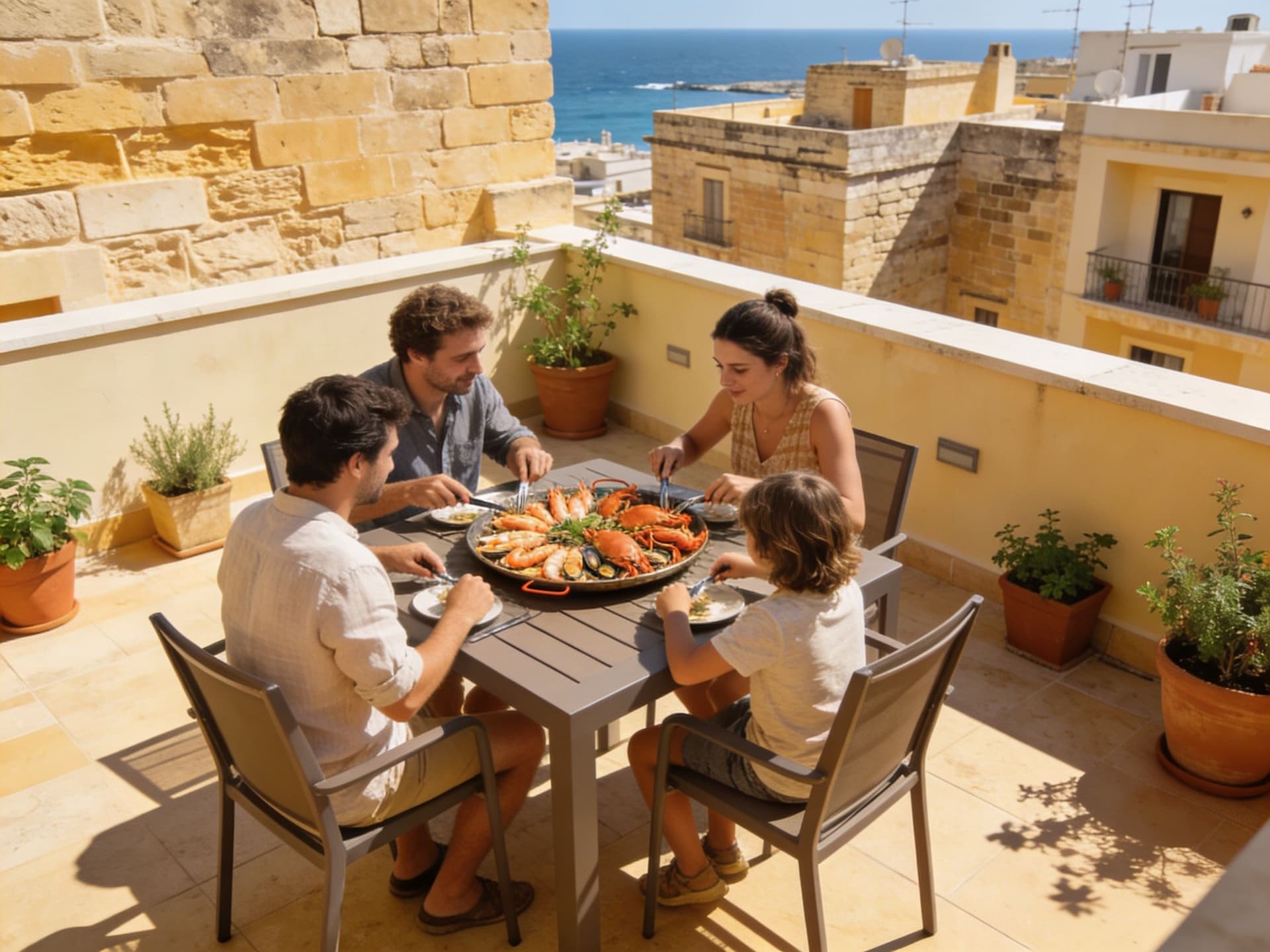
Dreams meet data when you start looking at listings. Official figures show residential prices rising consistently—driven by limited land, high demand in central zones and strong interest from foreign buyers and investors. The consequence: land value now forms a large share of price and maisonettes/apartments have seen above-average increases. That context changes negotiation strategy: you’re often buying location and land scarcity as much as a building.
Property styles and how you’ll live in them
Malta’s housing stock mixes restored townhouses, modern apartments and ubiquitous maisonettes with street-level entrances and small roof terraces. A narrow Valletta townhouse gives intense urban life—small rooms, high ceilings and dramatic light—while a maisonette in Pembroke or Naxxar offers terraces and more internal space. New developments often prioritise glazed balconies and compact open-plan layouts to maximise light; if outdoor living matters, compare roof terraces, balconies and communal gardens carefully.
Working with agents who know both market and lifestyle
An agent who knows local rhythm is invaluable: they’ll show you the morning coffee spots, the post‑office lines, and the precise walk times to ferries or clinics. For buyers from abroad choose agencies with in-market track records, transparent fee structures, and familiarity with cross-border conveyancing. Expect to ask for recent utility bills, planning permissions for renovations and clear evidence of title—agents who bring lifestyle context to those documents will save you time and disappointment.
- Steps to test a neighbourhood before committing:
- 1) Spend three different days there (weekday morning, weekday evening, weekend); 2) Walk routes you’d use daily—shops, clinic, transport; 3) Eat at one local cafe and speak to staff about residents; 4) Ask an agent for recent comparable sold prices and planning applications nearby; 5) Check short-term rental activity to understand tourist pressure.
Insider knowledge: what expats wish they’d known
Real talk: Malta’s attractiveness creates trade-offs. Expats often tell us they underestimated how quickly central streets change—from quiet lanes to popular short‑let corridors—and how that affects noise, community feel and resale prospects. Seasonal peaks (June–September) amplify these swings, and while the island feels uniformly Mediterranean, microclimates and exposure matter: windier north coasts suit sailors; sheltered bays suit families. Knowing which trade-offs you accept clarifies what to buy.
Cultural integration, language and daily community
English is an official language and that flattens early friction—bureaucracy, healthcare booking and schooling are broadly accessible. Still, learning basic Maltese opens doors in village communities and markets. Expect slower administrative rhythms than in northern Europe: appointments and paperwork can require patience. Neighbourhood clubs, church festas and local boulangeries are where long-term friendships are formed—show up and you’ll be welcomed.
Long-term lifestyle and resale thinking
Malta’s long-term demand is supported by limited land and steady inward mobility, but that also means popular streets can become tightly contested. If resale flexibility matters, prioritise properties with adaptable floorplans, legal roof-tenths or clear renovation potential rather than cosmetic finishes. Consider rental demand if you plan to let: central Valletta, Sliema and St Julian’s maintain year-round interest from professionals and tourists alike, but yield and management requirements vary.
- Red flags and quick checks before putting down a deposit:
- Unclear title or shared ownership clauses; planning permissions pending on neighbouring plots; unusually high density of short‑lets in the block; missing service charge accounts for communal areas; unrealistic rental yield promises.
Conclusion: Malta as lived reality and strategic purchase
Picture yourself at dusk in Valletta, a street musician nearby, the harbour lights reflected in a bay window—those everyday scenes are the reason people buy here. Balance that romance with reality: official RPPI data shows consistent price growth, and land scarcity means location premiums will persist. Start with lifestyle priorities—what mornings and weekends you want—then translate them into property criteria an experienced local agent can verify. If you pair curiosity about life here with disciplined due diligence, Malta offers a compact, richly textured Mediterranean life that pays dividends beyond financial return.
Danish relocation specialist who has lived in Barcelona since 2016. Helps families move abroad with onboarding, schooling, and local services.