France’s New‑Build Pipeline: Choose Projects That Create Life
Why France’s new‑build pipeline matters more for daily life than headlines — data-led tips to choose projects that actually deliver community, comfort and resale resilience.
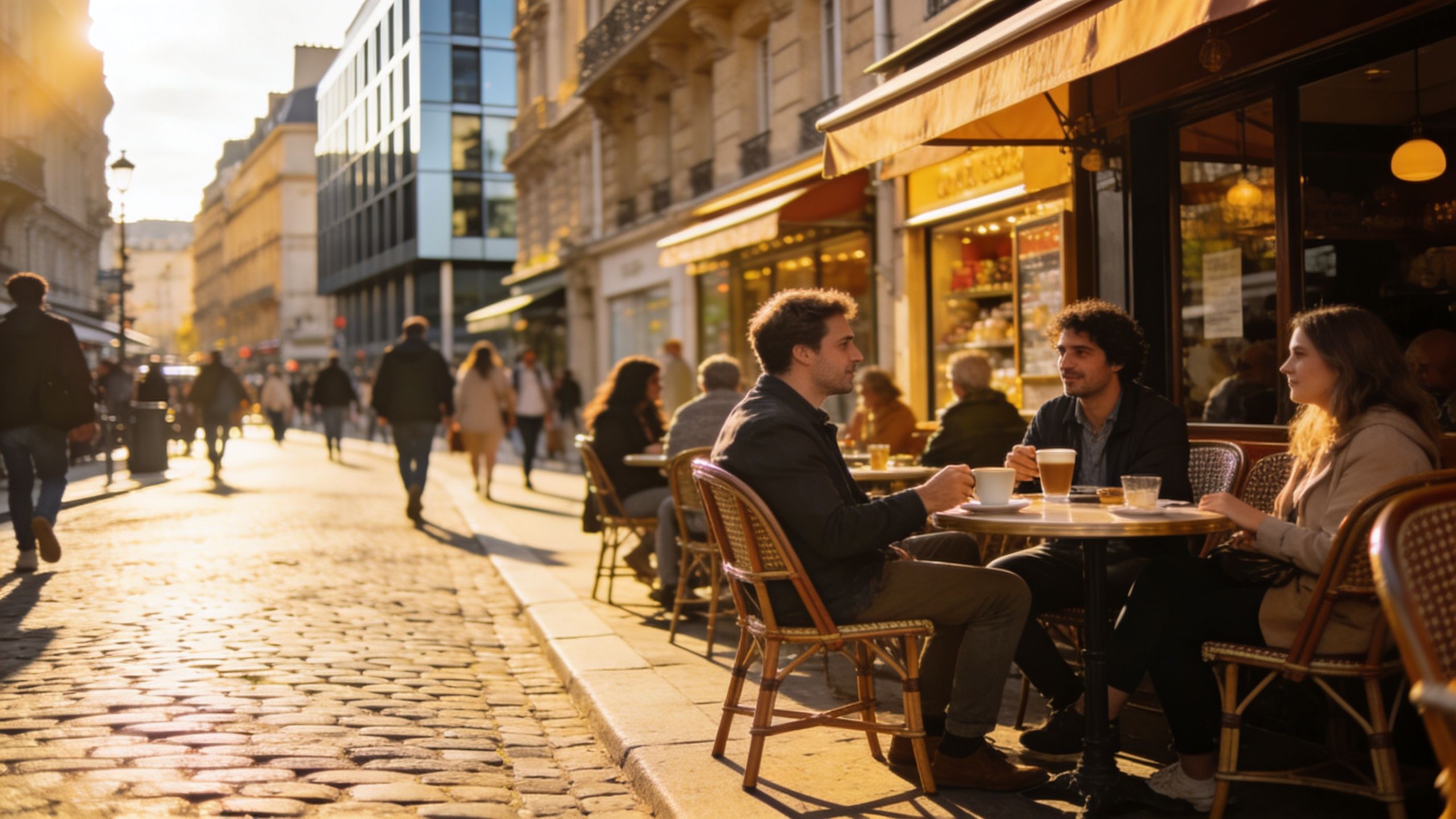
Imagine sipping an espresso on Rue des Martyrs, then stepping into a quiet elevator that opens onto a new-build apartment with underfloor heating and a small balcony overlooking a plane-tree boulevard. France is a place where neighbourhood rituals — morning markets, late aperitifs, summer fêtes — shape how people live. For international buyers, the pipeline of new developments is not just about square metres: it’s where lifestyle and long-term value meet.
Living the France lifestyle — more nuanced than you think
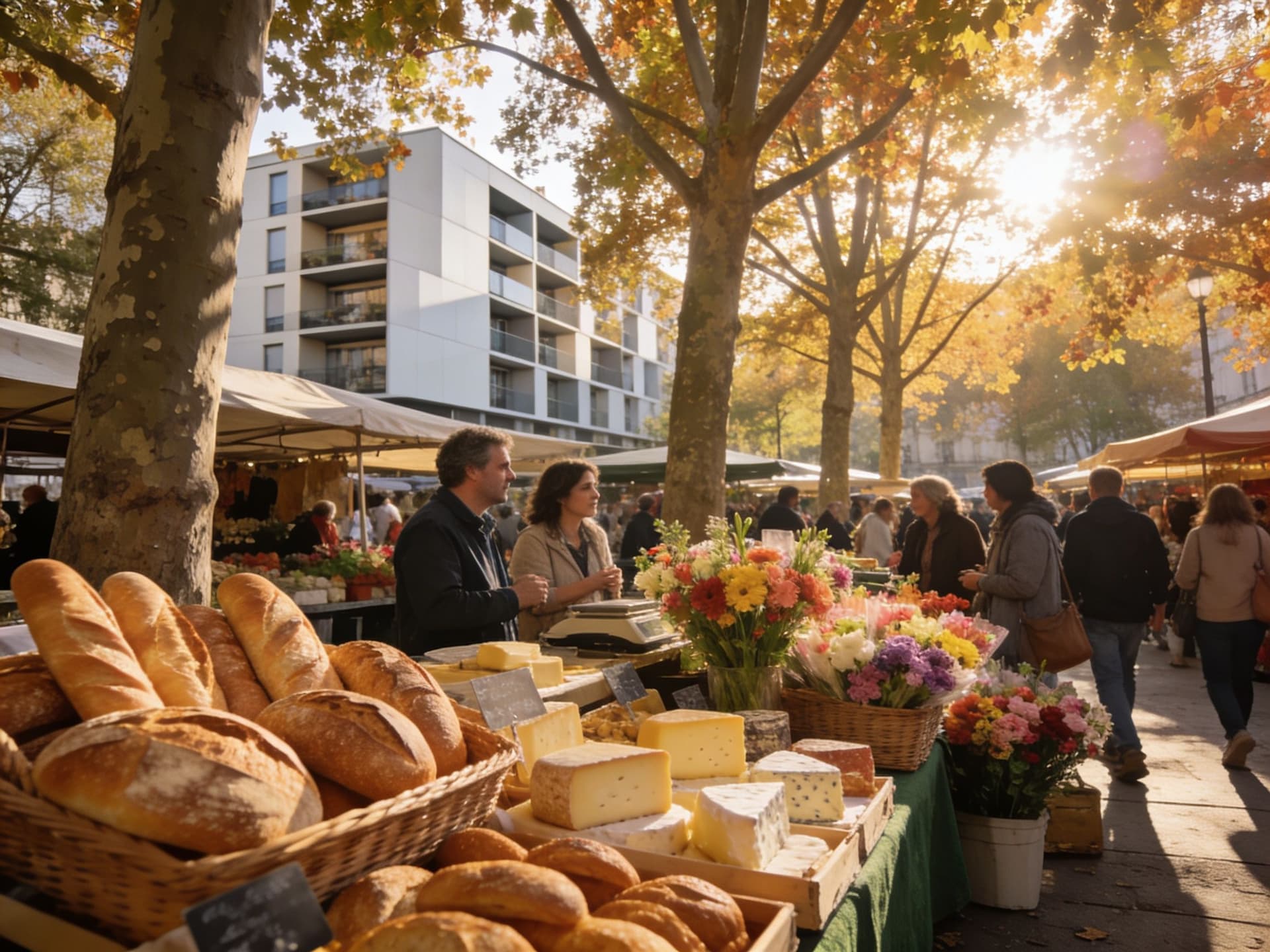
France’s daily life blends urban rhythm and regional rituals: city boulangeries open at dawn, coastal towns empty out midweek and come alive on weekends, and village markets set the tempo on Saturdays. Recent data shows new-dwelling prices are rising modestly, a sign developers are responding to renewed demand for turnkey, energy-efficient homes. Those market moves matter for lifestyle buyers because new developments often bring community facilities — crèches, courtyards, shared gardens — that shape everyday routines. (Source: INSEE new-dwelling price index.).
Parisian pockets and provincial rhythms
In Paris, life is about specific rues and arrondissements: Le Marais hums with galleries and cafés; the 15th offers family-friendly streets and modern new-builds near the Seine; Canal Saint-Martin draws creative types seeking canal-side terraces. Outside Paris, Bordeaux’s vineyards, Aix‑en‑Provence’s markets and the Côte d’Azur’s beach clubs create distinct daily patterns. Developers tailor projects to these rhythms — smaller terraces and compact kitchens in city centres, open-plan interiors and gardens on the coast — so pick a development that matches how you’ll actually live.
Food, markets and the small luxuries
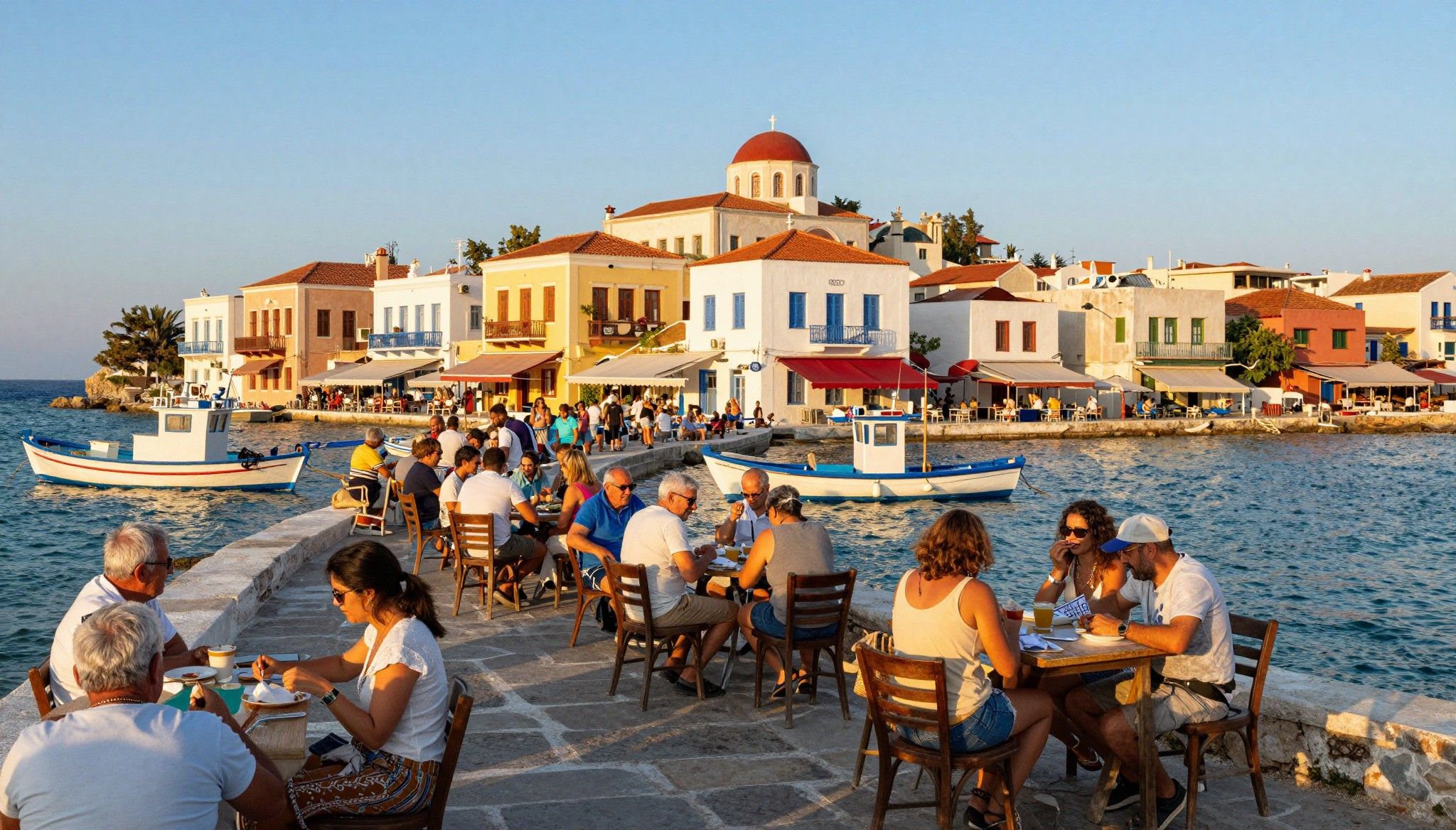
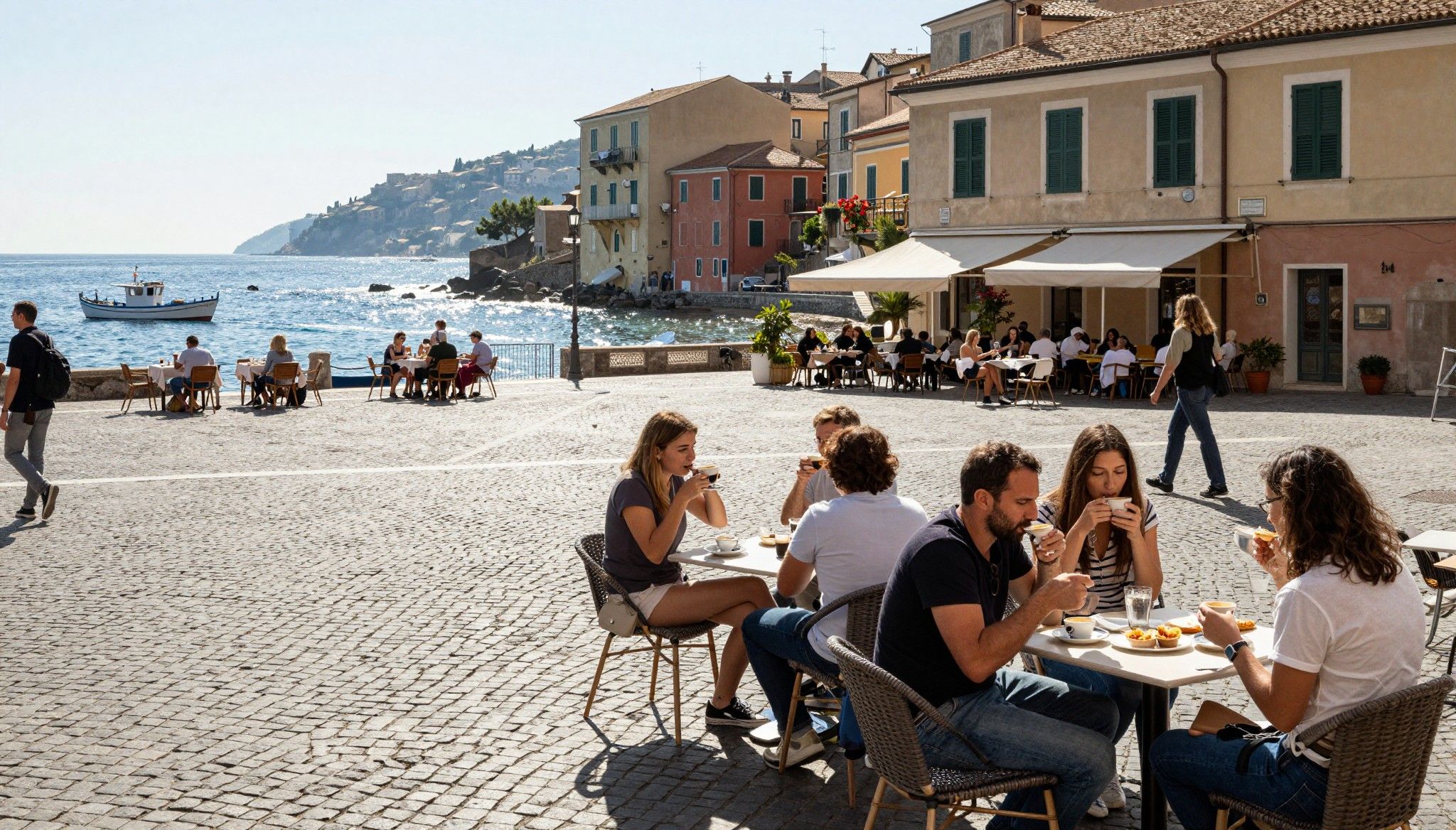
Picture Saturday mornings at Marché d’Aligre in Paris, oyster stalls in Arcachon, or sun-warmed boulodrome courts on a Provençal square. These micro-routines influence which projects sell fast: proximity to a weekly market or an attractive public square often adds a premium to new-builds because buyers are paying for daily life, not just structure. When you tour developments, note where residents meet — that plaza, that bakery, that shade tree — and how developers have woven public space into the scheme.
- Lifestyle highlights to look for when choosing a new development:
- A short walk to a weekly market (examples: Marché Forville in Cannes, Marché des Capucins in Bordeaux)
- On-site communal spaces: rooftop terraces, bicycle storage, and green courtyards
- Proximity to transport nodes that fit your rhythm — local tram for daily errands, TGV for long weekends
Making the move: practical considerations where lifestyle meets pipeline data

A pipeline of new builds matters because it changes neighbourhood composition over five to ten years: more supply can temper price growth, while well-located projects can improve services and local vibrancy. Notaires and market reports indicate new-build activity recovered in late 2024 and into 2025 — an important signal for buyers weighing immediate lifestyle benefits against longer-term value. Use supply data to judge whether a development will be an isolated oasis or the start of a neighbourhood shift.
Property types and how they translate to daily life
New apartments: energy-efficient, warranty-backed, often with communal amenities — great for buyers who want low-maintenance, immediate community. Renovated townhouses: character and higher renovation flexibility, better for those chasing authentic streets and bespoke interiors. Coastal villas from small developers: lifestyle-first but check build quality and access in low season. Match the property type to how often you’ll use it and the services you expect — for instance, regular market access or concierge-style management for absentee owners.
Working with local experts who understand lifestyle signals
- How local agencies add lifestyle intelligence:
- They show you which side of a development faces morning sun and market access.
- They can introduce you to neighbourhood stakeholders — bakery owners, mairie contacts, property managers — vital for long-term living.
Insider knowledge — expat truths and pipeline red flags
Expat buyers often romanticise regions — that’s part of the charm — but there are repeat practical lessons: check microclimates (north-facing terraces are cooler), confirm public transport frequency outside peak season, and test grocery and healthcare access. New developments can solve some of these issues but create others: uniform design across a project can feel anonymous if it isn’t tied to local life.
Cultural integration — what actually helps you belong
Learn a few phrases, join a local hobby or club, and buy your morning coffee from the same café for a month. These small acts open doors. Developers who sponsor local events or create accessible public squares often accelerate this integration — another reason to prioritise projects that commit to public space rather than inward-facing compounds.
Red flags in the new-build pipeline
- Watch for these issues when assessing a project:
- An unusually high number of affordable units marketed alongside luxury penthouses — may signal cross-subsidy risk.
- Sparse public transport commitments in planning docs — short-term convenience can drop sharply off-season.
- Promises of rapid neighbourhood transformation with no municipal partnerships documented — projects anchored to public investment tend to deliver better neighbourhood outcomes.
How life changes after you buy — the practical, emotional and community arc
After purchase, the neighbourhood routines become personal: your butcher knows your name, mornings are measured by bread deliveries, and seasonal markets set the social calendar. From a value perspective, properties in well-connected new developments with active management and local partnerships tend to retain liquidity better when wider markets fluctuate. Use available pipeline reports and notaire commentary to test assumptions about future demand — a lively local scene matters for resale as much as for day-to-day life.
Steps to take next (practical and immediate)
- 1. Map existing and planned supply within a 1 km radius of your shortlist: look for schools, markets, transport and municipal works.
- 2. Ask developers for energy-performance details and the bâtiment de conformité (garanties) — these are lifestyle inputs (comfort, costs) and resale signals.
- 3. Meet the property manager and the mairie (town hall) early — they reveal neighbourhood plans and social infrastructure timelines.
Conclusion: If you want France for its small daily pleasures — markets, cafés, short walks to cultural life — let the development pipeline and local partnerships confirm that the place will sustain that lifestyle, not erode it. Work with agencies who translate lifestyle signals into development due diligence: they are the bridge between the life you imagine and the legal, technical realities of building supply. Start by visiting market data (INSEE) and notaire commentary, shortlist developments that prioritise public space, then test them in person during a typical weekday and a weekend.
Dutch investment strategist with a Portugal-Spain portfolio. Expert in cross-border financing, rights, and streamlined due diligence for international buyers.