Why France’s New‑Build Slowdown Is an Opportunity, Not a Crisis
France’s new‑build pipeline has slowed — not to alarm but to reveal opportunities. Match lifestyle priorities to pipeline realities and use delivery terms as negotiation leverage.
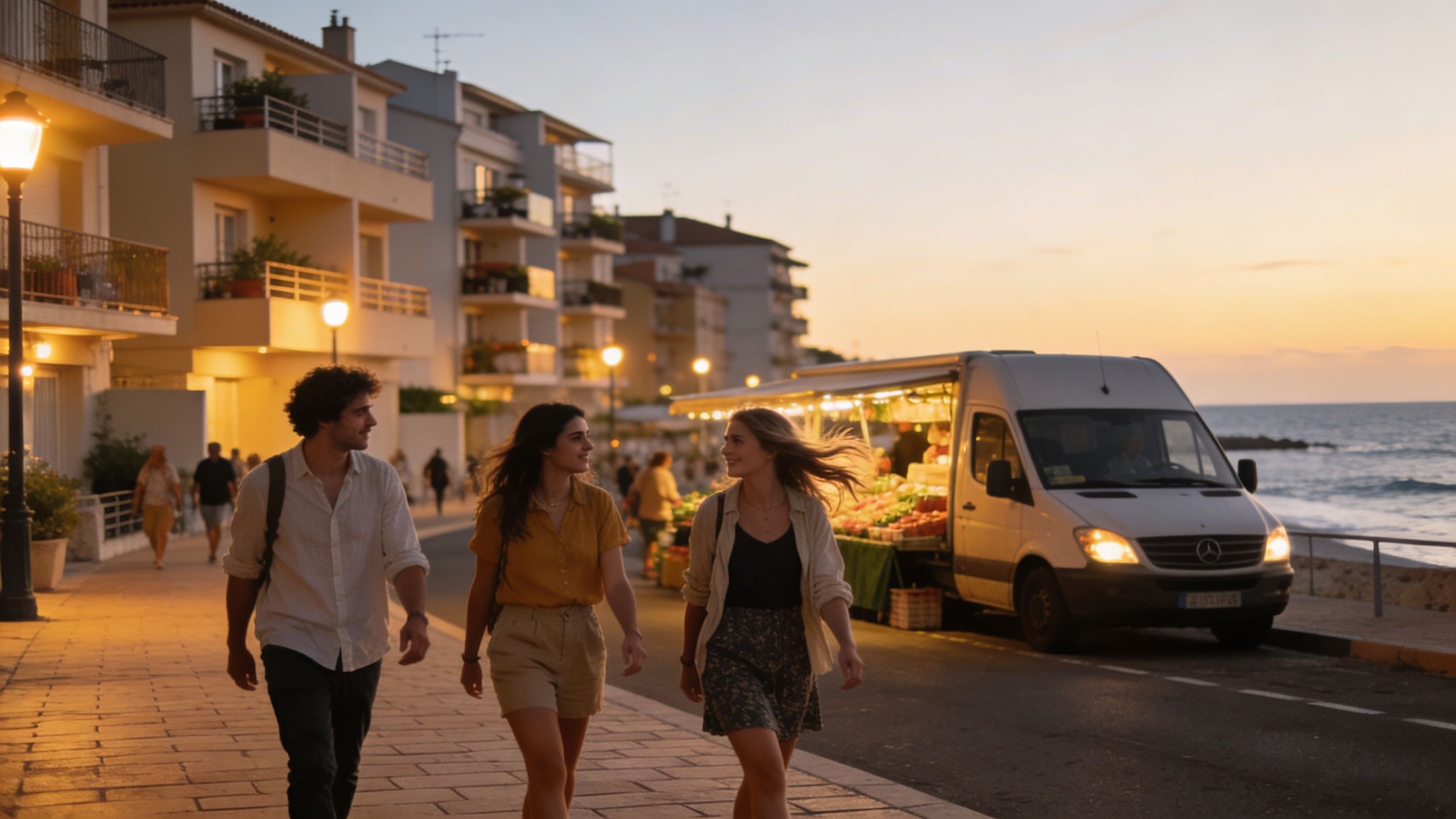
Imagine strolling a Saturday marché in Aix-en-Provence, the citrus scent of bergamot rising from a stall while a neighbour recommends a recently finished apartment block with a sunny terrace — and the price is lower than you expected. That surreal mix of everyday life and market nuance is France today: deep, varied lifestyle appeal across regions, and a new‑build pipeline in retreat that changes timelines, bargaining power and where value hides. Recent construction data show starts and permits have fallen — but for the buyer who understands the pipeline, that slowdown can translate into choice, negotiation leverage, and creative entry points into iconic neighbourhoods.
Living the France lifestyle
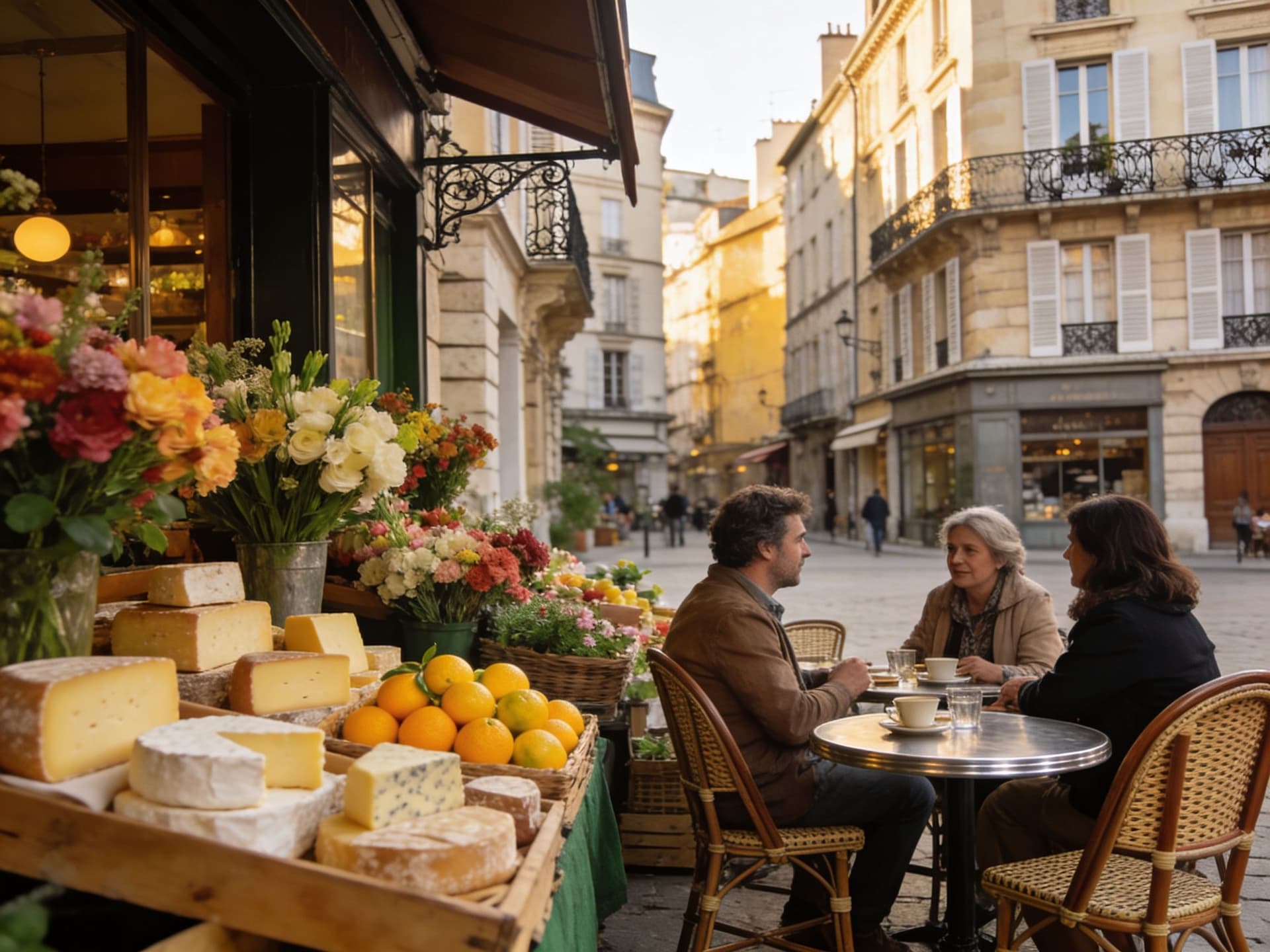
France’s daily rhythms feel local and layered: espresso at a zinc bar in the 11th arrondissement, oyster shucking on the Île de Ré, late‑afternoon pétanque in Provencal squares, and Sunday drives through Loire valleys towards a marché aux fleurs. That diversity matters when you buy new: a coastal residence on the Côte d'Azur is about outdoor terraces and sea breezes; a new apartment in Lyon prioritises compact design and proximity to tram lines. Think in terms of life patterns — café, market, commute, school — and match product type to the rhythm you want to keep.
Neighbourhood pulse: city, coast, countryside
Parisian arrondissements still hum with cultural density; yet the market has cooled unevenly — inner districts can behave differently from outer ones, creating off‑radar pockets. On the coast, towns such as Toulon or Biarritz show different seasonality: summer brings tourist demand but winter reveals true community life and longer rental yields. Inland, places like Dijon or Rennes are registering surprising price resilience as remote work shifts buyers away from hyper‑expensive metros.
Food, markets and micro‑neighbors that matter
If you crave a market‑to‑table life, scout properties near Les Halles in Lyon, Marché d'Aligre in Paris, or the Cours Saleya in Nice. Proximity to a marché is more than romantic: it correlates with daily routines, walkability and secondary services (boulangerie, pharmacie) that sustain long‑term living standards — and often outsize resale appeal.
- Lifestyle highlights to map on your property search: walkable market squares; tram or TER links within 10–20 minutes; cafés that stay open late; green corridors or municipal parks; local boulangeries with morning queues.
Making the move: pipeline realities and practical trade‑offs
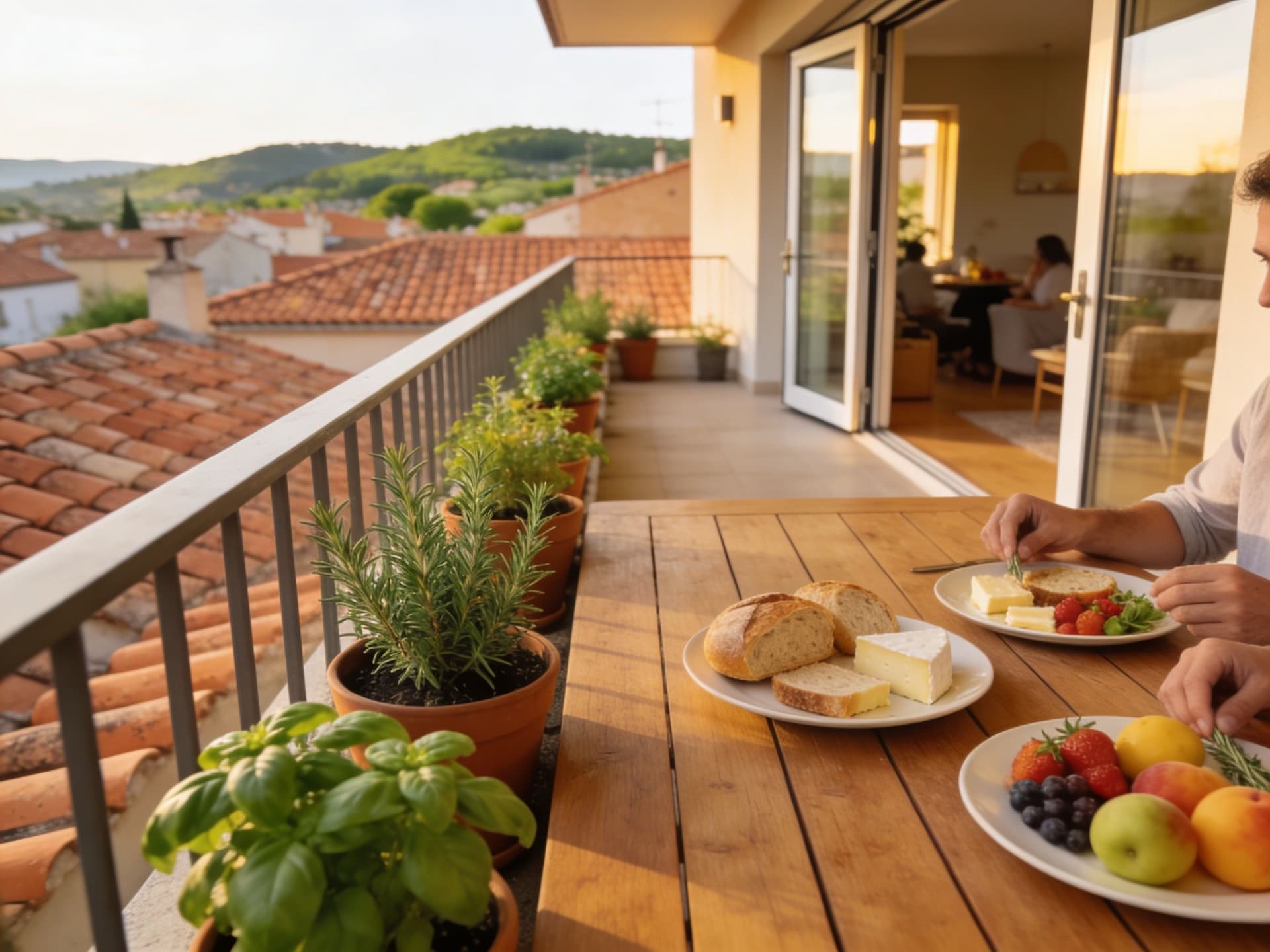
The headline: new‑build activity has slowed. Official French construction bulletins and INSEE show a noticeable drop in permits and starts versus the pre‑pandemic trend. That contraction changes the buyer equation: delivery dates spread out, developers prioritise projects with secure pre‑sales, and second‑hand stock sometimes becomes the quicker, better‑priced route into a neighbourhood you love. Use the pipeline to your advantage — timing, inspection clauses and staged payments become negotiation tools.
Property styles that match how you’ll live
New builds in France range from compact urban apartments with thermal performance to suburban maisons with private gardens and contemporary finishes. If you’re an everyday market‑goer, prioritise an apartment with an accessible concierge, storage for bicycles and a small balcony. If outdoor living matters, target ground‑floor units with private gardens or new villas on the fringes of towns where plot sizes are larger.
How local experts turn pipeline knowledge into lifestyle wins
A good local agency reads municipal permit calendars, knows which developers have delivery delays, and can introduce projects that match your daily life rather than generic specs. Agencies that specialise in new developments can secure early‑phase units with better layouts or negotiate upgrades (kitchens, glazing, terraces) when the pipeline tightens — turning a buyer’s patience into tangible value.
- Practical steps that blend lifestyle and market action: 1) Map three neighbourhoods by daily routines (market, commute, green space). 2) Check municipal permit registers and developer track records. 3) Ask for comparable resale prices within 500m of new projects. 4) Build inspection/penalty clauses into reservation contracts. 5) Negotiate staged payments linked to construction milestones. 6) Reserve via an agency with in‑market relationships to access pre‑launch offers.
Insider knowledge: myths, red flags and contrarian opportunities
Myth: 'France is uniformly expensive' — false. Data show strong regional divergence: Paris and the Riviera remain premium, but many provincial cities and coastal towns present affordable entry points and steady demand. Red flag: developers that refuse to disclose build schedules or provide realistic comparable sales within the same micro‑neighbourhood. Opportunity: when starts fall, well‑capitalised developers prioritise quality and delivery certainty — a buyer who vets developer balance sheets can secure better finishes or price adjustments.
Cultural and seasonal realities expats should not ignore
France’s social calendar shapes availability and moods: August sees towns slow as locals take extended holidays, while March and September bring active market listings and viewings. Language matters in negotiation nuance; a bilingual notaire or agency representative smooths contract details and preserves cultural subtleties around fixtures, shared charges and usage rights.
Longer‑term view: how pipeline shifts change community life
Fewer starts today can mean slower densification and a preservation of neighbourhood character — an asset if you value local identity and slower change. Conversely, constrained supply can lift prices once financing becomes easier, so treat current slowdowns as a timing window to secure favourable contract terms, not as a permanent discount.
- Red flags and vetting checklist: developer with limited local track record; missing municipal permit documents; vague completion dates; unusually high homeowner association reserves; no clear energy performance (RT / RE2020) documentation.
Conclusion — picture the life and plan the steps: picture buying a slim apartment on Rue de Bretagne, coffee in hand, morning market across the street, and a developer who committed to a winter 2026 delivery but now signals a six‑month delay. You can still make that life happen: prioritise clarity on delivery, insist on contractual milestones and penalties, and choose an agency that knows which neighbourhoods retain authentic daily life. Start with mapping where you want to live, ask for the municipal permit file, and meet two developers in person before signing. That blend of romance and rigor is how France becomes your everyday, not just a postcard.
Norwegian market analyst who relocated to Mallorca in 2020. Focuses on data-driven market insights and smooth relocation for international buyers.