Italy: Choose the Life First, Then the Property
Italy’s charm masks a diverse market: choose by daily life first, then use local data (ISTAT, Immobiliare.it) and targeted due diligence to turn a dream into a resilient investment.
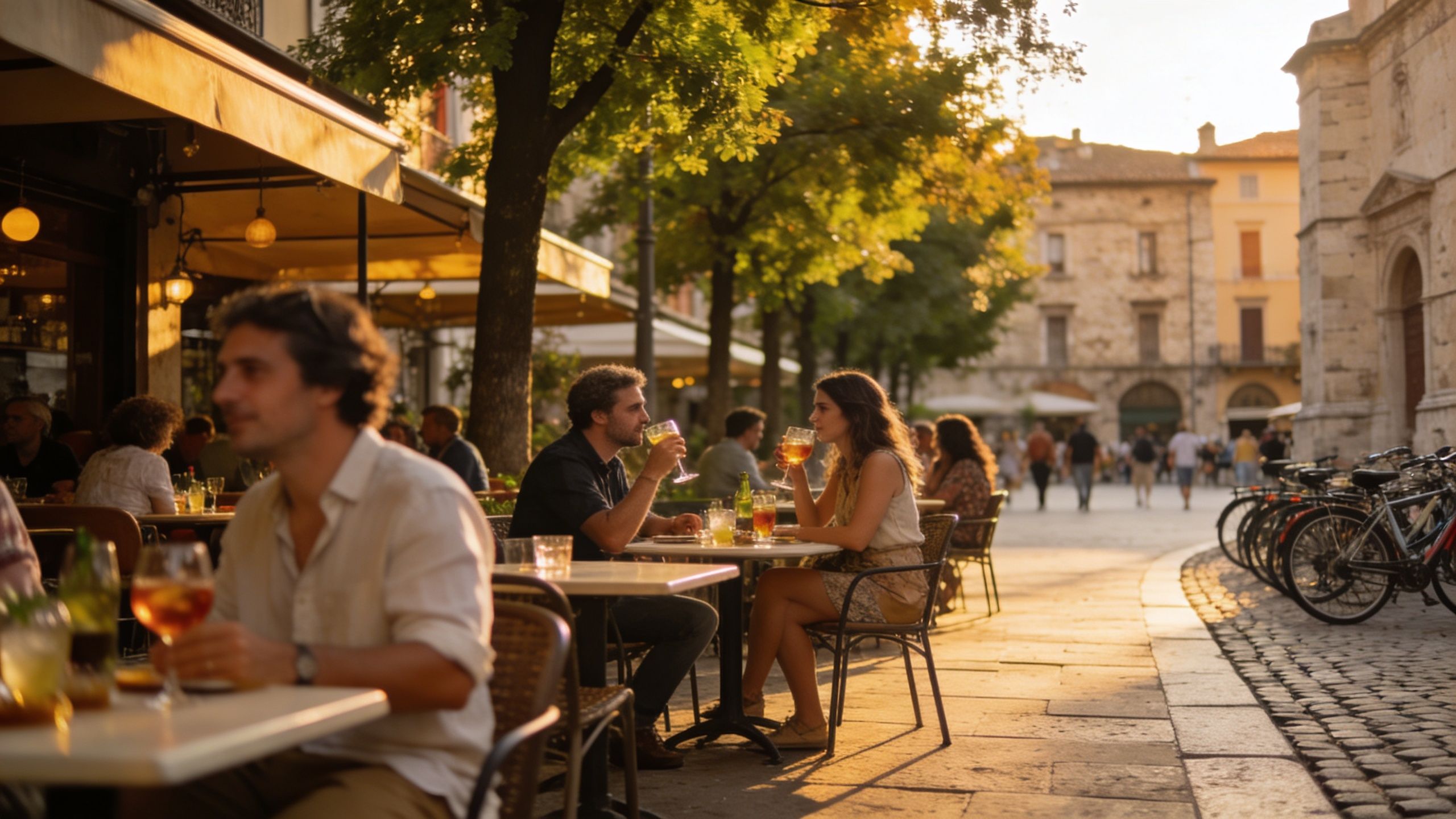
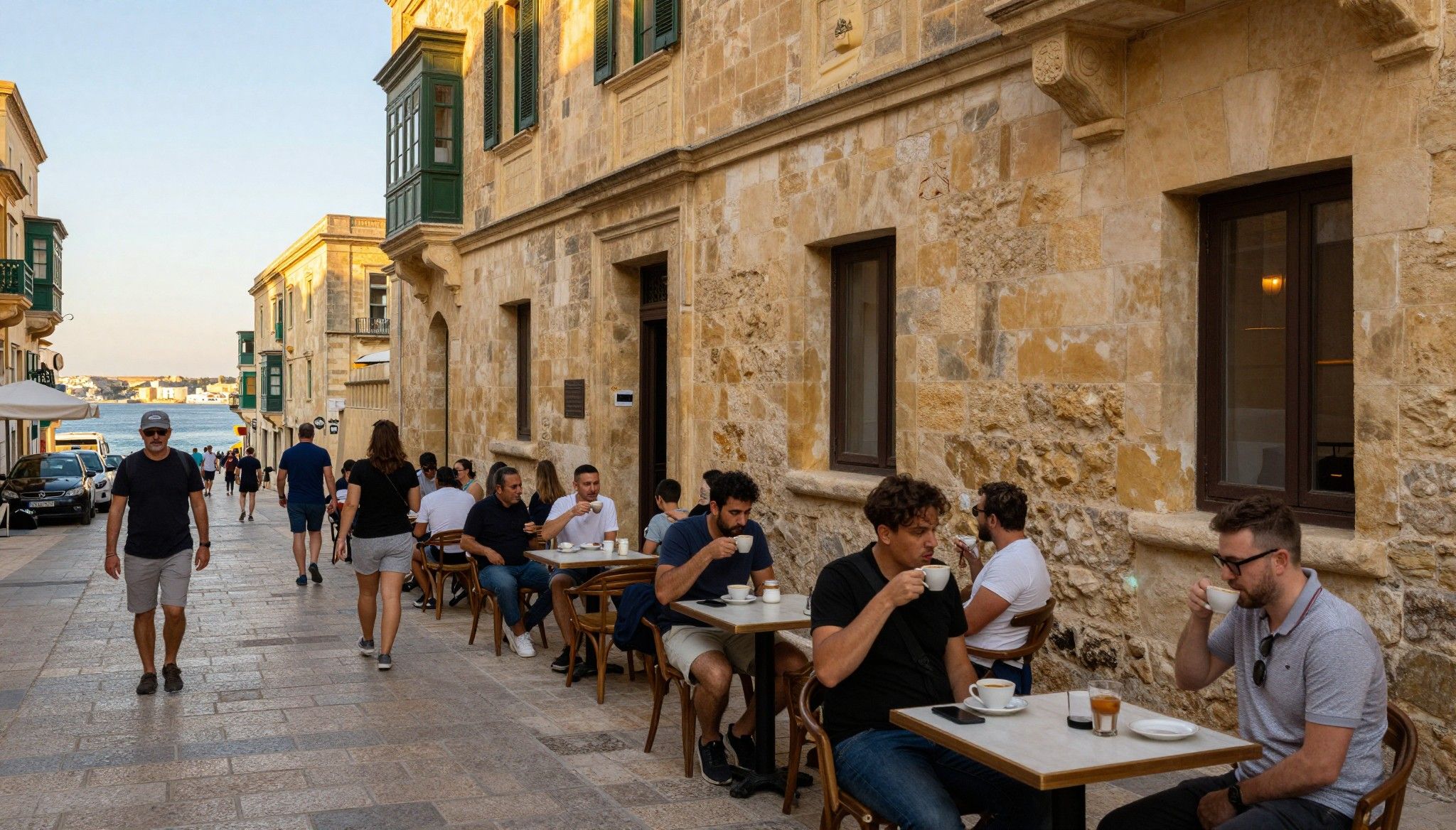
Imagine sipping a piccolo espresso at a sun-drenched table on Via dei Giubbonari in Rome, then cycling home to a narrow apartment framed by ancient stone. In Italy life happens on the street: morning markets, late dinners, small-town festivals where neighbours bring lasagne and gossip. That rhythm — social, seasonal and richly textured — is the real reason buyers cross borders. But the Italian market also has clear data behind its charm: recent national indices show modest price growth and rising transaction volumes, important context when a lifestyle decision becomes a financial one.
Living the Italy lifestyle
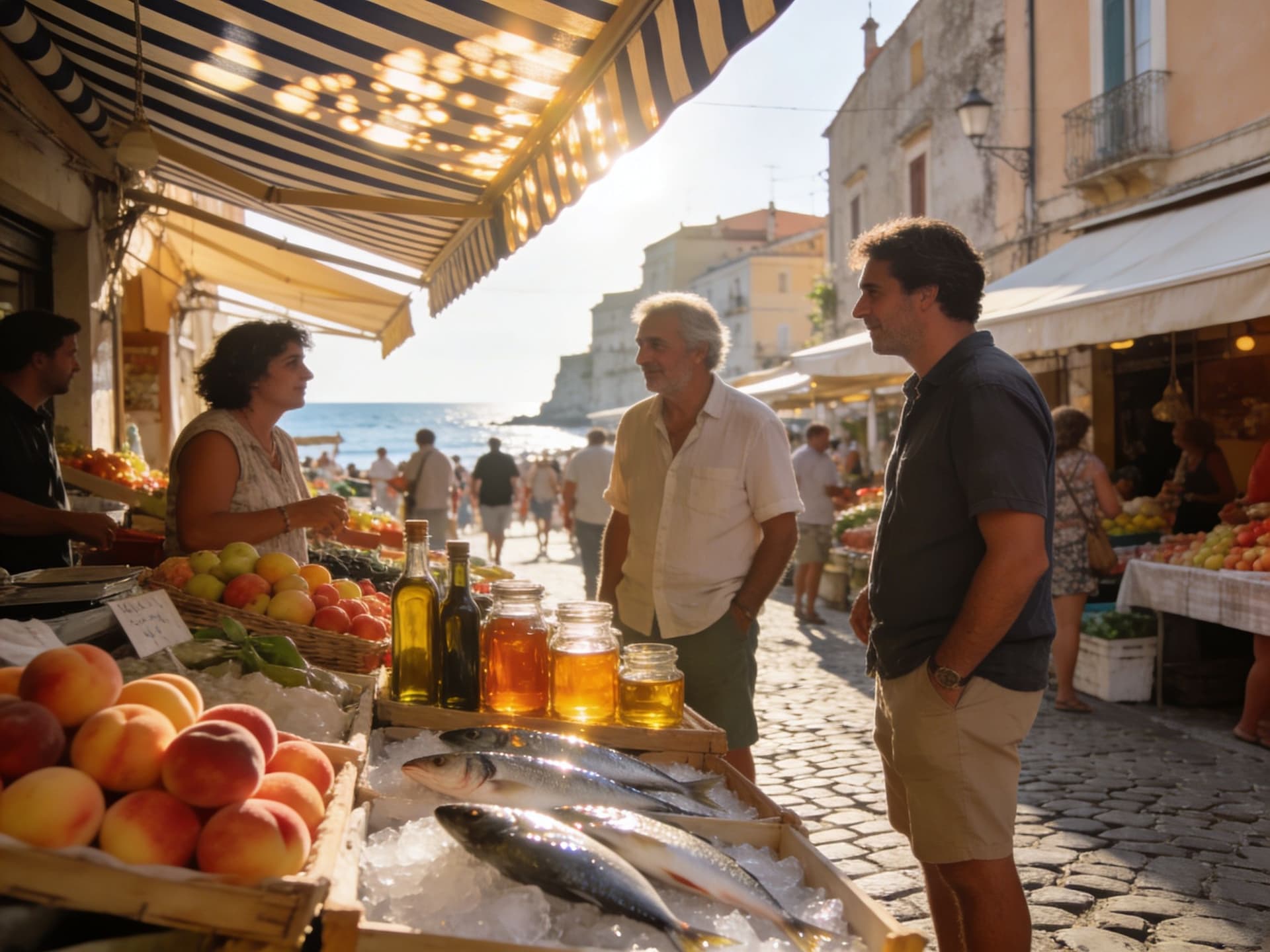
Italy’s appeal is more than postcard moments: each region carries a distinct tempo. In Milan you feel an efficient, design-driven pulse; in Naples there’s a louder, more convivial street life; Puglia offers slow-paced coastal villages and olive-groved mornings. Prices follow these tempos — high in Milan and Florence, far lower in Calabria and parts of Puglia — which is why a lifestyle brief (what mornings you want, how you spend afternoons) should shape your property brief as much as market charts.
City pulse vs. coastal calm: neighbourhood spotlights
Pick a neighbourhood and you pick a way of life. In Milan, Brera and Navigli offer design ateliers and evening apertivi; Rome’s Trastevere has narrow lanes and trattorie where neighbours argue about football; in Puglia towns like Ostuni and Monopoli trade tourist buzz for whitewashed lanes and seaside markets. Recent reporting shows rising international interest in Puglia thanks to lower entry prices and renovation potential, a reminder that coastal charm can pair with value if you target the right village and property type.
Food, markets and weekend rituals
Begin Saturdays at a mercato: fishermen setting out their catch in Catania’s fish market, cheese sellers in Emilia-Romagna, or olive oil tastings in Puglia. These rituals shape where locals buy and how neighbourhoods feel. For buyers this matters: proximity to weekly markets, small grocery shops and cafés often correlates with higher rental demand and steadier resale values than isolated 'sea view' addresses. Choose the routine you want first, then map properties to support it.
- Four lifestyle highlights to scout in person
- A morning espresso spot that fills up with neighbours — test how social the street feels.
- Access to a weekly market or deli within a 10–15 minute walk for everyday living.
- Transport links: regional trains for weekend escapes and an airport under 90 minutes for international travel.
- A neighbourhood cafe or piazza that remains active year-round, not only during summer months.
Making the move: practical considerations
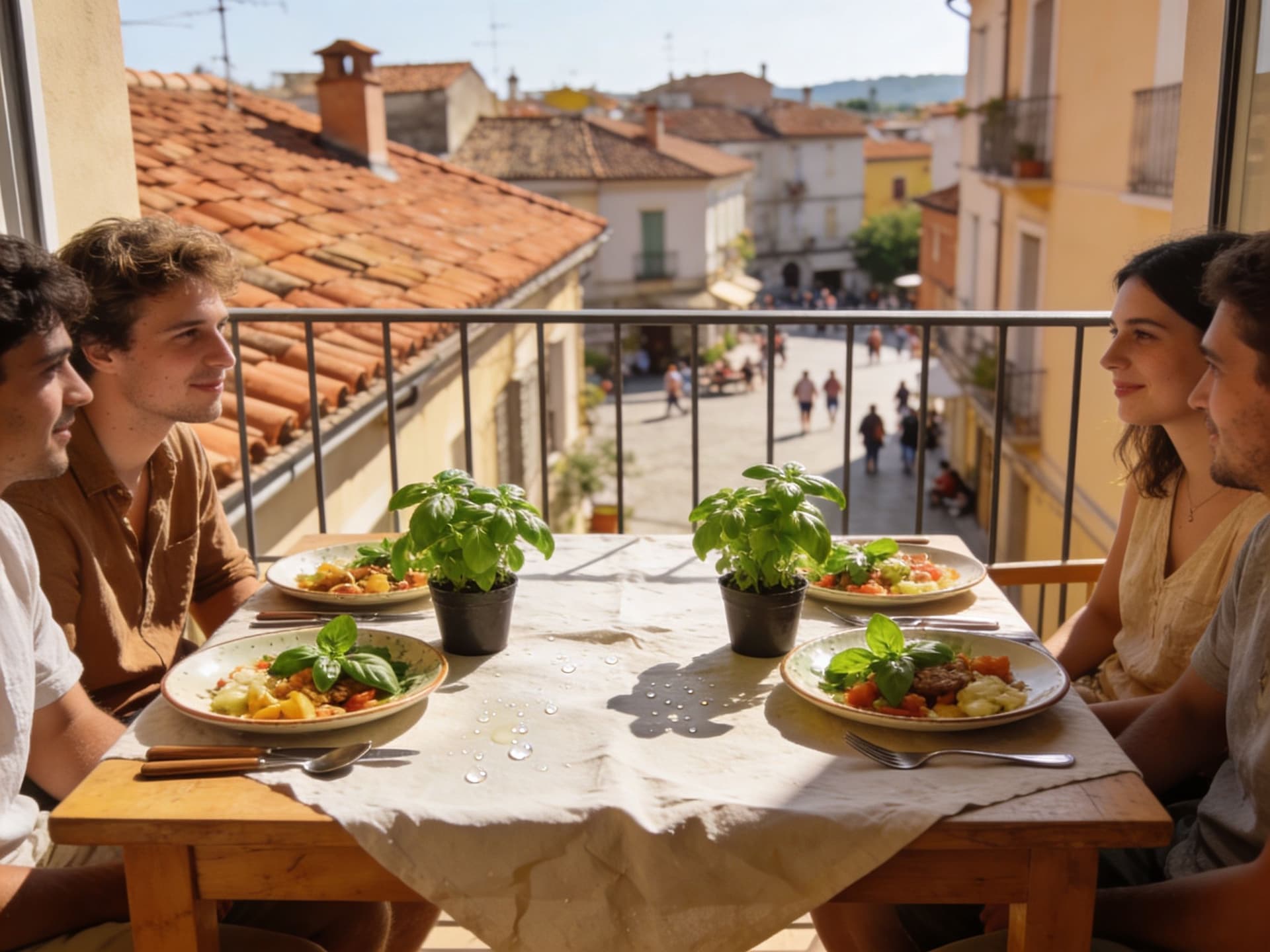
That romantic image meets measurable signals. National indices show house prices rose year‑on‑year in 2025, with existing-dwelling values growing faster than new builds, while transaction volumes recovered sharply. That means competition exists for well-located, character properties, but regional differences are wide: the same budget buys a central Milan flat or a fully renovated masseria in Puglia. Before making offers, align lifestyle priorities with market reality so you don’t overpay for a postcard view and miss a lively daily life.
Property styles and how they change daily life
Historic apartment: living in an apartment with high ceilings in the centro storico means accepting stairs, smaller kitchens and extraordinary character. New-build on the outskirts: more space, parking and modern amenities but a longer commute to social life. Coastal villa: outdoor living and privacy, but seasonal occupancy and maintenance costs. Match the property type to how you want to spend weekdays and weekends — that alignment will determine long-term satisfaction and rental prospects.
Working with local experts who know the life you want
Agencies are not just transactional partners; the best ones are cultural interpreters. Look for agents who can show you morning routines, local services and potential rental demand; ask for recent comparables from the exact street, not just the neighbourhood. A good local lawyer and notary are essential for closing, but your agent should have a long track record of helping foreigners integrate — and telling you when a 'renovated' listing still needs structural work.
- Six steps that blend lifestyle and practical due diligence
- Visit the neighbourhood at different times of day to check noise, light and weekday rhythms.
- Ask for energy class (Classe Energetica) and recent renovation permits — energy upgrades affect both comfort and resale.
- Confirm local rental demand if you plan to let: proximity to universities, transport, or seasonal beaches matters.
- Request comparable sales from the last 12 months on the same street — not just online averages.
- Budget for renovation surprises — historic fabric often hides needed structural, damp or wiring work.
- Engage a bilingual lawyer early to verify title, easements and local planning risks.
Insider knowledge: what expats wish they’d known
Real buyers report the same surprise: lifestyle choices create hidden value. Families often prioritise school catchments and green space over immediate centrality; retirees choose towns with health services and year-round neighbours rather than purely touristic villages. Data confirms this: national price growth masks sharper micro-climates of demand where social infrastructure and year-round life sustain values better than seasonal hotspots.
Language, community and everyday integration
You can buy with limited Italian, but daily life is easier if you learn the local phrases — market haggling, small talk at the bar, understanding utility bills. Join a local associazione, volunteer at a festa, or take a cooking class to meet neighbours. These social steps often determine whether your purchase feels like a home or a second home.
Long-term lifestyle and investment sustainability
Think five years ahead: energy upgrades, local planning that can restrict short-term rentals, and demographic trends. Regions investing in transport and tourism infrastructure trend toward stronger demand, while isolated villages may offer low entry prices but slower capital growth. Use market reports and local planning maps to test whether the place you love can keep its value.
- Red flags to watch for on viewings
- Unclear ownership chains or multiple co-owners — these increase closing time and legal costs.
- Missing renovation permits or dubious ‘as-built’ changes in historic centres.
- Evidence of seasonal-only life (empty streets off-season) if you want year-round community.
Conclusion: Italy is a set of living scenes, not a single market. Start with the life you want — morning routines, weekend escapes, and social texture — then use local market data to refine choices. Work with agents who show you weekdays and winters, not only summer photographs; verify permits, energy class and comparables; and budget for unseen repairs. When lifestyle and diligence meet, Italy stops being a travel dream and becomes a place you belong.
Swedish strategist who relocated to Marbella in 2018. Specializes in legal navigation and tax planning for Scandinavian buyers.