When Italy’s Festival Season Masks Market Signals
Italy’s romance masks seasonal market signals; compare lifestyle wants with regional price data and time visits outside peak season for better buys.
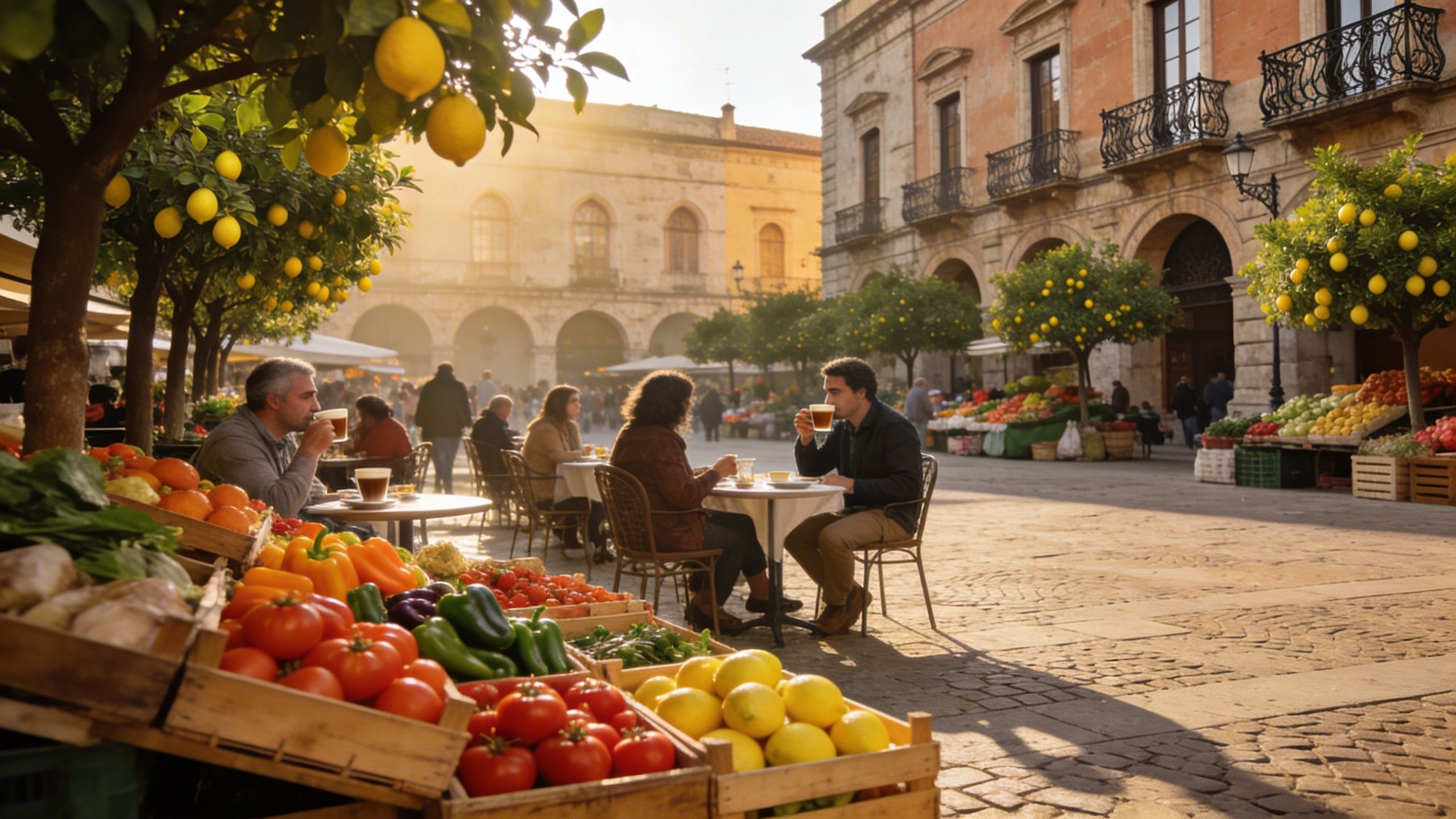
Imagine waking to an espresso pulled at a street‑corner bar in Brera, or buying olives from a market stall outside a Tuscan palazzo before the tourists arrive. Italy gives you days shaped by scent — lemon groves, fresh bread — and evenings that stretch into long aperitivo conversations. But that romance has a practical underside: local seasonality, festival timing and micro‑markets change liquidity and pricing in ways visitors rarely see. This piece compares how the lifestyle you want — coastal ease, alpine weekends, historic‑centre living — lines up with the market realities international buyers must understand.
Living the Italian Life: more than postcards
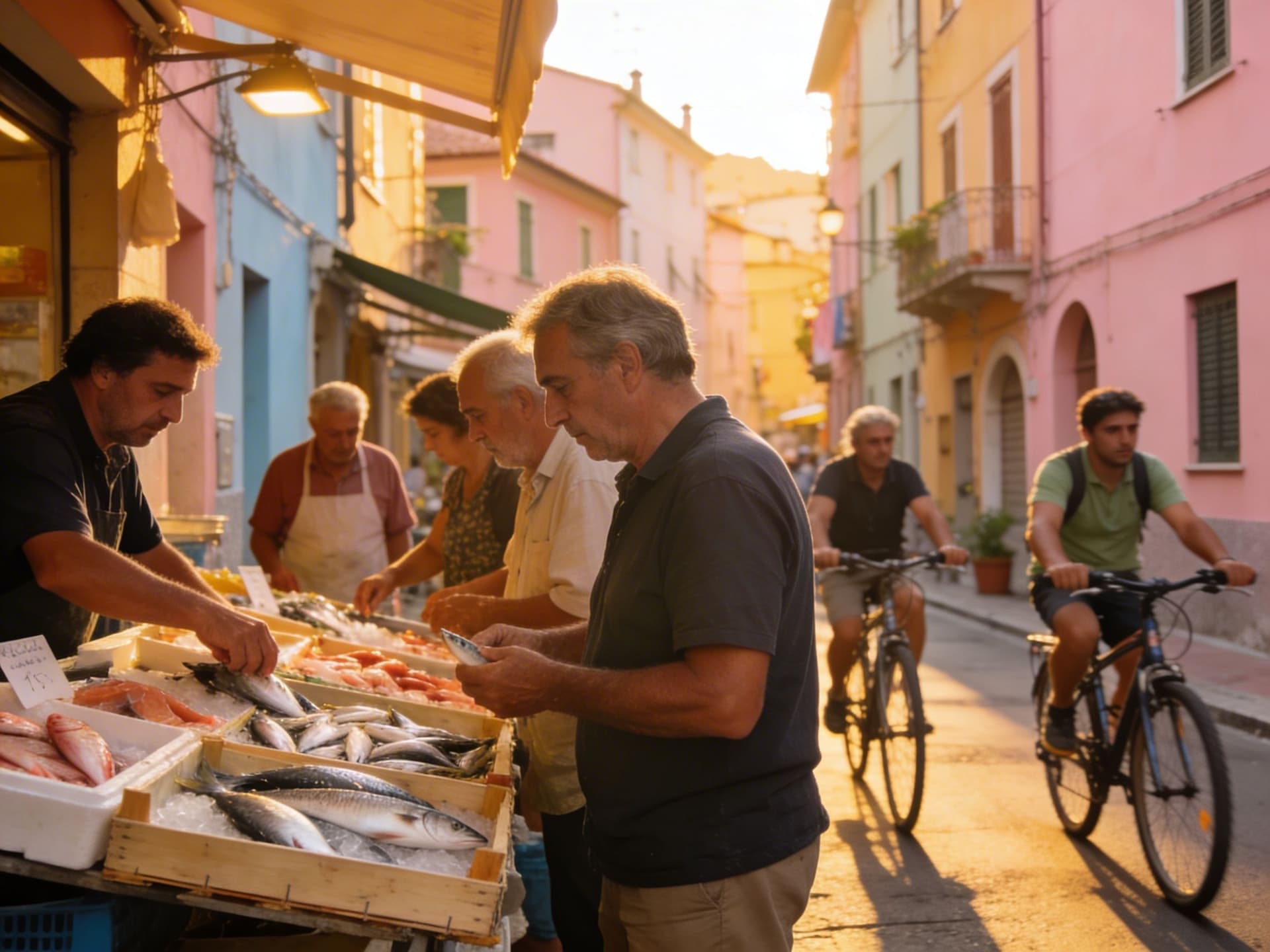
Italian daily life is local: morning coffee rituals, weekly markets, and piazzas that refill as night falls. In cities like Milan and Florence you’ll find brisk professional rhythms and late‑night dining; coastal towns such as Positano or Cefalù move at a tide‑in, tide‑out pace where seasons reshape whole neighbourhoods. If you want to live among neighbours who shop the same market and greet by name, consider town centres and villages where social life happens on the street rather than in gated compounds.
Milan & Lombardy: city life, design and engines
Milan now reads like a global business and design capital — fashion weeks, renovated districts such as Scalo Romana, and steady prime‑market interest. Luxury prices rose strongly through 2024–25, driven by international buyers and investment tied to high‑value redevelopment. Expect lively cafes in Brera, canal walks in Navigli, and fast‑moving resale markets where time on market can be short for well‑priced apartments. For buyers seeking vibrant urban life, Milan delivers but demands speed and local market knowledge.
Tuscany, Liguria & the coast: village rhythms and summer crowds
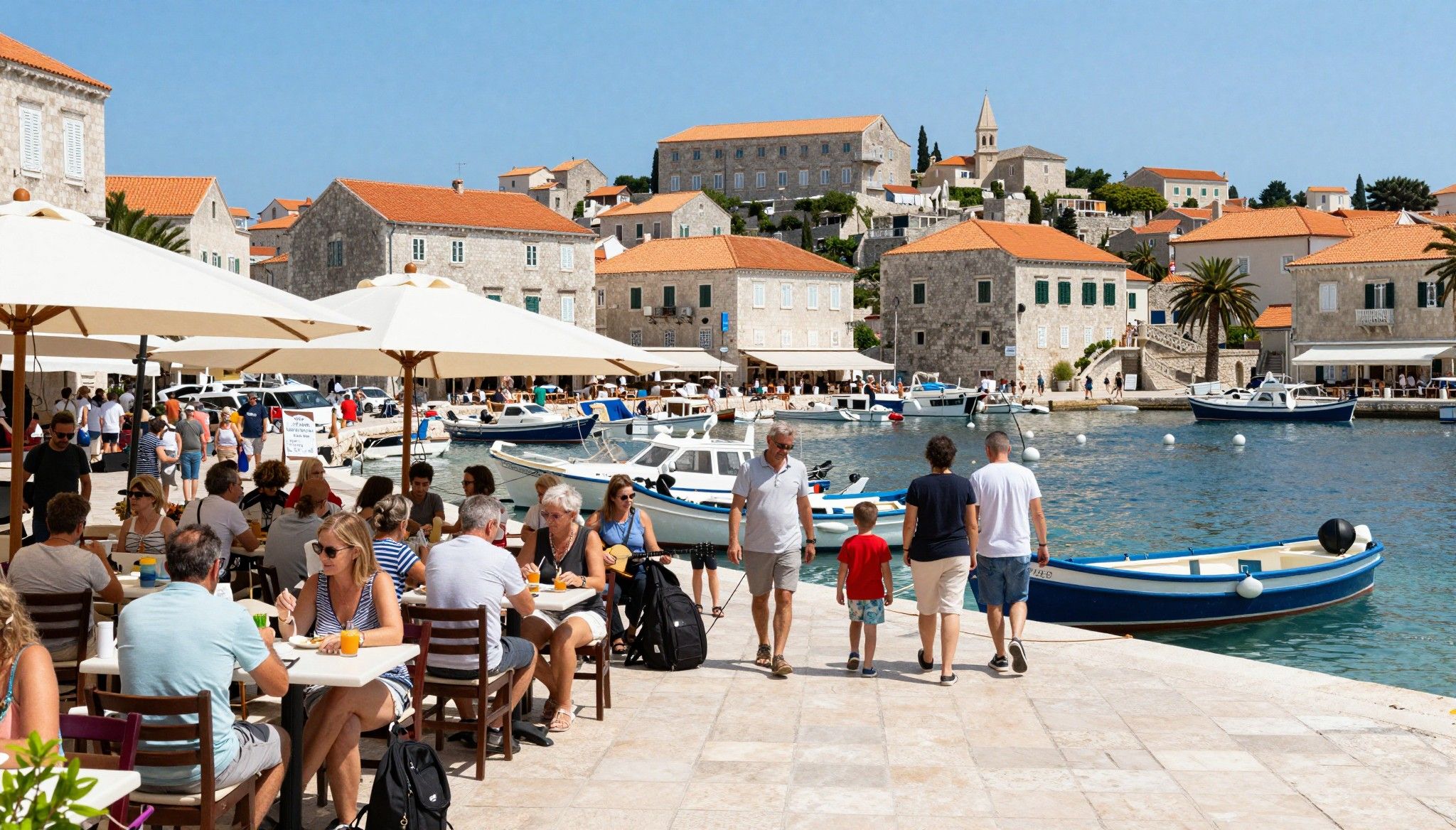
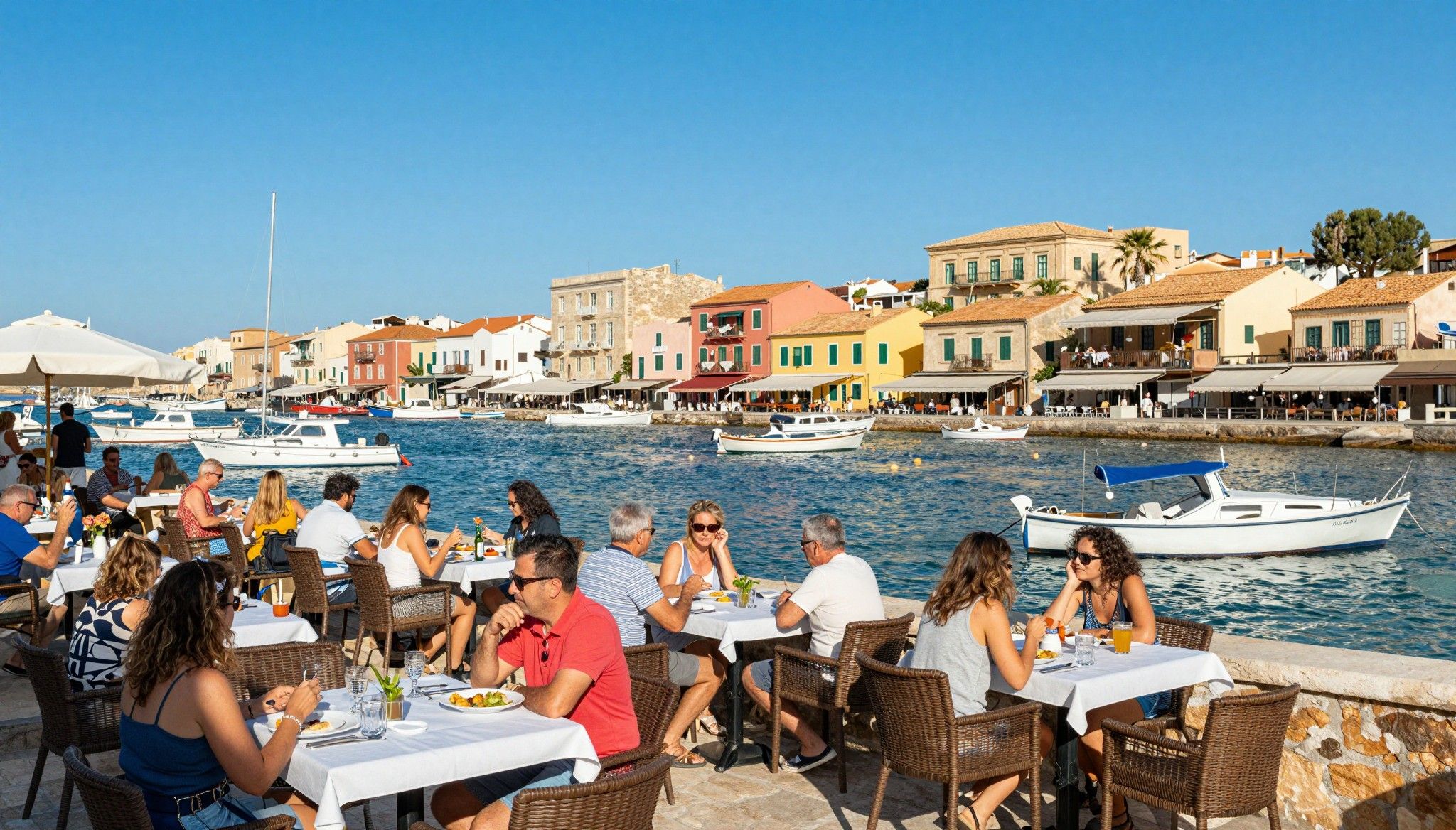
From Lucca’s narrow lanes to Ligurian promenades, coastal and hill towns trade quiet winters for intensely busy summers. Immobiliare.it reports wide regional price dispersion — Trentino‑Alto Adige averages top the list while Calabria sits at the low end — so the lifestyle you choose will affect per‑square‑metre cost dramatically. Small fishing villages offer authenticity and lower entry prices but expect seasonal rental peaks and quieter off‑seasons that affect resale timing and cash flow.
- Daily lifestyle highlights
- Buy olives at Mercato Centrale (Florence) or fresh fish at Genoa’s Porto Antico — market days shape social life.
- Afternoon passeggiata (stroll) and evening aperitivo in neighbourhood squares — social currency for locals.
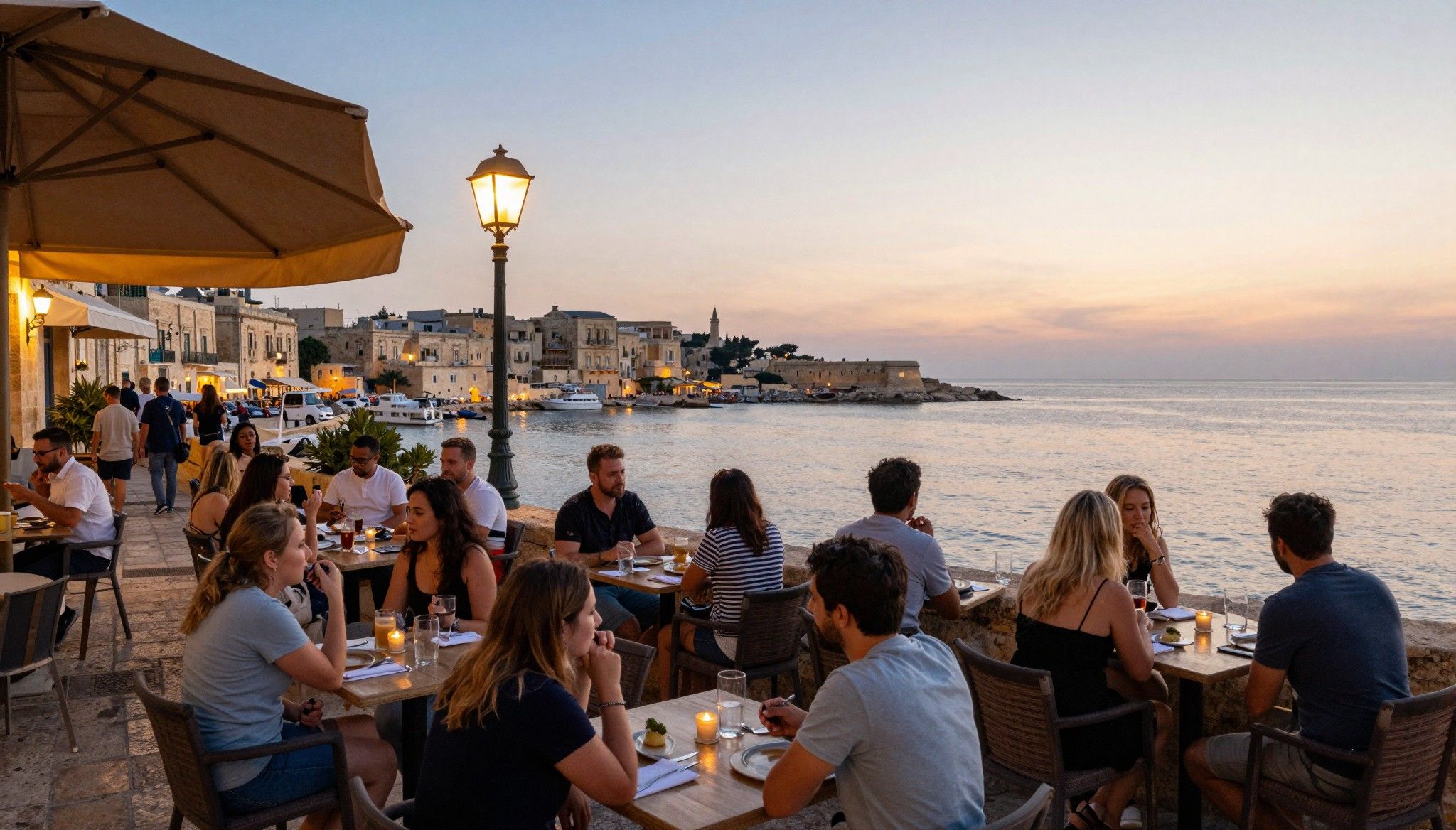
- Seasonal festivals (Palio in Siena, slate fairs in the Dolomites) transform neighbourhood demand and short‑term rental patterns.
Making the move: lifestyle meets market mechanics
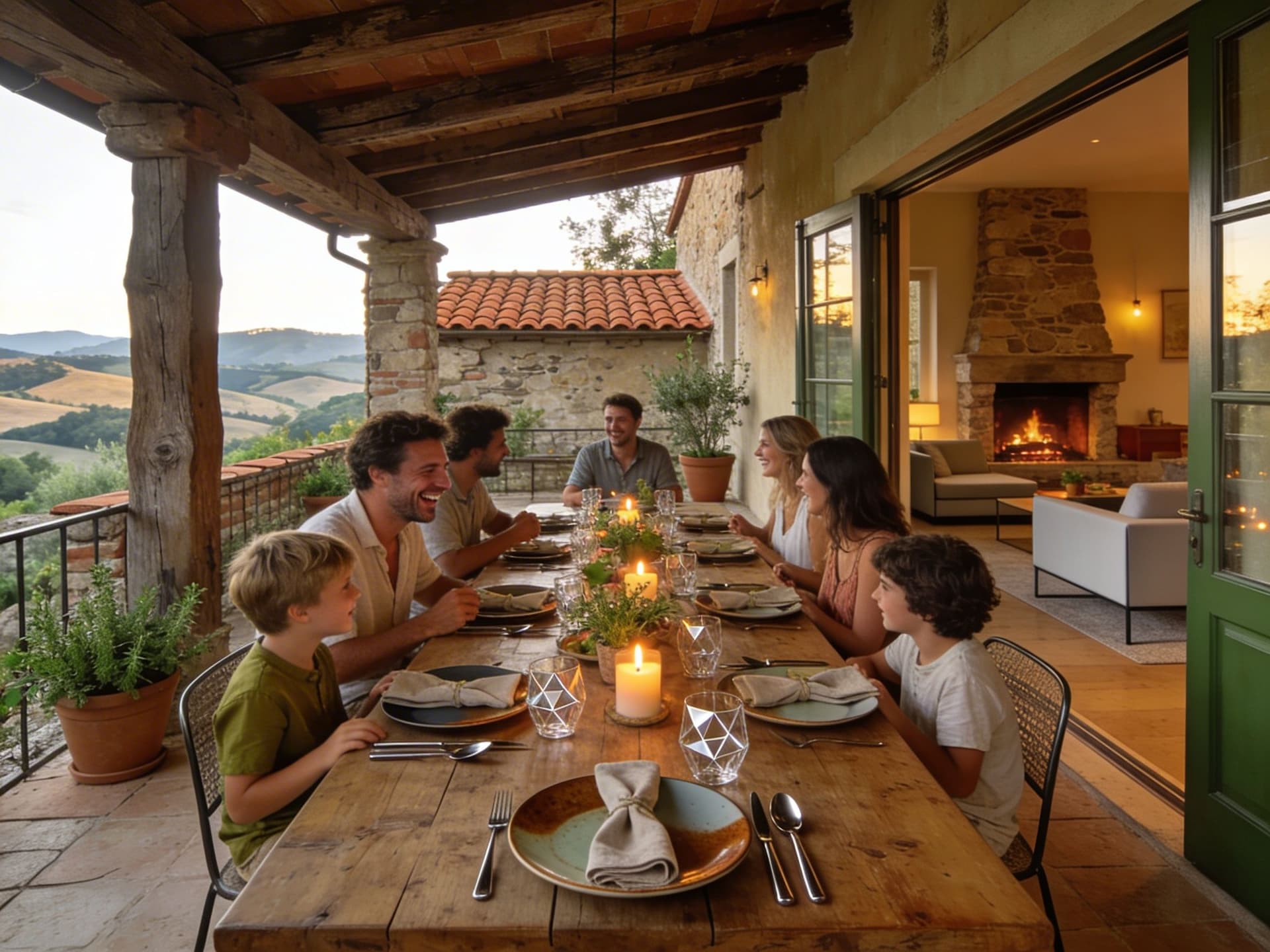
Romance must be matched with timing and a factual read of supply, demand and transaction costs. Italy saw modest growth in transactions in 2024 according to national statistics, with mortgage activity also rebounding — a sign banks regained some lending appetite. That means opportunities for buyers who match lifestyle priorities to current market pockets rather than chasing headline destinations at peak season.
Property styles: how house type shapes daily life
Historic apartments on narrow streets give immediate atmosphere but bring stairs, smaller kitchens and renovation constraints. New‑builds or restored farmhouses offer modern conveniences — terraces, insulation, private parking — and better energy performance. Choose a property type by asking: do you want a piazza life (small, central apartment) or garden‑and‑cars life (villa with outdoor space)? That choice should determine neighbourhoods you consider before price alone does.
Working with local experts who match life to listings
A local agent who knows cafés, school catchments and municipal renovation plans is worth their commission in saved time and avoided mistakes. Agents also help time offers outside festival peaks and advise on realistic rental prospects. Use firms with proven track records in the micro‑market you target and ask for named recent transactions — a credible agent will provide comparables and explain seasonal demand drivers.
- Practical steps that keep lifestyle front and centre
- Define where your weekly life happens (market, school, transport) and map properties within a 15‑minute radius.
- Visit out of season: check neighbourhoods in winter or shoulder months to see true community life.
- Ask for energy certificates and renovation estimates — living costs are shaped by insulation and heating systems.
Insider knowledge: what expats wish they'd known
Expat experience divides into two useful truths: social integration wins on small‑scale regular interactions, and market missteps usually come from seasonal illusions. Buyers often overprice a property’s year‑round appeal after a summer visit; they underestimate winter maintenance and the quiet months that define actual living. Local customs — from midday shop closures to municipality noise rules — will affect how you use a terrace, run a B&B, or host dinner parties.
Language, community, and daily rituals
You don’t need perfect Italian to enjoy life, but learning simple daily phrases changes your neighbour interactions and access to family‑run services. Join a weekly market, volunteer at a festival or register at the local anagrafe — these small steps build roots faster than any property purchase. Expats who integrate this way report richer daily lives and fewer surprises when community norms shape property use.
Long‑term reality: seasons, resale and rental rhythms
Italy’s long‑term appeal is durable, but price performance varies by region. National averages mask extremes: Alpine and tourist hotspots command premiums while large parts of the south remain affordable. For investors balancing lifestyle and yield, middle‑sized university cities (Bologna, Verona) often offer healthier rental yields and steady demand compared with seasonal coastal villages. Use regional data to set realistic return expectations and plan for off‑season management.
- Red flags international buyers should watch
- Buying during a festival or peak summer visit — prices are inflated and listings are curated for tourists.
- Ignoring energy performance and renovation costs in older stone houses.
- Assuming short‑term rental income is year‑round in seasonal towns — plan for shoulder months.
Conclusion: Italy as lived reality — choose the life, then the postcode. Fall in love with the market only after you have lived it across seasons; use local agents who can prove recent sales, and always test neighbourhoods in quiet months. If you prioritise weekly rituals, markets and neighbourhood cafés, buy central—if you want space, gardens and quiet, look to stone houses and smaller towns but budget for renovation. When lifestyle and market data align, Italy stops being a postcard and becomes home.
British investor turned advisor after buying in Costa del Sol since 2012. Specializes in cross-border compliance and data-driven investment strategies for UK buyers.