Skip Summer Open Houses: Why Autumn Wins in Italy
Autumn house‑hunting beats summer in Italy: seasonal market dynamics, ISTAT trends and neighbourhood rhythm give buyers better value and clearer negotiation windows.
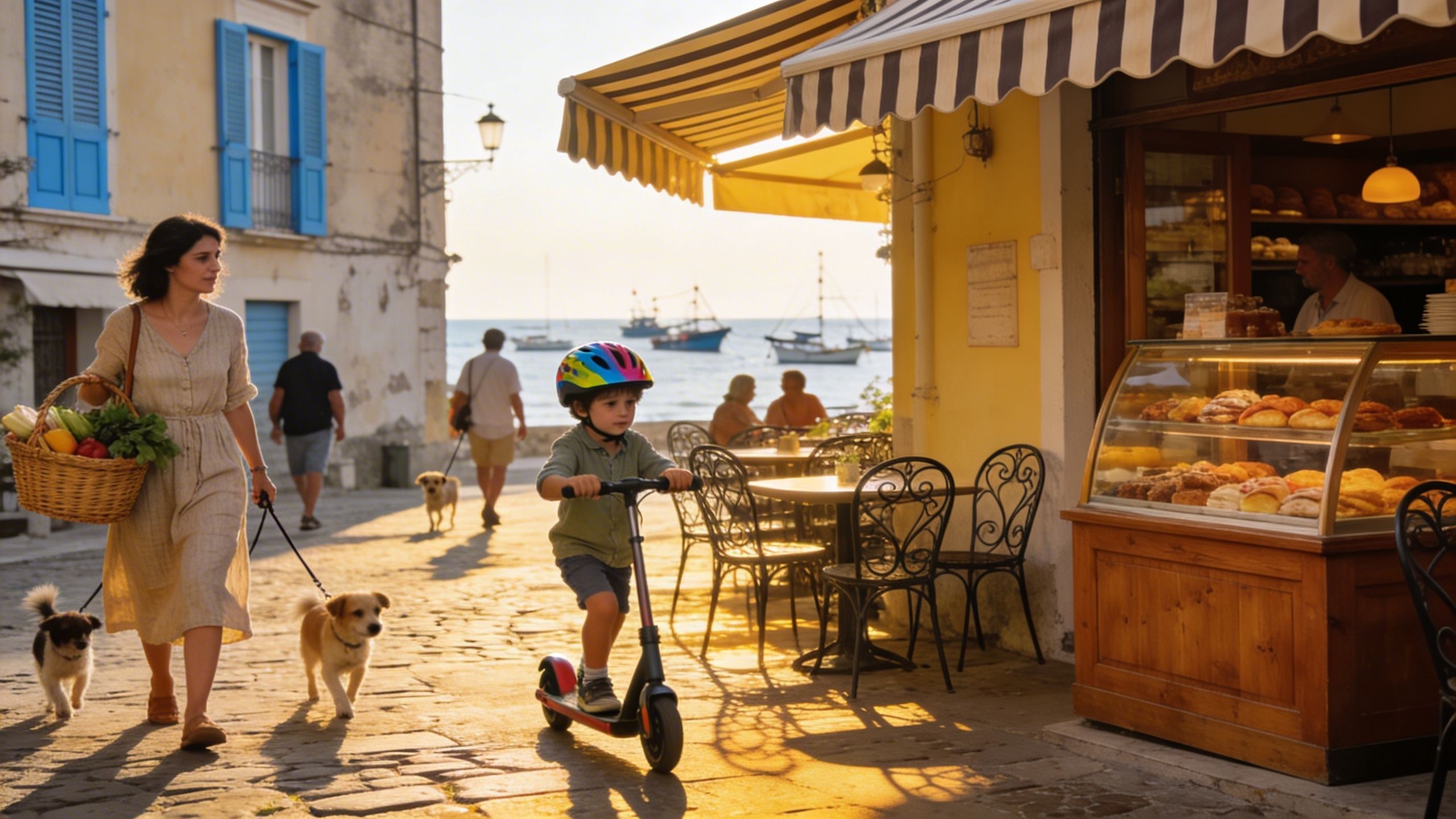
Imagine sipping an espresso at 09:00 in Florence’s Oltrarno, then walking ten minutes to a sun-drenched piazza where a weekly mercato spreads cheeses and citrus across wooden stalls. That daily rhythm — coffee, community, and a manageable commute — is what draws many internationals to Italy. But there’s a practical beat under the romance: seasonality, neighbourhood quirks and local market dynamics alter both lifestyle and price. Read on: this piece argues a contrarian start point for many buyers — don’t house‑hunt in peak summer — and shows where quieter seasons, lesser-known streets and local expertise create better value.
Living the Italy lifestyle: texture, taste and tempo
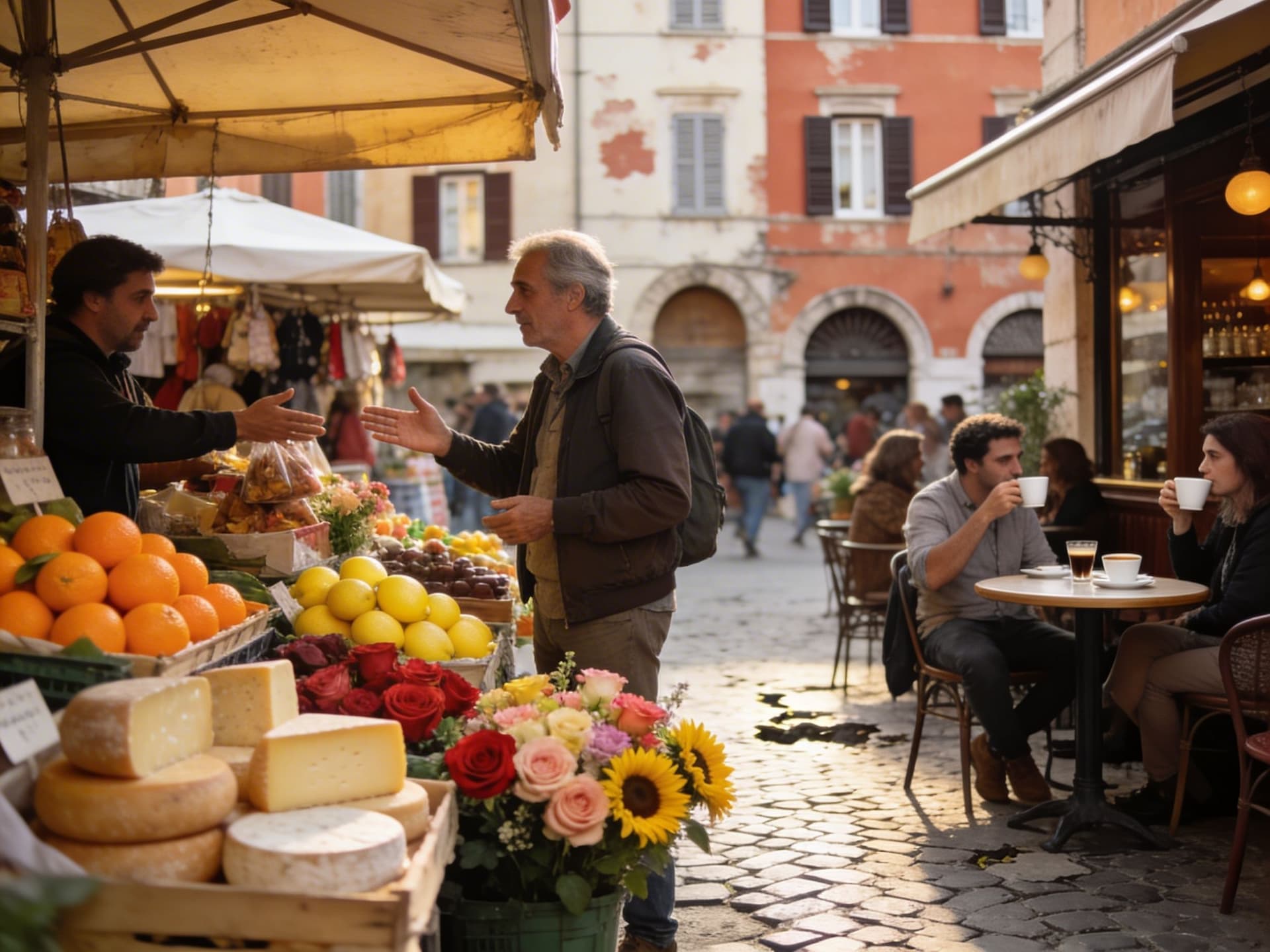
Italy is not one experience but many. In Milan you move to the rhythm of design weeks and finance; in Liguria mornings are for sea air and focaccia; in Puglia local life centers on farmhouse dinners and olive groves. Streets matter: narrow medieval lanes in Siena teach you to walk slowly, while broad promenades in Naples invite late‑night passeggiata. The sensory reality — market smells, church bells, pocket parks — affects how you’ll use a home, and therefore what type of property makes sense for daily life.
Neighbourhood spotlight: Trastevere, Brera, Oltrarno
Take Trastevere in Rome: cobbled streets, late‑night trattorie and a small‑scale community that makes daily errands social. Brera in Milan is compact, art‑steeped and walkable — a good fit if you want urban energy and short work commutes. In Florence’s Oltrarno you’ll find artisan workshops opening at dawn and a steady stream of neighbourhood rituals. Each area maps to a lifestyle: choose the neighbourhood that matches how you want to spend afternoons, not just one that looks good on a postcard.
Food, markets and the micro‑rituals that shape property choices
If your dream day includes buying fresh fish at Mercato Centrale, you’ll value proximity over square metres. If evening aperitivo is essential, a rooftop terrace or balcony becomes a non‑negotiable. Seasonal markets, local bakeries and a favourite barista are what make a flat feel like home — and they often determine resale desirability in practice. That’s why lifestyle mapping should come before a property search: look for neighbourhood habits that align with yours.
Why autumn (not summer) is often the smarter season to buy
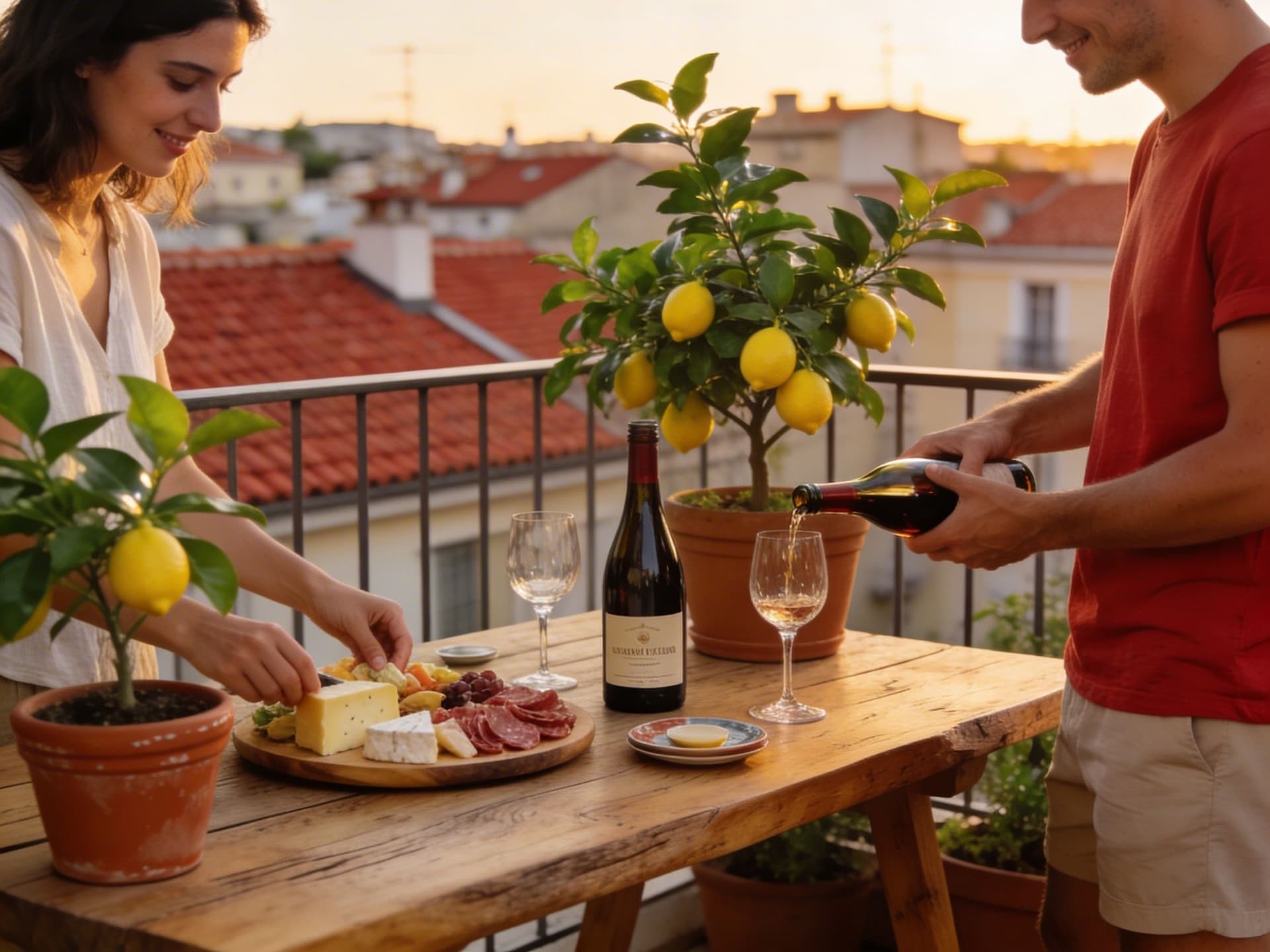
Summer is seductive — open terraces, easy inspections, and holiday vibes — but it’s also when on‑market inventory is thinnest and listing prices can be inflated by seasonal demand. Market data shows Italy’s prices grew year‑on‑year through 2025, with existing home prices rising more than new builds; that means competition for character flats remains strong. Autumn brings returning activity from domestic buyers and investors, clearer comparables, and motivated sellers who want to close before year‑end. Practically: you’ll see more balanced negotiating conditions and better access to local professionals after the high season.
How seasonality affects property viewings and contracts
In August many local offices close for ferie and notaries or surveyors are harder to schedule; that slows down due diligence and can extend your timeline. In autumn, agents, geometri and notaries return with full availability, making it easier to coordinate inspections and sign the preliminary contract (compromesso). If you’re planning finance, the post‑summer months also often show clearer mortgage offers as banks evaluate mid‑year rate moves.
Lifestyle + negotiation: a seasonal checklist
- 1) Inspect in low season to see how neighbourhoods work off‑peak and to test heating/insulation in cooler months. 2) Use autumn viewings to compare year‑round utility costs and sunlight across seasons. 3) Ask sellers about recent rental performance outside summer if you plan to let the property. 4) Schedule legal checks and surveys straight after offers; experts are more available in September–November. 5) Lock finance terms when rates appear stable — seasonal market calm helps clarity.
Insider knowledge: what expats wish they'd known
Expats often underestimate how much local rhythm matters: neighbourhood festivals can limit access to streets for days, while market days change parking and deliveries. Long‑term comfort depends on small things — reliable heating in the north, cooling and shutters in the south, access to local healthcare and a neighbourhood grocery. Real estate professionals who know neighbourhood calendars, seasonal rental patterns and building quirks save you time and money, and help match a home to how you’ll actually live there.
Cultural integration and daily life
Language matters but so does showing up: cafes, local volunteer groups, and market stalls are where friendships form. Many expats recommend joining a local class — cooking, language, or a sports club — to accelerate integration. On paperwork: obtain your Codice Fiscale early, and expect contracts, deeds and official documents in Italian with certified translation; local agents and notaries routinely manage this but plan for it in your timeline.
Long‑term living: what grows value beyond price per square metre
- • Proximity to a reliable train link or airport increases year‑round rental appeal. • Access to strong regional hospitals and schools supports long‑term resale. • Walkable neighbourhoods with markets and cafés retain demand better than isolated sea‑view plots. • Well‑maintained condominiums with clear service accounts reduce future surprise costs. • Areas with active regeneration projects (ports, museums, transport nodes) often see steady capital appreciation.
Conclusion: fall in love with the life, then buy on the calendar. Italy rewards buyers who start with daily rhythms — markets, cafés, neighbourhood festivals — and then time their search for the cooler months when local service providers return and negotiating power improves. Use reliable market data (ISTAT, industry outlooks) to set expectations, work with agents who live in the neighbourhoods they sell, and prioritise homes that fit how you want to live year‑round. If you’re ready to begin, plan an autumn trip focused on life‑check visits, then task local experts to run due diligence while you refine offers.
Danish relocation specialist who has lived in Barcelona since 2016. Helps families move abroad with onboarding, schooling, and local services.