How France’s Tax Rules Turn Pricey Areas into Bargains
How French tax and residency rules can turn ‘pricey’ neighbourhoods into smarter buys—mixing lifestyle scenes with practical tax citations and steps.

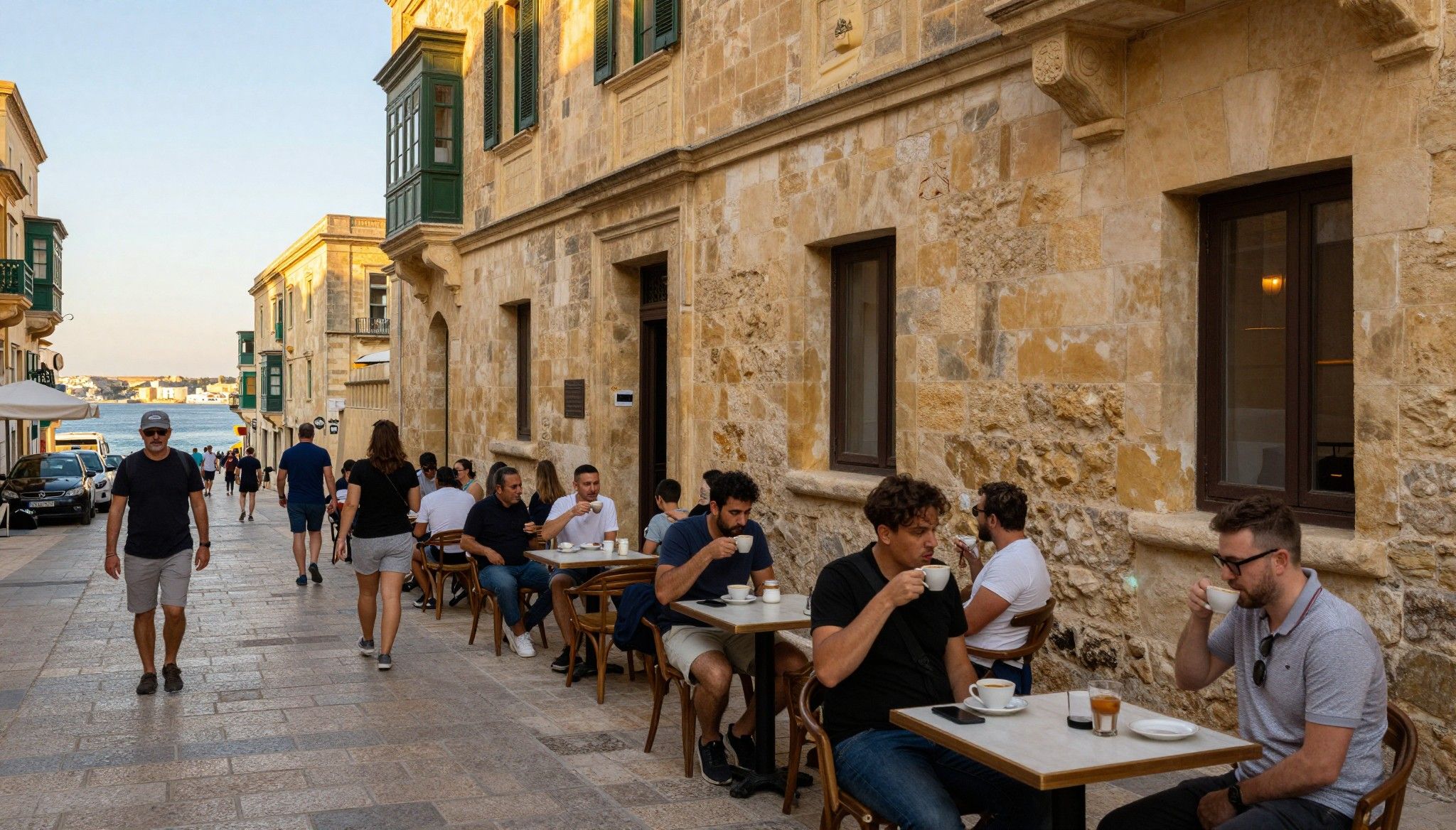
Imagine sipping espresso at Café de Flore, then walking five minutes to a quiet Haussmannian rue where a bright two‑bed hides behind a limestone façade. That contrast — postcard glamour and everyday practicality — is the real France. For international buyers, the surprise is this: national tax and regulation rules often change the arithmetic beneath the surface, turning neighbourhoods that look expensive on the map into long‑term bargains.
Living the France lifestyle
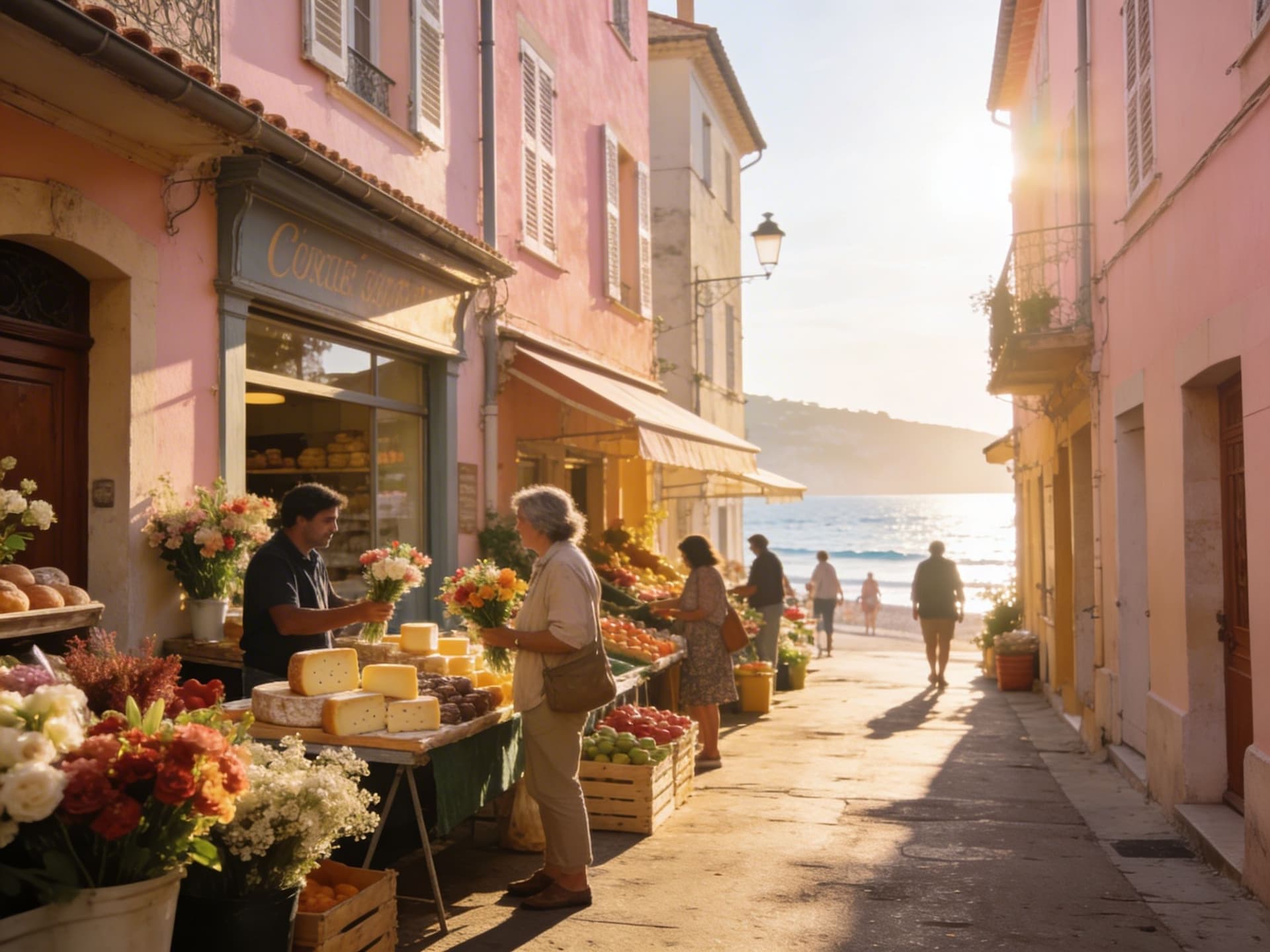
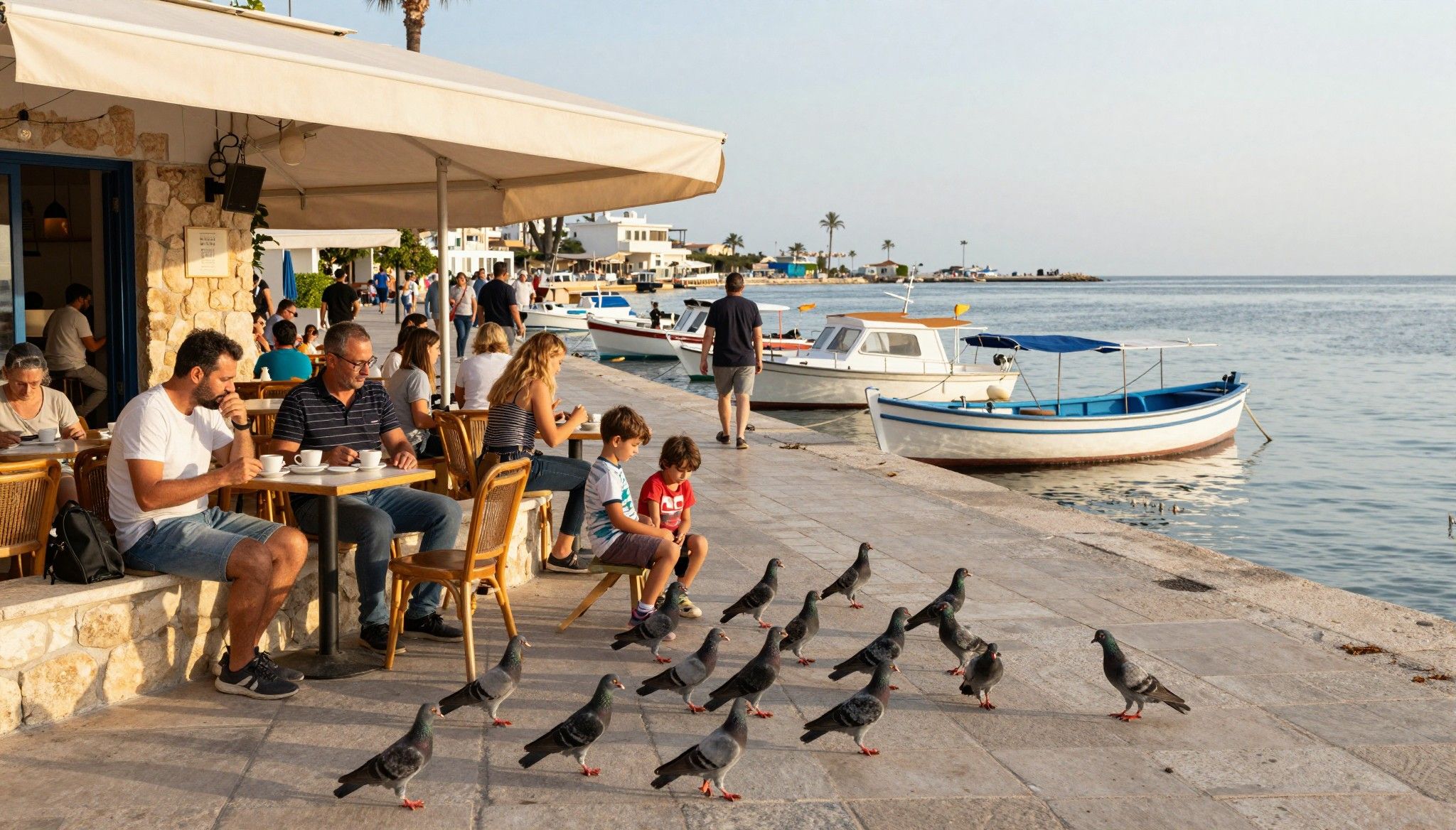
France is a way of life as much as a place: slow Sunday markets, 8 p.m. bistro dinners, and summer afternoons at Plage du Midi in Cannes or a quiet boulodrome in Aix‑en‑Provence. Your daily rhythm depends on whether you live in Paris’ Marais (cobbles, tucked‑away galleries) or in Biarritz (surf culture, relaxed cafés). Knowing the local tempo matters because it shapes what property features you actually need — from a compact pied‑à‑terre with elevator access to a gardened maison for weekend family life.
Neighbourhood snapshots: where life happens
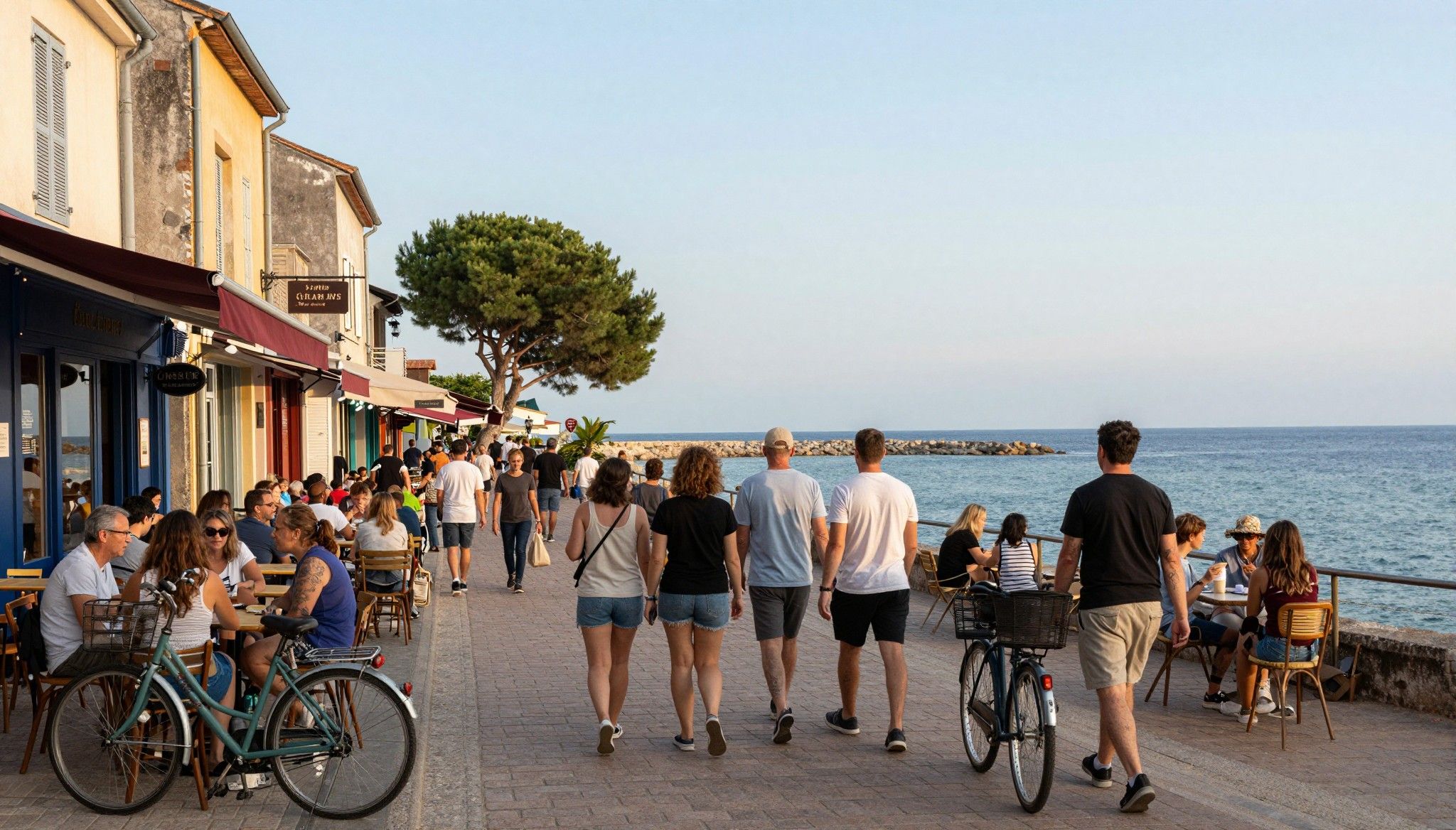
In Paris, the 11th arrondissement hums with neighbourhood cafés and independent shops; the 16th offers stately avenues and quieter residences. Along the Côte d’Azur, Juan‑les‑Pins has a jazz scene and sandy beaches, while Menton’s lemon groves attract quieter retirees. These streets—Rue des Martyrs in Paris, Boulevard Jean‑Jaurès in Marseille, Rue d’Antibes in Cannes—aren’t just pretty names in listings: they tell you whether you’ll walk to markets, cycle to the office, or need a car.
Food, markets and seasonal life
Weekends in France begin at the market: Marché Forville in Cannes, Marché des Enfants Rouges in Paris, or local marché paysan in Dordogne. Food culture isn't background scenery — it shapes where locals live and how neighbourhoods retain value. Festivals (Fête de la Musique, regional harvest fêtes) temporarily swell demand for short‑let rentals and put a premium on proximity to lively squares, while winter months reveal quieter pockets with lower prices and stronger year‑round communities.
Making the move: practical considerations

Dreams meet paperwork quickly. French purchase costs, annual taxes and residency rules change the math in ways that reward a different kind of research: look beyond asking price to transaction taxes, notaire fees, IFI exposure and non‑resident withholding. For non‑residents, rental income and capital gains are taxable in France, but treaties and withholding regimes affect net returns — details you must check early with an accountant and a local notaire.
Property types and how they fit your life
A city apartment (Haussmann flat, modern loft) trades outdoor space for proximity and services; a maison in Provence trades convenience for a garden and maintenance. Notaire fees (transaction costs) are higher on older properties — often 7–8% in the secondary market — while new‑builds (vente en l’état futur d’achèvement, VEFA) carry lower acquisition taxes. That difference can tilt the effective price per square metre and your short‑term cash needs.
Steps to align lifestyle with tax realities
- 1) Map daily life needs (market proximity, schools, transport) before filtering by price; 2) Request a notaire cost breakdown to see real purchase charges; 3) Ask an international tax adviser about rental income treatment and double‑tax treaties; 4) Compare new‑build vs old stock for VAT and transfer tax differences; 5) Factor IFI thresholds into portfolios if holdings exceed €1.3m. Each step pairs a lifestyle question with a fiscal action.
Insider knowledge: what expats wish they'd known
Two candid truths from buyers: first, tax thresholds matter more than sticker price; second, seasonal timing and paperwork control your costs. IFI applies to real‑estate net worth above €1.3m (assessed 1 January each year), which can shift where wealthy buyers keep second homes. Capital gains relief scales with ownership duration — after 22 years for income tax exemption — so resale strategy affects decisions on renovation and rental.
Cultural integration and daily life realities
Learning basic French opens doors — boulangerie chat, school registration, and smoother negotiations with builders. Expats who join local associations or marchés build social capital quickly; neighbours help with practicalities like bin days or trusted trades. Agencies that speak your language help, but the best hires combine local legal expertise with a sense of the life you expect to live.
Red flags smart buyers watch for
- High advertised yields without clear account of vacancy, significant renovation needs with no permits, properties held through opaque corporate structures that complicate inheritance tax, and listings priced below market that lack recent energy diagnostics (DPE).
France can feel like a living postcard — village fêtes, coastal promenades, grand boulevards — but profitable, stress‑free ownership depends on reconciling that life with taxes, timing and the right local team. Start with a neighbourhood visit outside high season, ask for full tax and notaire cost breakdowns, and get a written plan for rental management if you won’t be full‑time. With the right local advisors, what looks expensive on the surface can become the life you want at a price that makes sense.
Danish relocation specialist who has lived in Barcelona since 2016. Helps families move abroad with onboarding, schooling, and local services.