Why France’s Street‑Level Signals Matter More Than National Prices
A lifestyle‑first guide to France’s price trends: how street‑level signals, seasonality and microdata beat national headlines when buying your French home.
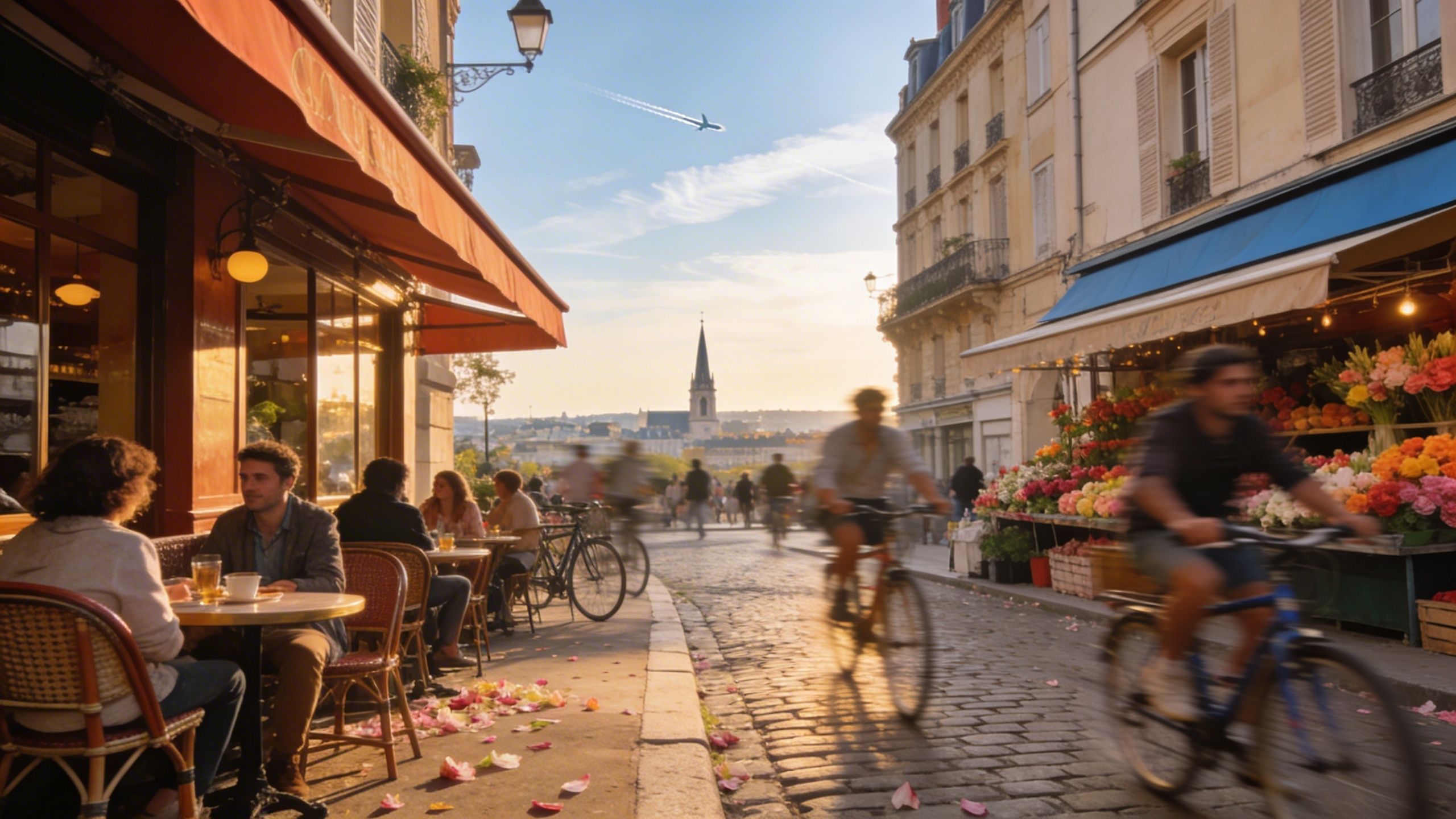
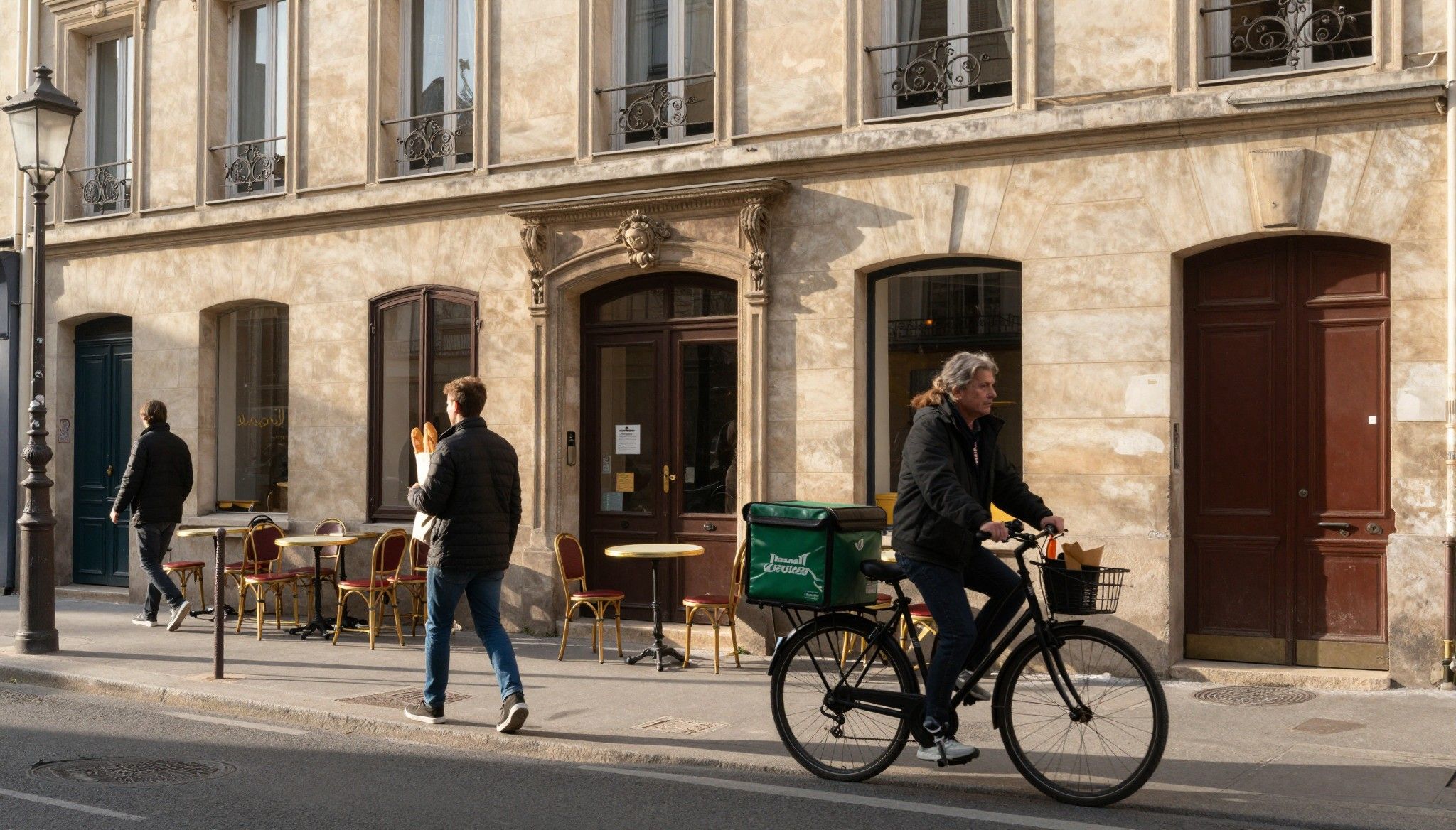
Imagine sipping an espresso at a sun‑splashed terrace in Le Marais, then wandering past boulangeries to a quiet courtyard where a neighbour tends potted herbs. That contrast — lively streets that fold into calm pockets — is the heartbeat of life across French cities and coasts. For international buyers, this everyday quality shapes where you choose to live as much as price per square metre. According to recent market analysis, France’s national price momentum has shifted from sharp growth to a period of regional divergence and stabilisation, making local knowledge essential.
Living the French Life — texture before transaction
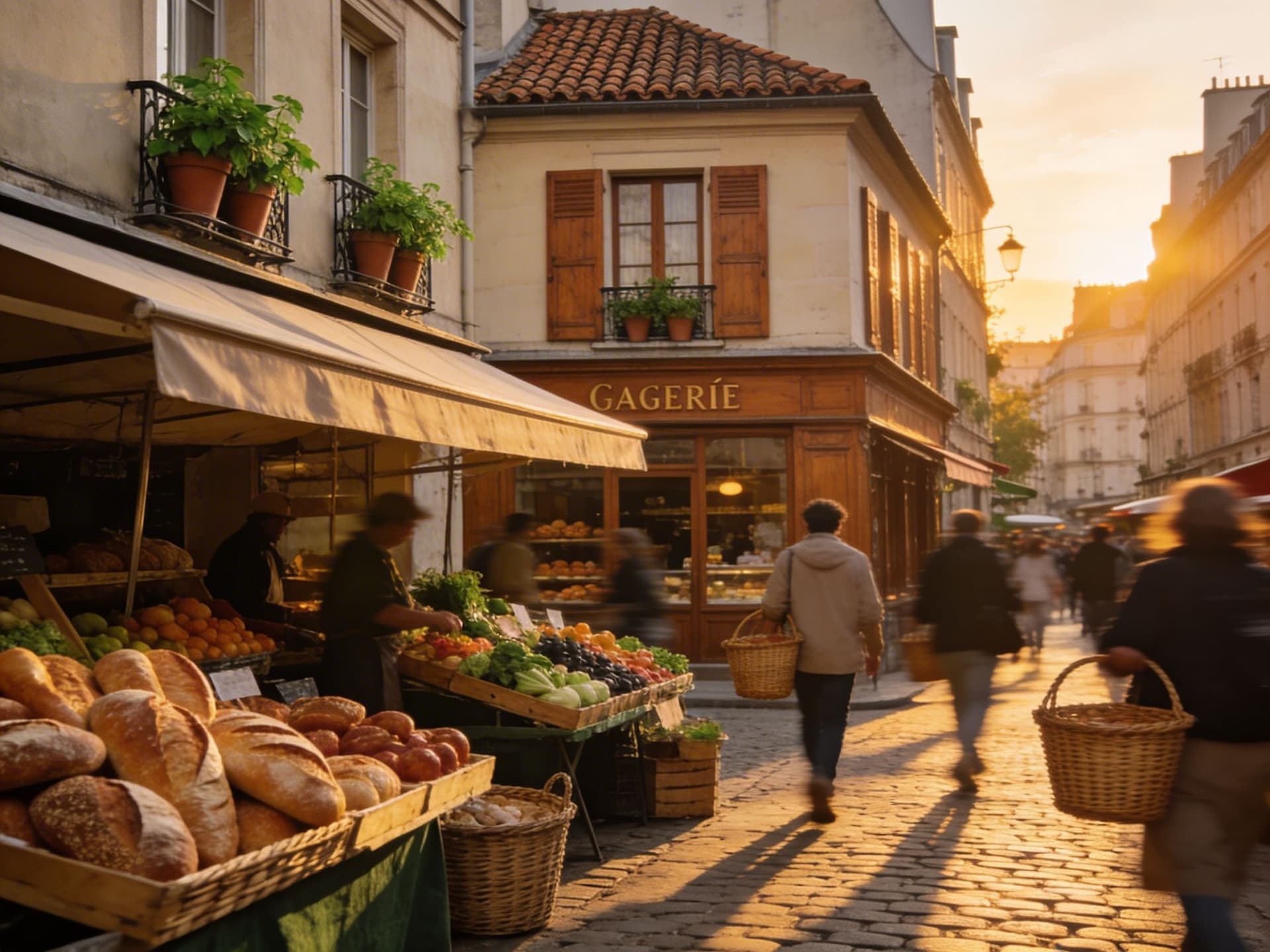
Daily life in France is arranged around rhythm: morning markets, long café conversations, late‑afternoon strolls and weekly aperitifs. Cities like Paris, Lyon and Bordeaux move between brisk workdays and slow, sociable evenings; coastal towns such as Nice, Biarritz and Saint‑Tropez alternate active summers with quiet winters. That pattern matters because it determines the types of properties that keep value for lifestyle buyers — central apartments for walkable routines, townhouses for neighbourhood life, and villas for sea‑facing leisure. In short, buy the life you want to live, then match the property to it.
Spotlight: Paris neighbourhoods that feel like small towns
Le Marais offers narrow streets, independent galleries and morning marché runs; Saint‑Germain balances literary cafés with quiet courtyards and boutique shopping; Montmartre still holds village‑scale plazas and bakeries that open before dawn. These pockets show why ultra‑local streets — Rue des Rosiers, Rue de Buci, Place du Tertre — matter as much as arrondissement averages when assessing price trends. For buyers, that means walking the street at different times and noting where daily life actually happens, not just where guidebooks point.
Coastal contrast: Côte d’Azur rhythm vs. Atlantic surf towns
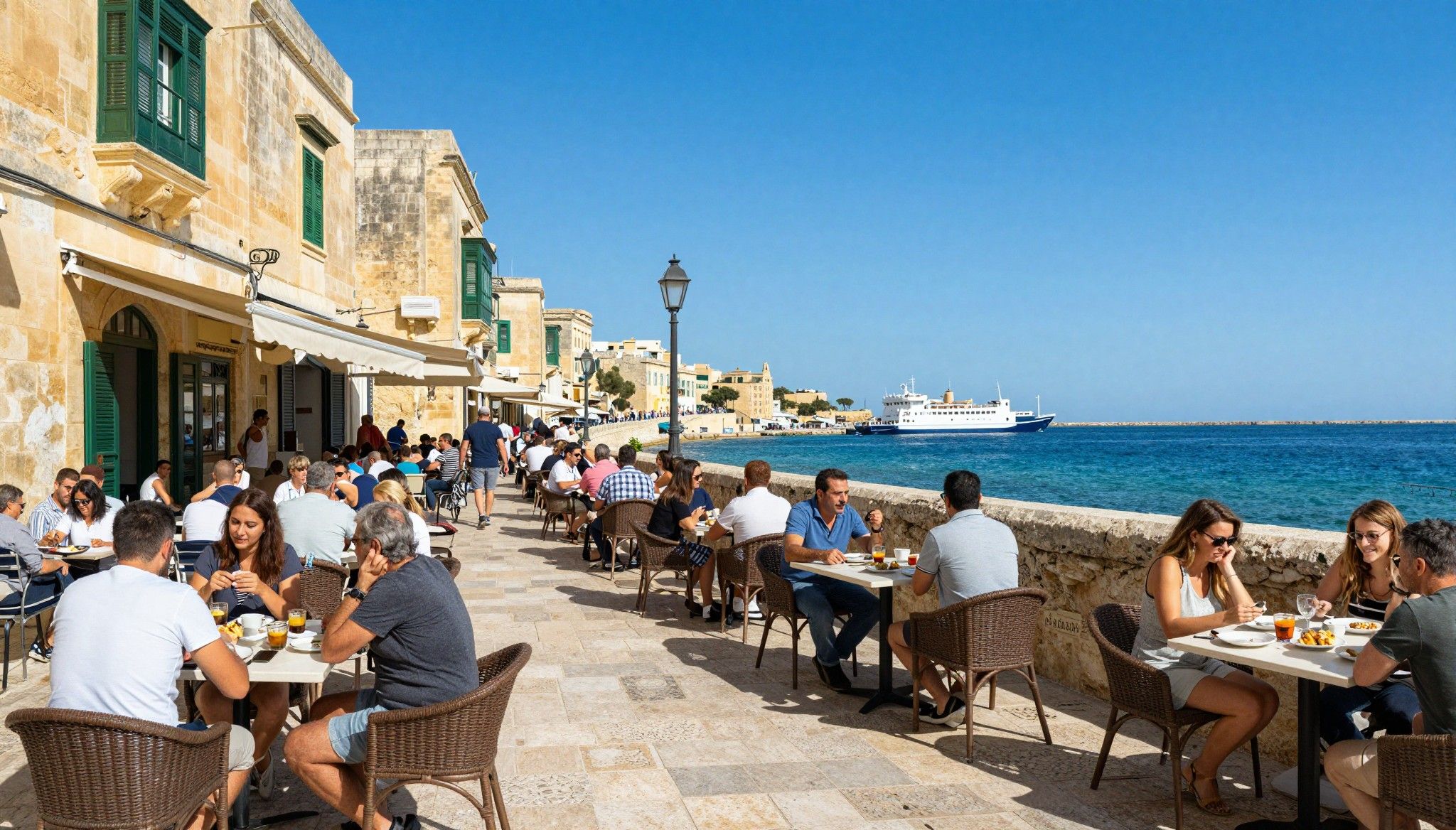
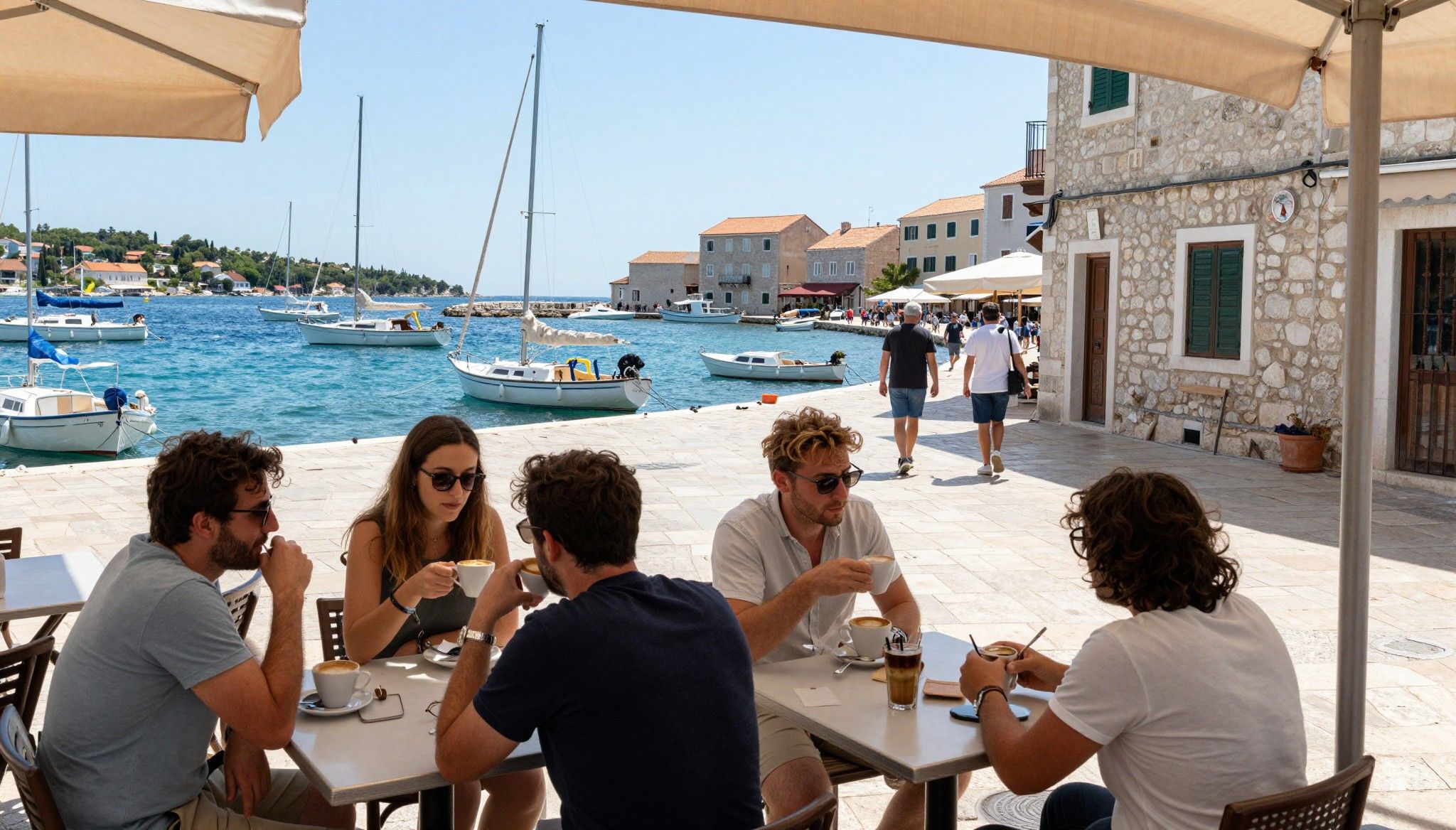
On the Riviera, mornings begin with markets and harbour life; by contrast, Basque coast towns centre around surf culture and communal cafés. Price signals differ too: some Alpes‑Maritimes neighbourhoods retained strong demand from foreign buyers while Atlantic resorts show pockets of relative affordability. Notaires de France documents how foreign buyer activity concentrates in specific coastal departments and city districts, so look beyond region‑level averages to street‑level data.
- Market‑shaping lifestyle highlights to look for:
- Morning markets on Rue Mouffetard (Paris) or Cours Saleya (Nice) — they indicate neighbourhood life and convenience.
- Small squares (Place des Vosges, Place Masséna) where community events happen — useful for social integration and rental appeal.
- Proximity to train lines (TER/TGV) that connect to airports — crucial for frequent travellers and second‑home rental demand.
- Local cafés and independent shops — cheap to spot, expensive to replicate: they signal sustainable neighbourhood desirability.
Making the move: practical considerations that preserve lifestyle

Turning a dream into an address requires matching lifestyle choices with concrete market signals. National indexes show stabilisation and regional divergence: INSEE notes second‑hand prices largely plateaued in late 2024, so timing and location matter more than ever. That means prioritising neighbourhood microtrends and supply pipeline over country‑level headlines. Practical checks — transaction volumes, recent sale prices on the same street, and new‑build delivery timelines — keep expectations anchored to reality.
Property styles and how they shape daily life
Haussmannian flats in Paris prioritise ceiling height, natural light and proximity to services: ideal for walkable urban life but expensive to retrofit. Renovated stone houses in Dordogne or Provence deliver garden living and seasonal community rhythms, while Mediterranean villas offer outdoor living and privacy but higher maintenance. Consider not just square metres but usable outdoor space, insulation (for chilly winters), and access to local services — these features most affect long‑term enjoyment and resale.
Working with local experts who know the lifestyle
A local agent who walks the street matters more than one with a glossy website. Find advisors who can show you comparable sales on the same block and introduce you to local artisans, notaires and gestionnaires de copropriété. They should explain local quirks — seasonal rental rules, condominium charges, and typical renovation costs — through the lens of how you want to live, whether that’s a pied‑à‑terre in Nice or a family home near Bordeaux vineyards.
- Steps to reconcile lifestyle with market realities:
- Walk the street at three times of day: morning, late afternoon and after 20:00 to test noise, safety and community.
- Ask for the last six sales on the same building or block and compare per‑m² price, floor height and renovation status.
- Verify condominium (copropriété) minutes and reserves to anticipate upcoming works and levy risks.
- Request a realistic timeline from offer to completion (compromis de vente to acte authentique) and budget for seasonal delays.
Insider knowledge: what expats wish they'd known
Buyers often tell us their biggest surprise isn’t legal complexity but everyday logistics: where to park, when the baker closes, and who to call when the boiler fails. Local social capital — neighbours, shopkeepers, building caretakers — frequently trumps incremental square‑metre gains when it comes to daily happiness. As national activity recovers unevenly, anecdotal experience aligns with press coverage showing pockets of renewed demand: smart buyers use that to pick streets where life, not just price, is improving.
Cultural integration and building your life
French neighbourhood life relies on small rituals: leisurely markets on Sunday, friendly exchanges in boulangeries, and local associations that organise fêtes. Learning a few phrases, attending local events and registering at the mairie speed up integration. These actions also matter commercially: better‑integrated owners tend to maintain properties more carefully and attract longer‑term tenants if they rent, supporting stable value over time.
Long‑term lifestyle and investment considerations
France’s market is heterogeneous: while national indices show periods of stabilisation, local pockets — central arrondissements, sought‑after coastal districts, transport hubs — lead recoveries. Look for infrastructure projects, consistent footfall and high‑quality local services as predictors of sustainable demand. Above all, treat property as the stage for a life you’ll actually live: that alignment is the best hedge against market noise.
Conclusion: France feels like a mosaic of lived‑in places — each street a distinct promise. Start with the life you imagine (market mornings, seaside weekends, concert nights), then use street‑level data, local experts and simple checks to make that image durable. If you want help matching lifestyle signals to credible listings and verified comparables, a quality local agency should be your first call: they translate neighbourhood charm into actionable market intelligence. Take one small step today: pick three streets you love and ask for the last six sales on each.
Norwegian market analyst who relocated to Mallorca in 2020. Focuses on data-driven market insights and smooth relocation for international buyers.