Italy: Where Price Perception Masks Real Opportunity
Italy’s price headline hides regional opportunities. Match daily life to property type, model policy risk and use local experts to turn lifestyle dreams into resilient investments.
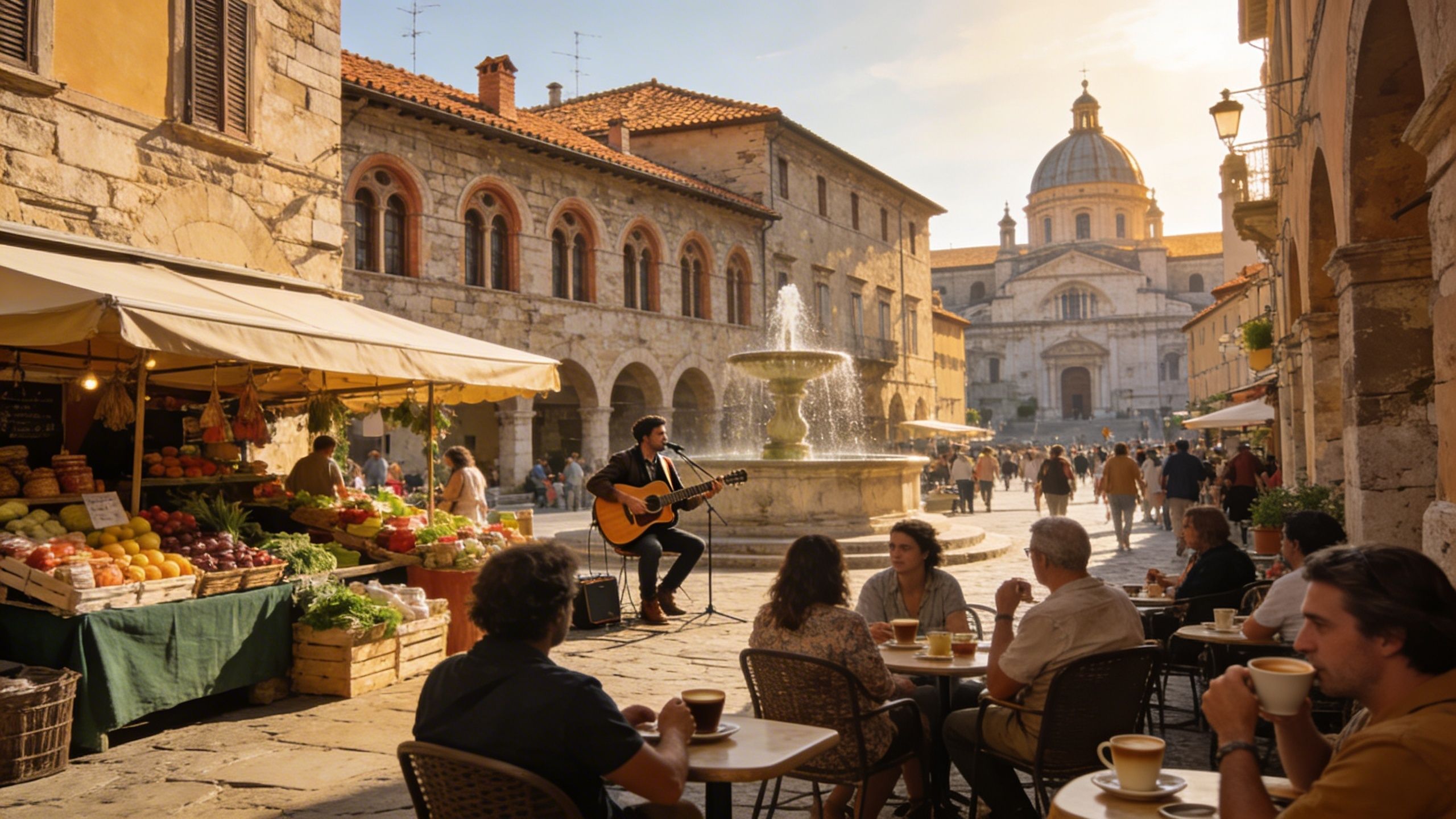
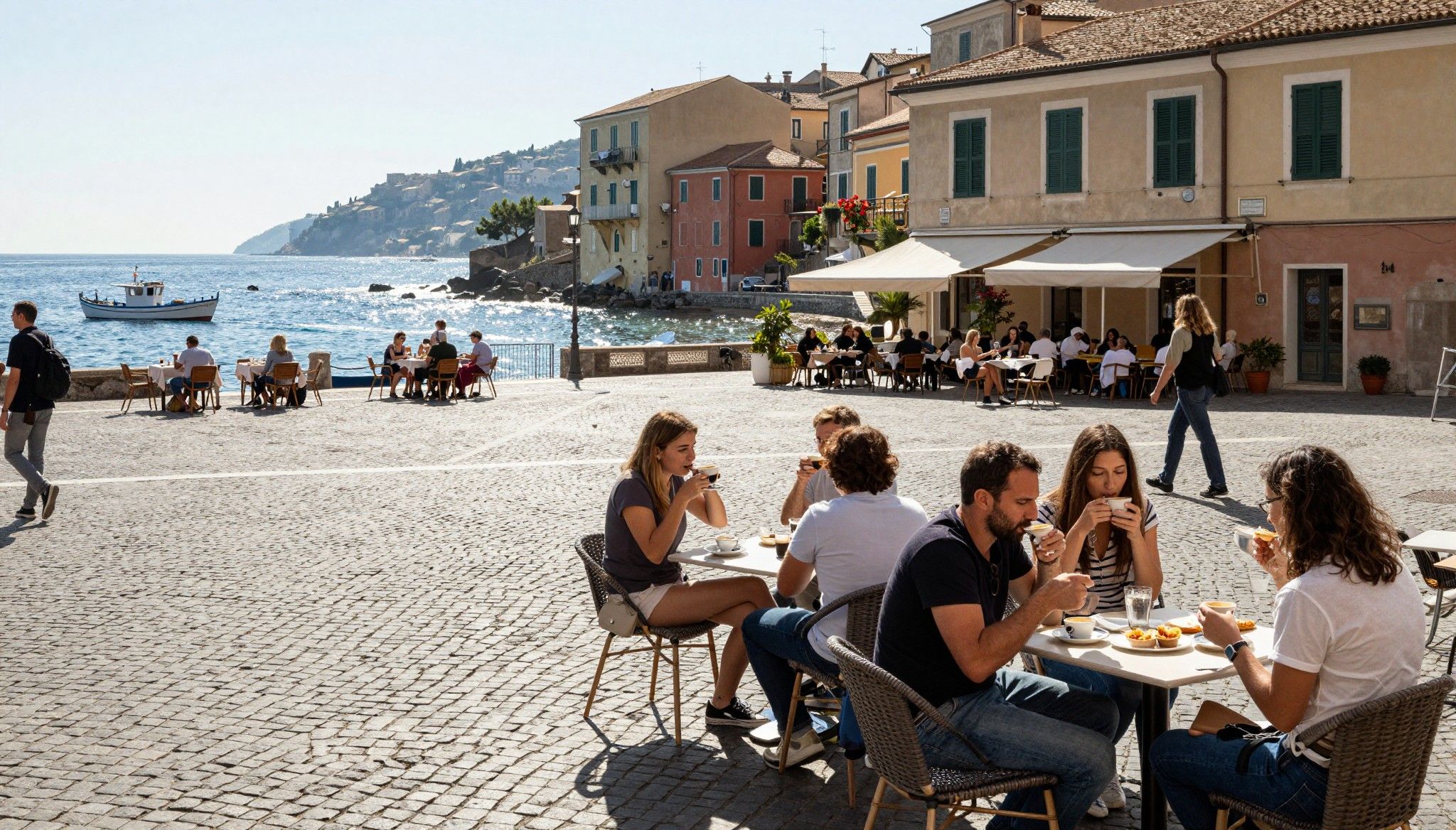
Imagine stepping out at 08:30 to buy a cornetto from a bar where the owner knows your name, then catching a tram past palazzos, piazzas and a market where the fishmonger still shouts prices. That everyday choreography — coffee, conversation, a late afternoon passeggiata — is what draws buyers. Yet many internationals arrive with one assumption: "Italy is expensive or only for the wealthy." The truth is more textured: national price averages mask pockets of high value, surprising bargains and lifestyle-rich tradeoffs that reward a discerning buyer.
Living the Italian life: rhythms, streets and seasons
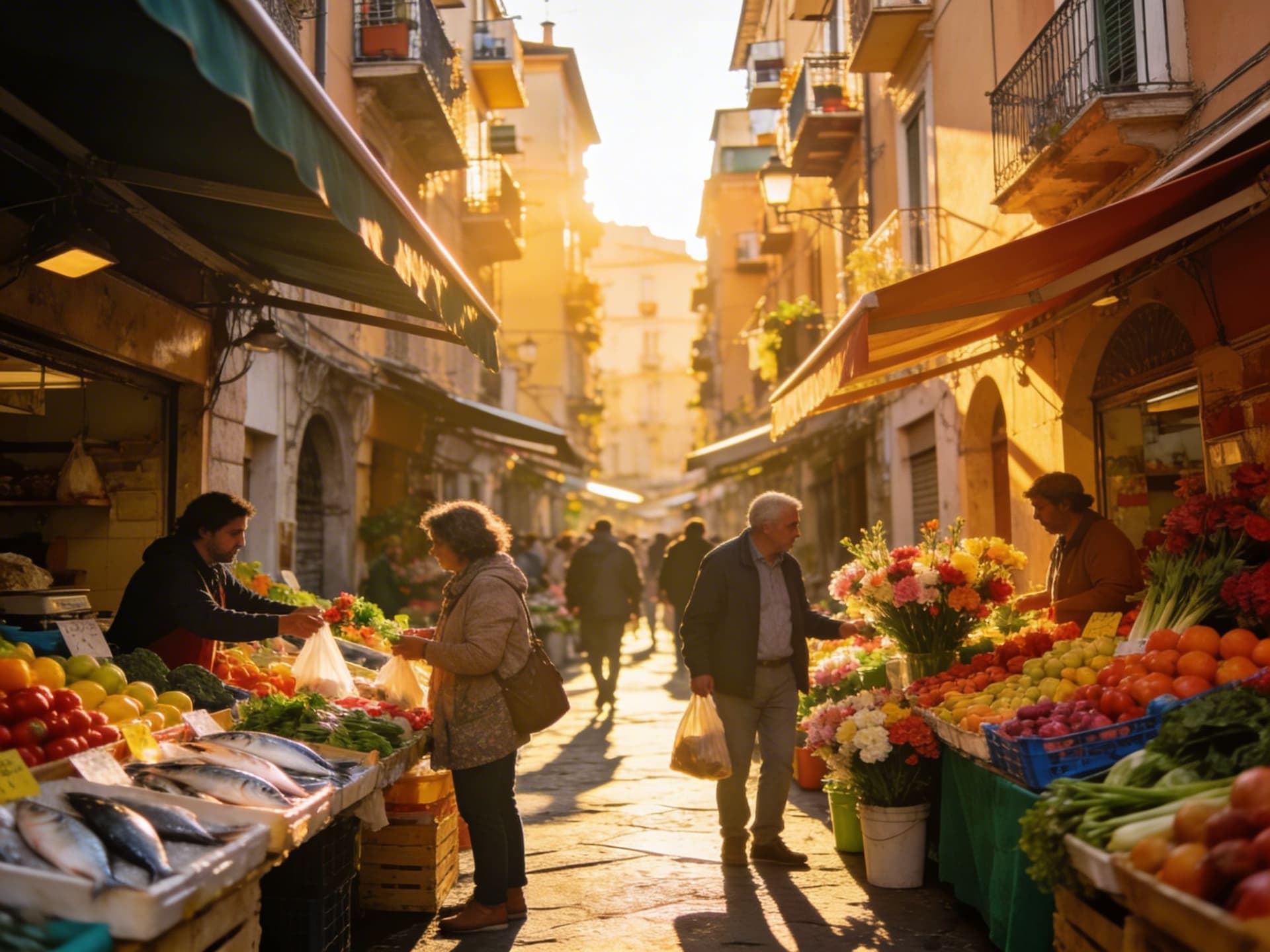
Italy’s daily life is sensory and local. In Rome you hear church bells and see espresso rituals in the morning; in Milan mornings are about business and aperitivo culture at 18:00; along the Amalfi Coast, mornings start with markets and boats, and afternoons melt into terrace conversations. These rhythms shape where people buy: proximity to a favourite caffè, a green market or a reliable regional train often matters more than square metres on paper.
Neighborhood spotlight: Rome — Trastevere and Prati
Trastevere offers cobbled lanes, small piazzas and family-run trattorie; it’s atmospheric but also filled with narrow, renovation-ready homes where careful buyers can create high-return short-term rental products. By contrast, Prati, just beyond the Vatican, trades atmosphere for wider streets, newer buildings and easier long-term rentals to local professionals — a steadier, less seasonal choice for a family or remote worker.
Food, markets and micro-living: how culinary life maps to property
A neighbourhood’s market can tell you more than price per square metre. In Florence’s Oltrarno or Naples’ Pignasecca, daily market access means you’ll cook with local produce and connect with neighbours — and properties nearby often command premiums for that quality of life. If you prioritise food and community, expect to trade some transport convenience for proximity to piazza life.
The market truth: prices, dispersion and where value hides
National statistics show modest, steady price growth with large regional divergence. ISTAT records small year-on-year increases in house prices, while market platforms report Milan and Florence at the top end and many southern provinces under €1,000/m². That dispersion creates opportunities: a buyer willing to accept slower rental demand or a renovation project can access significant capital appreciation potential outside the major hubs.
Where the "expensive" label is misleading
Talking about Italy as uniformly costly ignores local reality. Milan and central Florence are expensive — but inland Tuscany villages, parts of Puglia and many Abruzzo towns offer prices that are a fraction of city rates. For lifestyle-focused buyers, that means you can buy a larger, characterful home with land outside the hotspots and still spend weekends in a city with flights and culture nearby.
Seasonality and short‑let policy risks
Short-term rentals have driven returns in tourist cities, but policy shifts — like Italy’s proposed changes to taxation of holiday lets — can blunt margins fast. Smart buyers model both gross yield and scenario-based net yield (including tax changes and vacancy in off-season) and prefer properties that can switch between long-term rentals, seasonal lets and owner use.
Making the move: property types, local experts and a reality-first checklist
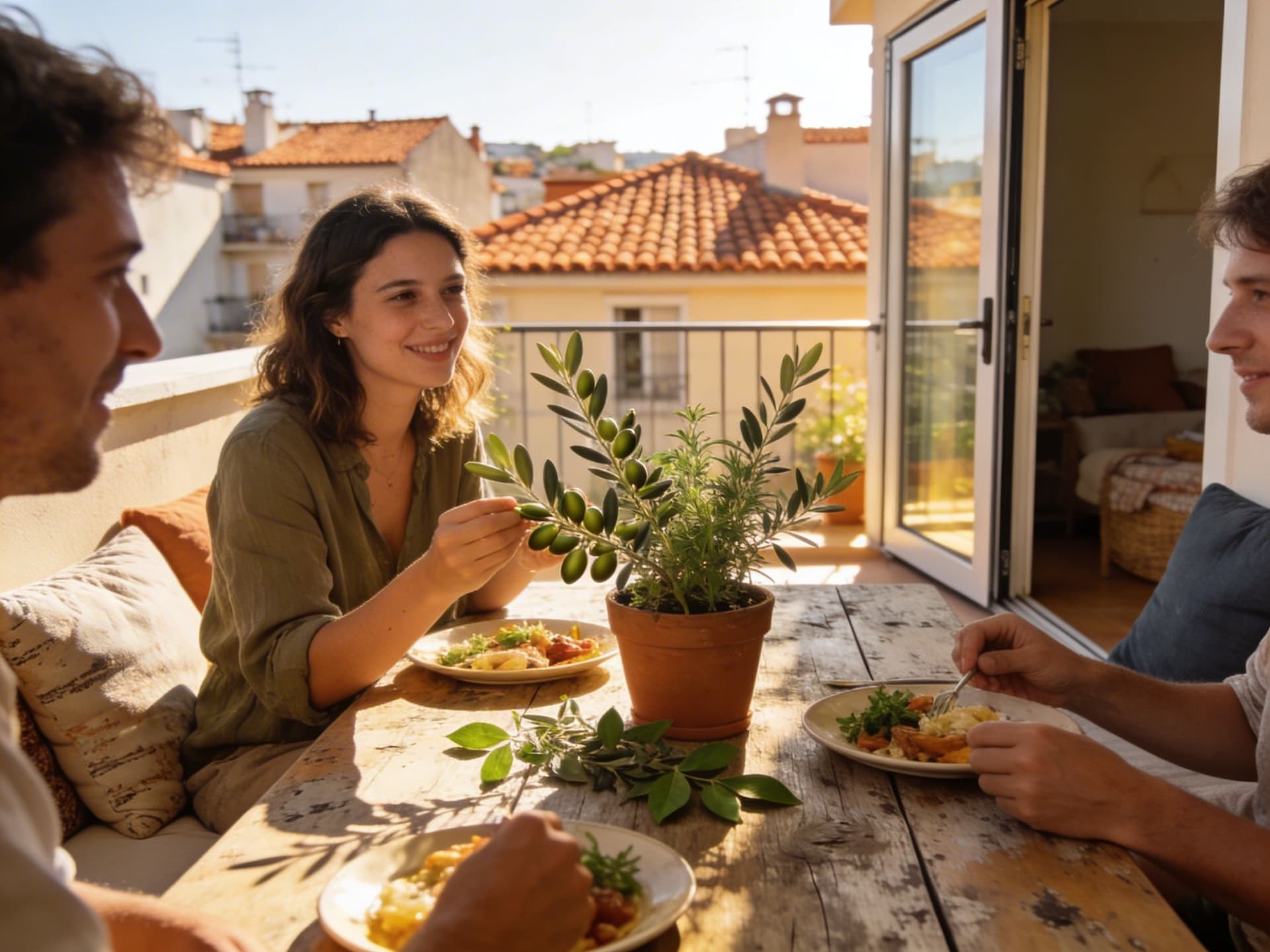
Match your day-to-day life to a property type. Do you want a balcony for morning espresso and quick access to a tram, or a stone farmhouse with olive trees and room for guests? The choice affects renovation needs, insurance, energy upgrades and municipal taxes. Local experts translate lifestyle desires into specific property searches and identify neighbourhoods where your routine — markets, schools, trains — fits the home.
Property styles and how they shape life
A historic centro apartment places you amid life and limits your ability to add parking or expand; a semi-detached villa in Liguria gives outdoor space but may mean steeper maintenance costs. Consider insulation, heating (many older buildings lack central systems), and access to broadband if you plan to work remotely. Those are quality-of-life issues as much as technical ones.
Work with agents who live the life you want
Choose agencies with local relationships — not only listings. They will know which neighbourhoods have rising infrastruture projects, which communes are offering renovation incentives, and which landlords favour long-term tenants. Ask agents for examples: recent deals, before-and-after renovations, and references from non-resident clients who now live locally.
- Practical lifestyle-plus checklist for property visits: • Visit the street at breakfast and late evening to check noise and nightlife. • Ask neighbours about building maintenance and recent works. • Confirm internet speeds and mobile reception in the exact flat. • Check local medical services, schools and weekly markets within 15 minutes. • Map seasonal access — some coastal roads close or slow in winter.
Insider knowledge: expat realities, language and long‑term living
Expats often misjudge integration as just learning Italian. True integration is built through routines: the bar where the owner remembers your order, volunteer groups, and local club memberships. Language helps, but the faster integration comes from showing up to the market, attending parish events or joining a local sport club — these are where enduring friendships are formed.
Common red flags expats wish they'd seen
Watch for unclear condominium minutes, buildings with deferred maintenance, or properties in historic centres with unanticipated renovation constraints. Also be wary if an area’s growth is tied solely to one transient industry (a festival or short-lived office project) — regeneration can reverse if funding stops. Local planning changes, like new transport links, can be catalysts for value but verify timelines.
Step-by-step buyer actions that combine lifestyle and diligence:
- 1. Shortlist neighbourhoods based on daily routines, not maps alone. 2. Use a local agent to compile comparable sales and recent rental contracts. 3. Visit across seasons where possible (or use trusted local inspections). 4. Model conservative net yields including potential tax and policy shifts. 5. Contract a bilingual notary and request a full due-diligence pack before offer.
Long-term: Italy rewards patience. A house bought for lifestyle in a smaller town can become an income asset, or a weekend sanctuary accessible to a big-city cultural life. Whether you prize a city apartment for theatre nights or a farmhouse for olive harvests, align purchase choices to the life you want to lead every week, not just the holiday image in a brochure.
Conclusion: Italy is not a single market — it is many markets with one shared lifestyle language. Start with the life you want — markets, cafes, seasons — then work back to property types and numbers. Bring local experts who understand both neighbourhood rhythms and legal process; they will protect your dream while turning it into a resilient investment.
Norwegian market analyst who relocated to Mallorca in 2020. Focuses on data-driven market insights and smooth relocation for international buyers.