Italy: Where Neighbourhood Rhythm Beats the Price Tag
Italy offers layered lifestyles — from Trastevere mornings to Amalfi sunsets — but value lives in micro‑markets; match neighbourhood rhythm to long‑term living and verify local signals.
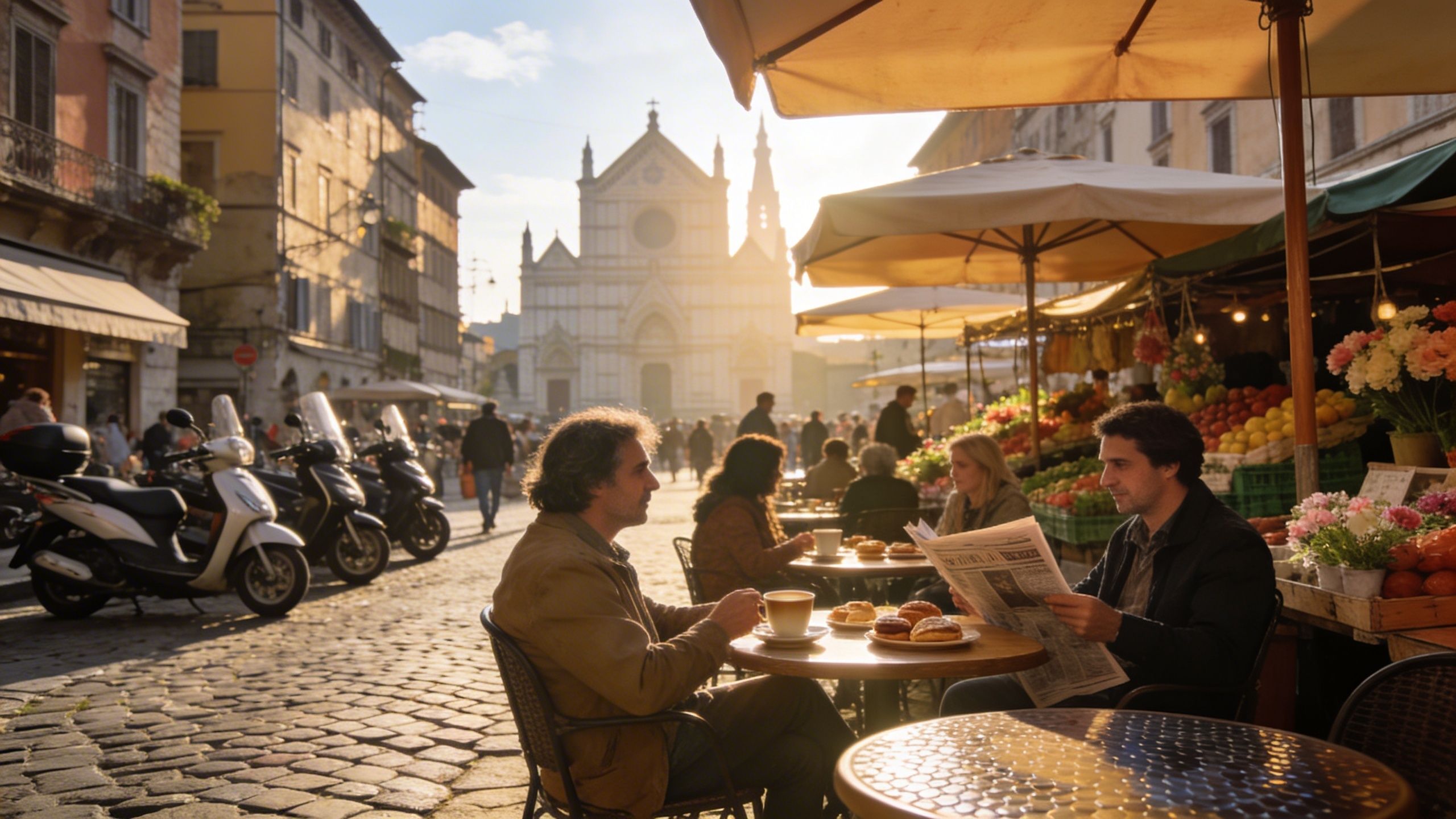
Imagine starting your morning at a sun-warmed café in Trastevere, the smell of espresso and fresh cornetti drifting through narrow cobbled lanes, then spending the afternoon exploring a nearby seaside town where fishermen mend nets under pastel houses. That sensory contrast — historic city rhythm by day and Mediterranean calm by the shore — is what draws so many international buyers to Italy. Beneath the romance are measurable market movements: modest national price growth and strong local variation that reward buyers who match a neighbourhood’s character to their life, not just its Instagram appeal. Here we pair the lifestyle you crave with the practical signals that show where opportunity really sits.
Living the Italy life
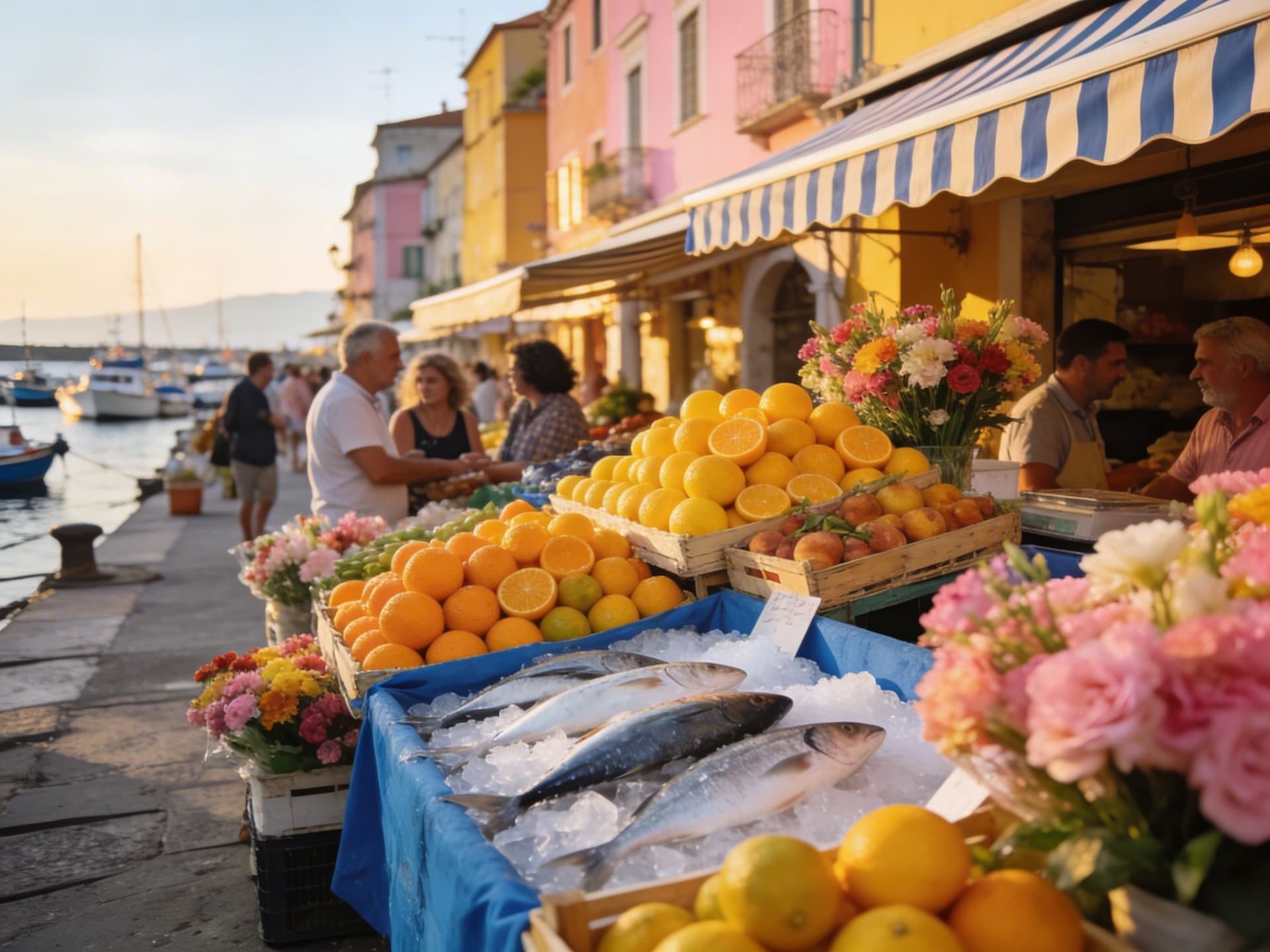
Italy’s lifestyle is layered: mornings in neighbourhood cafés, long weekday lunches, weekend markets, and late-night passeggiata. That daily rhythm shapes where people choose to live — historic centres for immediate cultural life, coastal towns for slow summers and sea access, and smaller cities for a balance of services and price. Nationally, house prices rose modestly in 2024 (ISTAT reported a year-on-year increase in the HPI), but the lived experience you get for the same euro varies dramatically by town and street, which is why local knowledge matters as much as national data.
City: Milan’s layered neighbourhoods
Milan is not one market — Brera, Navigli, Porta Romana and Bicocca feel like separate towns. Brera offers art-filled afternoons and fine dining; Navigli delivers canal-side aperitivo nights and youthful energy. Prices per square metre can differ two- or threefold between these pockets, so choose the mood you want to wake up to rather than the city name alone. For buyers prioritising design, transport and international schools, Milan can justify a premium; for those chasing value with city access, the peripheral neighbourhoods often win.
Coast: Amalfi, Liguria and hidden bays
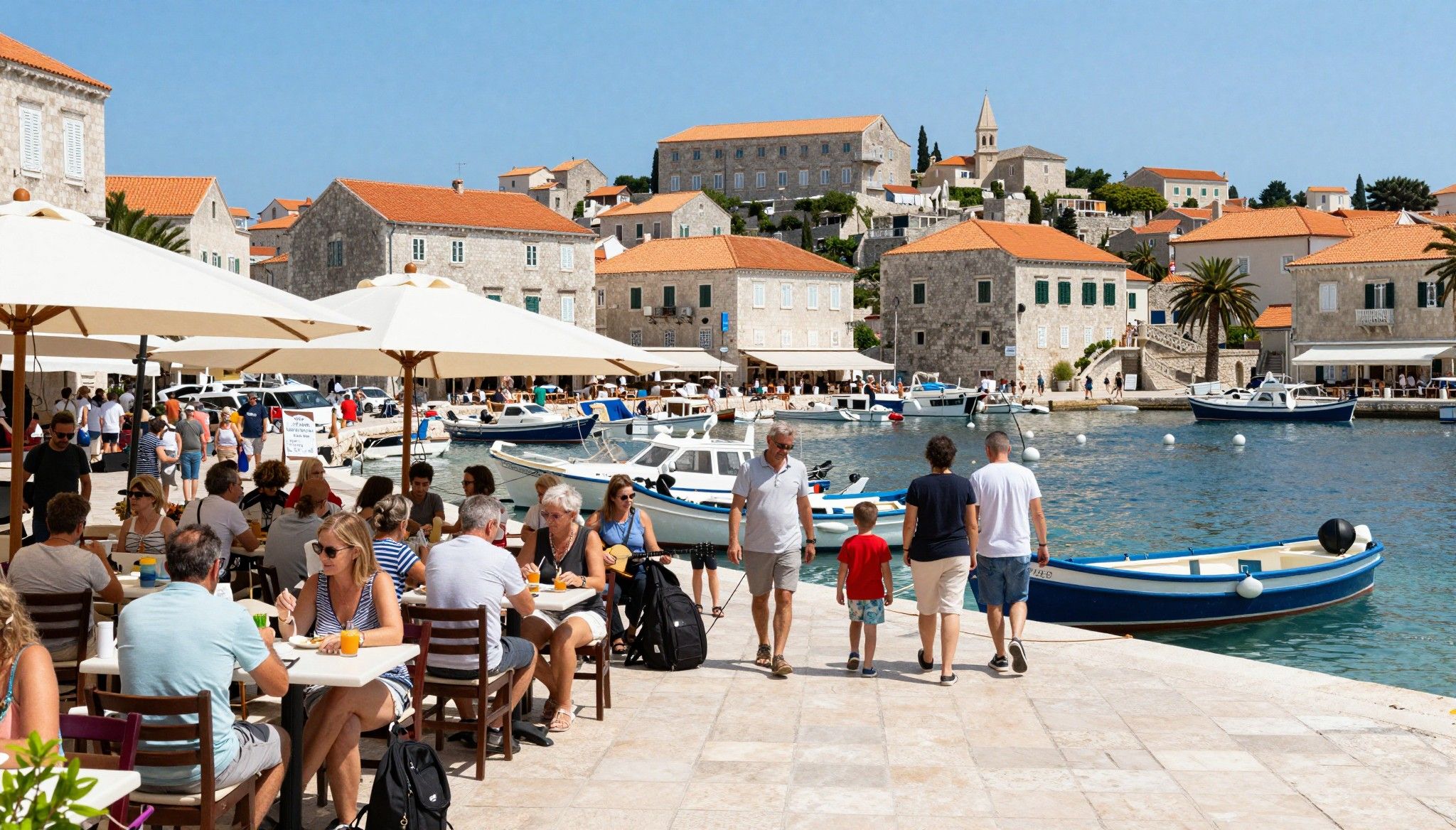
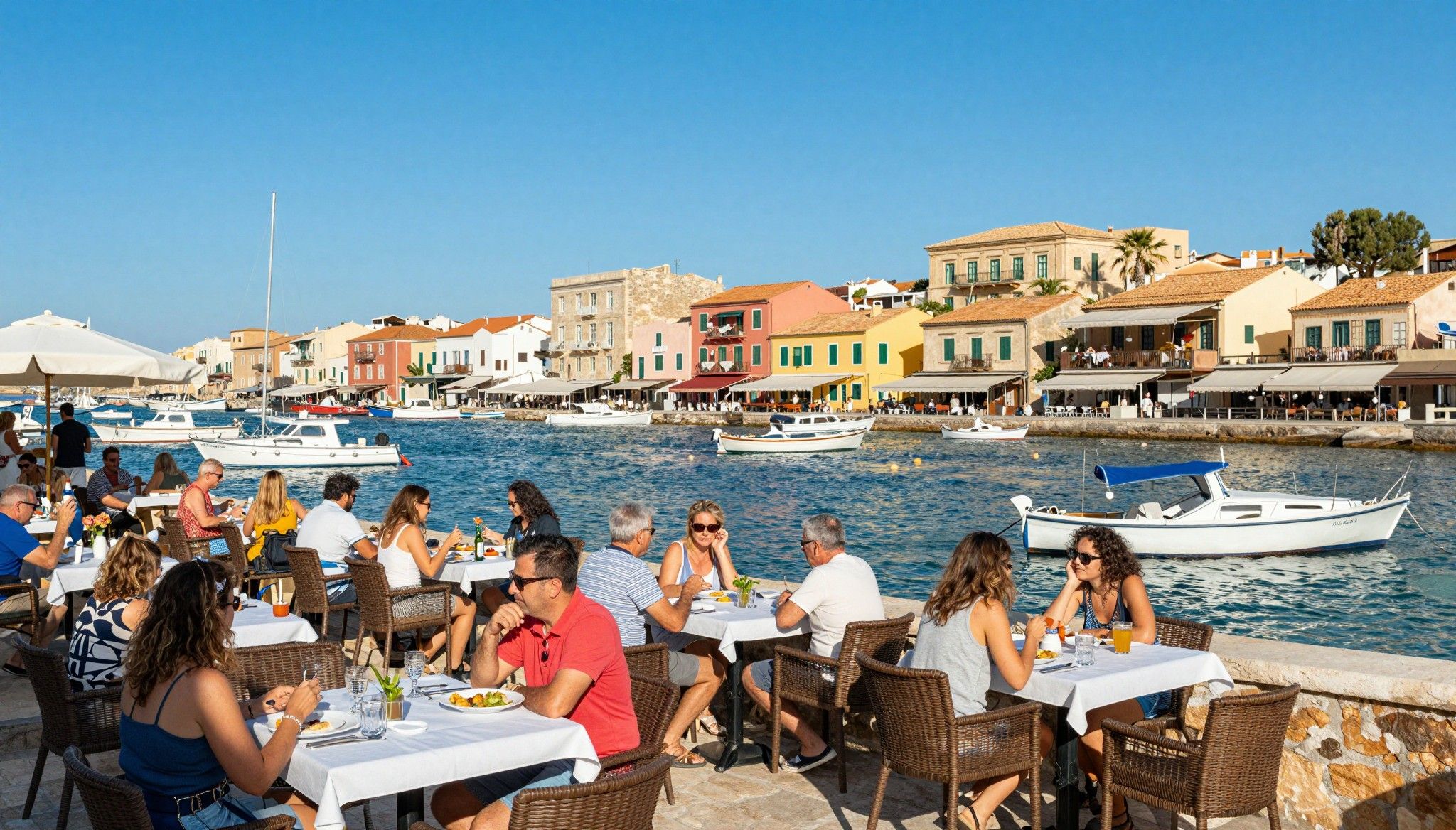
The Amalfi Coast and Ligurian Riviera provide the postcard moments — cliffside terraces, lemon gardens, and tiny marinas — but lifestyle differences are stark. Positano and Portofino are intense, seasonal and expensive; nearby towns such as Praiano, Sorrento’s lesser-known corners, or the hinterland villages around Levanto offer similar light and sea access with gentler markets. If you crave everyday coastal life rather than holiday spectacle, prioritise local grocery shops, year‑round transport links and a walkable town centre over headline views.
- Lifestyle highlights to look for
- Morning espresso ritual: cafés on Piazza San Lorenzo (Florence) or Campo de’ Fiori (Rome).
- Weekly market life: Mercato Centrale (Florence), Mercato di San Lorenzo, and local fish markets on the Ligurian coast.
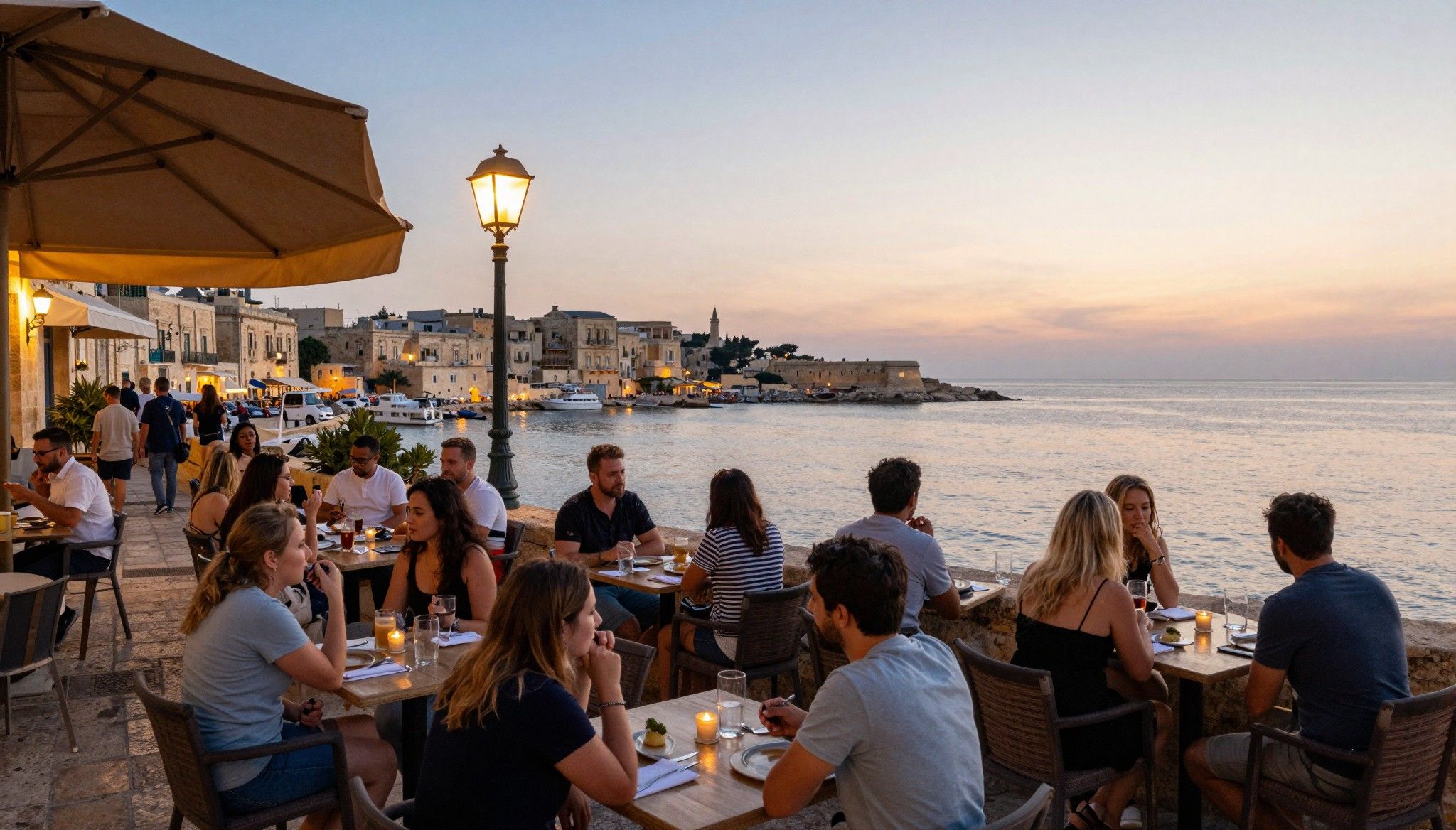
- Small‑town pace: evening passeggiata along Sorrento’s Corso or through the alleys of Polignano a Mare.
Making the move: practical considerations
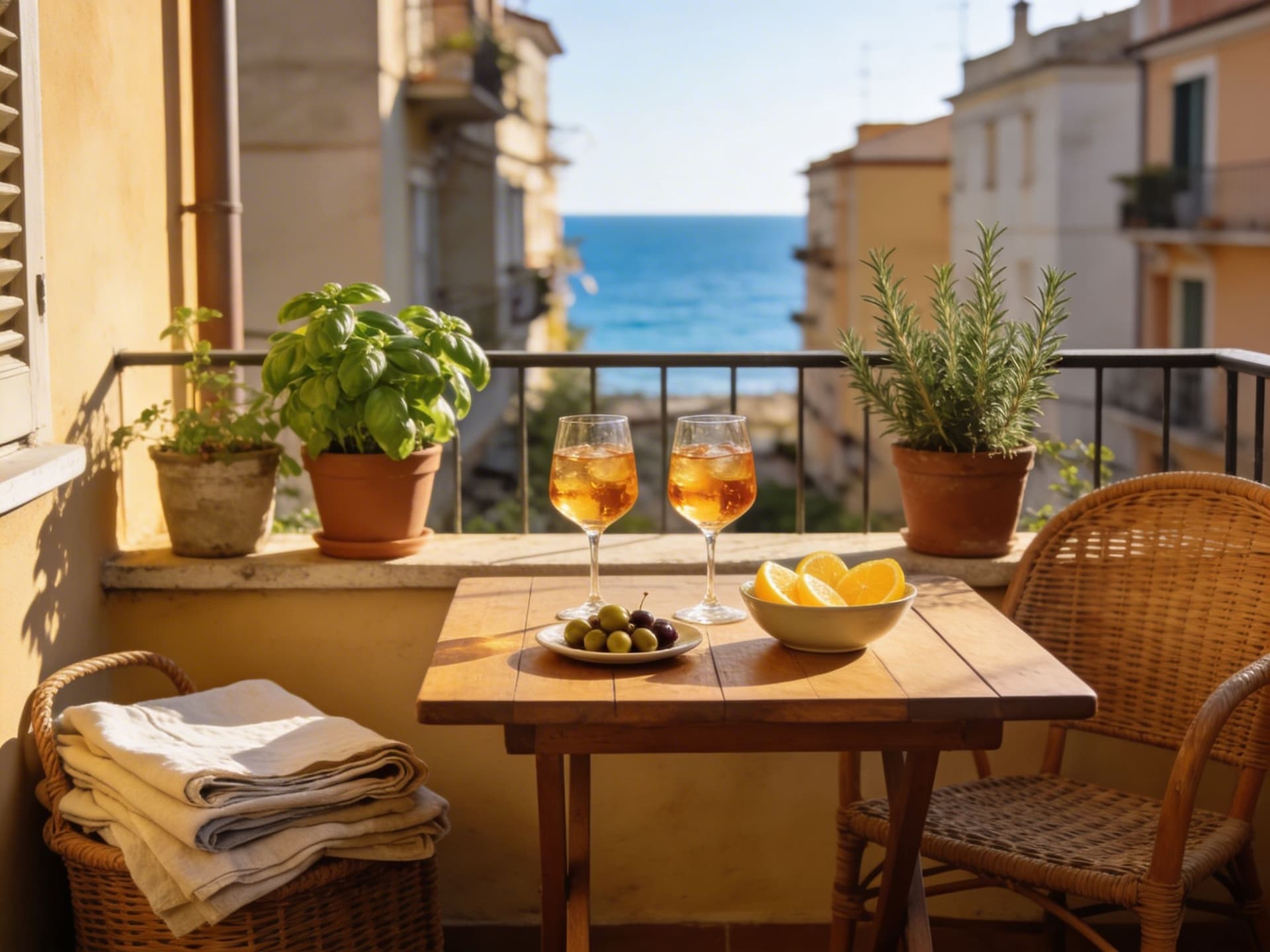
Translating a lifestyle choice into a successful purchase means matching property type to seasonality, services and legal reality. National indices show modest growth and stronger gains in new-builds versus existing stock, but those averages mask regional divergence. Before you fall for a façade, check transport links, emergency services, broadband quality, and whether the town stays alive outside tourist season — these are the features that determine living quality and long-term resale.
Property types and how they feel to live in
Historic centre apartment: immediate culture but smaller layouts and higher renovation complexity. Coastal villa: outdoor living and rental potential, with higher maintenance and seasonal demand. Country farmhouse (casale): space and privacy, often farther from services. Each type supports a different daily routine — choose by how you plan to live year‑round, not by the photo in the listing.
Working with local experts who know life, not just listings
A local agent who knows where the bakers go, when the ferries run and which blocks are quiet in winter will save you months of discovery. Look for agencies that provide neighbourhood tours at different times of day, offer references from recent expat buyers and can explain renovation realities in plain language. The right team balances lifestyle curation with clear advice on planning, building permits and practical costs.
- Steps to blend lifestyle and logistics
- Visit the neighbourhood at least twice: weekday morning and a weekend evening to test services and noise.
- Ask for utility bills and condominium meeting minutes to reveal running costs and community issues.
- Get a local architect or surveyor to estimate renovation needs — Italian restorations often uncover hidden work.
Insider knowledge: what expats wish they'd known
Expats often tell the same stories: they underestimated winter quiet in coastal towns, overrated tourist-season rental yields, or misread transport timetables. Language matters less for everyday life than willingness to join local rhythms — markets, neighborhood associations and the simple art of greeting your neighbours. Practical surprises include bureaucracy timing, seasonal business closures and the reality that a ‘sea view’ address might mean steep daily stairs.
Cultural integration and daily routines
Making friends happens at the barista counter, at the weekly market, or helping at a festa. Learning basic Italian transforms service interactions and accelerates belonging; many towns have active expat groups that welcome newcomers to volunteer or trade skills. Plan to adopt local calendars — shops may close for riposo in the afternoon and festivals can reshape public life for days.
Long-term living and resale reality
Think in decades: properties near reliable transport, good local services and enduring cultural assets appreciate more reliably than flashy holiday-only addresses. National indices show steady, modest gains; local micro-markets — university towns, transport hubs, and towns with diversified economies — often outperform purely touristic spots. This matters if you plan to rent out when not in residence, or leave the property to family.
- Red flags experienced buyers avoid
- No year‑round services: local butcher, pharmacy or bank branch missing.
- Unclear ownership history or permanent occupancy restrictions (common in some coastal zones).
- Poor broadband or unreliable ferry/rail connections if you need remote-work capacity.
If you want to feel the place before you buy, spend at least a week living like a local: shop at the market, use public transport, and try evening routines. That lived test reveals whether the neighbourhood matches your imagination and whether the property supports the life you want.
Conclusion: Italy rewards buyers who buy lifestyles, not postcards. Match the neighbourhood’s weekday rhythm to your needs, insist on local verification of utilities and permits, and work with agents who show properties across seasons. When life and logistics align, Italy doesn’t just offer a home — it offers a way of living that becomes unmistakably yours.
Norwegian market analyst who relocated to Mallorca in 2020. Focuses on data-driven market insights and smooth relocation for international buyers.