Italy: Choose the life, then the street
Italy’s lifestyle is the asset — match neighborhoods, seasons and property types to how you’ll live; verify street-level data and permits before committing.
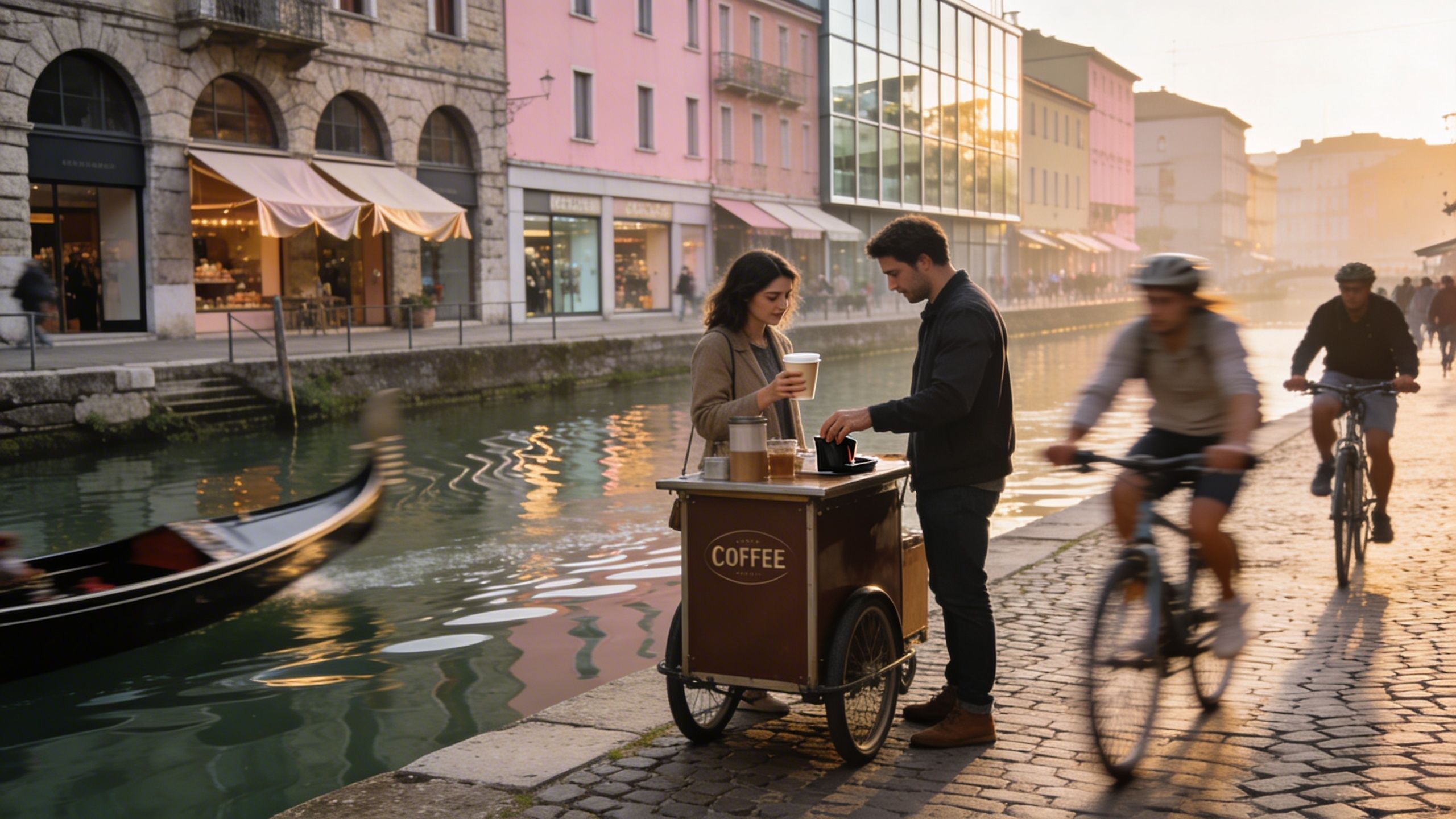
Imagine stepping out at 09:00 to buy warm focaccia on Via San Frediano, heading past artisan shops toward the Arno as city light catches stucco and terracotta — then returning to a compact apartment whose city tax and rental potential feel surprisingly sensible. Italy lives in layers: a slow morning in a village piazza, a sharp espresso at a Milanese bar, a late-supper coastal breeze. For international buyers, that texture is the real asset — and it changes where you should look, how you time offers, and which property features truly matter.
Living the Italy lifestyle
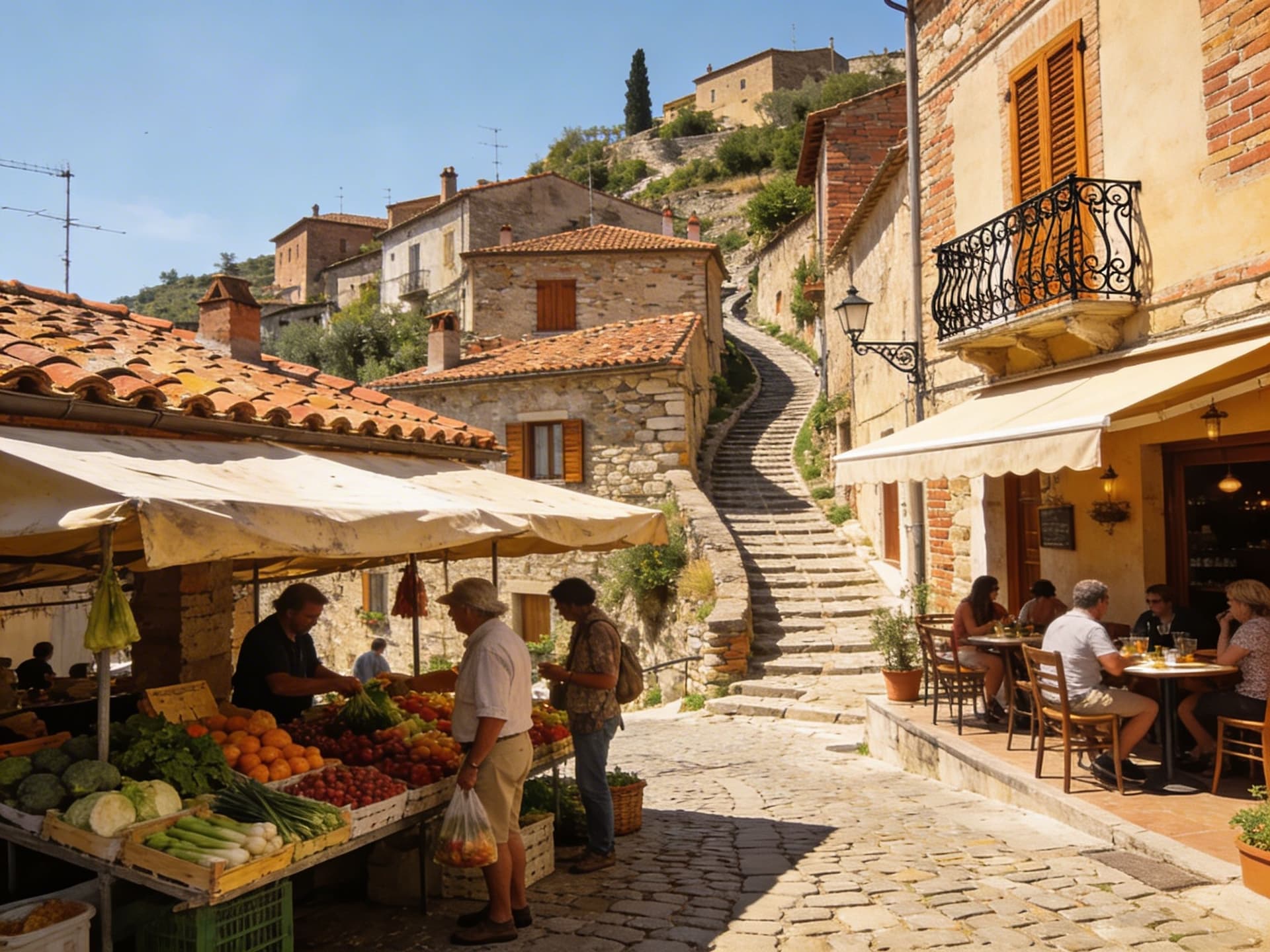
Italy’s day-to-day is sensory and social: markets at dawn, slow lunches, lively aperitivo hours and piazzas that host public life. In cities the rhythm is compact and intense — think Brera’s cobbled mornings and Navigli’s canal-side evenings in Milan — while coastal and rural areas trade density for light, outdoor living and long, languid seasons. These differences shape what you buy: an efficient city flat for commute and culture, a villa for summer imagery and rental demand, or a restored farmhouse that anchors a slower life.
City neighborhoods that feel like home
In Milan, Brera is small-scale luxury: art galleries, independent bookstores and late-night osterias create a lived-in prestige. Contrast that with Navigli, where student energy and markets produce a different kind of social capital. In Rome, Trastevere offers laneways, trattorie and nighttime hum; in Florence the Oltrarno trades tourist density for craftsmen and a quieter everyday. These micro-differences dictate whether you prioritise walkability, nightlife, or quiet mornings when choosing streets and blocks.
Coast, lake and hilltop rhythms
Coastal life varies: Liguria’s villages and the Amalfi Coast prize views and access, while Puglia offers sun, lower price entry and a strong renovation culture that’s attracted international interest. Lake Como and Tuscany’s hill towns give a different tempo — outdoor dining, vineyard weekends and tourism-driven rental windows. For life as much as investment, pick a landscape that matches your daily habits: do you want surf and morning swims or a weekly market ritual in a stone piazza?
- Lifestyle highlights to test during a visit
- Morning market run: Mercato Centrale, Florence — bring a tote, taste the cheeses, note delivery logistics for an apartment on a narrow street.
- Aperitivo crawl: Navigli, Milan — judge noise levels after 22:00 and the street-level trade-off between atmosphere and restful evenings.
- Coastal scout: Positano/Amalfi at shoulder season — see what off-season services look like; summer charm often masks winter supply gaps.
Making the move: practical considerations
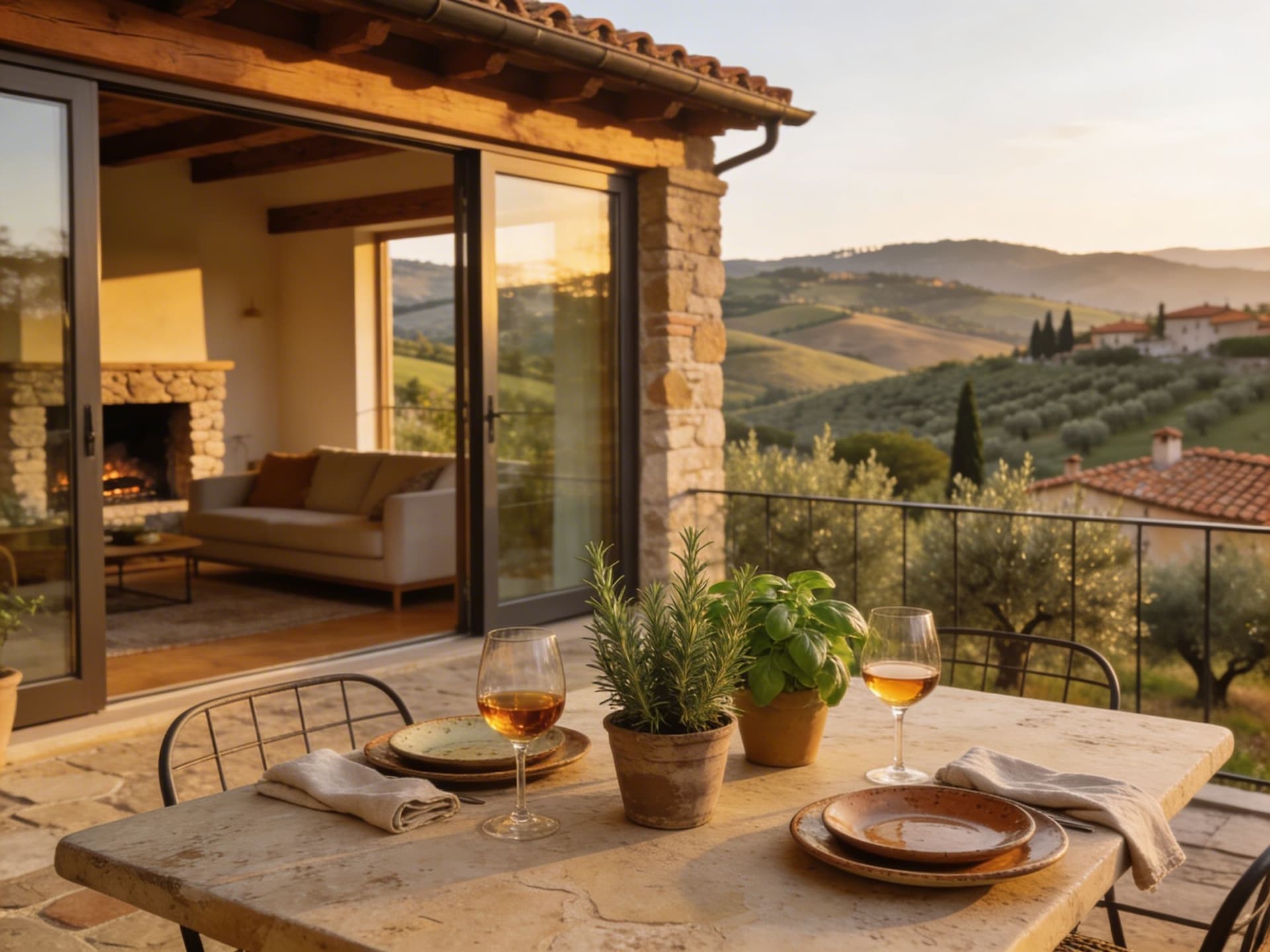
Dreams meet numbers: Italy saw year-on-year house price growth in early 2025, led by existing-dwelling demand, while regional spreads remain wide — Milan and Florence command prime premiums; many southern towns still offer below-national averages. Use official indices and market portals to compare asking prices versus transaction figures before committing. That gap — what sellers list and what actually sells — is where negotiation space often hides.
Property styles and what they mean for living
New-build apartments trade convenience and warranties for higher per-square-metre prices; historic flats offer character but may require compliance-heavy restorations. Farmhouses and trulli come with outdoor space and renovation upside yet demand time, permits and local trades. Match the property type to how you want to live — low-maintenance city flat for weekdays, restored country house for weekend escapes — and factor maintenance regimes into your cost-of-life estimate.
Working with local experts who know the life you want
- 1. Ask for street-level references: agencies should provide recent buyers on the same block to confirm noise, deliveries and community life.
- 2. Test a letting manager if rental income matters: ask for a 12‑month occupancy track record for similar properties, not optimistic summer-only projections.
- 3. Order a local survey and a verifica catastale: structural quirks and pre-1942 cadastral rules can affect what you can remodel.
- 4. Prioritise agencies with multilingual teams and local networks: estate agents who know the lazzaretto of permits, and the notary community, reduce surprises.
Insider knowledge: what expats wish they'd known
Expat reality is granular: language matters less than local ties, and a lively piazza beats an empty villa if you want community. Many buyers underestimate seasonal service fluctuations on the coast and overestimate short‑term rental yields in small towns. Regions like Puglia now attract renovation-led buyers; that opportunity brings planning complexity and real trade-offs between price and upkeep.
Cultural cues that change how you live
Expect bureaucracy to be relational: a local solicitor, a patient notary and an agent who knows the municipality office save months. Neighbours often shape co‑ownership decisions in older palazzi, and knowing basic Italian phrases opens doors to tradespeople and shops. Social life is built around food and place; owning a terrace changes how you spend weekends and what features matter most.
Long-term lifestyle and value considerations
Look beyond immediate rental rates to infrastructure and connectivity: improved flight links, schools, and healthcare availability support long-term desirability and capital appreciation. Data across 2024–25 show steady demand and regional divergence: prime urban cores have outpaced national averages, while many southern markets still offer renovation arbitrage. Balance your short-term lifestyle needs with where long-term demand will keep a property liquid.
- Quick red flags to watch for
- Unclear ownership history or missing permits for historic properties — these cost more than a low purchase price.
- Over-optimistic summer-only rental projections for inland hill towns with weak off-season demand.
- Seller promises about renovation yields without contractor bids and municipal clearance confirmations.
Italy seduces with lifestyle first; make the practical fit. Schedule visits in shoulder seasons to see services and community life, insist on street-level references and a local survey, and choose an agency that can translate lifestyle promises into realistic budgets and timelines. With the right local team, the piazza, the market, the terrace and the neighborhood will align — and the purchase will feel like the start of living, not an investment burden.
Swedish strategist who relocated to Marbella in 2018. Specializes in legal navigation and tax planning for Scandinavian buyers.