When Cyprus' 'Discounted' Transfer Fees Hide Bigger Costs
Cyprus offers sunlit neighbourhood life, but VAT, transfer-fee rules and title-deed quirks can reverse apparent bargains—match lifestyle choices with tax-savvy legal checks.

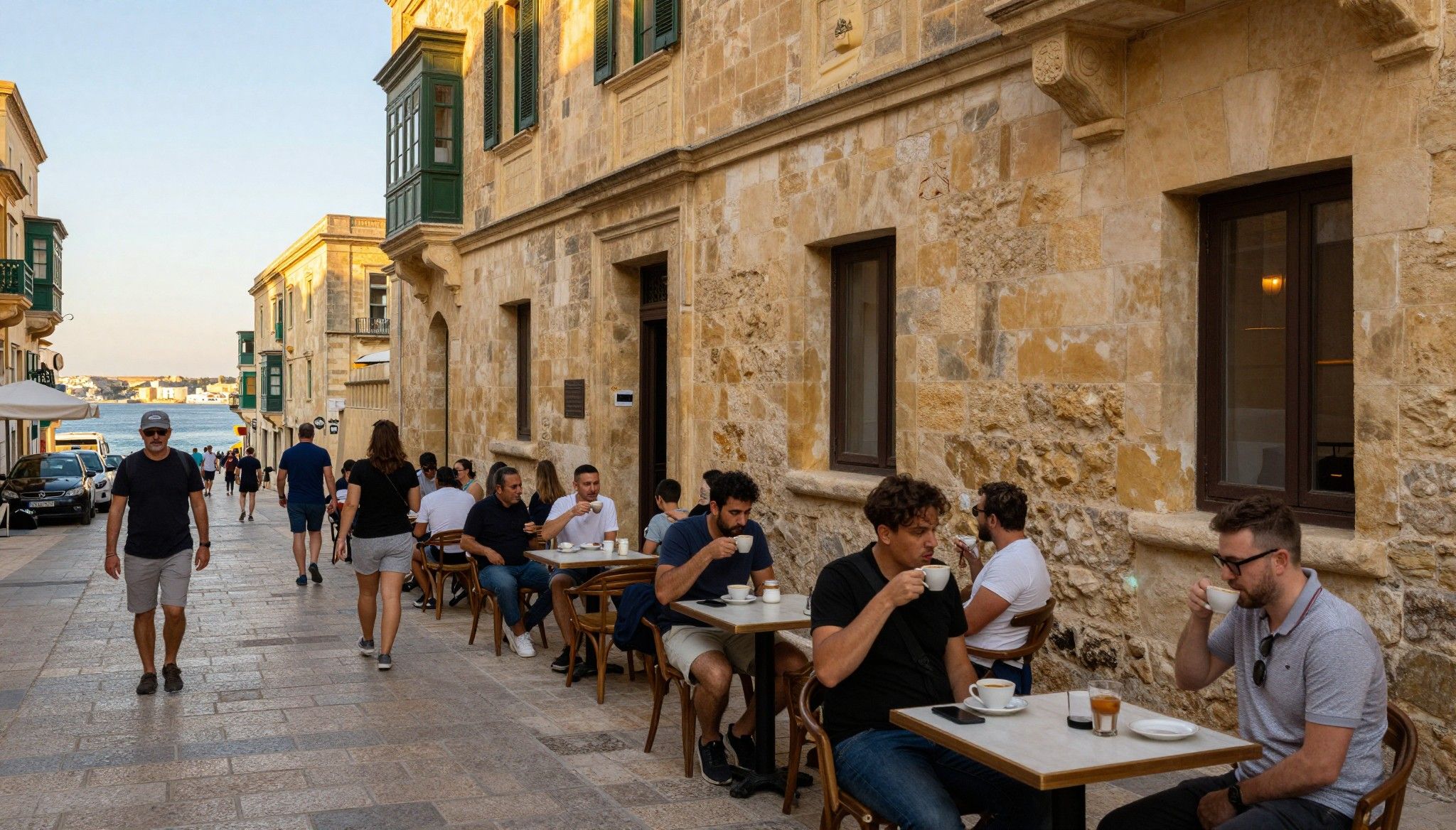
Imagine waking to the scent of freshly baked koulouri on Ledra Street, then walking down to Limassol Marina where cafés hum and superyachts nod in the sun. Cyprus feels like a Mediterranean village stretched across cities — ancient churches, sea-facing promenades and neighbourhoods where English is as common as Greek. But beneath that easy lifestyle live technical, tax-driven details that change what a property really costs. We open with the life you’ll love, then follow with the regulatory cracks to watch for before you sign.
Living the Cyprus rhythm
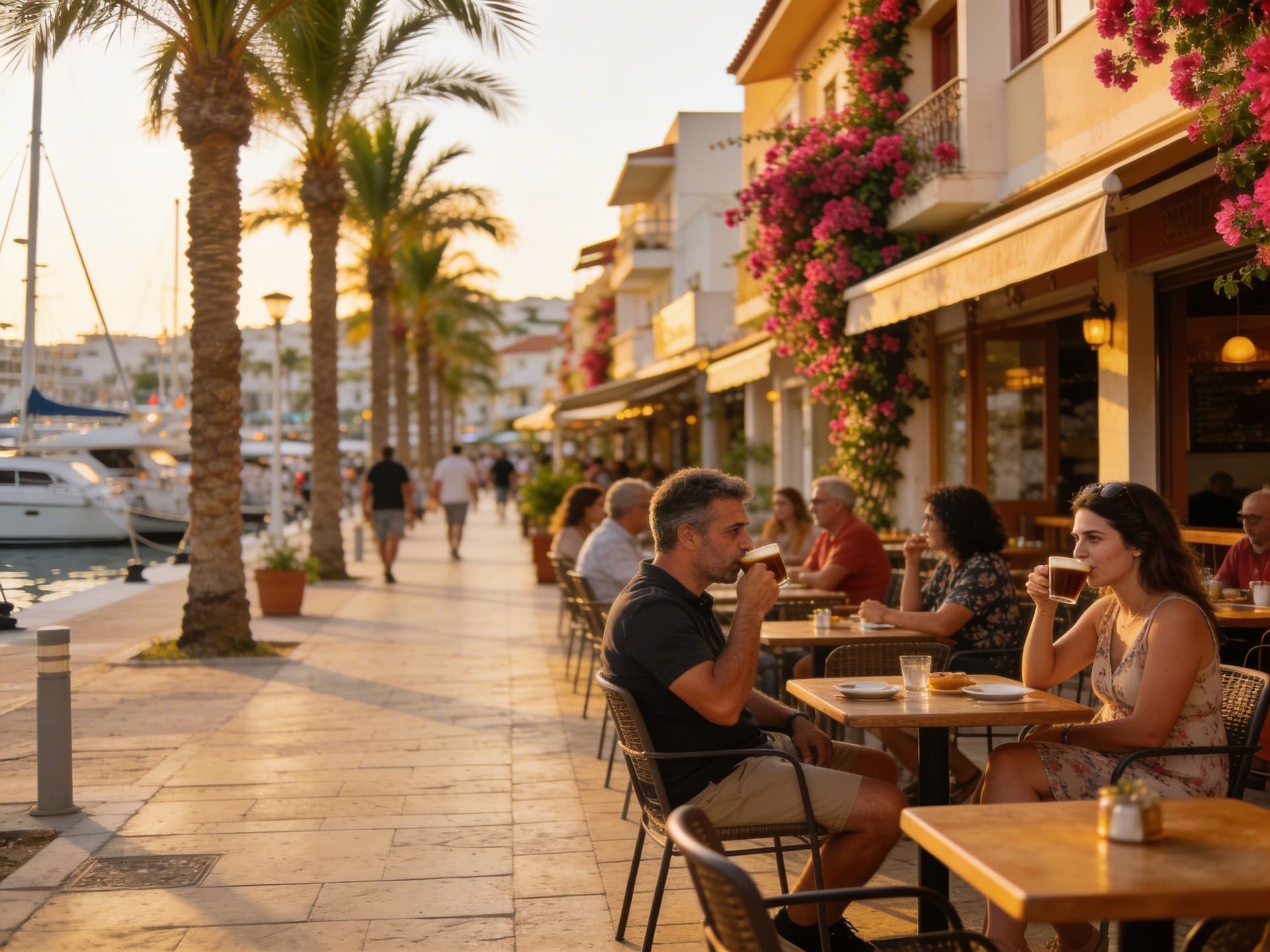
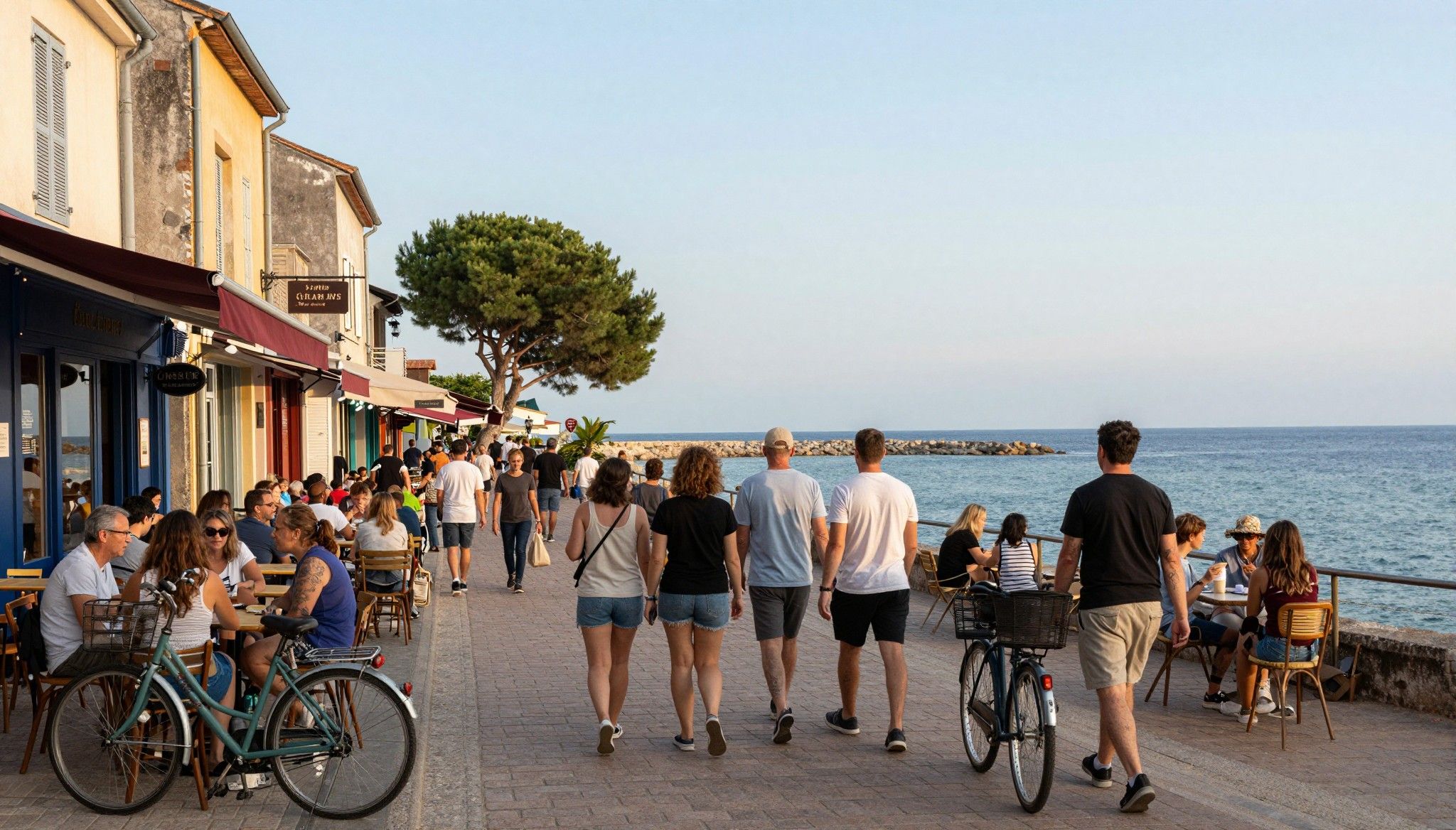
Cyprus is sun and slow mornings, but each town carries its own tempo. Paphos mornings favour fishermen and markets; Nicosia midweeks pulse with professionals and boutique galleries; Larnaca afternoons revolve around palm-lined Finikoudes and family cafés. Picture terrace lunches of halloumi and fresh sea bass, or an evening stroll in the pedestrianised streets of Larnaca’s old town. That sensory life is what draws buyers — but the property you choose must match daily routines, not just the postcard.
Neighbourhoods that define how you live
Limassol’s Molos and Marina suit those seeking cafés, international schools and an urban coast lifestyle; Peyia and Coral Bay offer quieter family beaches near Paphos; Nicosia’s Strovolos and Lykavitos are for city life with green pockets. Street-level specifics matter: a flat on Anexartisias in Limassol puts you steps from espresso and night life, while a village house in Omodos trades instant amenities for slow-market bargains and viniculture culture. Walk the streets first — life quality is measured in where you’ll buy bread, not only in square metres.
Food, markets and weekend rituals
Saturday markets in Polis and Paphos offer wild-caught fish and citrus; try the mezze at Ta Piatakia in Nicosia or coffee at Molos’ waterfront kiosks. Seasonal festivals — grape harvests in the Troodos foothills, Limassol Carnival — shift where locals gather and where properties feel most alive. These patterns influence rental demand and the social life you’ll buy into: properties near weekly markets or festival routes often command a pricing premium during high-season rentals.
Making the move: lifestyle-aware practicalities

The life you want and the legal costs are joined at the hip. Cyprus’ progressive property transfer fee structure and VAT rules can significantly alter upfront costs — sometimes in surprising directions. Official guidance and legal clarity matter: local legislation reduces transfer fees for many resale purchases and exempts properties subject to VAT, which shifts value between new builds and resale stock. Read the official summaries before you lock an offer; a seaside flat billed as “cheaper” may carry VAT that wipes out the apparent discount.
How fees really add up
Transfer fees are tiered: 3% on the first €85,000, 5% on the next €85,000 and 8% above €170,000. In practice, two rules reshape buyer choices: if VAT was paid on the transaction (typical for new builds), transfer fees are usually exempt; if VAT was not charged, many transactions benefit from a 50% reduction in transfer fees. That makes the resale vs new-build decision more nuanced than price per square metre — account for VAT, transfer fee discounts and whether the developer offers legal support for VAT-reduced applications.
Property types and how they map to lifestyle
New-build apartments often market as turnkey coastal living — pools, terraces and management services — but they commonly carry 19% VAT (with possible reductions for primary residences) which can be substantial. Resales may avoid VAT and enjoy reduced transfer fees, making a slightly older property more economical for long-term residents who prioritise cashflow over glossy amenities. Think beyond finishings: consider community fees, title-deed status, and whether the property’s layout supports year-round life (insulation, shutters, outdoor kitchens).
Insider knowledge: red flags and savvy moves
Expats often tell the same story: they fell for an apartment’s sea view, only to discover that transfer-fee exemptions or VAT treatments make the final price higher than expected. Other common missteps include buying without clear title deeds, underestimating municipal/community fees, and ignoring seasonal rental realities that affect income if you plan to let the property. Smart buyers treat Cyprus like a mosaic — neighbourhood rhythm, legal status and tax treatment must all align with how you’ll actually live there.
Practical checklist before you sign
- 1. Confirm title-deed status and whether the property is fully registered — unresolved deeds slow transfers and complicate financing. 2. Verify whether the sale is subject to VAT or resale rules; ask for a clear VAT breakdown in the contract. 3. Get a transfer-fee estimate from your lawyer using the contract value and possible 50% reductions. 4. Check community and municipal fees for the last 12 months; they are recurring and vary widely. 5. Ask the developer or seller for historic occupancy/rental numbers if you depend on holiday income. 6. Budget legal fees (typically 1–2% of price) and administrative permissions for foreigners.
How local agents and lawyers make this livable
A good local agent matches lifestyle cues to legal realities — they know which Limassol streets clear title deeds quickly, which Paphos developments routinely get VAT clarification, and which village renovations need extra municipal permits. Your lawyer should provide a transfer-fee calculation, confirm VAT exposure and advise on residency links. Agencies that partner with reputable law firms and provide transparent fee breakdowns make the dream of buying here less a leap and more a step.
Conclusion: Cyprus is achingly liveable — sunlit cafés, neighbourhood markets, and an easy rhythm — but the price tag is more than a headline number. Match the street where you want to sip espresso to a contract that reflects the true tax and transfer picture. Start with a lifestyle shortlist (neighbourhood, seasonality, daily routines), then bring lawyers and agents into the conversation early. Do that, and the island’s warmth will be a lifestyle you bought wisely, not a surprise you pay for later.
British investor turned advisor after buying in Costa del Sol since 2012. Specializes in cross-border compliance and data-driven investment strategies for UK buyers.