Why Malta’s 'Expensive' Tag Hides Practical Opportunities
Malta’s compact Mediterranean life is magnetic, yet recent RPPI data shows rapid price growth; marry lived-in visits with NSO-backed comparables to buy with confidence.
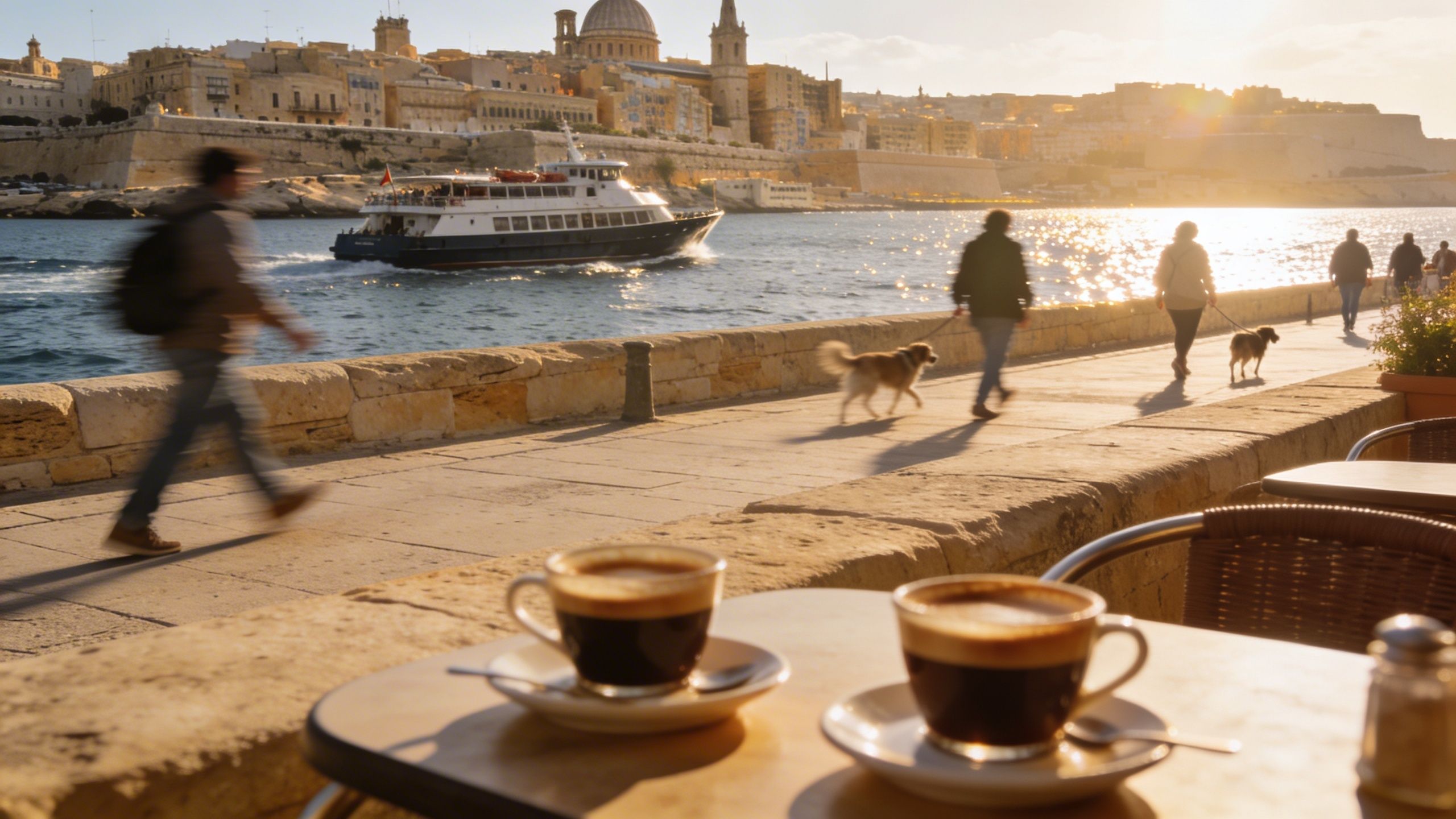
Imagine an hour-long walk that begins with espresso on Strait Street at dawn, threads through limestone alleys of Valletta, and finishes with a wind-still swim off St. George’s Bay. Malta compresses Mediterranean life into short distances: you can be at a supermarket, a baroque church, and a coastal cliff in under twenty minutes. For international buyers the island’s compactness feels like a superpower — lifestyle choices are dense, immediate and visible — but that same intensity is why property decisions need local nuance.
Living the Malta lifestyle
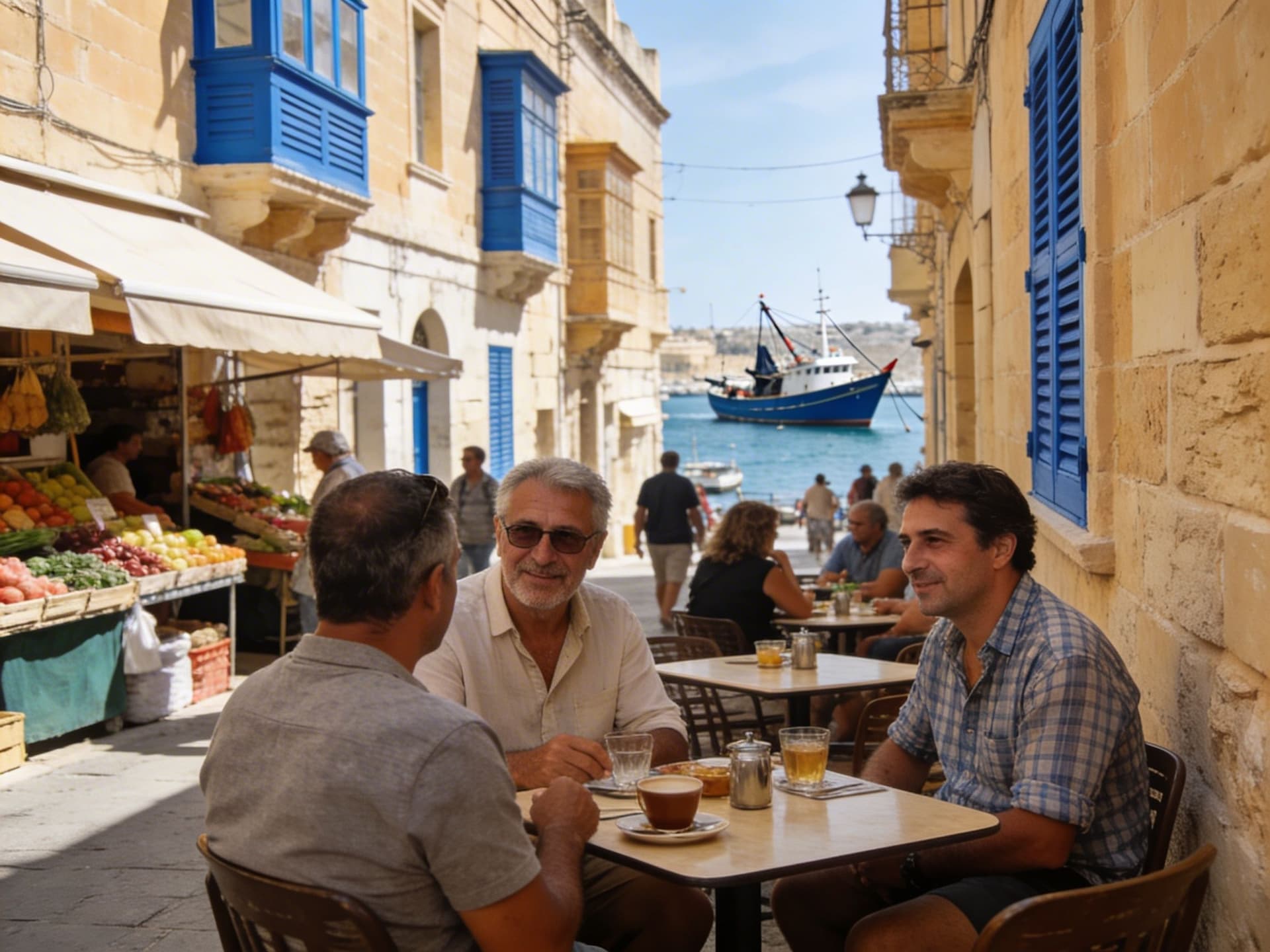
Malta’s daily rhythm is defined by light and community: mornings in corner cafés, long lunches of lampuki or ftira, and towns that come alive again after evening church bells. The island is bilingual — English is an official language — which lowers the friction for expatriates and keeps social life mixed between locals, EU buyers and long-stay professionals. Weather is a practical luxury: mild winters, hot, dry summers, and an outdoor life that makes terraces and balconies essential design features for any property purchase.
Neighbourhoods that define the island
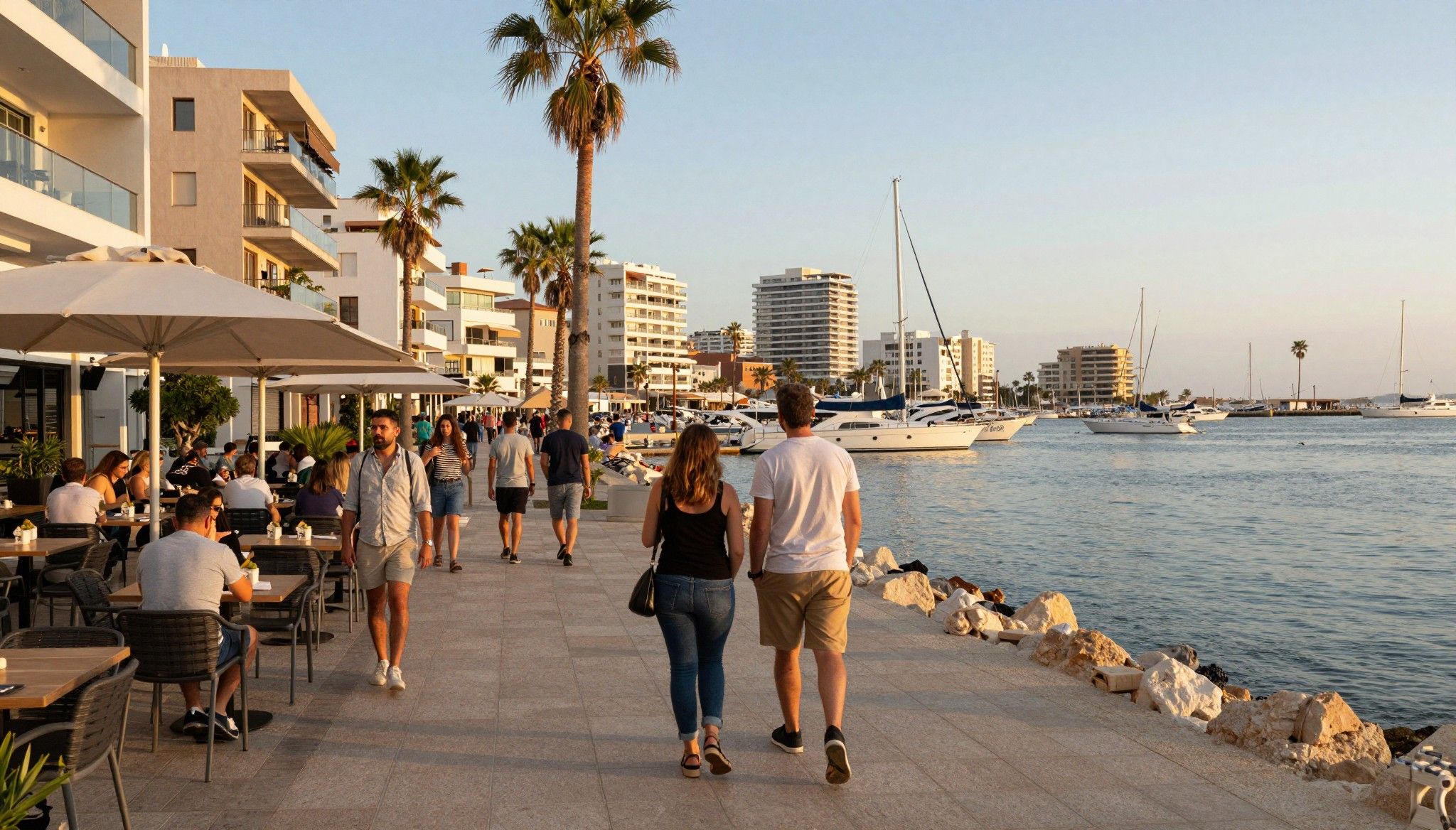
Each part of Malta offers a clear personality. Valletta is intimate and historical — narrow streets, listed townhouses, close-to-everything convenience. Sliema and St. Julian’s supply the seafront promenade, contemporary apartments and the island’s strongest café culture. North of the island, Mellieħa and the Golden Bay area are quieter, popular with families and buyers wanting beach access and larger gardens. Gozo moves the clock slower: more village squares, stone farmhouses and a draw for buyers who prioritise space over immediacy.
Food, markets and weekend routines
Weekends revolve around markets, harbourside lunches and family gatherings. Marsaxlokk’s Sunday fish market is as much a social ritual as a shopping trip; you’ll find traders who remember names and new residents alike. For many expats, monthly rituals (film nights at Spazju Kreattiv, festa parades in local villages) are where you meet neighbours and assess whether a community feels like home—more reliable than star ratings or glossy showrooms.
- Lifestyle highlights to experience before you buy: • Espresso on the Valletta bastions and a ferry to Sliema. • Sunday market in Marsaxlokk and a late-afternoon swim at St. Peter’s Pool. • A weeknight dinner of rabbit (fenek) at a village restaurant in Rabat. • A Saturday co-working session in St. Julian’s followed by cocktails on the promenade. • Exploring narrow streets of Mdina at dusk to feel the island’s quieter side.
Making the move: lifestyle-led, data-aware
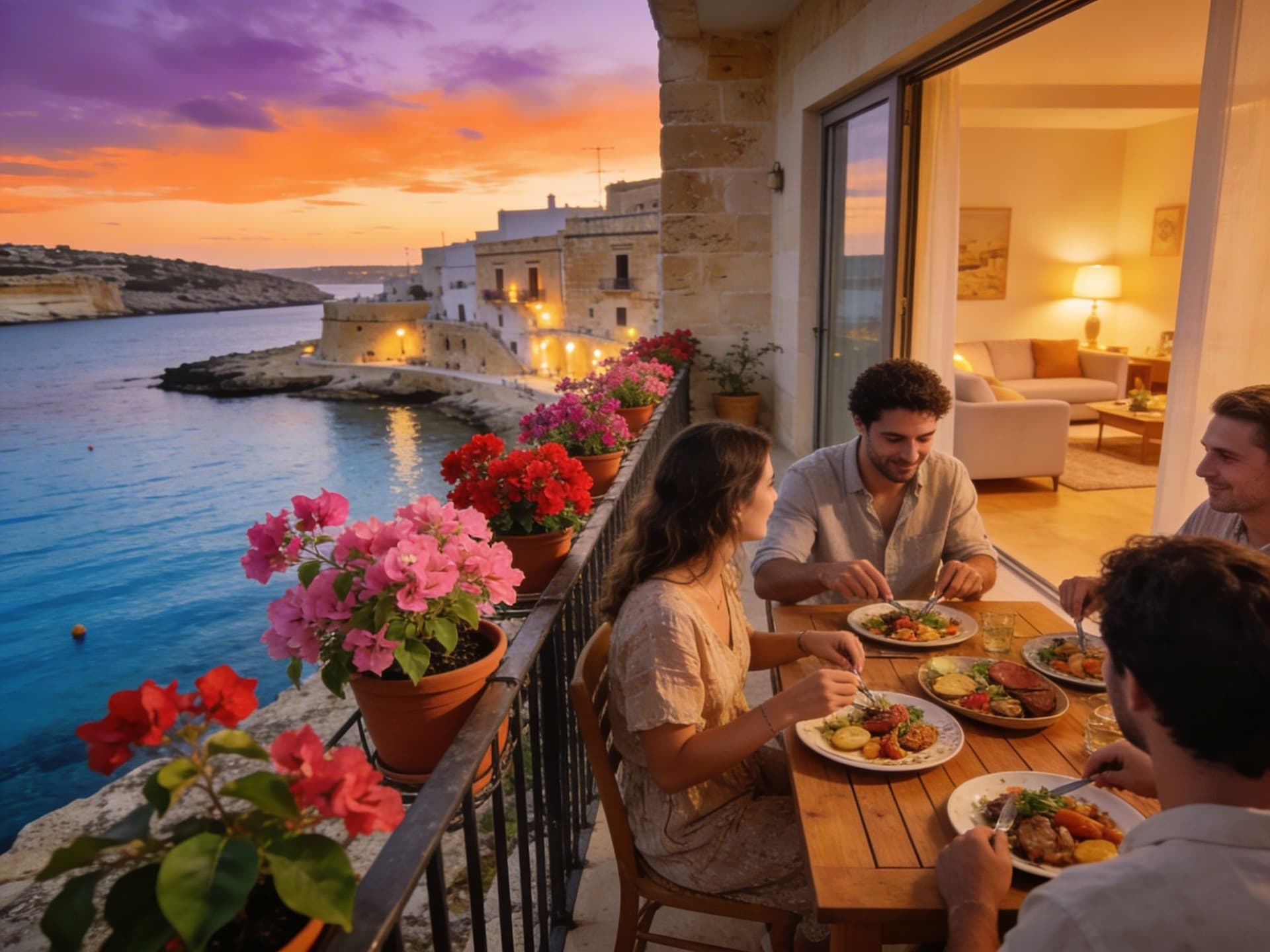
The romance of Malta collides with market intensity. National statistics show sustained price growth — the RPPI rose notably through 2024–2025 — and industry reports flag both heavy transaction volumes and an influx of new supply. That means two things for buyers: you must sample the lifestyle in person, and you must anchor choices to recent, local data rather than island-wide impressions.
Property styles and how you’ll live in them
Apartments dominate modern Maltese living — compact floorplates, terraces and new-builds with concierge-style amenities. Maisonettes and terraced houses give you indoor/outdoor life with small private gardens and stone features. In Gozo, expect larger floorplans and heritage conversions where authentic character comes with renovation responsibilities. Match the home to how you’ll use it: terraces and cross-ventilation for summer comfort, thicker walls and insulation if you plan long-term living or rental turnover.
Work with local experts who speak lifestyle
- Steps to blend lifestyle and market sense: 1. Spend a week living inside a neighbourhood to test daily routines and commute times. 2. Ask agents for energy performance and build-quality reports — ask to see similar completed units. 3. Check rental demand micro-data if you plan short-term or long-term lets: areas near St. Julian’s and Sliema differ markedly. 4. Use a local lawyer to verify reservation agreements and stamp duty timelines, and insist on a clear snagging list for new builds. 5. Compare recent sold prices within a 500 m radius, not just headline regional averages.
Insider knowledge: what expats wish they’d known
Expat lessons are practical: don’t confuse seaside postcard areas with everyday living conditions. High-demand seafront belts can be noisy and touristy in summer; inland villages offer quieter community life but longer commutes. Recent reporting highlights a tightening affordability picture — use that context when weighing a lifestyle purchase against a strictly investment-minded buy.
Cultural integration, language and social scene
English usage lowers barriers, but integration comes through local rituals: support local festas, learn a few Maltese phrases, and try weekday cafés rather than tourist hotspots. Social life often centres on clubs, church halls and small restaurants where personal relationships matter — showing up regularly matters more than formal introductions. For families, investment in local schools and community activities pays dividends faster than glossy amenity lists.
Long-term lifestyle considerations
Think beyond the purchase: new supply pipelines may ease price pressure locally but also change neighbourhood character. If you want community continuity, prioritise streets with stable owner-occupier ratios and older buildings with consistent maintenance. For investors, evaluate yield assumptions conservatively — rental growth has risen strongly in recent years, but wage growth has lagged price rises, which affects local affordability and turnover.
- Red flags and quick checks before you sign: • Buildings without clear maintenance funds or management agreements (many conversions lack follow-through). • Properties advertised with unclear external works or planning applications pending. • Over-optimistic rental yield claims without area comparables. • Units where the advertised square metre differs materially from title deeds — always verify measurements.
Malta is compact, cultured and candid: you can love the lifestyle quickly, but the market’s intensity means small mistakes amplify. Start with living-in-the-neighbourhood trials, pair lifestyle needs to objective data (RPPI and local transaction records), and use a trusted local agency as your translator of place. If you visit, pick two contrasting stays — one coastal, one inland — then compare how daily life feels. That contrast will reveal what you’ll miss or gain once boxes and keys arrive.
Next steps: plan a short, lived-in visit; request neighbourhood comparables from at least two agencies; ask for recent RPPI-based sales in a 500 m radius; and hire a lawyer to review reservation and completion timelines. If lifestyle is your priority, pick the street where you’d happily spend a morning — everything else follows more easily once the routine fits.
Norwegian market analyst who relocated to Mallorca in 2020. Focuses on data-driven market insights and smooth relocation for international buyers.