Seasonal Signals, Street Smarts & Tax Facts — France
Practical, lifestyle‑first guide to buying in France: use seasonal visits, departmental transfer rates and non‑resident tax rules to match the life you want with the right legal strategy.

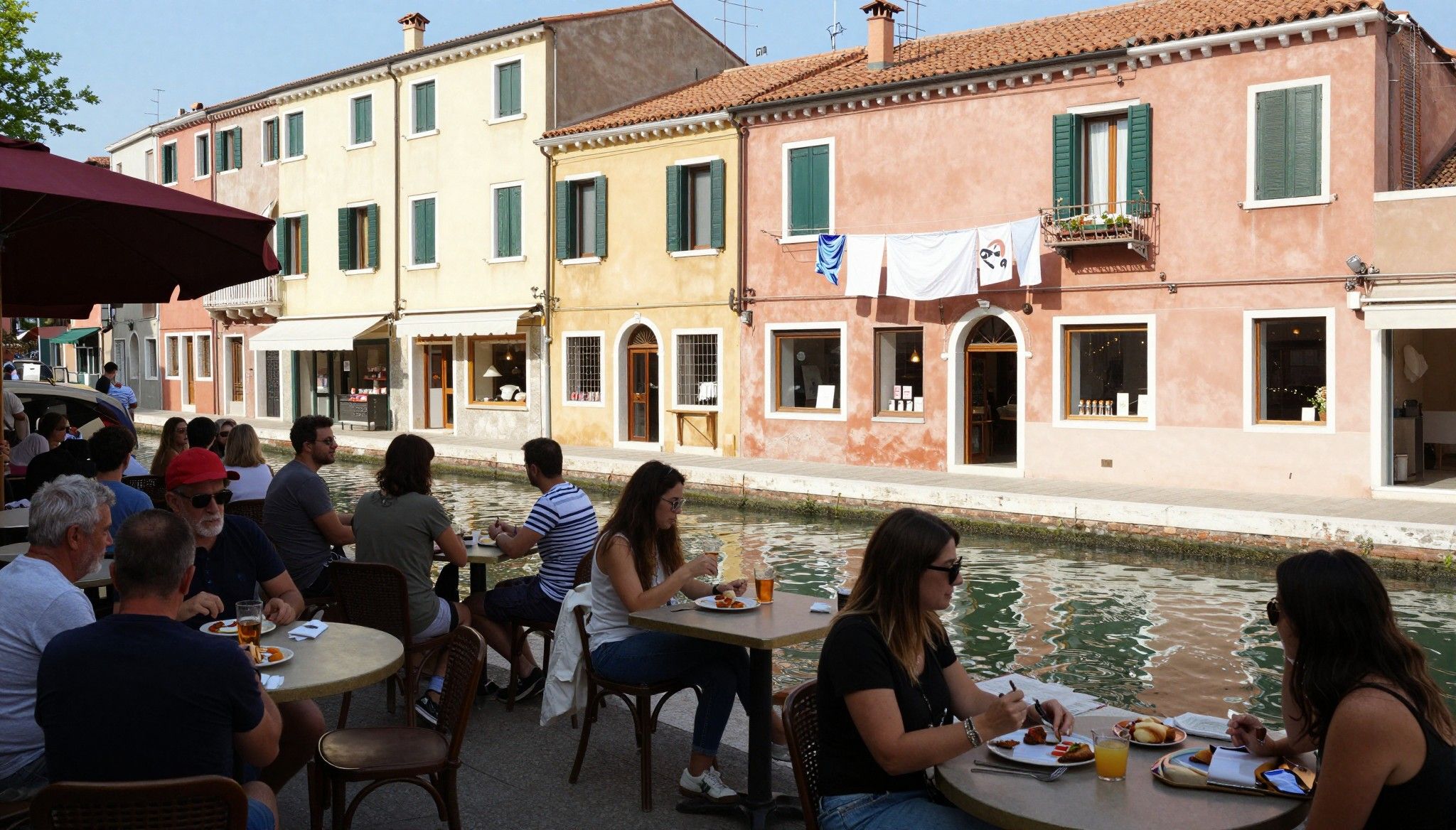
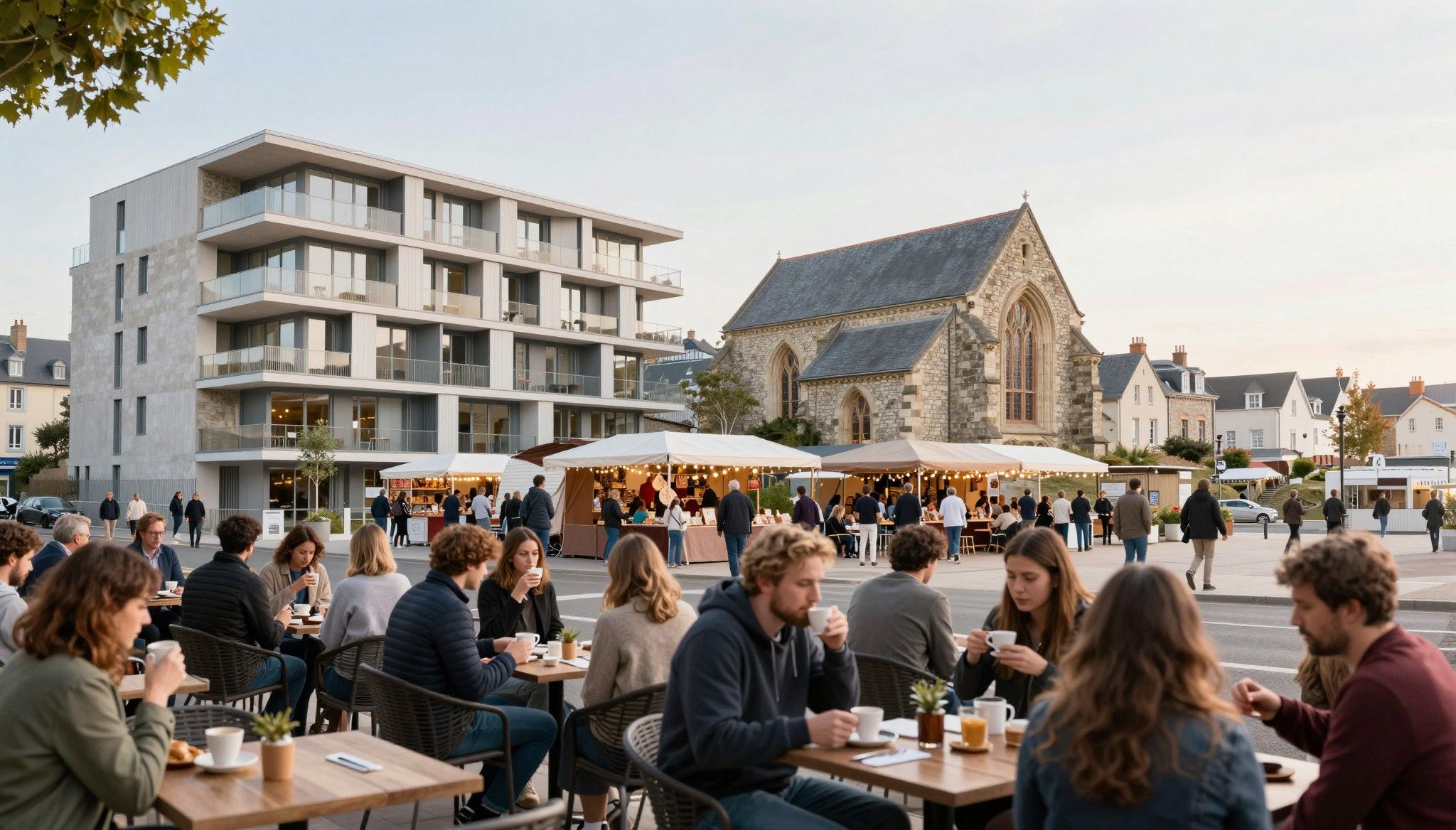
Imagine starting your morning in France with a flaky croissant at Café de la Paix, then wandering a market where the language is as seasonal as the produce. France is a collage of ritual — slow coffee in Parisian arrondissements, sunlit terraces on the Côte d'Azur, and village markets in Provence — and each rhythm shapes what buyers really need from a home. This guide looks past headlines about 'expensive France' to reveal the tax realities, unexpected timing advantages, and neighborhood signals that let international buyers match the life they want to the right legal strategy.
Living the French life — what it actually feels like

France is sensory first: the morning traders on rue Mouffetard in Paris, the sound of pétanque in Marseille squares, or the smell of wet pine when you walk coastal paths in Brittany. Neighborhood identity matters — an address is a promise of routine: which bakery, which marché, whether the tram runs late. For buyers, that means lifestyle choices translate into measurable property trade-offs: proximity to markets and public transport, building age and insulation, and windows that frame light more than views.
Paris arrondissements to coastal villages: three distinct moods
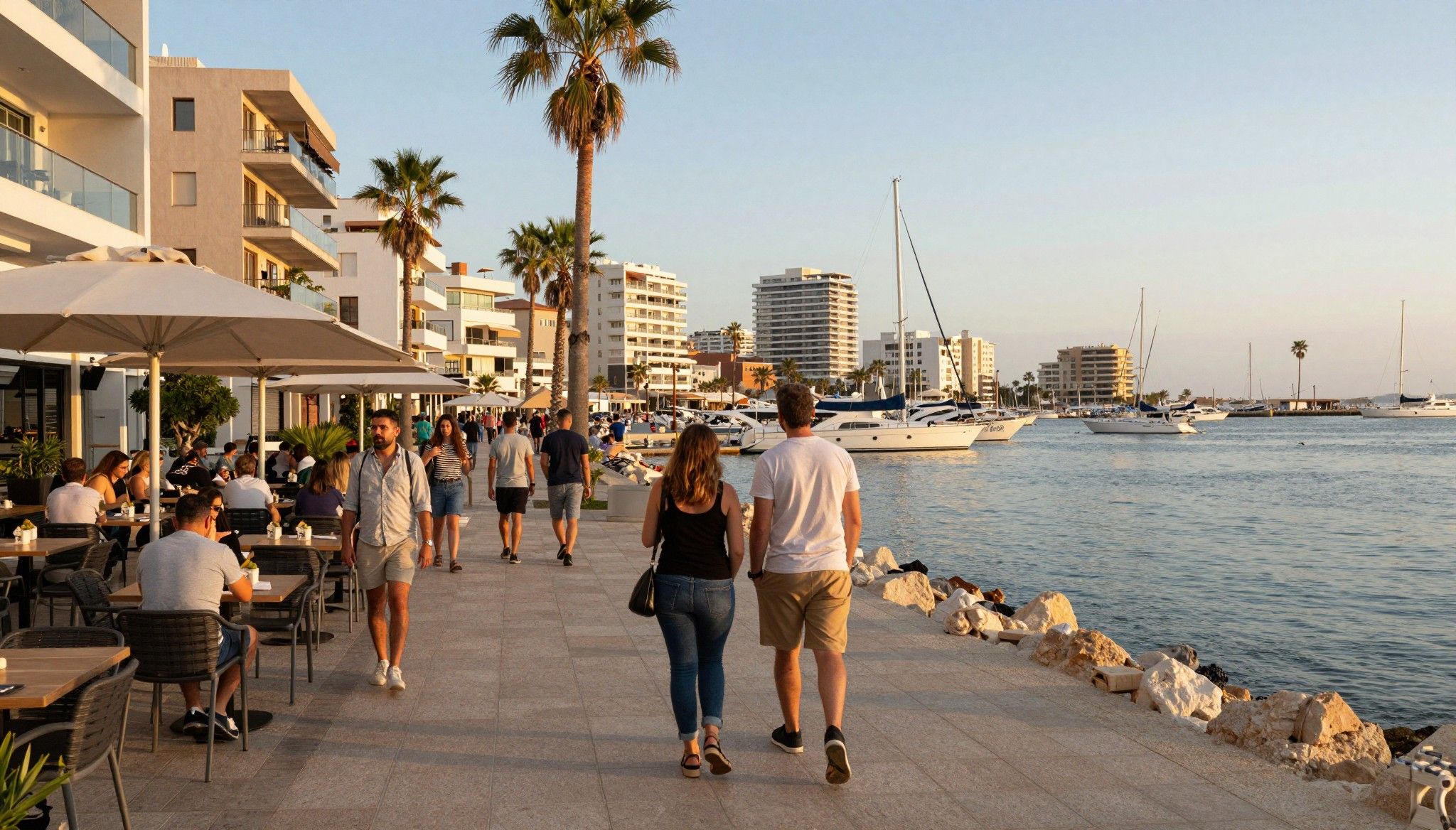
Choose Paris if you want immediate cultural density — cafés on Boulevard Saint‑Germain, micro‑markets on rue Cler, and museums within walking distance. Opt for Bordeaux or Lyon for a compact city life with food markets (marché des Capucins, Les Halles) and quicker value movement. The Riviera (Nice, Antibes, Saint‑Tropez satellite towns) sells a Mediterranean rhythm: outdoor living and seasonal tourism that affects rental dynamics. In rural Provence or Dordogne you buy the landscape — quieter markets, larger plots, and a slower liquidity profile.
Food, markets and routine: small choices that shape property needs
- Morning market culture (marchés) shapes kitchen size and storage needs: shorter distances to produce lower daily car use.
- Cafe life and street terraces favor apartments with balcony depth and sound insulation on busy boulevards.
- Coastal leisure equals seasonal rental potential — but also seasonal noise and higher service charges in condo buildings.
Making the move: lifestyle choices meet tax and regulation

Lifestyle decisions are inseparable from tax realities. France taxes property income and capital gains for non‑residents, and local taxes (taxe foncière, taxe d'habitation where applicable) still apply if you own property on 1 January. Understanding how residence status and double‑tax treaties change your filing obligations lets you avoid surprises and use timing to your advantage. The French tax authority explains these rules clearly and provides country‑specific guidance for non‑residents.
Property sale timing and capital gains: what the numbers say
Capital gains are taxed at 19% plus social contributions on the net gain after allowances for years of ownership; exemptions begin after roughly 22 years for income tax and 30 years for social levies. That makes ownership horizon a planning instrument: short‑term flips are costlier in France, while medium‑ to long‑term holds materially reduce taxable gain. Factor in an additional surtax for gains above set thresholds and always calculate both income tax and social contribution exposure before signing.
Local transfer taxes and notaire costs — an often‑missed extra
From 2025 some departments raised their share of the droits de mutation (transfer tax) from 4.5% to 5.0%, which increases buyer costs on resale purchases. This change can add roughly €500 per €100,000 in affected departments and is implemented unevenly, so always check the local departmental rate before budgeting. Notaire fees and administrative charges remain an important component of transaction costs — treat them as fixed costs that vary by department.
Insider knowledge: practical steps, red flags, and agency roles
Expats often tell the same story: they fell in love with a street and guessed the rest. The better approach combines sensory discovery with stepwise due diligence. Agencies that specialise in lifestyle matching — not just listings — save time by screening properties for noise, solar orientation, insulation quality and likely tax treatment. Here are practical steps that mix the life you want with regulatory sense.
Six steps that blend lifestyle and tax sense
- 1) Map the daily loop: plot bakery, market, transport and healthcare within walking distance and prioritise properties that match that loop. 2) Get a tax pre‑check: request an initial non‑resident tax estimate from a bilingual tax advisor before making offers. 3) Confirm departmental transfer rates: check the collectivités’ current DMTO — a 0.5% swing changes your acquisition math. 4) Check condominium charges and heating type: older buildings may have high shared maintenance and poor insulation. 5) Run a capital‑gain horizon test: if you plan to sell in under 10 years, run numbers with allowances and surtaxes included. 6) Work with a local notaire early: they hold the keys to acquisition timing, fiscal declarations and enrolment in local registers.
Red flags agents and expats warn about
- Undefined copropriété (co‑ownership) accounts — missing AGM minutes or poorly funded reserves.
- Unclear heating and energy bills — older fuel oil systems can be expensive to replace and reduce resale appeal.
- Local planning risk — future construction can change light, views and traffic; check PLU (local urban plan) at the mairie.
Working with an agency: what to expect and request
Choose agencies that provide bilingual tax-checks and local forensic checks (copropriété accounts, recent procès‑verbaux, heat maps of noise). Ask for local comparables on a per‑street basis rather than postcode averages; French markets are famously street‑specific. Insist on pre‑offer estimates of notaire fees and transfer duties based on department so you can compare true landed cost between towns.
What expats wish they'd known: cultural and seasonal realities
Language is habit more than barrier: a few local phrases unlock neighbourhood warmth — market stallholders, gatekeepers of community rhythm, respond to curiosity. Seasonality is real: coastal towns brighten and rent spikes in summer, while inland villages feel emptier and more authentic off‑season. For many buyers, low‑season visits reveal the true daily life behind postcard impressions and expose maintenance or neighbour issues masked by festival crowds.
How seasons affect lifestyle and market signals
- Summer: high rental demand in coastal and alpine towns; expect higher pricing and holiday‑driven listings.
- Autumn/Winter: better for inspection — quieter neighbours, realistic utility costs, and clearer picture of insulation performance.
Recent INSEE data show house prices in metropolitan France returning to growth after a period of stability, underscoring that regional dynamics vary — new dwellings and second‑hand markets travel different paths. Use official indices to cross‑check local agent comparables and avoid assuming national headlines apply equally to your chosen street.
Conclusion — fall in love with life here, plan with the numbers: France offers everyday pleasures that shape durable property choices. Start with a short list of streets and the routines you want, then stress‑test them with departmental transfer rates, non‑resident tax scenarios and a notaire’s timing advice. An agency that translates lifestyle into fiscal reality becomes the difference between a dreamy address and a smart, sustainable purchase.
British investor turned advisor after buying in Costa del Sol since 2012. Specializes in cross-border compliance and data-driven investment strategies for UK buyers.