Greece: Buy for the Rhythm, Not the Headline
Fall in love with Greece’s rhythms — beaches, markets and neighbourhood life — while using source‑backed market insight and practical steps to buy with confidence.
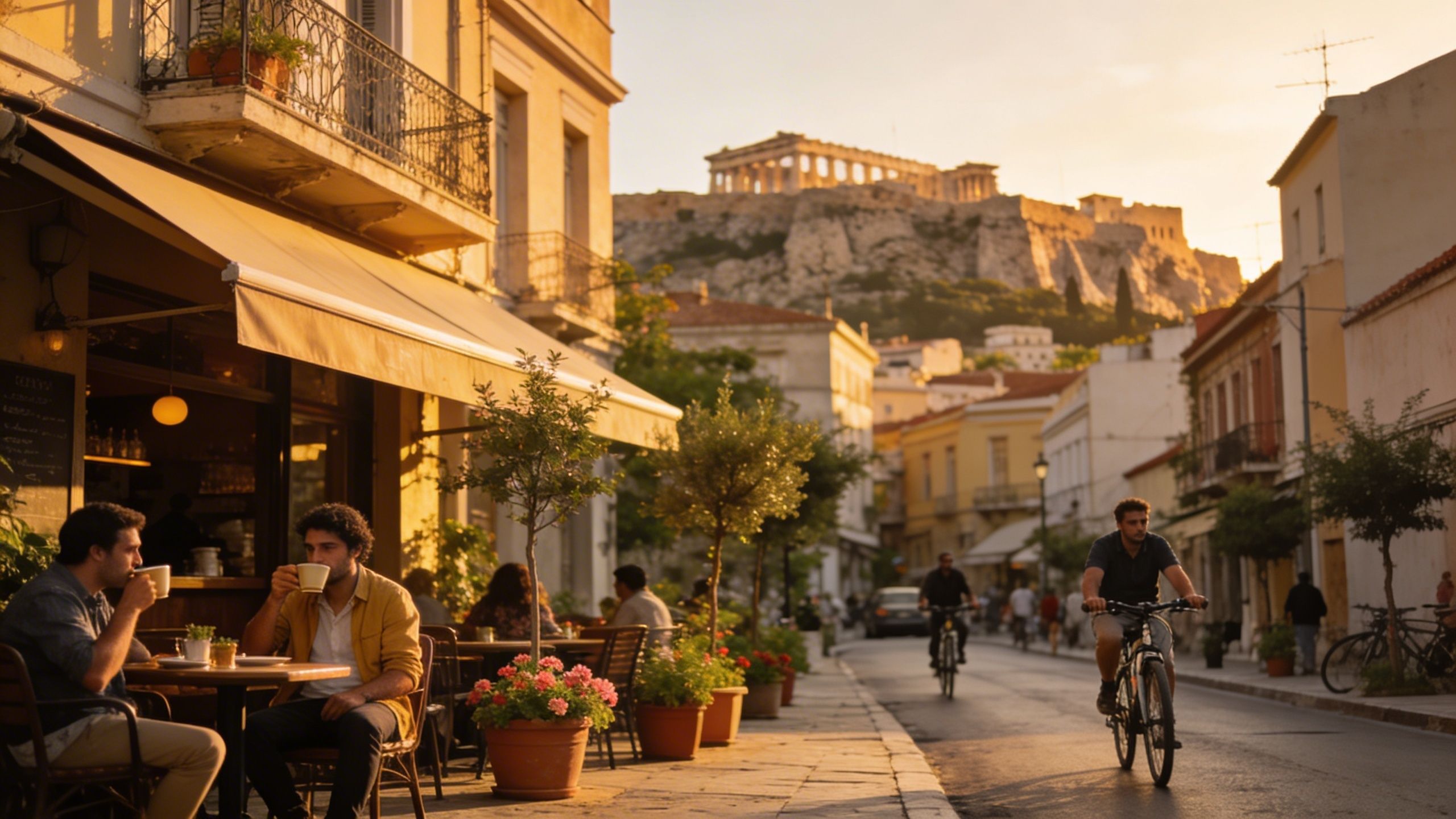
Imagine stepping out at dawn for a coffee in Koukaki, the Acropolis lightening slowly above low‑rise neoclassical facades, then cycling to a weekend market for olives and fresh mizithra. That daily rhythm — markets, sea swims, neighbourhood tavernas — is what draws buyers to Greece more than headlines about investment or visas. But the dream has contours: property markets have risen, rules have shifted, and lifestyle choices map directly to where you should look. Read on for vivid neighbourhood snapshots, contrarian timing advice, and source‑backed practical steps that let you fall in love without losing your head.
Living the Greek Life: Mornings, Markets and Miles of Coast
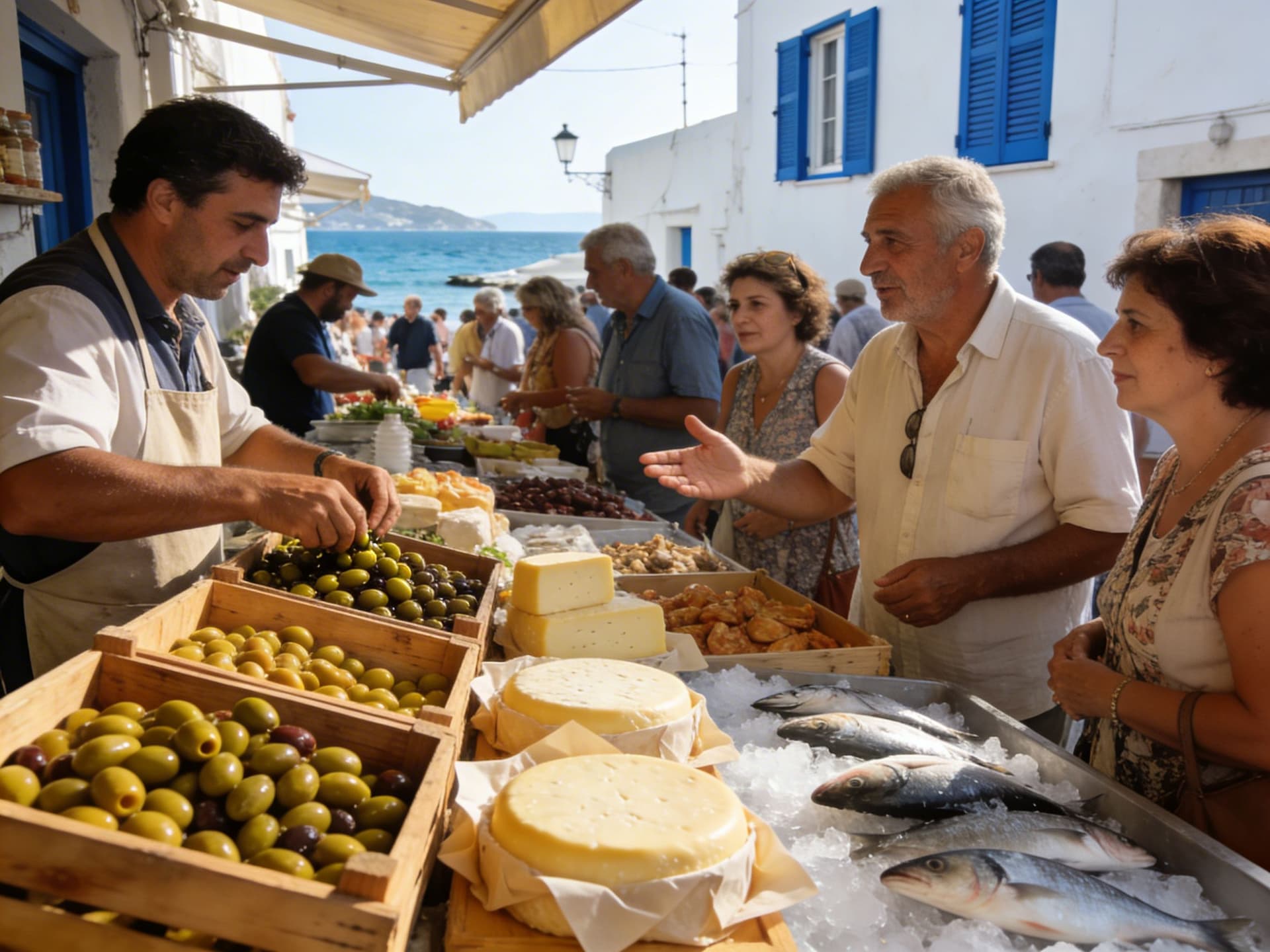
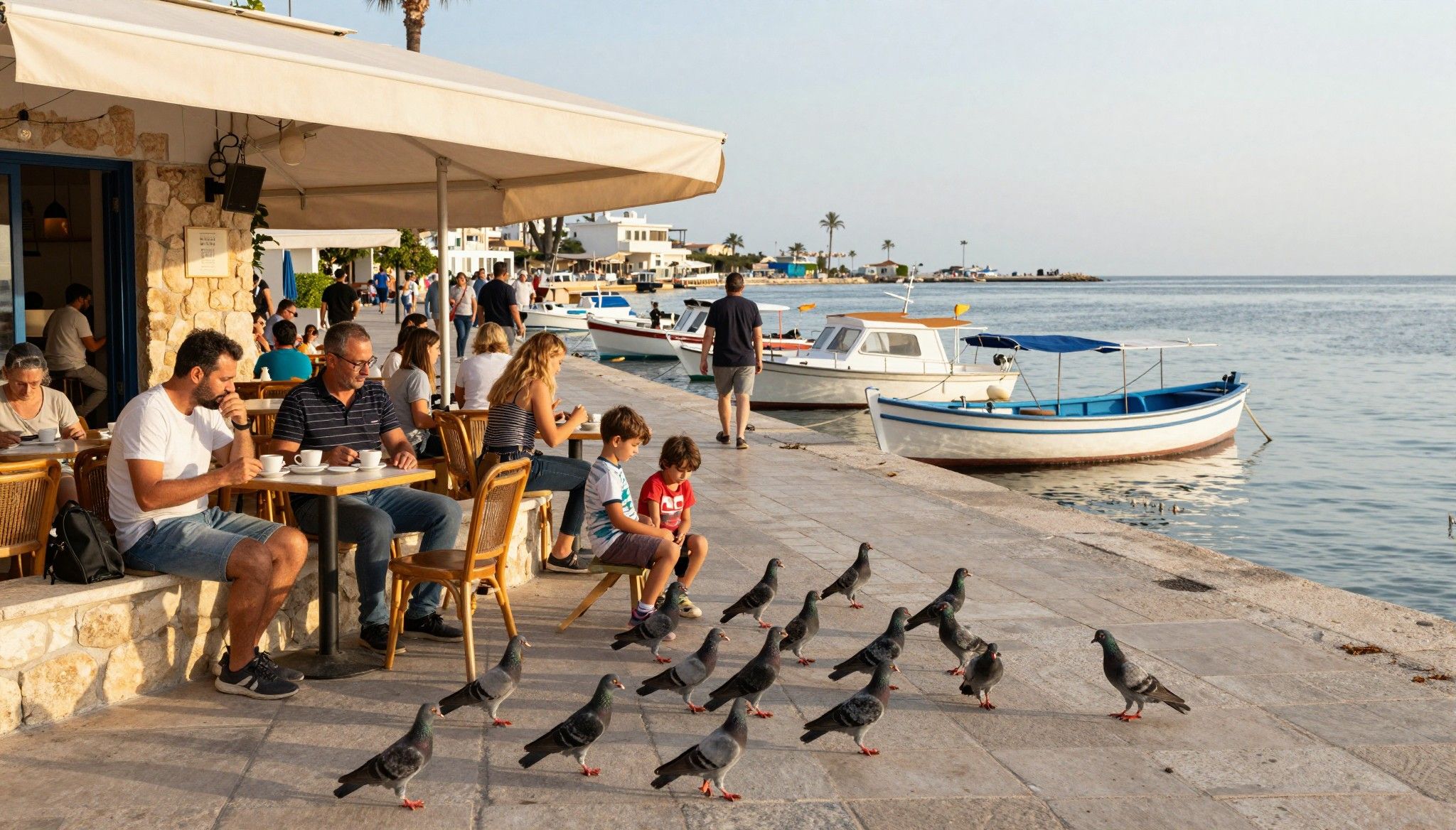
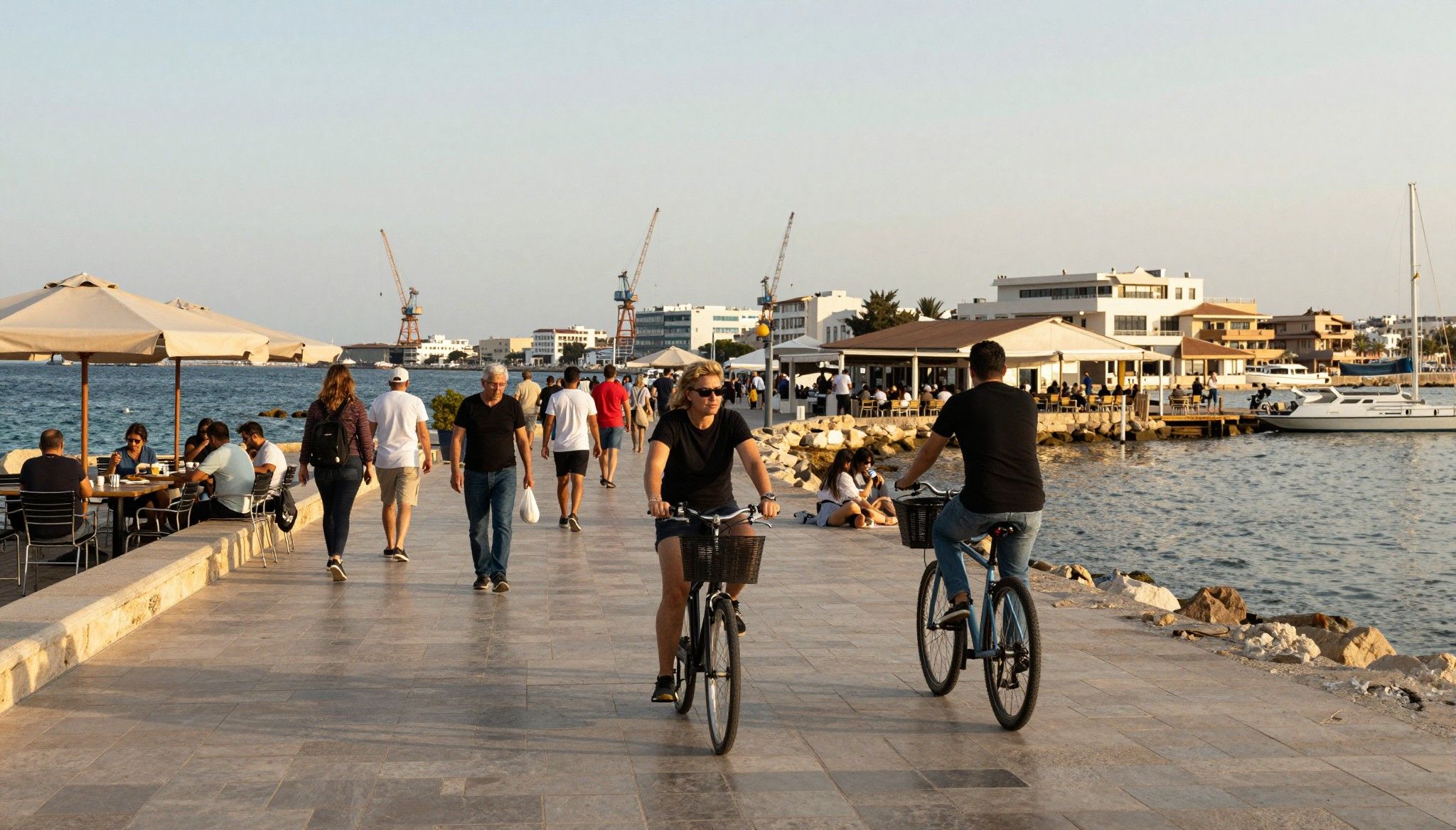
Greece lives at the intersection of urban hum and coastal ease. In Athens you can watch weekday life hum with espresso bars and bicycles, then in 30–40 minutes be on a pebbled beach along the Athenian Riviera. Islands such as Naxos or Paros are quieter, oriented around wind, family‑run tavernas and long summers, while Thessaloniki offers riverside cafés, a younger cultural scene and lower per‑square‑metre entry points. Sensing these differences — not just the map — is how you pick the right property for how you’ll actually live.
Athens: Koukaki, Pangrati and the Athenian Riviera
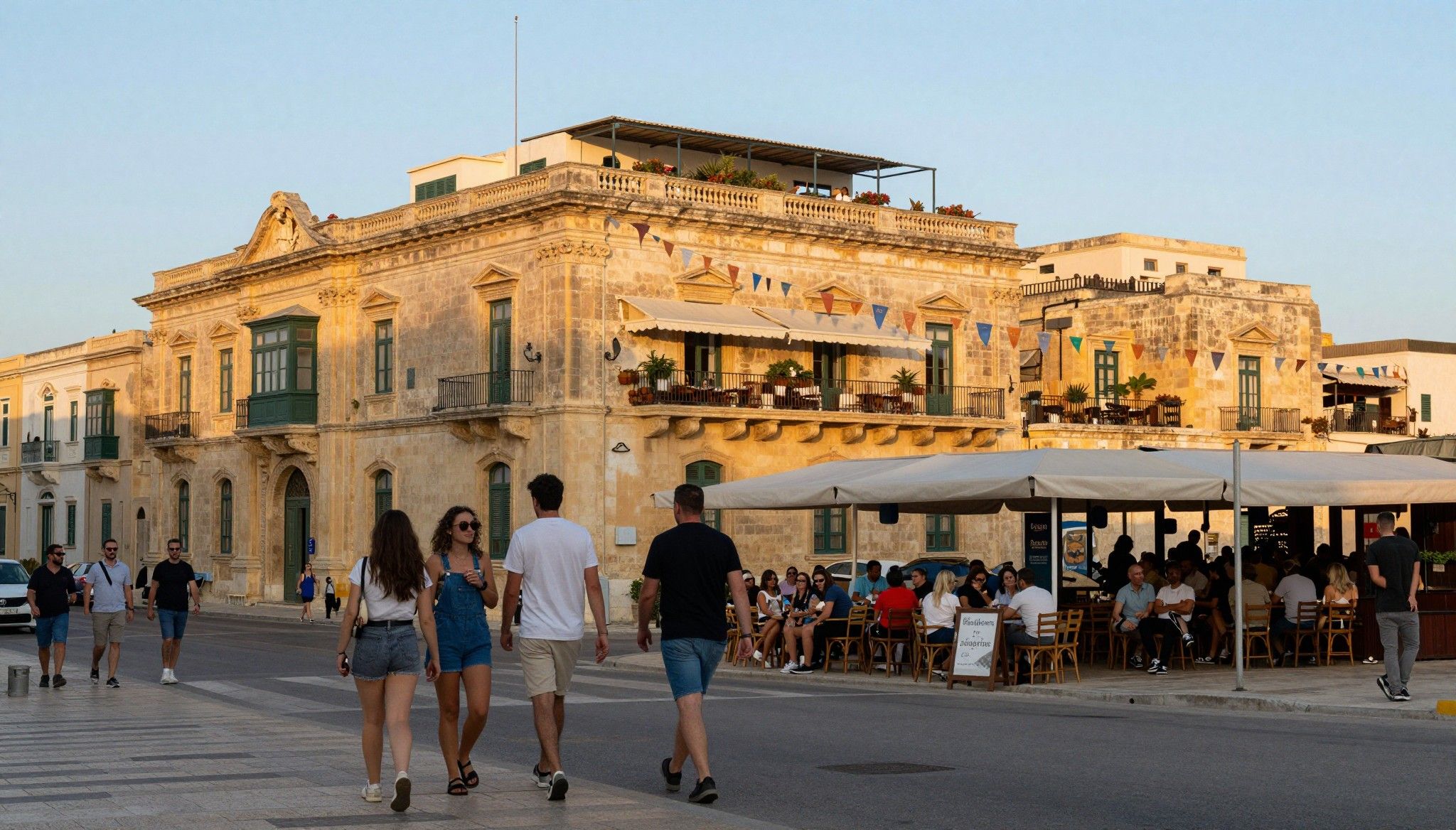
Koukaki feels lived‑in: narrow streets, neighbourhood bakeries and a loose creative energy that suits remote work and short rentals. Pangrati is quieter, with parks and a growing expatriate presence; it’s a choice for families who want city life without the tourist bustle. For shoreline living, Glyfada and Vouliagmeni provide marina facilities and coastal promenades — expect higher prices but superior amenity density. Each micro‑neighbourhood delivers a different daily pattern, so prioritize the rhythm you want over headline price per square metre.
Food, markets and weekend rituals
A day in a Greek town often begins at the market: fishmongers arranging sardines, feta wrapped in paper, bakeries steaming koulouri and spanakopita. Dinners are social — long, late and centred on small plates (meze) and local wines — and neighbourhood tavernas become the social living room. Seasonal rituals shape property life too: olive‑harvest weekends transform rural villages into clusters of family‑run feasts, while island low‑season reveals a quieter, more authentic pace that many buyers fall for.
- Morning espresso at Aegli Café (Koukaki); weekend shopping at Varvakios Market (Athens); evening stroll on Glyfada’s seafront; Sunday olive‑press visit in Peloponnese; late‑summer panigyri (village festival) on Paros.
Making the Move: Practical Choices That Match the Life
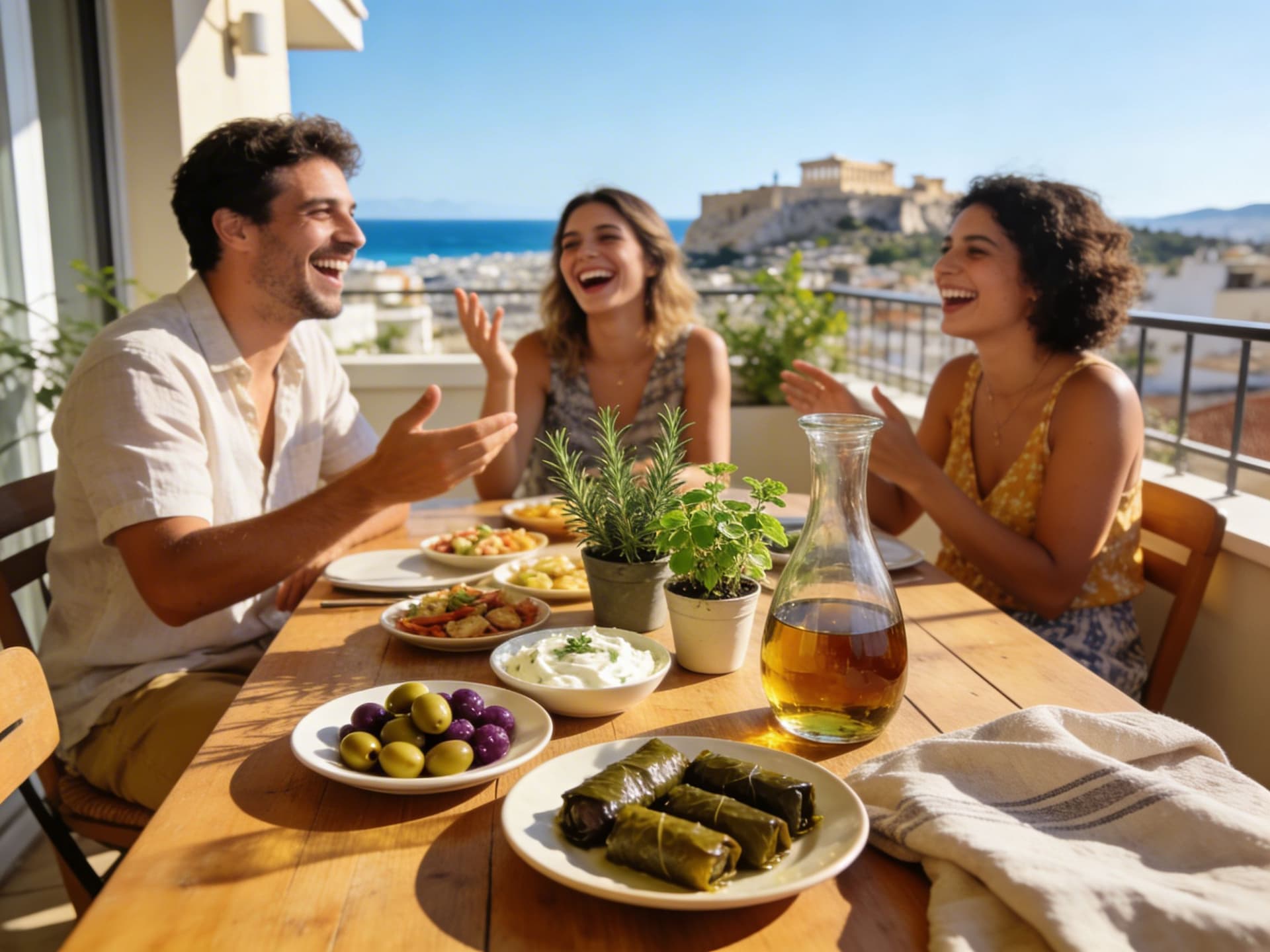
The lifestyle you crave determines the property type you should hunt for: a restored townhouse in Anafiotika suits someone who wants immediate village life; a modern apartment in Kolonaki fits those seeking cultural institutions and concierge‑level amenities. Recent market data shows continued price rises across Greece, so matching budget to lifestyle tiers avoids future regret. Use recent, local price indices and speak to agents who live the neighbourhood — not just list properties.
Property styles and how they affect living
Stone village homes come with thick walls and small windows that stay cool in summer but often need insulation upgrades for winter comfort; island houses trade year‑round heating for open terraces and cross‑breezes. New developments in Attica or Thessaloniki offer modern MEP (mechanical, electrical and plumbing) standards and energy performance, which matter for long‑term running costs. Factor renovation time, seasonal maintenance (salt corrosion on islands) and whether the property supports the lifestyle you want — terrace dining, hosting or year‑round rental.
Local experts: what to expect from the right agency
A good agency does more than show listings: they explain neighbourhood rhythms, point out seasonal maintenance (like when to check roofs before winter rains), and connect you with trusted architects, tax advisors and property managers. Given recent Golden Visa adjustments and rising prices in hot zones, agencies that combine legal partners with neighbourhood knowledge reduce costly surprises. Ask agencies for recent sold comparables, energy‑performance certificates and references from international clients.
- Decide lifestyle priorities (beach vs city vs island); shortlist neighbourhoods and visit in low and high seasons; secure a local law firm to run title searches; compare at least three agencies and request client references; budget for renovation, maintenance and energy upgrades.
Insider Knowledge: What Expats Wish They’d Known
Expats tell a consistent story: you buy the rhythm, not the view. Small practicalities — where the bakery is, how late the metro runs, whether the port operates in winter — shape day‑to‑day happiness more than a marginal price difference. Cultural integration takes time; learning basic Greek pleasantries, attending local festivals and becoming a regular at a kafeneio unlock community warmth that rental yield calculators won’t capture.
Language, community and everyday rituals
Start small: join a local association, take cooking classes, or volunteer at a neighbourhood festival. Greek social life is centred on reciprocity — favours and invitations go both ways — and visible effort to participate creates deep local ties. For families, proximity to public schools, playgrounds and medical clinics matters more than proximity to the tourist centre. Plan for the social transition as part of your purchase timeline.
Looking ahead: what makes a sustainable Greek life
Sustainability and legal compliance will define value retention: energy upgrades, proper permits for extensions, and flood or seismic‑aware renovations (where relevant) protect both lifestyle and investment. Market momentum has pushed prices up in 2024–2025, so realistic expectations — modest annual return forecasts and attention to rental seasonality — keep plans grounded. If you want both income and life, choose areas where year‑round services and a stable expat community exist.
- Red flags to watch for: missing building permits; unclear communal‑charge histories (condominium fees); coastal erosion or flood risk on some island plots; properties advertised without energy certificates; agencies unwilling to share recent sold comparables.
Conclusion: Greece delivers a particular kind of life — public markets at dawn, long dinners, neighbourhood festivals and coastal ease — and thoughtful buying preserves that life. Visit in both low and high season, prioritise the daily rhythms you want, choose property types that match those rhythms, and work with agencies that live in the areas they sell. If you pair romance with due diligence, Greece can be both an inspiring home and a resilient real‑estate story.
British investor turned advisor after buying in Costa del Sol since 2012. Specializes in cross-border compliance and data-driven investment strategies for UK buyers.