Italy: Buy the Neighbourhood Rhythm, Not the Postcard
Italy sells lifestyle first: match neighbourhood rhythms, seasonal reality and local market data (Istat, Knight Frank) to buy for life — not just for summer.
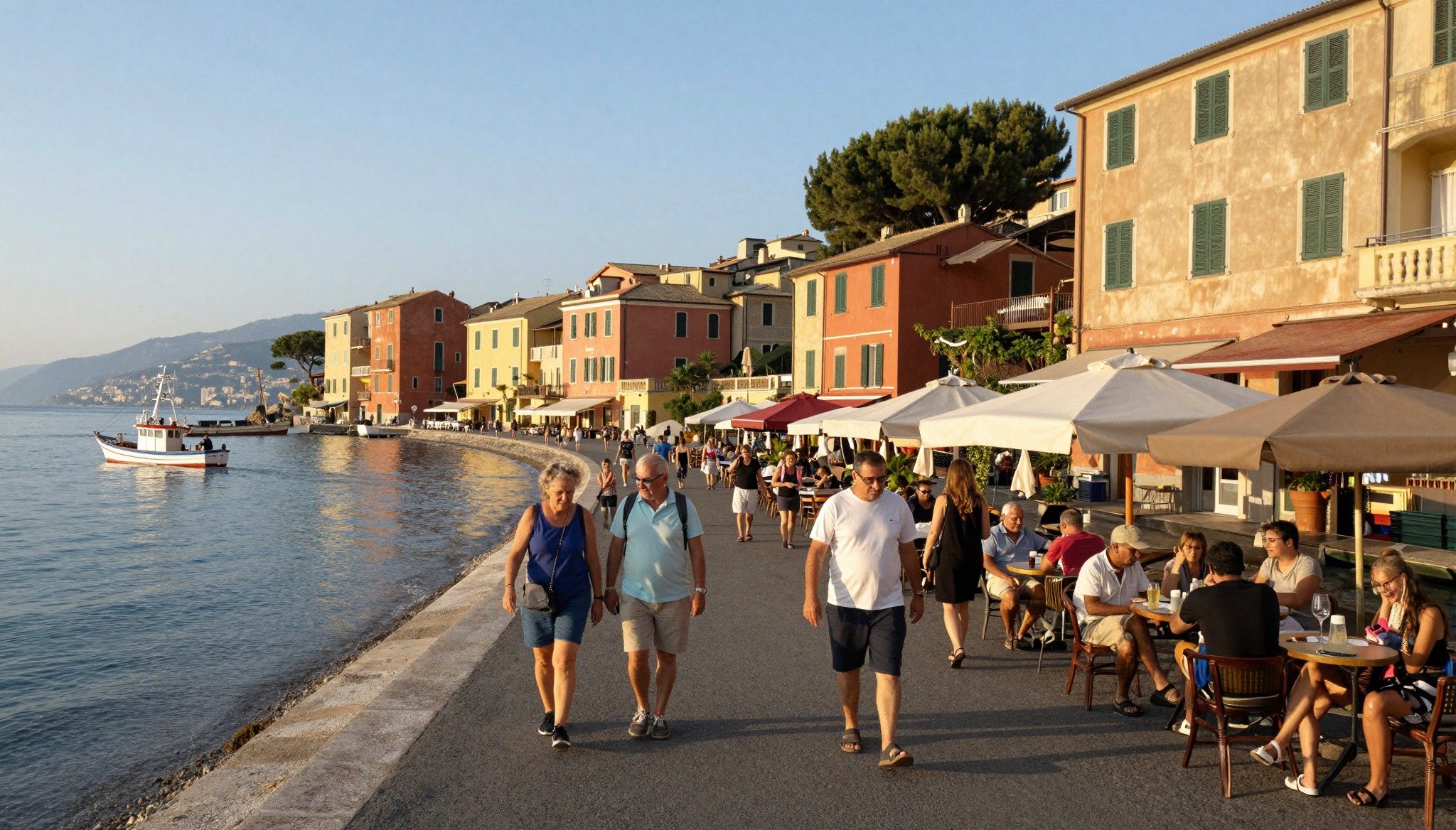
Imagine mornings at a corner bar on Via dei Tribunali in Naples, afternoons strolling the lungomare in Posillipo, and weekends hunting truffles in Piedmont — Italy is a tapestry of rhythms where food, family and place shape every decision about home. For international buyers, that sensory life is the first attraction; the second is a property market that behaves differently from headline labels. This piece pairs the lived-in Italy with up-to-date market signals so you fall for the lifestyle and make choices that stand up to scrutiny.
Living the Italy lifestyle
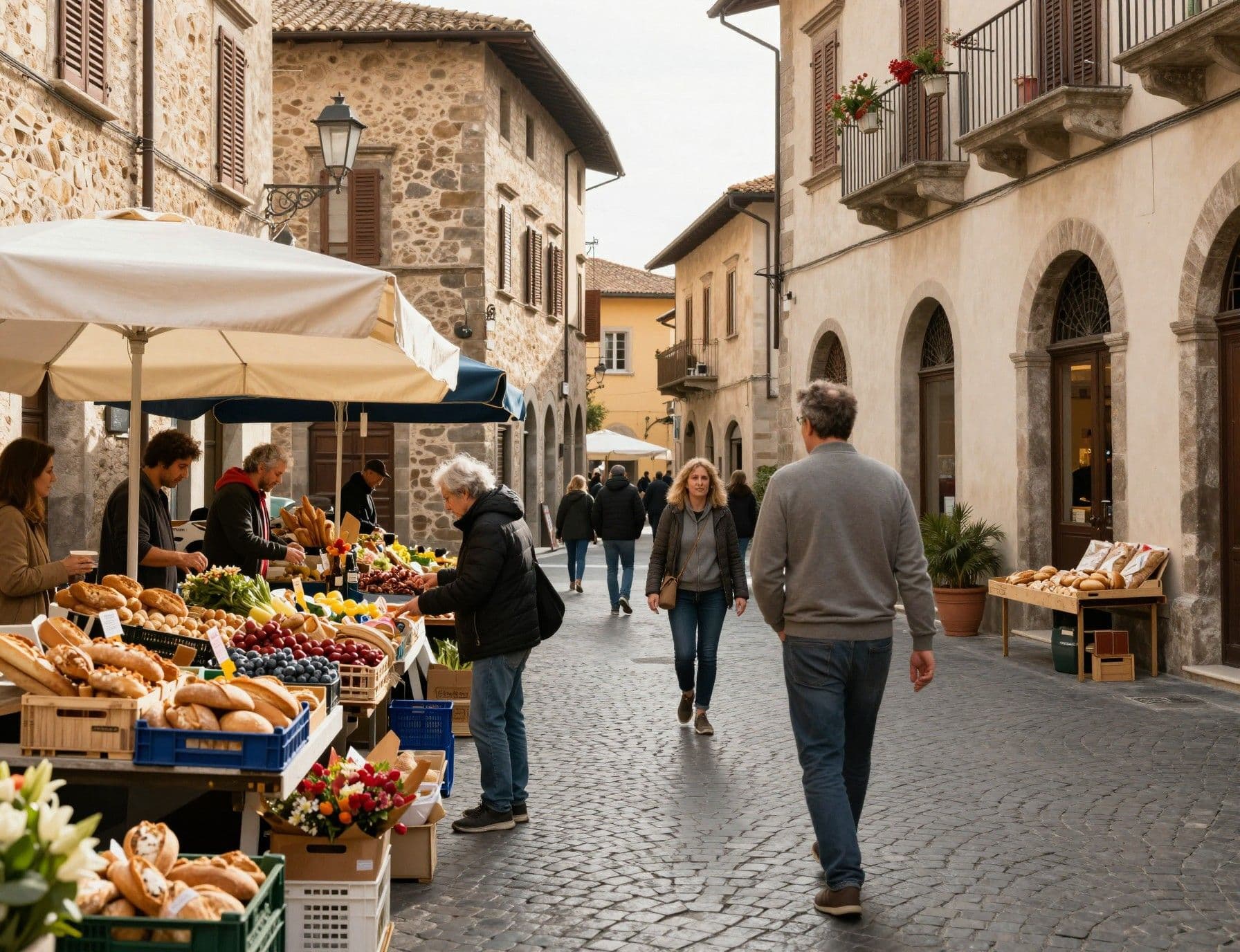
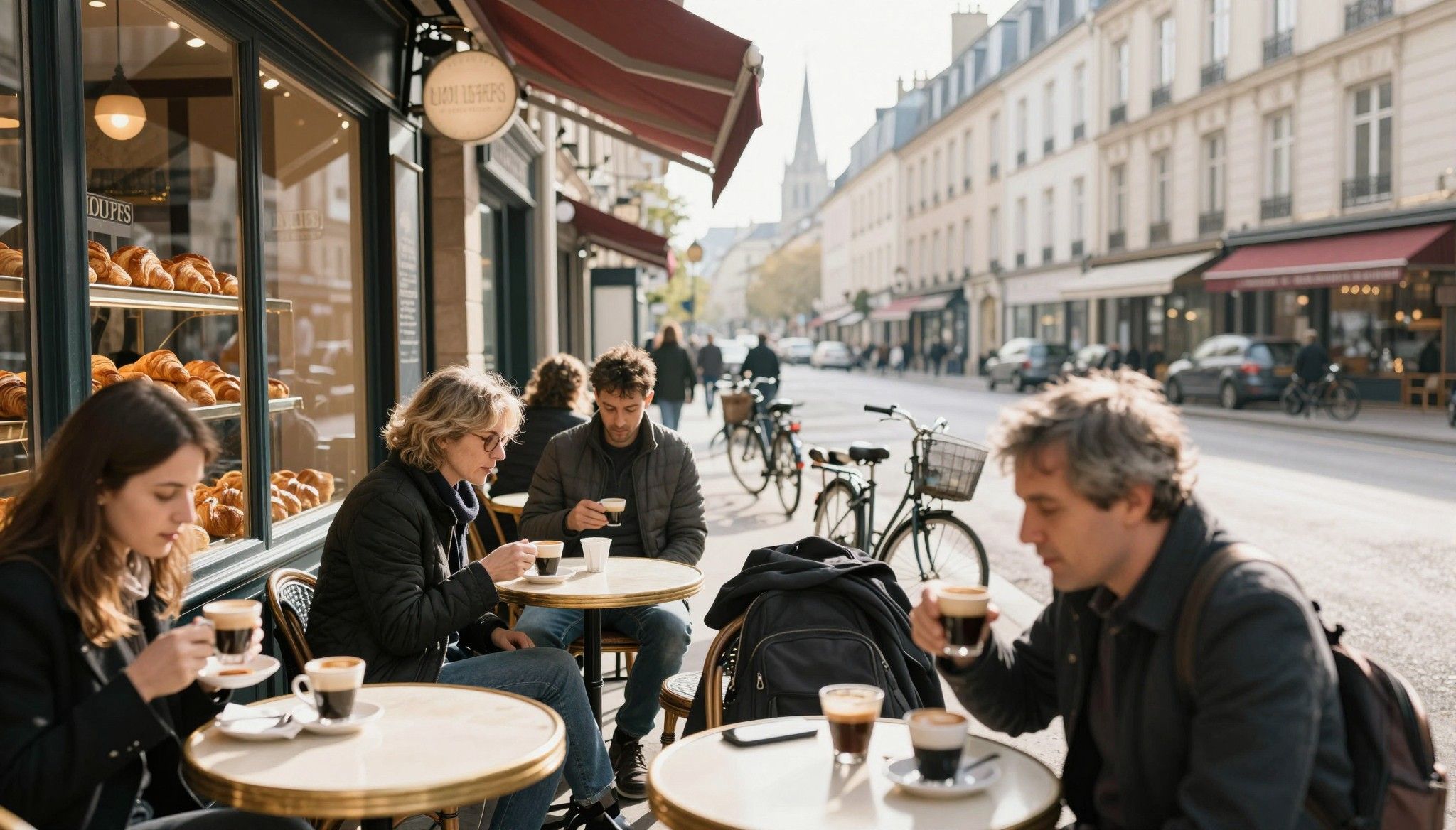
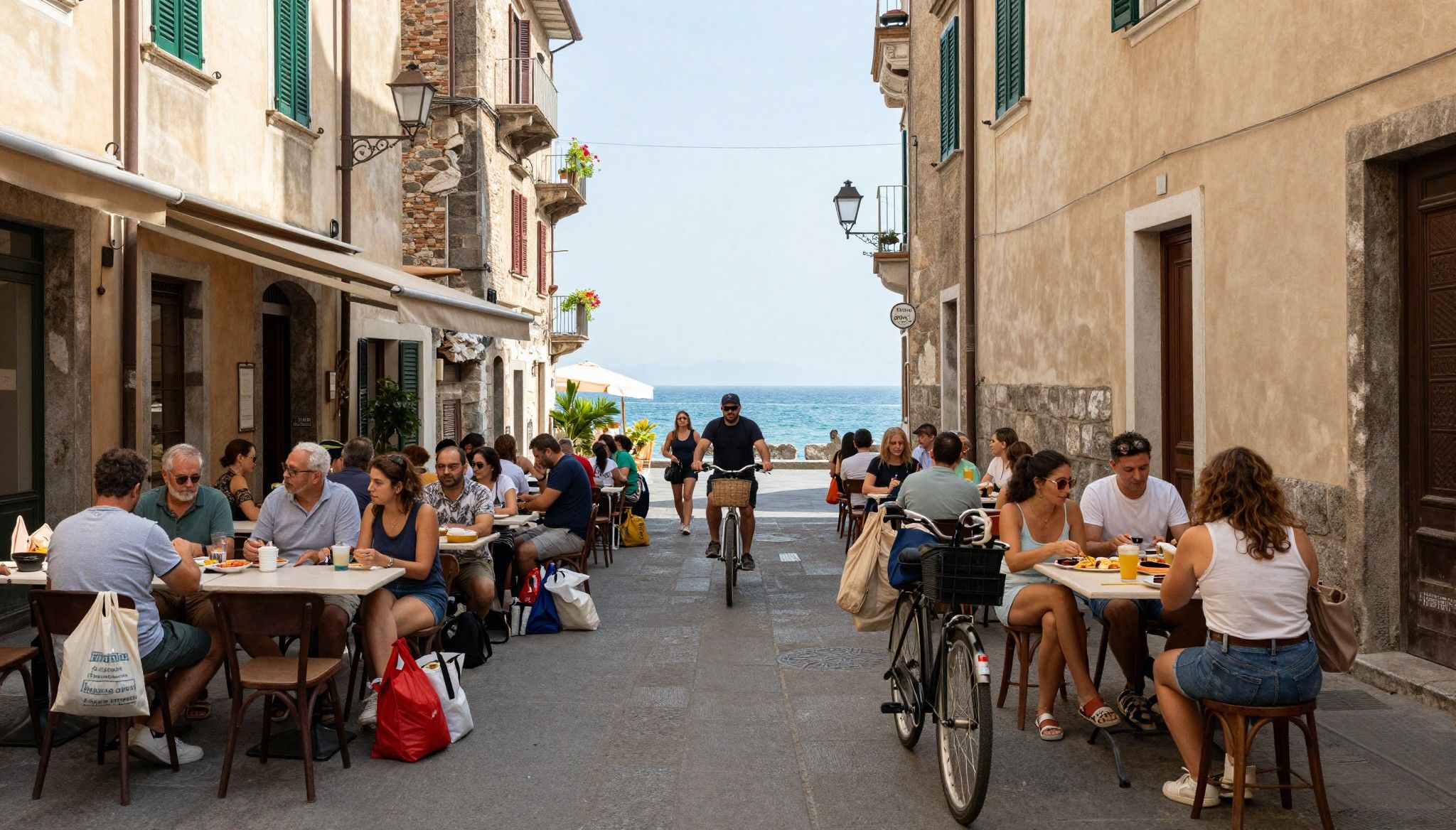
Italy’s everyday life moves at neighbourhood scale: coffee counters, weekly markets, and piazzas that refill every evening. In cities like Milan and Rome the tempo tightens — business lunches, aperitivo strips and design weeks — while coastal towns from Cinque Terre to Puglia keep a daily rhythm governed by sea, season and local festivals. Professionals and retirees choose different Italian rhythms, but both find consistent social infrastructures: local shops, active community associations, and year-round cultural calendars.
Neighborhood spotlight: Amalfi Coast vs. Florence Oltrarno
On the Amalfi Coast, expect steep lanes, lemon groves and terraces that compress life into outdoor rooms — mornings for market bargaining in Maiori, late afternoons for a swim at Fiordo di Furore. Oltrarno in Florence is opposite: artisan workshops, narrow streets punctuated by piazza life and a slower weekday rhythm. Both places reward buyers seeking cultural depth, but properties differ: terraced homes and vertical circulation dominate the coast; crafted apartments and restored palazzi define historic Florence.
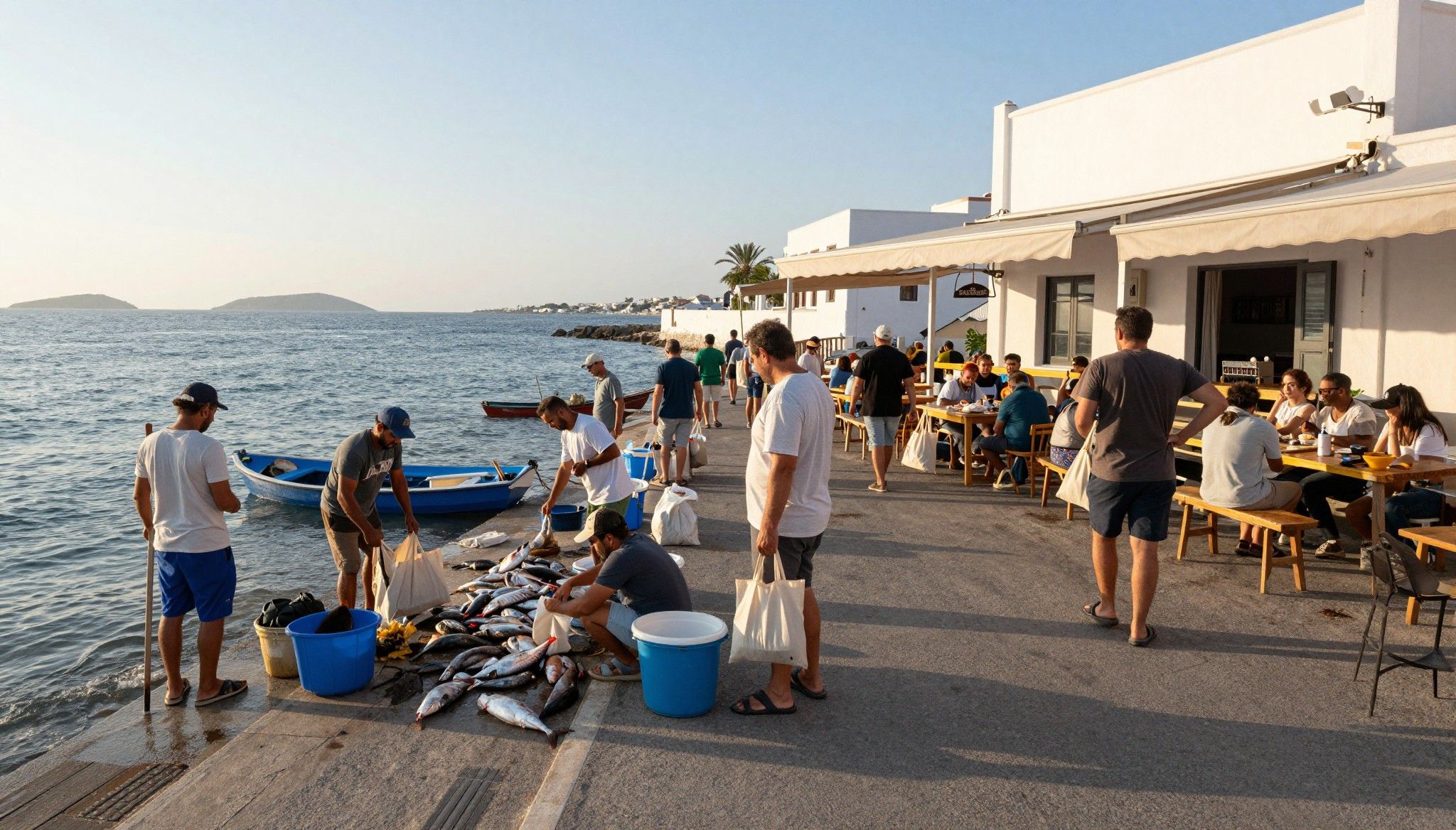
Food, markets and weekend rituals: you’ll buy into a lifestyle where fishmongers close when the catch’s done and seasonal produce dictates menus. In Palermo, open-air markets like Ballarò shape Saturday rituals; in Emilia-Romagna, Sunday lunches are tied to local producers. These routines matter because they determine the type of property that feels lived-in: a balcony for early-market returns in Palermo or a kitchen large enough for gatherings in Bologna.
- Lifestyle highlights to look for
- Morning espresso at a bar counter (Via Toledo, Naples; Via Brera, Milan)
- Weekend market runs (Mercato di Sant’Ambrogio, Florence; Mercato Centrale, Palermo)
- Coastal walks and beach clubs (Positano cliffs; Lignano Sabbiadoro promenades)
Making the move: lifestyle meets property reality
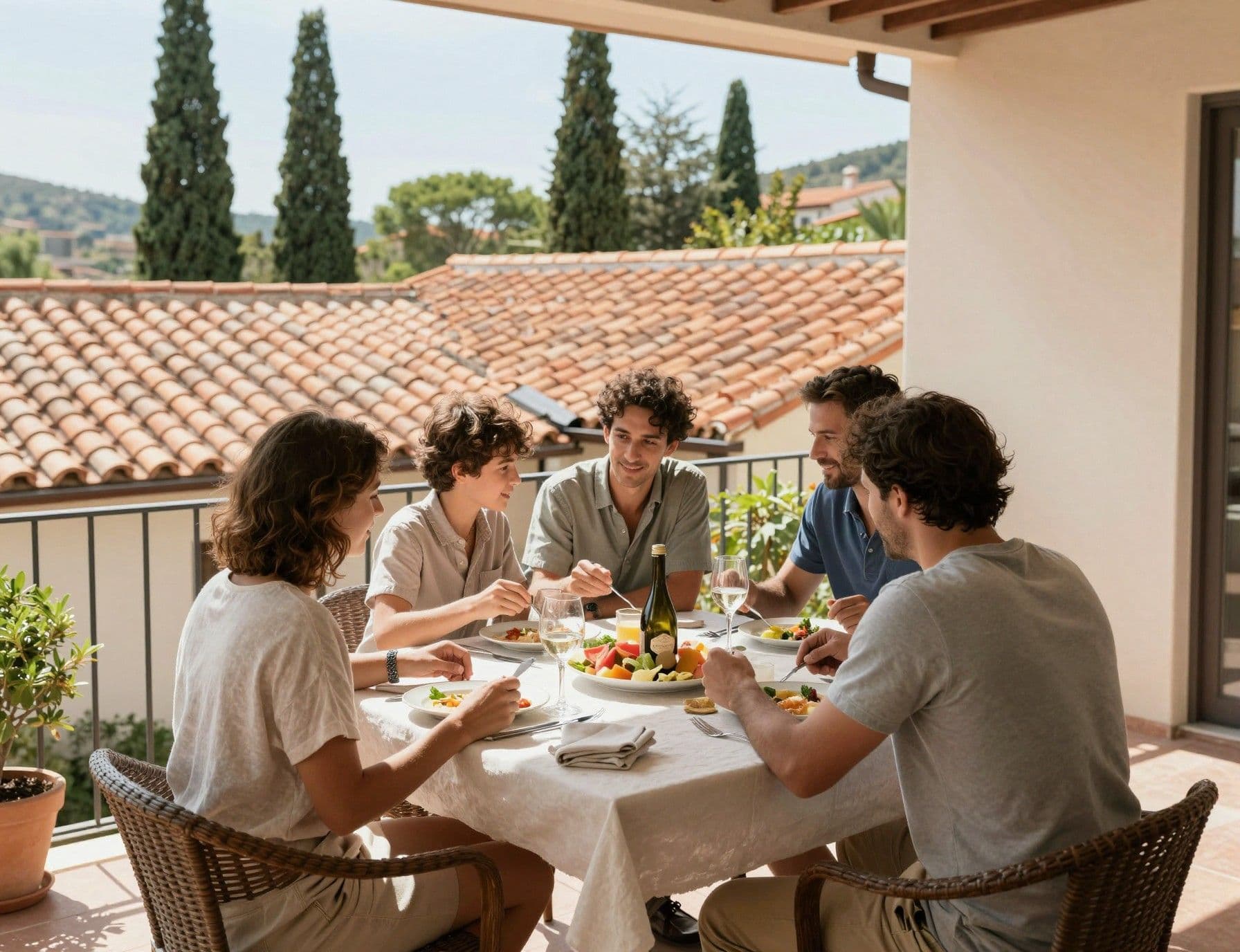
Dreams meet contracts: Italy’s market shows measured price growth in recent quarters, but region and segment matter. National indicators from Istat report steady house-price upticks in recent years, driven by demand in prime cities and sought-after coastal/lagoon areas. Translating that into a purchase means matching lifestyle priorities (daily market access, terrace, neighbourhood character) with property type and an objective read of local price movements.
Property types and how they shape daily life
Historic apartment in a palazzo offers immediate connection to street life but often requires compromises: smaller kitchens, shared stairwells and periodic maintenance. New-build villas provide space, insulation and outdoor rooms suited to entertaining, but may sit outside town centres. For buyers who prioritise everyday ritual — markets, cafés, walking — central apartments or townhouses in villages often deliver the richer lifestyle.
Working with local experts who understand place
Agencies that live and breathe the neighbourhood help you find homes that fit how you’ll actually live: which side of the building best catches afternoon light, where the local butcher speaks English, or which street empties on Monday mornings. Choose agents with local transaction history, renovation partners and a clear sense of seasonality for rentals if you plan to let the property.
- Steps to align lifestyle and purchase
- List neighbourhood must-haves (market, transport, health) and rank them by daily impact.
- Visit off-season to test daily life (winter markets, weekday noise levels, local services).
- Ask agents for recent comparable sales and for a renovation partner estimate before bidding.
Insider knowledge: expat truths and seasonal surprises
Expat buyers often misread seasonality: a coastal town that thrums in July can feel deserted in November, and that’s a feature, not a bug — it reveals local community resilience. In Tuscany and Lake Como, Knight Frank notes stronger buyer appetite for lifestyle-linked properties, which supports longer-term value. Practical implications: check heating systems, year-round transport and medical access before committing to a ‘summer dream’ home.
Cultural integration and everyday belonging
Language helps but is not mandatory: locals respond to effort more than fluency. Join a cucina class, weekly market or a volunteer festa committee and you’ll meet neighbours faster than through formal introductions. Many expats find smaller towns more welcoming for integration because community events are central to life; in big cities, join local clubs or co-working spaces to meet people with similar rhythms.
Long-term lifestyle considerations
Think five years ahead: will you want larger indoor space for family visits, better healthcare access, or year-round rental income? Property that matches current fantasies (small coastal pied-à-terre) may require significant upgrades to suit long-term needs. Balance dream and durability: energy-efficient improvements, waterproofing for seaside properties and insulation for mountain homes save money and preserve lifestyle quality.
- Red flags locals warn about
- A property marketed as ‘sea view’ but with limited access to the shoreline — verify walking distance and rights of way.
- Old roof and no recent electrical cert — ask for receipts and contractor references.
Conclusion: Italy sells a lifestyle first and an asset second. Use neighbourhood visits across seasons, lean on local agencies with renovation networks, and anchor decisions in recent market data (see Istat and market reports) to balance romance with resilience. If you want, we’ll connect you to agents who can show contrasting neighbourhoods in one week and produce comparable sales so you can feel the place and verify the price.
Danish relocation specialist who has lived in Barcelona since 2016. Helps families move abroad with onboarding, schooling, and local services.