Why Greece’s ‘Cheap’ Label Hides Smart Coastal Buys
Greece isn’t uniformly ‘cheap’—value often hides in walkable coastal towns and second‑tier islands where daily life and policy shifts create durable opportunities.
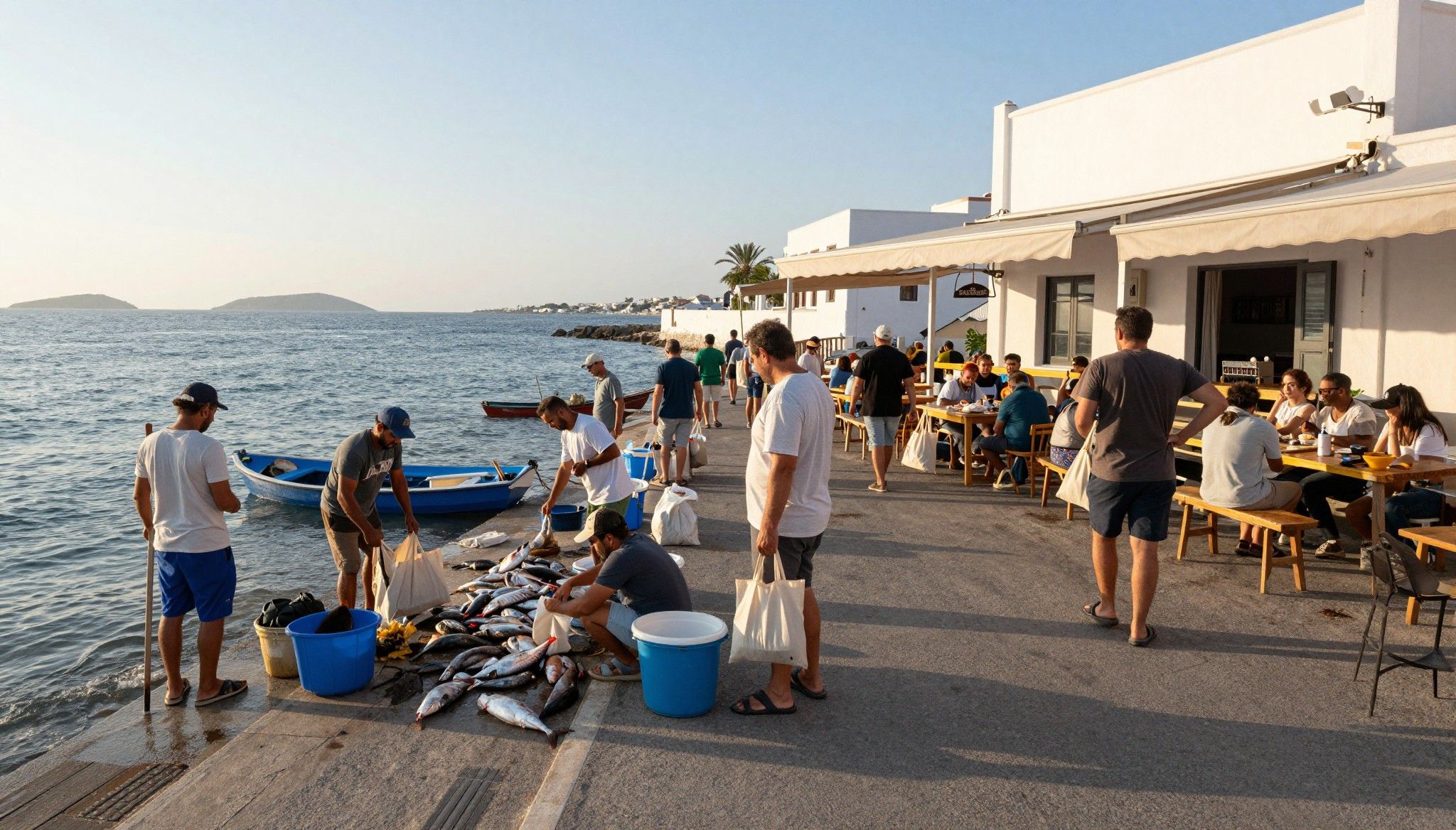
Imagine waking to a neighbourhood espresso and a sea breeze, then walking twenty minutes to a market where fishermen and bakers swap news. That rhythm—the small rituals, the friendly shopkeepers, the way a town fills and empties with tourists—is what buying in Greece really buys you. Yet headline claims that the country is uniformly “cheap” miss how local supply, tourism cycles and new visa rules shape value on the ground. This piece shows where the overlooked opportunity sits: coastal towns and second‑tier islands with authentic daily life and measurable upside, backed by market data and recent policy change.
Living the Greece lifestyle: everyday scenes that sell a life, not a postcard
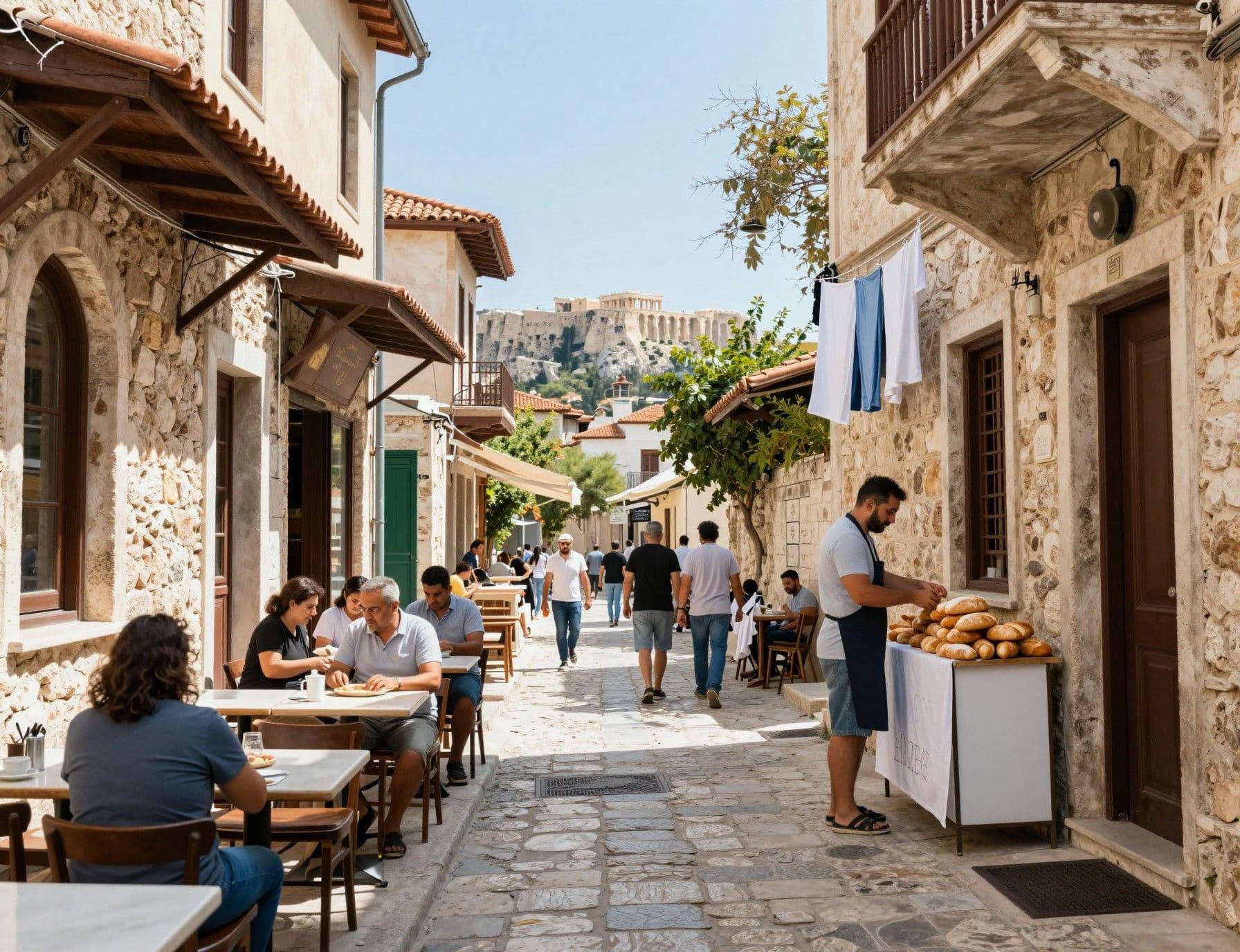
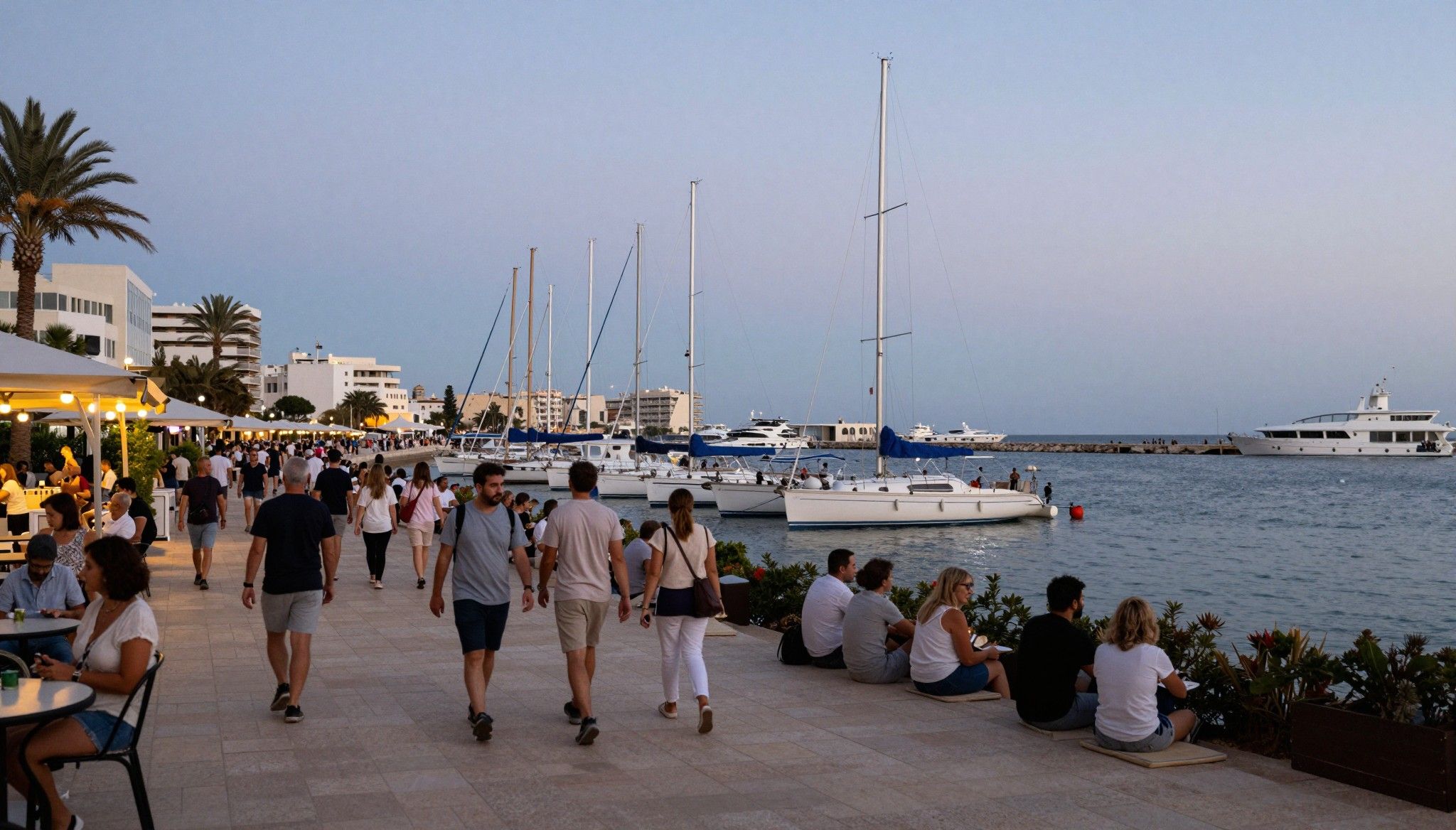
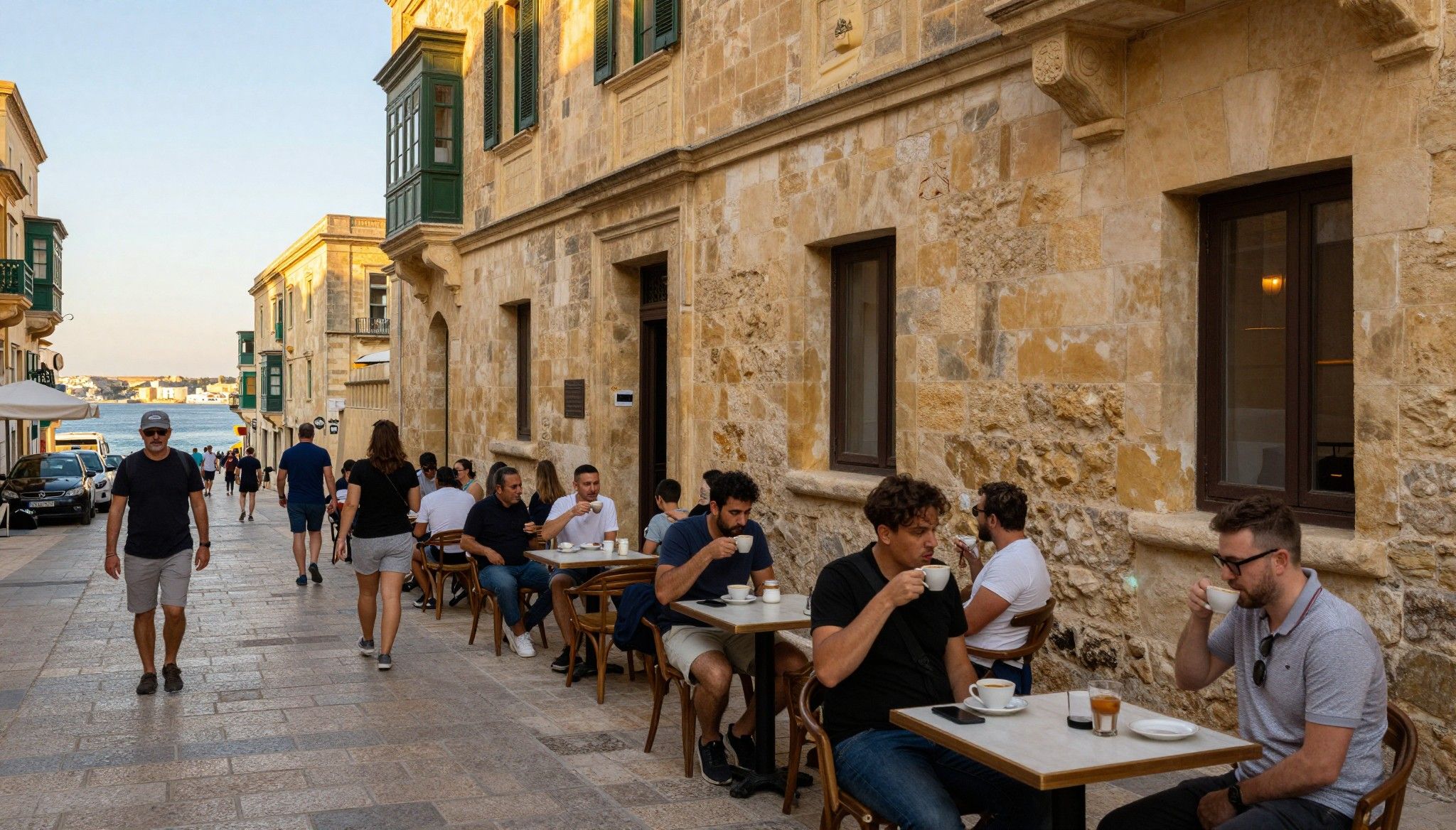
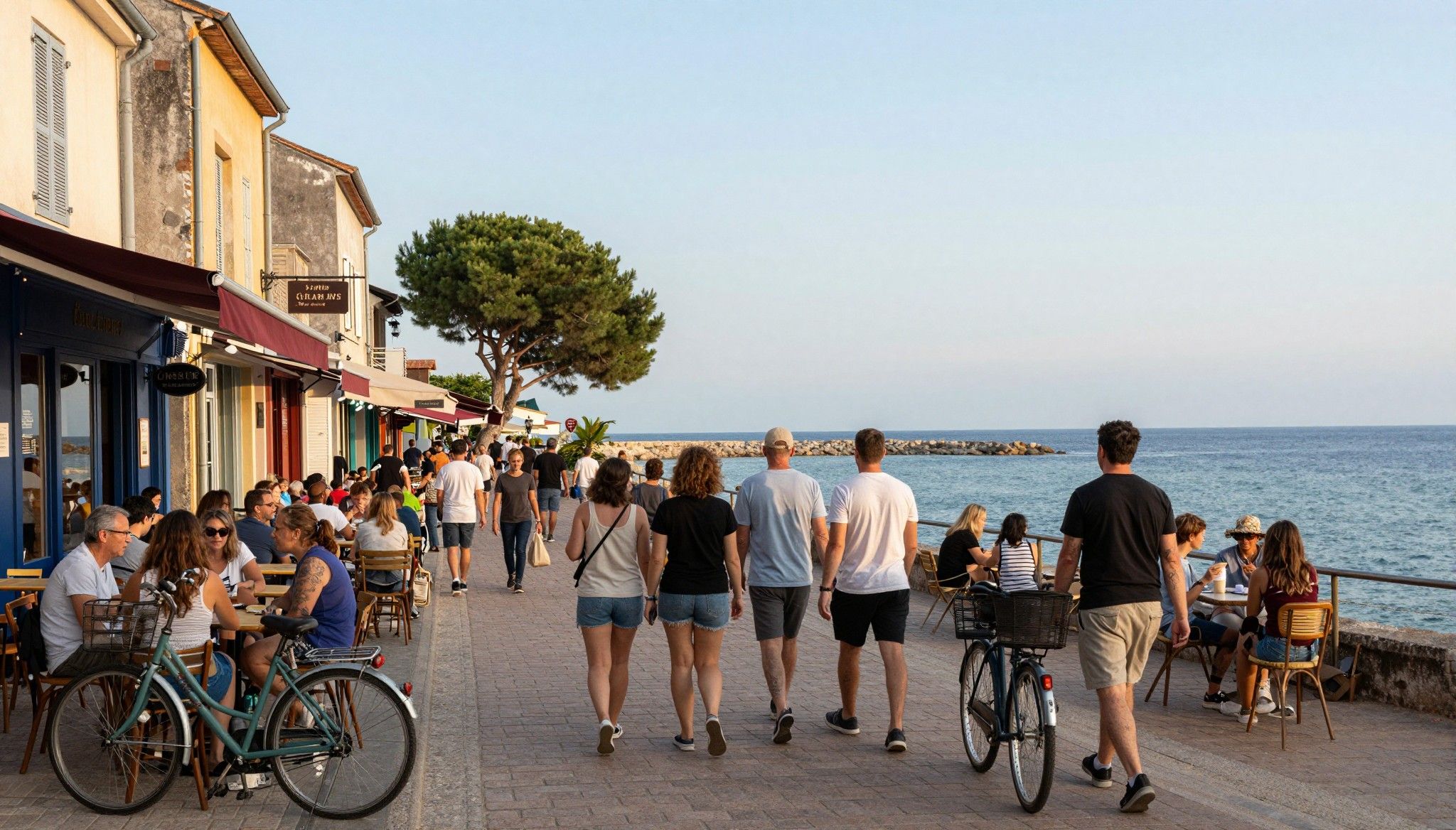
Start in Athens’ Koukaki neighbourhood and you feel how Greece layers history with ordinary life: morning coffee at a corner kafeneio, late‑afternoon markets, and rooftop dinners as the Acropolis glows. Move to Glyfada and the pace shifts—marinas, beachside promenades and international cafés attract buyers who want convenience with coastal living. On second‑tier islands such as Naxos or Tinos, mornings still belong to locals; tavernas open when fishermen arrive and property prices lag better‑known islands, offering relative value with island life intact. These scenes explain why many buyers trade a postcard view for a place where life works daily, not just in high season.
Neighbourhood spotlight: Koukaki and Anafiotika — daily life within walking distance
Koukaki’s small streets, neighbourhood bakeries and late‑night taverna culture create a sense of community that skyscraper penthouses cannot buy. Anafiotika’s whitewashed lanes feel island‑like inside the city—perfect for buyers who prioritise walkability and cultural connection. When you choose a neighbourhood like this you buy access to routine pleasures: a favourite café, the greengrocer who knows your name, and a square where neighbours linger. For buyers, that translates into steady rental demand for mid‑term tenants and long‑term resale appeal.
Food, markets and seasons: how Greek rhythms shape property life
Picture Saturday at Varvakios Market in Athens or the seaside fish market in Chania: fresh produce, weekly rituals and neighbourhood cafés that double as living rooms. Food culture shapes when and where people gather, which is why properties near markets and squares command steady year‑round interest. Seasonality matters: islands pulse in July–August but many mainland towns have consistent demand through cultural festivals and local economies. In practice, buyers who prioritise proximity to markets, bakeries and tavernas often enjoy higher utilisation outside peak tourist months.
- Lifestyle highlights: places and experiences that define daily life
- Koukaki: cafés, bookshops and rooftop views of the Acropolis
- Glyfada promenade: morning swims and marina side brunches
- Naxos town: family‑run tavernas, local markets and lower seasonal pressure
Making the move: how lifestyle choices map to property strategy
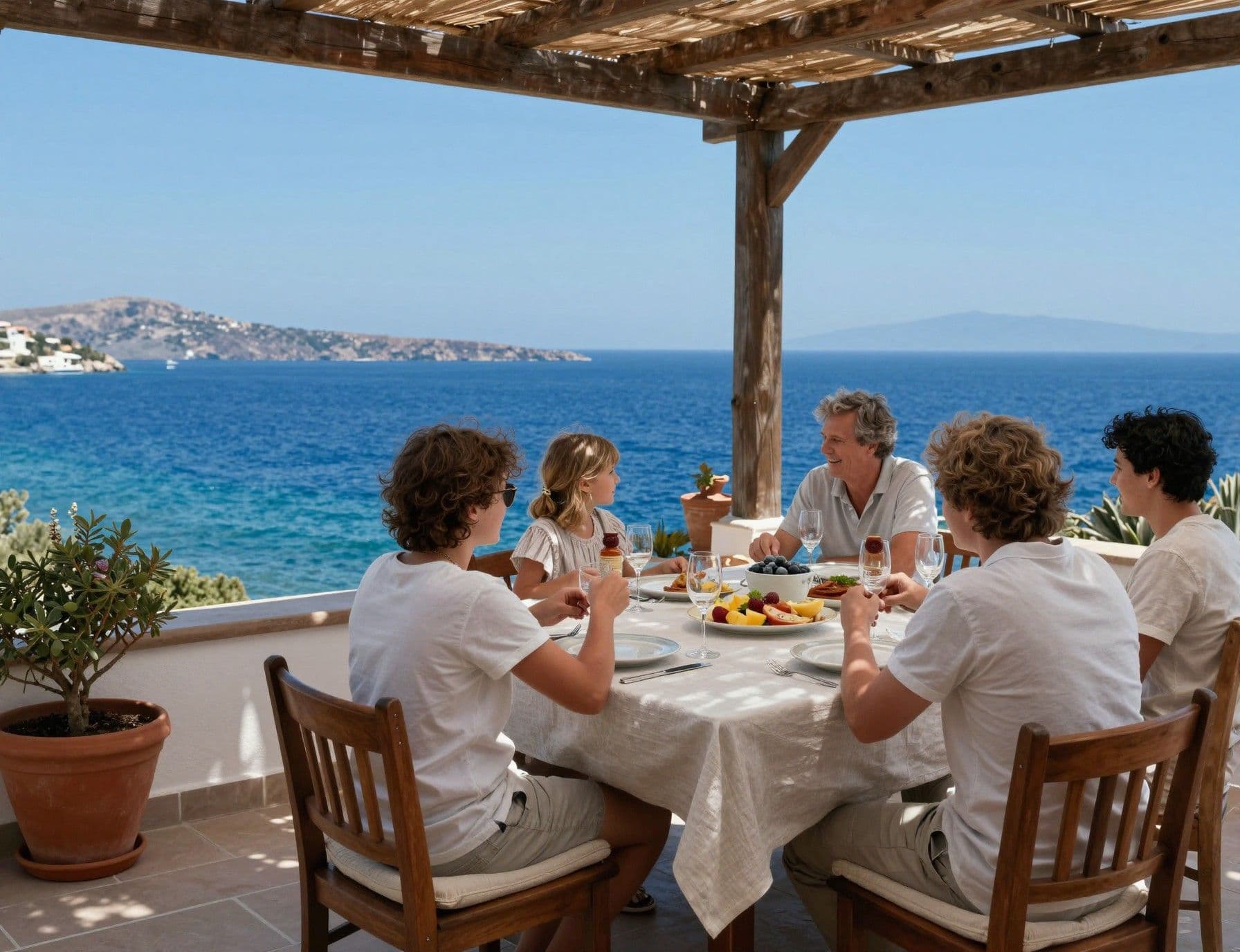
The romance of a sea‑side morning must be matched to market reality: national prices rose in recent years as demand from foreigners and limited new supply tightened availability. Bank of Greece and local portals show urban apartment price growth and constrained new building activity, which means location choice matters more than ever. For buyers, that translates into two practical rules: prioritise places with year‑round economic activity, and work with local agents who know off‑market stock and seasonal demand patterns. Implementing those rules reduces mistakes that come from buying only during summer visits.
Property styles and how you’ll actually live in them
Stone houses with courtyards fit slow‑summer island life but demand careful waterproofing and insulation for winter use. New builds near marinas offer low maintenance and better facilities, but HOA costs and tourist season management can erode net returns. In Athens, a renovated 2‑bed in Koukaki often yields steady mid‑term lets to professionals and diplomats; on Naxos, similar budgets buy larger homes with private terraces and rarer year‑round renters. Match the property type to the life you want: compact urban flats for everyday culture, larger island homes for seasonal escape with rental potential.
Working with local experts: what to expect from a Greek agent
A strong local agent in Greece is part market‑translator, part culture guide and part project manager. Expect them to arrange site visits, connect you with reliable notaries, and flag seasonality issues like short‑term rental restrictions or HOA bylaws. After 2023–2024 changes to residency‑by‑investment rules, agents also must advise on which locations still qualify for visa schemes and what deadlines apply. Use an agent who demonstrates recent sales in your target neighbourhood and offers transparent fee schedules—those are the most helpful indicators of competence.
- Step‑by‑step decision checklist to marry life and investment
- Visit the neighbourhood off‑peak (autumn or spring) and spend 48 hours living its rhythms before making decisions.
- Ask an agent for a 12‑month occupancy and maintenance projection, not just summer yield estimates.
- Confirm Golden Visa and local planning thresholds for your target island or municipality before placing an offer.
- Prioritise properties within walking distance of markets, transport links or medical centres to ensure year‑round demand.
Insider knowledge: expat lessons and red flags locals warn about
Expat buyers we spoke with (and local agents confirm) repeat the same mistakes: buying solely on a summer visit, underestimating winter upkeep, and ignoring local planning constraints. A common red flag is properties marketed as “full sea view” but reachable only via steep, privately maintained lanes—fine for holidays, problematic for daily life. Another warning: promises about visa eligibility can change quickly; policy updates in 2023–2024 tightened thresholds in high‑demand islands and Athens. Good due diligence combines live experience, written confirmations from notaries and a buffer for policy shifts.
Cultural tips that change where you buy
Greece values neighbourhood ties: small favours, friendly greetings and a preference for long‑term tenants in many towns. Learning basic Greek phrases and showing respect for local rhythms opens doors—landlords and municipal officials respond to personal rapport. Also note that municipal services vary: some islands operate with reduced winter hours which affects maintenance, deliveries and administrative tasks. These cultural realities influence whether a property feels like home or becomes a project.
Long‑term lifestyle and investment outlook
Greece’s market has moved from recovery into a more mature growth phase with improving financing conditions and steady foreign interest. Supply constraints and targeted policy tightening may reduce speculative buying in flagship islands while creating opportunity in accessible alternatives. For a buyer focused on life quality and resilient returns, that means looking beyond the highest‑priced islands and choosing places that combine everyday services, seasonal appeal and clear legal documentation.
Conclusion: love the life you’ll live, then find the property that supports it. Spend time in neighbourhoods in autumn or spring, insist on written confirmations for visa or planning claims, work with agents who have verifiable local sales, and prioritise walkability to markets and services. Do that and Greece stops being a postcard and becomes the place where you build a practical, beautiful life.
Dutch investment strategist with a Portugal-Spain portfolio. Expert in cross-border financing, rights, and streamlined due diligence for international buyers.