The Village French Buyers Skip — A New‑Build Sweetspot
New-builds in overlooked French towns pair authentic village life with a recovering pipeline—confirm permits, developer track record and year-round amenities before buying.
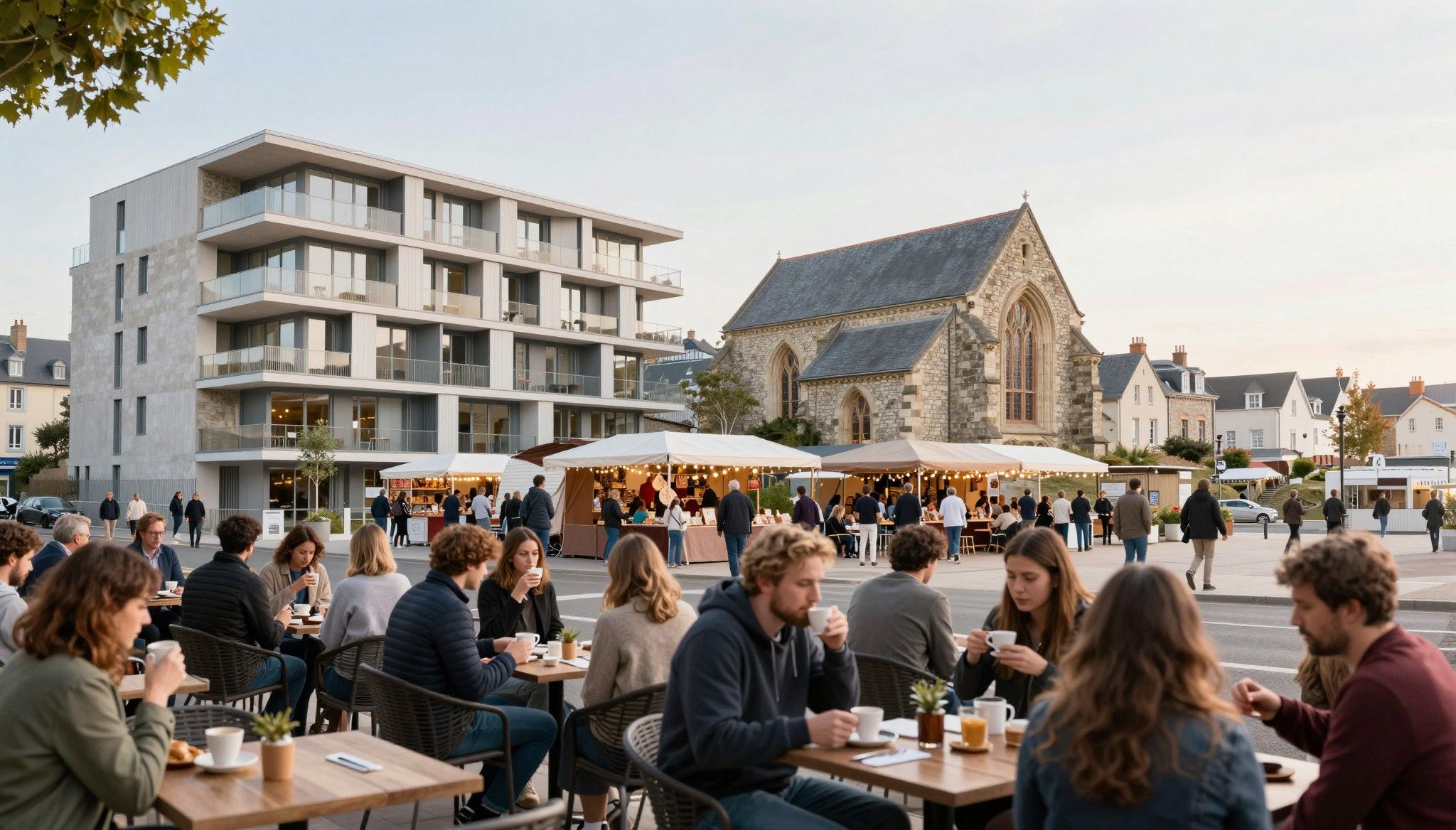
Imagine walking a sunlit market square in a Breton or Occitan village, croissant in hand, then stepping five minutes to a contemporary new- build with a terrace and sea glimpses. That contrast — old stone and smart new‑build comfort — is France’s quiet opportunity: high-quality pipeline projects in places buyers assume are "off the map." Recent INSEE housing data shows the national pipeline is shifting unevenly, making some overlooked towns genuine sweetspots for international buyers.
Living the French life: why small towns surprise
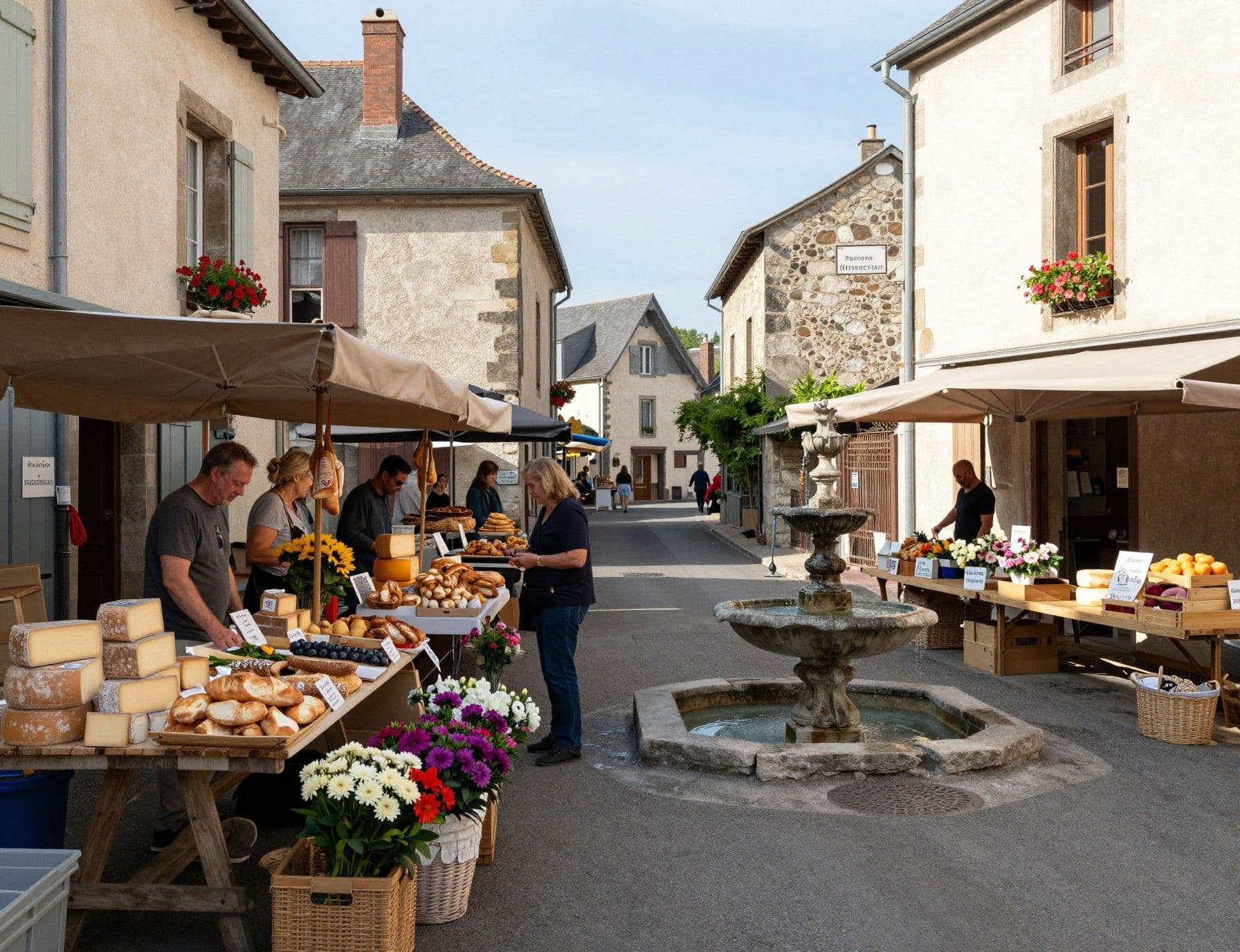
France’s romance is not only Parisian boulevards or the Côte d’Azur; it’s weekday rhythms — boulangeries by 08:00, Saturday markets, an after-work aperitif on the village square. In many regions, that everyday charm now sits beside tasteful new developments: low-rise apartment blocks, timber-frame row houses, and energy-efficient villas built to recent regulation standards. These projects give international buyers the lifestyle they crave with modern comforts and lower price pressure than headline coastal towns.
Spotlight: coastal towns beyond the Riviera
Think La Rochelle satellite towns, the western Vendée stretch, or smaller harbors in Languedoc. Notaires de France reports a dip in new‑build supply overall, but also a modest recovery in delivery in 2024–25 in non‑metropolitan pockets — projects here combine local life with relatively stable price trajectories, and often faster completion times than large urban schemes.
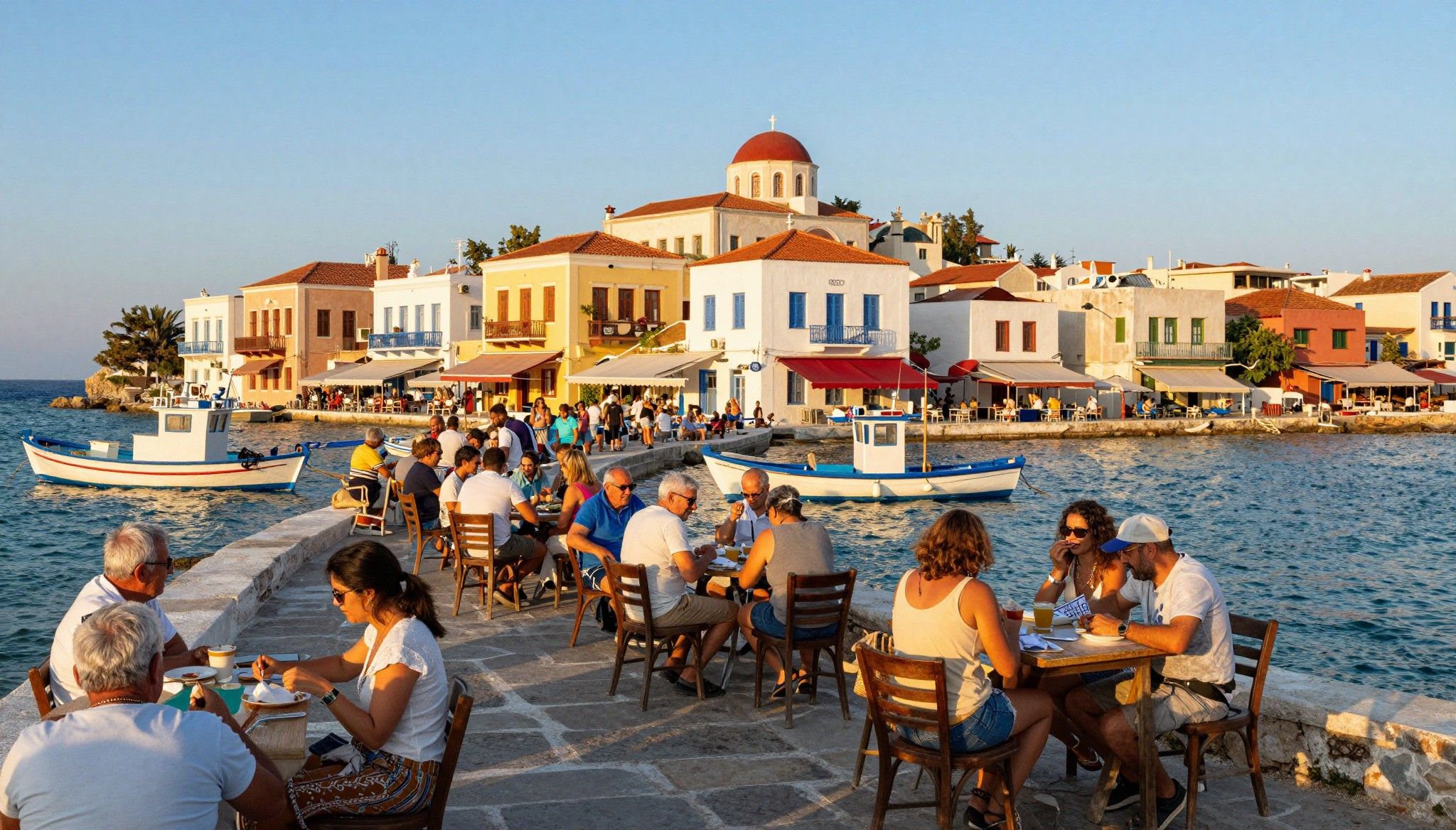
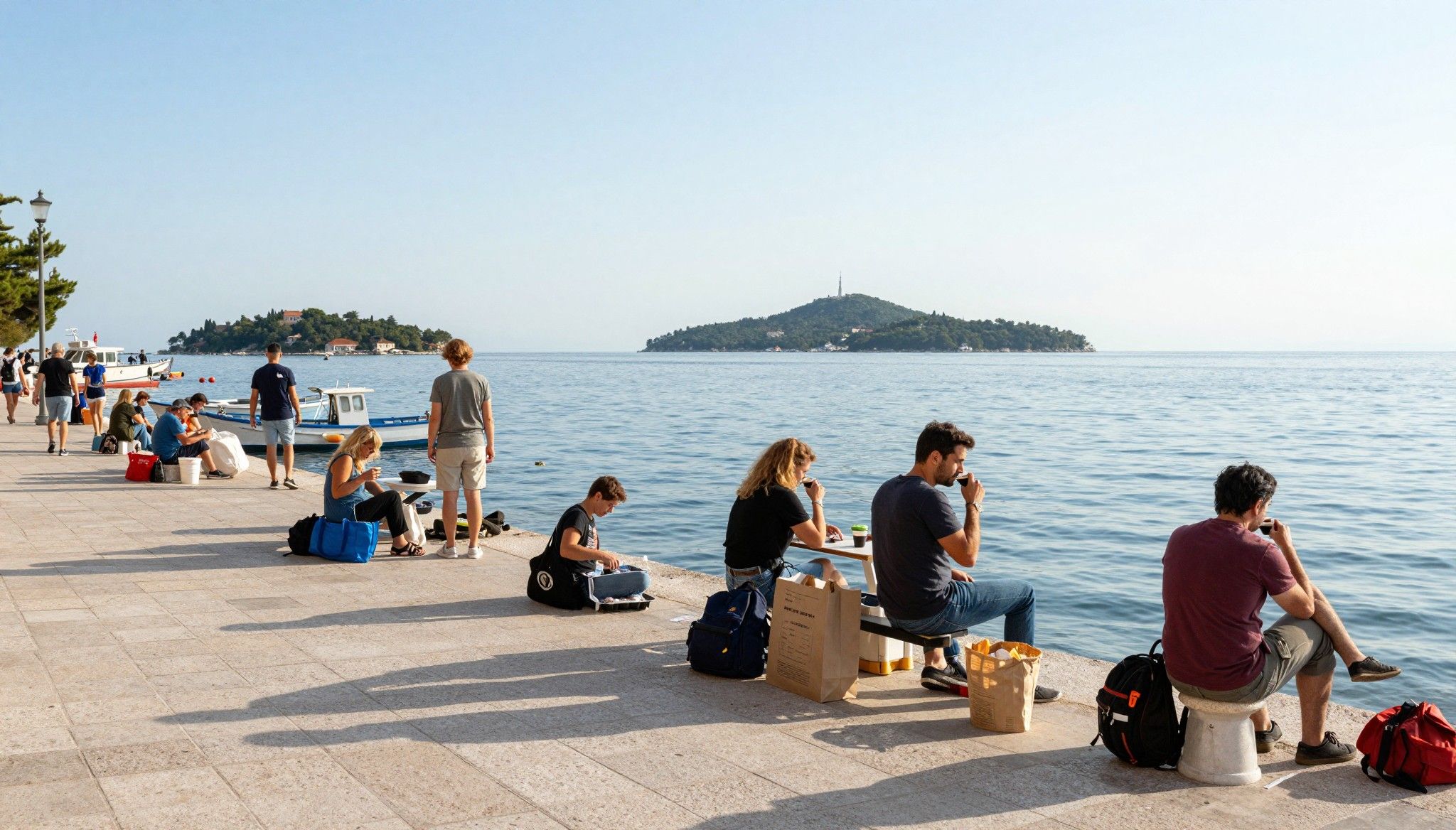
These places trade the showy glamour of Nice for practical daily pleasures: seafood on a stone quay, morning markets on Rue du Marché, the local café where owners already greet you by name. For buyers, that means lifestyle authenticity without the Riviera premiums — and new developments designed to fit the village scale rather than dominate it.
Food, markets and neighbourly rhythm
Picture Sunday market rituals: fresh chèvre, chiffonade of basil, a baker who remembers your order. These rituals shape where locals choose to live — proximity to market squares, accessible boulangeries, and a walkable street network often matter more than sea views. New developments that respect this layout — ground-floor shops, covered arcades, compact courtyards — routinely outperform cookie‑cutter condo blocks when it comes to long‑term desirability.
- Lifestyle highlights buyers often miss
- Weekly marché with regional producers (identify projects within 500–800 m of the main square)
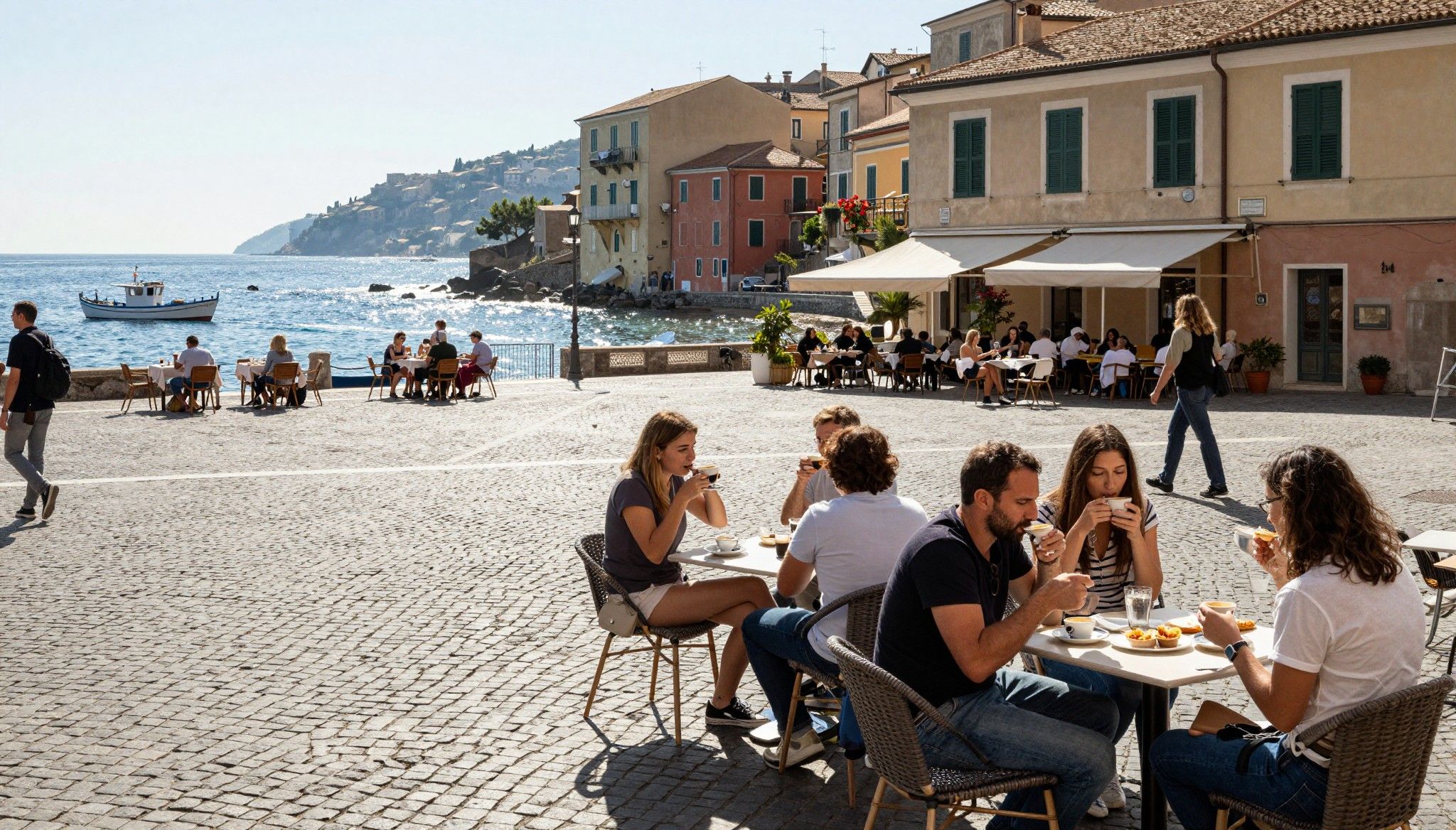
- Daily café culture — neighbourhood cafés where social life happens, not just tourist traps
- Short drives to nature: regional parks, coastal paths, or vineyards for weekend routines
Making the move: pipeline realities and what they mean
Dreams meet delivery: building permits and starts in France fell sharply after 2021 but began a measured rebound in 2024–25, according to national statistics. That means more new developments are entering the pipeline, but conversion from permit to completed home is uneven — choose projects where permits, starts and developer track record align.
Property styles and how you’ll actually live
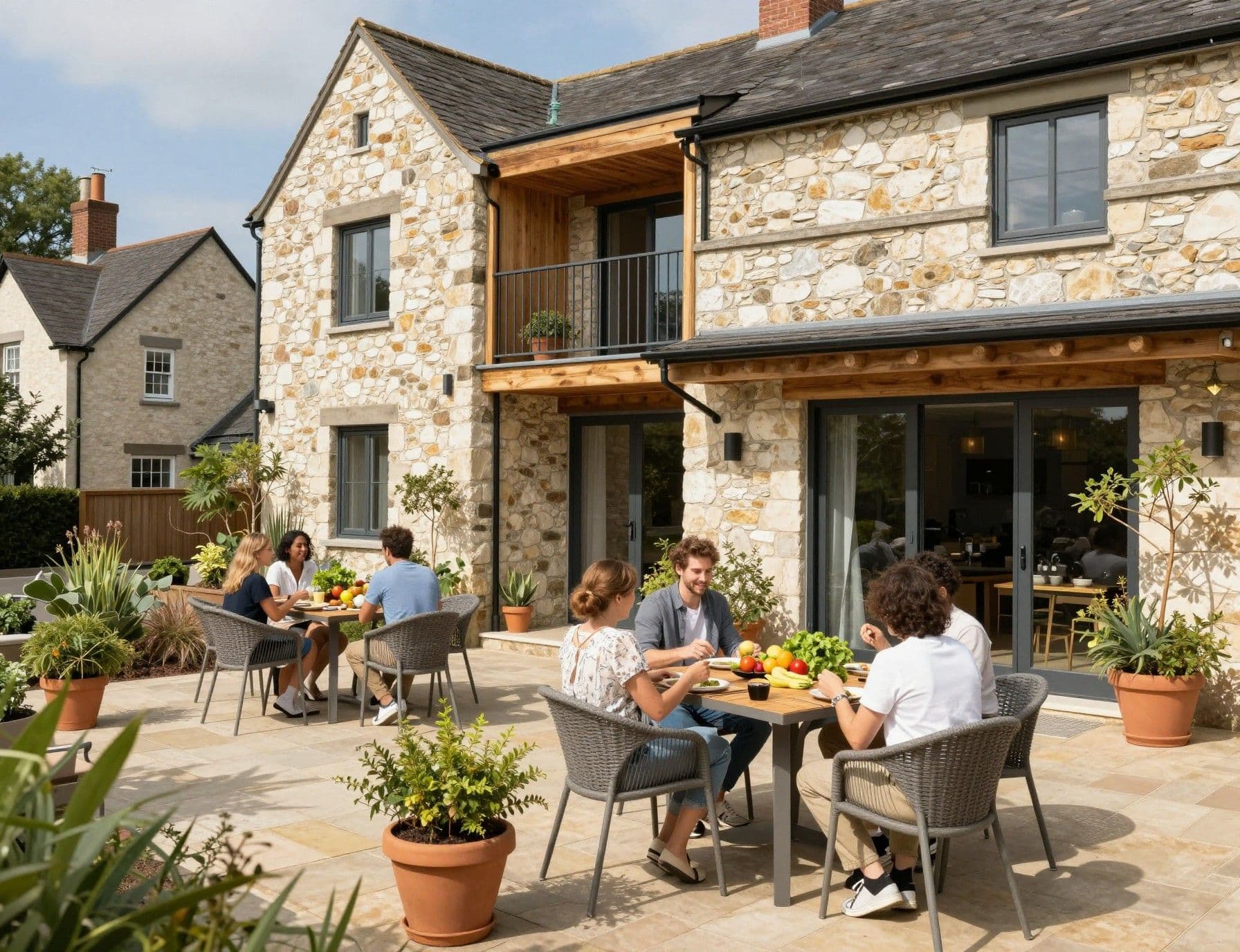
New-build typologies in regional France favour low-rise collective housing, duplexes, and terraced houses. For an international buyer, the choice is practical: a 75–95 m² new apartment with insulation and mechanical ventilation will cost less to run and renovate than an old stone house, and often arrives with concierge services, parking, and secure storage — useful for part-year residents.
Working with local experts who understand small-town pipelines
Local agencies, notaires and project managers are the filters that separate genuine opportunity from marketing spin. Agents with successful past projects in the same commune can verify completion schedules, real buyer profiles, and community engagement — all crucial for new builds in smaller markets where one good project can re-define demand.
- How to vet a village new‑build (step-by-step)
- 1) Confirm permit and start dates (ask for the permis de construire reference and site start photos).
- 2) Inspect developer track record (completed local projects, buyer testimonials, warranty claims).
- 3) Check local amenities radius (market, grocery, primary school) — walkability predicts resale demand.
Insider knowledge: what expats wish they’d known
Expats often tell the same story: they bought a photo-perfect house without asking how life feels in winter or how the village hums in low season. In small towns, seasonality, transport links and local services determine whether a property is a holiday trophy or a livable home. Use local feedback loops — café owners, school headteachers, and the mairie — to understand year‑round life.
Cultural integration, language and daily life
French village life rewards small courtesies: learning basic French, attending a market day, and using local trades builds goodwill. That social capital matters when dealing with building neighbours, co‑ownership rules (copropriété) or arranging local maintenance — practicalities that new‑build warranties won’t resolve for you.
Long-term lifestyle and value considerations
Where supply is constrained and local amenities are stable, modest new‑build projects can deliver steady capital performance and rental appeal — especially for buyers targeting seasonal lettings or multi-year residency. National data shows starts are recovering unevenly; careful selection in smaller towns can access overlooked upside without urban competition.
- Red flags in village new-builds
- Developers with no local completions — ask for verifiable references and photos.
- Projects without clear transport links — a beautiful village is less valuable if commuters or renters struggle to reach it.
- Overreliance on tourist season demand — prioritise year‑round amenity access.
Conclusion: buy the life, then the home. The best new‑builds in France’s overlooked towns combine authentic daily life with modern comfort and lower headline competition than marquee coastal markets. Use local data (permits, starts, local notaire statistics), visit in low season, and work with agencies who can translate village rhythm into long‑term value. If you love weekday markets, neighbourly cafés and manageable commutes, these "skipped" villages may be precisely where France’s next wave of tasteful developments will reward patient international buyers.
Norwegian market analyst who relocated to Mallorca in 2020. Focuses on data-driven market insights and smooth relocation for international buyers.