Croatia: Life, Tax Reality & Neighborhood Truths
Fall for Croatia’s everyday life — then buy with clarity: key tax rules, residency realities and neighbourhood insights for international buyers.
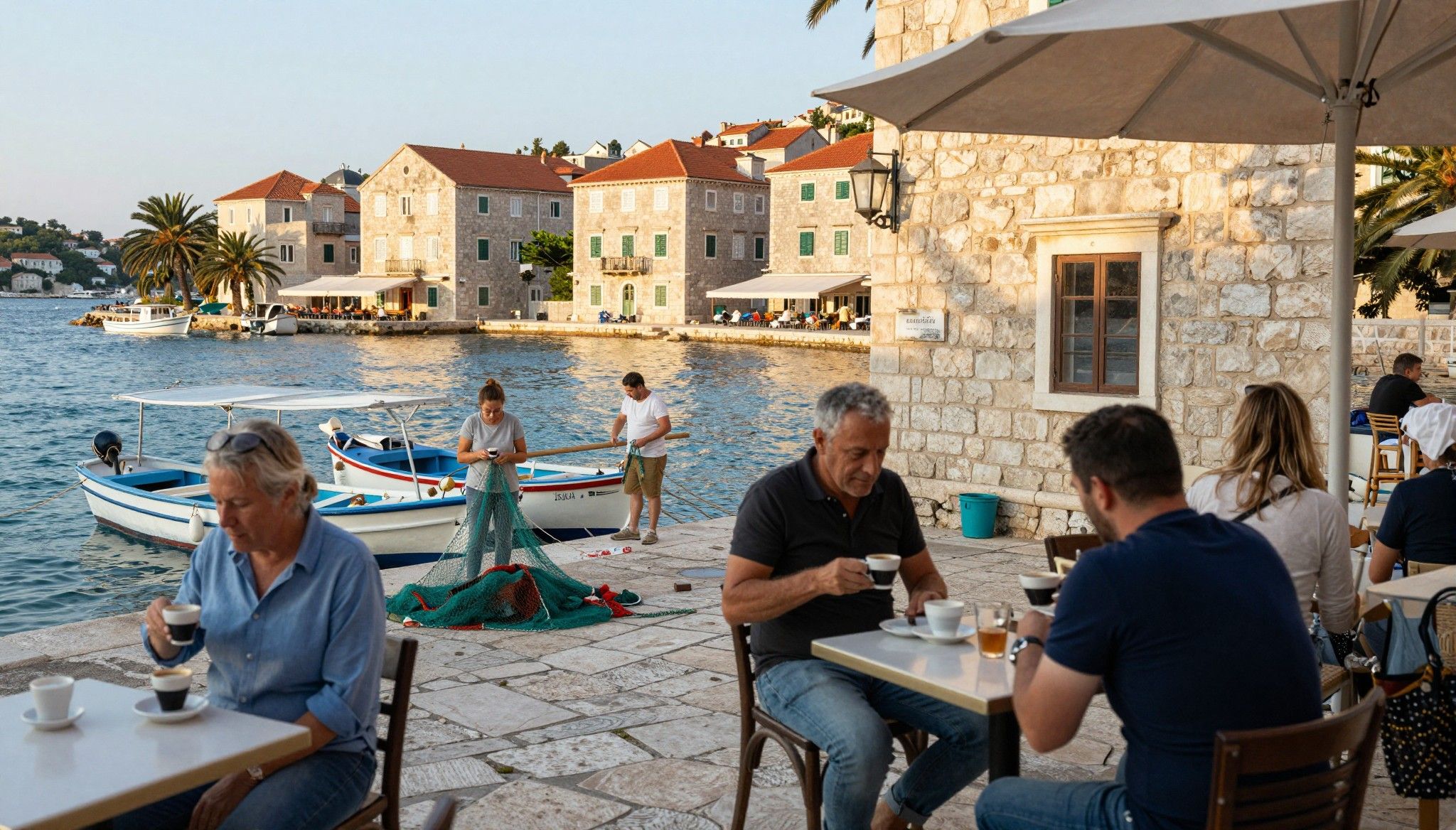
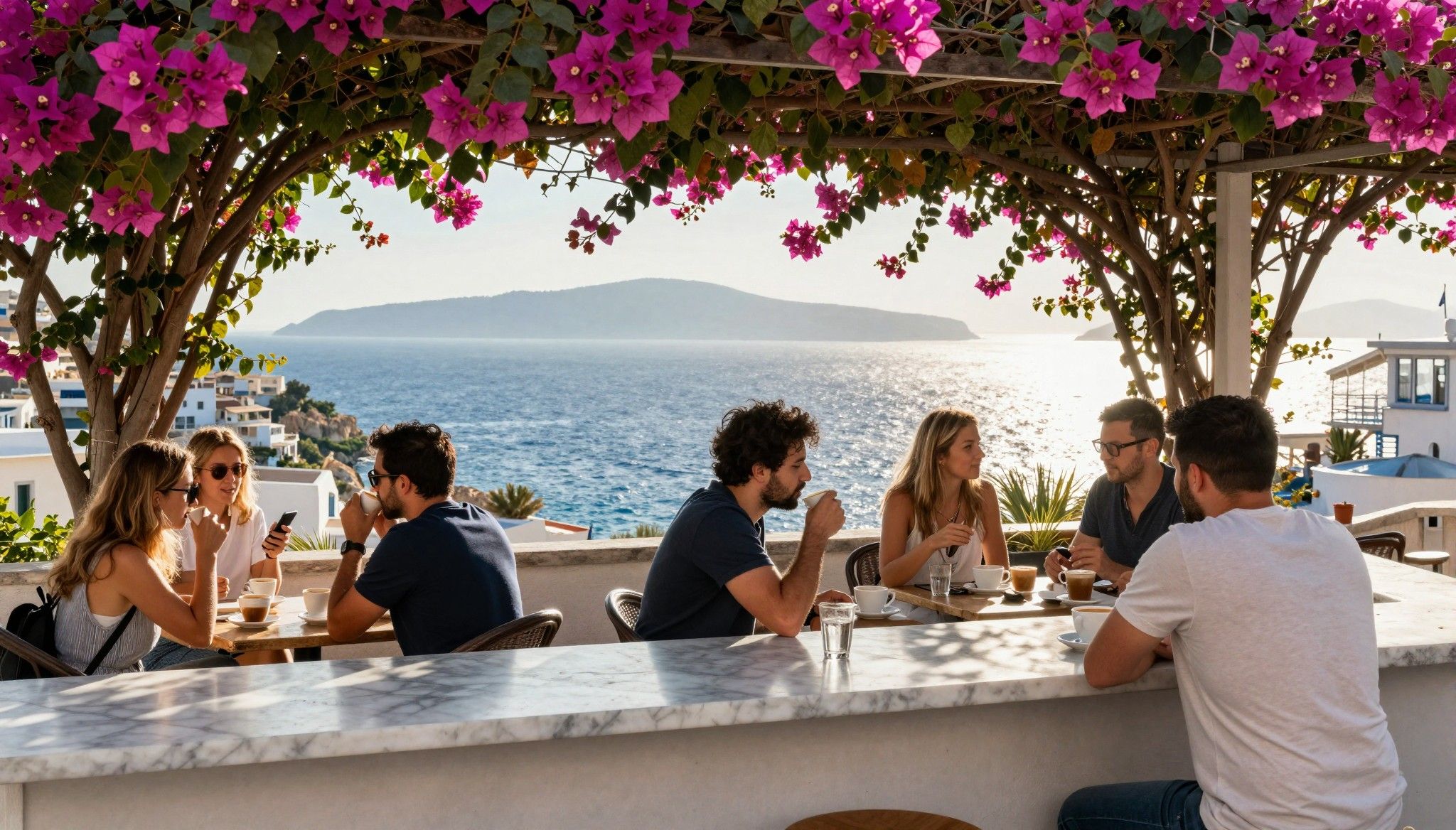
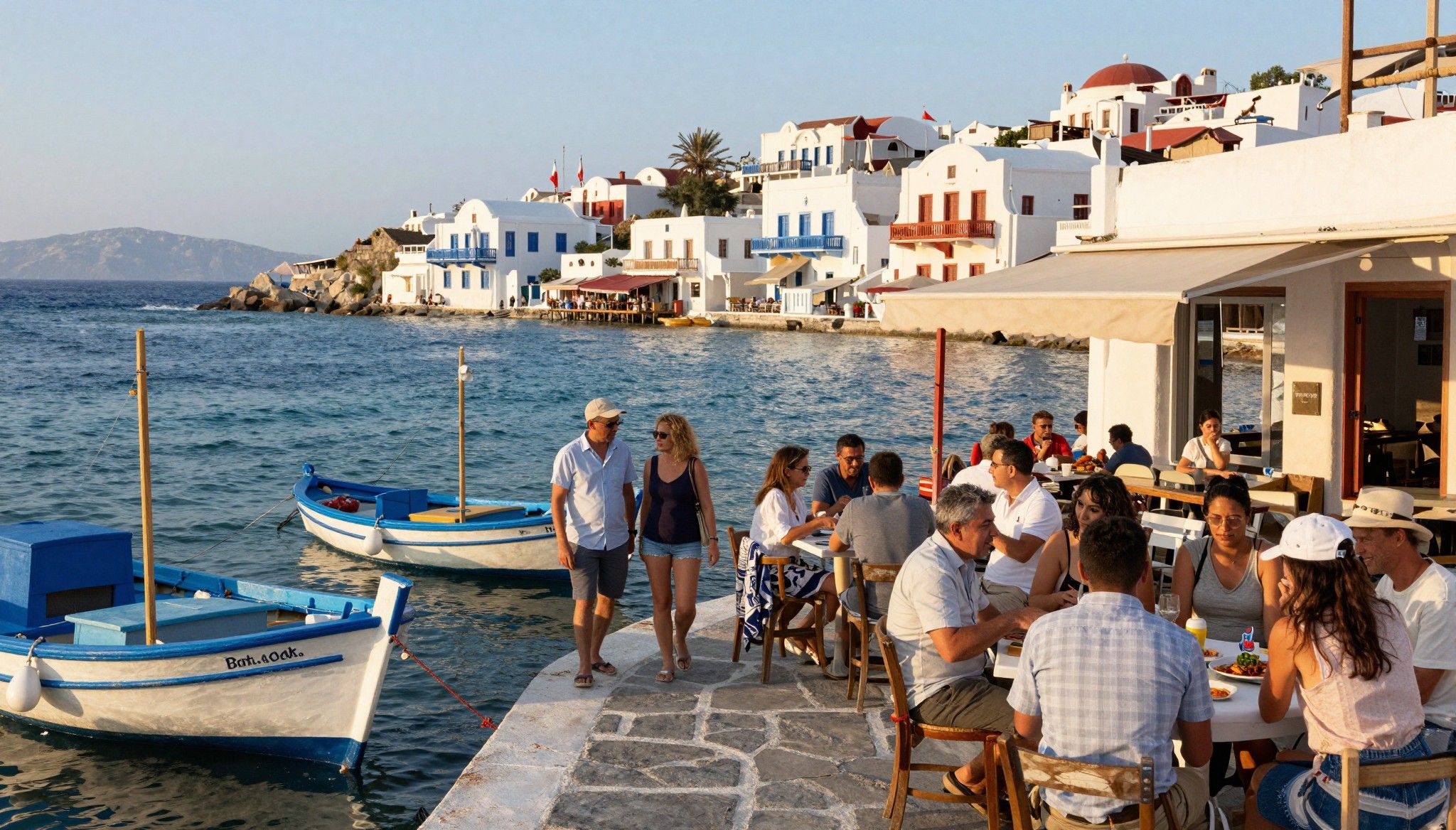
Imagine waking up to a coffee from the bakery on Ulica Ivana Mažuranića in Split, walking past stone facades warmed by the sun, and thinking: could I actually live here? Croatia’s coast is cinematic — fishing boats, small piazzas, late‑afternoon aperitivi — but the real decision for international buyers hinges on tax rules, residency pathways and local market dynamics that quietly shape which neighborhoods prosper and which stall.
Living the Croatian life: more than postcards
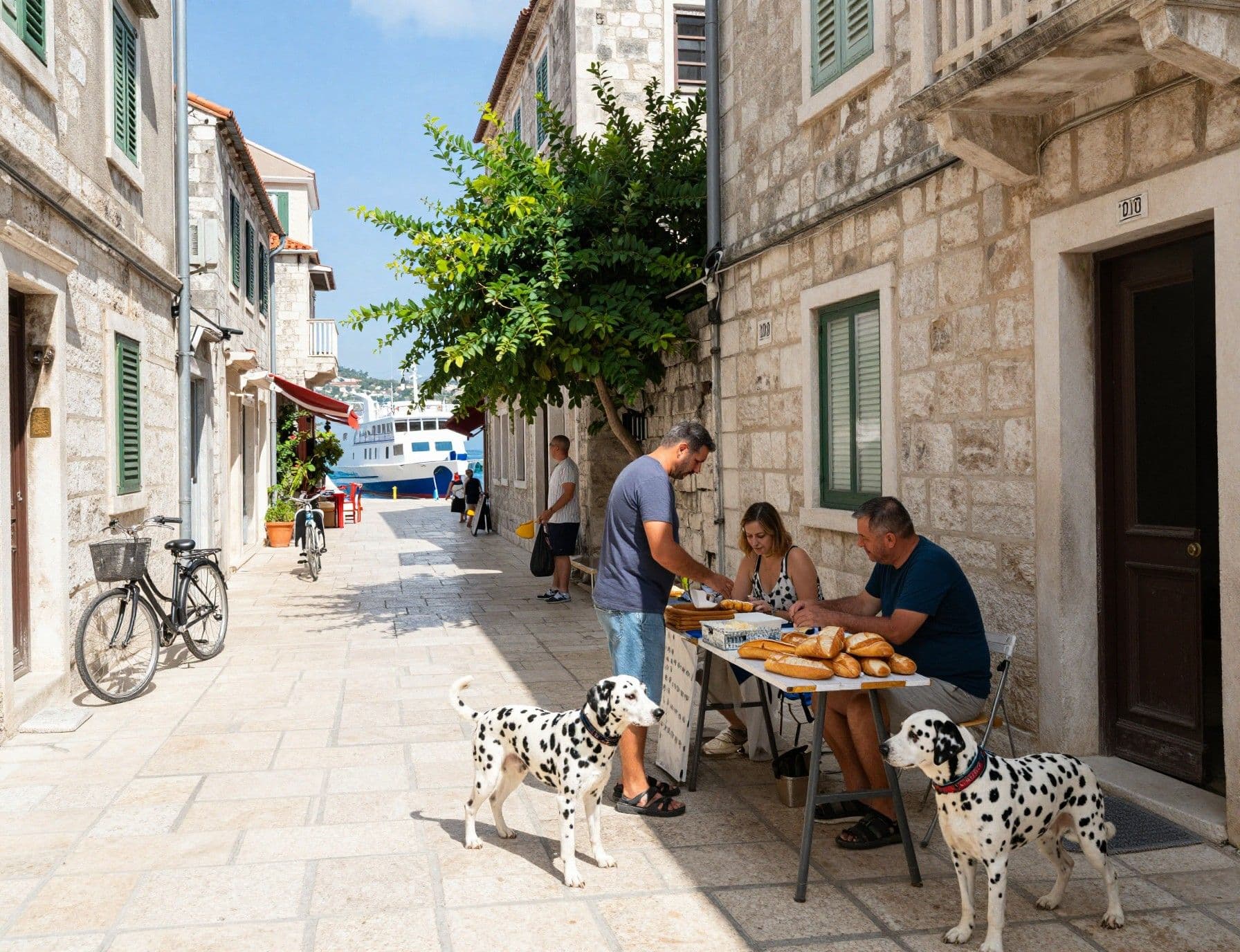
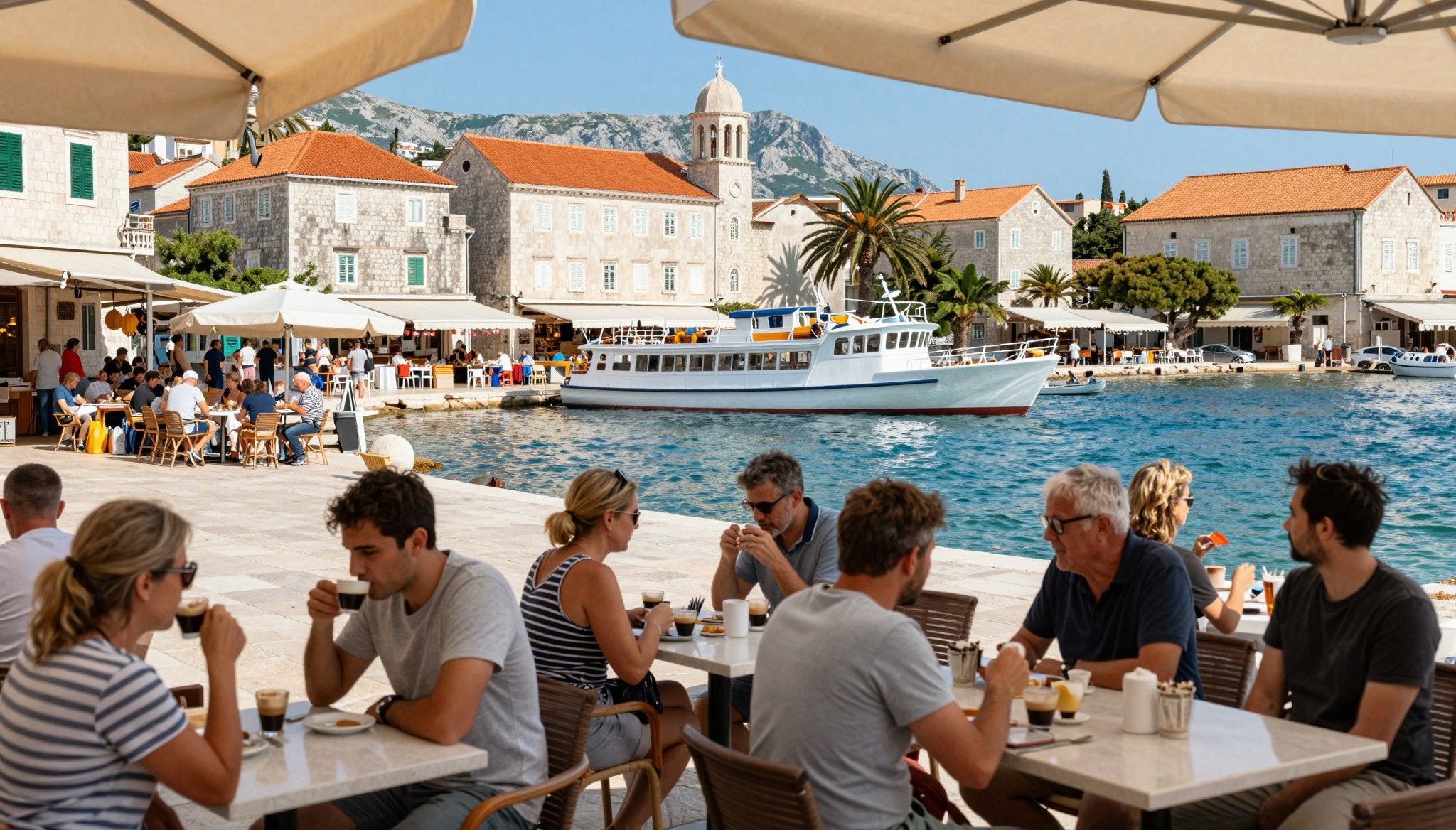
Croatia’s everyday rhythms are coastal and seasonal but also city‑sharp. In Rijeka you’ll hear tram clacks and industrial history; in Dubrovnik the old town hums with tourist seasons and quiet winter evenings. Weekdays mean markets: fresh anchovies, figs, and cheese; Sundays still tilt toward family lunches and long walks on the Riva. For buyers this is important — your property needs to fit how you’ll actually live: year‑round comfort, summer rental potential, or a slow‑season refuge.
Neighborhood spotlight: Split — Diocletian’s pulse and modern life
Stroll from Diocletian’s cellars up to Voćni trg and you feel a city that’s ancient and liveable. Local cafés (try Kava2 or D16) fill with remote workers midweek; small apartment conversions are a common product on the market. If you want a lively social scene with short walks to the ferry, central Split neighborhoods deliver lifestyle and liquidity — but expect premium prices for historic fabric.
Food, markets and hidden routines
Food is a social calendar: morning at Dolac Market in Zagreb, an evening fish‑feast in Hvar’s harbour, or a truffle hunt in Istria’s inland hills. These rituals shape property appeal — proximity to markets and small bodegas matters more than a sea view for long‑term happiness. Seasonality is tangible: July–August is crowded and expensive; late autumn offers clearer negotiation room and a truer sense of neighbourhood life.
Making the move: How taxes and residency quietly reframe the dream
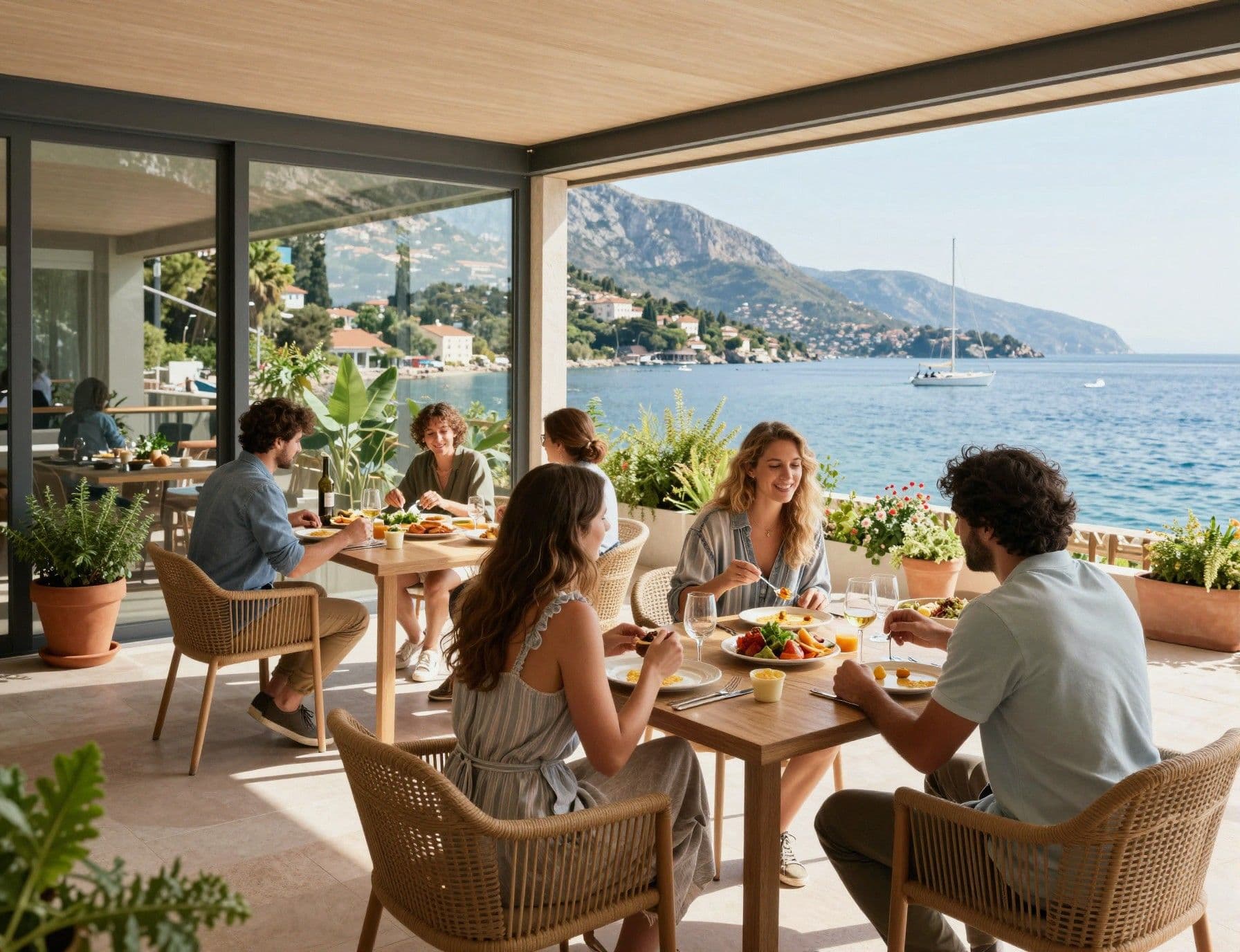
The paperwork behind the postcard matters. Croatia’s tax set‑up typically means a 3% real estate transfer tax when VAT does not apply, and different tax treatments for rental income, VAT and capital gains that depend on whether the property is new, rented commercially, or sold within short holding periods. Residency is possible but not automatic with a single property purchase — many non‑EU buyers set up a Croatian company or follow permit routes for temporary residence. These choices change net returns and legal exposure.
Property types and the tax realities that matter
New builds often sit inside a VAT regime (0%, 5%, 13% or 25% rates depending on service/type) while older apartments usually attract the 3% transfer tax instead of VAT. For investors targeting holiday rentals, VAT registration thresholds and the treatment of tourist accommodation (short‑term vs. long‑term) will affect profitability. Meanwhile, macro data show house prices rising in recent years even as transaction volumes soften — meaning you may pay a premium for liquidity on the coast.
Working with local experts who know the rules (and the cafés)
A local lawyer and a tax adviser are not optional. They translate contract language, advise on whether VAT or transfer tax applies, and whether a purchase triggers different obligations for non‑EU buyers. Good agents also know which neighborhoods quiet down in winter (great for living) versus which are purely tourist zones (better for short‑term income). Think of agencies as cultural translators: they’ll point to the bakery you’ll actually use, not just the view you’ll Instagram.
Insider knowledge: myths, red flags and upside most buyers miss
Myth: ‘Coast = instant rental gold.’ Reality: many coastal properties see strong summer demand but weak shoulder‑season occupancy and higher management costs. Red flag: a listing that leans entirely on tourist photos and no local references. Upside many buyers miss: peripheral districts outside Zagreb and small Istrian hill towns can combine lower entry prices, year‑round communities and stronger long‑term upside as buyers seek longer stays.
Cultural and seasonal practicalities expats underestimate
Language matters socially and practically. Croatian bureaucracy is improving but still benefits from a local contact. Heat and humidity on Dalmatian summers encourage designs with shutters and shaded terraces; in continental Croatia, insulation and efficient heating matter. Expect festivals to close streets and attract buyers one week a year — these moments are lifestyle fuel, but not reliable year‑round indicators of neighbourhood quality.
- Practical red flags and quick checks
1) Check whether the sale is VAT‑able or transfer‑tax based — this can change the buyer’s cost materially. 2) Confirm usufruct, tenancy or co‑ownership encumbrances on historic apartments; these are common in old towns. 3) Ask for municipality zoning and planned works — coastal promenades and marinas reshape value. 4) For rentals, confirm local tourist registration rules and VAT thresholds with an accountant.
From dream to deed: an action plan that balances life and law
If you’re serious, blend lifestyle scouting with early tax and legal checks. Visit off‑peak to feel neighborhoods when the tourists leave. Confirm the exact tax treatment (VAT vs transfer tax) before signing preliminary agreements. Use local advisors who have closed similar foreign‑buyer transactions — they will save you money and time by spotting hidden costs.
- Step‑by‑step for buying in Croatia
1) Shortlist neighbourhoods in both peak and off‑peak seasons. 2) Ask agents for comparable sold prices (not listed prices) and verify with HNB or DZS indexes. 3) Instruct a Croatian lawyer to draft/approve preliminary contract and perform title checks. 4) Confirm tax regime (VAT vs transfer tax), stamp duties and likely ongoing costs (property tax, community fees). 5) Arrange residency or business structure if needed and finalise closing through a notary with certified translations.
Conclusion: Live like a local, buy with clarity
Croatia rewards buyers who look beyond summer brochures. Choose neighborhoods where you can picture a grocery run, a café table and a winter evening walk; pair that vision with early tax and residency checks. That combination turns a holiday romance into lasting life — and lets you invest with both heart and head.
Swedish strategist who relocated to Marbella in 2018. Specializes in legal navigation and tax planning for Scandinavian buyers.