When Islands Outsell Athens: A Contrarian Greece Play
Why Greece’s islands and cities are a lifestyle-first market—and how policy, seasonality and local micro-markets create contrarian buying opportunities.
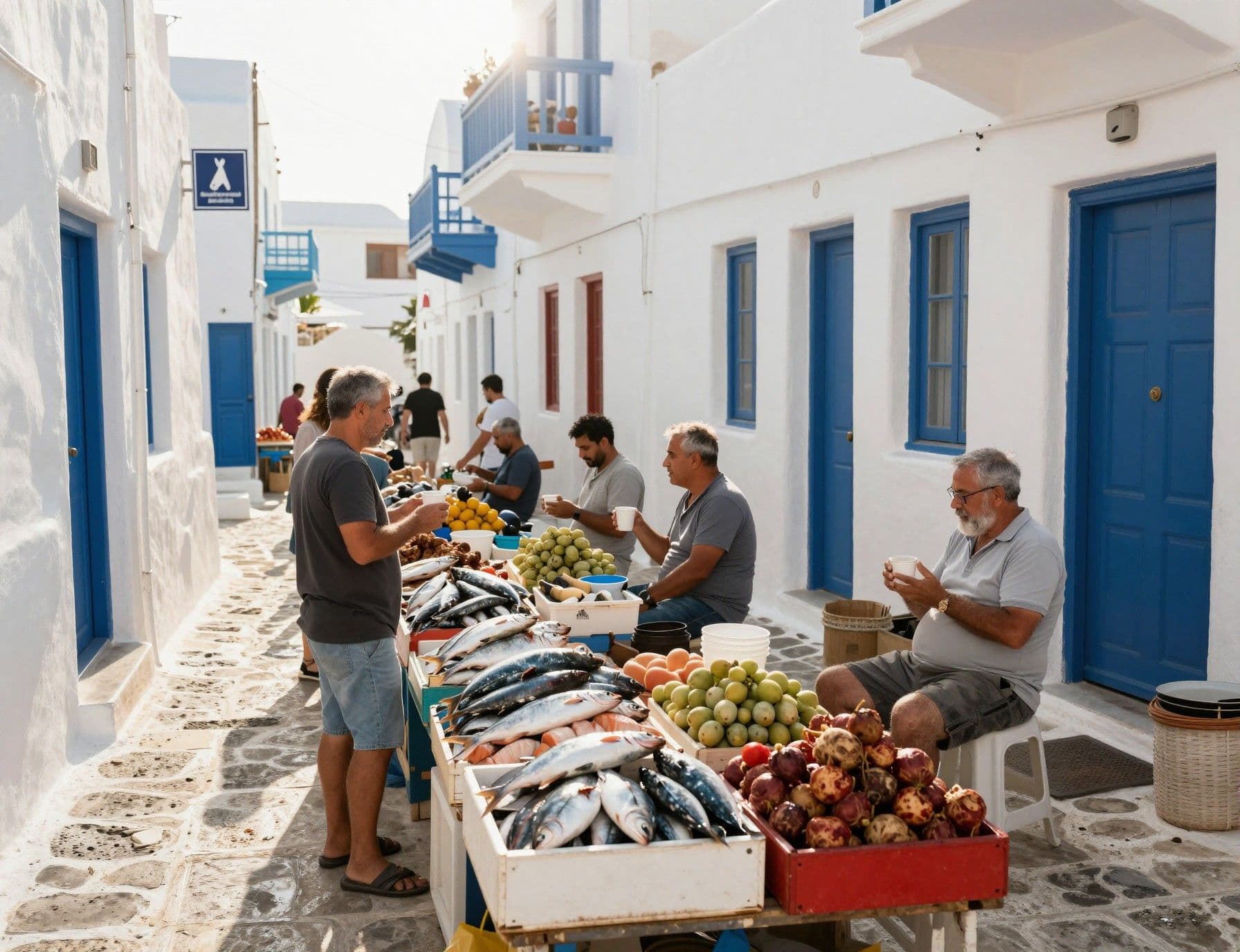
Imagine waking to a ferry horn, buying fish at a sun-warmed market stall on Paros, and signing a purchase contract that still costs half of an equivalent view in Lisbon. Greece lives like a daydream—whitewashed lanes, late-night tavernas, cafés where the espresso is a punctuation mark in the day—but the buyer who treats it as tourism photography misses how the market actually behaves. Recent market reports show persistent price growth in cities and islands, shifting yield dynamics and policy tweaks that reward nimble, informed buyers.
Living Greece: rhythm, place and daily pleasures
Greece’s day-to-day life folds around sun, sea and community rituals. In Athens you’ll hear scooters and street markets, while on Crete or the Cyclades life moves to the tide: morning coffee, late lunch, and evenings that stretch past midnight. These rhythms influence where you want to live—central Athens for year-round services, islands for season-driven social life—and why buyers allocate different property types to match those rhythms. Official house price indices confirm rising urban demand, which reshapes lifestyle trade-offs for international buyers.
Athens: city mornings, creative nights
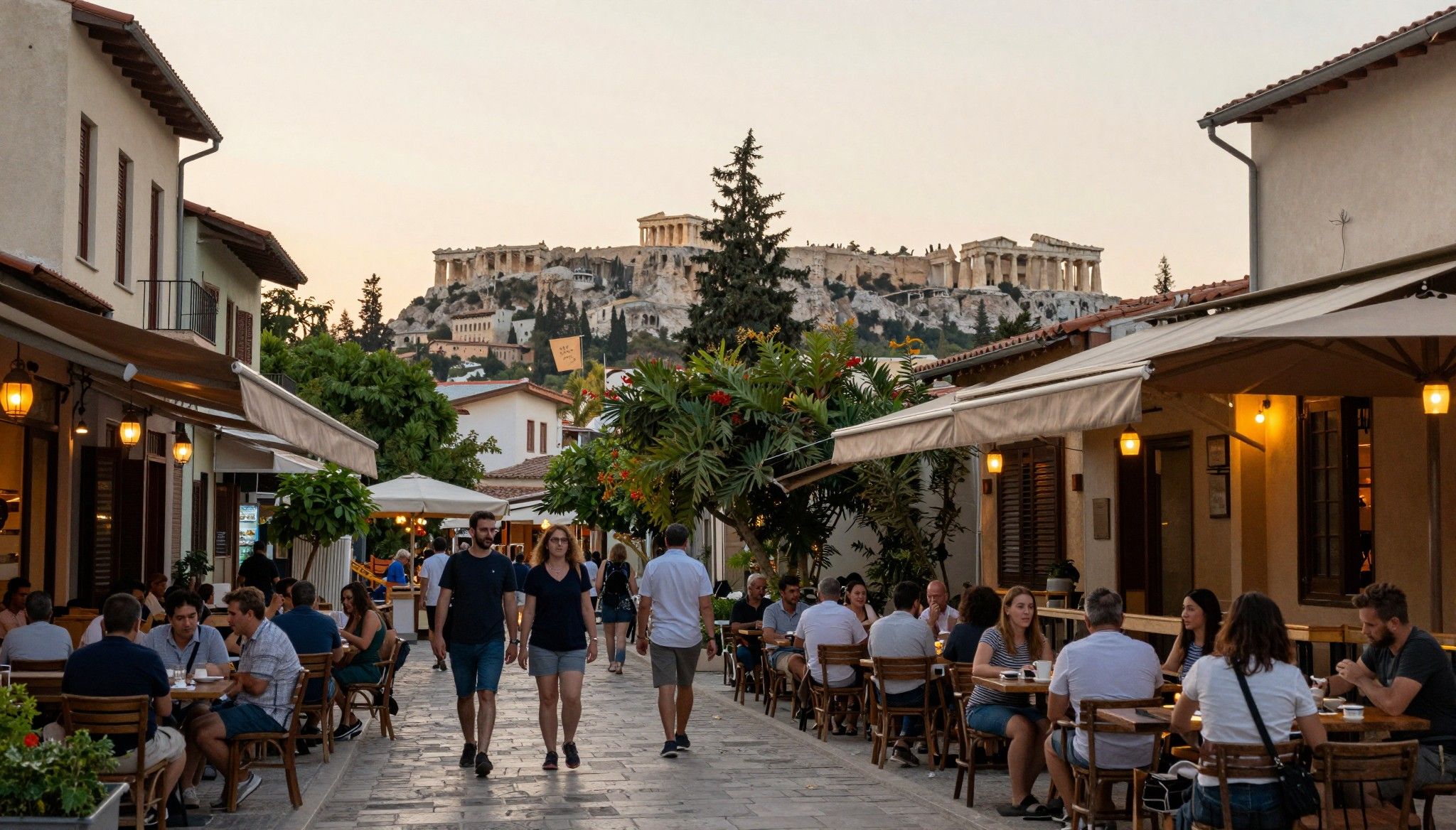
Picture sipping an espresso in Koukaki before a walk past the Acropolis; then afternoons at a renovator’s site in Pangrati. Athens combines cultural density, coworking nodes, and neighbourhood cafés that make long-term living practical. Market insight from local brokers shows apartment prices rising but with active renovation projects that create value for buyers prepared to buy for lifestyle and renovate for capital appreciation.
Islands: seasonal theatre, year-round ownership choices
On Paros or Naxos the day begins at the market and ends with a wind-salted dinner by the sea. The islands are where lifestyle and short-term rental economics collide: intense summer demand, quieter winters, and a host of micro-markets (Mykonos ≠ Paros ≠ Crete). For lifestyle buyers who want active summers and slow winters, islands deliver, but they require a strategy that balances seasonal income with off-season utility.
- Lifestyle highlights
- Morning espresso in Koukaki or Exarcheia
- Fresh fish at Varvakios Market (Athens) or small port markets on the islands
- Late-night tavernas in Chania and seaside dining on Milos
- Weekends exploring olive groves, archaeological sites and empty coves
Making the move: lifestyle choices meet real-world steps
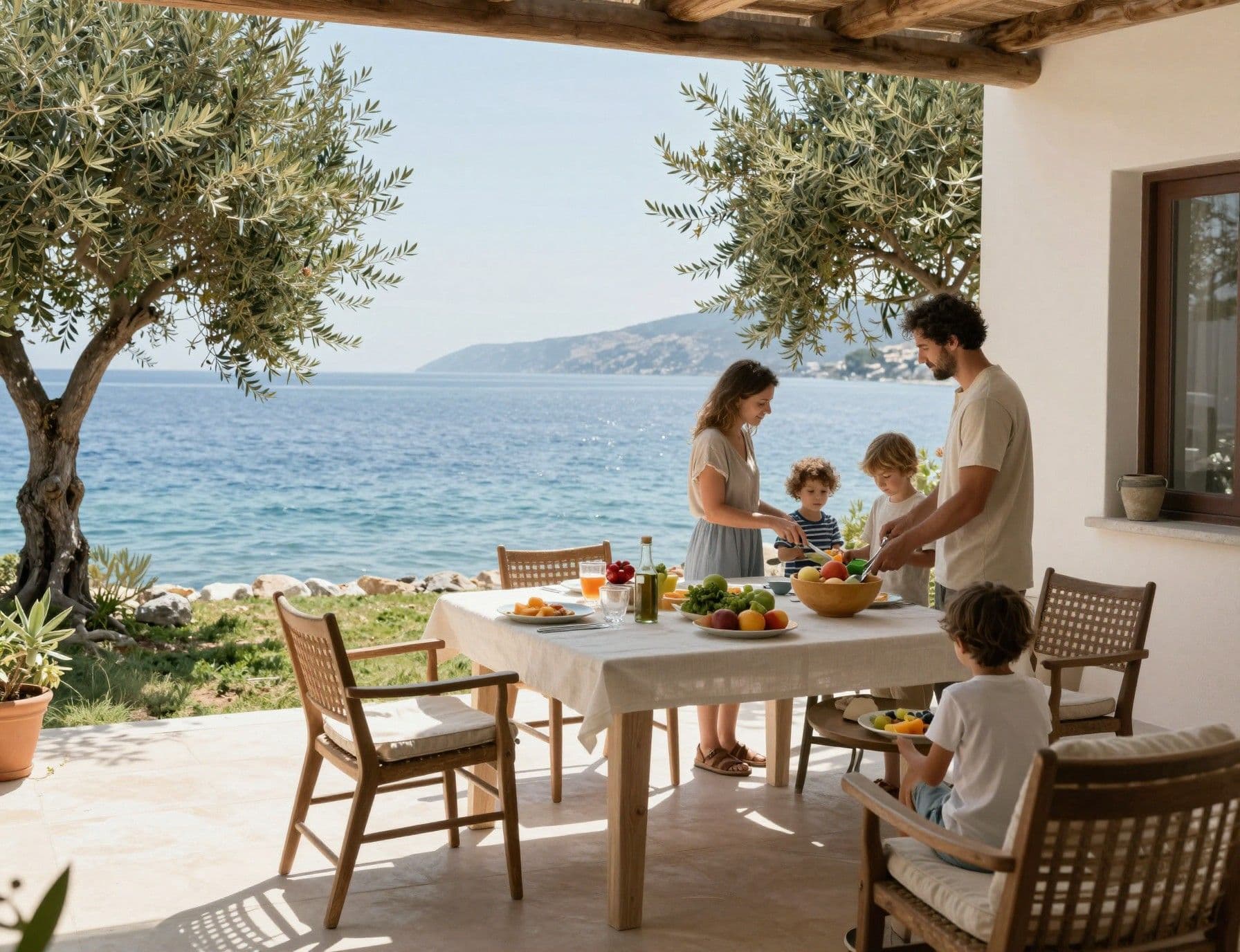
Your lifestyle brief—city apartment for year-round life, island house for seasonal escape—must be translated into a buying brief that understands policy, supply and seasonal income. Greece’s residency-by-investment rules and regional thresholds changed recently; that affects thresholds in Athens, Mykonos and other zones. Work with advisers who track these rules so your lifestyle choice aligns with legal thresholds and realistic running costs.
Property styles and how they fit daily life
Traditional stone houses on Crete favour outdoor living and multi-generational stays, while Athens apartments prioritise insulation and soundproofing for year-round comfort. Island villas amplify outdoor terraces and water access but can add seasonal maintenance. Rental yields are mixed—urban yields sit in mid-single digits nationally while island yields can spike seasonally—so choose a property type that matches how often you’ll use it and whether you’ll rent it out.
Working with local experts who know the life you want
An agent who understands neighbourhood cafés and municipal rules is indispensable. Expect them to map: seasonal income vs off-season costs, renovation permit timelines, and local utility realities (water, waste management, connection times). The right agent blends lifestyle scouting—the exact street where locals buy—with contractual rigour and preferred local tradespeople.
- Checklist for a lifestyle-aligned purchase 1. Match the property type to your use (full-time, summer, hybrid) 2. Confirm Golden Visa or residency thresholds if relevant 3. Model seasonal income and off-season running costs 4. Inspect local supply chains: utilities, waste, maintenance 5. Secure a local notary and tax adviser before signing
Insider knowledge: contrarian truths expats learn too late
Truth 1: The island with the postcard beach isn’t always the best buy. Micro-markets matter: wind, ferry frequency and airport links determine long-term demand. Truth 2: Short-term rental rules tightened and licensing freezes in parts of Athens and some municipalities affect income assumptions. Truth 3: Renovation opportunities create outsized value in Athens’s older stock—if you understand permits and costs.
Cultural points that shape neighbourhood choice
Language is less a barrier in urban centres where young Greeks speak English, but local relationships matter: a favoured builder, a café owner who knows the block, the parish priest who understands local projects. Expect a slower administrative tempo and plan for personal visits. Social life is built around food and festivals—choose neighbourhoods where those rhythms match yours.
Long-term life: what changes after year two
After the first year you’ll have a clearer sense of seasonality, maintenance rhythms and community ties. Areas with planned infrastructure—airports, ports, urban regeneration projects—tend to evolve faster. Build a three-year plan that includes community integration, gradual upgrades, and a review of the property’s role in your life (rental, family base, legacy).
- Red flags to watch for
- Unclear title histories or missing building permits
- Properties advertised for short-term rental without valid AMA or VAT clarity
- Neighbourhoods with poor year-round transport links despite summer popularity
Conclusion: Greece is both a romantic move and a practical market. If you prioritise lifestyle—morning markets, creative neighbourhoods, island summers—pair that brief with local expertise, up-to-date policy checks and a clear plan for seasonality. Start with targeted visits (off-season and peak), build a concise brief for your agent, and verify residency or Golden Visa conditions if they matter to you. The right property in Greece can be both home and investment, but only when chosen with place-level nuance and a local team who knows the life you want to live.
British investor turned advisor after buying in Costa del Sol since 2012. Specializes in cross-border compliance and data-driven investment strategies for UK buyers.