Croatia: Liveable Lifestyles, Measured Market Moves
Croatia offers coastal romance and year‑round urban life; buyers who pair lifestyle priorities with official price indices and seasonal dossiers find the best value.
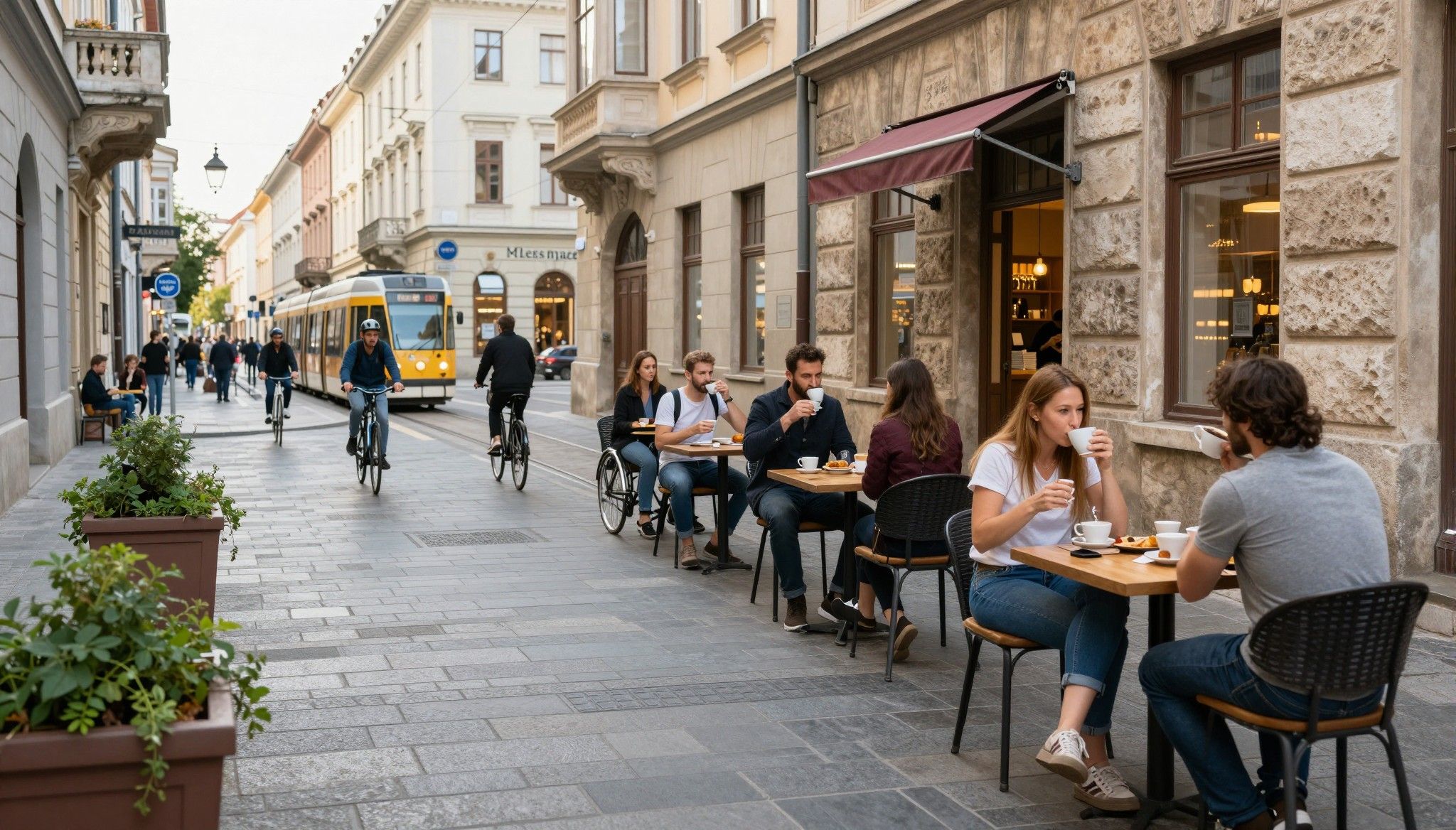
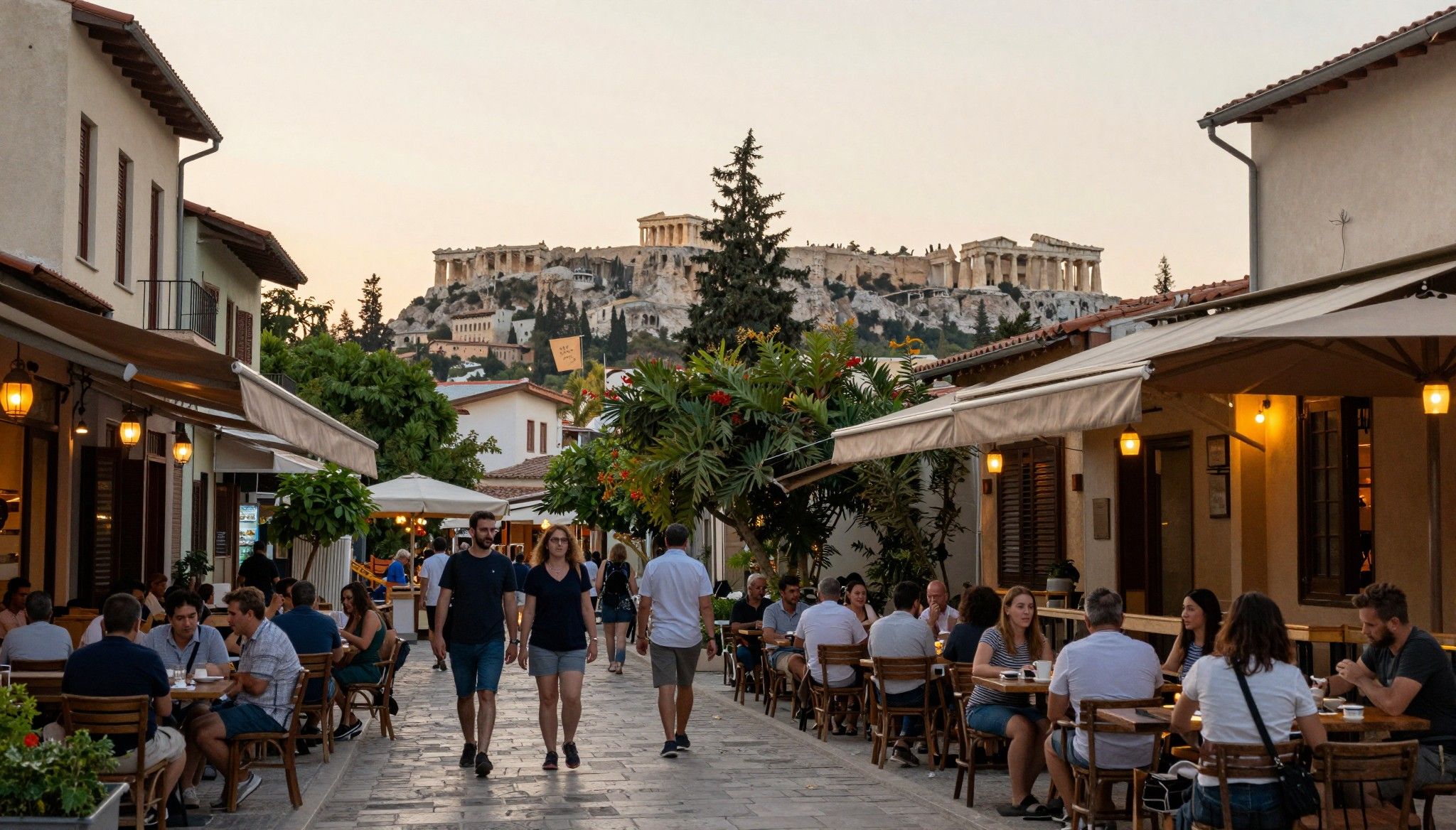
Imagine waking to the smell of fresh espresso on Ilica in Zagreb, spending afternoons on Hvar's pebble beaches and evenings at konobas where the catch of the day is grilled the same morning. Croatia feels like a slow-motion Mediterranean film — towns stitched of stone, piazzas that wake late, and summers that pulse with tourists while winters reveal calmer rhythms. For international buyers this romance is the hook, but the real question is how that lifestyle maps to price trends, seasonal demand and the paperwork that decides whether the dream becomes a durable life. Recent market analysis shows the Croatian market is no longer simply a post‑pandemic hot streak; it is maturing into differentiated pockets of strong demand and relative value.
Living the Croatia lifestyle
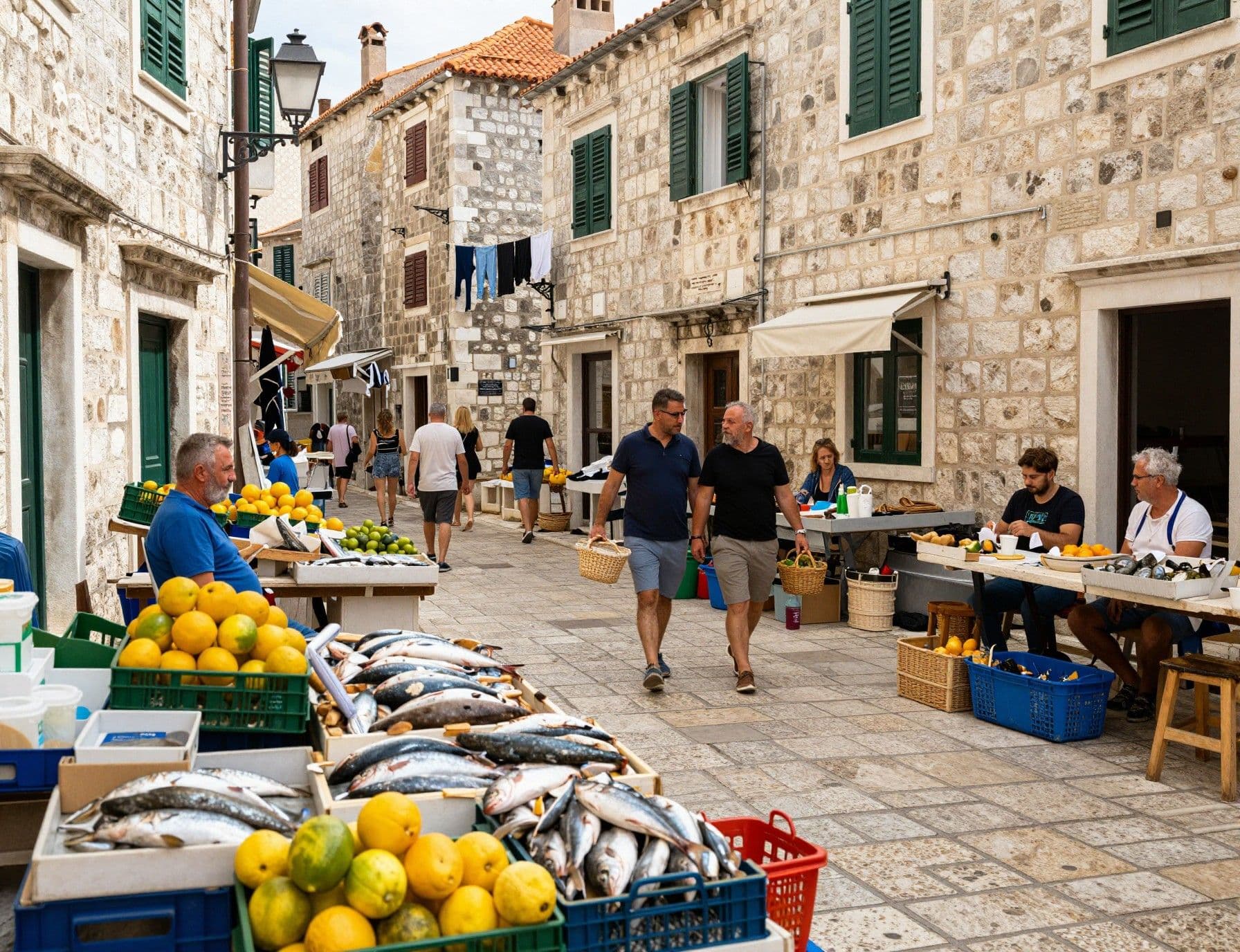
Daily life in Croatia oscillates between coastal conviviality and continental quiet. In coastal towns like Split and Dubrovnik the day revolves around sea, market stalls and late dinners; in Zagreb the rhythm is urban cafés, galleries and weeknight concerts. Streets have names (Obala, Marmontova, Stradun) that tell you whether you'll live beside ferries, museums or small family bakeries — and those micro-choices drive both quality of life and market value. Understanding those street-level tradeoffs is the first step to choosing a property that actually fits how you want to live.
Seaside towns: Split, Hvar, Rovinj — what to expect
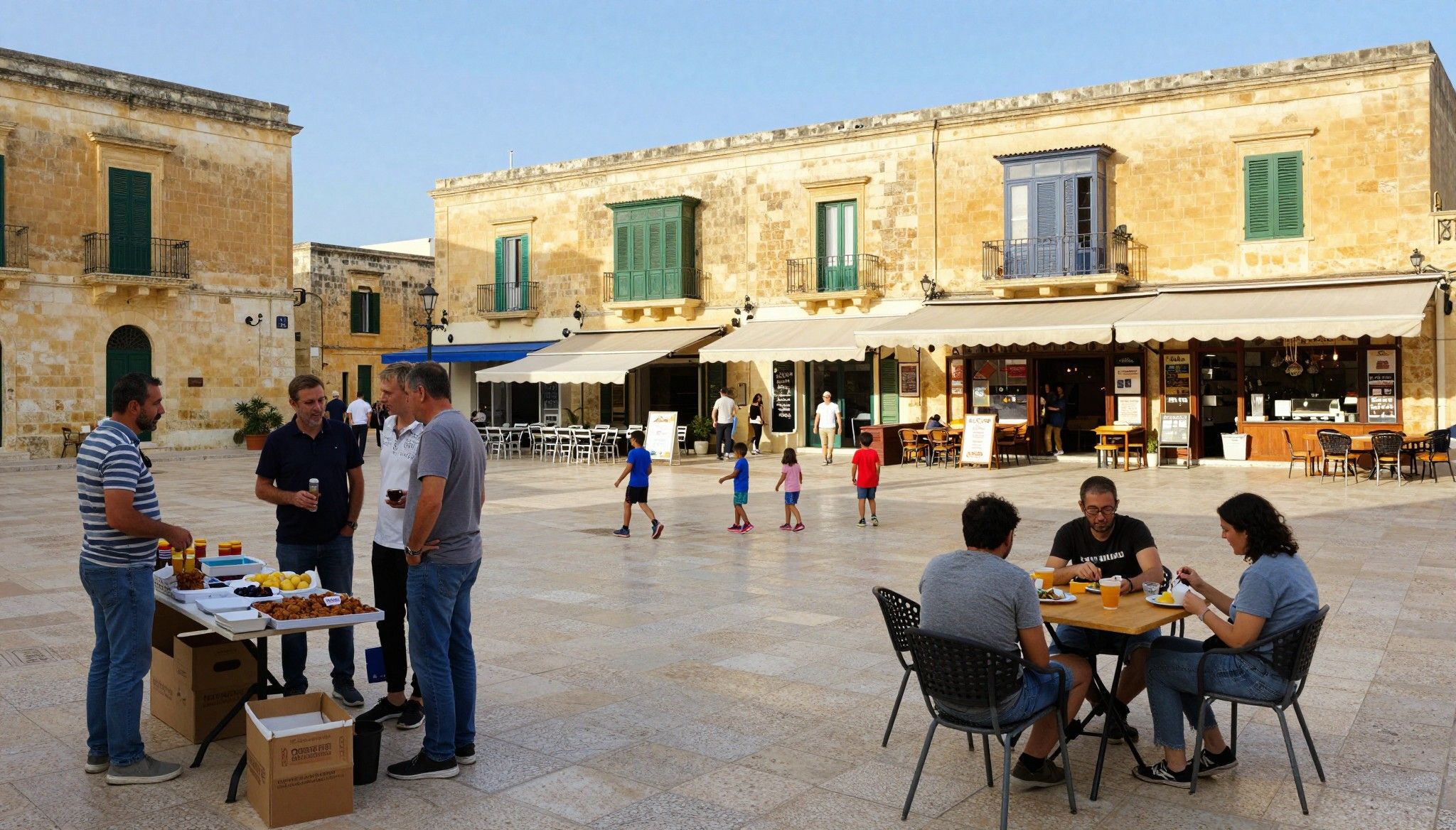
On the Adriatic coast you buy into a seasonal pulse: harbours fill in summer, markets hum, and many small businesses close in winter. Croatia recorded over 21 million tourist arrivals and more than 108 million overnight stays recently, which explains why coastal property markets have a strong short‑season rental logic. That spike in summer demand raises rental potential but also means local life between October and May is quieter — a feature for some buyers and a risk for investment strategies that assume year‑round turnover.
Urban pulse: Zagreb and Rijeka
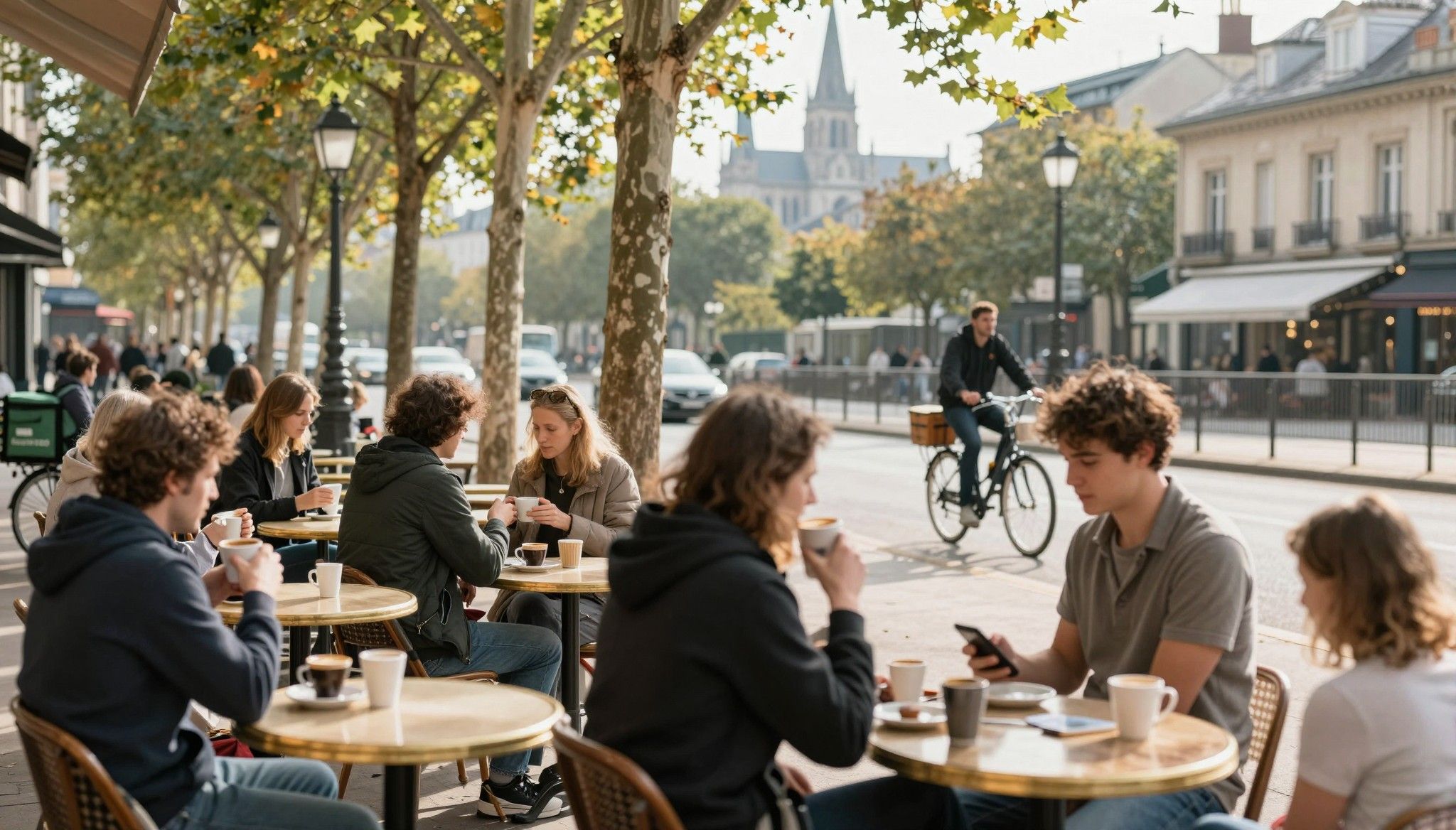
If you crave a four‑season life with restaurants open year‑round and local culture beyond tourism, Zagreb or Rijeka answer that need. In Zagreb, tree‑lined streets like Ilica and Tkalčićeva offer café culture, theatres and services that make living here practical beyond the summer months. Rijeka’s port energy and growing creative scene give buyers access to lower coastal prices with authentic local culture — an appealing compromise for those who want proximity to sea without peak-season crowds.
- Lifestyle highlights to look for when house‑hunting in Croatia:
- Morning espresso on a pedestrian street (e.g., Zagreb’s Cvjetni trg) and easy access to a daily fruit market.
- A walkable seafront (Split’s Riva or Rovinj’s harbor) within a 10–20 minute stroll of your building.
- Local konoba or family-run restaurants that operate year‑round — a sign of sustained community life.
- Proximity to ferry lines or airports for easy access to regional travel and seasonal visitors.
Making the move: practical considerations
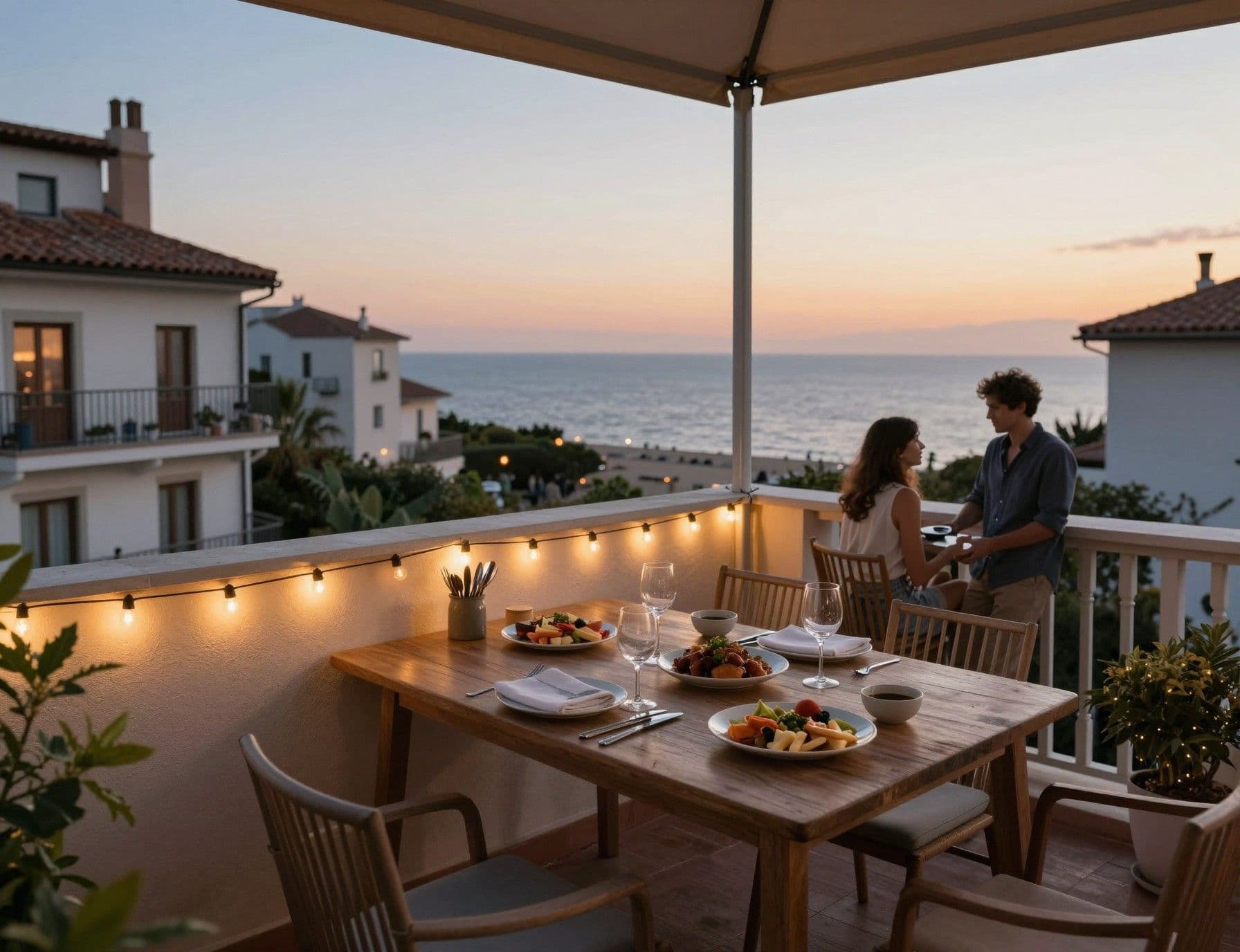
Lifestyle sells the idea; data protects your decision. Croatia's official house price indices show continued, but moderate, growth in recent quarters rather than runaway inflation, which is a signal that the market is settling into regional patterns. Buyers should therefore balance coastal premium potential with the steadiness of inland urban markets and use objective indices to test seller expectations. Working with an expert who reads both lifestyle signals and price indices will save time and reduce negotiation risk.
Property types and how they shape daily life
Stone town houses mean thick walls, narrow staircases and charming courtyards but often more renovation work and higher maintenance costs. New-build apartments in coastal resorts offer modern amenities and easier rental management but can sit in developments where local community life is limited. A terrace‑first apartment will change how you live — think morning sun, outdoor dinners and frequent neighbour interactions — while an inland villa buys space and season‑round privacy but requires a car and more domestic services.
Working with local experts who know how Croatians live
Treat local agents as cultural translators: they’ll tell you whether a neighborhood is tourist‑run or community‑run, and whether a property’s rental assumptions are realistic. Good agencies bring neighbourhood dossiers — paperwork, seasonal occupancy patterns, maintenance realities, and a catalogue of local service providers — so your lifestyle wish list matches market reality. Ask agents for seasonal occupancy charts and comparable rental yields rather than glossy brochures; this separates marketing from usable insight.
- Steps to align lifestyle and purchase (practical + experiential):
- Visit out of season to test winter life, local services and real community activity before you commit.
- Require a dossier from your agent showing historical occupancy, utility costs and any communal maintenance records.
- Compare official house price indices to asking prices; negotiate with evidence, not emotion.
- Factor in season‑driven operating costs (short‑term rental management, winter heating, summer water use).
Insider knowledge: what expats wish they'd known
Foreign buyer dynamics have shifted: after a pandemic-era surge, transactions by non-residents softened and became more selective. Recent analyses indicate a decline in foreign purchases compared with the peak years, which means motivated international buyers can find negotiating room if they come prepared. The practical upshot is simple — Croatia offers lifestyle premiums, but value exists in knowing where sellers are flexible and where demand stays firm.
Cultural integration and everyday social life
Croatians value personal relationships; expect slower, more deliberate negotiation styles when you buy locally. Learning a few phrases, embracing market mornings and frequenting the same konoba will accelerate trust and access to off‑market opportunities. Expats who integrate socially tend to find better maintenance teams, rental managers and reliable local advice — services that materially improve the ownership experience.
Long‑term lifestyle and market scenarios to plan for
Think in scenarios: a conservative plan assumes steady tourism with modest price growth; an opportunistic plan leans into coastal short‑term rental upside and renovation gains. Recent market commentary suggests the market is moving from speculative to selective — buyers who prioritise structural quality, location specifics and seasonal occupancy data will benefit most. Make contingency plans for seasonality, maintenance and slower resale windows in less touristic areas.
- Red flags and local realities to watch for:
- Properties marketed as "sea‑view" where the view is over a narrow service lane — verify lines of sight at different tides and seasons.
- Renovation shortcuts: ask for structural reports, not cosmetic photo sets — stone facades can hide damp and insulation issues.
- Over‑reliance on summer rental income — check off‑season occupancy and local year‑round demand indicators.
- Unseen communal charges in older buildings — request the last three years of accounts for apartment buildings.
Conclusion: imagine this as a lifestyle investment, not just a holiday purchase. Croatia rewards buyers who pair romantic reasons with disciplined checks — visit outside peak season, insist on dossiers, and prioritise location specifics that suit your daily life. When you blend sensory understanding of a neighborhood with verified market data, the property becomes a foundation for the life you pictured in that opening scene. If you want, we can prepare a neighbourhood dossier for a specific town — showing seasonal occupancy, recent comparable sales and a short list of vetted local agents to get started.
British investor turned advisor after buying in Costa del Sol since 2012. Specializes in cross-border compliance and data-driven investment strategies for UK buyers.