When Italy’s Seasons Should Shape Where You Buy
Italy’s market is regionally varied: match seasonal lifestyle with local market rhythms, visit in multiple seasons, and hire agents who show life, not just listings.
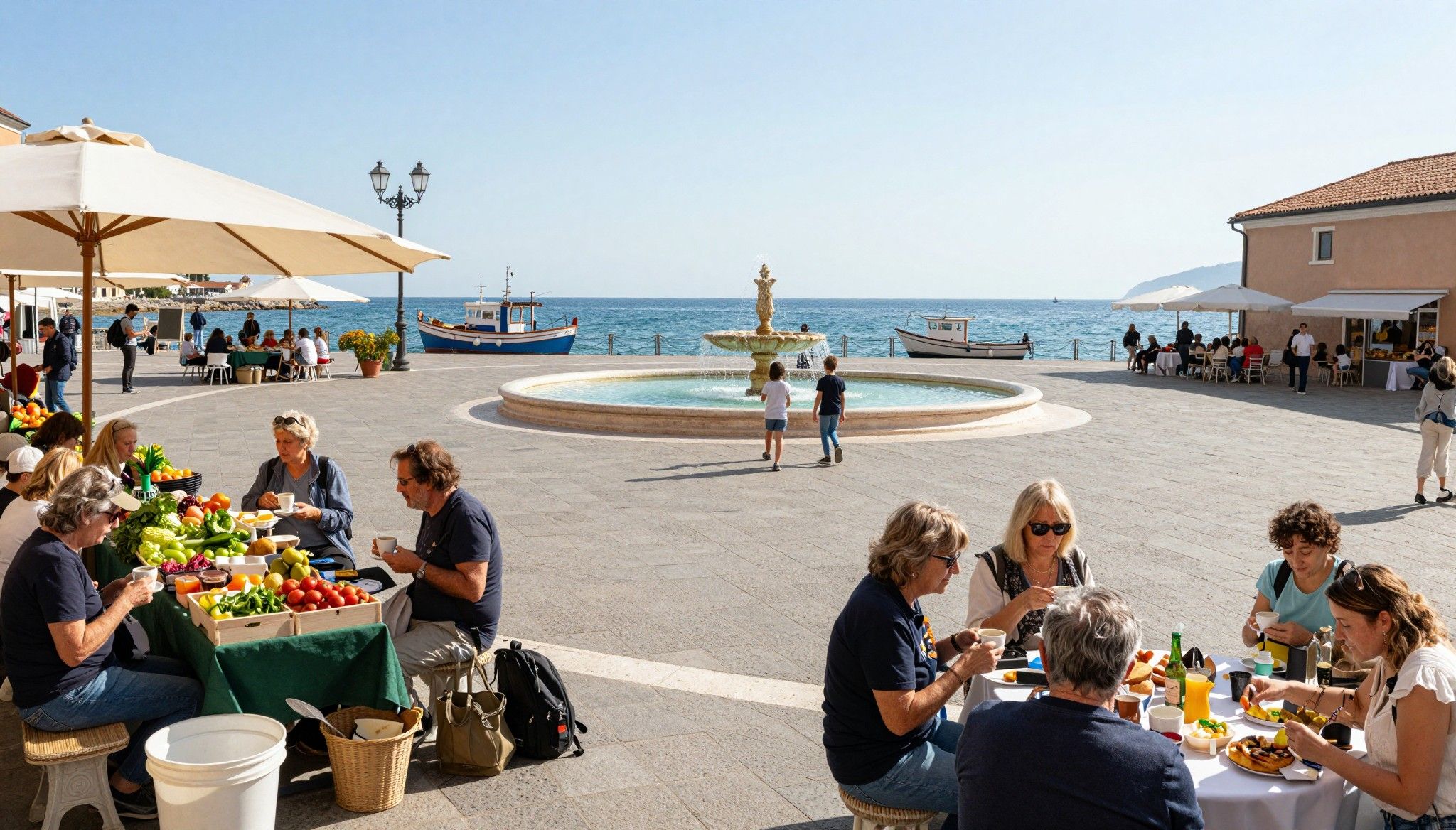
Imagine sipping an espresso on a narrow Florentine lane at 09:00, then buying fresh produce at a market in the same neighbourhood before a late afternoon aperitivo by a Venetian canal. Italy is lived in layers — daily rhythms, seasonal festivals and neighbourhood markets fold into property choices in ways a simple price-per-square-metre never captures. For international buyers this means your property decision is as much about time, taste and tempo as it is about value. Recent market analysis shows modest national price growth but large regional variation — and that variation is where lifestyle and opportunity meet.
Living the Italian lifestyle — what you actually get
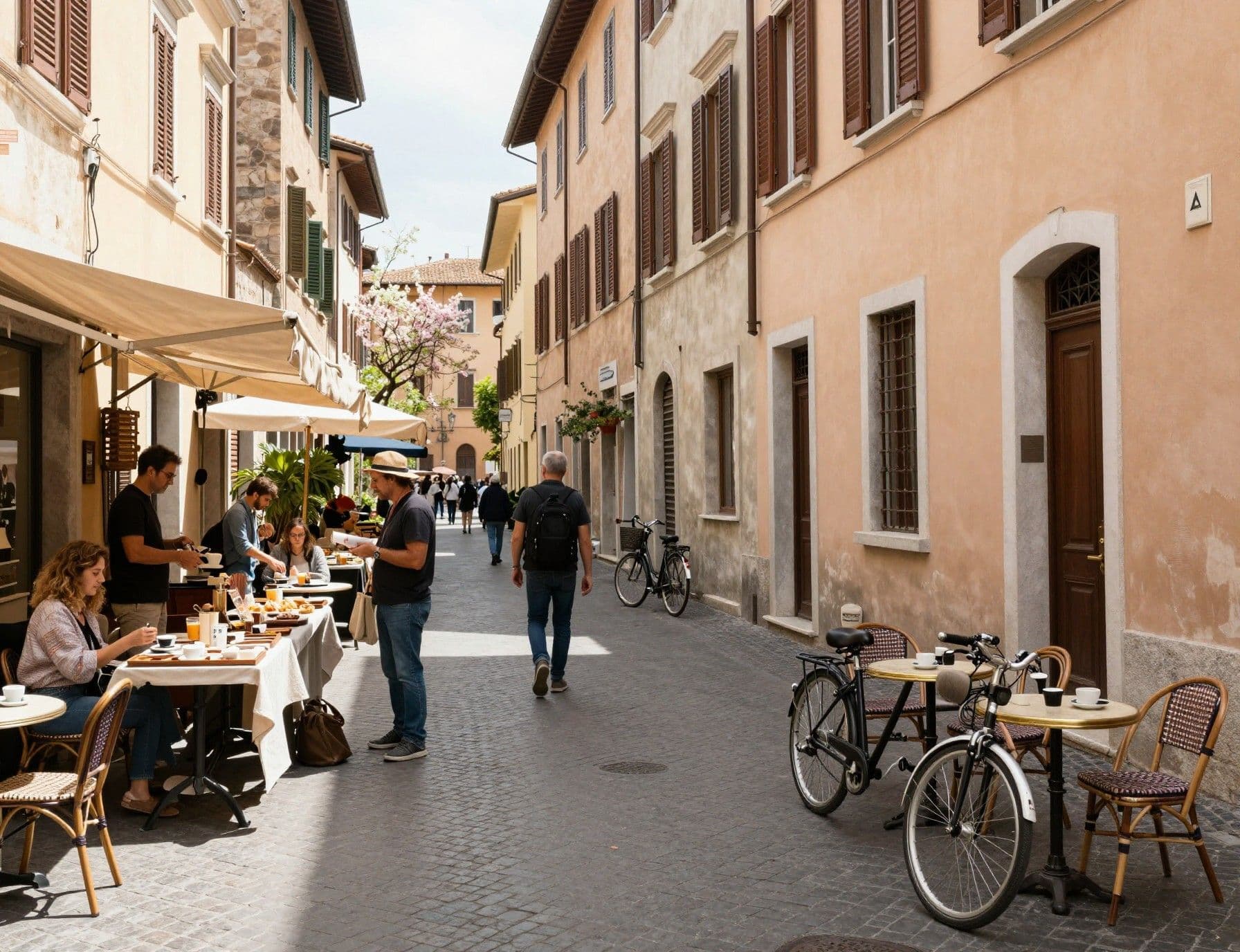
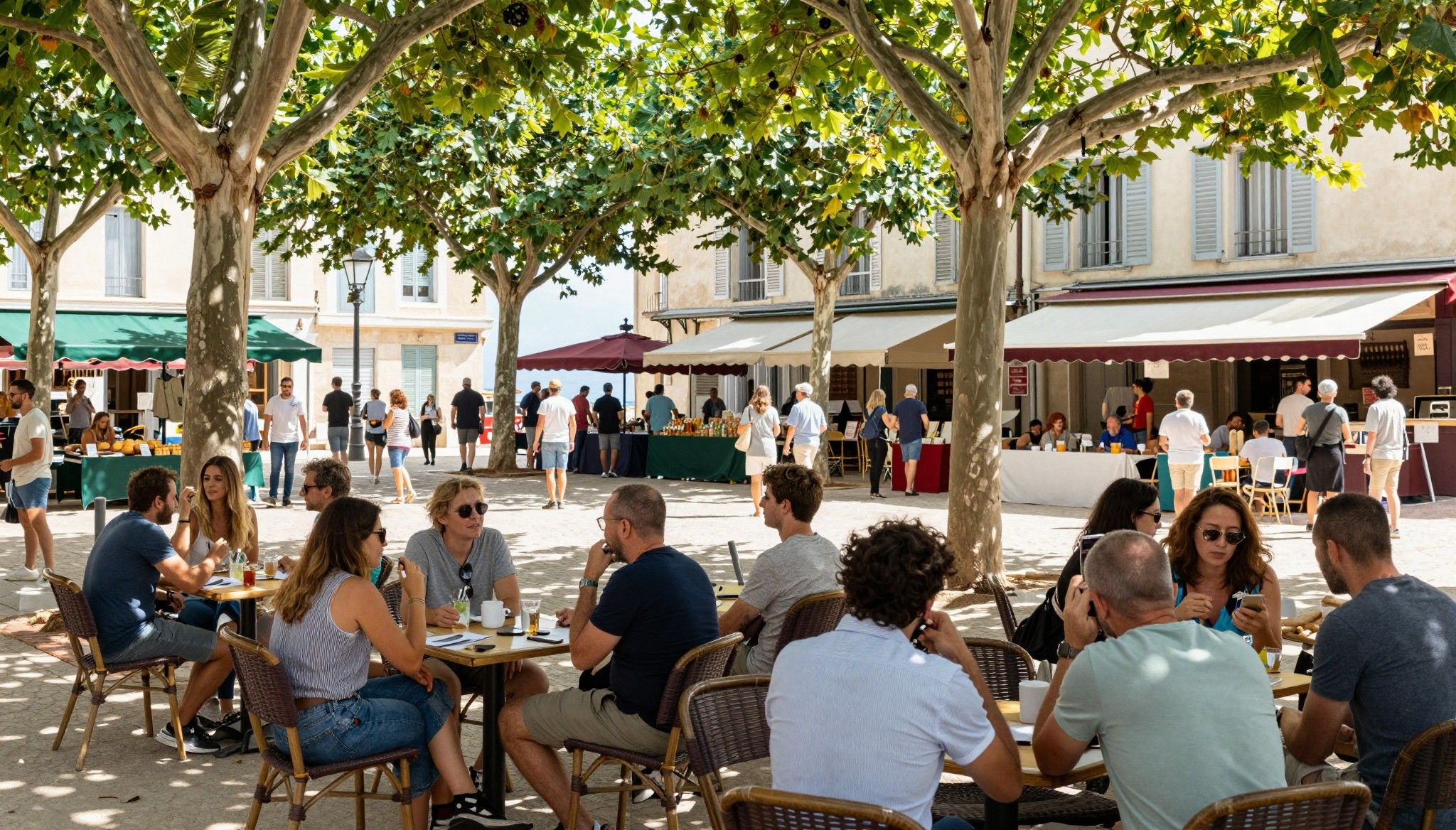
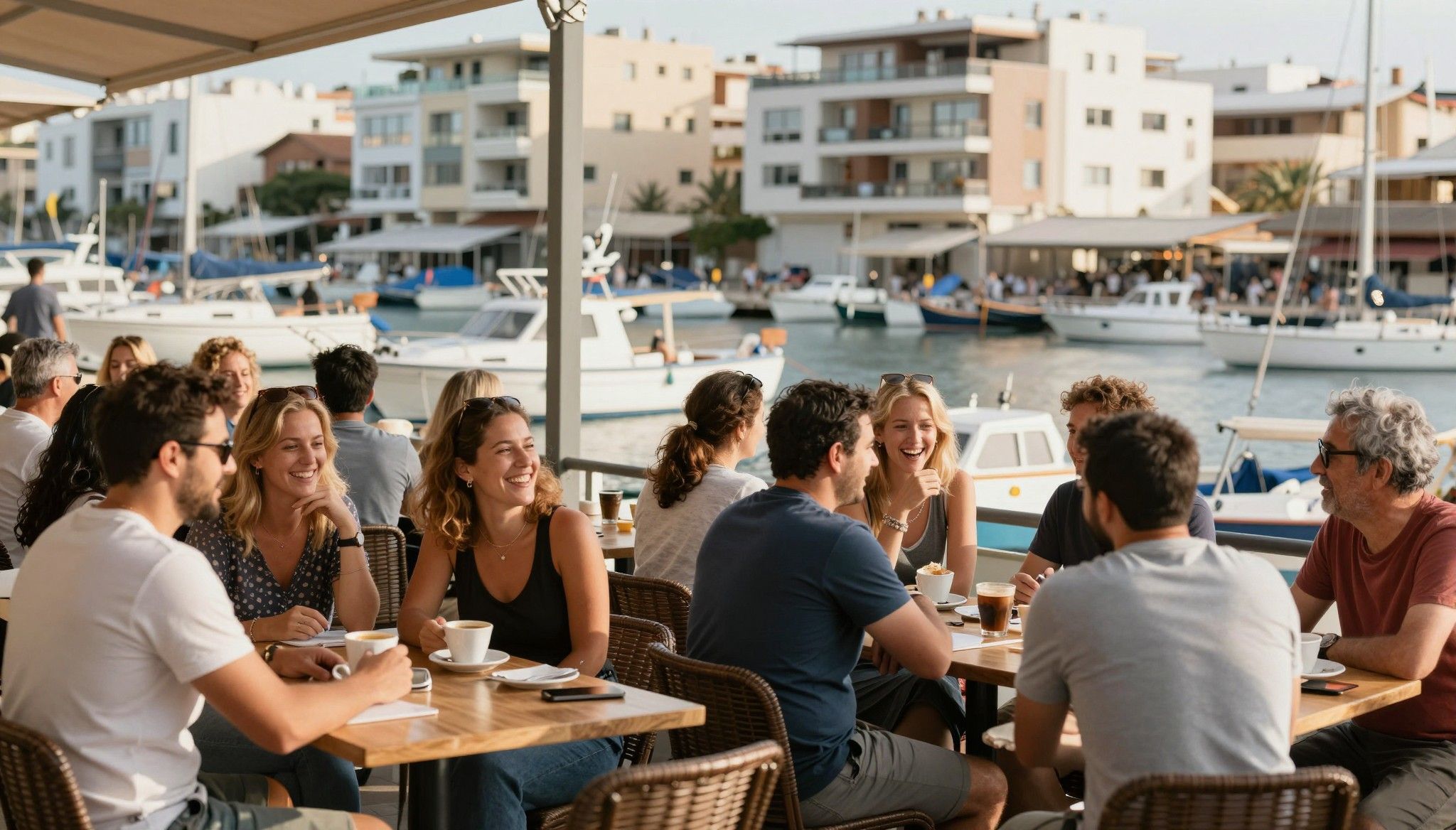
Italy’s daily life is generous with ritual: morning cafés, long market Saturdays, late dinners and public squares that hold neighbourhood life together. In Milan you’ll feel an efficient, design-driven tempo; in Naples the streets are noisy, familial and immediate; in Liguria small seaside towns slow down to the pace of tides and fishermen. Choosing a property here is choosing when and how you want your days to unfold — whether you want a piazza as a living room or a coastal terrace that turns every evening into a ritual.
City pulse: Milan, Rome, Florence — distinct daily rhythms
Milan moves at work pace: efficient transport, late-night aperitivi and a steady stream of international professionals. Rome mixes historical spectacle with neighbourhood intimacy — plates at a family trattoria, morning markets, and long, winding streets that reward exploration. Florence is more compact and cultural; if you want walkability and daily access to museums, markets and intimate cafes, its scale is hard to beat. Each city offers a different texture of day-to-day life and that texture is what you pay for, more than just centrality or square metres.
Coast and countryside: Liguria, Amalfi, Tuscany’s hills
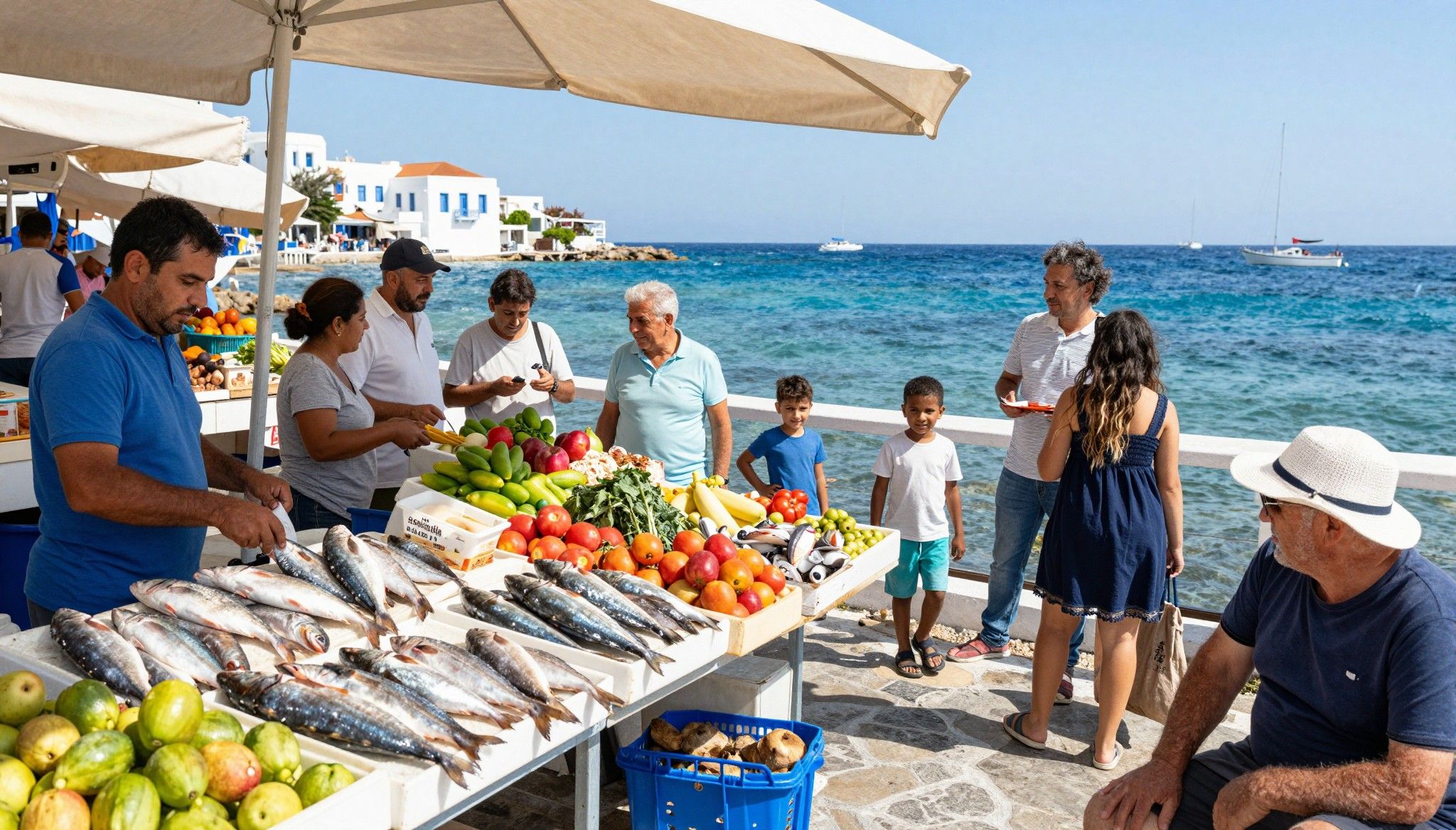
The Italian coast is a mood: Liguria’s pastel villages and narrow promenades, the Amalfi Coast’s vertical towns and cliffside terraces, and Tuscany’s gentle hills dotted with olive groves and agriturismi. Markets move with the seasons — citrus in winter on the Amalfi, spring flowers in Liguria, truffle season in Piedmont and Tuscany — and those calendars shape rental demand and living pleasure in predictable ways. For buyers who imagine terraces, sea breezes and farm-to-table routines, the microclimate and seasonal attractions dictate both lifestyle and income potential.
- Neighbourhood and lifestyle highlights: Santa Maria Novella market (Florence), Navigli canalside cafés (Milan), Trastevere trattorie (Rome), Sorrento citrus markets, Camogli promenades (Liguria).
Making the move: practical considerations married to lifestyle
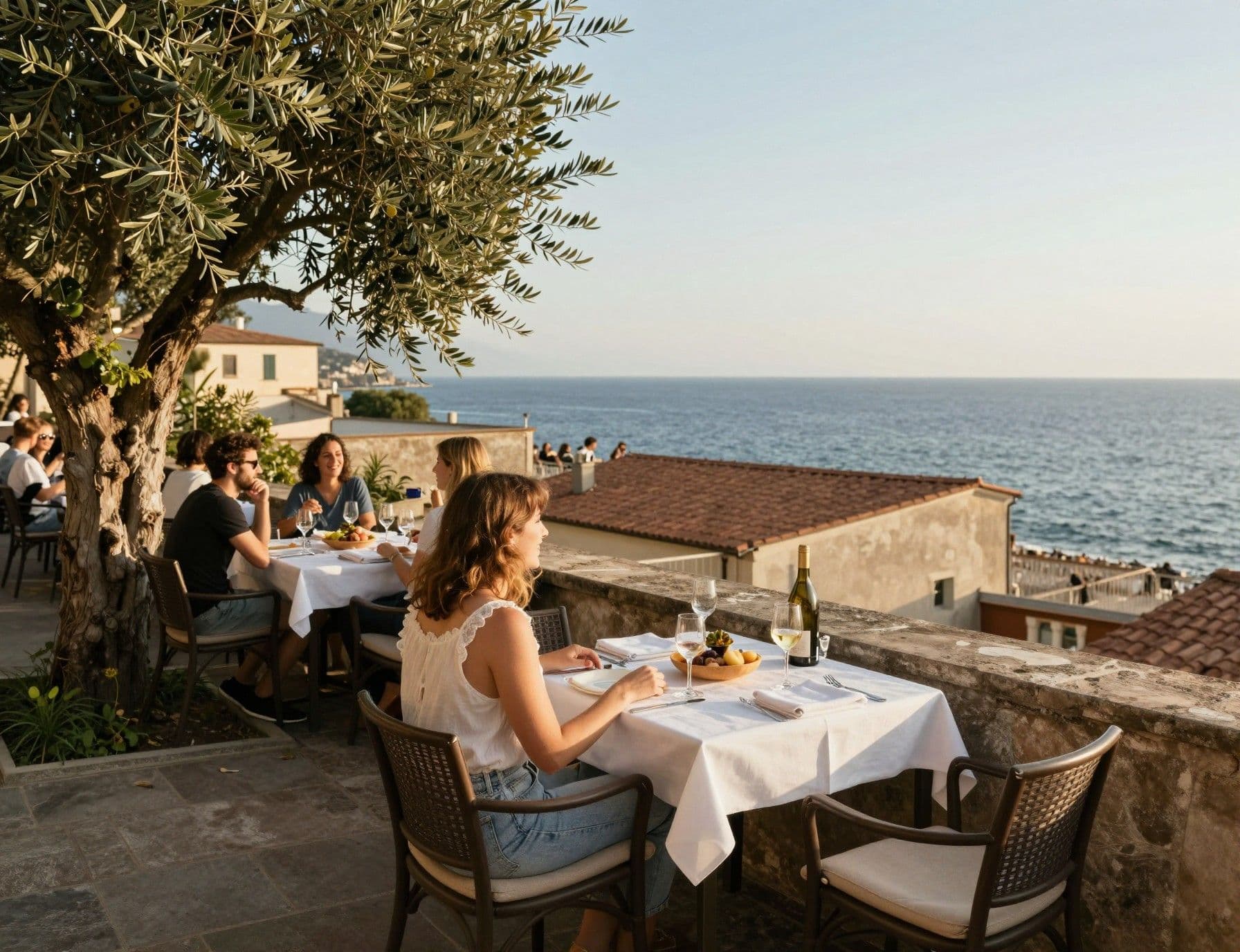
Dreams collide with paperwork, and in Italy that collision is often manageable if you plan for it. Market reports show national moderation in price growth but persistent strength in cities like Milan and tourist coasts where new supply is limited. Your practical checklist must include local market timing, renovation realities for older buildings, and realistic rental seasonality if you intend to let the property. Local agents who know neighbourhood rhythms can steer you away from common traps — like buying a tourist-season view that sits empty eight months a year.
Property types: historic flats, new builds, and country villas
Historic centre apartments offer immediacy — walking out your door to cafés and markets — but they come with quirks: shared staircases, small kitchens and renovation constraints. New builds provide modern systems, energy efficiency and predictable maintenance but are rarer in central historic zones. Country villas and coastal houses give space and privacy but add maintenance, access and seasonality concerns. Match property type to how you want to live: if daily market visits matter, choose walkable quarters; if privacy and outdoor living are priorities, look to estates and seaside terraces.
Working with local experts who know the rhythm
- 1. Hire an agent who shows you life, not just listings — ask for day-in-the-life walkthroughs and market-season calendars. 2. Insist on a local notary and a solicitor familiar with regional rules — renovation and heritage constraints vary by comune. 3. Check rental seasonality data if you plan to let: coastal towns can earn strong summer yields but are quiet off-season. 4. Verify energy performance (APE) and renovation costs early — older buildings often need structural fixes beyond cosmetic updates. 5. Visit in at least two seasons before committting — markets and neighbourhood life can feel different in winter vs. summer.
Insider knowledge: things expats learn the hard way
Expat homeowners often tell the same stories: the excitement of an immediate neighbourhood welcome, and the surprise of small but persistent frictions — utility bureaucracy, building consortium rules (condominio), and seasonal quiet that feels like loneliness if you bought for summer. Official data shows prices vary widely between provinces, and those variations align with lifestyle differences: coastal tourism hubs, university towns and Milan’s business districts each attract very different buyer profiles. Knowing those patterns ahead of time changes expectations and helps you choose a property that fits the life you want year-round.
Cultural integration, language and neighbourhood life
Language matters: while you can manage in big cities in English, small-town life rewards even basic Italian. Weekday markets, cafe owners and local committees are where neighbourhood life happens; being present and polite opens doors. Expats who make friends with neighbours gain informal help with things like building repairs and local tradespeople — and that social capital often pays dividends that no market analysis can quantify.
Long-term lifestyle and investment considerations
Think beyond the purchase: maintenance, seasonal management and community dynamics evolve. Reports forecast modest national growth and pinpoint cities with stronger momentum, but your personal return will often come from using the property well — renting smartly, renovating thoughtfully, or living there full-time. For many international buyers the best outcome is a blended plan: a lifestyle home that occasionally earns income, managed locally by trusted contacts.
- Practical red flags to watch for: unclear condominium rules, lack of local heating/APE certification, properties advertised with misleading “sea views” but poor access, permissive-looking permits that lack final approvals, and asking prices that ignore renovation needs.
If Italy feels like a series of taste tests — each town and quarter offering a different flavour of life — that’s its strength. The right property allows you to live those flavours daily. Visit in multiple seasons, insist on local expertise that shows the life not just the listing, and build a plan that pairs the lifestyle you want with the practical supports you’ll need. When you do, Italy stops being a destination and becomes home.
Danish relocation specialist who has lived in Barcelona since 2016. Helps families move abroad with onboarding, schooling, and local services.