The French price myth: where value hides
The "France is expensive" story misses regional tax tweaks, departmental transfer‑tax moves and lifestyle trade‑offs; a lifestyle-first brief plus notaire and tax checks reveals hidden value.
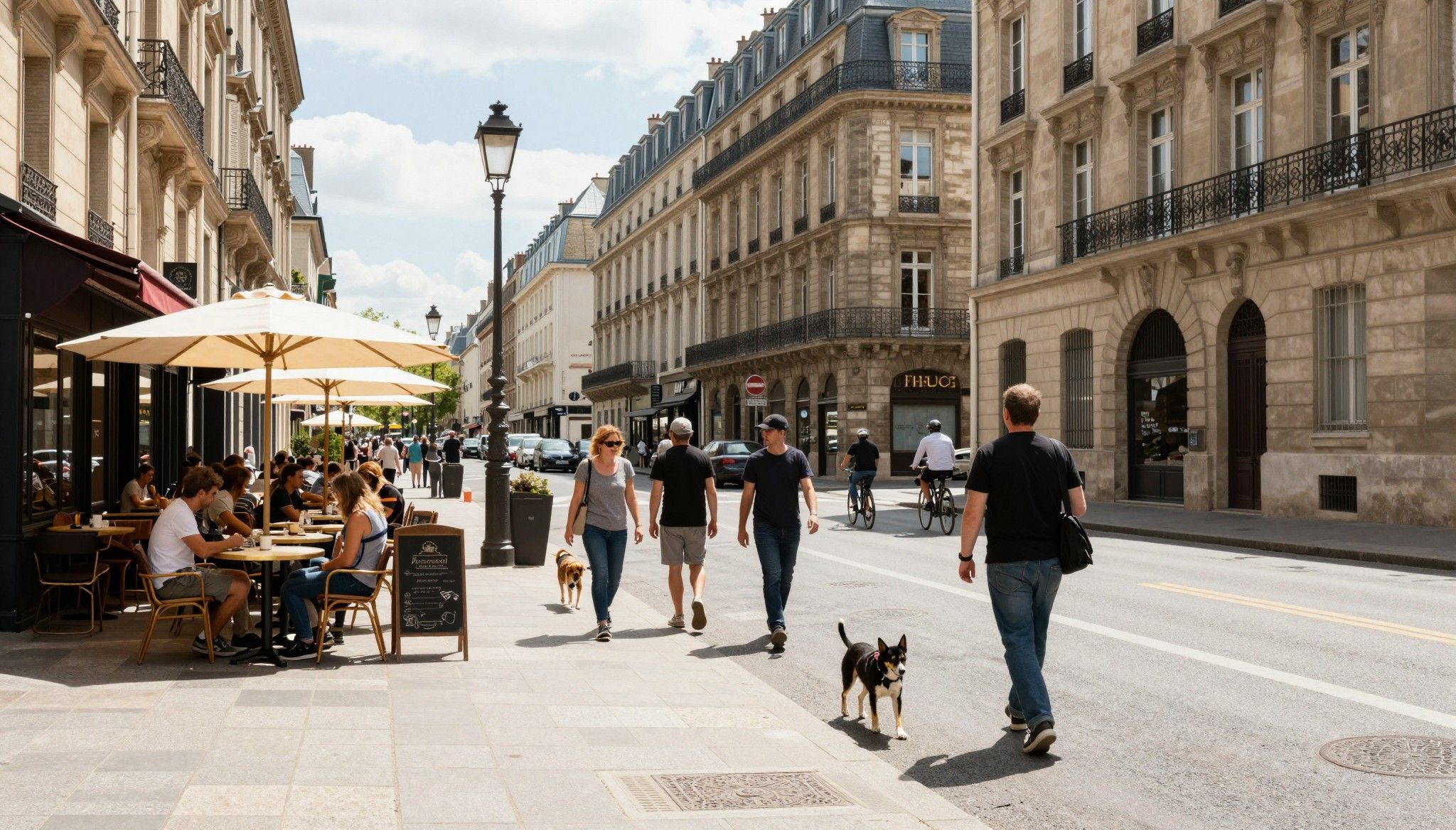
Imagine waking on a cool morning in Lyon, picking up pain au chocolat on Rue Mercière, and strolling past a riverside market where renovation projects and family-run boulangeries sit side-by-side. That contrast — lived-in charm next to solid bricks-and-mortar opportunity — is the story many international buyers miss when they hear "France is expensive." Recent market signals show important regional variation and tax rules that reshape value for non-resident buyers.
Living the French life — senses first, spreadsheets second
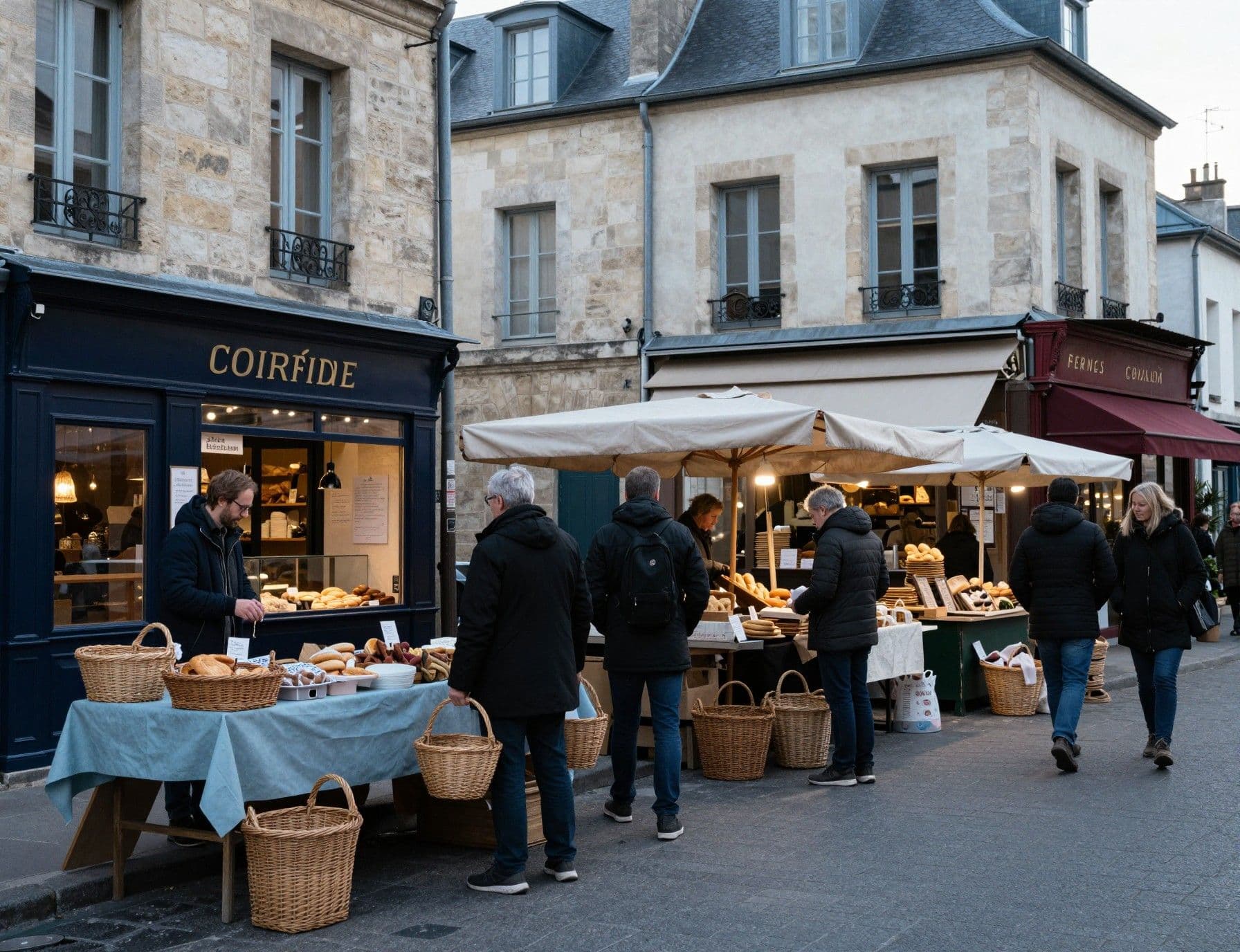
France is less a single lifestyle and more a collection of rhythms. In Marseille, mornings smell of sea and roasted coffee; in Bordeaux, weekends pivot around market stalls and clinking wine glasses; in the Loire Valley, country lanes mean late lunches and long garden summers. For buyers, the lived reality — street-level markets, laundries that close at 1pm, boulangeries that open before dawn — determines which property type will actually fit your life.
A neighbourhood pick: Croix-Rousse (Lyon) vs. Batignolles (Paris)
Crossing from Croix-Rousse’s hilltop terraces to Batignolles’ tree-lined avenues illustrates trade-offs. Croix-Rousse feels communal — open-air markets, artisans, slower pace — and prices reflect local demand rather than international bidding. Batignolles offers park-side prestige and excellent transport, but premium for convenience. The difference can be tens of percent in price per square metre, and it’s where a lifestyle-first brief saves money.
Food, routine and season: how life shapes property choice
If you imagine weekends exploring farmers' markets like Marché des Enfants Rouges (Paris) or Marché Forville (Cannes), you’ll value ground-floor apartments with easy access. If you want summer on the Côte d'Azur but quiet winters, a smaller coastal pied-à-terre plus inland rental strategy works better than buying at the top of the seafront demand curve.
- Lifestyle highlights to scout when you visit (places to walk, eat, and test)
- Attend a weekday market: Marché d'Aligre (Paris) or Marché Capucins (Bordeaux) to test daily rhythm.
- Spend an evening in a local quartier café — locals will tell you which streets quiet down and which come alive.
Making the move: practical considerations that respect the lifestyle

Your dream address matters, but so do purchase costs and residency rules. "Frais de notaire" (acquisition costs) in older properties commonly run around 7–8% of the price and are largely made up of transfer taxes, which can vary by department. That variance — and recent departmental increases in some areas — directly affects the true cost of buying in France. Use local calculators and talk to a notary early in your search.
Property types and how they match daily life
Haussmannian flats in central Paris offer walkability and strong rental demand but come with higher per-square-metre prices and strict copropriété rules. Stone houses in Dordogne give garden space and slower seasons but higher renovation and energy retrofitting costs. New-builds (loi Pinel or other programmes) often have lower notary fees and modern insulation — useful if you prioritise energy bills and predictable maintenance.
How local experts translate lifestyle into legal safety
- Work with a notaire, a local agency, and a tax adviser who know the department rules, copropriété minutes, and local rental demand. They will: 1) estimate transfer taxes and exact notary costs, 2) check urban planning restrictions and renovation permissions, 3) align residency status and tax residency implications with your income sources.
- If you plan to live more than six months, residency and tax status change how rental income and capital gains are treated. Non-residents pay tax on French-source income and must observe double-tax treaties; for many buyers, structuring ownership (personal vs. company) matters for inheritance and rental tax.
Insider knowledge: what expats wish they'd known
Real buyers’ regrets usually come from missing the micro-details: a loud bakery below a bedroom, incomplete copro minutes hiding large upcoming works, or a local tax change that lifted transfer costs. In 2025 some departments raised their share of DMTO (transfer tax), which altered purchase budgets for buyers in affected areas. Small regulations or one-off departmental decisions can change the arithmetic of what felt like an affordable street.
Cultural integration, language and daily social life
Learning enough French to read copro minutes and ask neighbours about planned works pays off. Community activities — pétanque in village squares, volunteer marchés, local fêtes — are where expats make durable ties. Neighbourhood dynamics determine whether a property becomes a home or a mere asset.
Long-term practicalities: taxes, inheritance and future mobility
French inheritance rules (forced heirship) and wealth taxation can affect estate planning. If your plan includes renting the property seasonally, check local short‑stay regulations and tax treatments. For buyers aiming to split time between France and another country, ensure a clear residency plan and cross-border tax advice before signing.
- Red flags to check on a viewing
- Missing syndic minutes or unclear past works — ask for the last three years of copropriété minutes.
- Unusually low price with vague renovation history — get a structural report and energy diagnostic (DPE).
- High departmental transfer tax in the département — confirm exact DMTO rates with the notaire.
- Step-by-step: an efficient lifestyle-first buying checklist 1) Spend three days living like a local in your target quartier (shops, evening rhythms), 2) Ask a notaire for precise acquisition costs and any planned DMTO changes, 3) Review copro minutes and local urban plans, 4) Get tax advice about non-resident income treatment, 5) Budget for energy retrofits and seasonal running costs.
Practical note: departmental fiscal choices can change the buyer’s up-front burden. In 2025 some departments increased their DMTO contribution; that kind of local policy shift is why a department-by-department check with a notaire or local tax expert is essential.
France rewards buyers who marry lifestyle clarity to local due diligence. Start with lived-in testing (three-day trials), confirm exact acquisition costs with a notaire, and secure tax advice about residency and rental income. When you couple the smell of fresh bread on a street that suits your rhythm with a clean financial plan, you buy a life — not just a price per square metre.
Swedish strategist who relocated to Marbella in 2018. Specializes in legal navigation and tax planning for Scandinavian buyers.