Italy: Seasons, Streets and Smart Buying Signals
Italy’s appeal is sensory—piazzas, markets, coastal seasons—but smart buyers pair lifestyle choices with regional transaction data and local experts.
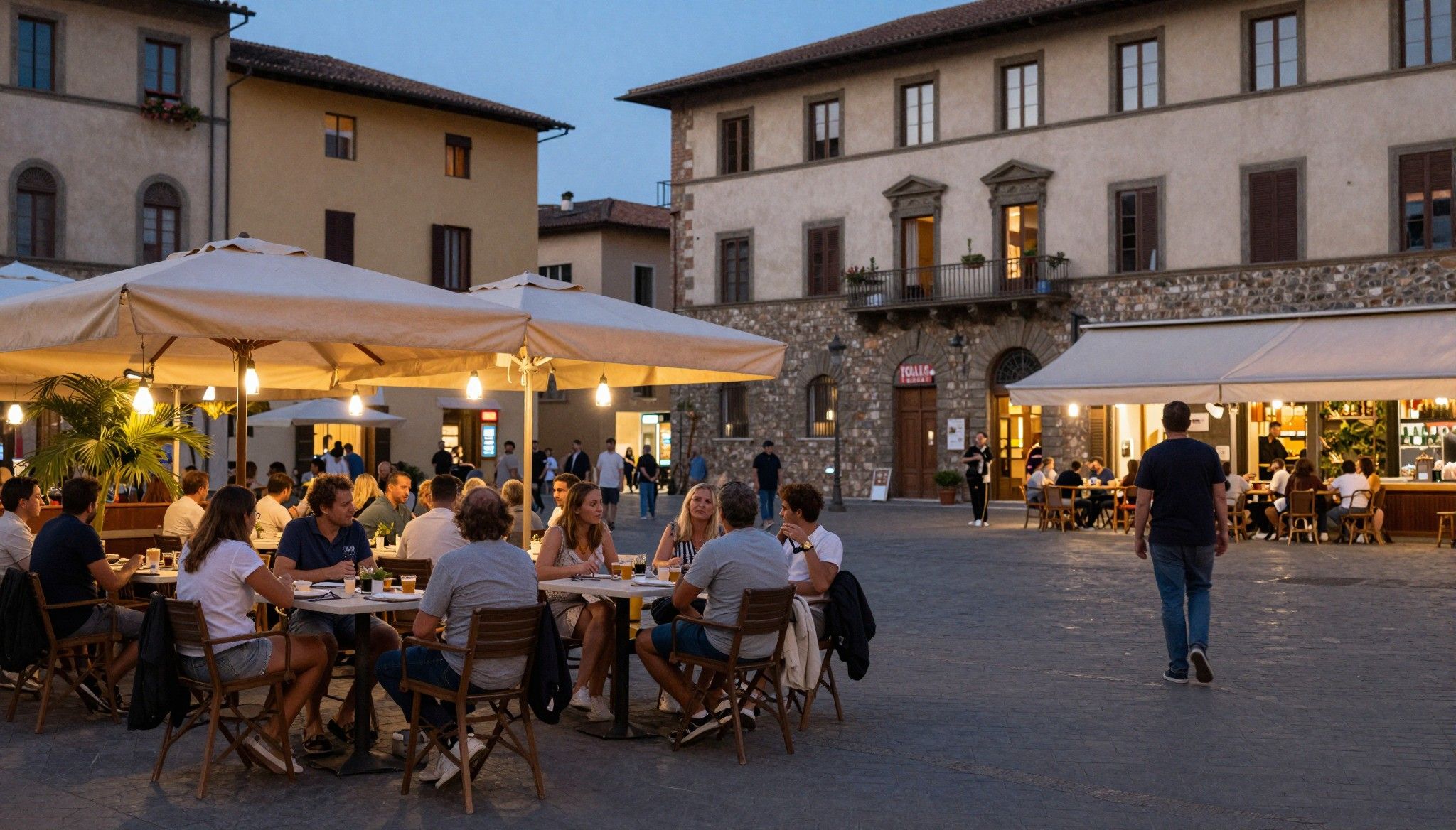
Imagine an espresso at 09:30 on a sun-warmed piazza in Trastevere, a Saturday morning fish market in Genoa, and an evening passeggiata along Via Matteotti in Bari. Italy lives in layers—olive groves and raucous markets, narrow cobbled streets and modern tram lines—where everyday scenes shape where you want to live. For international buyers drawn to Mediterranean rhythm, Italy offers lifestyle variety few countries can match; but those same charms change what to look for when buying. This piece pairs lived-in moments with evidence-based signals so you fall for the place—and make a smart purchase.
Living the Italian life: more than a postcard
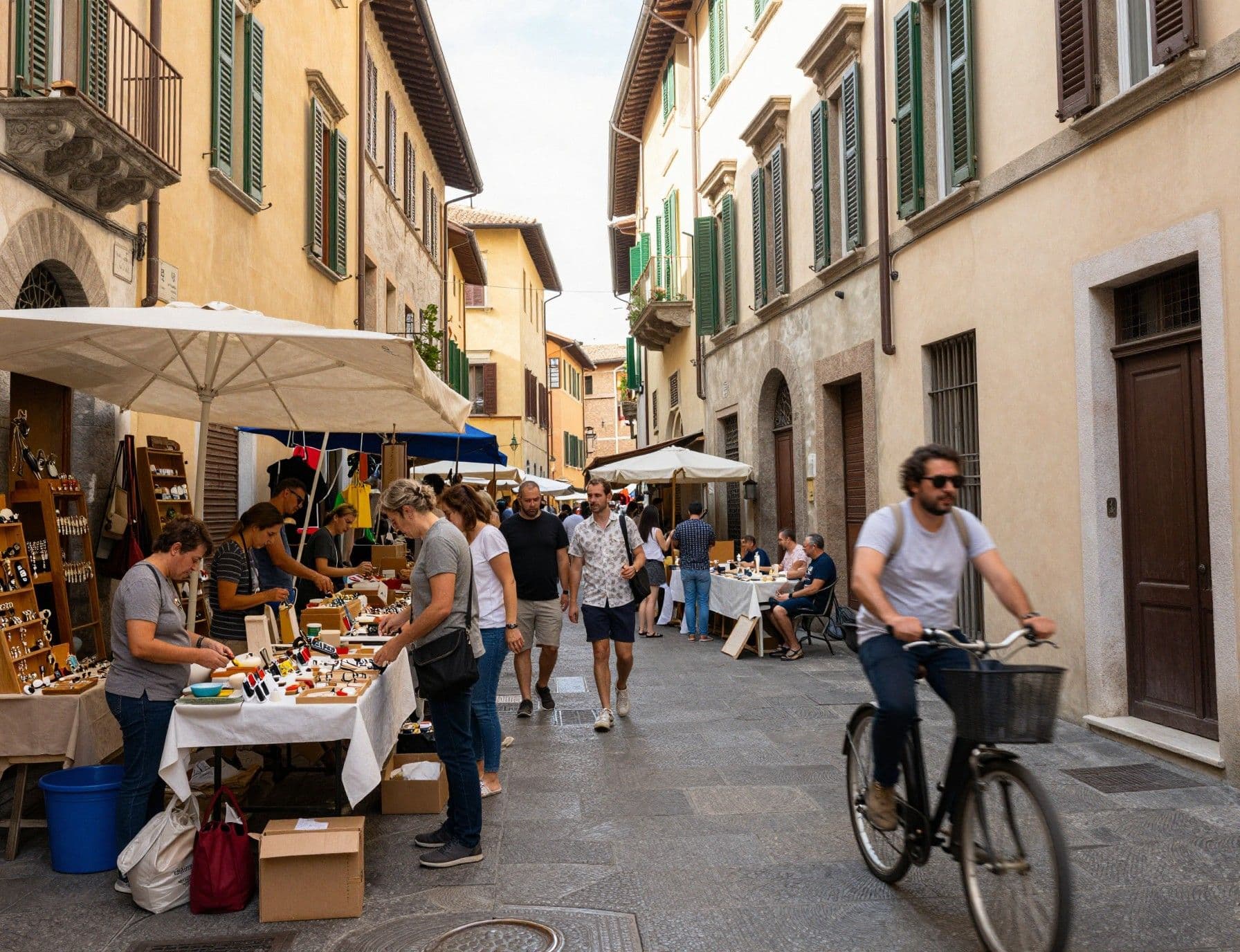
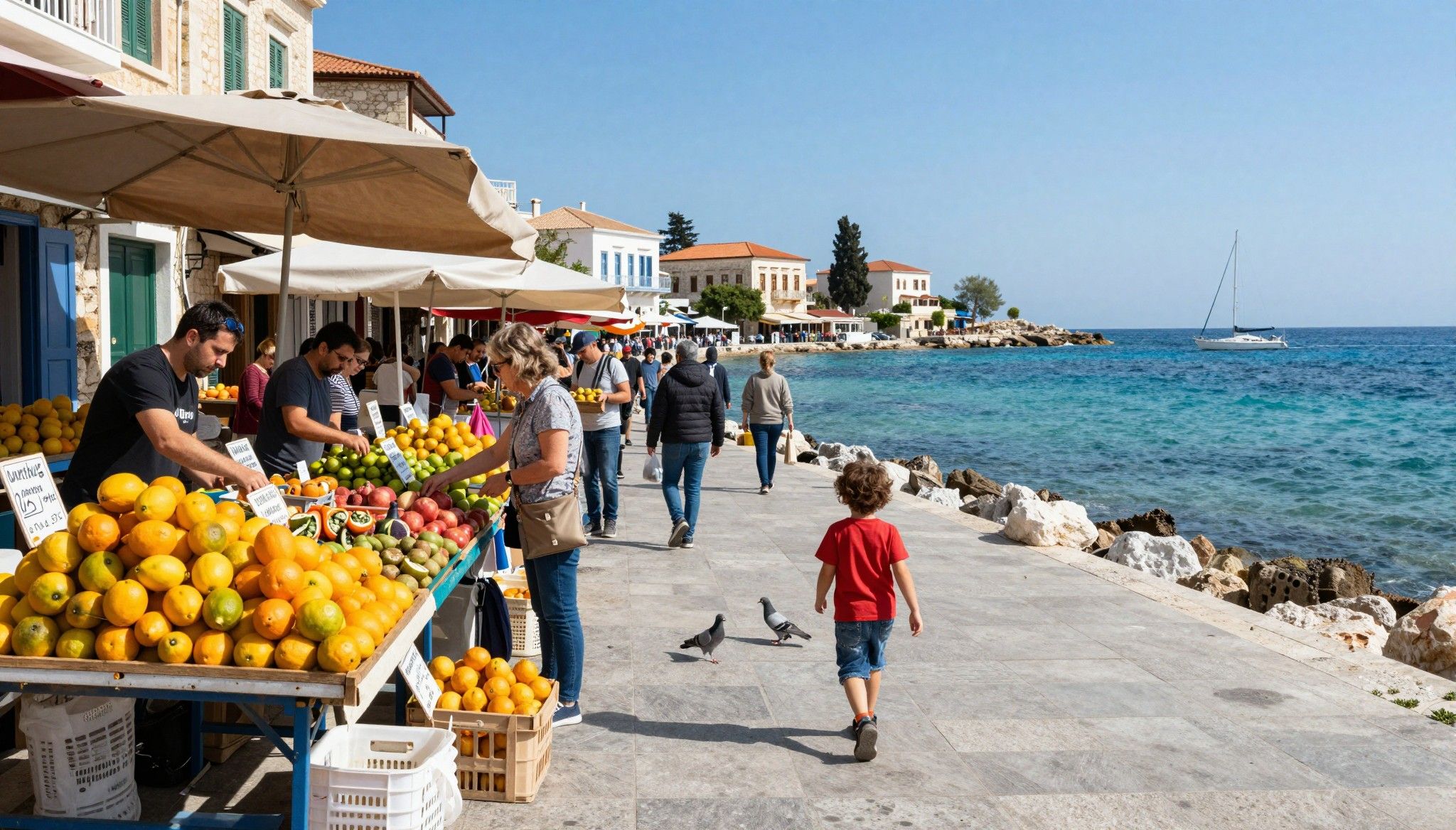
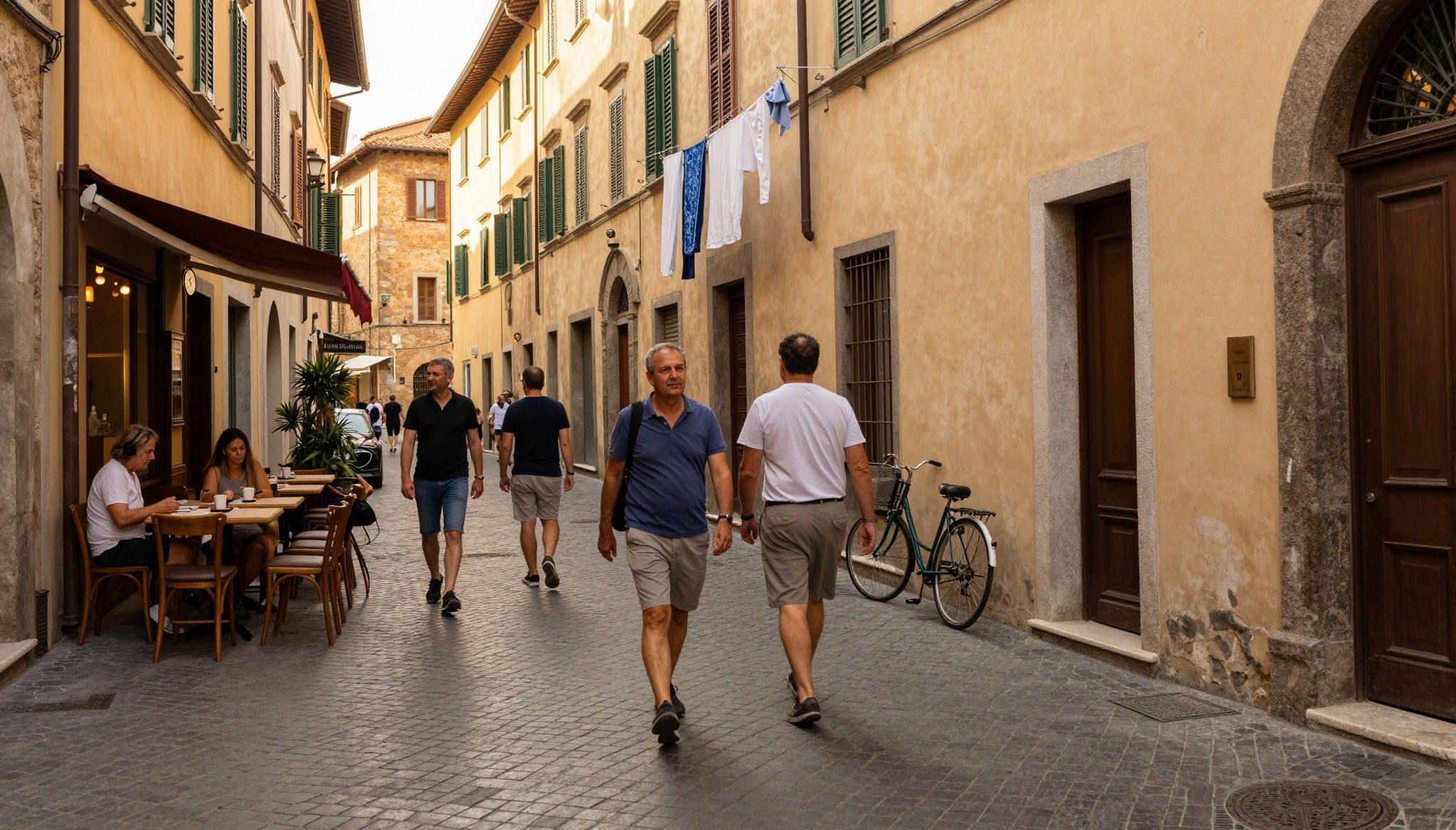
Living in Italy is sensory and social: morning bars, late dinners, the hum of neighbourhood markets. Cities and regions have distinct tempos—Milan moves with compact efficiency, Florence breathes craftsmanship and ritual, coastal towns from Liguria to Puglia revolve around the sea and seasonal visitors. These rhythms influence daily needs: proximity to a market matters in Siena, parking and storage matter in Naples, and sea-facing terraces matter in Salento. For buyers this means choosing a lifestyle first—then matching property features to how you will actually spend weekdays, weekends and the long Italian holidays.
Florence & Oltrarno: craft, coffee, and conviviality
Picture narrow streets where artisan workshops open onto lively squares: Oltrarno’s Santo Spirito is a perfect case. You’ll buy a small piazza-facing apartment if you prize community, afternoon light and walking access to independent bakeries and ateliers. But expect higher maintenance for historic buildings and stricter renovation rules if the property sits inside a protected centro storico. For many buyers the trade-off—authentic neighborhood life versus renovation complexity—is worth it; the key is realistic budgets and a local architect who knows heritage limits.
Coastal life: Liguria to Puglia—different seas, different seasons
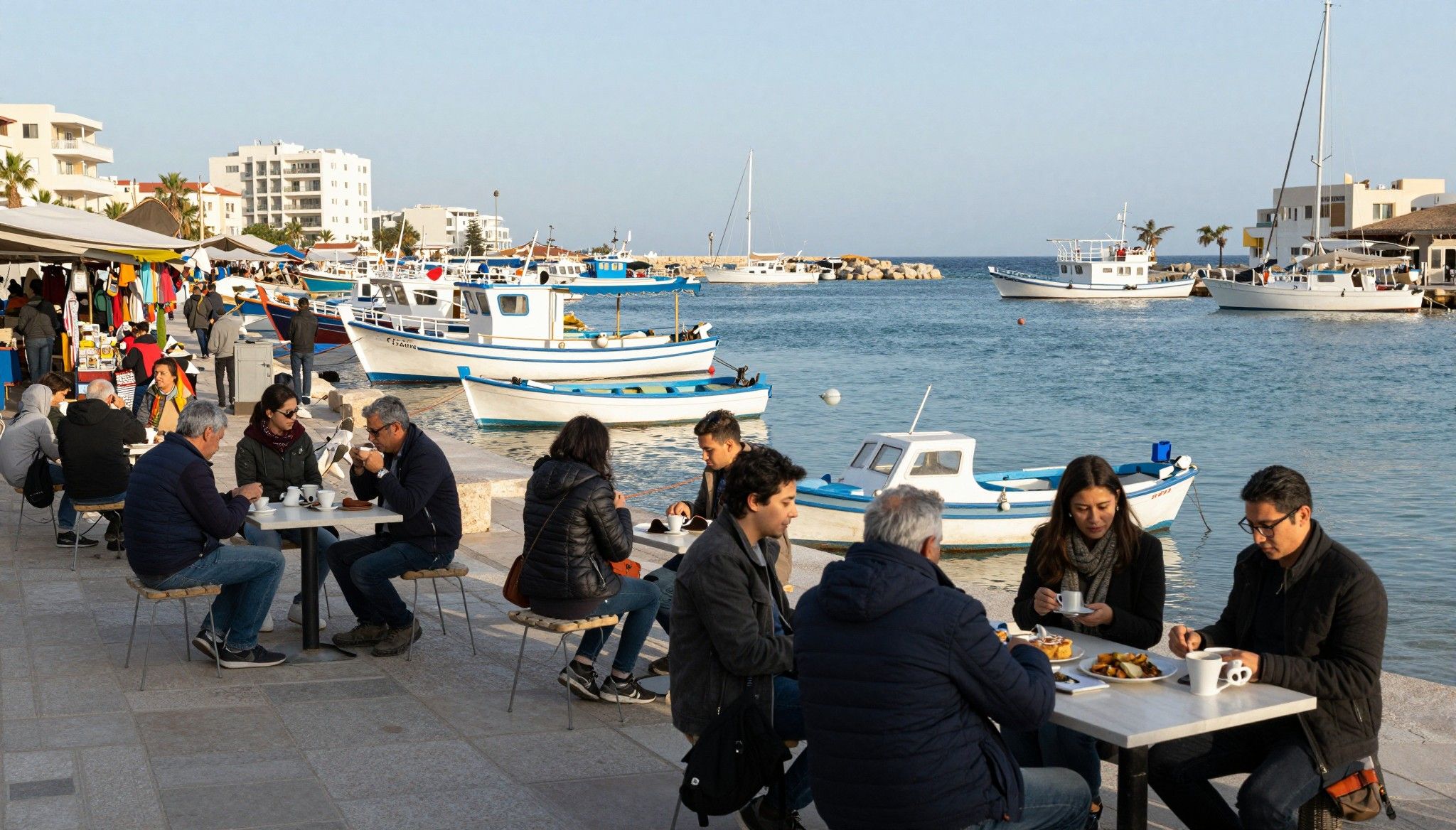
Coastal towns offer beach-front mornings and seafood markets, but each coastline behaves differently. Liguria’s narrow terraces and cliffside villages trade space for views; Puglia offers lower prices and agricultural scenery with long summers; the Amalfi and Cilento coasts trade accessibility for premium demand during holiday months. Seasonality affects rental demand and living comfort—expect a spike in short-term bookings in July–August and quieter, more local life in shoulder months. If rental return matters, match the property to the coastline’s calendar and transport links.
Making the move: practical considerations that matter to life
Match lifestyle to property type before you narrow towns. A restored centro storico flat delivers immediacy to local life but often limits parking and outdoor space; a suburban villa brings daylight and storage but depends on a car. Italy’s 2023–2024 data show regional differences in transaction volumes and price movement, so location choice is as decisive as property features. Use market data to temper romance: look at recent transaction trends and new-build activity in the provinces you like to confirm liquidity and rental prospects.
Property styles and how you'll live in them
Historic apartment: instant neighbourhood immersion, limited storage, potential heritage constraints that increase renovation costs. New-build apartment: elevators, parking and insulation but often fewer character details and occasionally slower capital appreciation in the short term. Country villa or masseria: outdoor living, olive groves and privacy—expect higher running costs for utilities and maintenance. Choose the form that supports daily habits: cook at home, entertain outdoors, or be steps from a café and market.
Work with local experts who understand life, not just listings
- 1. Ask agents for neighbourhood “day-in-the-life” tours—cafes, transport, waste collection days, and noise patterns. 2. Hire an architect experienced with local soprintendenza (heritage) rules if you’re in a protected area. 3. Request recent comparable sales (ultimo anno) for the immediate street, not just the town. 4. Verify short-term rental permissions with the municipality and check seasonal occupancy limits. 5. Confirm running costs: condominium fees, heating (riscaldamento) type, and property tax (IMU) expectations.
Insider knowledge: what expats wish they'd known
Expat experience often boils down to small, habitual differences: shop opening hours, how neighbours resolve disputes, and which local associations host summer festivals. These social textures determine whether a place feels like home by month three or month twelve. Practical surprises—electricity contracts take time to switch, municipal rubbish schedules are strict, and municipal registry (anagrafe) requirements vary—are easily solved with local help but can feel overwhelming alone. Plan for a transition period and build local relationships early.
Cultural integration and everyday community
You’ll integrate faster by frequenting the same bar, market stall and post office; Italians respond to consistency. Language helps—basic Italian opens doors—but many municipalities have established expat communities and local international schools, especially around Milan, Rome and Florence. Expect friendship to build around food and shared civic rituals: festival organisation, volunteer market mornings, and football club nights. These community anchors often determine long-term happiness more than property features.
Long-term lifestyle and what to expect of the market
The Italian market is local: Lombardy and other northern regions often show faster transaction activity and liquidity than some southern provinces. Recent reports indicate modest recovery in transactions for 2024 after 2023’s slowdown, while new-build interest has been rising in certain quarters. For long-term buyers, diversify expectations: capital growth varies by region, but rental demand for well-located properties—near transport and seasonal centres—remains resilient. Use regional transaction data to assess exit liquidity before you buy.
- Lifestyle highlights: - Espresso and market mornings: Campo de' Fiori (Rome) or Mercato Centrale (Florence). - Beach life: Camogli (Liguria) and Polignano a Mare (Puglia) for authentic coastal living. - Artisan neighbourhoods: Oltrarno (Florence), Brera (Milan) for studio and shop culture. - Day trips: Lake Como villages for weekend escapes; Val d'Orcia for countryside leisure. - Cultural calendar: local sagre (food festivals) and patron saint days shape social life.
Conclusion: fall for Italy, buy with local clarity
Italy rewards buyers who prioritise lived experience first and transaction mechanics second. Start with neighbourhood visits at different times, use local transaction data to confirm liquidity, and engage local architects, notaries and agents who can translate everyday life into durable property decisions. If you want the piazza and ritual, accept renovation trade-offs; if you want a terrace and parking, expect to be a short drive from the historic centre. Fall in love sensibly: the life is waiting, and the right local team helps you bring it home.
Norwegian market analyst who relocated to Mallorca in 2020. Focuses on data-driven market insights and smooth relocation for international buyers.